Church of Santa Maria in Cosmedin
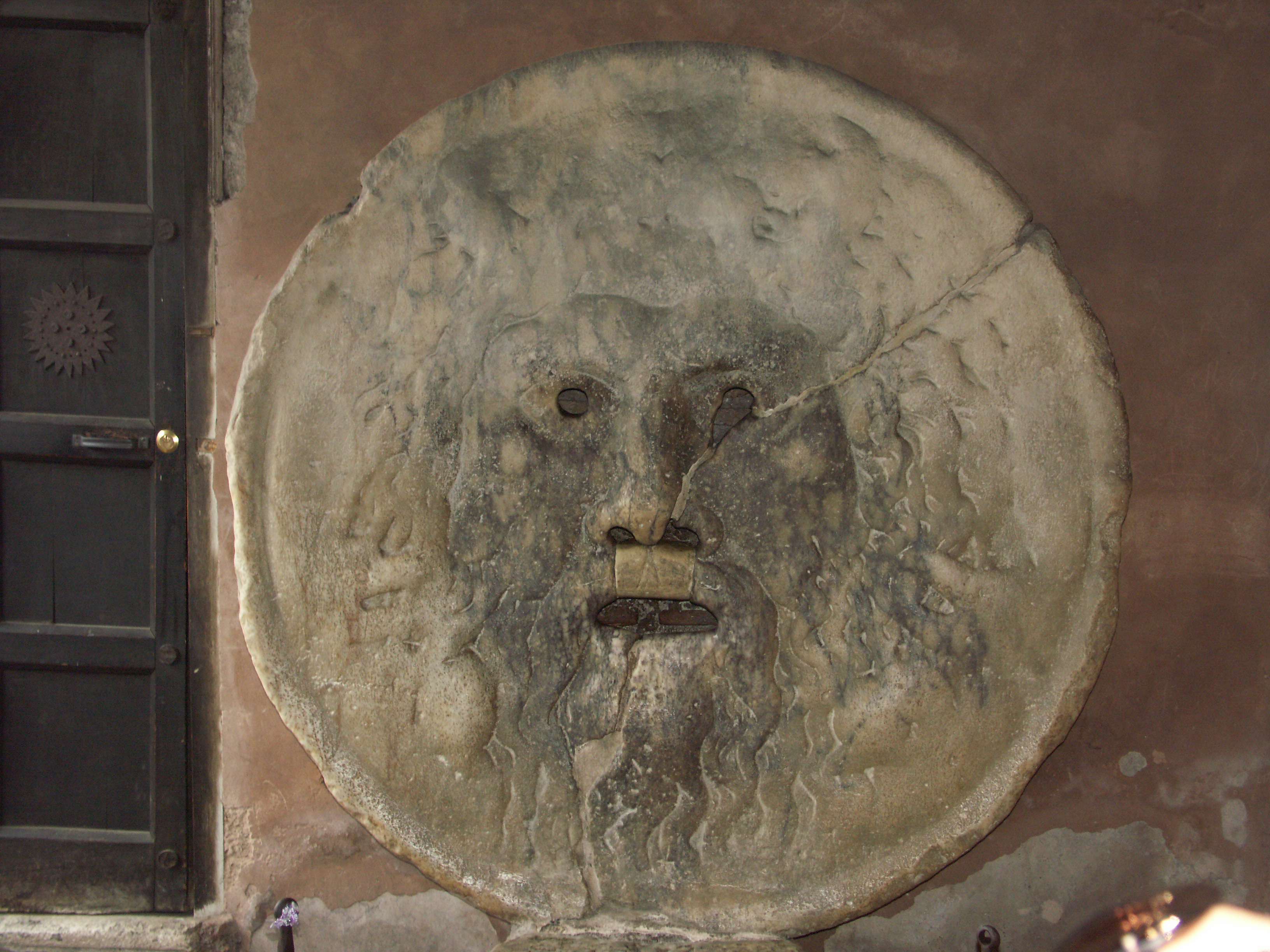
A 6th-century church rebuilt over a Roman temple, featuring Byzantine mosaics and the famous Bocca della Verità (Mouth of Truth). The medieval interior reveals layers of Christian reuse and artistic devotion atop classical foundations.
Welcome to Rome — the city that refuses to throw anything away. You're standing in a place where two millennia of human ambition are literally stacked on top of each other, and today we're going to excavate them. Rome isn't just old; it's *layered*. Beneath your feet, Roman houses still stand in their original rooms, walls intact, waiting silently under churches. Medieval neighborhoods pulse above Roman temples. Renaissance palaces sit atop forgotten amphitheaters. For the next 85 minutes, we're going to ask a simple, obsessive question: what's underneath? We'll start with a grin and a marble mouth in Cosmedin, then move deeper — into excavated basilicas, through the medieval streets of Monti, and finally into the museum where Rome's layers come off the ground and into the light. Bring your curiosity and comfortable shoes. We're about to dig.
Everyone comes for the Mouth of Truth. You know the photo—the ancient marble mask, the playful dare to slip your hand inside and risk it being trapped if you're dishonest. It's irresistible, iconic, instantly recognizable. But here's what makes this church genuinely thrilling for anyone who loves Rome's hidden archaeology: that famous mask is just the beginning. Look around this space, and you're standing in one of Rome's most legible examples of how medieval Rome literally built itself on top of the classical world.
We're in the Church of Santa Maria in Cosmedin, and beneath your feet, the story runs deep. This church was built in the 6th century on the site of an earlier Roman temple—probably a shrine to Ceres, the goddess of agriculture. When Christianity took hold, the Romans didn't demolish what came before; they simply consecrated it, transformed it, kept building. The basilica you're standing in now took its present form largely in the 12th century, but that Roman foundation never went away. It's literally holding everything up.
Take a moment and look down. The floor beneath you is a medieval Cosmatesque mosaic—that intricate geometric pattern made from fragments of marble and stone. These floors are characteristic of 12th-century Rome, created by the Cosmati family of marble workers. But notice something remarkable: they're using pieces of the classical past to create medieval beauty. That wasn't accidental reverence. Medieval Romans had access to vast amounts of broken marble from ancient buildings, and they repurposed it deliberately, almost obsessively. It's as though they were saying, "We live in the shadow of the classical world, and we'll build from its broken pieces."
Now look at the walls, the columns, the sense of vertical space. The church has undergone renovations, but you can still spot the layers if you know where to look. The Byzantine mosaics you see—particularly in the apse—come from the 8th century. That's a moment when Rome was looking eastward, absorbing influences from Constantinople. Gold-backed glass tesserae catch the light as it filters through the narrow windows. It's breathtaking.
And then there's the Bocca della Verità itself, mounted in the portico. Yes, it's probably a classical Roman drain cover or perhaps a mask from an ancient fountain. Medieval Christians transformed it into something far stranger: a lie-detector, an instrument of divine judgment. The legend emerged during the medieval period—you place your hand inside, you make an oath, and if you're lying, the marble will bite down and sever it. Of course, it won't. But the fact that medieval people created this story, attached it to a classical object, and believed it tells you something vital about how they experienced the ancient world. Rome wasn't a museum to them. It was alive, mysterious, laden with power.
This is where our journey begins. You came for the viral photo opportunity, and there's absolutely nothing wrong with that. But Santa Maria in Cosmedin is asking you a more complex question: What happens when one civilization builds atop another? What gets preserved? What gets transformed? What stories do we tell about the past when we repurpose it?
Walk deeper into Rome with us, and those questions will only multiply.
Crypta Balbi Museum
That is stop one, in the walk itself. The remaining 8 stops, the map and the route between them open with one free account.
Continue the walkThe written walk is free.
Thank you! Your report has been submitted.
Report an issue
Help us improve by reporting any issues you notice.