Maritime Museum
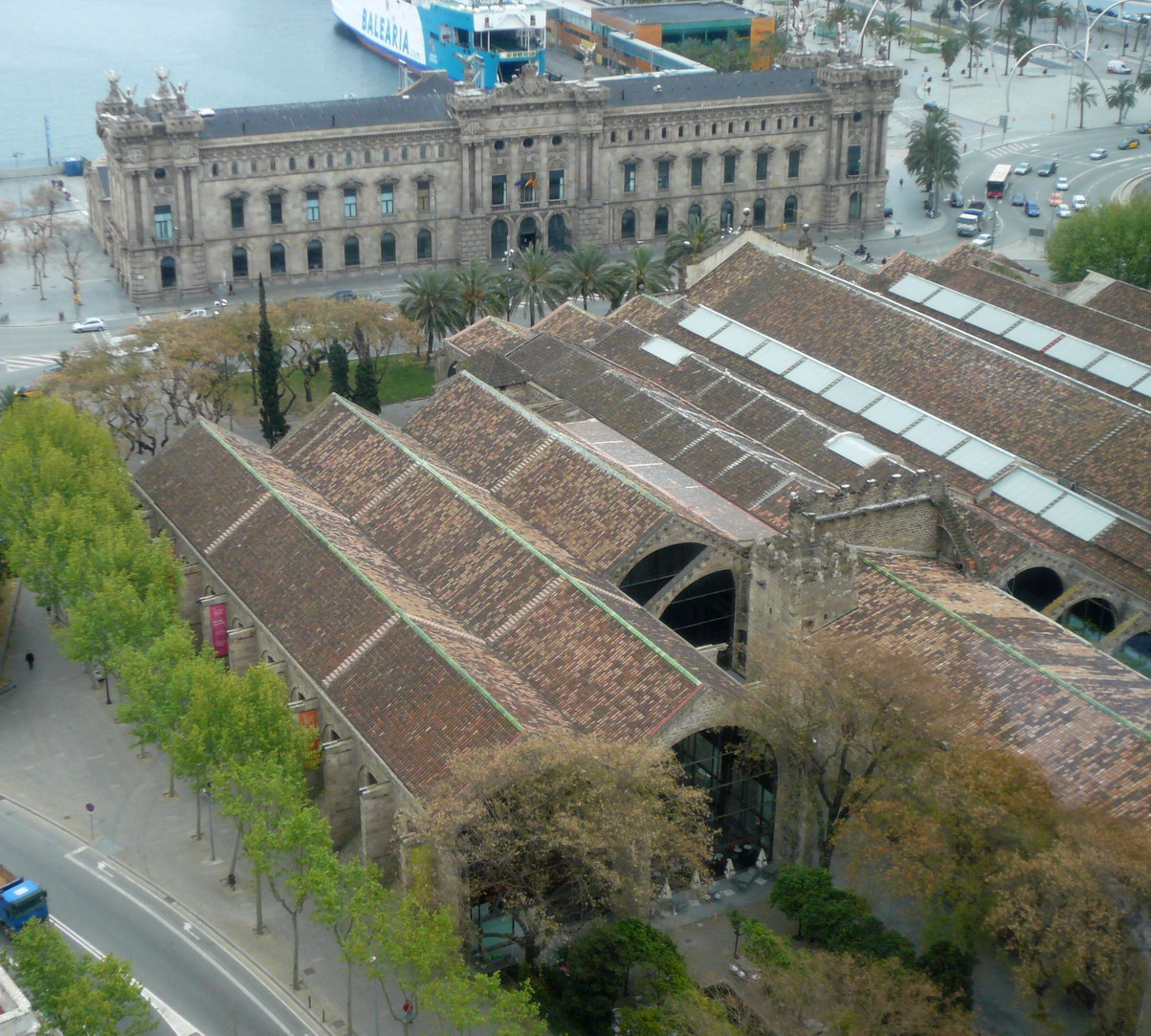
Medieval shipyard where Barcelona built its Mediterranean empire. Eight Gothic naves, once the largest shipbuilding operation in the world.
Barcelona is a port city that forgot it was a port city. For centuries, this was one of the most powerful maritime capitals in the Mediterranean — its shipyards launched fleets that controlled trade routes from Valencia to Athens. Then, slowly, the city turned its back on its own waterfront. Factories replaced harbours. Railway tracks separated streets from the sea. By the 1980s, Barcelona had kilometres of coastline and not a single beach you'd want to visit.
Then the Olympics arrived, and everything changed.
Over the next two hours, we're going to walk from the medieval shipyards where warships were built to the Olympic port where a golden fish glints in the sun. Along the way, we'll pass through a fishermen's quarter born from political violence, a park that replaced a fortress of oppression, the ruins of a neighbourhood destroyed in 1714 that still shapes Catalan identity, and a church built by port workers who carried stones on their backs.
This is a tour about Barcelona and the sea — about power, loss, forgetting, and the extraordinary act of remembering.
You're standing at the threshold of something most visitors walk past without seeing. This building — the Drassanes Reials — is where Barcelona fell in love with the sea, and where it built a navy that would make the Crown of Aragon the master of Mediterranean trade routes for two centuries.
Look up. Those eight parallel naves stretching before you — each one covered in Gothic arches, each one 60 metres long and low enough that a ship's mast couldn't stand upright — these were built starting in 1283. Peter III of Aragon needed galleys to fight the War of the Sicilian Vespers, and he needed them fast. So he built a machine: the Royal Shipyard. Eight parallel production lines, medieval assembly work, where wood was shaped and hammered into the instruments of empire.
By the 14th and 15th centuries, when most European cities were still building wooden vessels one at a time, Barcelona was pumping out galleys like a factory. Catalan ships sailed to Alexandria and Constantinople and the coasts of North Africa. They carried spices and silk and silver, yes — but more than that, they carried Barcelona's name across the known world. The city controlled trading posts called fonduks in Tunis and Bougie. It wrote the maritime laws that governed the entire Mediterranean: the Llibre del Consulat de la Mar, the Book of the Consulate of the Sea, still in use today.
But come inside, because there's something in here that will break your heart a little. In 1568, when the Ottoman Empire was at its height, Barcelona built one final masterpiece: La Real — the Royal Galley. She was 60 metres long, carried 290 rowers and 400 soldiers, and in 1571, she sailed to the Battle of Lepanto under the command of Don Juan of Austria. La Real was the flagship that helped turn back the Ottoman advance. A replica sits in this museum still, and when you see it — when you see the scale of it, the complexity, the hundreds of hours of hand-carved wood — you understand what Barcelona was capable of.
Then you remember: the next time you walk along the waterfront, we're going to visit a church built by port workers. Same hands, different materials. The same ambition that launched galleys also built something sacred.
The Drassanes closed as a shipyard in the 18th century. In 1941 it became a museum. But step through those arches and you're walking through the skeleton of an empire that spent 500 years convinced its future lived at sea.
Port Vell
That is stop one, in the walk itself. The remaining 10 stops, the map and the route between them open with one free account.
Continue the walkThe written walk is free.
Thank you! Your report has been submitted.
Report an issue
Help us improve by reporting any issues you notice.