Barcelona · Spain
From Medieval Port to Olympic Shore: El Born & the Waterfront
Barcelona, Spain
Medieval shipyards where warships were built Barceloneta Beach: from industrial wasteland to city beach 1714 ruins beneath El Born Centre Cultural Santa Maria del Mar: the people's church Frank Gehry's Golden Fish at the Olympic Port
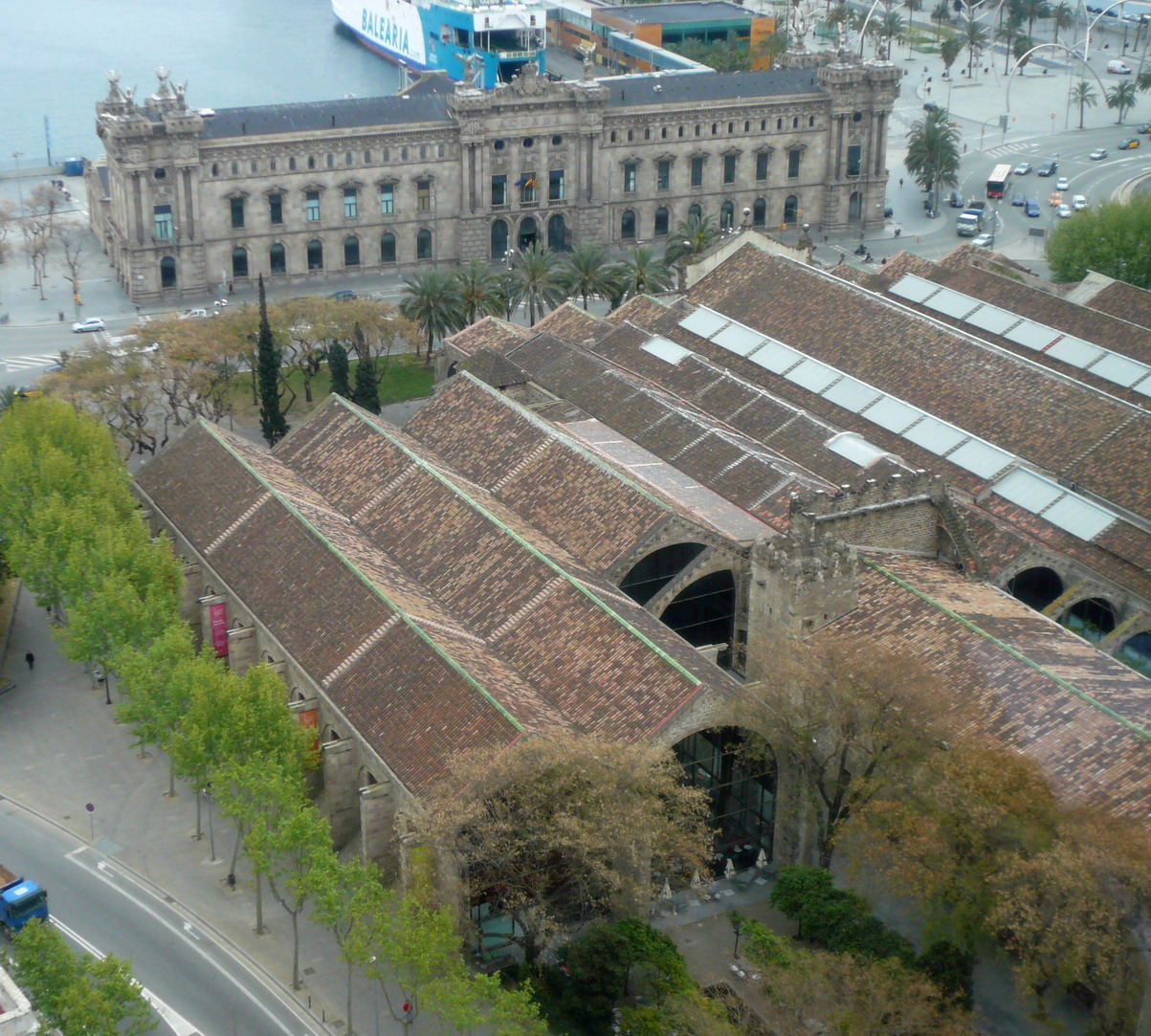
Medieval shipyard where Barcelona built its Mediterranean empire. Eight Gothic naves, once the largest shipbuilding operation in the world.
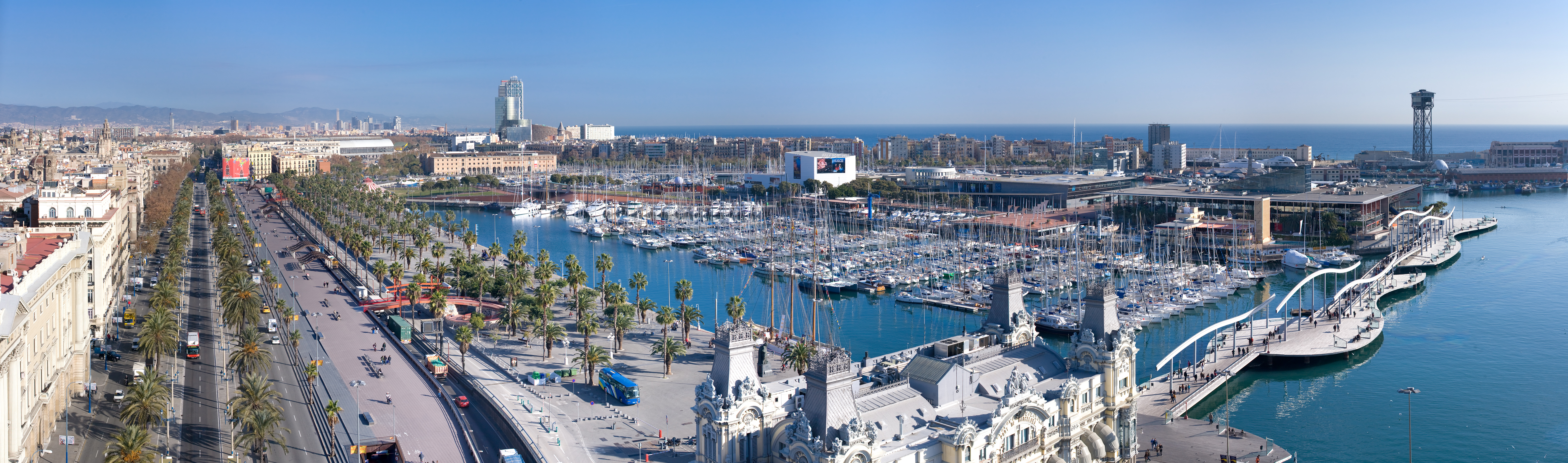
Barcelona's old harbour transformed from medieval trading hub through industrial decline to Olympic transformation. The Columbus Monument marks the city's connection to the wider world.
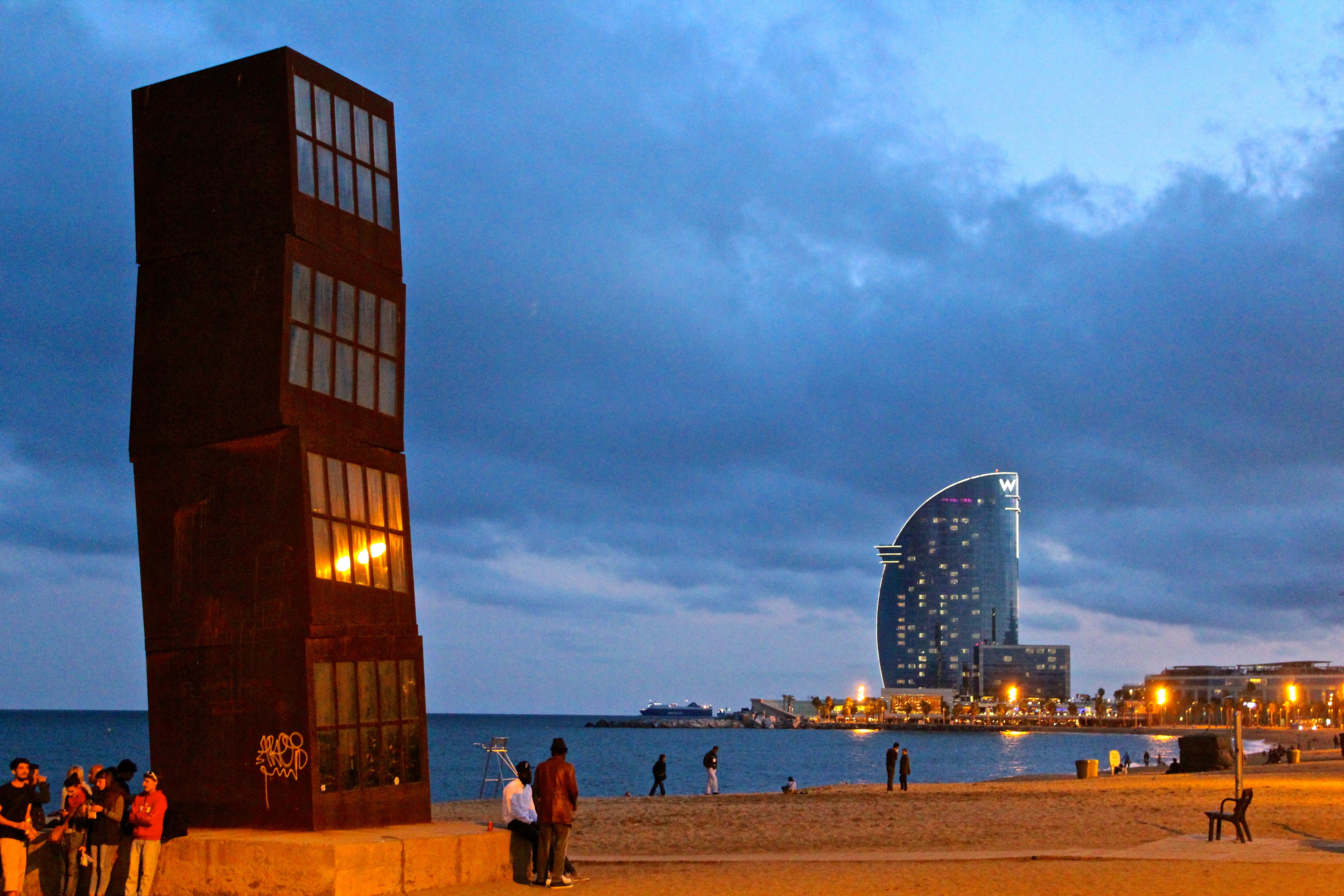
A fishermen's quarter born from loss. Built in the 1750s to rehouse residents displaced when Philip V demolished La Ribera to construct his fortress. Grid streets and tiny apartments remain unchanged.
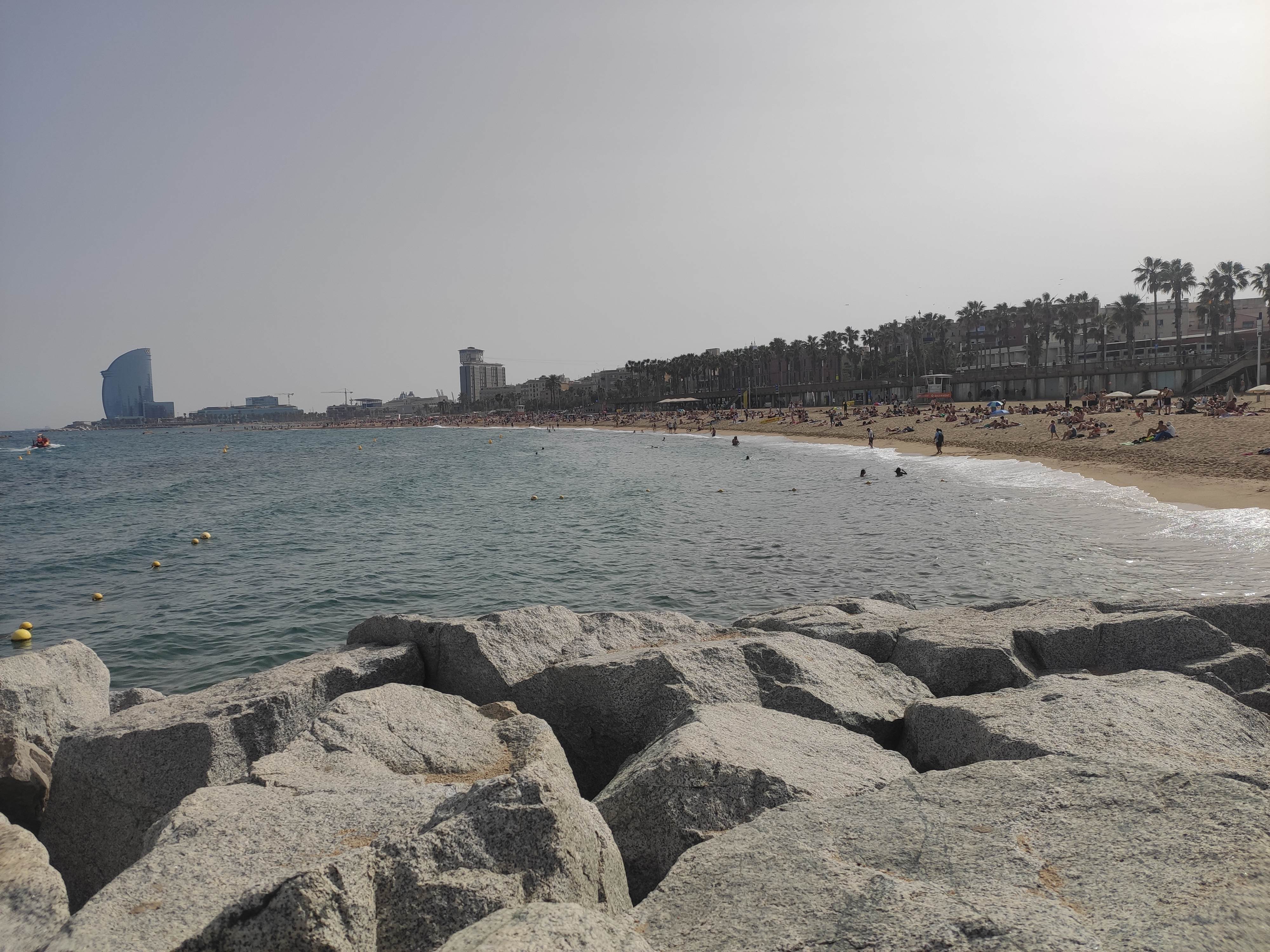
Before 1992: a landscape of railway tracks, factories, and industrial zones. The Olympics transformed it into 4.2 kilometres of beach, a complete reinvention of Barcelona's coastline.
Where Philip V's oppressive fortress once stood, a symbol of Spanish control built after Barcelona's defeat in 1714. Demolished in 1869, it became a park. Now home to the Cascada fountain and the Catalan Parliament.
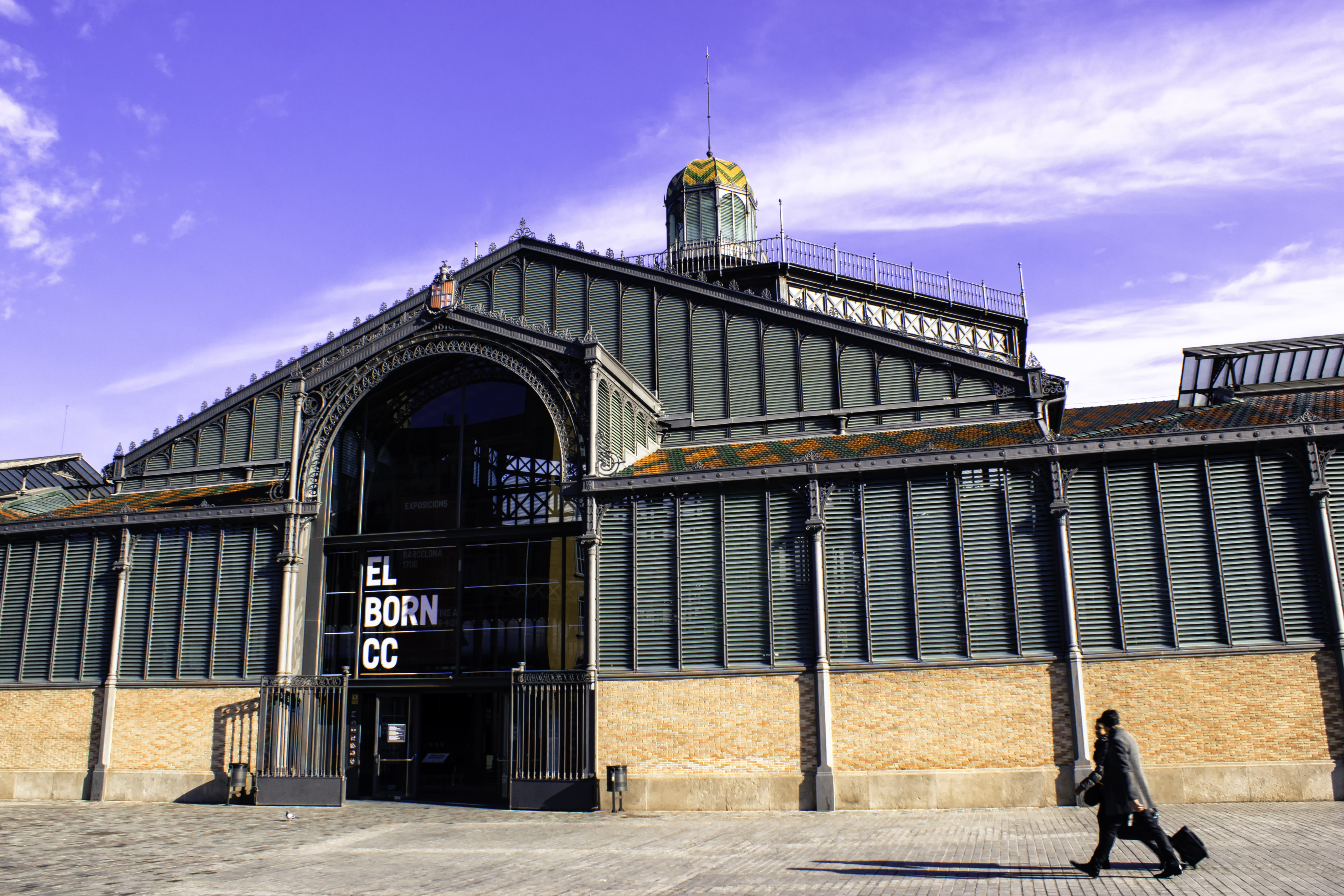
An iron market hall built in 1876 that houses the most politically charged archaeological site in Barcelona: the ruins of a neighbourhood destroyed after the 1714 siege. Connected to Catalonia's National Day.
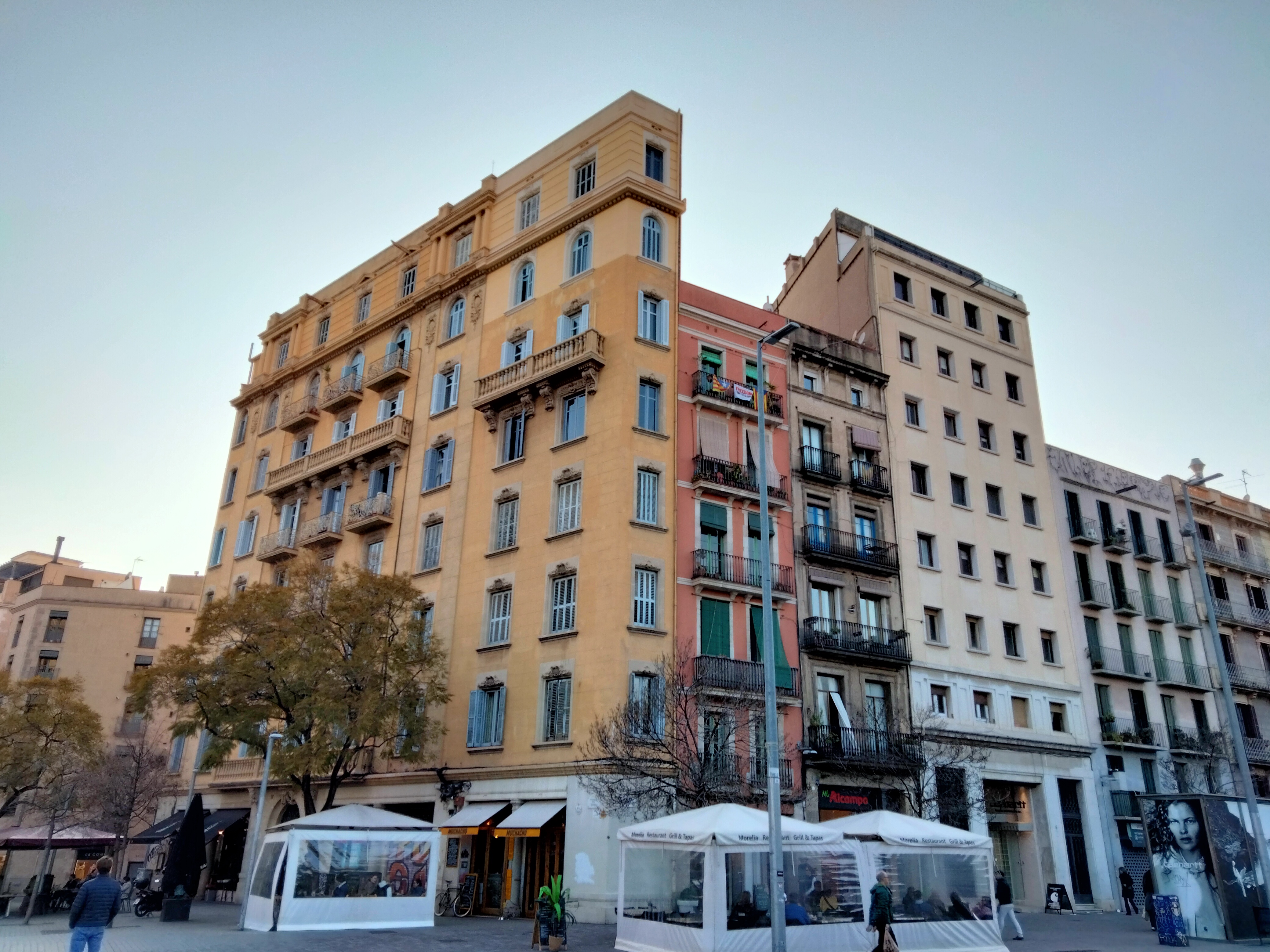
The medieval jousting ground that gave the El Born neighbourhood its name, now a vibrant social hub lined with bars and boutiques.
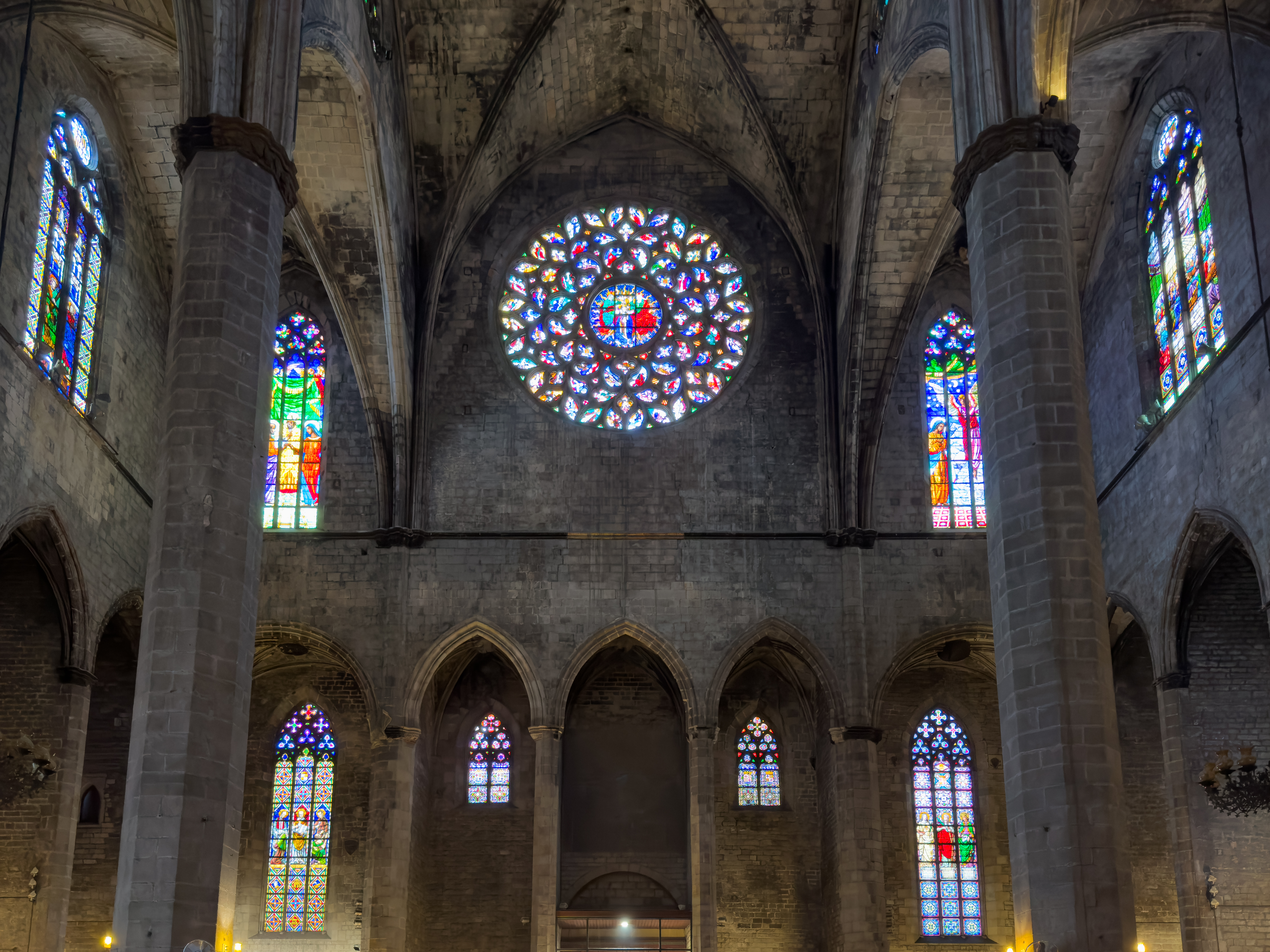
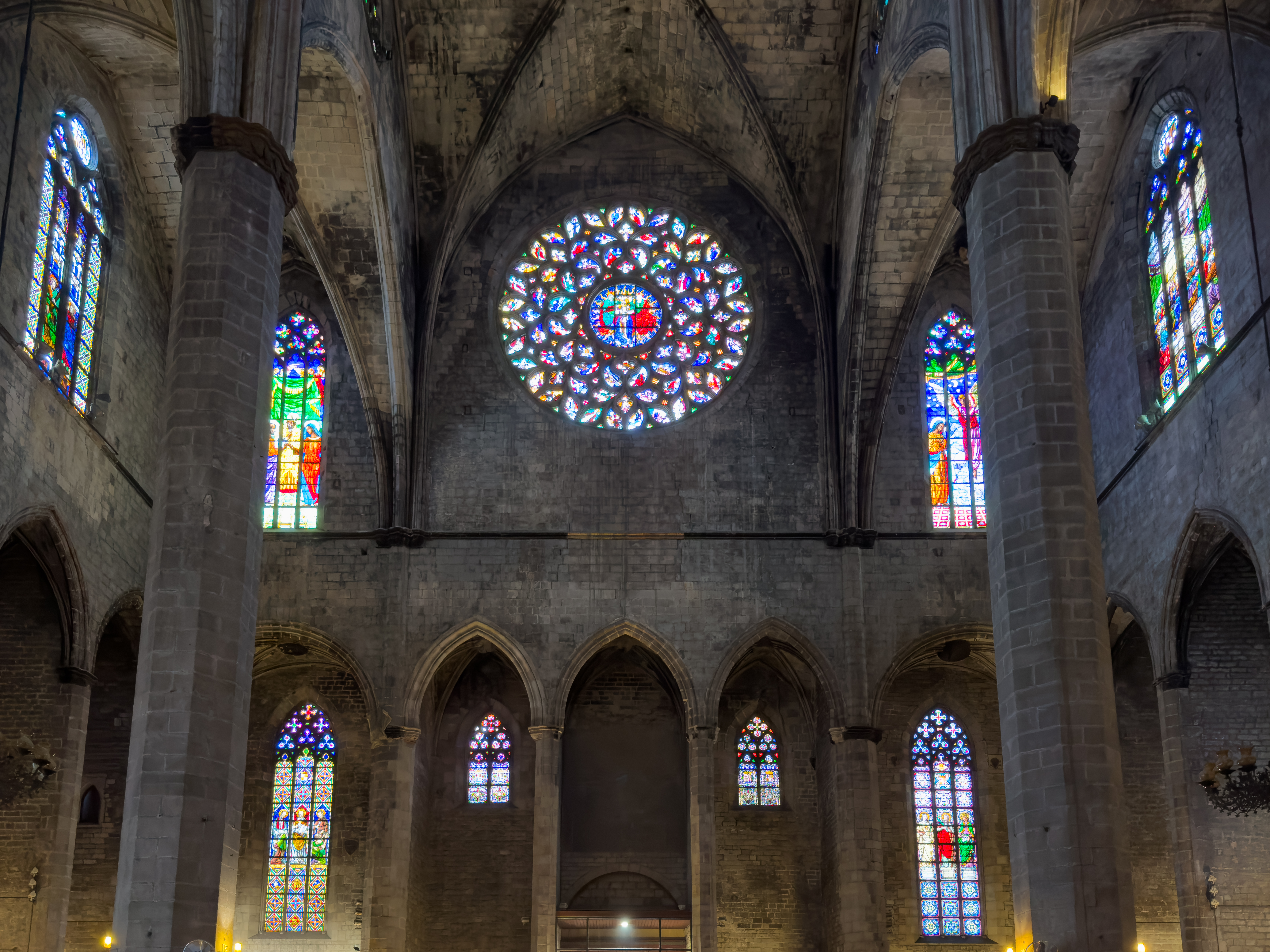
The people's church, built in just 54 years (1329-1383) by port workers carrying stones on their backs, a masterpiece of pure Catalan Gothic.
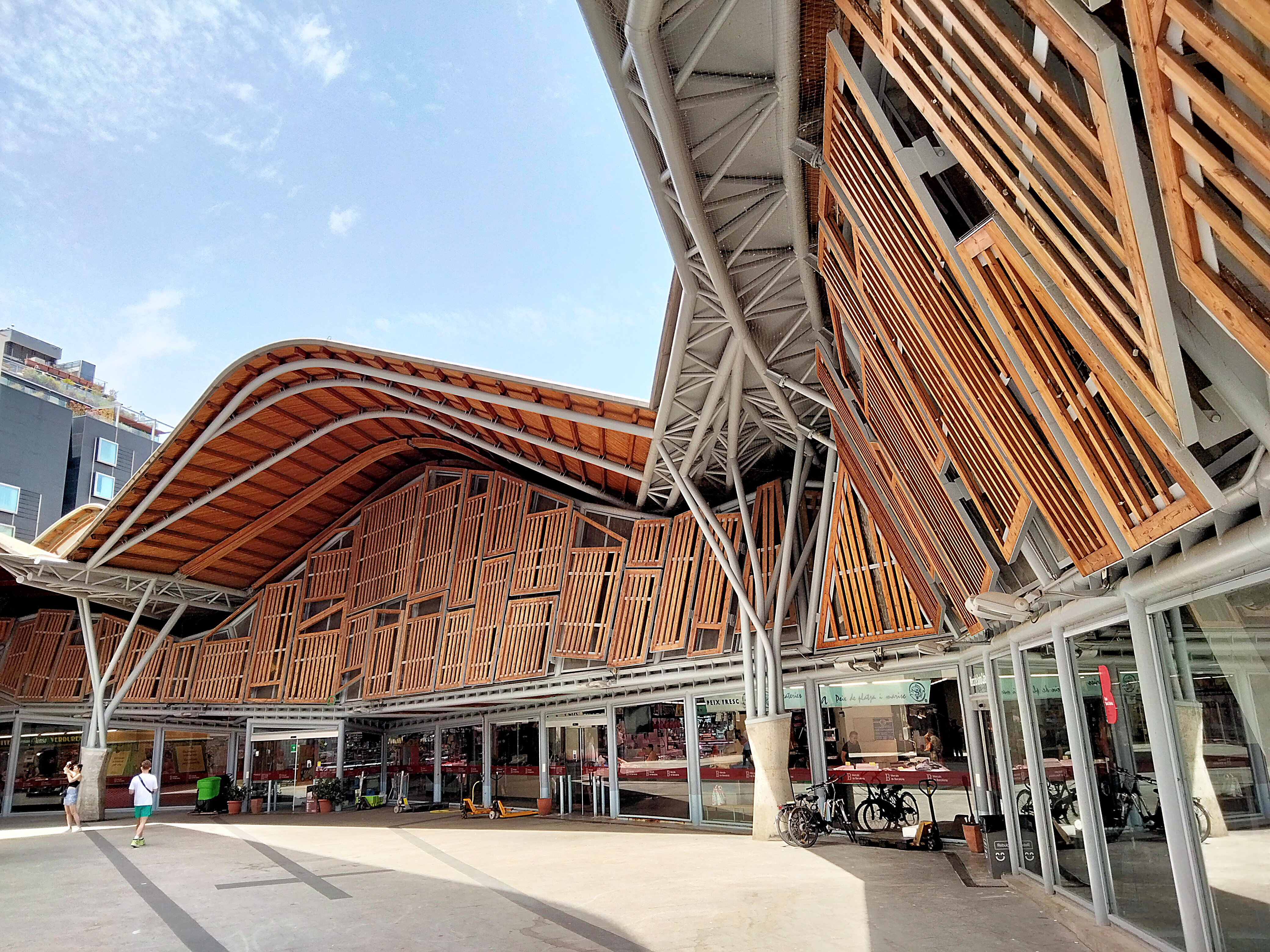
A 21st-century architectural transformation by Enric Miralles sitting atop medieval ruins and a 1848 food market, its undulating ceramic roof a conversation between old and new.
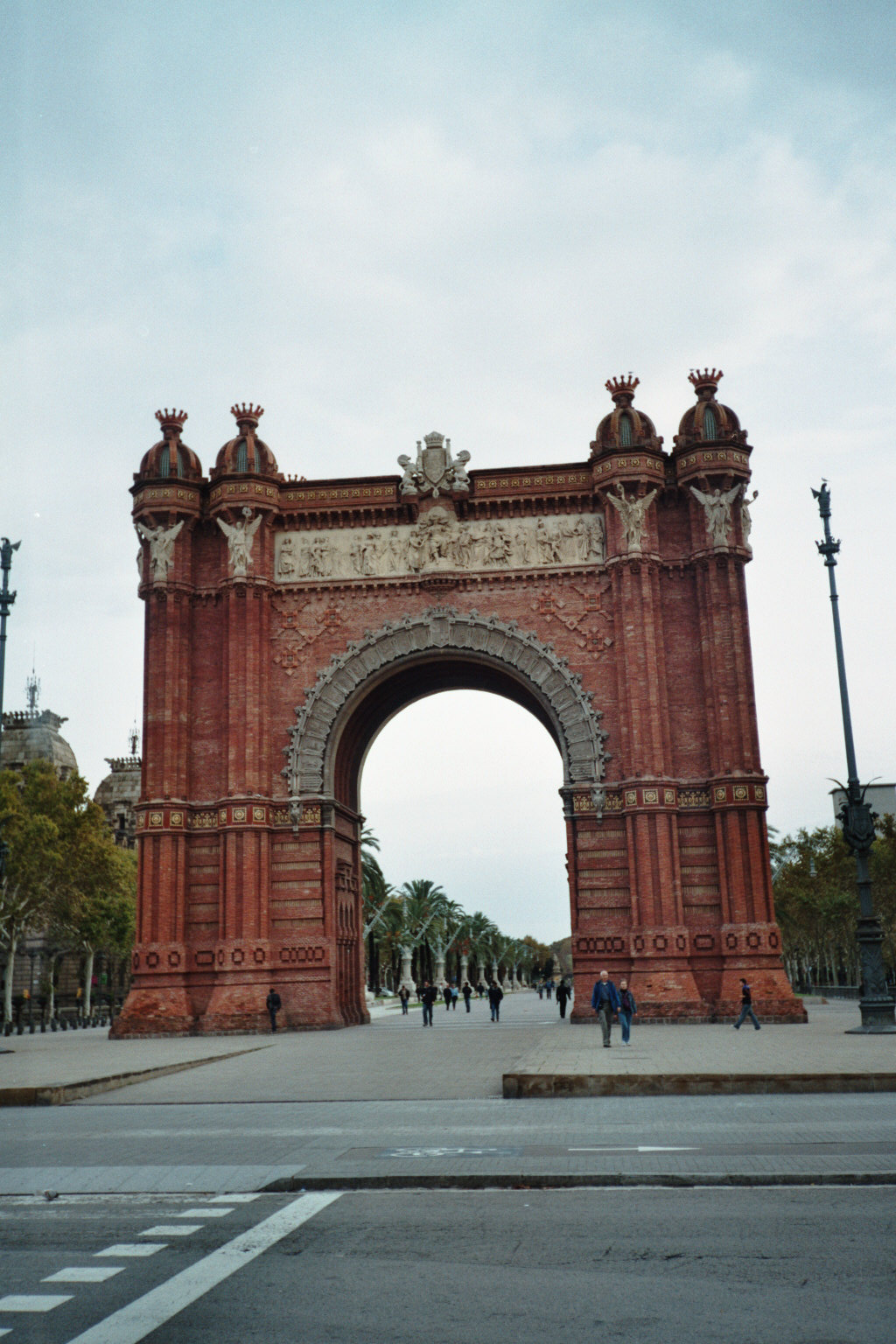
Built as the gateway to the 1888 World Fair by Josep Vilaseca, this brick arch celebrates industrial achievement, not military conquest, announcing Barcelona as a modern European capital.
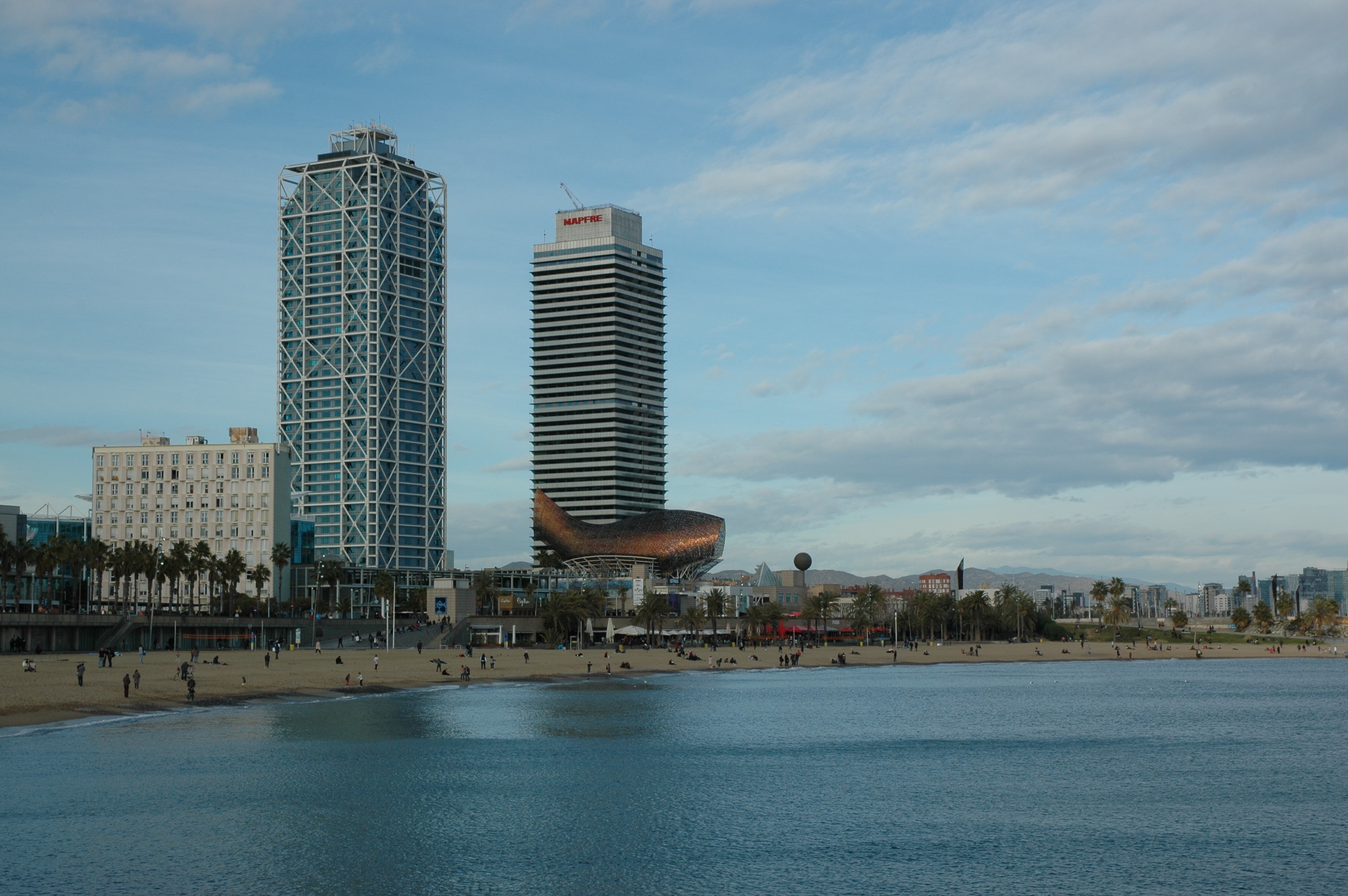
The 1992 Olympic transformation of Barcelona's waterfront, marked by Frank Gehry's Golden Fish and twin towers, where the city reclaimed its relationship with the sea.
This is the real story from one stop on this walk — every stop has one.
Walk through Barcelona's oldest quarter from a Roman cemetery to Gaudi's first lampposts, peeling back 2,000 years of…
If you only have one day, this tour gives you the heartbeat of Barcelona — its most iconic sights, its rhythm, and the…
Discover that Barcelona's real cuisine isn't in tourist restaurants but in its historic markets, neighbourhood…
We use cookies to analyse site traffic and improve your experience. You can choose to accept or reject analytics cookies. Learn more