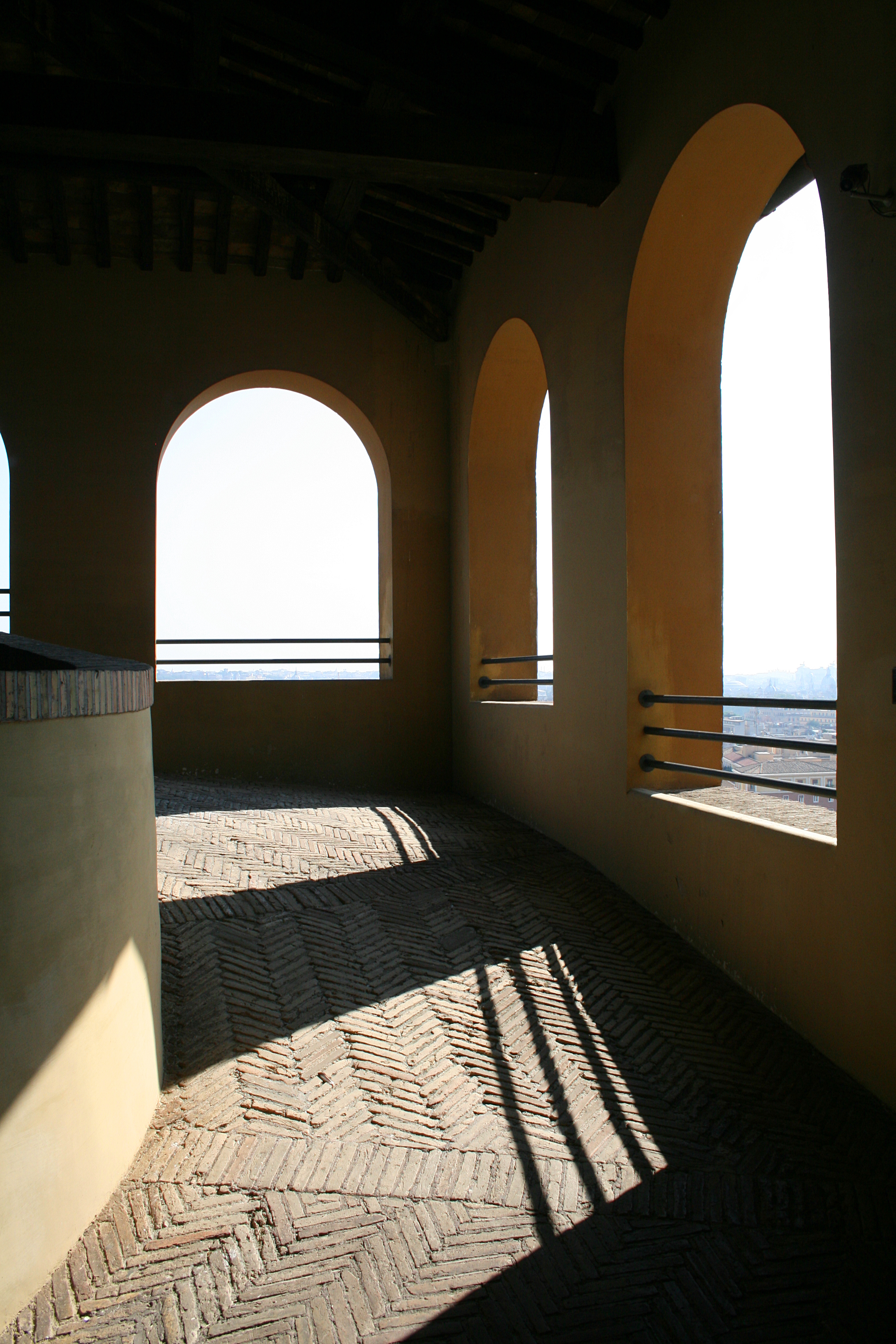
Vatican Museums
The Vatican Museums house over 70,000 artworks across 26 galleries and museums—one of the world's greatest art collections, originally assembled by Pope Julius II. This vast complex represents five centuries of papal collecting and reflects the Church's desire to demonstrate cultural, spiritual, and political authority through art.
Welcome to Vatican City, where the air feels different—heavier, perhaps, with centuries of decisions that shaped continents. You're standing at the threshold of one of history's most audacious power centers, though not quite in the way you might expect. Yes, we're about to immerse ourselves in art and spirituality, in the Vatican Museums and the overwhelming grandeur of St. Peter's. But here's the thing: popes didn't just build cathedrals to inspire souls. They built fortresses to protect them. This tour traces two parallel empires separated by the Tiber—one reaching toward heaven, one dug into stone and earthworks. By the time we finish, you'll understand why the Church needed both a basilica and a castle, and you'll stand on ramparts gazing back at that dome, finally grasping the chess game that kept the papal throne secure through plague, conquest, and revolution. Power, it turns out, comes in more flavors than piety alone.
Welcome to the Vatican Museums—the opening chapter of our story about power. But before we talk about popes and their ambitions, let me just say this: what you're looking at is one of the most staggering accumulations of human creativity ever assembled under a single roof. Seventy thousand works of art. Across twenty-six museums and galleries. Arranged through corridors that seem to stretch into infinity. You could spend weeks here and still not see everything.
Now, here's the thing about all this beauty: it didn't happen by accident. It didn't accumulate because the Vatican was being modest or humble. This is art as propaganda. Art as power. Art as the ultimate statement of 'we have everything, we've seen everything, we control everything.' And honestly, for someone who's stood here a thousand times, I still can't quite get over how calculated and brilliant it all is. It's the kind of strategy that makes you think differently about what power actually means.
Let's start with the scope. You're standing in front of what Pope Julius II started building in the early 1500s—a moment in history when the Church was struggling to answer a question that still haunts institutions today: how do you prove your legitimacy? For the Vatican, the answer was devastatingly simple: collect everything. Every masterpiece, every fragment of antiquity, every commission from the greatest artists who ever lived. If you owned sculptures from the height of Rome, if you had manuscripts illuminated by medieval monks, if Michelangelo himself painted your walls and designed your buildings—well, then you must be right about everything else, mustn't you? That's the logic operating underneath.
The Sistine Chapel, which is technically part of this complex and which you'll see soon, gets all the attention. Everyone knows about Michelangelo's ceiling. But here's what people miss: the Vatican Museums are the appetizer. The long hallways, the galleries—they're designed to exhaust you a little, to disorient you, to make you understand that you're walking through history itself. The Gallery of Maps alone stretches for 120 meters, covered in frescoes depicting every piece of territory the Church claimed to care about or understand. It's a geographical flex that would make any absolute monarchy jealous.
The Raphael Rooms—the Stanze di Raffaello—those are where the real intelligence work happened. Not the Sistine Chapel, though Michelangelo was certainly a genius. But Raphael? Raphael understood what popes needed: visual arguments for authority. The School of Athens, for instance. It's a masterpiece, yes. But it's also a sophisticated statement about intellectual lineage—that everything great that came before the Church is actually part of the Church's heritage. Very clever. The kind of move you'd expect from someone who understood that control of narrative is more important than the narrative itself.
What strikes most people about the Vatican Museums, once they actually start walking through them, is the sheer weight of it all. You'll pass sculptures from antiquity that spent centuries buried in the earth and were 'rediscovered' during the Renaissance. You'll see Egyptian mummies—yes, actual mummies—because popes collected those too. There are medieval manuscripts, Renaissance paintings, Baroque tapestries, ancient bronzes, papal robes, liturgical objects. The Vatican spent centuries saying 'yes' to acquisition, and you're walking through the results of that relentless appetite.
The journey through these museums, if you really take your time and don't just rush toward the Sistine Chapel, takes 3 to 4 hours minimum. Most visitors try to shortcut it. They've heard about Michelangelo, so they're trying to get there and get out. But that's like going to a concert and only waiting for the main act's final song. The hours before matter. The cumulative effect matters. That's part of the design too.
Here's something that doesn't get mentioned enough: these museums represent genuine intellectual curiosity alongside pure propaganda. The popes who built this collection employed archaeologists and scholars. They weren't just grabbing things to flex—though obviously that too. They were trying to understand the classical world, to connect Christian Rome to pagan Rome, to argue that the Church was the legitimate inheritor of Western civilization itself. It's ambition masquerading as education, and it works because it's also partially true.
Notice as you walk through: the arrangement itself tells a story. You move from classical antiquity through early Christian art, through medieval manuscripts and iconography, into the explosion of the Renaissance. It's a visual argument about historical progression, about how the Church stands at the apex of human achievement. The paintings get bigger, bolder, more confident the closer you get to the Renaissance galleries. That's intentional design at work.
The whole experience exists to convince you of something before you even realize you're being convinced. That's the real genius here. Not just the individual masterpieces, though those are extraordinary. It's the system. The scale. The relentlessness of beauty and craftsmanship flowing from room to room, the way you can never quite catch your breath before the next marvel appears.
And here's the thing: five centuries later, it still works. You'll leave here awed. You'll have seen works that changed the trajectory of human art. You'll have walked through some of the greatest rooms ever built. And you'll probably only have absorbed maybe a tenth of what's actually here. The Vatican built these museums knowing that abundance itself is a kind of power. When there's too much excellence to fully process, when you're surrounded by masterpieces, you surrender to the system that contains them.
That's the opening move in our story. Two power centers across the Tiber—one built on collecting and inspiring awe, the other built on something far more practical. But we're starting here, at the apotheosis of soft power through art. Everything you're about to see represents centuries of popes asking a simple question: how do we prove we matter? And their answer, spread across thousands of walls and displayed through tens of thousands of works, is still the most eloquent argument they ever made.
Sistine Chapel
That is stop one, in the walk itself. The remaining 8 stops, the map and the route between them open with one free account.
Continue the walkThe written walk is free.
Thank you! Your report has been submitted.
Report an issue
Help us improve by reporting any issues you notice.