Rome · Italy
Vatican to Castel Sant'Angelo: Sacred and Secular Power
Rome, Italy
Stand beneath Michelangelo's Sistine Chapel ceiling where popes are elected Enter St. Peter's Basilica, 120 years of Renaissance genius in one building Walk Bernini's Ponte Sant'Angelo with its ten marble angels Discover the secret Passetto escape corridor between Vatican and fortress Climb Castel Sant'Angelo's ramparts for a 360-degree Roman panorama
The Vatican Museums house over 70,000 artworks across 26 galleries and museums—one of the world's greatest art collections, originally assembled by Pope Julius II. This vast complex represents five centuries of papal collecting and reflects the Church's desire to demonstrate cultural, spiritual, and political authority through art.
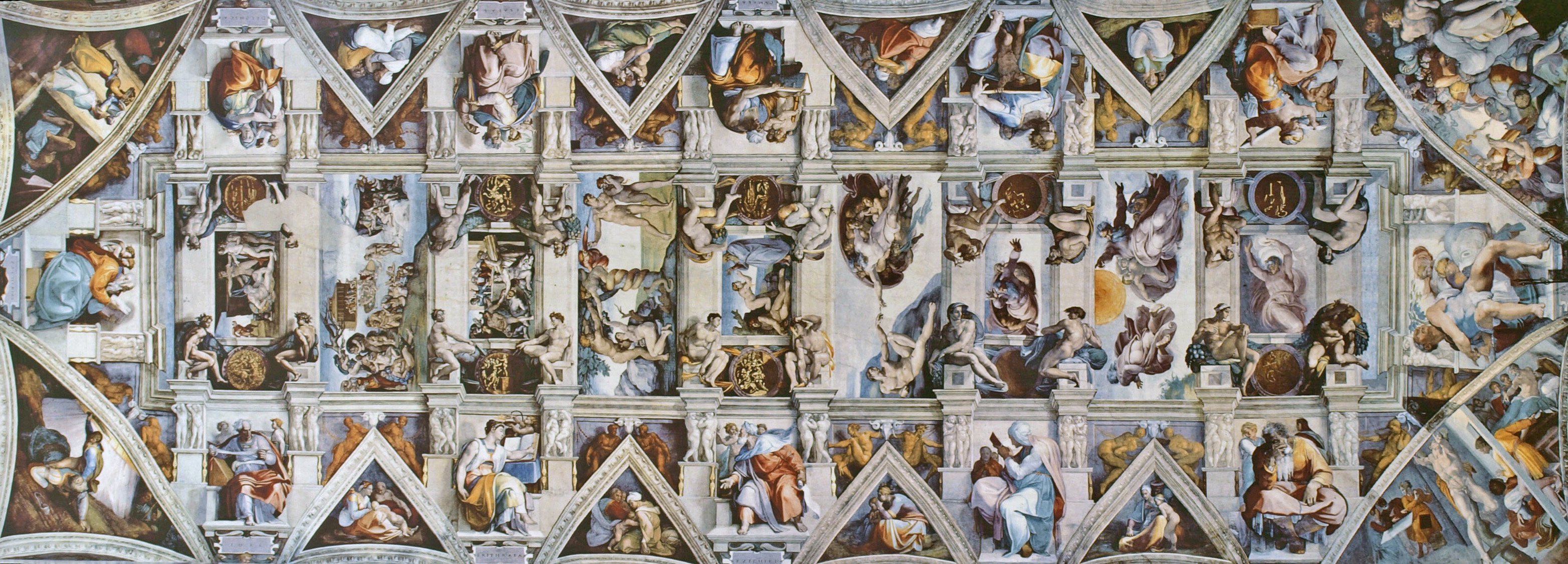
Michelangelo's iconic ceiling (1508-1512) and Last Judgment fresco dominate this papal chapel within the Vatican Museums, widely considered the greatest art treasure in Western Christendom. It also serves as the location for papal conclaves, where the College of Cardinals gathers to elect a new Pope.
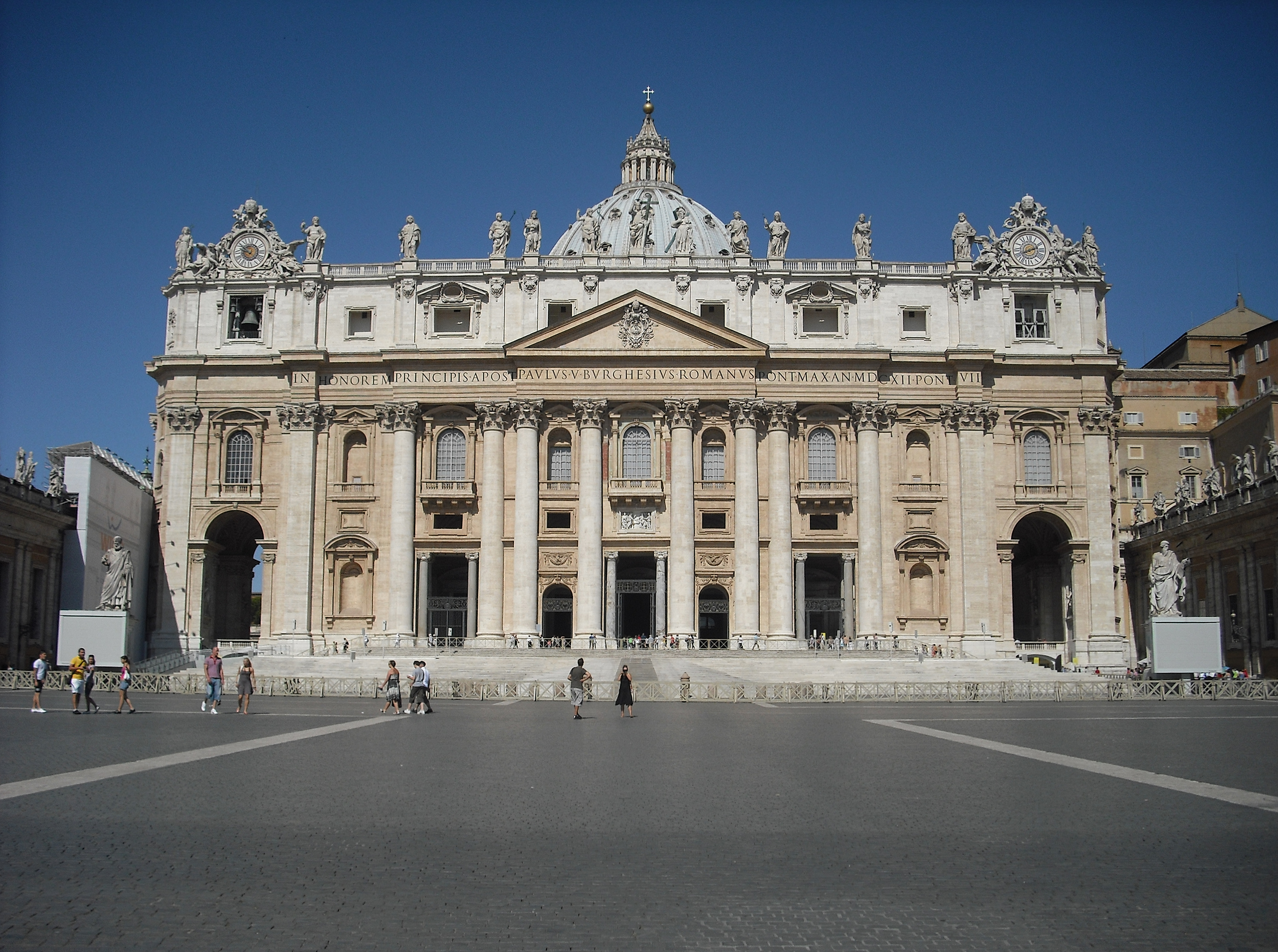
The Renaissance masterpiece at the heart of papal power, featuring Michelangelo's iconic dome and built over 120 years by every great architect of the Renaissance. Its construction sparked controversy—including the indulgences that triggered the Reformation.

Bernini's iconic elliptical colonnade (1656-1667) frames one of the world's most recognizable gathering spaces, with 284 columns and 140 saints atop creating a symbolic embrace of the Church. The square serves as both a theatrical masterpiece and a machine for projecting papal authority across the world.
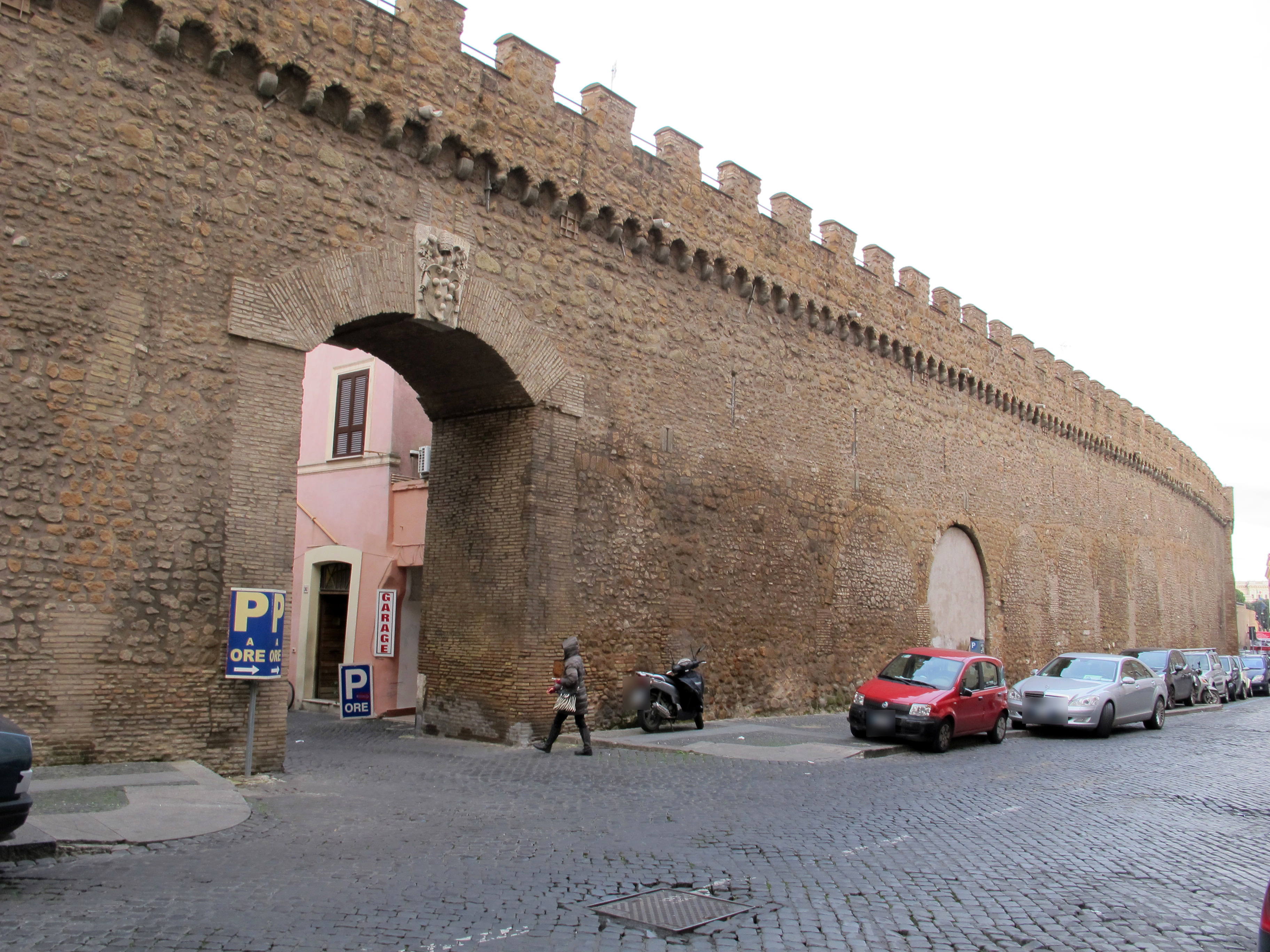
The Borgo is the medieval quarter that connected St. Peter's Basilica to Castel Sant'Angelo, serving pilgrims and residents for centuries. Much of it was demolished in the 1930s to make way for the modern Via della Conciliazione, a grand avenue created through a remarkable agreement between the Vatican and Mussolini's fascist regime.
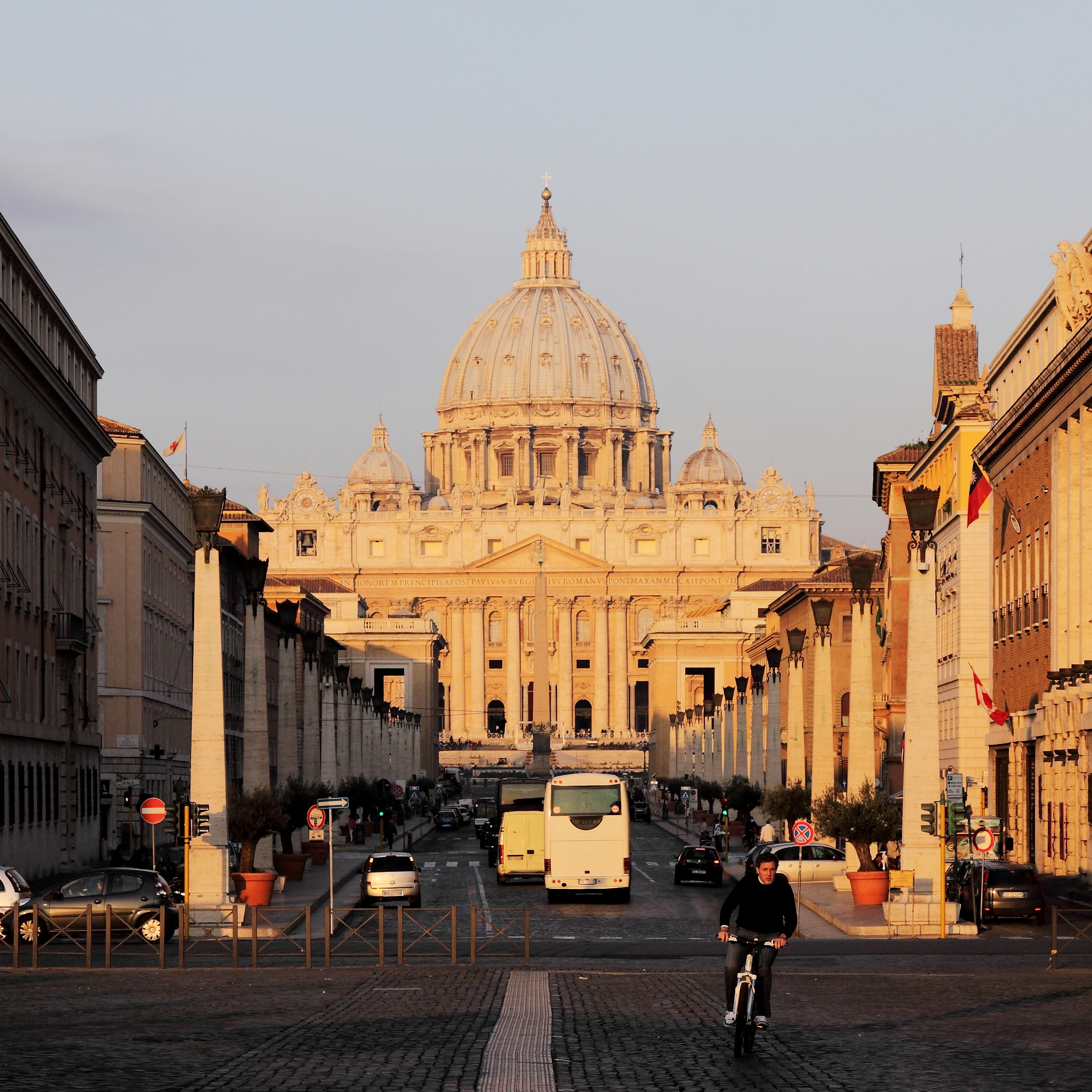
This grand avenue was created between 1929 and 1950 through a collaboration between Mussolini's fascist regime and the Vatican, destroying the medieval Borgo neighborhood in the process. It represents one of history's more contentious compromises between secular power and religious authority, made physical in asphalt and stone.
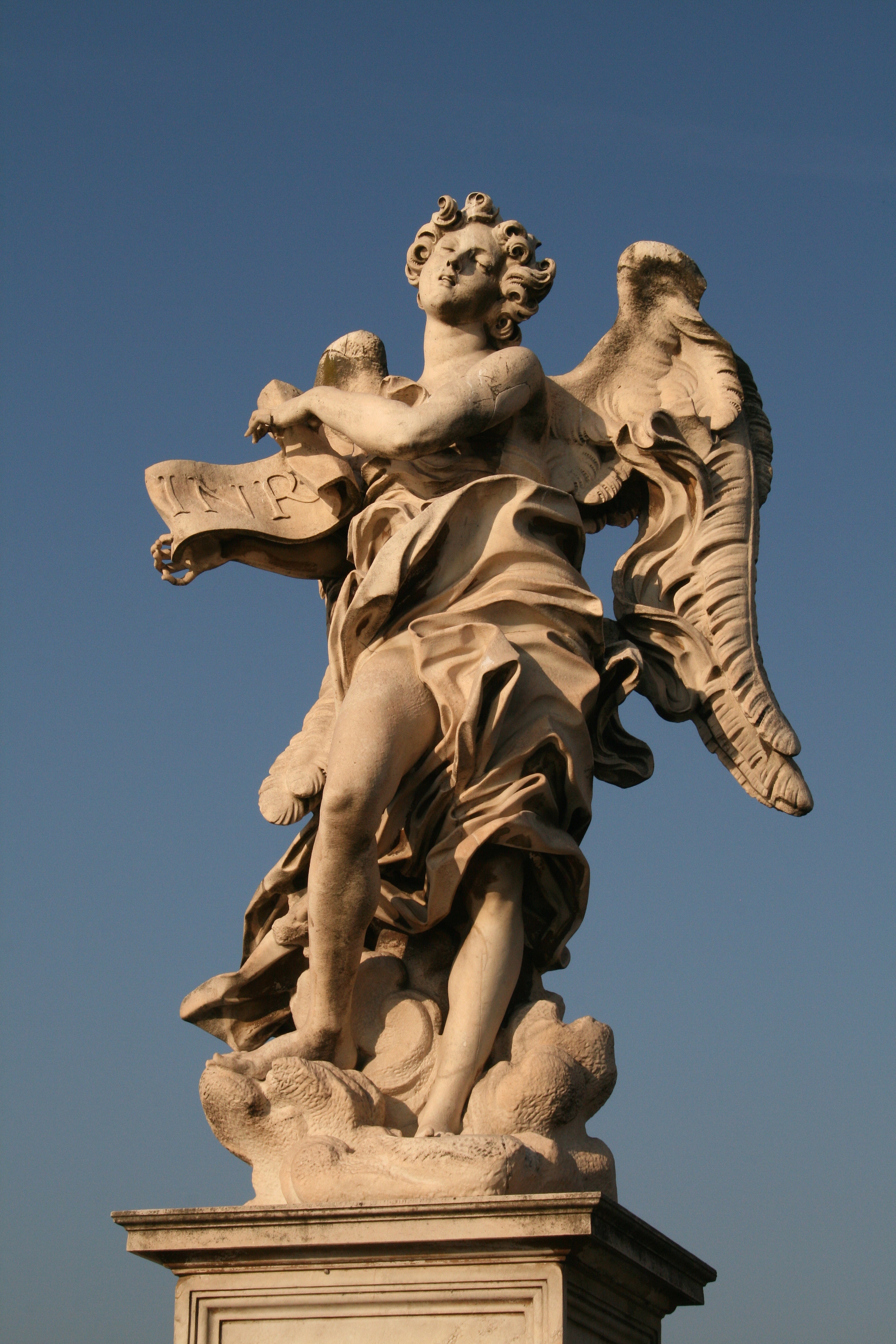
An ancient Roman bridge (134 AD) transformed by Bernini's 10 Baroque angel sculptures in 1667, each holding instruments of Christ's Passion. One of Rome's most iconic and photographed crossings, embodying the bridge between sacred and secular power.
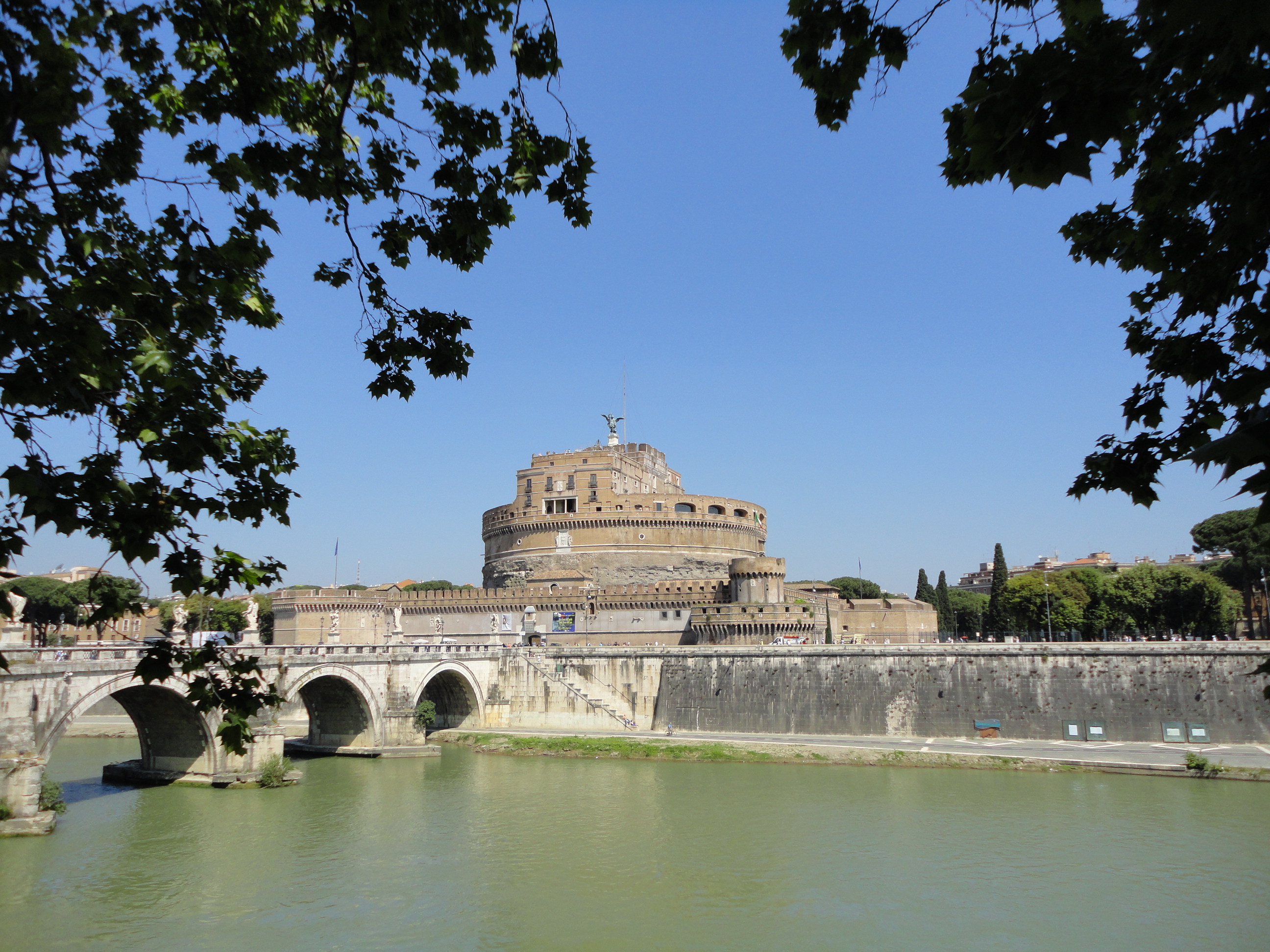
Originally built as Emperor Hadrian's mausoleum in 139 AD, this cylindrical fortress was later fortified by medieval popes and served as both a papal refuge and prison. Today it stands as a symbol of the Church's secular power, connected to the Vatican by the secret Passetto corridor.
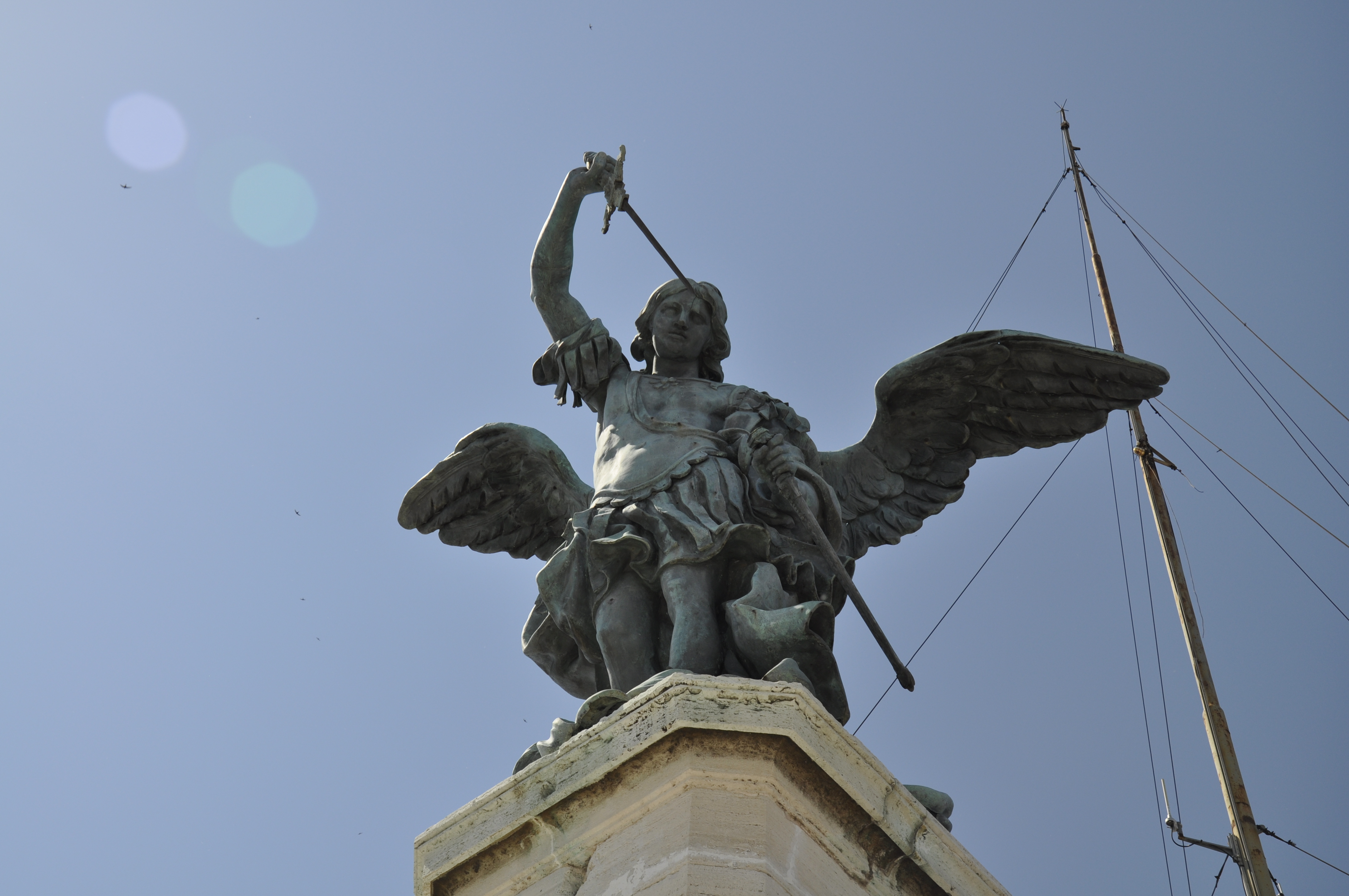
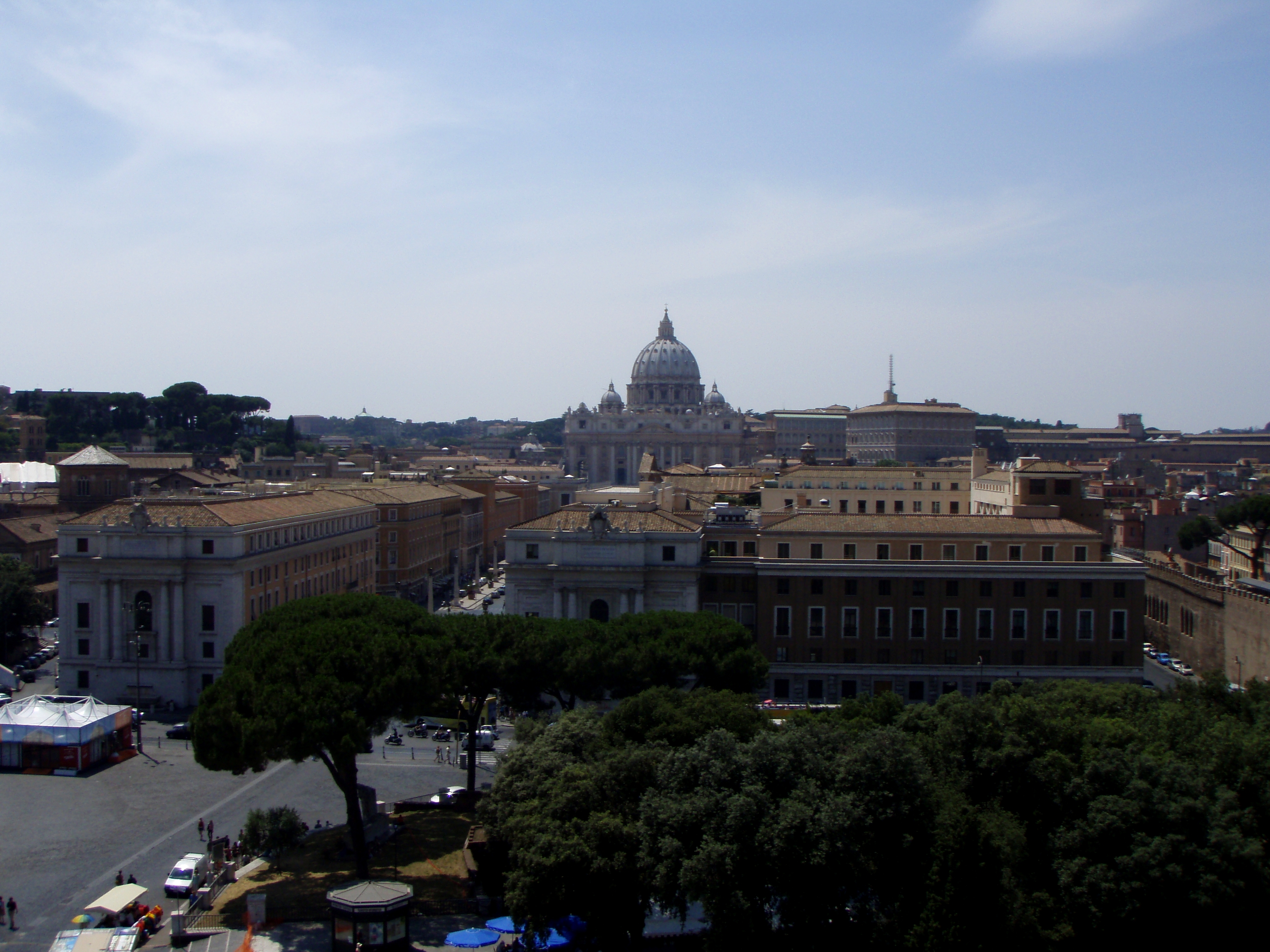
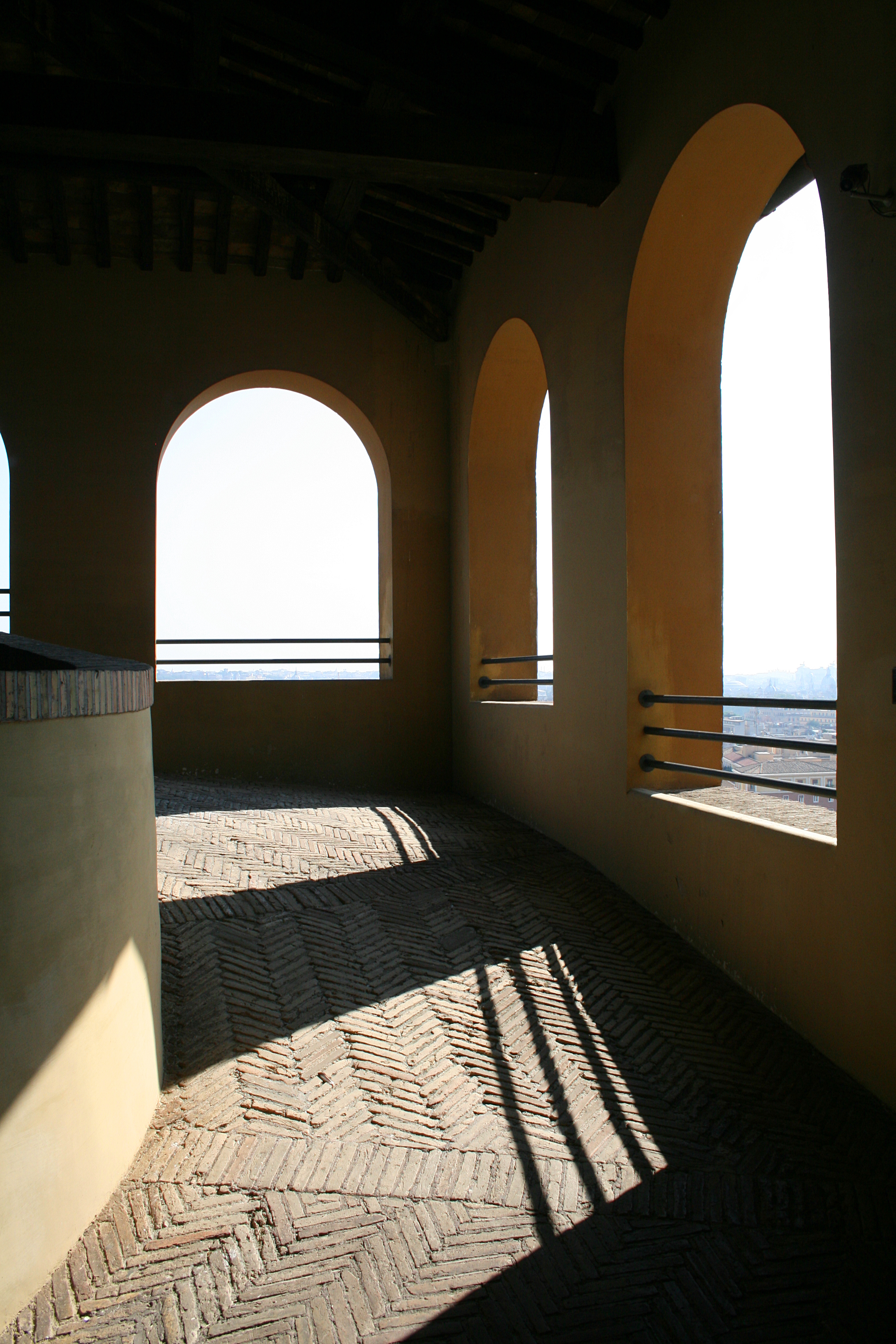
The fortified rooftop terraces of Castel Sant'Angelo offer unobstructed 360-degree views across Rome, including St. Peter's Basilica, the Tiber River, and the entire urban landscape. This vantage point reveals the geographical relationship between the two power centers that anchored papal authority for centuries.
This is the real story from one stop on this walk — every stop has one.
Cross the Tiber to explore two of Rome's most resilient neighbourhoods. Begin at the Renaissance splendour of Palazzo…
Trace Rome's transformation from a republic of senators and civic temples to an empire of colossal amphitheaters and…
Follow the greatest architectural rivalry in history across Rome’s Baroque masterpieces. From Borromini’s mind-bending…
We use cookies to analyse site traffic and improve your experience. You can choose to accept or reject analytics cookies. Learn more