Rome · Italy
Across the Tiber: Medieval Streets & Jewish Heritage
Rome, Italy
Walk the medieval streets of Rome's Jewish Ghetto, confined since 1555 Cross Ponte Fabricio, the oldest Roman bridge still in use (62 BC) See Cavallini's breathtaking Byzantine mosaics in Santa Maria in Trastevere Stand before the Great Synagogue, built as a declaration of freedom after 1870 End at Piazza Trilussa for Trastevere's evening passeggiata
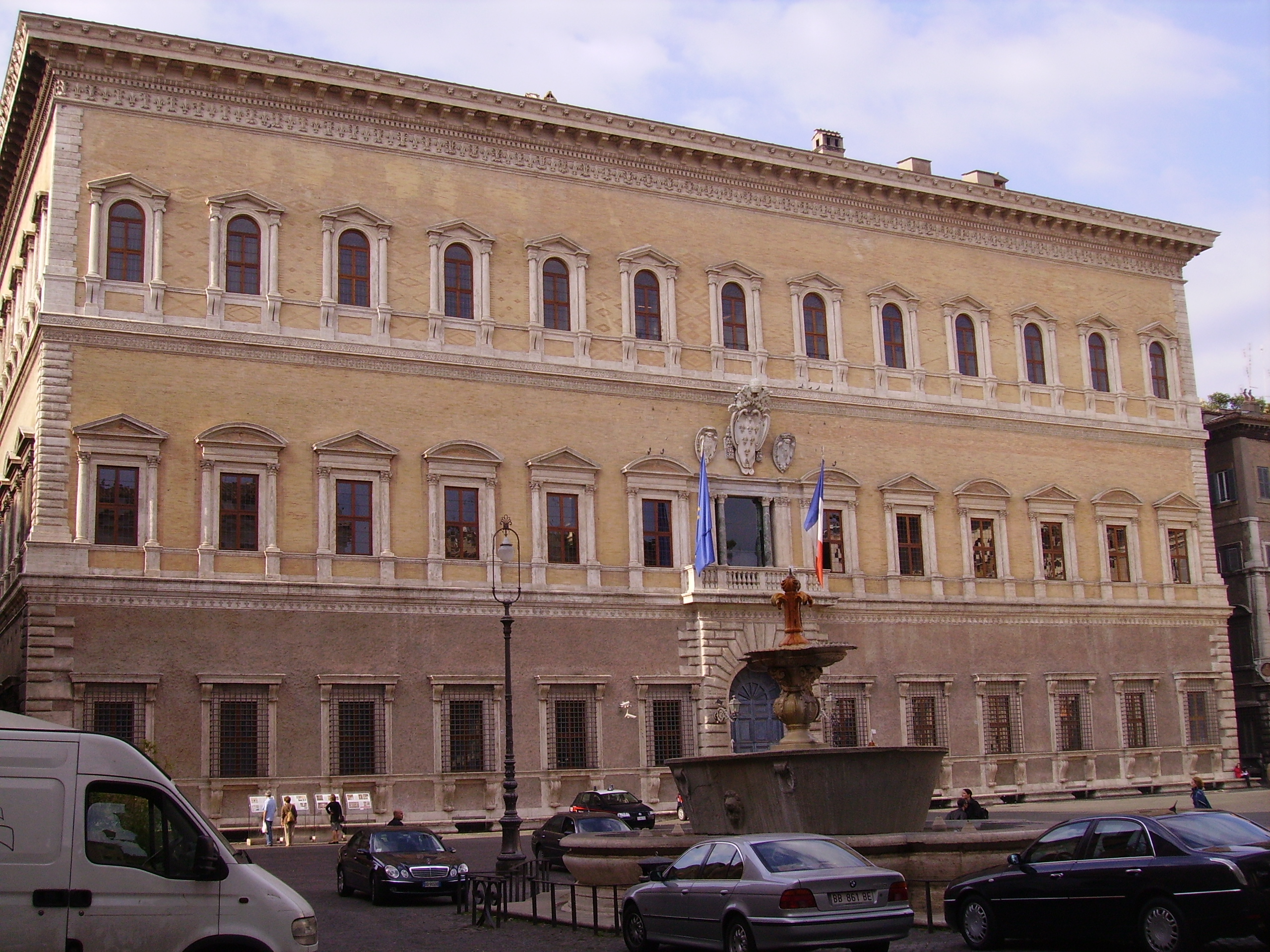
The Palazzo Farnese is a masterpiece of Renaissance architecture built for Cardinal Alessandro Farnese, who became Pope Paul III, showcasing the immense wealth and patronage of the papal family during Rome's golden age.
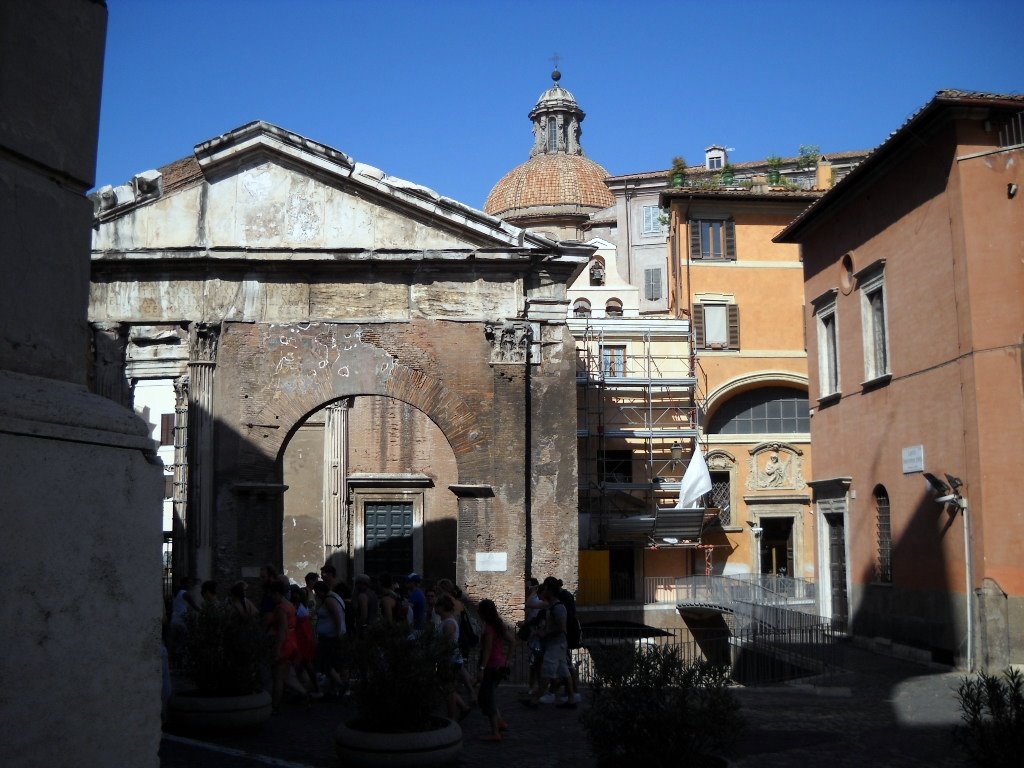
For 315 years, Rome's Jewish community was confined to these narrow medieval streets by papal decree, creating a densely layered neighborhood that persisted as a vibrant cultural center despite profound restrictions.
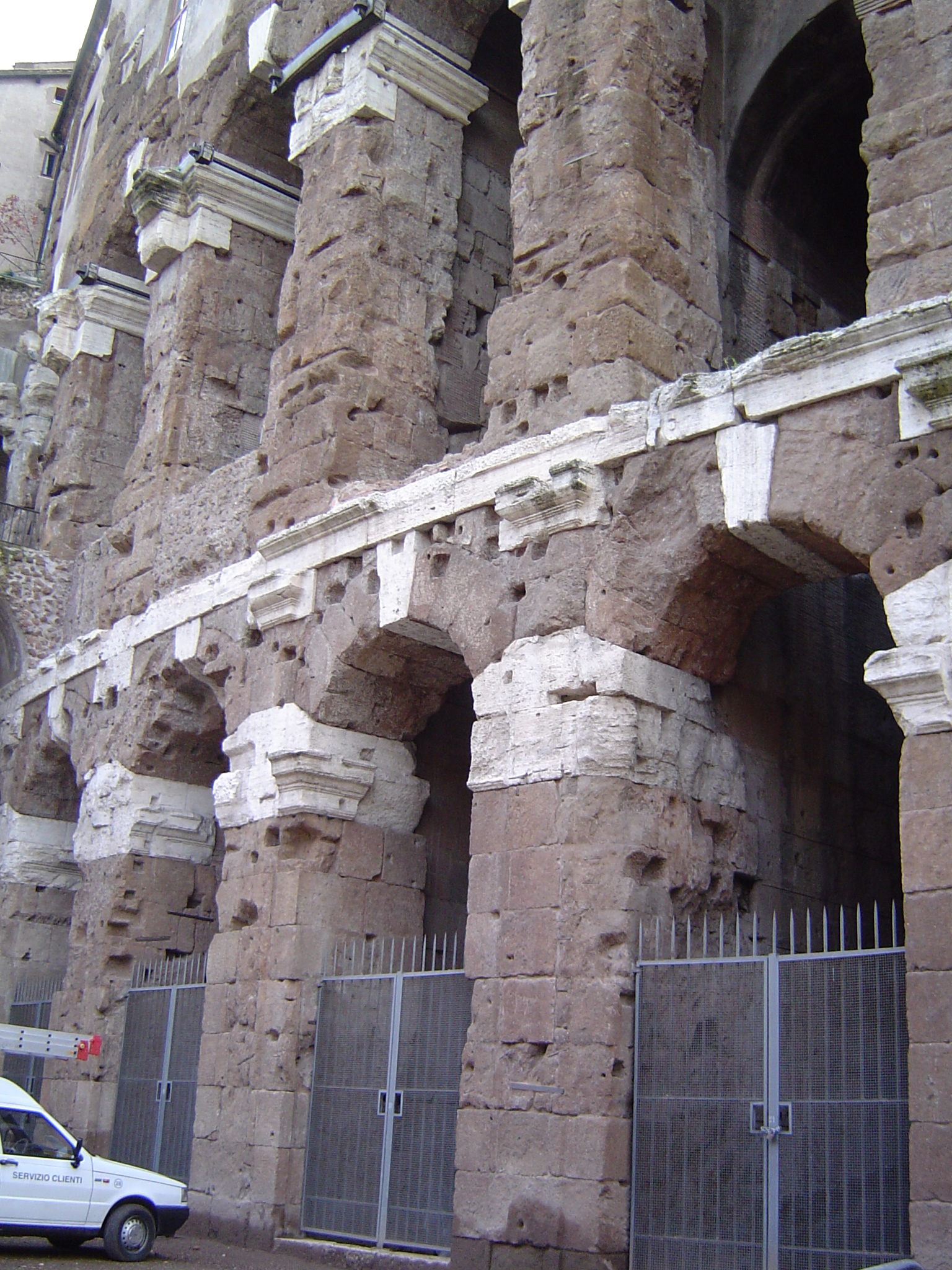
An ancient Roman theatre dating to 40 BC, whose massive arches were transformed into medieval apartments and later integrated into a Renaissance palace. This structure stands as a powerful metaphor for how Rome continuously adapts its architecture to accommodate living communities across centuries.
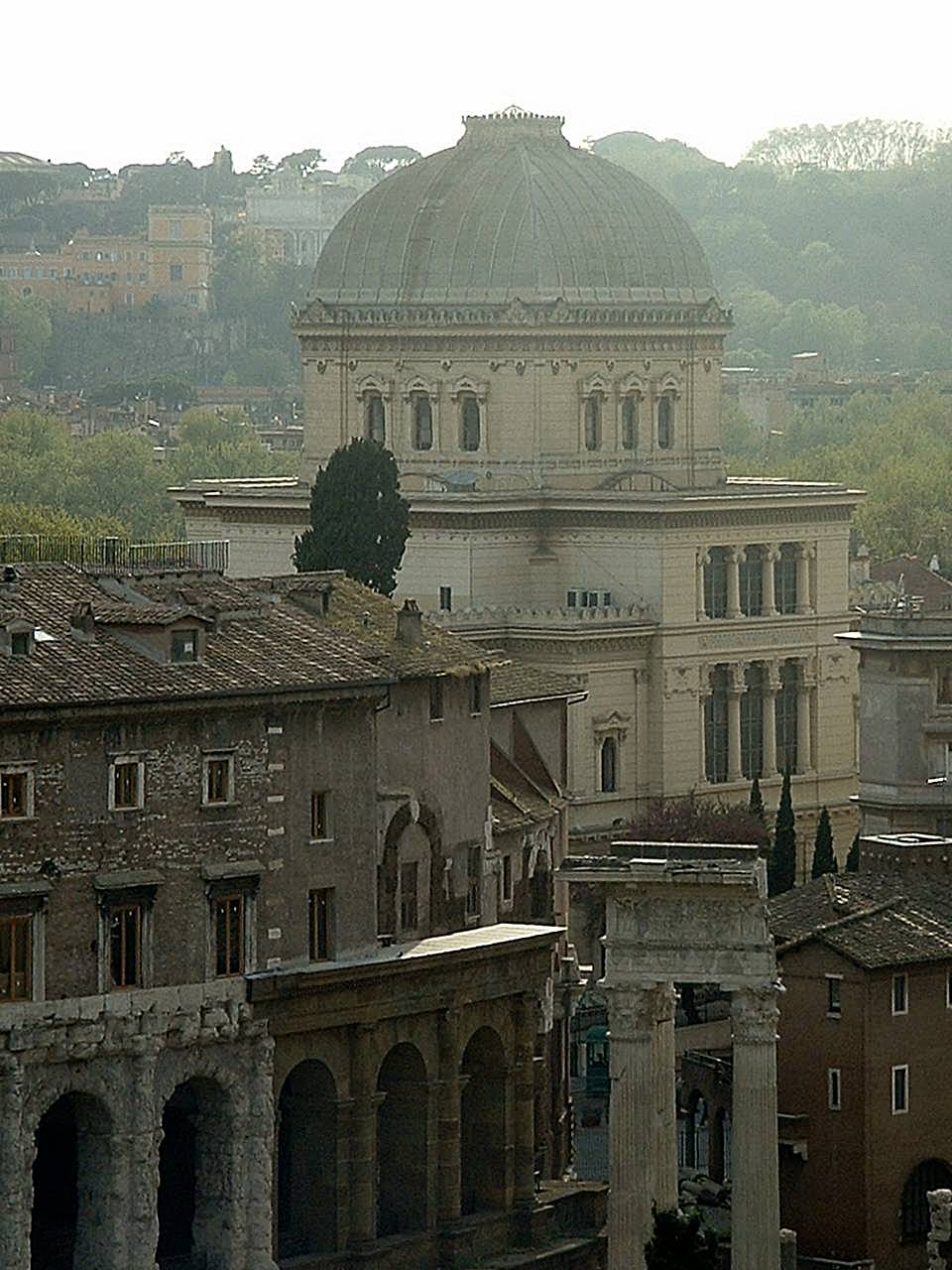
Built between 1901-1904, the Great Synagogue of Rome stands as the largest synagogue in the city and a bold architectural statement of Jewish emancipation. Its distinctive square dome and prominent position on the Tiber embankment declare the community's presence and freedom after centuries of confinement in the ghetto.
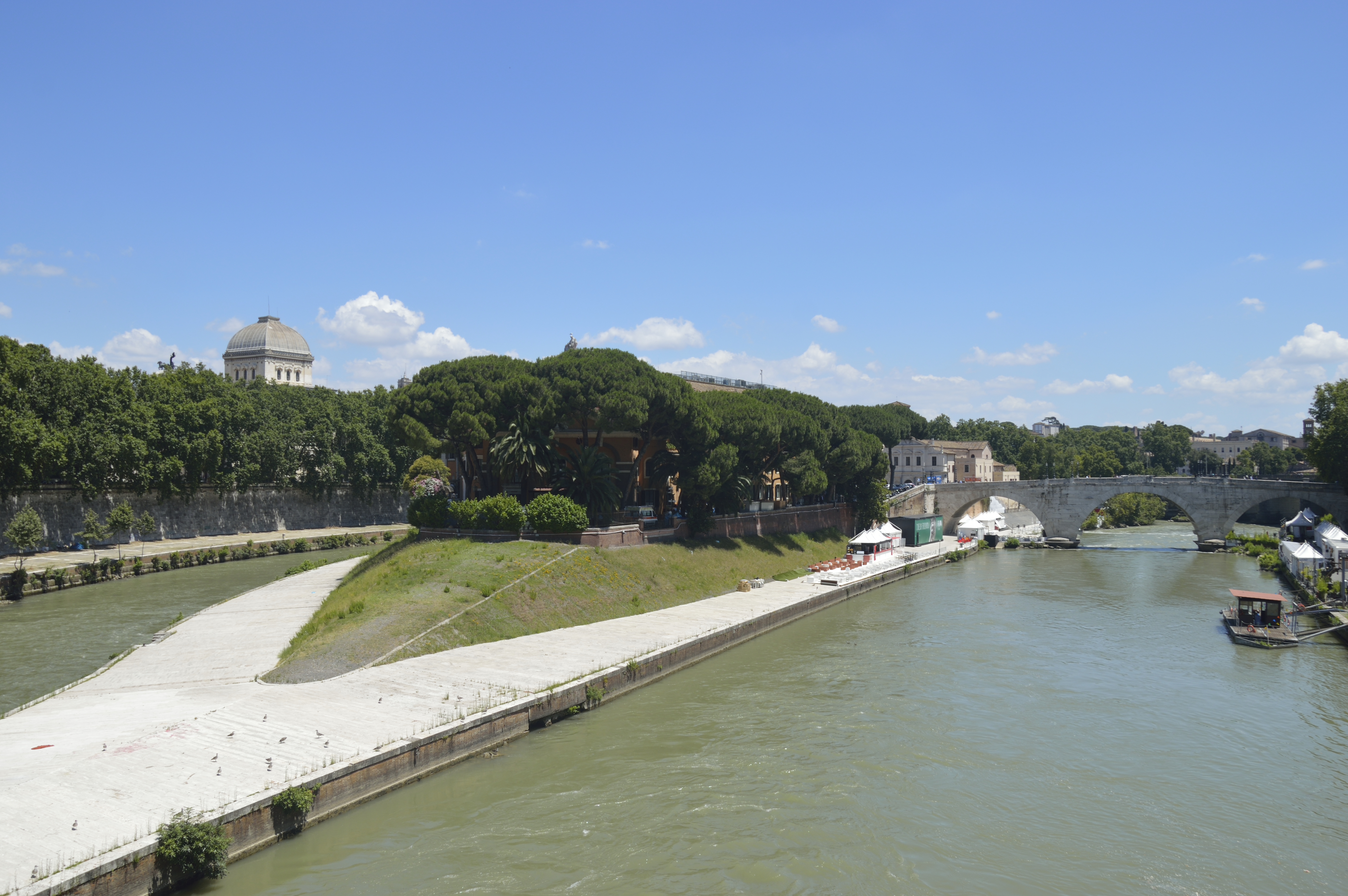
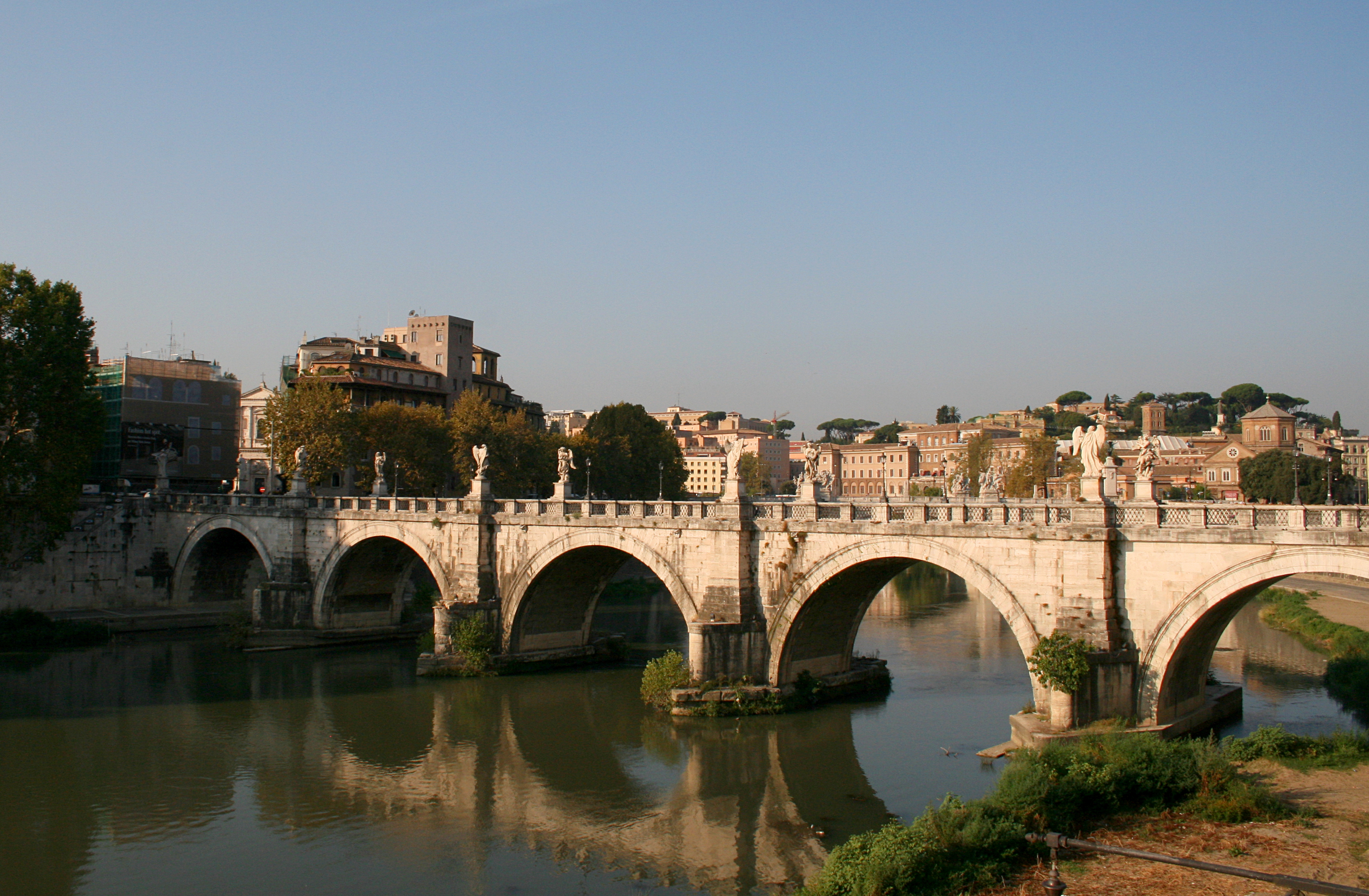
A historic island sanctuary connected to both neighbourhoods by Ponte Fabricio, Rome's oldest surviving bridge (62 BC), featuring the medieval Church of San Bartolomeo and the Fatebenefratelli Hospital. For over two millennia, the island has been a place of healing—from the ancient Temple of Aesculapius to the hospital that still serves Rome today.
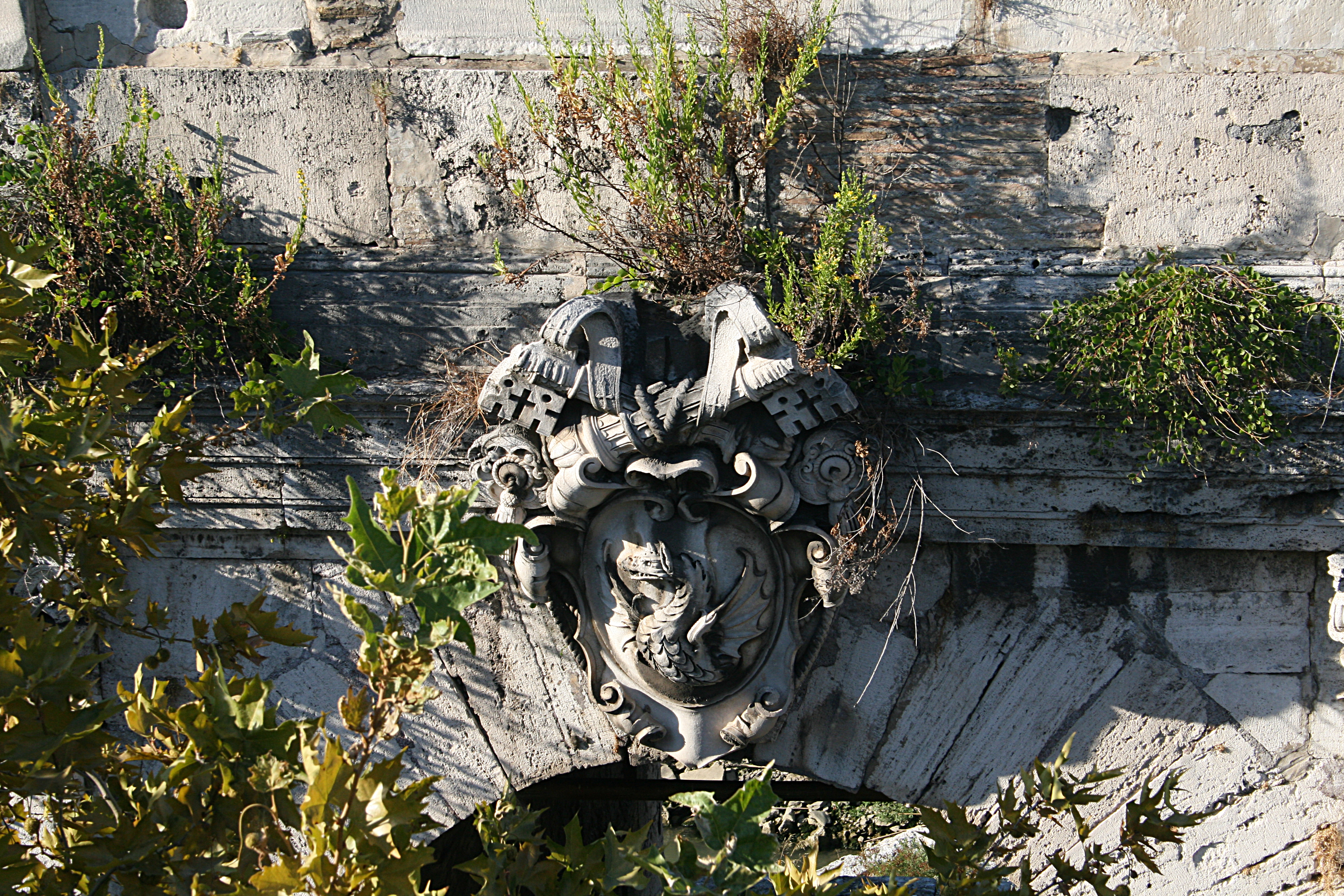
The haunting ruins of Rome's first stone bridge, Pons Aemilius, built in 179 BC. Only a single arch remains, standing like a sentinel above the Tiber River, picturesque and melancholy.
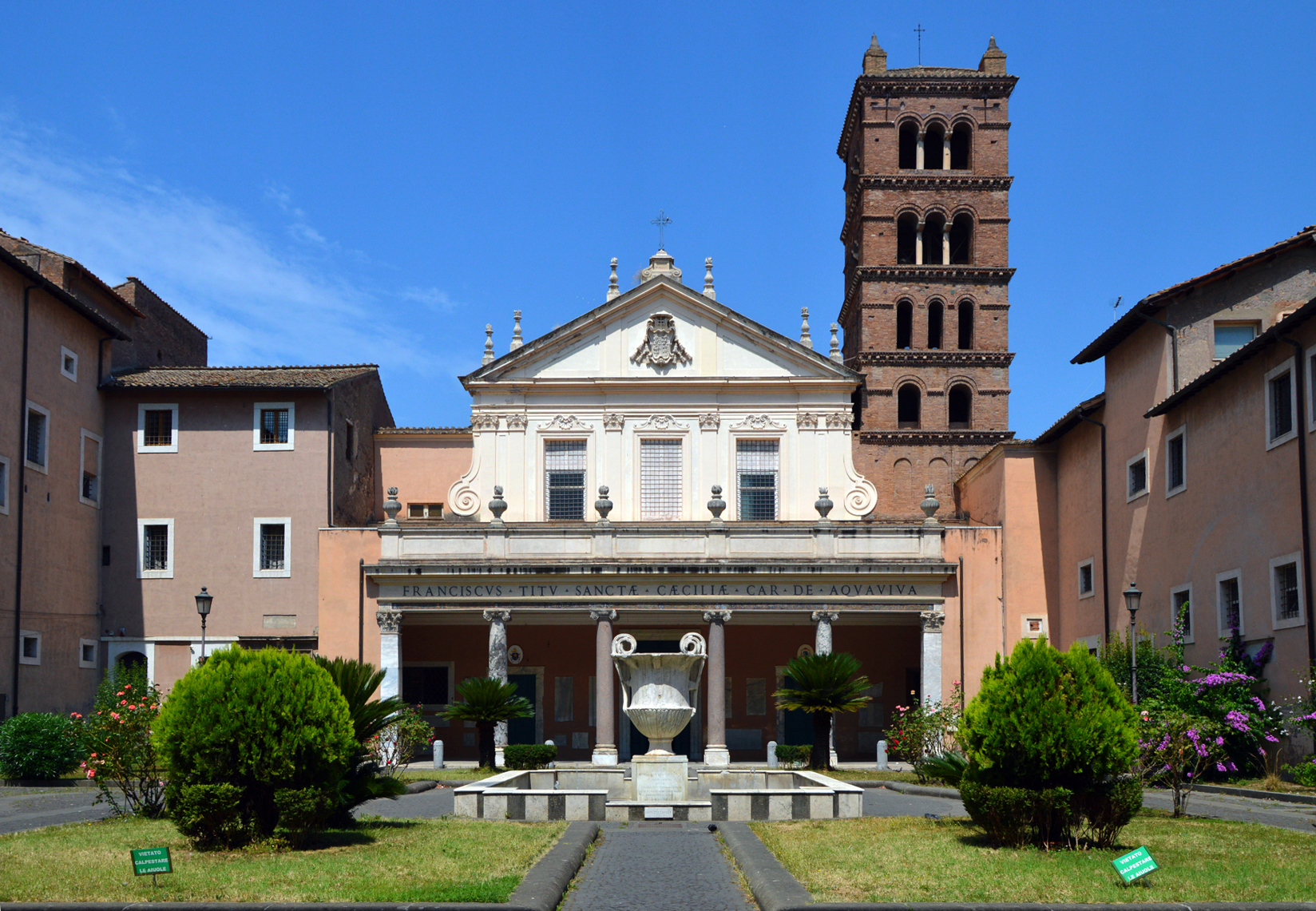
A medieval church built directly over the house where the early Christian martyr and patron saint of music was executed—layering Roman, early Christian, and medieval Rome beneath one roof.
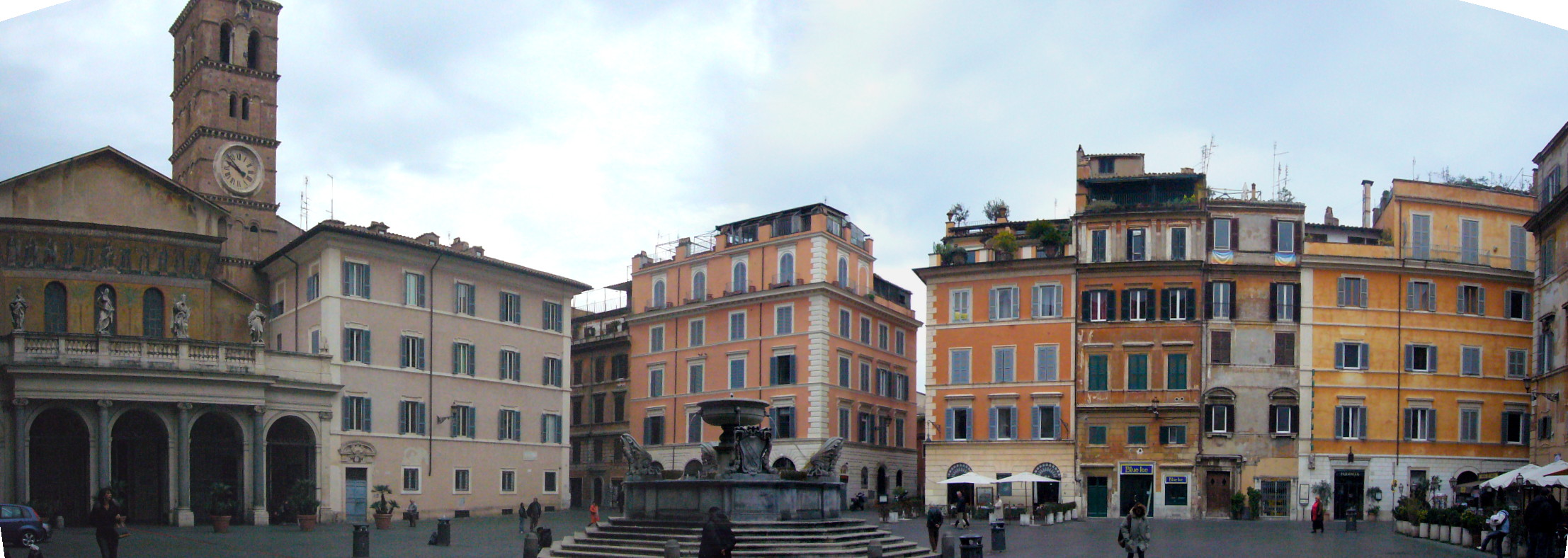
The historic heart of Trastevere neighborhood, featuring the 12th-century Basilica di Santa Maria and a medieval piazza that pulses with the everyday life of Rome's most authentically lived-in quarter.
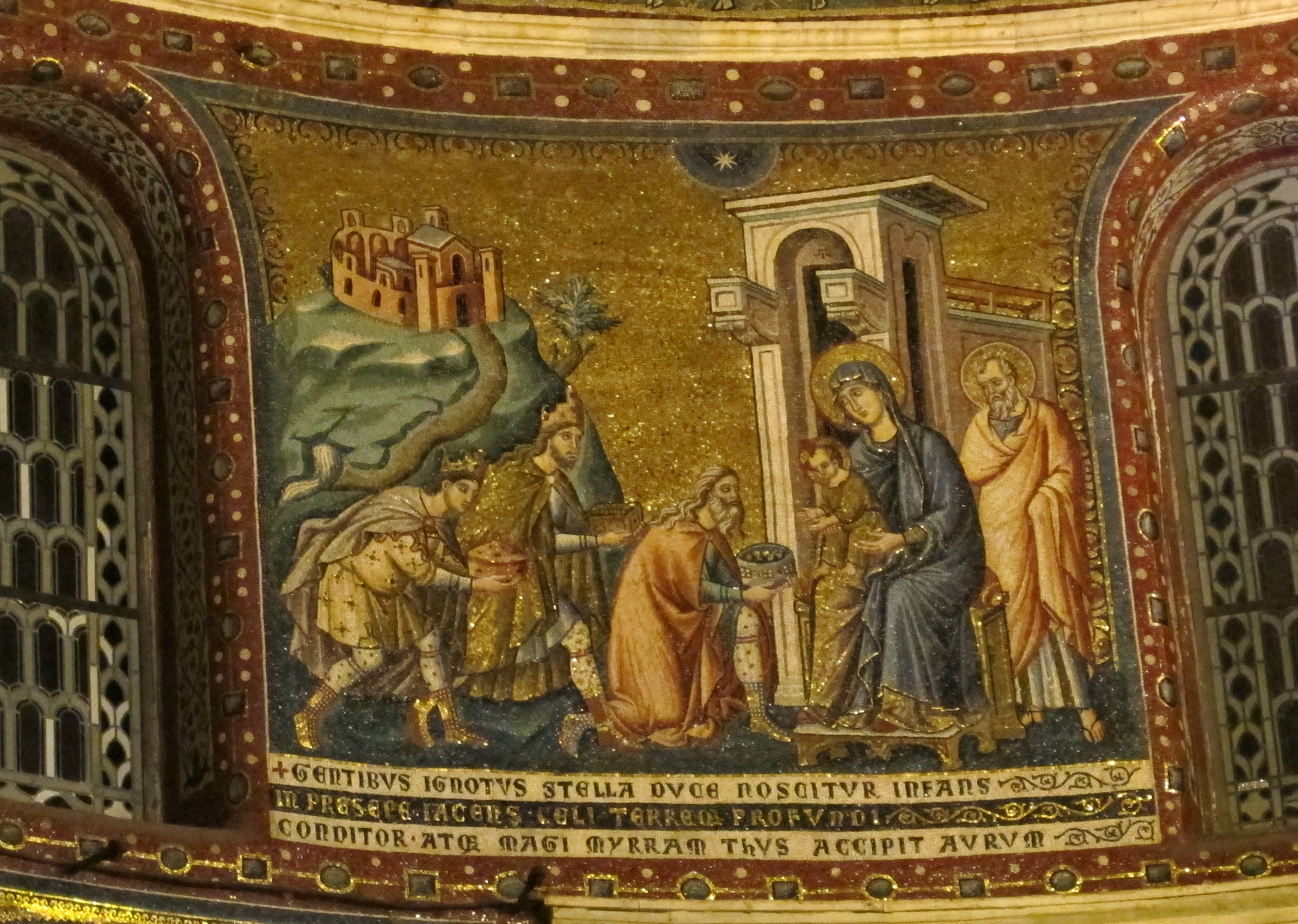
One of Rome's oldest churches, likely the first where mass was openly celebrated in the 3rd-4th centuries, now housing some of the city's finest Byzantine mosaics and serving as the spiritual heart of the Trastevere neighborhood.
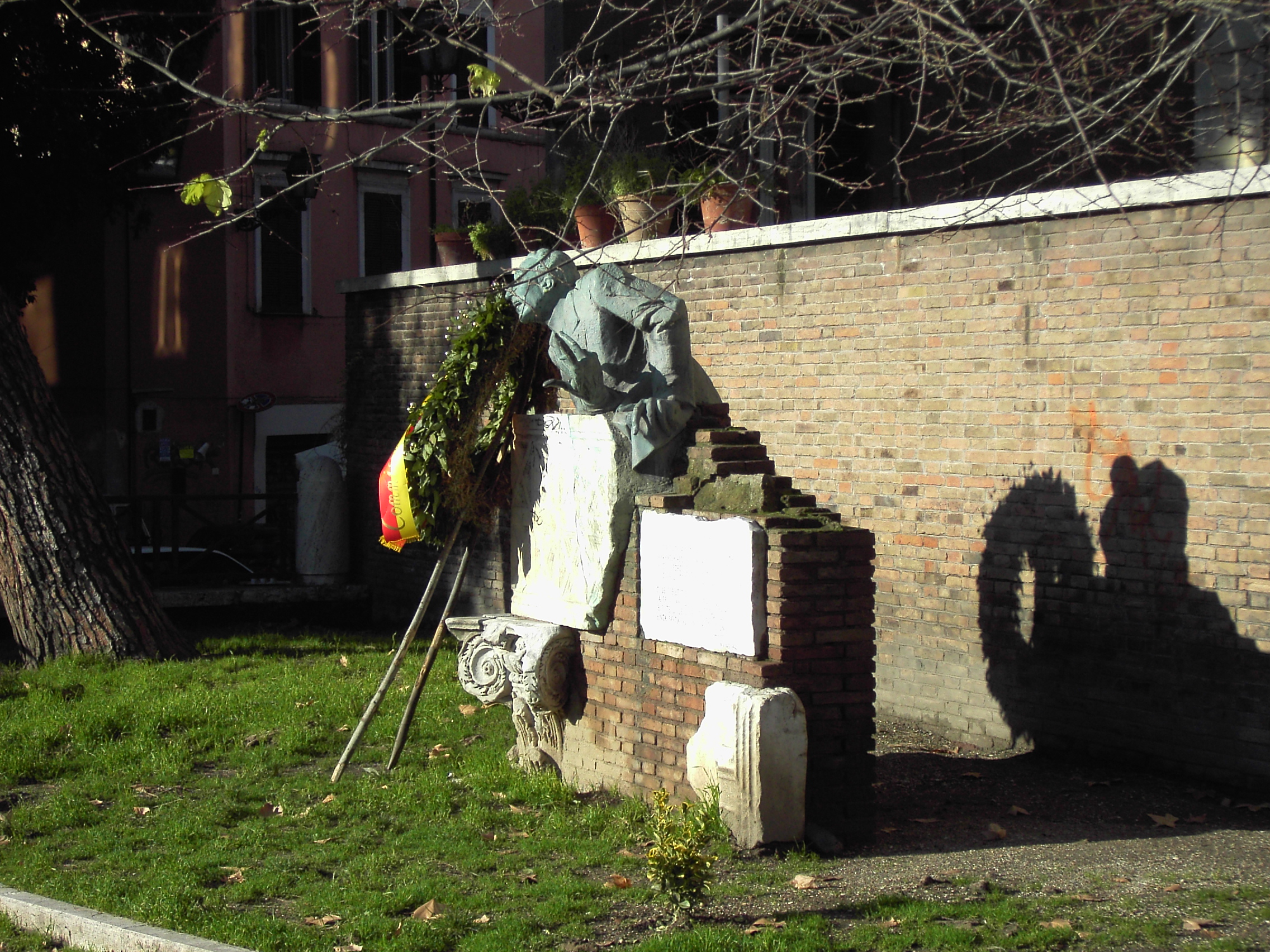
This scenic riverside piazza in Trastevere offers charming fountain views and a perfect vantage point over the Tiber River, embodying the authentic neighborhood gathering place that defines the district.
This is the real story from one stop on this walk — every stop has one.
Trace Rome's transformation from a republic of senators and civic temples to an empire of colossal amphitheaters and…
Follow the greatest architectural rivalry in history across Rome’s Baroque masterpieces. From Borromini’s mind-bending…
Examine Mussolini-era architecture across three zones of Rome — from the propaganda sports complex at Foro Italico to…
We use cookies to analyse site traffic and improve your experience. You can choose to accept or reject analytics cookies. Learn more