Fascist Rome: Architecture of the Regime
Rome · Italy

Fascist Rome: Architecture of the Regime

Rome, Italy
111
Duration (min)
4.0
Distance (km)
8
Stops
Easy
Difficulty

Description

Examine Mussolini-era architecture across three zones of Rome — from the propaganda sports complex at Foro Italico to the controversial Via dei Fori Imperiali to the planned utopia of EUR — asking what we do with buildings designed to serve an ideology that no longer exists.

Tour Stops

Foro Italico
1

Foro Italico

5 min

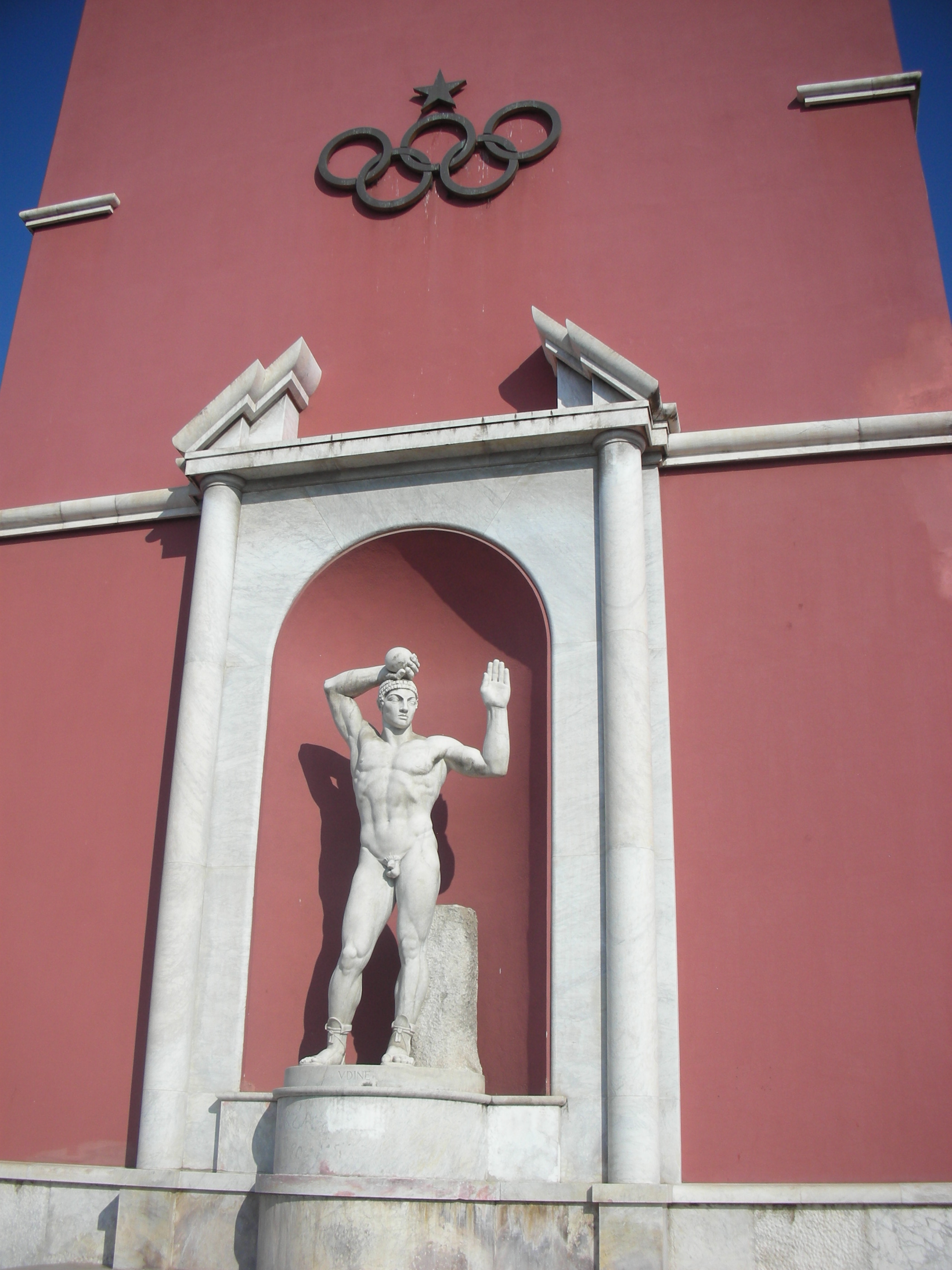
The Foro Italico is an active sports complex anchored by a 17.5-meter Carrara marble obelisk still inscribed MUSSOLINI DUX and surrounded by 60 muscular marble statues and black-and-white mosaics celebrating fascist conquest — a propaganda landscape where Roma FC now plays football.
Ponte Duca d'Aosta
2

Ponte Duca d'Aosta

3 min

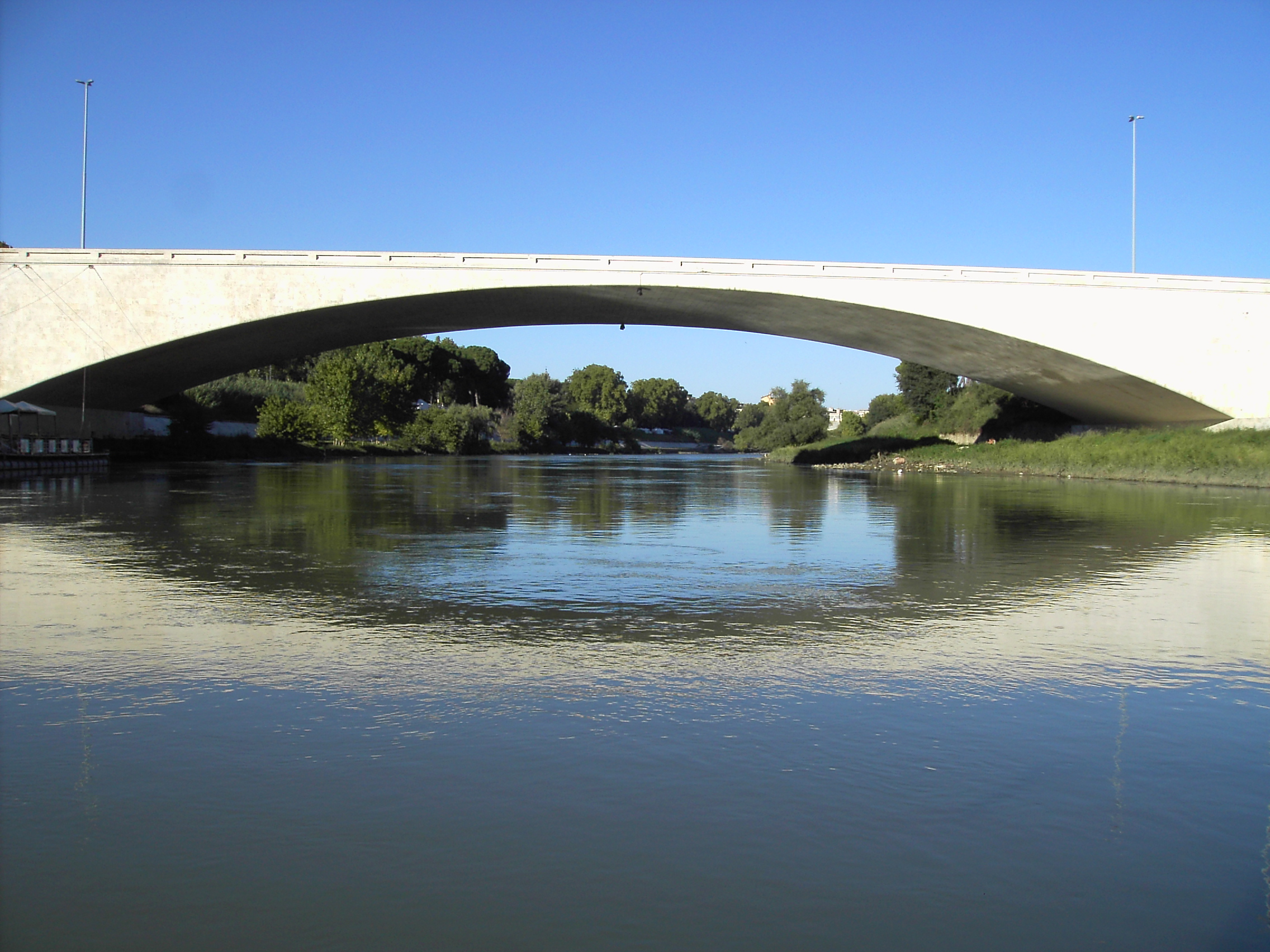
A travertine bridge completed in 1942, the Ponte Duca d'Aosta carries carved reliefs celebrating Italy's military triumphs — a threshold between the grandiose Foro Italico and the ordinary city beyond.
Altare della Patria
3

Altare della Patria

5 min

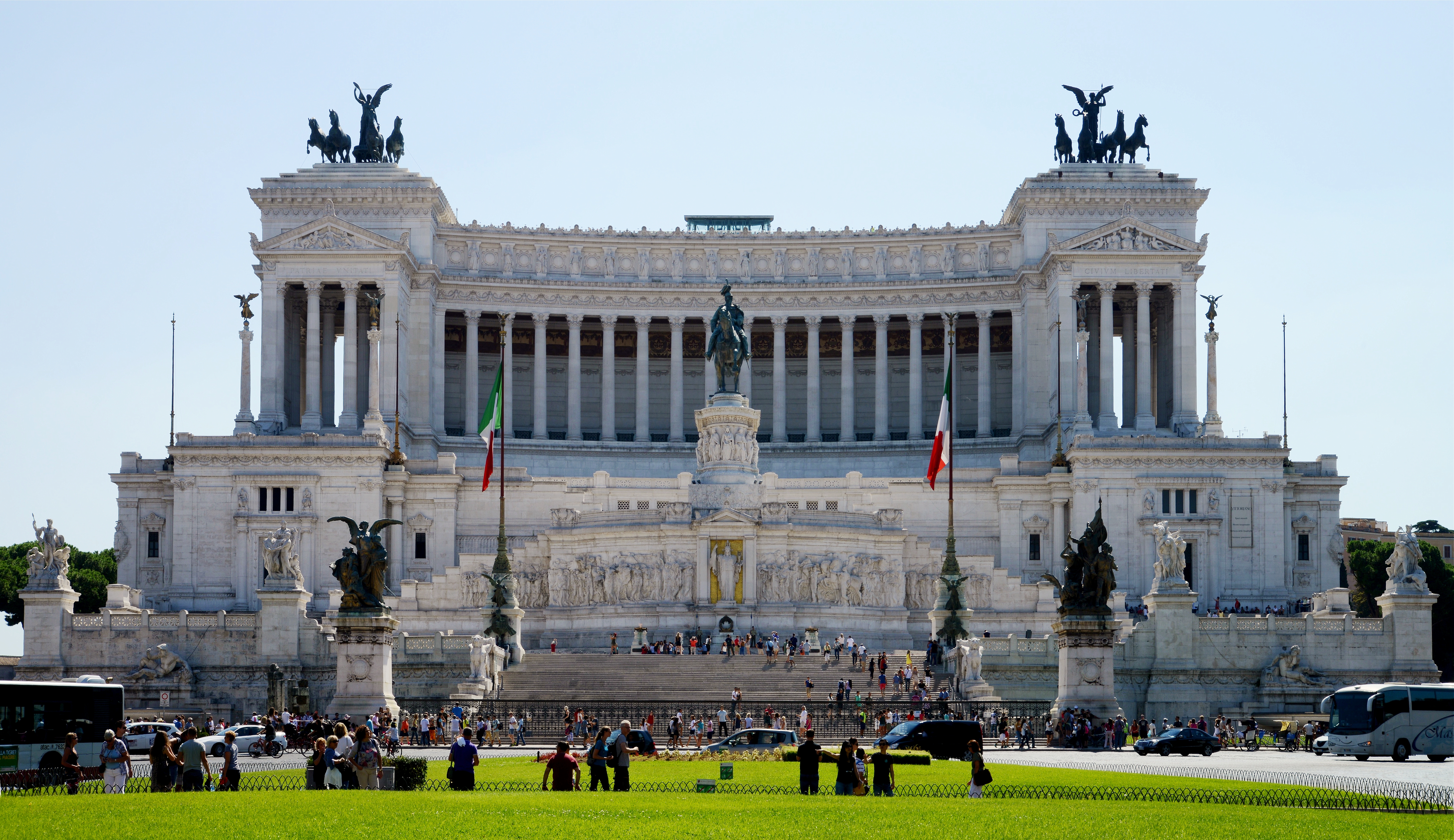
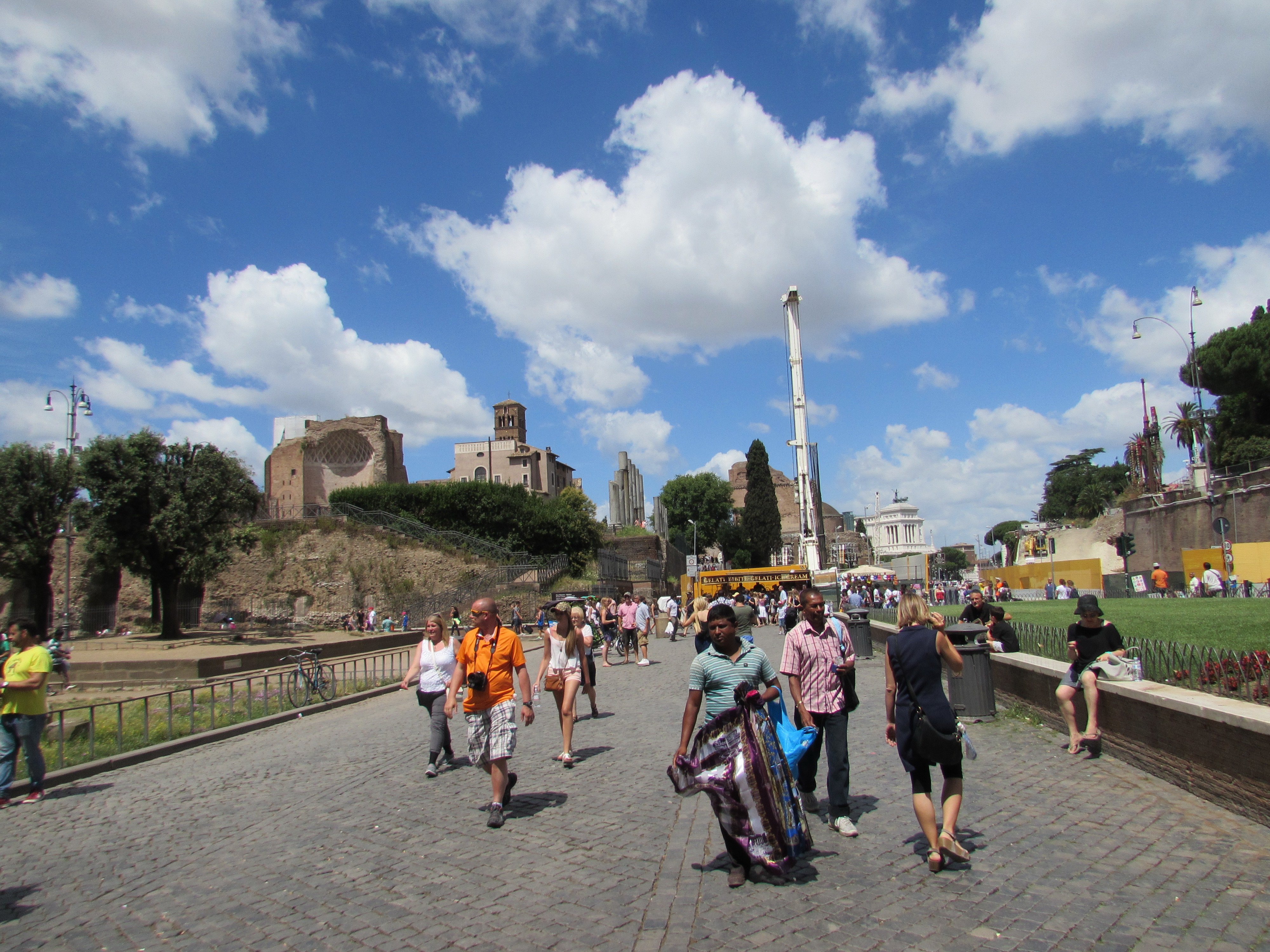
The Victor Emmanuel II Monument — or Wedding Cake, as Romans call it — was begun in 1885 as a tribute to Italian unification, but left unfinished until 1935, when Mussolini completed it and harnessed its overwhelming white marble facade as a stage for Fascist power.
Via dei Fori Imperiali
4

Via dei Fori Imperiali

5 min

Mussolini's most audacious urban surgery: a grand ceremonial boulevard carved through medieval Rome in 11 months, destroying an entire densely-populated neighborhood to excavate and celebrate the Imperial forums beneath.
Palazzo della Civiltà Italiana
5

Palazzo della Civiltà Italiana

5 min

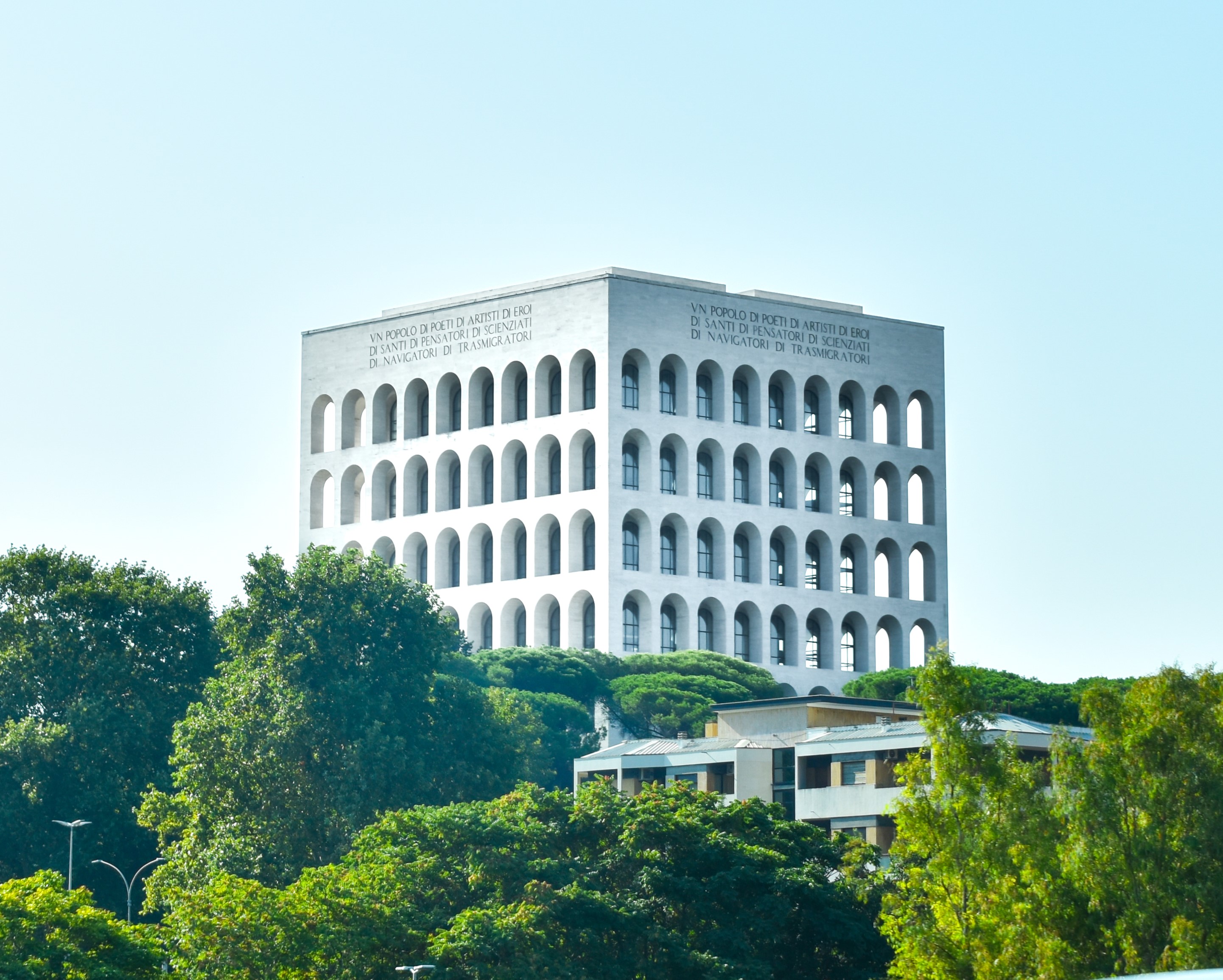
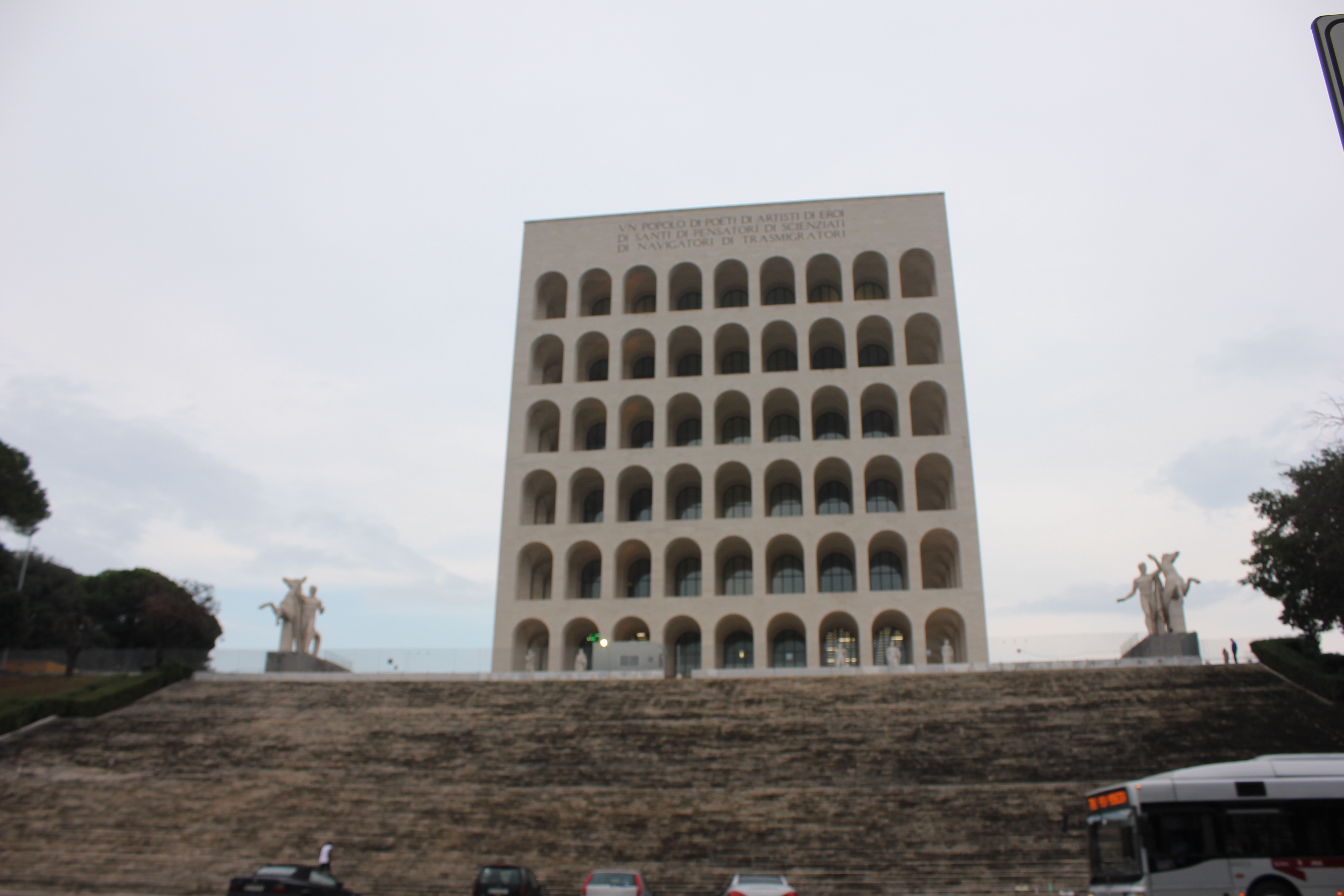
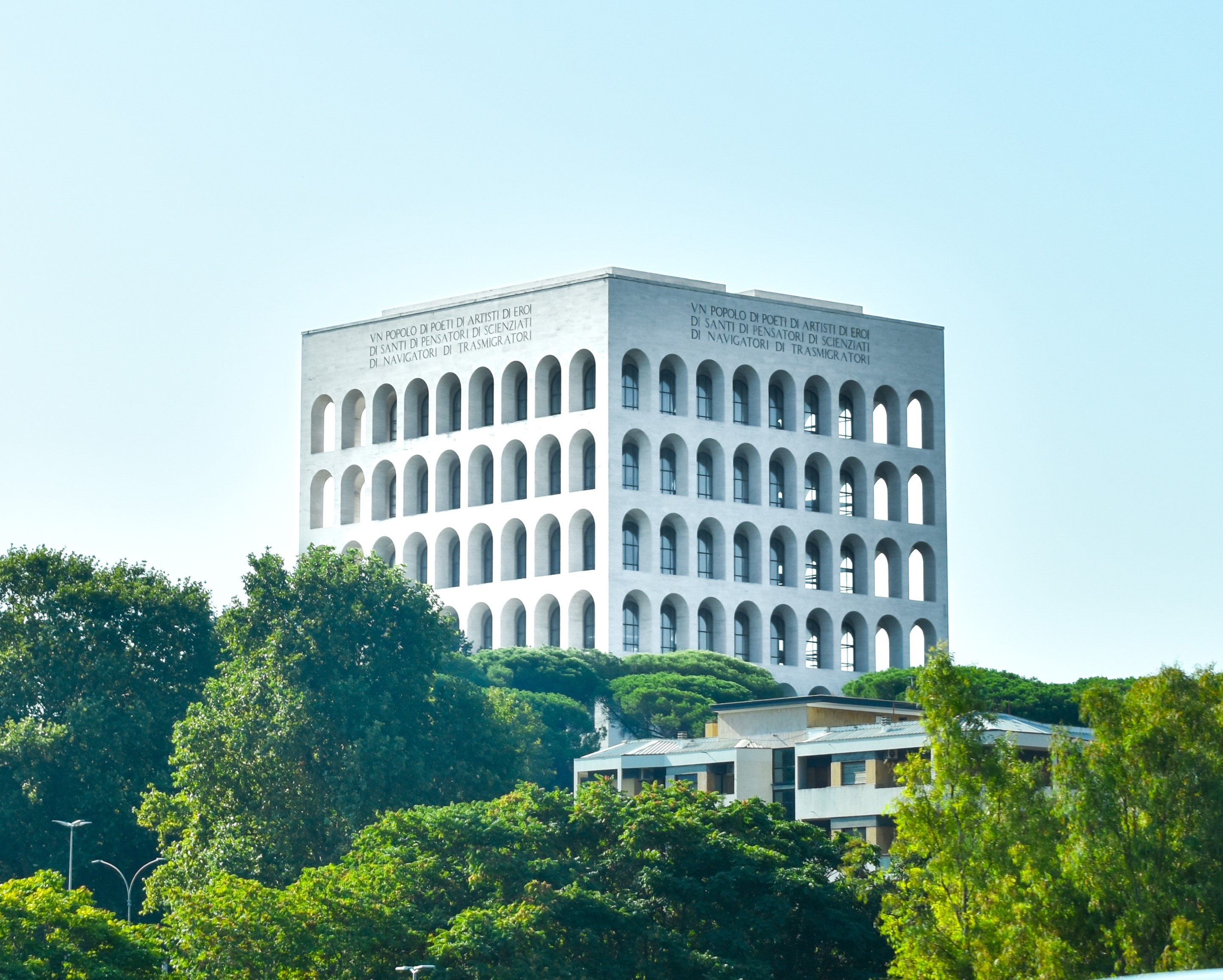
The Palazzo della Civilta Italiana — the Square Colosseum — is Fascist rationalism perfected: six stories of pure geometric ambition, 216 symmetrical arches, and a Latin inscription claiming Italian supremacy. Since 2015, it has belonged to Fendi.
Palazzo dello Sport
6

Palazzo dello Sport

4 min

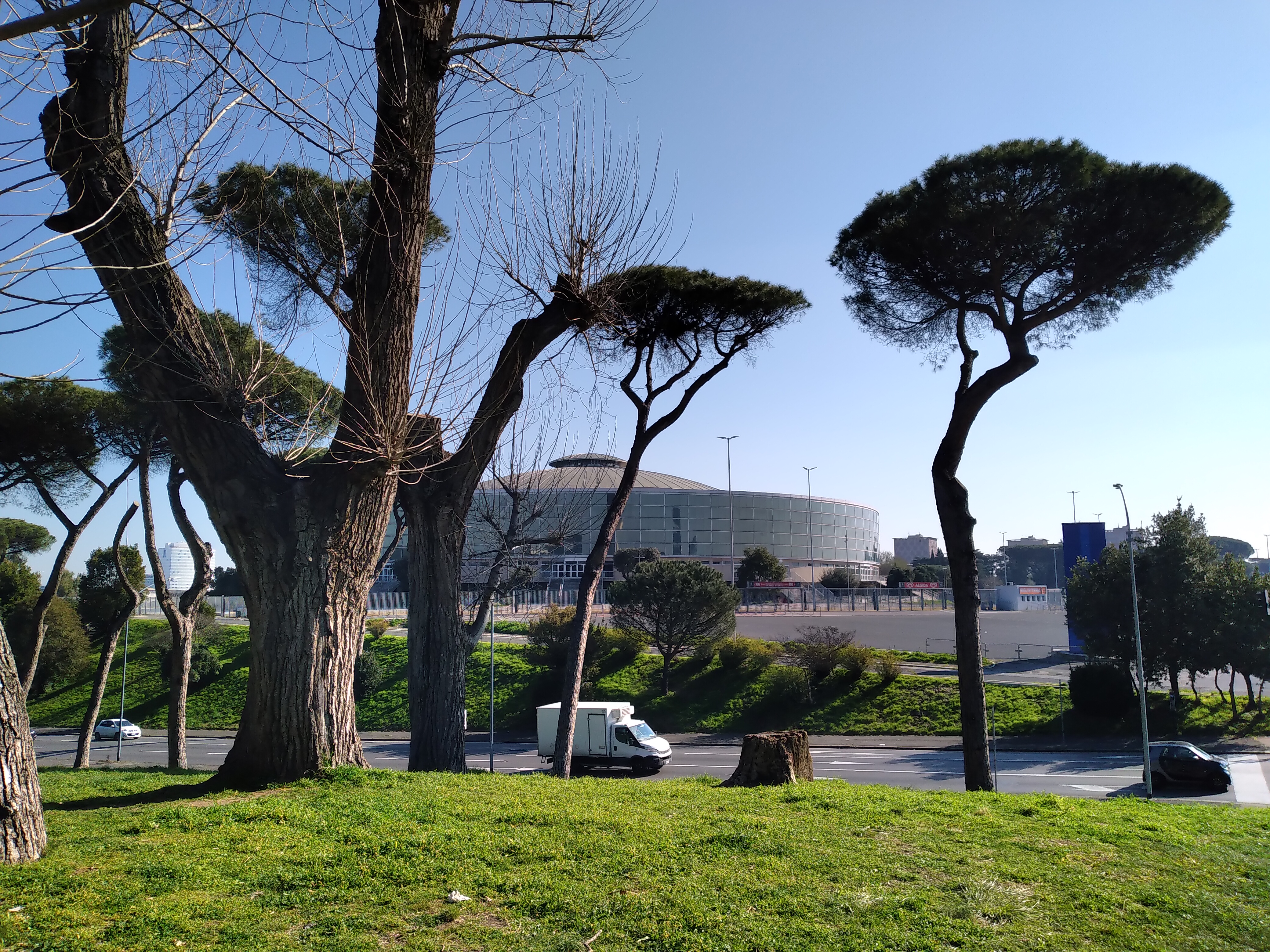
Pier Luigi Nervi's 1960 Olympic dome is a 100-meter, column-free span of reinforced concrete — engineering that feels like it shouldn't hold, yet does. Built for Rome's post-war reinvention, it stands on Fascist-era foundations.
EUR Neighborhood
7

EUR Neighborhood

5 min

Mussolini envisioned EUR as Rome's future — a rationalist showcase district for a 1942 World's Fair that never happened. Now it's a gleaming business district of wide boulevards and stark modernist office towers, the utopian dream transformed into air-conditioned pragmatism.
Museo della Civiltà Romana
8

Museo della Civiltà Romana

4 min

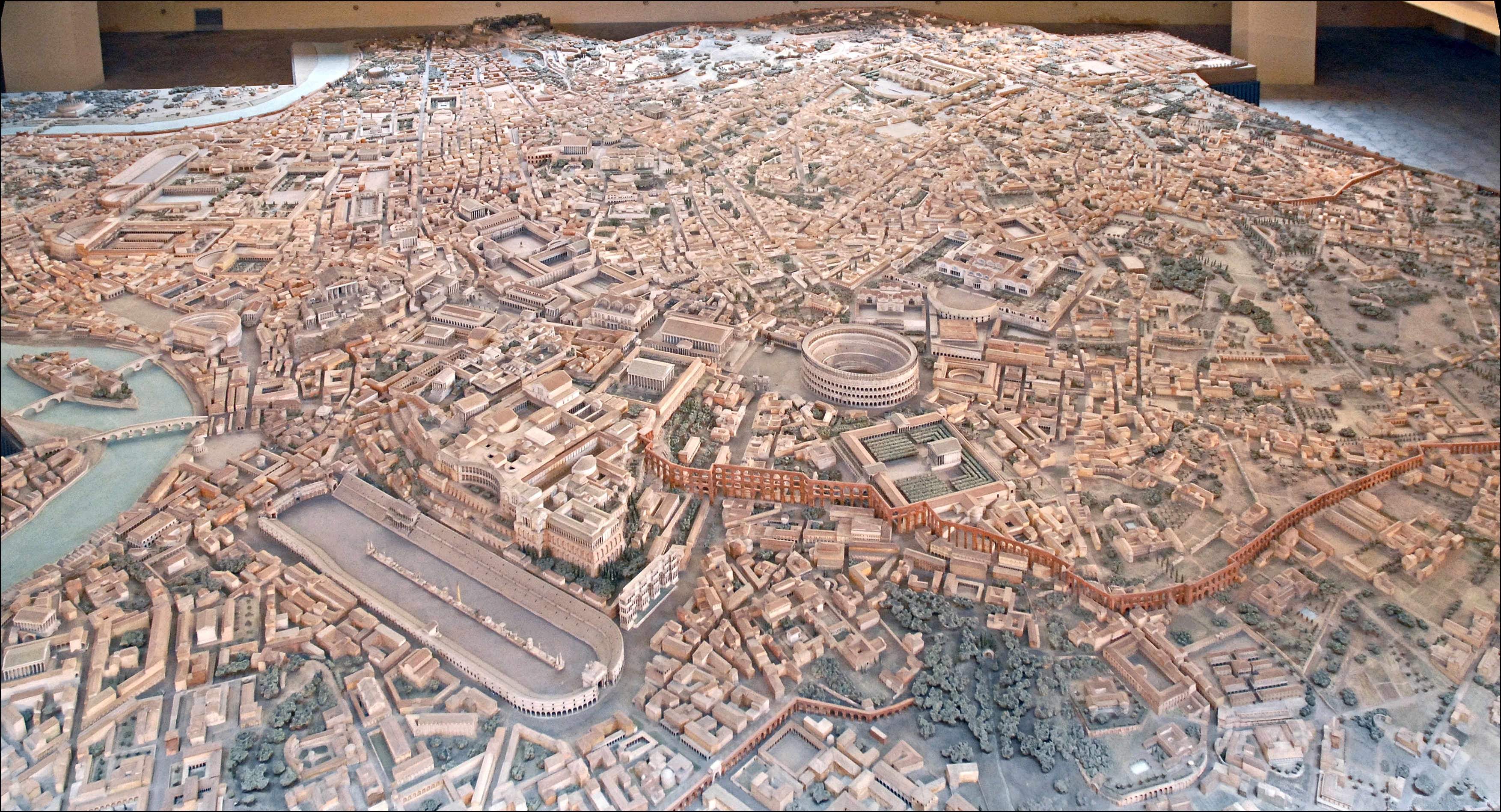
A museum built by Fascism to celebrate ancient Rome, now closed for years while the regime's own monuments stand in uncertain limbo. We end where the tour began — at the question of what architecture means when it's designed to mean everything.

A Taste of the Tour

This is the real story from one stop on this walk — every stop has one.

Foro Italico

This is not a tour that celebrates what it shows you. It is a tour that asks you to look carefully at buildings designed to make you stop thinking and start obeying. Between 1922 and 1943, Mussolini's regime reshaped Rome more dramatically than any government since the emperors. They carved boulevards through medieval neighborhoods, built sports complexes to glorify the body, planned an entire district for a World's Fair that never happened, and stamped every surface with symbols of power. Most of this architecture is still standing. Some of it is still in use. We begin at the Foro Italico, where a 17-metre obelisk still bears Mussolini's name and athletes still compete. We move through the political heart of Rome, where ancient forums were excavated and staged as propaganda. We end in EUR, the planned district that was supposed to be the future and became an office park. Along the way, the question is always the same: what do you do with buildings that were designed to serve an ideology, when the ideology is gone but the buildings remain? You arrive at what looks like an ordinary sports venue. Modern cars. Family groups heading toward the stadium. A woman buying a coffee from a stand. Then you notice the obelisk. It rises nearly 60 feet, pure white Carrara marble — the largest single piece ever quarried from the famous Tuscan mountains. And on its face, carved deep and legible in letters six feet tall: MUSSOLINI DUX. The Leader. It is 2026, and this inscription has never been removed. This is the Foro Italico, completed in 1938. Built between 1928 and 1938 under architects Enrico Del Debbio and Luigi Moretti, it was initially called the Foro Mussolini, a sports complex designed to position fascist Italy as heir to ancient Rome. The ambition was staggering. Mussolini wanted Rome to host the 1940 Olympics. The complex never hosted those games — history intervened — but after the war, when Italy reclaimed its place in the world, Rome did get the 1960 Olympics, and the Foro was at the center of it. What makes this place arresting isn't just the size. It is the particularity of what is built into it. Walk the perimeter and you are ringed by statues. Sixty marble athletes, carved in heroic proportions, muscular and idealized. They line the avenue like an honor guard. Every one of them represents the regime's vision of the New Man — physically perfect, battle-ready, dedicated to the state. They're not monuments to individuals. They represent a type. A body. A vision of human perfection that was inseparable from fascist ideology. Look down. Beneath your feet, black-and-white mosaics tile the ground in geometric patterns. But these are not abstract. The scenes depict modern warfare, construction, labor, sport. There are fascist emblems woven through the designs. Some mosaics, commissioned in 1936, celebrate the Italian invasion of Ethiopia — Mussolini's imperial conquest. Walk over Italian victories. The propaganda doesn't whisper. It floors. This is the shock of the Foro Italico in 2026. It is not a museum. It is not a ruin. It is in use. On weekends, Roma FC plays football in the Stadio Olimpico at the complex's heart. Families attend matches. Children run on the grass. The stadium has been expanded, modified, renovated — it is thoroughly modern in its function. And yet the obelisk is still there. The statues are still there. The mosaics are still there. The fascist architecture is not preserved as a warning in glass, not locked behind museum gates, not contextualized with plaques explaining what to think. It is an ordinary, living sports complex. This tension — between the propaganda function this place was built to serve and its current use as a functioning venue for ordinary people — is precisely what makes it worth examining. The architects and sculptors and mosaic artists who built this complex understood architecture as ideology. They knew that space shapes consciousness. Grand scale intimidates. Repetition of symbols normalizes them. The heroic male body becomes the standard against which all bodies are judged. The fascist emblem, repeated, ceases to be noticed. What happened to these intentions after 1945? The obelisk was not destroyed. The statues were not removed. The complex was renamed — it became the Olympic Forum rather than Mussolini's Forum — but the core statement remained. We see this again and again in Rome. The regime fell. Its architecture stayed. The question this raises is not merely historical. It is active. What do you do with a building whose purpose was propaganda when that purpose is discredited, but the building itself is useful? Do you erase it? Contextualize it? Live with it? The answer Rome chose — to keep using it, quietly, without much explanation — is itself a kind of answer. The Foro Italico will appear again in this tour. Its logic — the marriage of sports and national pride, of monumental scale and ideological message — extends outward to other sites. But begin here. Before the careful planning of EUR, before the vast ambitions of the Altare della Patria, understand what active fascist architecture looks like when it is simply part of ordinary life.

More Tours in Rome

Nearby Cities

Back to Rome Tours

Cookie Consent

We use cookies to analyse site traffic and improve your experience. You can choose to accept or reject analytics cookies. Learn more