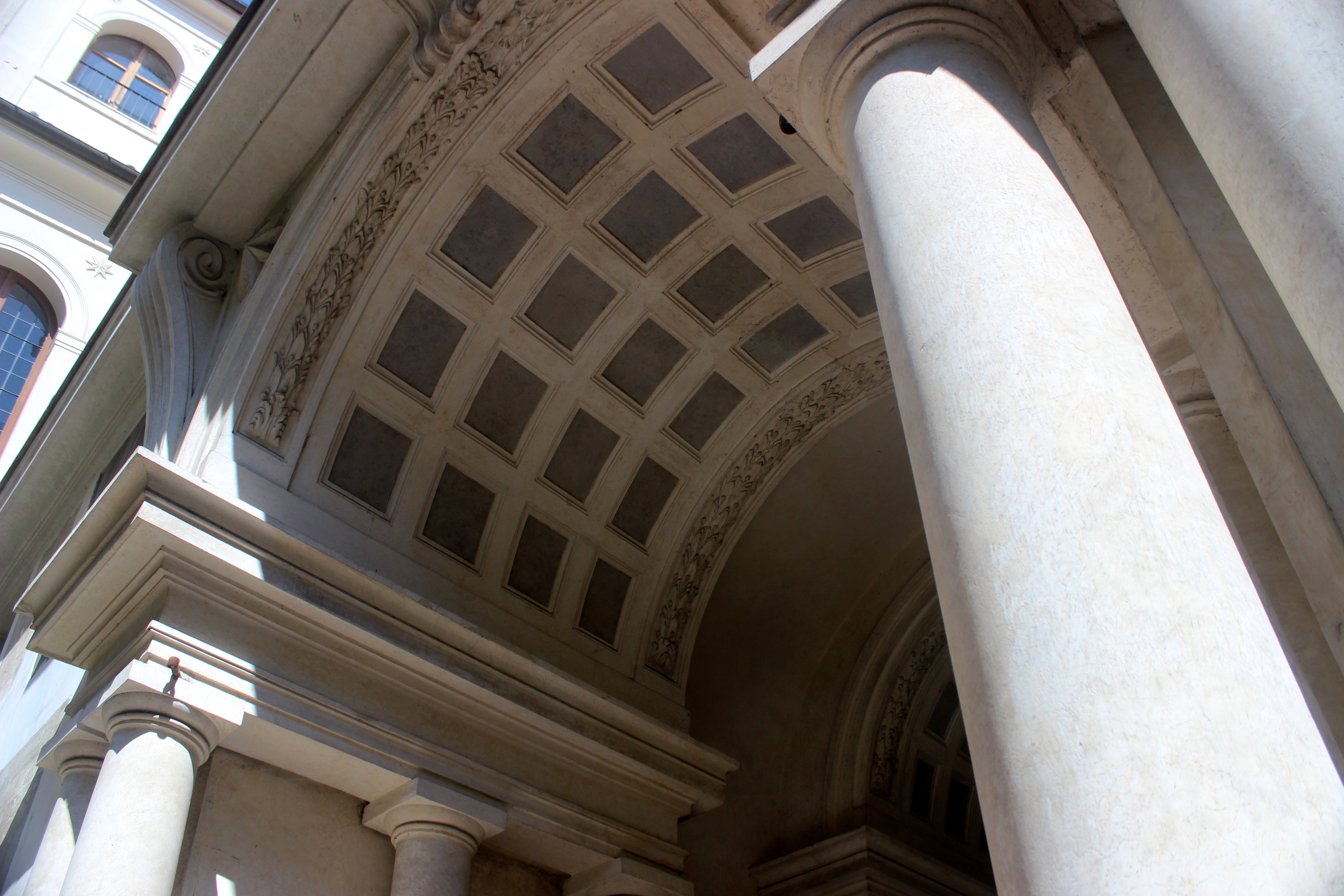
Baroque Masterworks: The Bernini–Borromini Showdown
Rome · Italy

Baroque Masterworks: The Bernini–Borromini Showdown

Rome, Italy
71
Duration (min)
3.0
Distance (km)
9
Stops
Easy
Difficulty

Description

Follow the greatest architectural rivalry in history across Rome’s Baroque masterpieces. From Borromini’s mind-bending optical illusions to Bernini’s theatrical fountains, this tour walks the competing visions of two 17th-century geniuses who reshaped Rome’s skyline and redefined what architecture could do.

Highlights

See Borromini’s forced-perspective corridor at Palazzo Spada — 9 metres that look like 37 Stand between Bernini’s fountain and Borromini’s church in the Piazza Navona face-off Compare their masterpieces side by side: Sant’Andrea al Quirinale vs San Carlo alle Quattro Fontane Discover where both architects worked on the same palace at Palazzo Barberini Survey the Baroque skyline they built from the summit of Trinità dei Monti
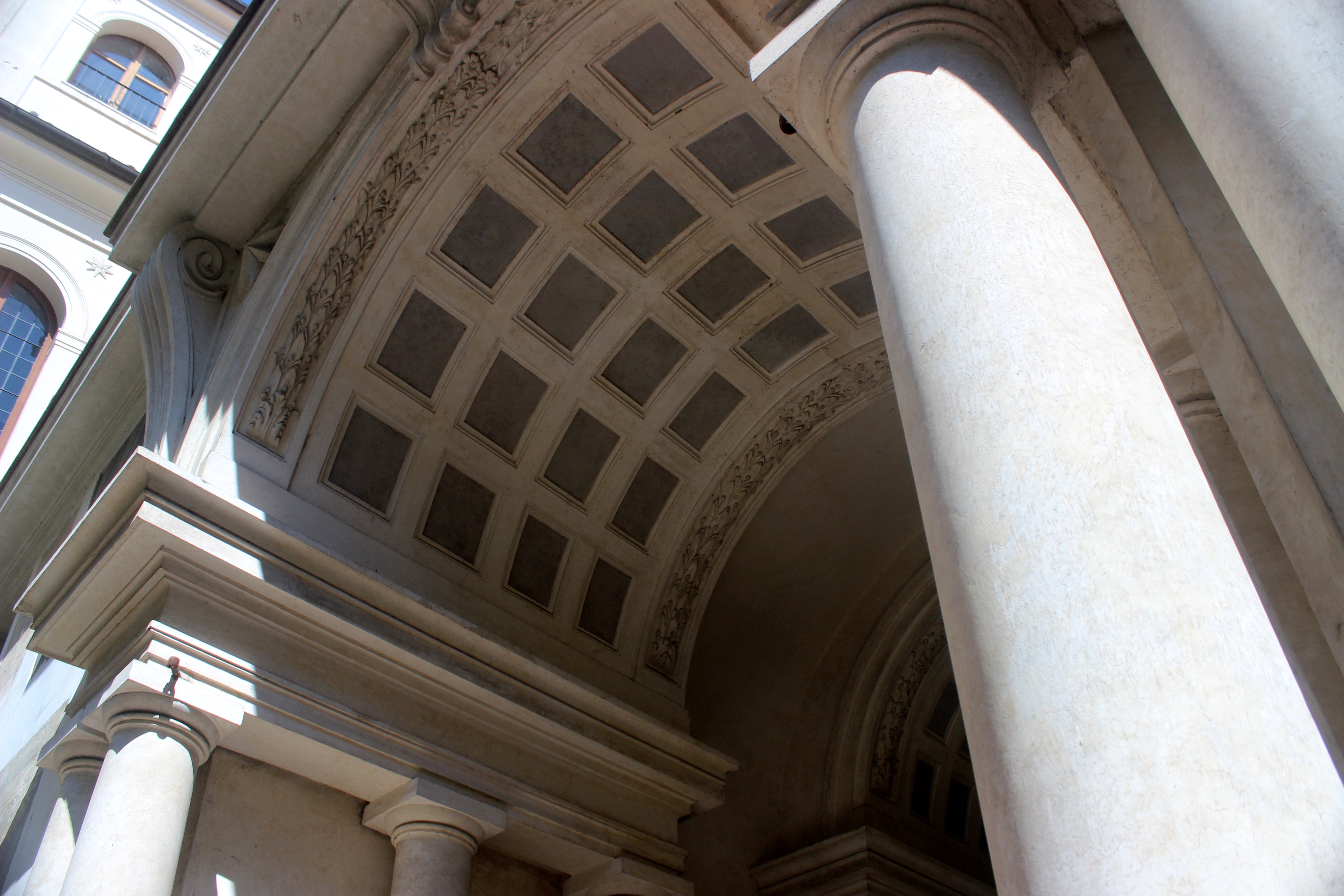
Tour Stops

Palazzo Spada
1

Palazzo Spada

4 min

Borromini's masterclass in optical illusion: a 9-metre corridor that punches way above its weight, appearing to stretch nearly 37 metres through pure geometric brilliance.
Church of Sant'Agnese in Agone
2

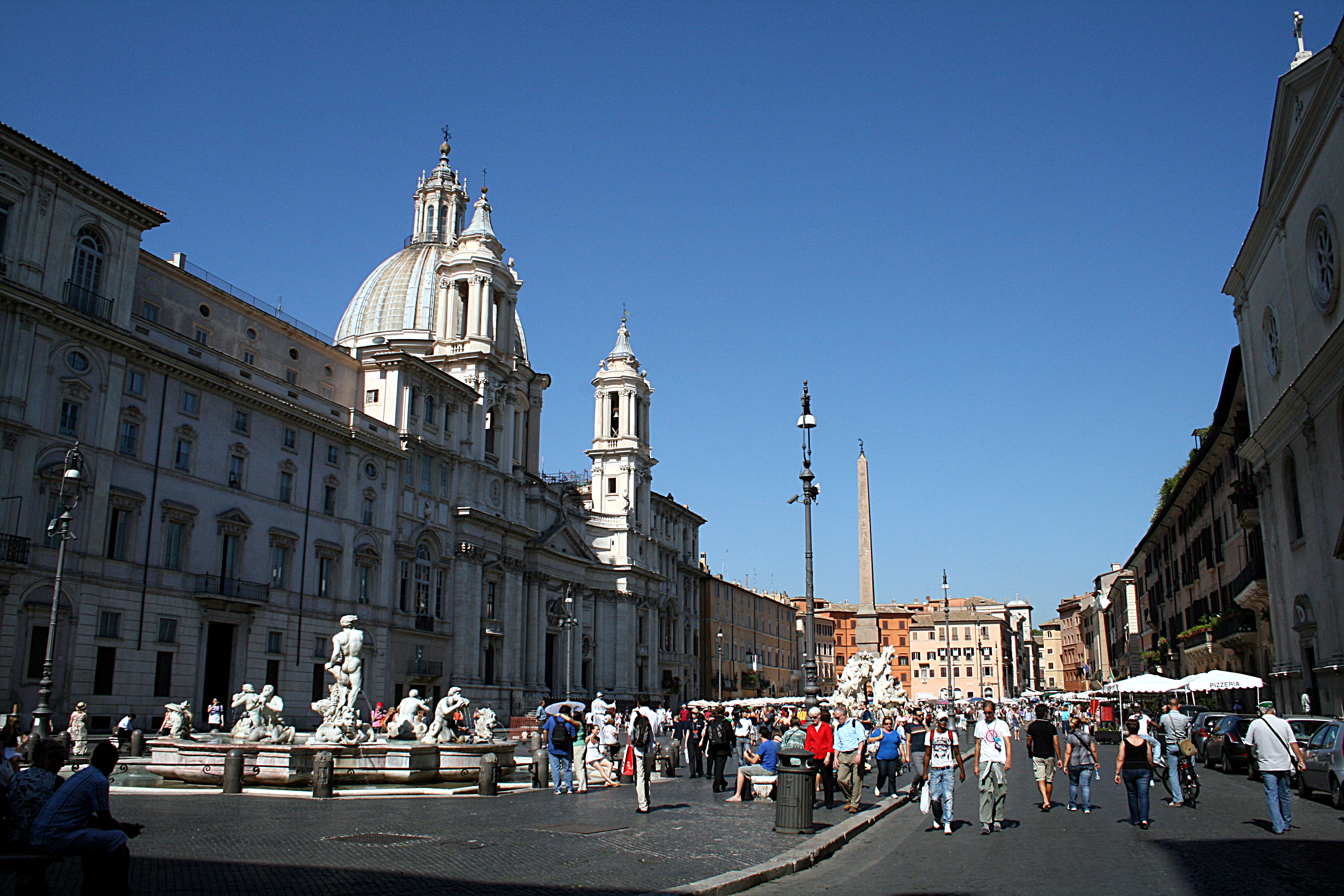
Church of Sant'Agnese in Agone

4 min

Borromini's concave masterpiece defines Piazza Navona's eastern flank—a dramatic, undulating facade that curves inward like a gasp, introducing the architect as Rome's tortured perfectionist.
Fountain of Four Rivers
3

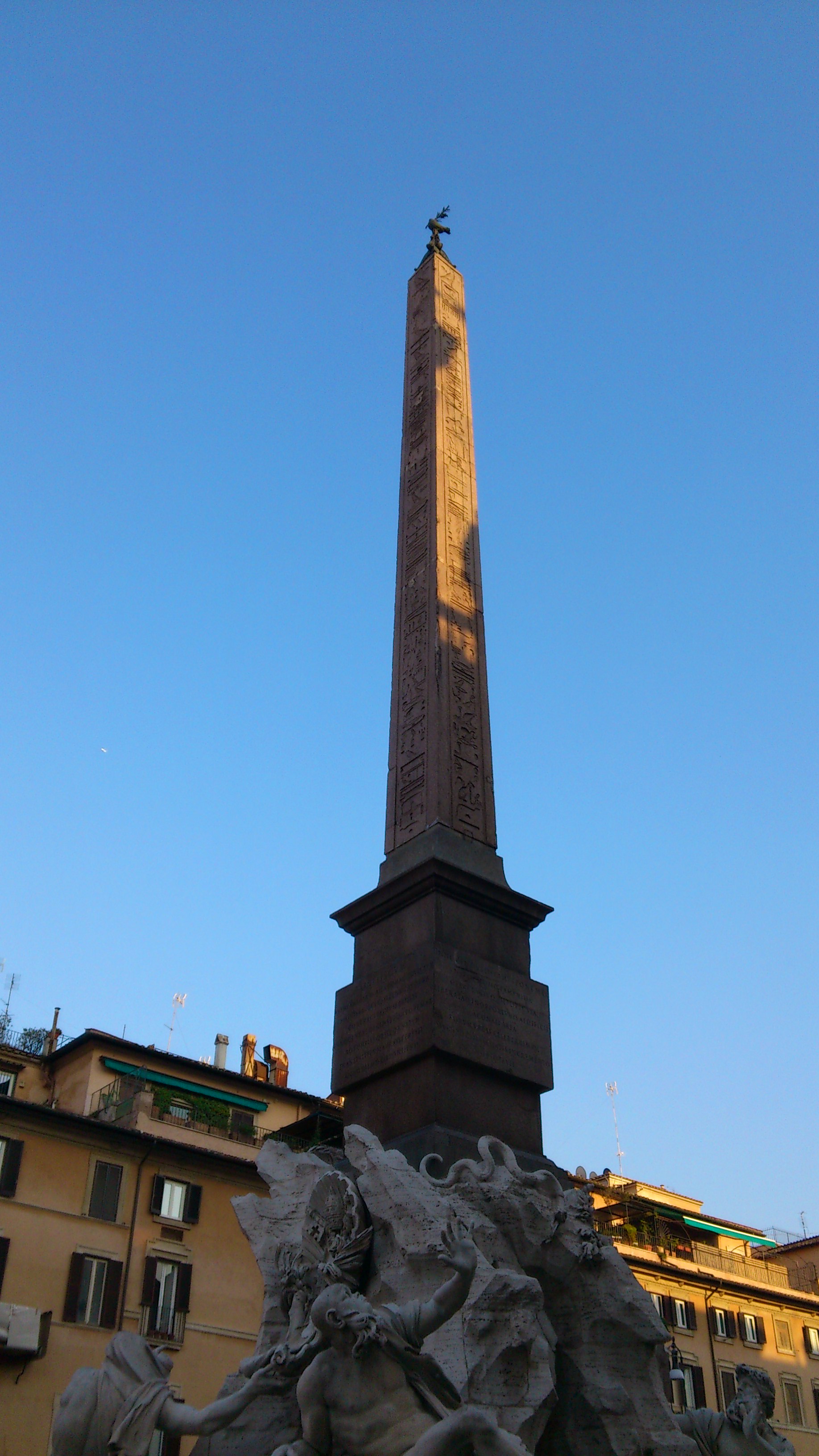
Fountain of Four Rivers

4 min

Bernini's monumental fountain (1651) in Piazza Navona features four colossal river gods representing the Nile, Danube, Ganges, and Río de la Plata, supporting an Egyptian obelisk in an impossibly theatrical composition.
Piazza Navona
4

Piazza Navona

3 min

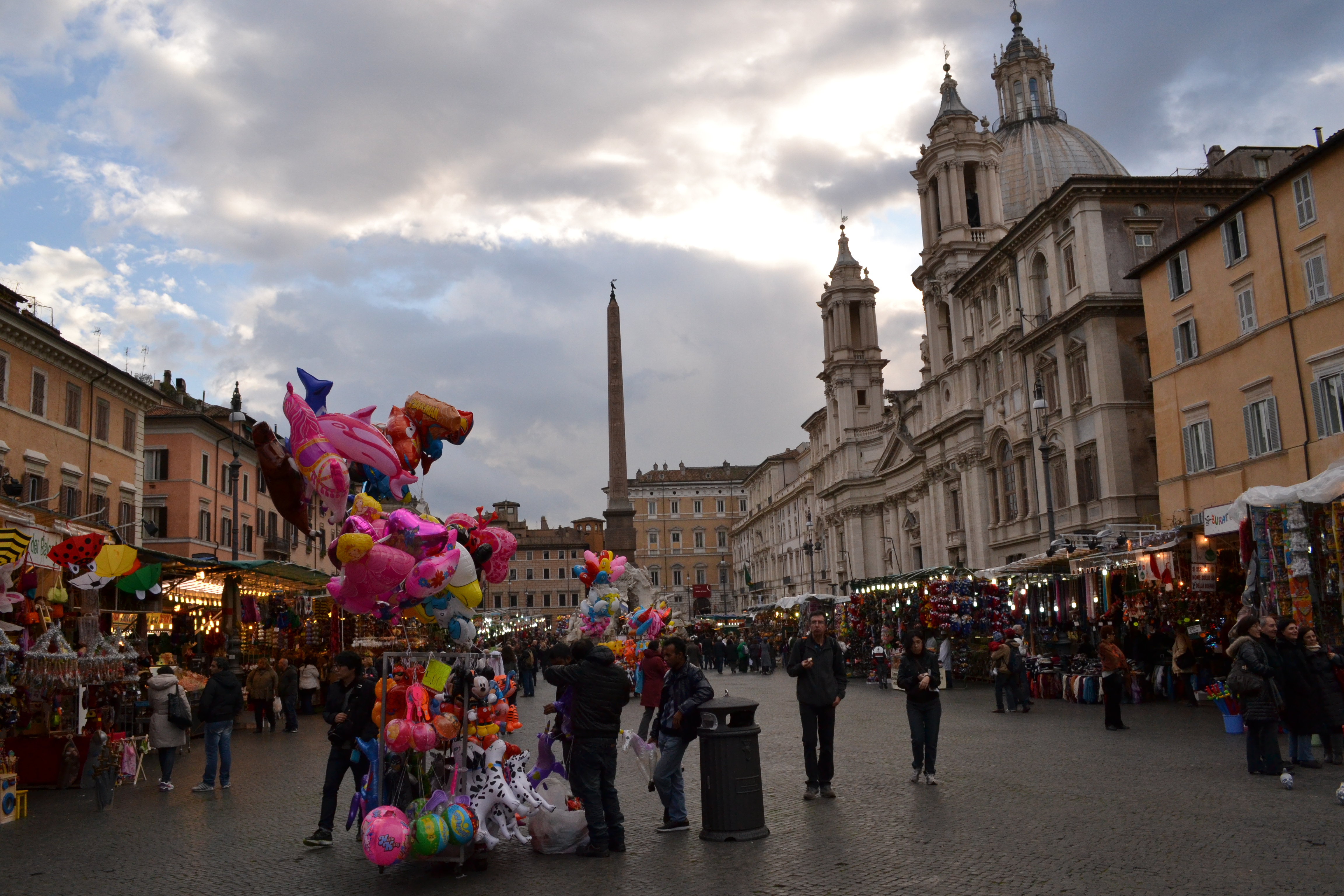
Rome's most celebrated Baroque square, built directly atop the 1st-century Stadium of Domitian. Its distinctive elongated oval shape preserves the ancient racing track, while three fountains and curving facades make it the quintessential stage of Baroque urban design.
Trevi Fountain
5

Trevi Fountain

3 min

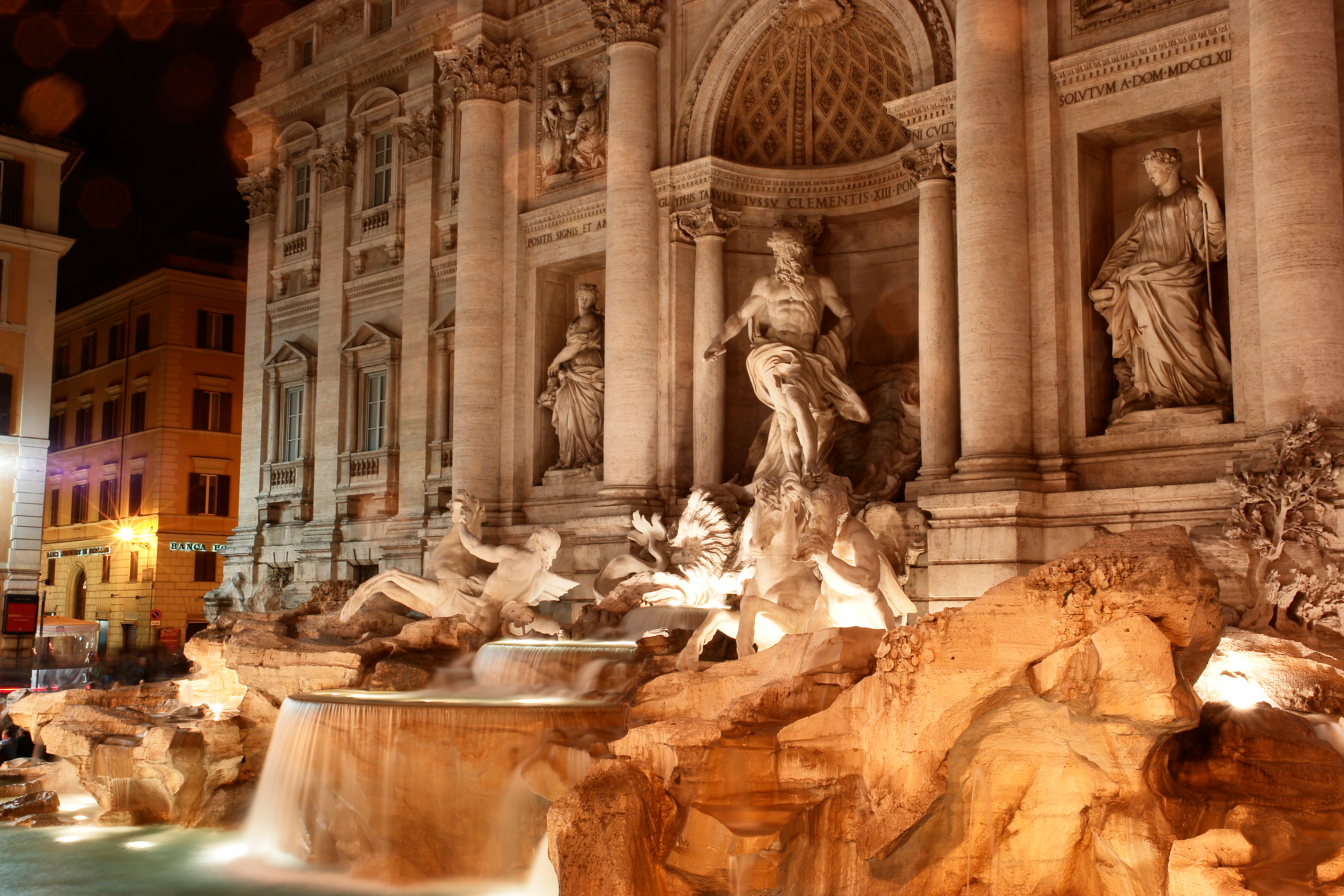
Nicola Salvi's 1762 Baroque masterpiece that proves the rivalry's legacy outlived the rivals themselves. Where Bernini's theatrical DNA meets Neoclassical restraint, and water becomes the true star.
Sant'Andrea al Quirinale
6

Sant'Andrea al Quirinale

4 min

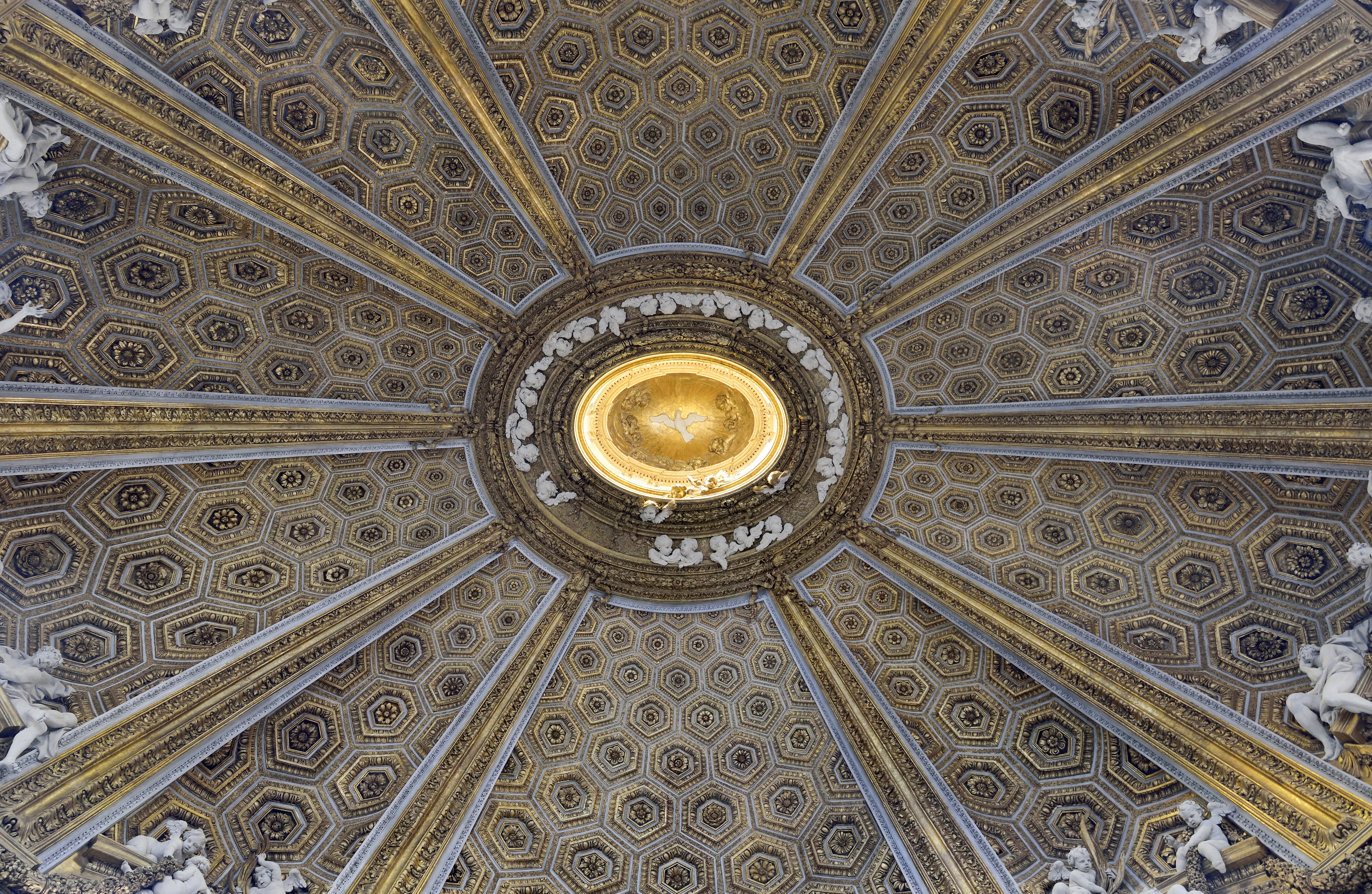
Bernini's 'best work'—a jewel box of a church where every architectural element dissolves into pure emotional experience. The Baroque Gesamtkunstwerk made manifest in marble, gold, and divine light.
San Carlo alle Quattro Fontane
7

San Carlo alle Quattro Fontane

5 min

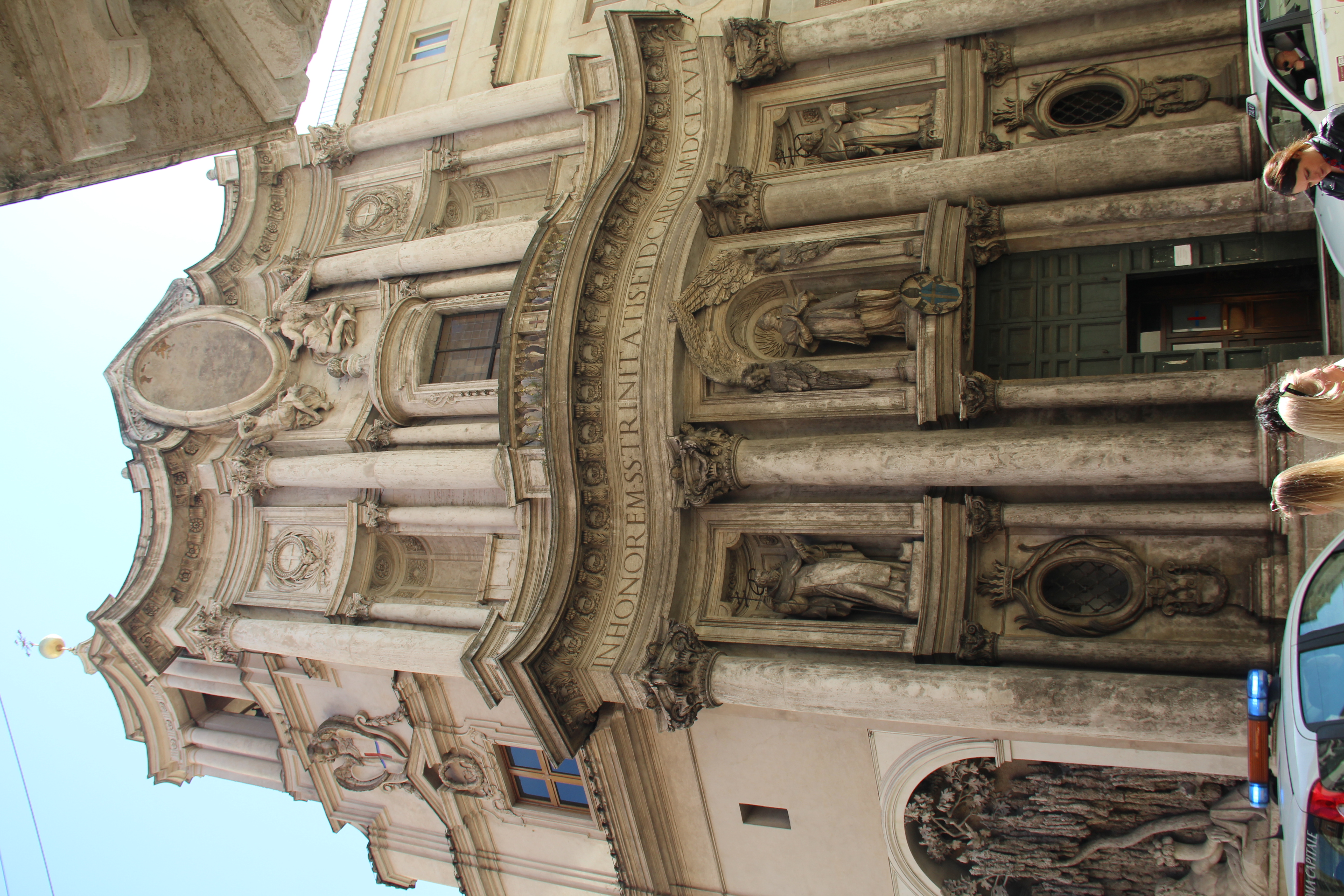
Borromini's mathematical masterpiece stands defiantly in Bernini's shadow—a building that proves geometry can be as emotionally powerful as theatricality.
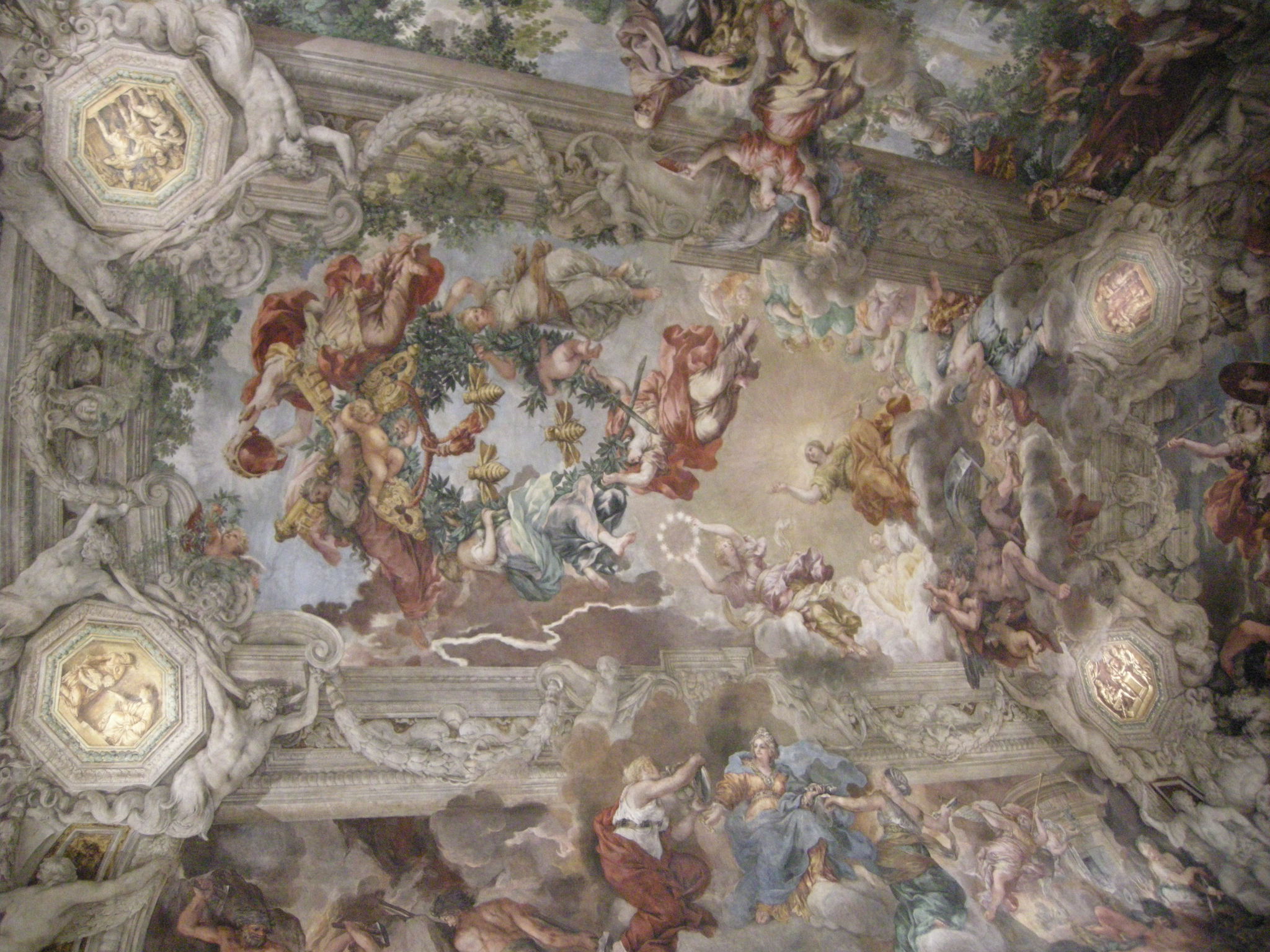
Palazzo Barberini
8

Palazzo Barberini

5 min

The ultimate heavyweight bout venue: where Bernini AND Borromini (and Maderno) all threw punches in the same building for Pope Urban VIII. The staircases are the ring—one theatrical, one ingenious, both fighting for dominance.
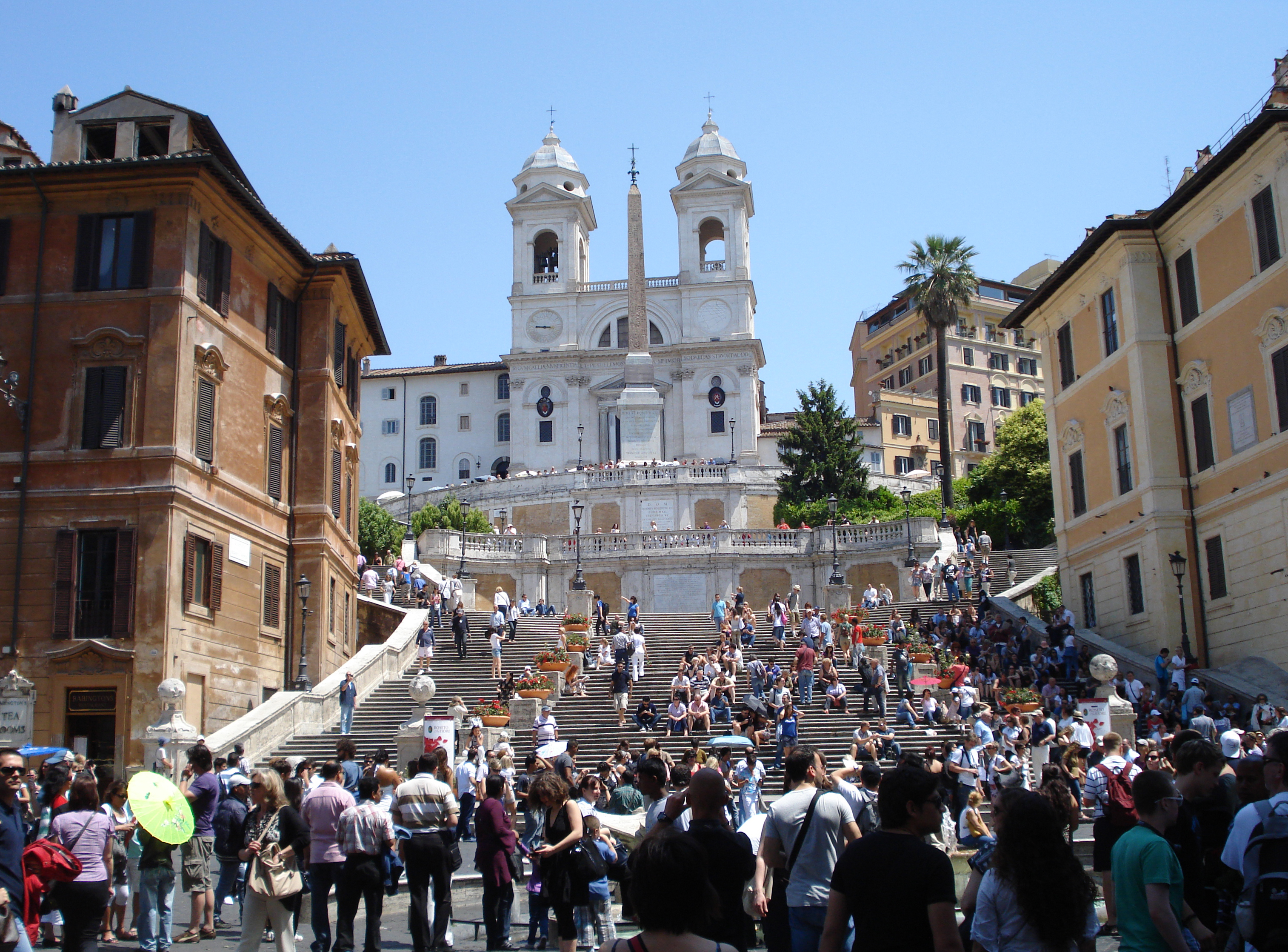
Church of Trinità dei Monti
9

Church of Trinità dei Monti

3 min

A Renaissance church with a twin-towered Baroque facade, perched at the summit of the Spanish Steps. It offers sweeping panoramic views across Rome's Baroque skyline of domes, facades, and bell towers.

A Taste of the Tour

This is the real story from one stop on this walk — every stop has one.

Palazzo Spada

Welcome to the greatest artistic showdown Rome has ever witnessed—a tale of two geniuses, infinite ambition, and the question that has haunted this city for four centuries: who was the supreme master of the Baroque? I'm talking about Francesco Borromini and Gian Lorenzo Bernini, architects and sculptors who didn't just design buildings and sculptures—they fought over the very soul of Rome's streets and squares. These weren't polite rivals exchanging nods at gallery openings. This was warfare. Bernini had the Pope's ear and the commissions to match. Borromini had something else: relentless innovation and a refusal to follow anyone's rules but his own. Over the next ninety minutes, we're going to trace their knockout punches across 3 kilometers of Baroque brilliance. We'll stand where they clashed, marvel at their contradictory visions, and discover how their rivalry didn't destroy Rome—it transformed it into the theatrical, passionate, architecturally audacious city we're about to explore. So lace up your walking shoes. The bell is about to ring, and this is a match for the ages. Welcome to Round One of our architectural heavyweight bout, folks. You're standing in front of what might be the single greatest magic trick ever built in Rome—and no rabbits required. Francesco Borromini, our first contender, was not a man who believed in doing things the easy way. While other architects were content with straightforward hallways and conventional spaces, Borromini looked at this palazzo and thought: "What if we could bend reality itself?" The result is the Gallery of Perspectives, and it's pure theatrical genius wrapped in mathematics. Here's what makes this the ultimate power move: you're looking at a corridor that's actually only about 9 metres long. But your eyes? Your eyes are completely convinced it stretches nearly 37 metres into the distance. It's geometric theatre at its finest, and Borromini orchestrated every single element like a conductor leading a symphony of sight lines. The magic happens through a series of brilliantly calculated tricks. The ceiling gradually slopes downward as it recedes. The side walls angle inward subtly, creating forced perspective without you quite realizing it's happening. The floor squares diminish in size as they move away from you. Even the lighting conspires against your sense of proportion—carefully positioned windows ensure the far end stays mysteriously shadowed, enhancing the illusion of impossible depth. But here's where it gets really interesting: this isn't just smoke and mirrors, or rather, it is smoke and mirrors, but it's smoke and mirrors with an architectural philosophy behind it. Borromini understood something fundamental about how we perceive space. He knew that our brains make assumptions about proportion and distance based on learned patterns. By subtly violating those patterns—making everything just slightly smaller, just slightly lower, just slightly angled inward—he created a cognitive dissonance that reads as "distance" even though your feet know better. Walk down it. Really walk down it. You'll feel it the whole way—that nagging sense that you're traveling farther than you actually are. The trompe-l'oeil becomes a visceral experience rather than just a visual parlour trick. Your body and your eyes are having an argument, and Borromini wins. This corridor was Borromini's response to a specific commission, a way to maximize the perceived grandeur of a space that was architecturally constrained. But it became something far more significant: a manifesto. In this 9 metres, Borromini announced that he could manipulate perception through precision, that geometry could be weaponized for dramatic effect, and that an architect's true opponent wasn't another architect—it was the laws of physics themselves. When Bernini—our second contender, who we'll meet shortly—heard about this corridor, he couldn't help but acknowledge the sheer audacity of it. This was Borromini throwing down the gauntlet and saying: "I don't just build spaces. I rebuild how you perceive reality." Stand here at the entrance, let your eye travel down the corridor, and you'll understand why this small palazzo became one of the most talked-about architectural achievements in Rome. This is Borromini at his most mischievous, most brilliant, most characteristically himself: taking constraints and transforming them into spectacle through pure intellectual rigor and geometric wizardry.

More Tours in Rome

Nearby Cities

Back to Rome Tours

Cookie Consent

We use cookies to analyse site traffic and improve your experience. You can choose to accept or reject analytics cookies. Learn more