Ancient Rome: From Republic to Empire
Rome · Italy

Ancient Rome: From Republic to Empire

Rome, Italy
85
Duration (min)
3.6
Distance (km)
9
Stops
Medium
Difficulty

Description

Trace Rome's transformation from a republic of senators and civic temples to an empire of colossal amphitheaters and pleasure palaces. Beginning at the site of Caesar's assassination and ending at the Baths of Caracalla, this tour walks the full arc of ancient Roman power — through the Forum, the Imperial Fora, the Colosseum, and the Palatine Hill.

Highlights

Stand where Julius Caesar was assassinated on the Ides of March, 44 BC Walk the Sacred Way through the Roman Forum where triumphal processions marched See how the Colosseum was a political tool disguised as entertainment Look down from the Palatine Hill where emperors lived above the people they ruled End at the Baths of Caracalla — late imperial engineering at its most extravagant
Tour Stops

Largo Argentina
1

Largo Argentina

4 min

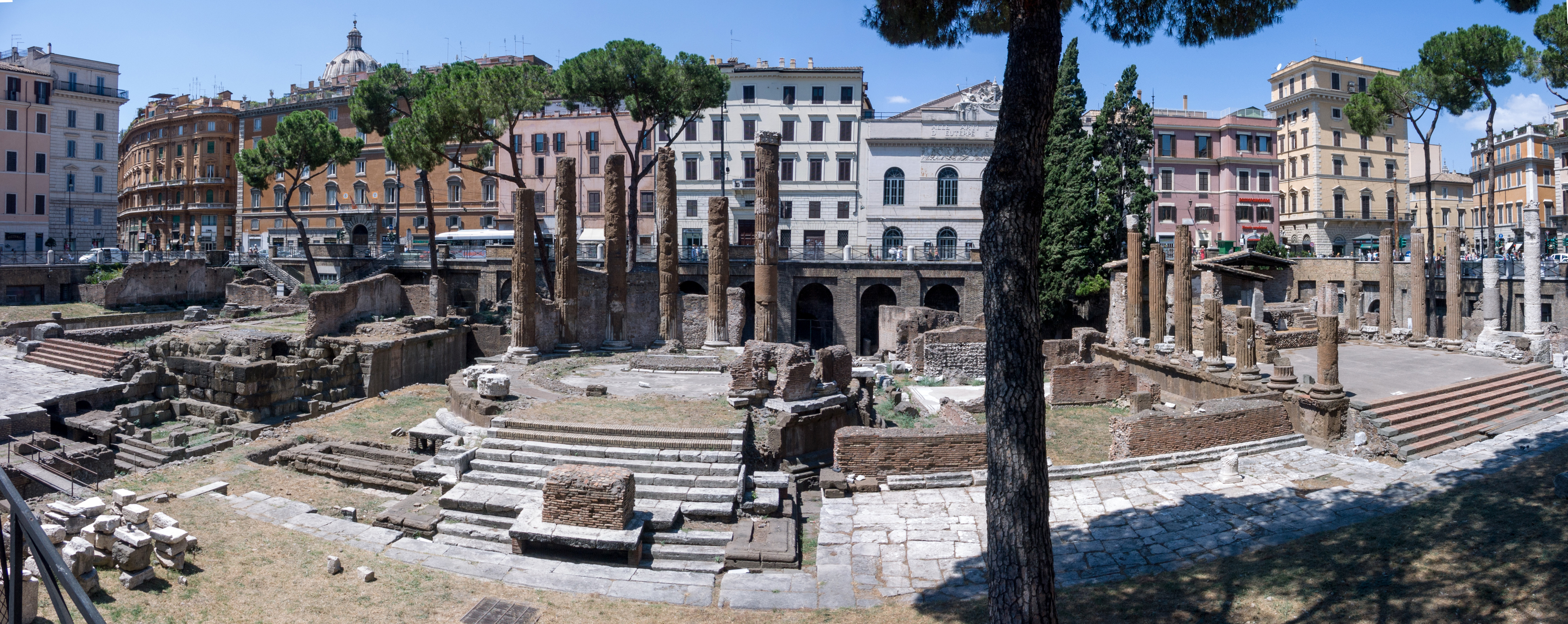
The site where Julius Caesar was assassinated in 44 BC, now home to the haunting remains of Republican-era temples sunk below modern street level.
Trajan's Markets
2

Trajan's Markets

5 min

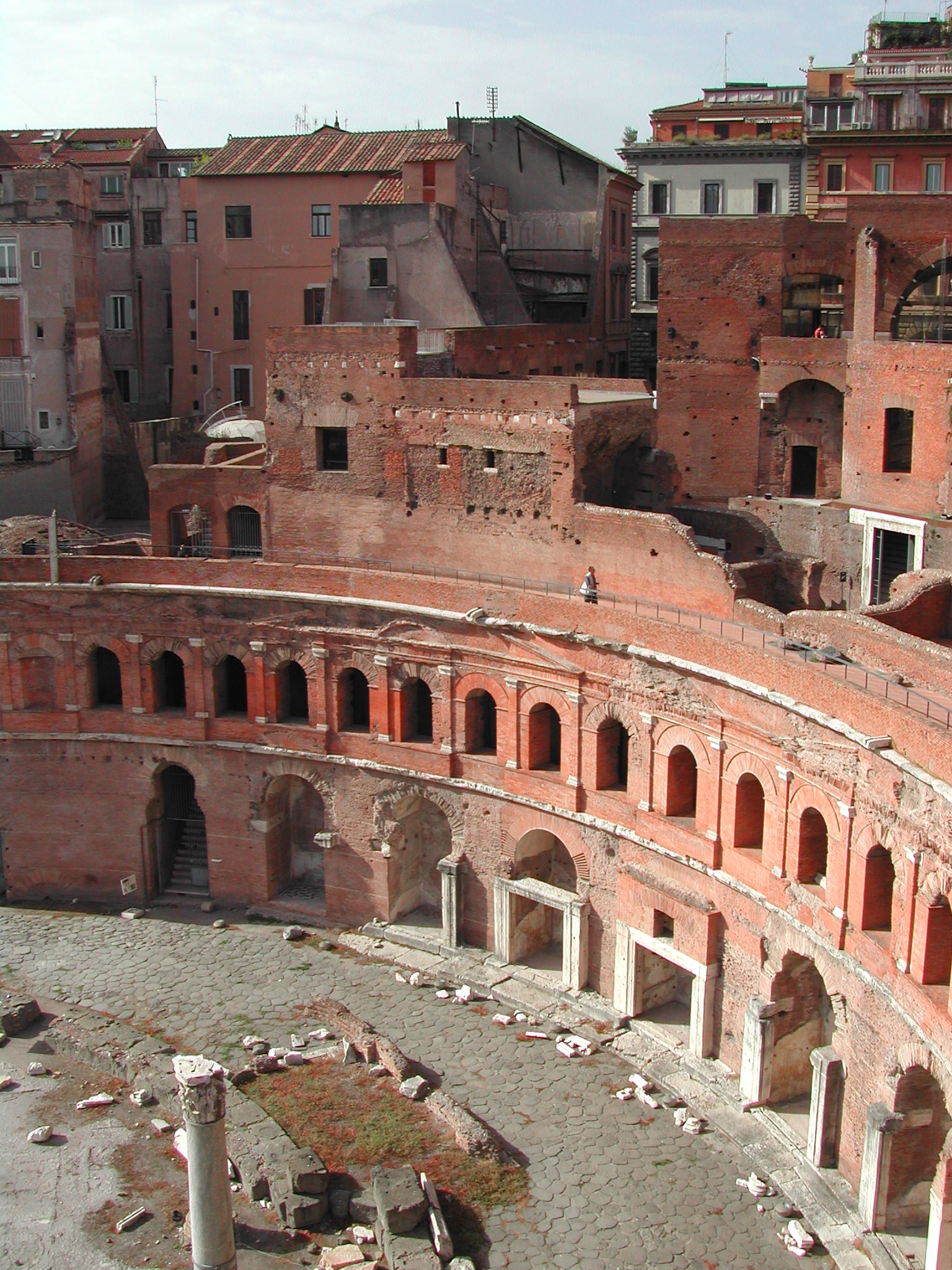
A multi-tiered ancient Roman marketplace built as part of Trajan's Forum (113 AD), Mercati Traianei showcases the empire's architectural innovation and commercial sophistication. The partially reconstructed complex reveals how imperial power extended beyond temples into everyday infrastructure and commerce.
Roman Forum
3

Roman Forum

7 min

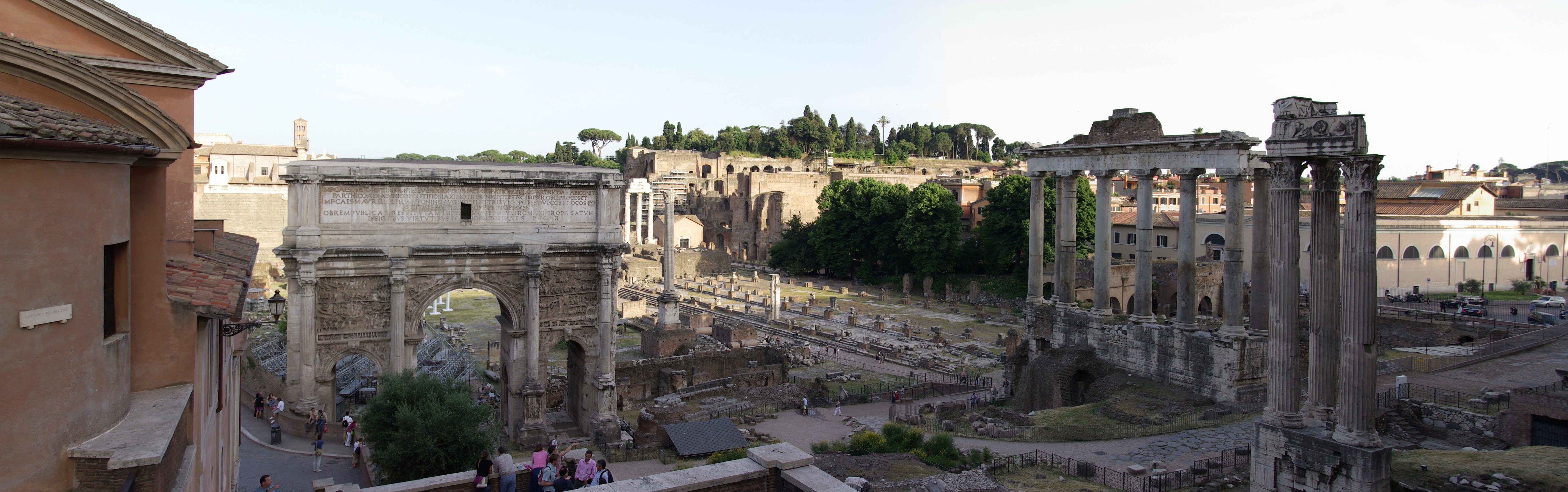
The political, religious, and commercial heart of Rome for over 900 years, where the Senate debated, triumphal processions marched, and the state treasury was held—a space where Republican ideals persisted in form even as emperors hollowed them of meaning.
Via dei Fori Imperiali
4

Via dei Fori Imperiali

4 min

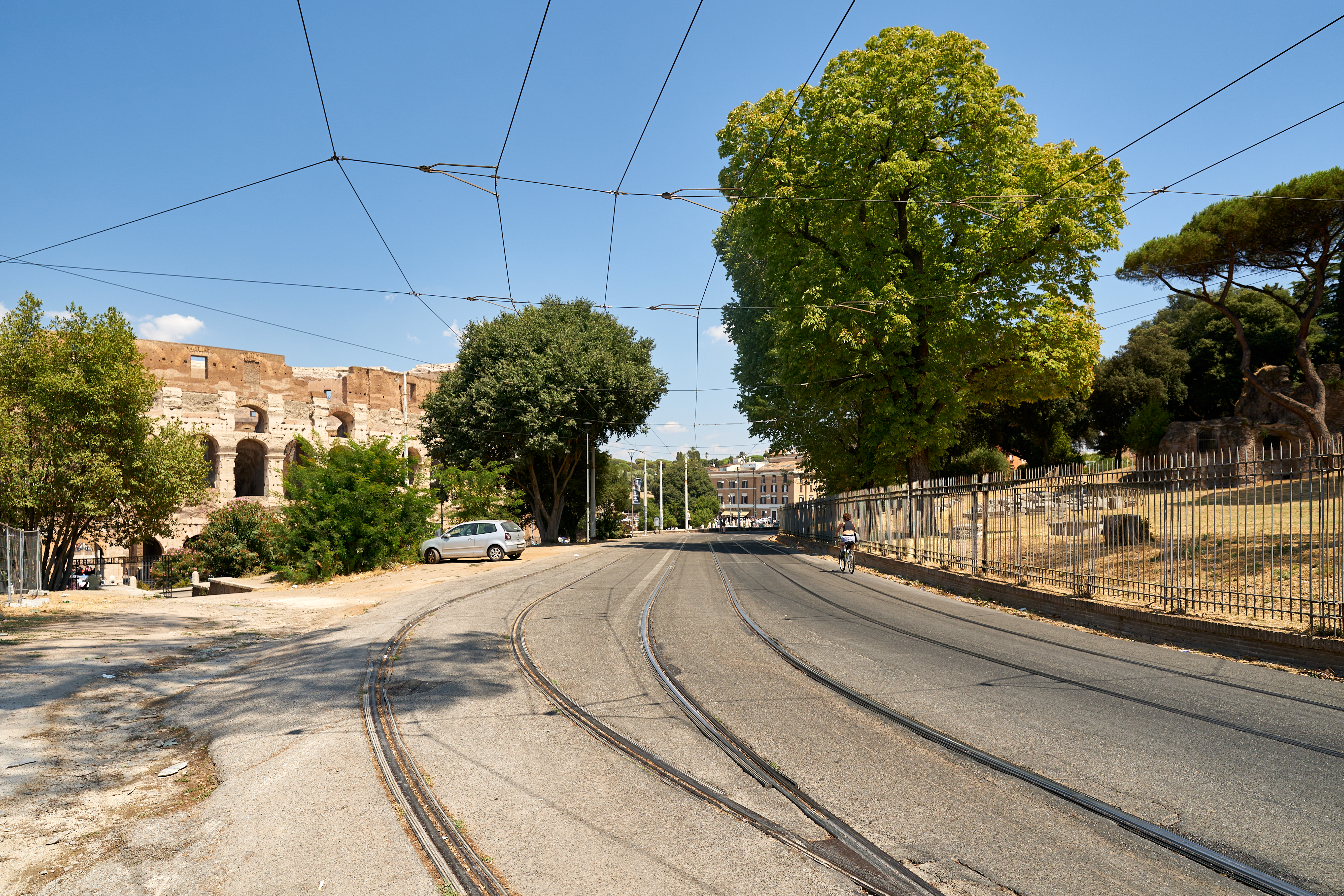
A grand boulevard showcasing the ruins of Imperial Forums built by Caesar, Augustus, Nerva, and Trajan, each monumental in scale and ambition. The avenue itself is a twentieth-century creation, bulldozed through medieval neighborhoods in 1932 by Mussolini to connect the Colosseum to his propaganda stage at Piazza Venezia.
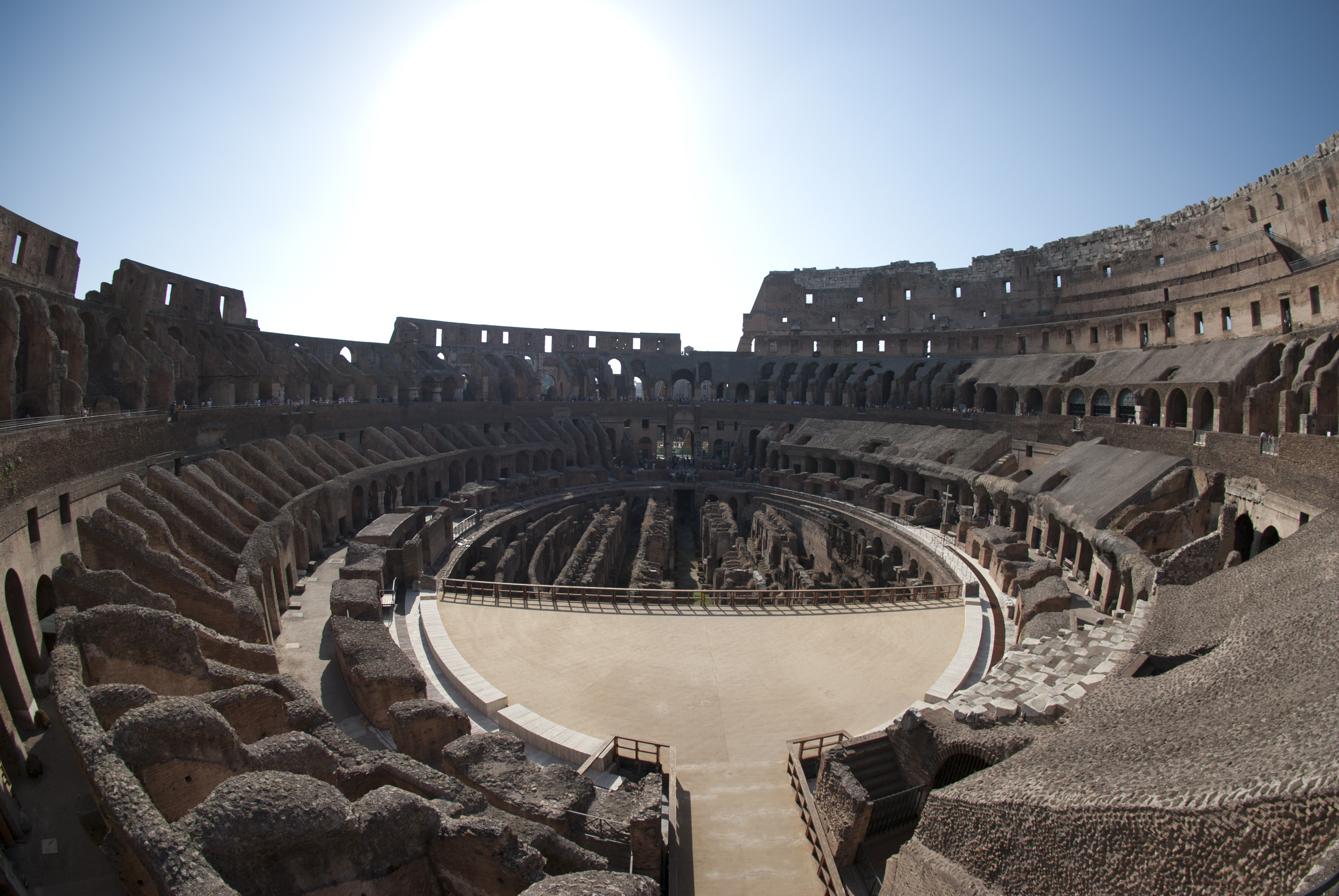
Colosseum
5

Colosseum

5 min

The Flavian Amphitheatre, built 72–80 AD, hosted gladiatorial games and mass spectacles for 50,000 spectators. Its construction was a calculated political maneuver: the Flavian emperors Vespasian and Titus built it on the site of Nero's private palace to signal a return from tyranny to public interest.
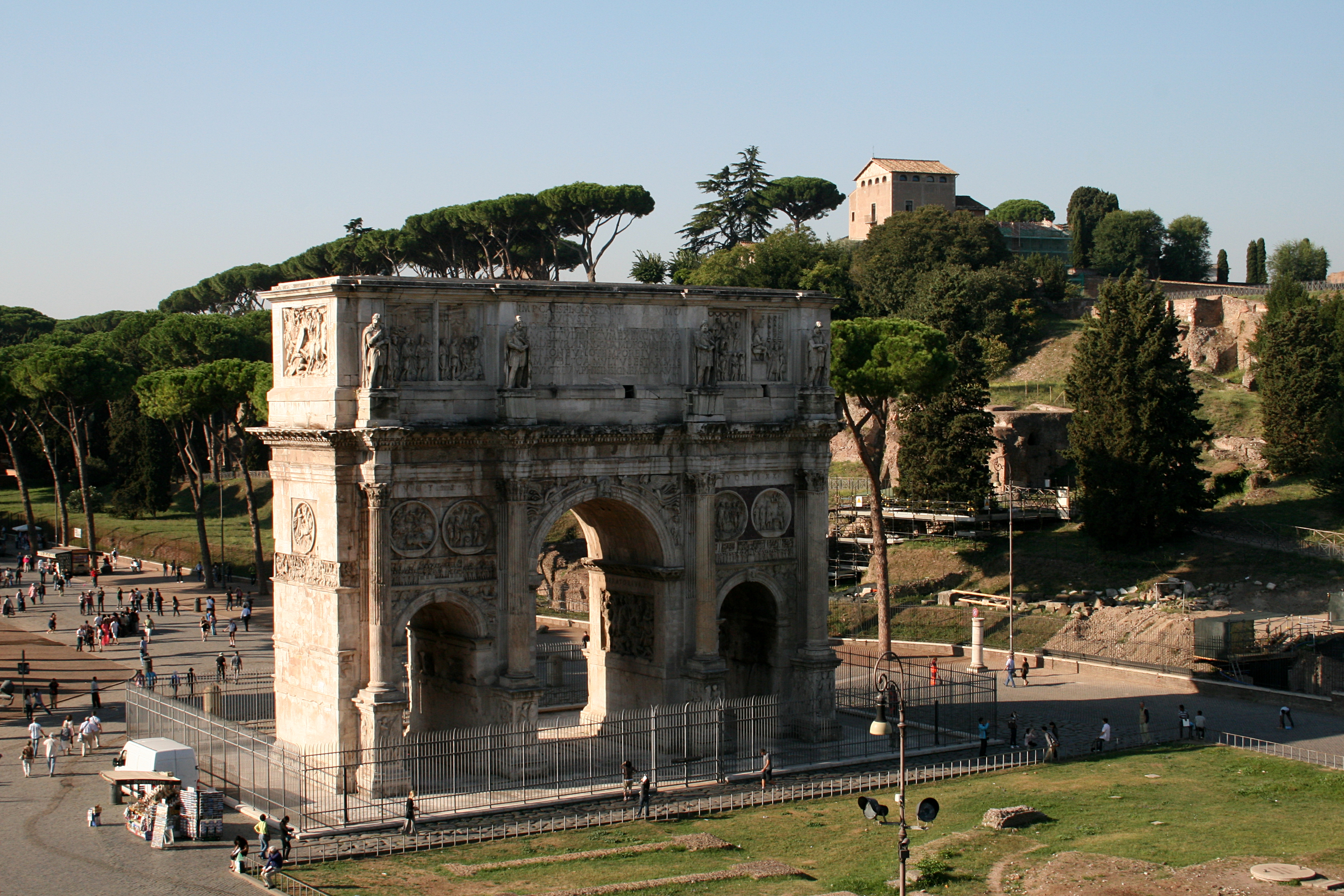
Arch of Constantine
6

Arch of Constantine

3 min

Erected by the Roman Senate in 315 AD to commemorate Constantine's victory at the Battle of Milvian Bridge, this triumphal arch stands as one of Rome's finest examples of monumental architecture and marks the pivotal transition from pagan to Christian Rome.
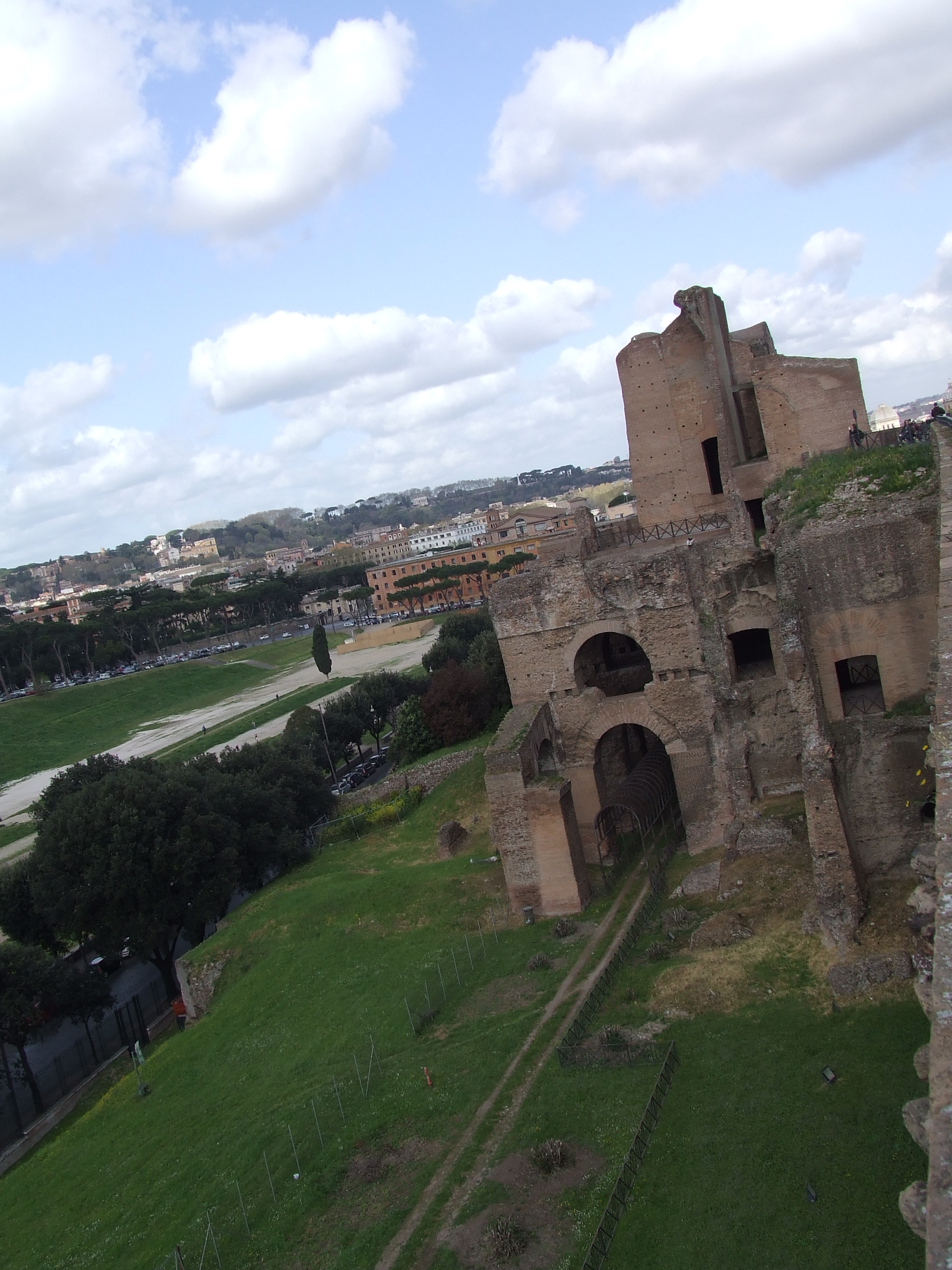
Palatine Hill
7

Palatine Hill

5 min

Imperial residence where emperors lived and ruled, overlooking the Forum below. The word 'palace' itself derives from this hill — home to sprawling imperial complexes that grew from Augustus's studied modesty to Domitian's paranoid grandeur.
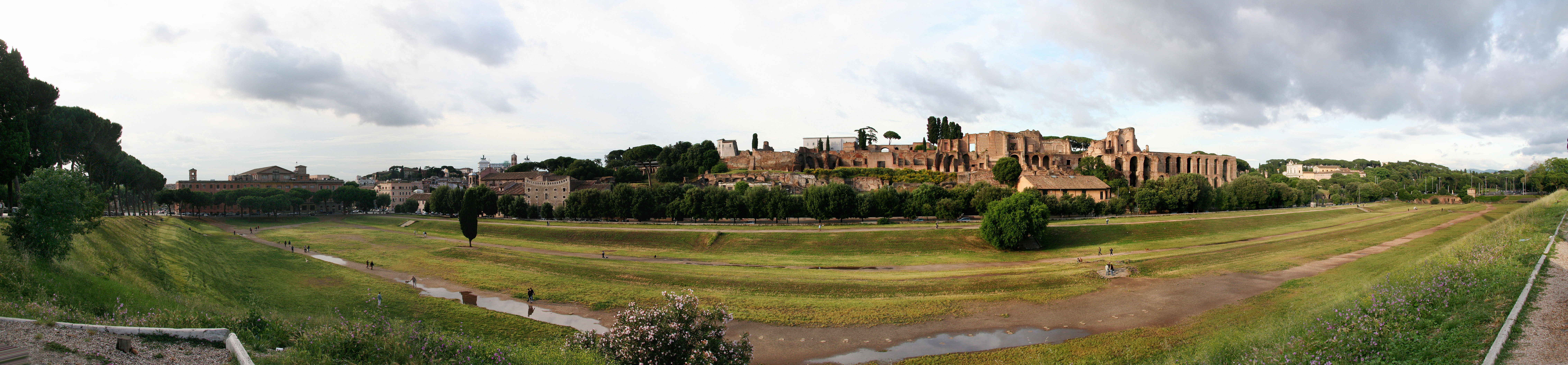
Circus Maximus
8

Circus Maximus

4 min

The largest stadium in ancient Rome, stretching nearly 600 meters between the Palatine and Aventine hills, the Circus Maximus could hold upwards of 250,000 spectators for chariot racing—making it five times the capacity of the Colosseum. Today it survives mostly as a wide green field, though the remnants of its central barrier, the spina, still run through the middle.
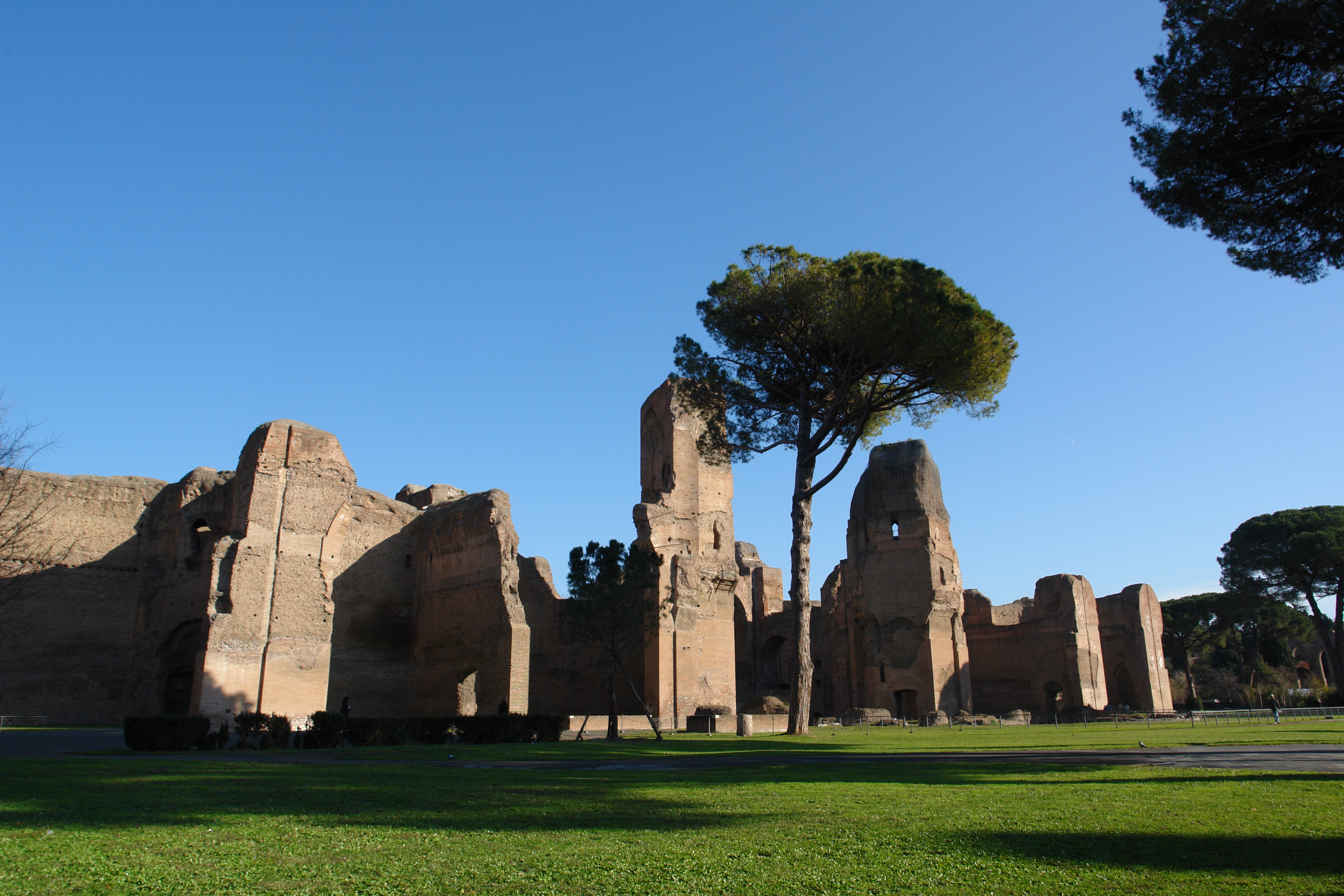
Baths of Caracalla
9

Baths of Caracalla

5 min

The second-largest Roman bath complex, built 212-216 AD, exemplifies late imperial engineering and extravagance. Once accommodating 1,600 bathers simultaneously with libraries, gardens, and exercise courts, it remained in operation until the 530s AD.

A Taste of the Tour

This is the real story from one stop on this walk — every stop has one.

Largo Argentina

Welcome to Rome—the city that conquered a world and then consumed itself from within. You're standing at Largo Argentina, one of the most politically charged squares in human history, where the echoes of ambition, betrayal, and the death of a republic still seem to linger in the cobblestones. Over the next two hours, we'll walk through nearly five centuries of civilization's greatest paradox: how a society built on civic ideals and the rule of law gradually transformed into something ruled by divine emperors and infinite ambition. We'll move through the architectural chronology of power itself—from the modest temples and gathering spaces of the Republic to the monumental vanity projects of emperors who believed themselves gods. This is not a story of progress, nor decline, but something far more human: how institutions corrode, how power corrupts, and how the same hands that built wonders also built their own destruction. So keep your eyes open, trust your imagination, and remember: every monument we see today was built by people who thought their system would last forever. Welcome to Largo Argentina—or more accurately, welcome to a crime scene. Not a modern one, but one of history's most consequential murders, which took place here on the Ides of March in 44 BC. The man who died that day was Julius Caesar, the most powerful figure in Rome. The manner of his death—stabbed twenty-three times by senators he'd trusted—tells you everything you need to know about how power actually worked in Rome. It was personal. It was violent. And it was, in the end, inescapable. But before we talk about Caesar's blood on marble floors, we need to understand what this place actually is. Look down. Really down. Notice how the ground beneath our feet suddenly drops away? Those ruins you can see from street level—the columns, the scattered stones, the odd geometric foundations—those are what remains of Republican-era temples. We're looking at structures that predate Caesar himself, that predate the very empire we'll be visiting throughout this tour. These are the bones of a different Rome entirely: the Republic, that grand constitutional experiment that was supposed to prevent precisely the kind of one-man rule that Caesar represented. The Republic, at its best, was built on a simple principle: no single person should hold unchecked power. The Senate—over three hundred aristocrats crowding into the Senate house not far from here—was supposed to be the ultimate authority. Consuls were elected annually, precisely so nobody could rule forever. The system even had built-in checks, the most famous being the veto—literally, 'I forbid it.' The whole thing was designed to prevent a tyrant. And for roughly five centuries, it mostly worked. Then came Caesar. Now, Caesar wasn't a monster when he was born in 100 BC. He was just another aristocrat playing the power game that all ambitious Romans played. But he was exceptionally good at it. He conquered Gaul—modern-day France and beyond—and in doing so, he became fabulously wealthy and wildly popular. The soldiers loved him. The common people adored him. But the Senate? The Senate grew increasingly terrified. Here was a man with a devoted army, unprecedented wealth, and boundless ambition. He was everything the Republican system was designed to prevent. So Caesar did what powerful men in Rome had done for centuries: he bent the rules, then broke them. He marched his army toward Rome itself—an act of war, technically—and the Senate fled in panic. By 44 BC, he was effectively dictator, though he pretended to remain merely the first citizen among equals. He'd even rejected a crown offered at a public ceremony, which was either genuinely modest or masterfully theatrical. We'll probably never know. What we do know is that on March 15th, 44 BC—the Ides of March, in the Roman calendar—Caesar attended a Senate meeting. Perhaps he was careless. Perhaps he thought the Senate was too frightened to act. Perhaps his friends had convinced him he was safe. As he took his seat in the Theatre of Pompey near here, surrounded by fellow senators, more than sixty men drew their daggers. When it was over, Caesar lay dead on the marble floor. The conspirators, led by Brutus and Cassius, believed they'd saved the Republic. They hadn't. Instead, they'd destroyed it. The assassination triggered civil wars that would last thirteen years and ultimately hand power to Caesar's heir, Octavian—soon to be Augustus, the first emperor. The Republic they'd died trying to protect was gone forever. The Empire they'd feared had arrived anyway. So as you look at these sunken Republican temples beneath our feet, remember: this is where idealism met ambition, and idealism lost. The lesson Rome would teach us throughout this tour is this: power corrupts, concentrated power corrupts absolutely, and violence in Rome wasn't a bug—it was a feature.

More Tours in Rome

Nearby Cities

Back to Rome Tours

Cookie Consent

We use cookies to analyse site traffic and improve your experience. You can choose to accept or reject analytics cookies. Learn more