Barcelona · Spain
The Village That Refused to Be a City: Gràcia
Barcelona, Spain
Casa Vicens — Gaudí before he was Gaudí The clock tower that rang for revolution Plaça del Diamant — where the greatest Catalan novel lives Park Güell — the failed gated community turned public garden
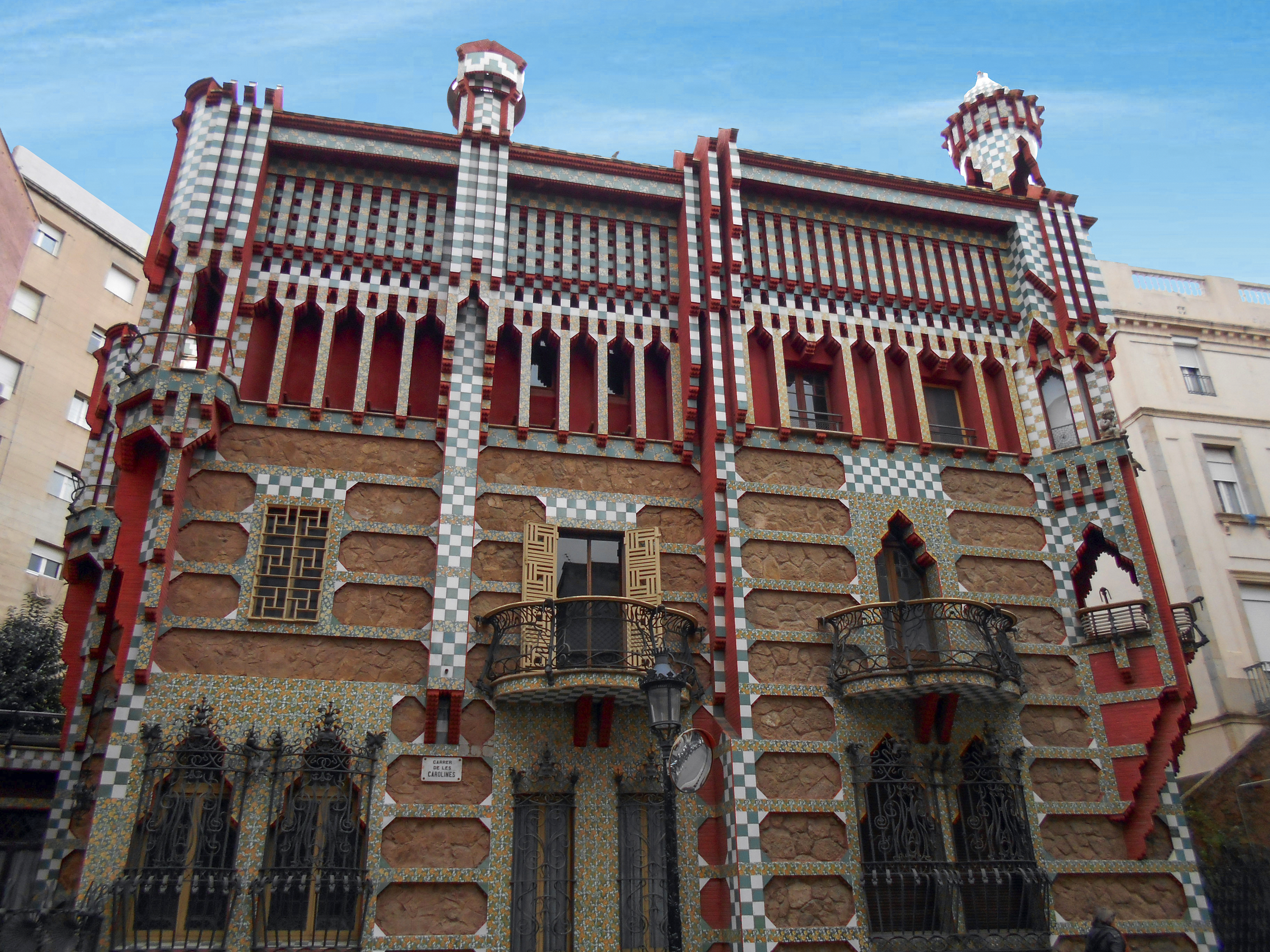
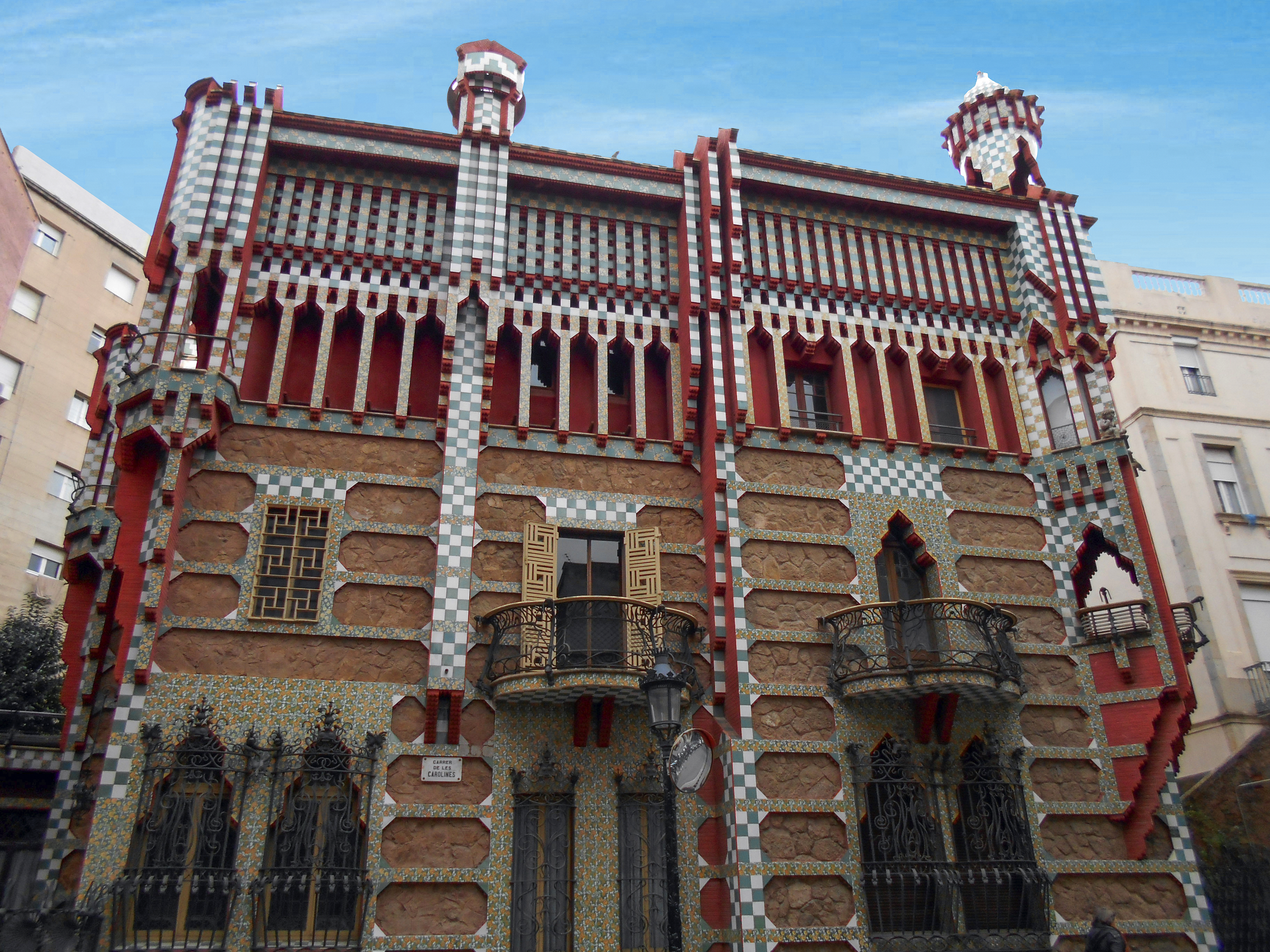
Gaudí's first major project (1883–1885) for Manuel Vicens, a summer house showcasing Moorish tiles, ironwork, and the architect's early genius.
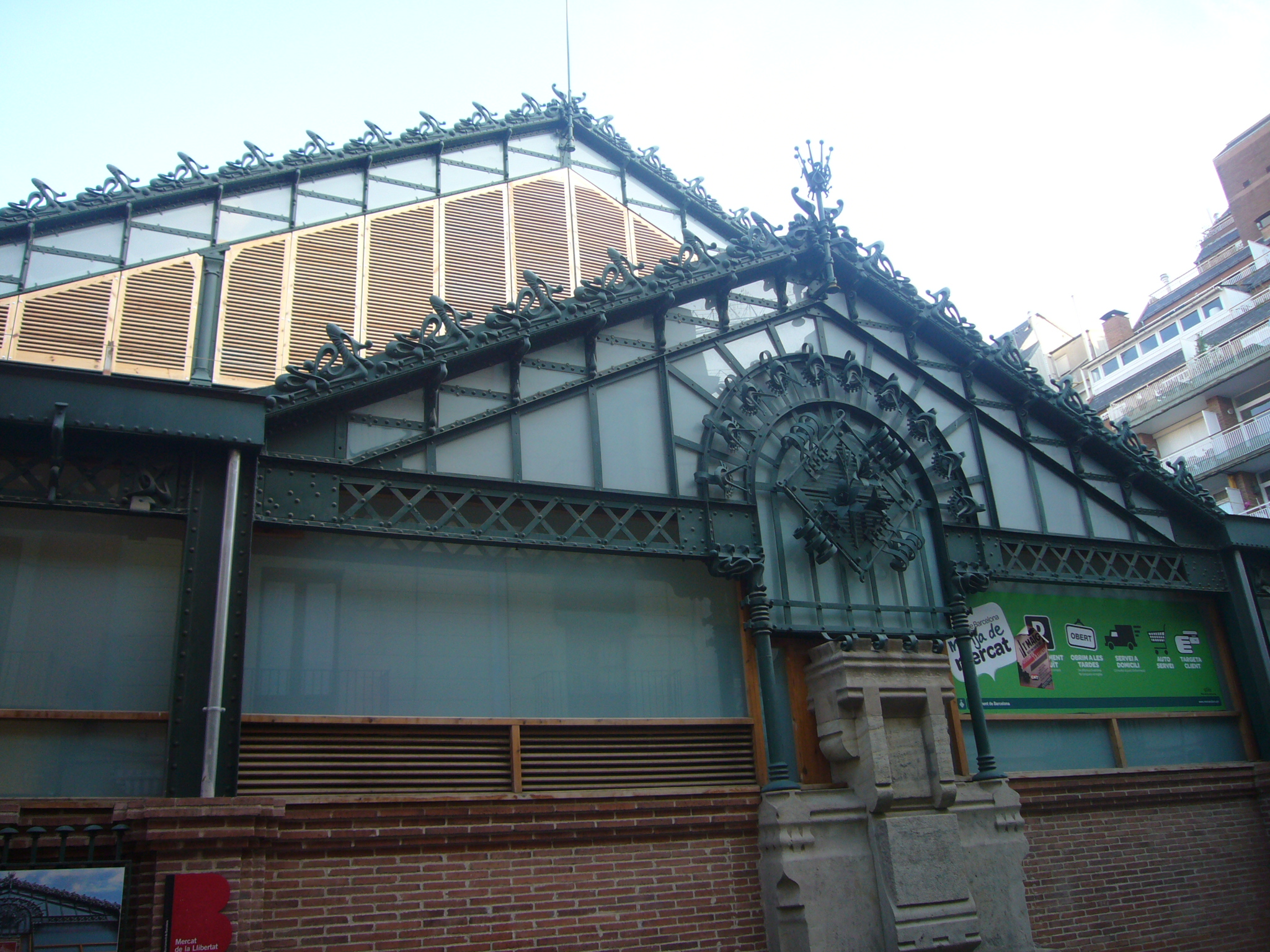
An iron-and-brick market building (1888–1893) designed by Francesc Berenguer and named 'Liberty Market' to commemorate Gràcia's revolutionary spirit.
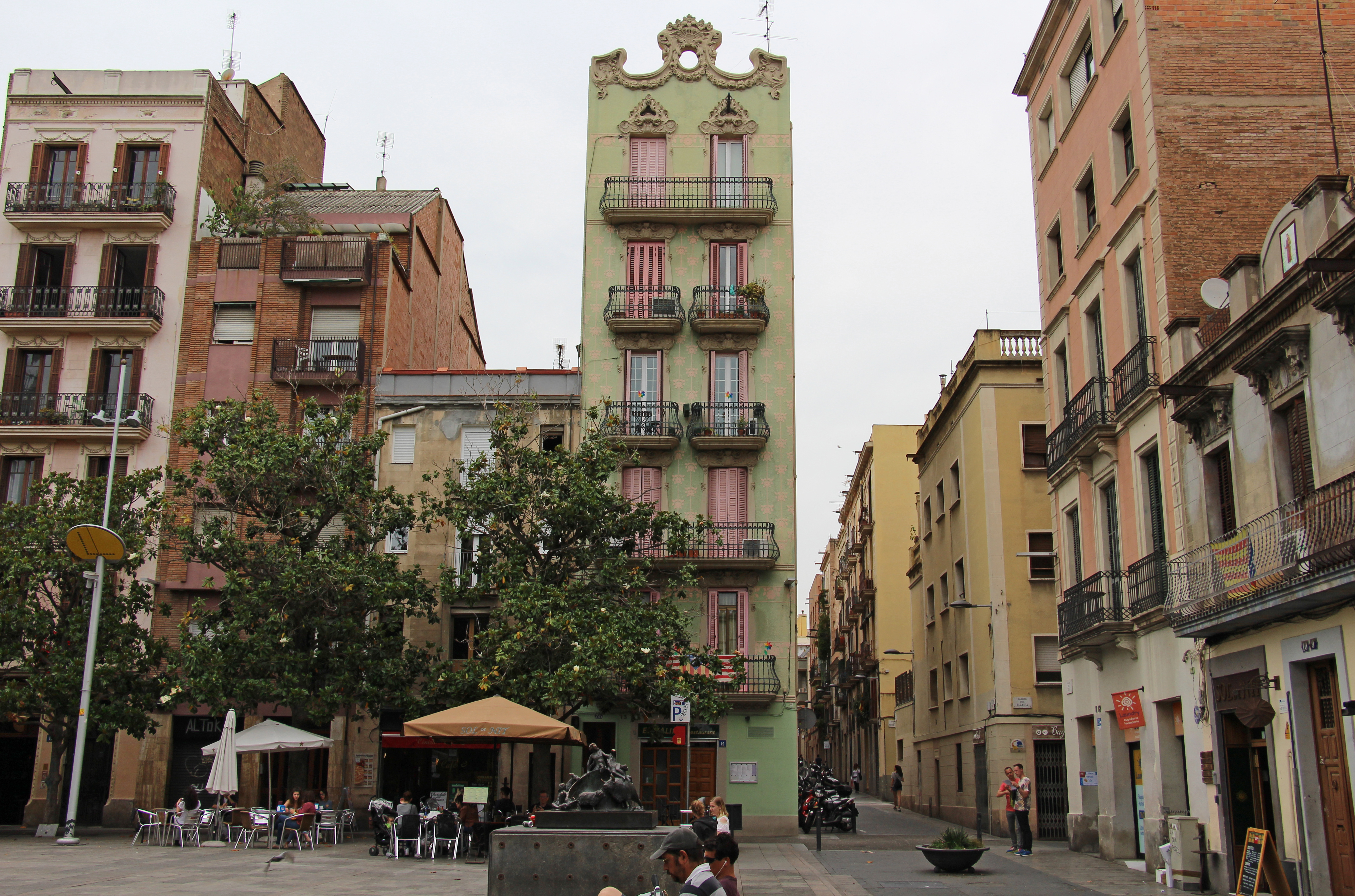
Built in 1840, this lively plaza transforms from a calm daytime square into the pulsing epicentre of Gràcia's alternative nightlife and festival celebrations.
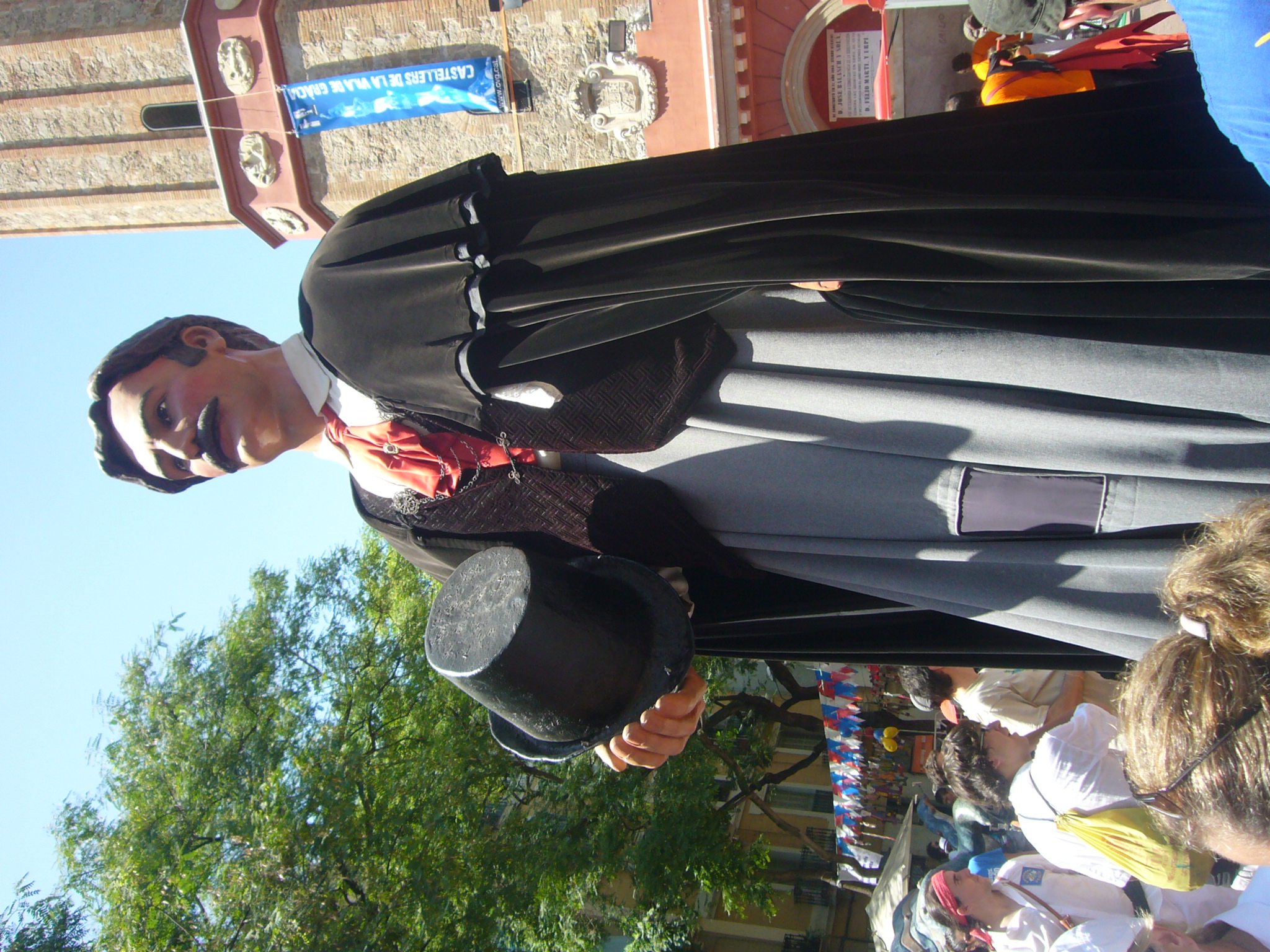
The village square dominated by a 33-metre clock tower (1862–1864) that witnessed the 1870 Revolta de les Quintes and symbolises Gràcia's independence from Barcelona.
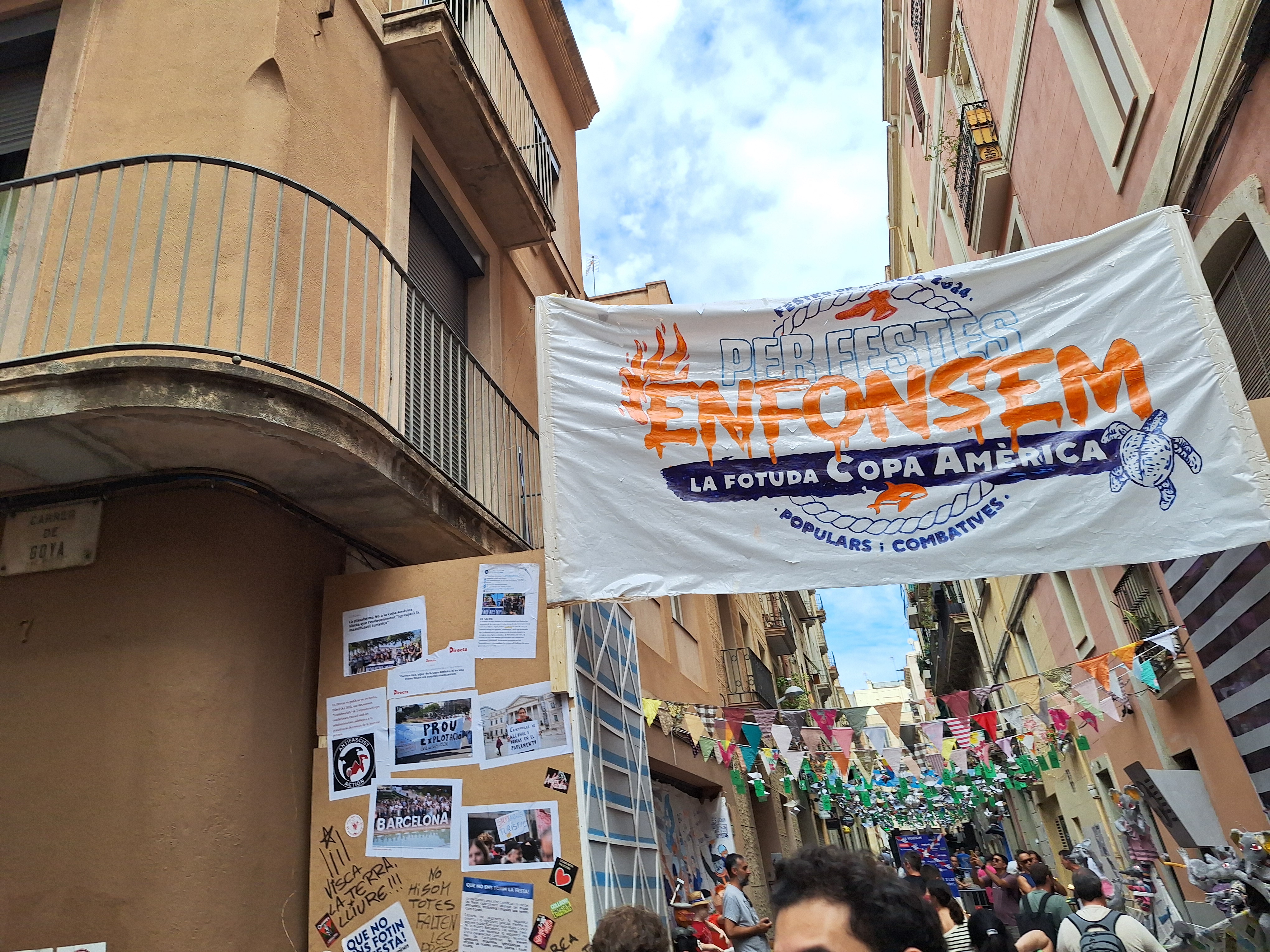
Mid-August street decoration competition featuring elaborate installations built from recycled materials by neighbourhood associations, a tradition since the 19th century.
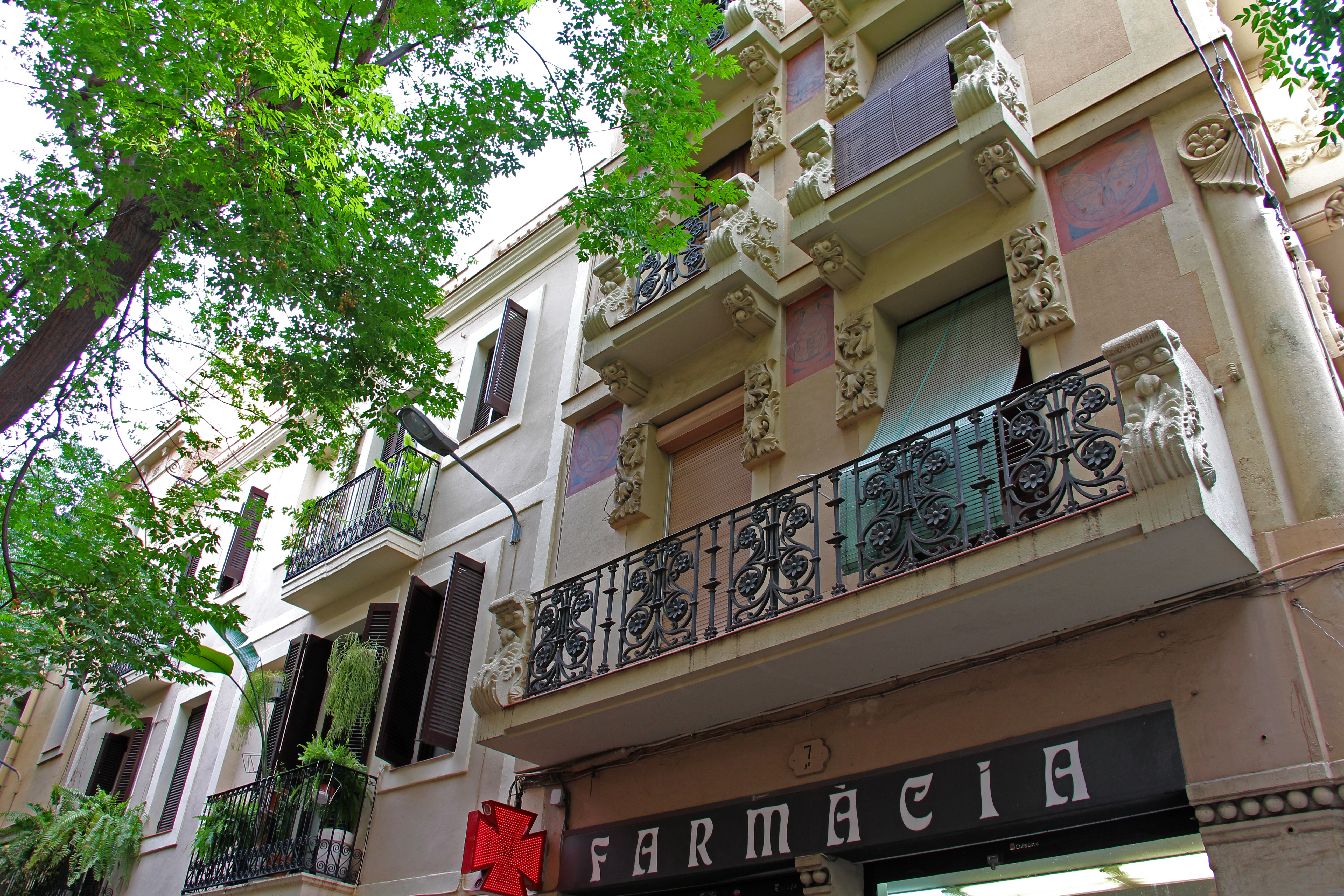
A bookshop-lined shopping street anchored by Cines Verdi, the neighbourhood's independent cinema founded in 1926. The commercial heart of Gràcia's cultural resistance.
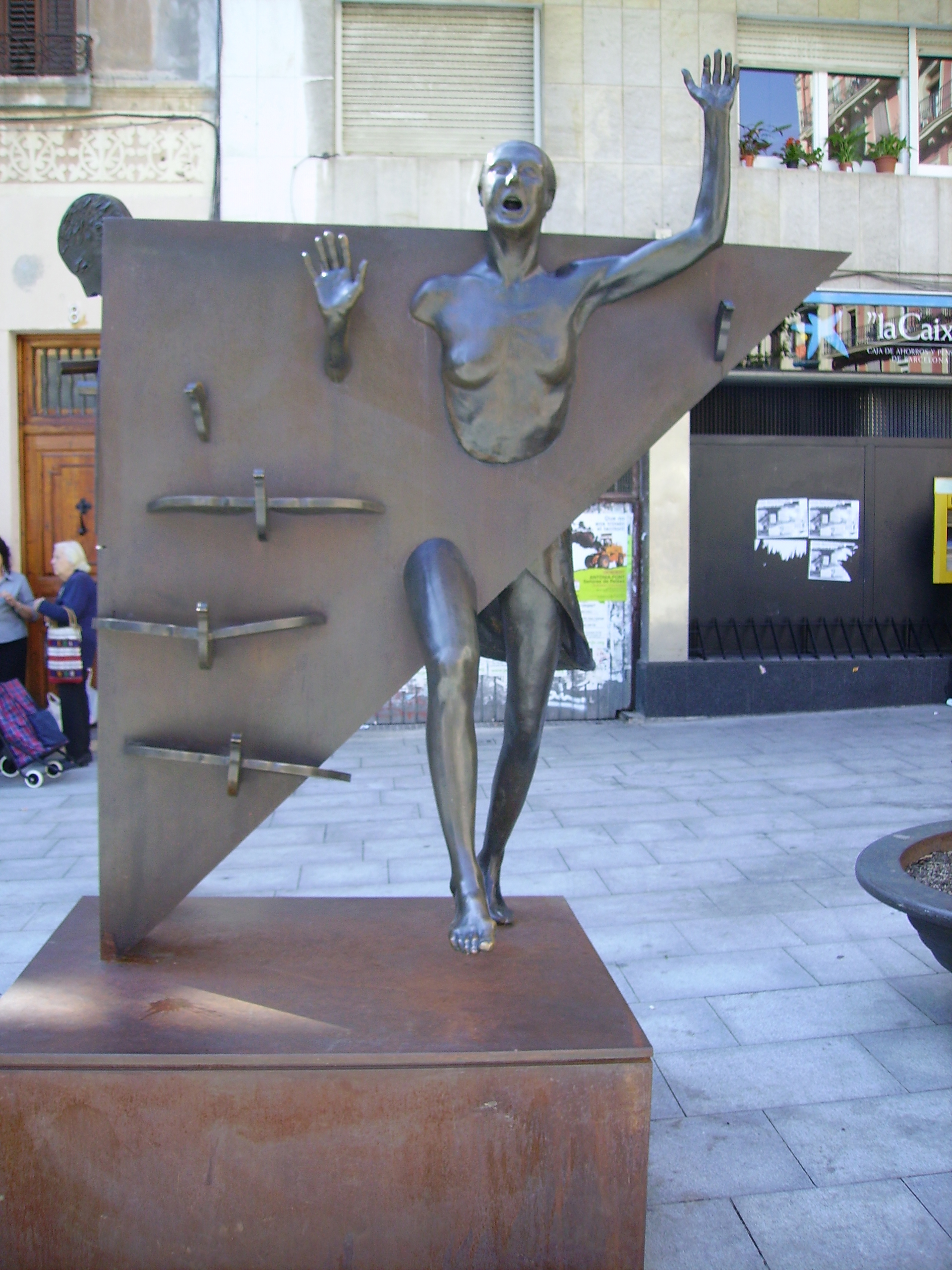
The plaza made immortal by Mercè Rodoreda's 1962 novel 'La Plaça del Diamant', featuring the bronze statue of Colometa emerging from a wall. A woman's story under fascism becomes Gràcia's literary monument.
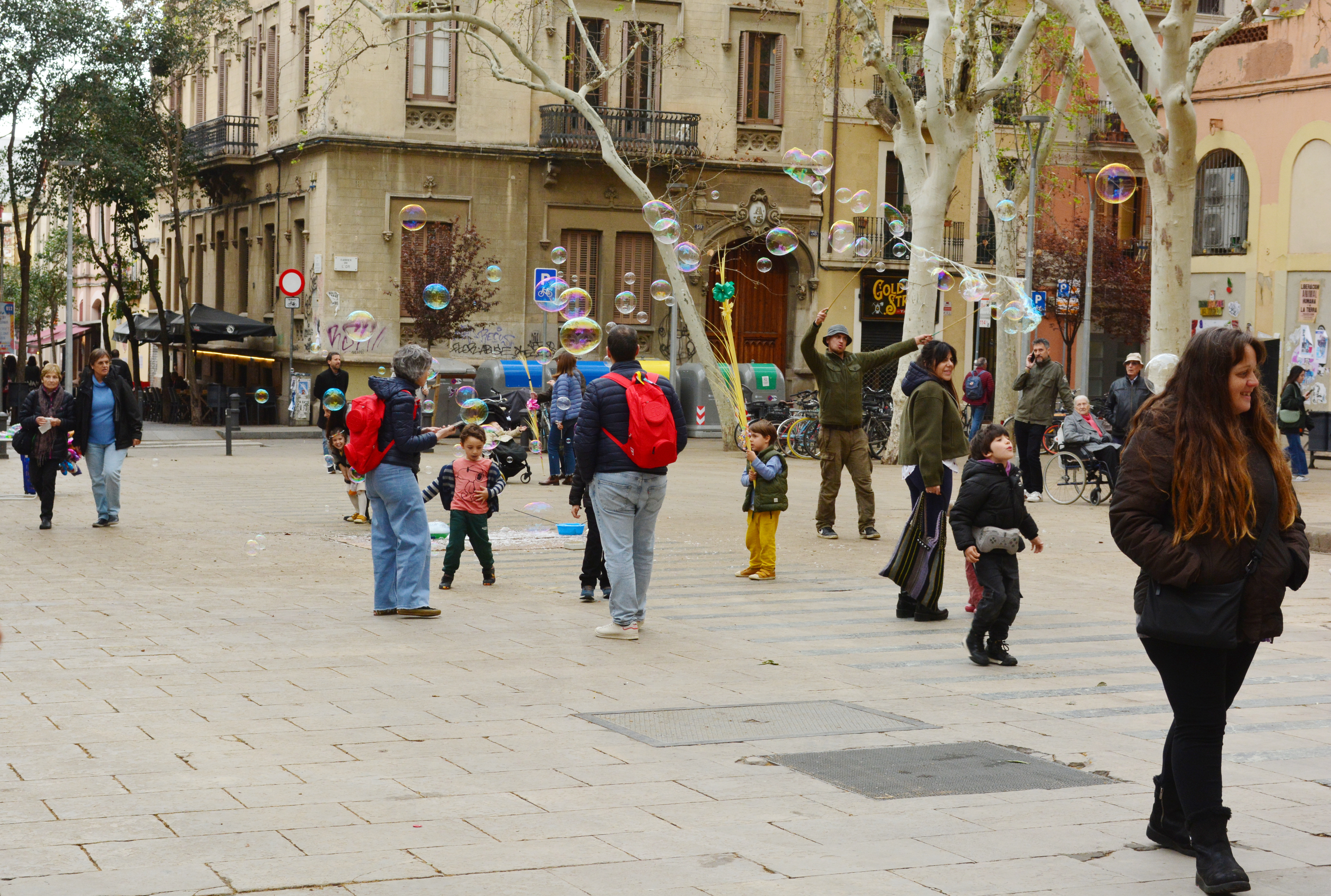
Built in 1878, dominated by Sant Joan church with its Modernista facade. The quietest and most authentically local plaza in Gràcia, where daily life moves at village pace.
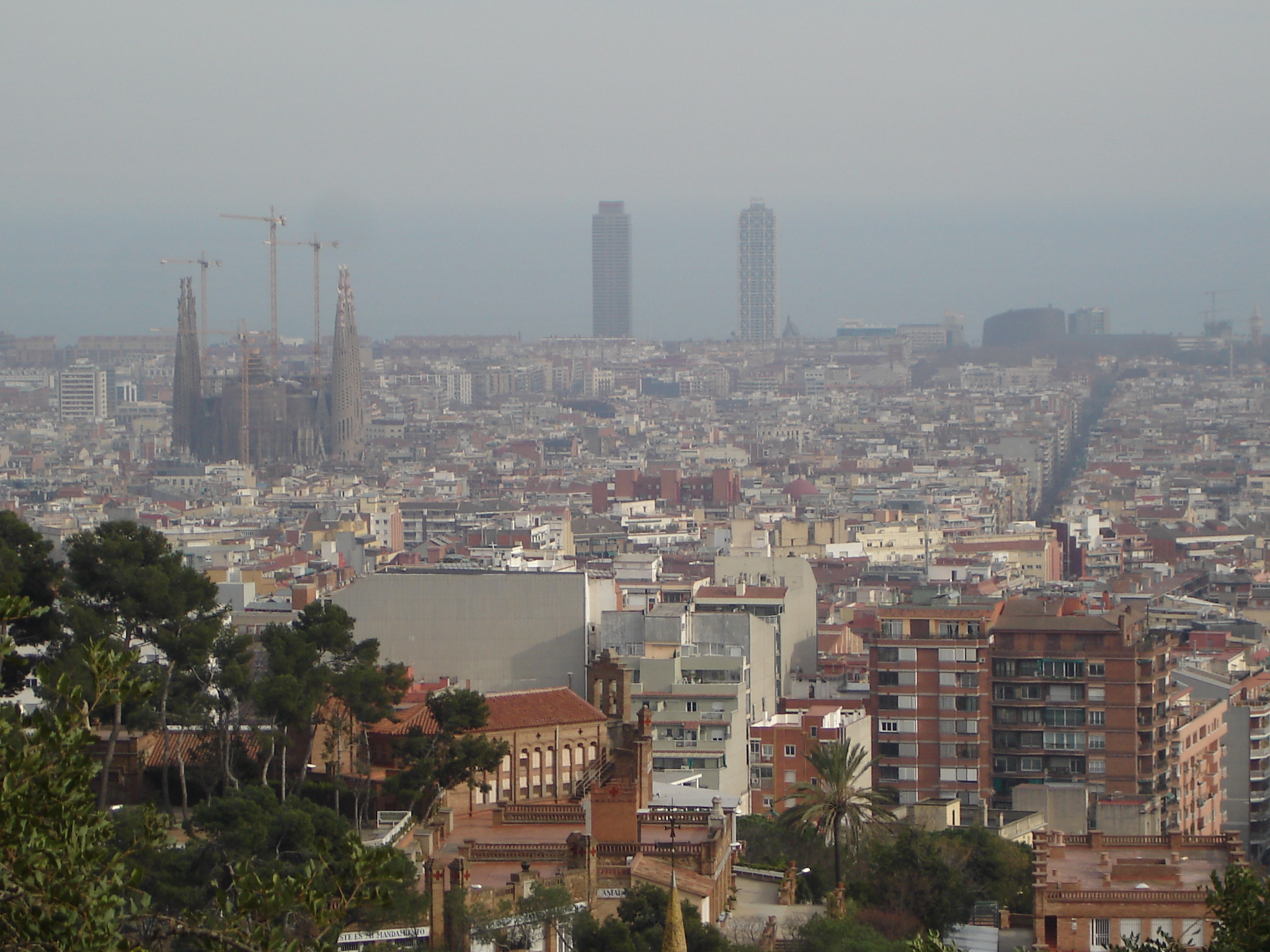
Gaudí's visionary garden city (1900-1914) for Eusebi Güell's failed real estate project, now a public park. The serpentine bench, the ceramic dragon, the perspective over Barcelona from Gràcia's highest point.
This is the real story from one stop on this walk — every stop has one.
Walk through Barcelona's oldest quarter from a Roman cemetery to Gaudi's first lampposts, peeling back 2,000 years of…
If you only have one day, this tour gives you the heartbeat of Barcelona — its most iconic sights, its rhythm, and the…
Discover that Barcelona's real cuisine isn't in tourist restaurants but in its historic markets, neighbourhood…
We use cookies to analyse site traffic and improve your experience. You can choose to accept or reject analytics cookies. Learn more