Haussmann's Paris: Urban Transformation
Paris · France

Haussmann's Paris: Urban Transformation

Paris, France
251
Duration (min)
14.4
Distance (km)
11
Stops
Medium
Difficulty

Description

Understand how Baron Haussmann demolished medieval Paris and created the modern metropolis through systematic urban planning, geometric boulevards, and sweeping architectural redesign — then discover the medieval villages that escaped his vision.

Highlights

Twelve radiating avenues from Place de l'Étoile The Haussmann formula: uniform facades, zinc roofs, interior courtyards Opéra Garnier: crown jewel of Second Empire culture Île de la Cité: medieval fabric buried under Haussmann's improvements Montmartre: the village that escaped transformation

Tour Stops

Place de l'Étoile & Arc de Triomphe
1

Place de l'Étoile & Arc de Triomphe

5 min

The stunning geometric hub of Place de l'Étoile, with twelve radiating avenues converging at the Arc de Triomphe, showcases Napoleon's imperial vision and introduces Haussmann's revolutionary approach to urban planning through traffic circulation and monumental centerpieces.
Boulevard Haussmann
2

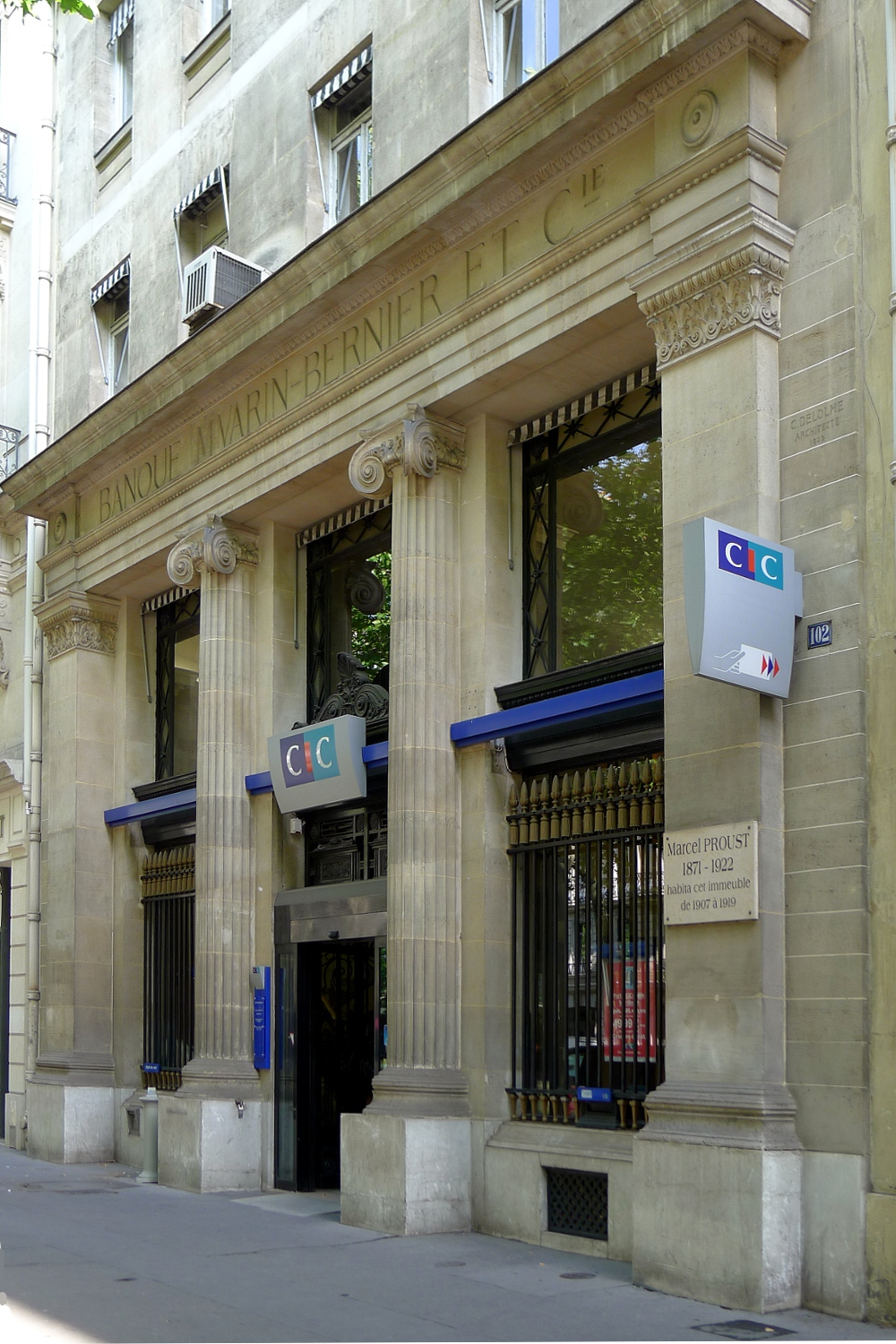
Boulevard Haussmann

6 min

This grand boulevard showcases the defining architectural formula that transformed Paris: uniform cornice heights, consistent stone facades, and regulated rooflines. Named for the prefect himself, Boulevard Haussmann embodies the systematic vision that became the DNA of modern Paris.
Champs-Élysées
3

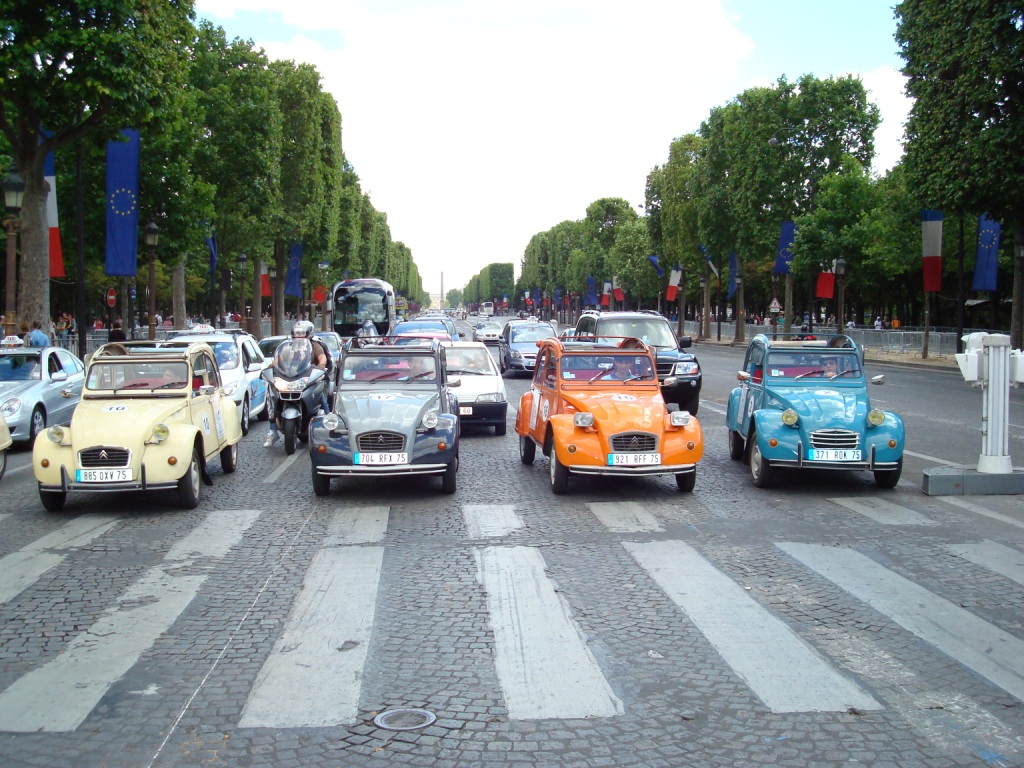
Champs-Élysées

5 min

Haussmann widened and regularized this famous avenue into a showcase of geometric order and commercial grandeur, transforming a muddy promenade into the world's most recognizable street.
Place de la Madeleine
4

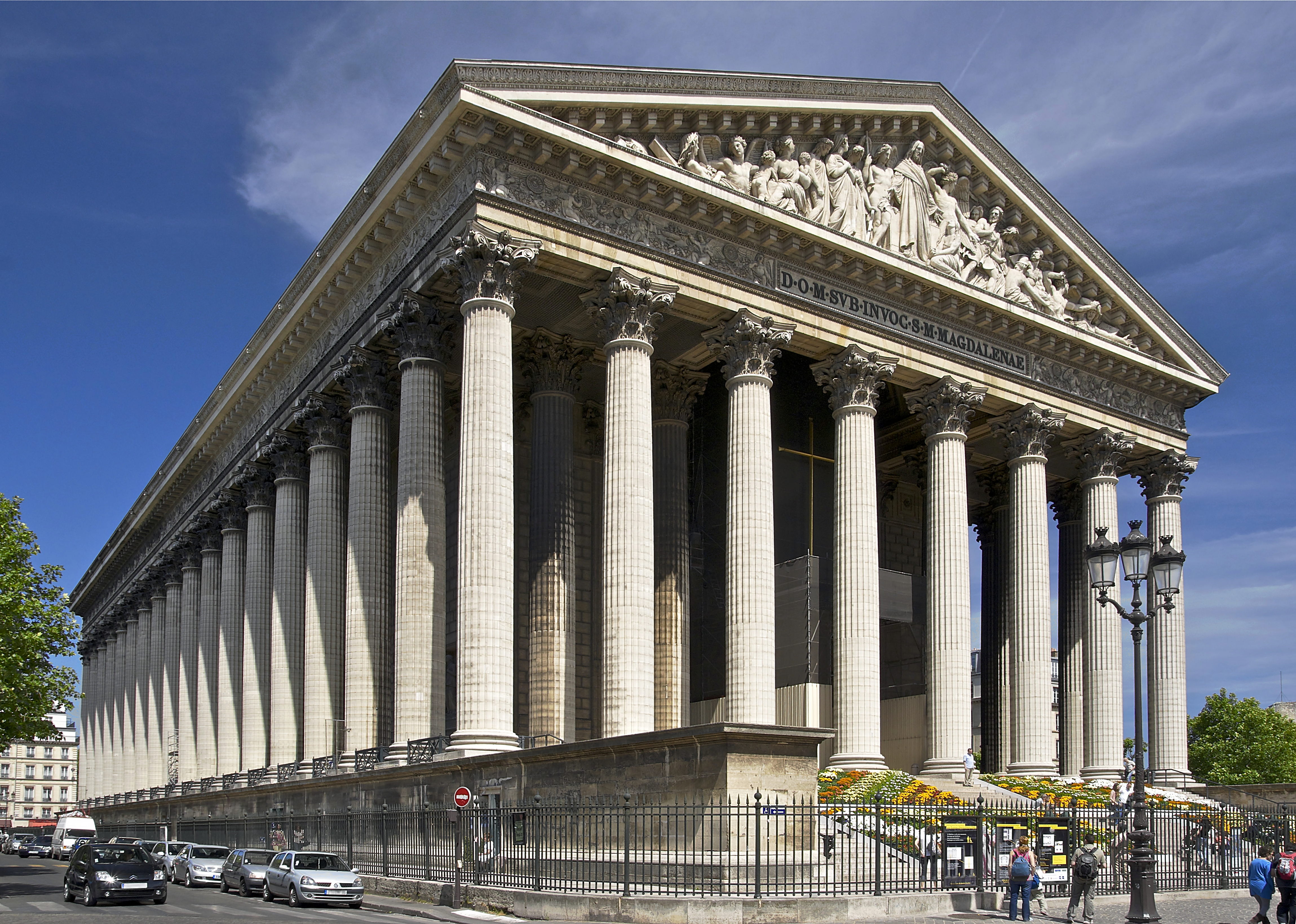
Place de la Madeleine

4 min

A grand neoclassical church anchors this Haussmann-designed square surrounded by luxury shops and restaurants, embodying how the Baron deliberately placed wealth and religious monumentality at the heart of his class geography.
Opéra Garnier
5

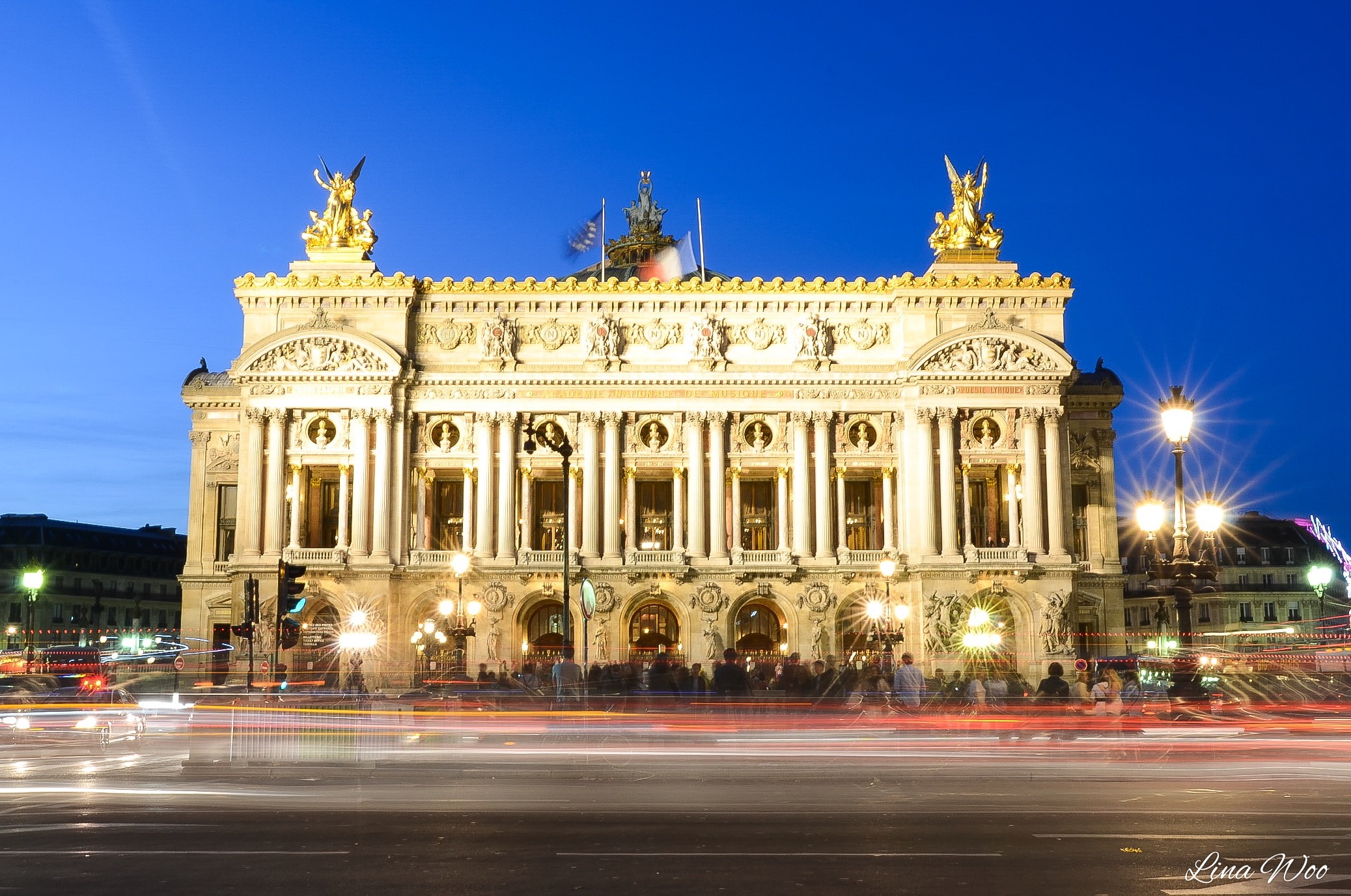
Opéra Garnier

7 min

The Palais Garnier stands as Haussmann's architectural masterpiece—a monument to Second Empire culture designed by Charles Garnier and completed in 1875. The avenue leading to it was carved specifically to frame this ornate building within Haussmann's geometric grid, making it a focal point of both urban planning and cultural aspirations.
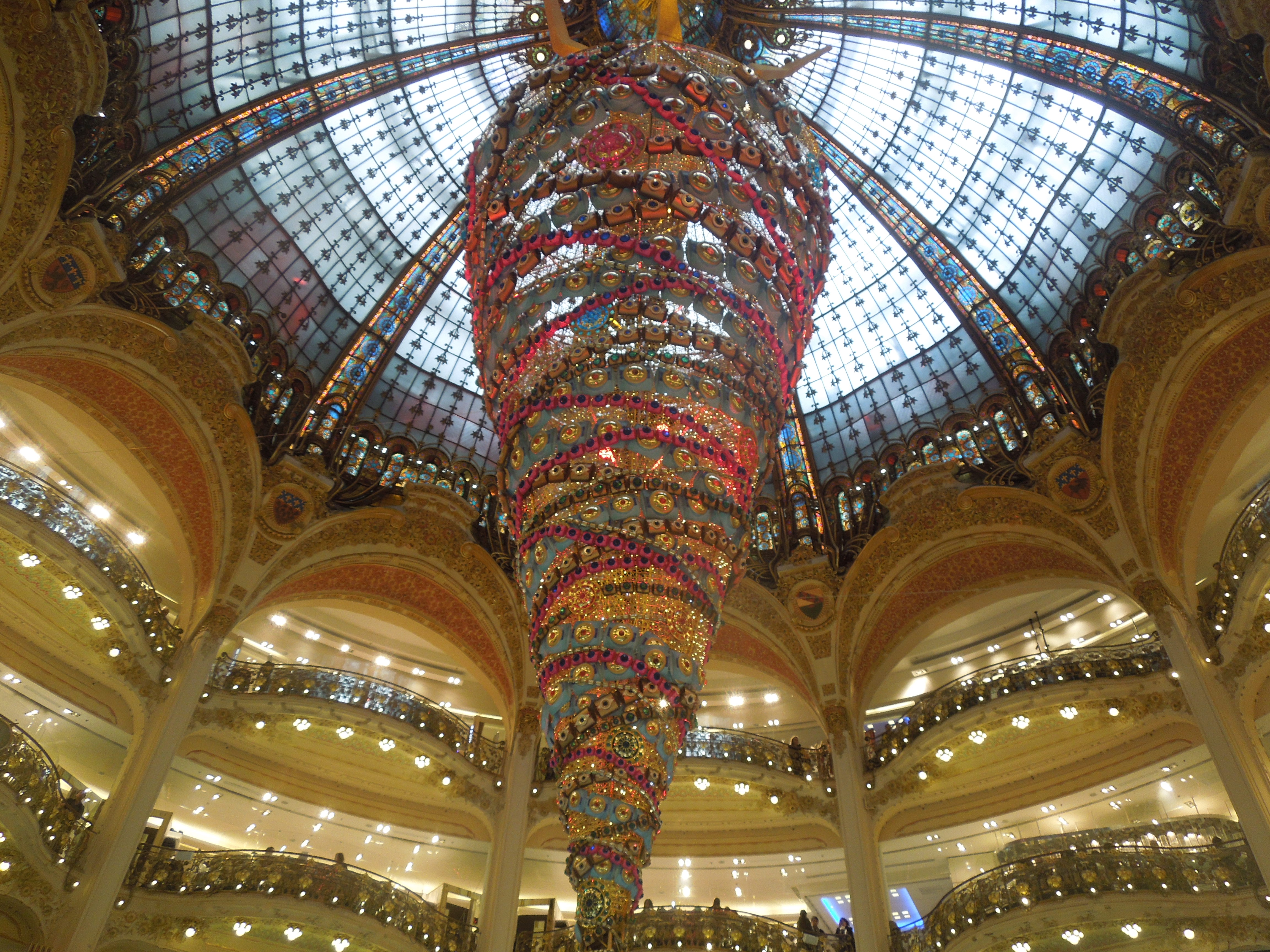
Galeries Lafayette
6

Galeries Lafayette

6 min

A stunning Belle Époque department store crowned by an iconic stained-glass dome, Galeries Lafayette showcases how Haussmann's building codes created the perfect framework for retail culture to flourish as a modern institution.
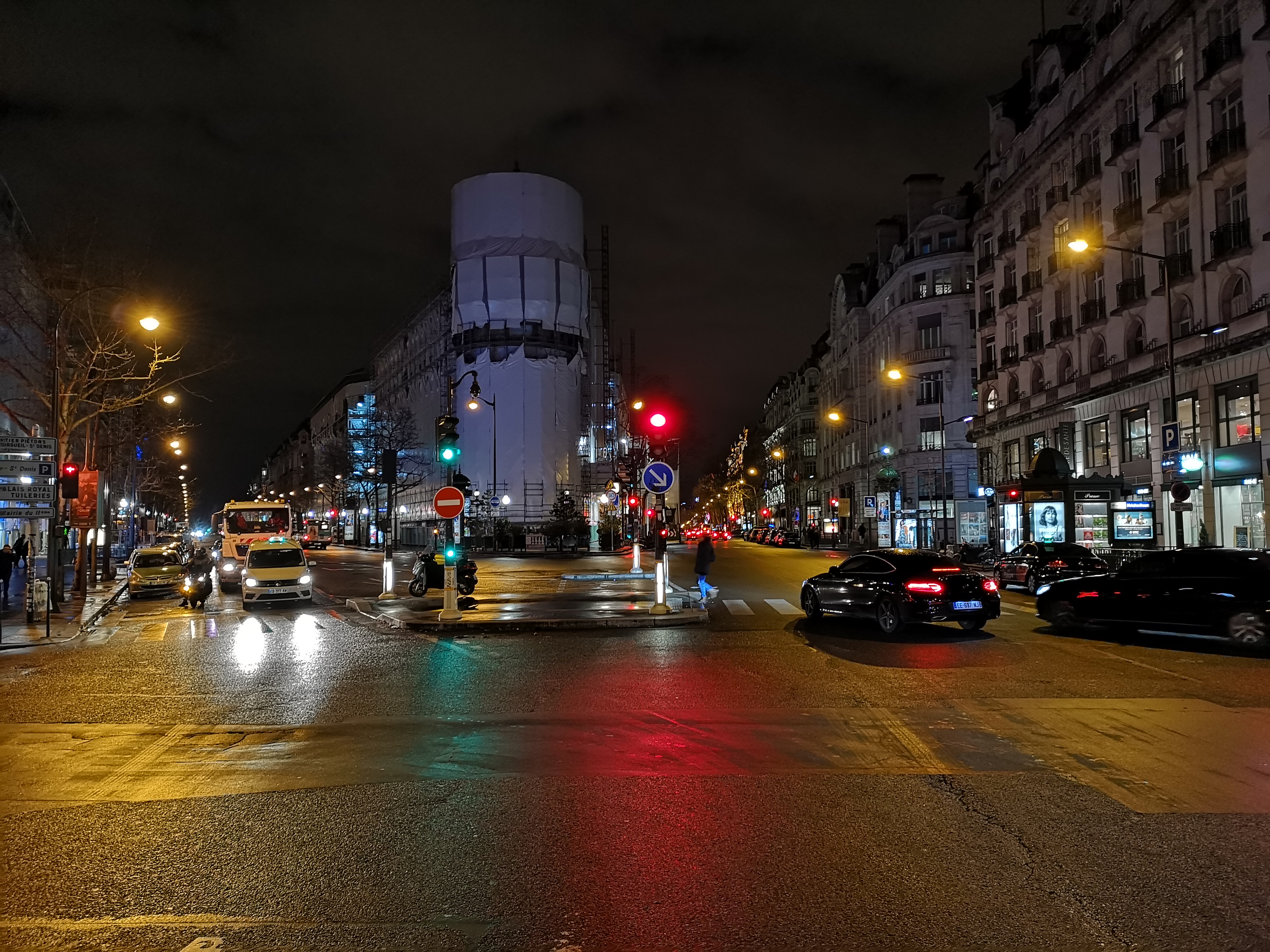
Grands Boulevards
7

Grands Boulevards

6 min

The Grands Boulevards form a network of uniform streets like Boulevard Saint-Germain, Boulevard Montmartre, and Boulevard Poissonnière that showcase Haussmann's systematic approach to urban design and the birth of café culture. Here, his formula becomes not just architecture but an entire lifestyle.
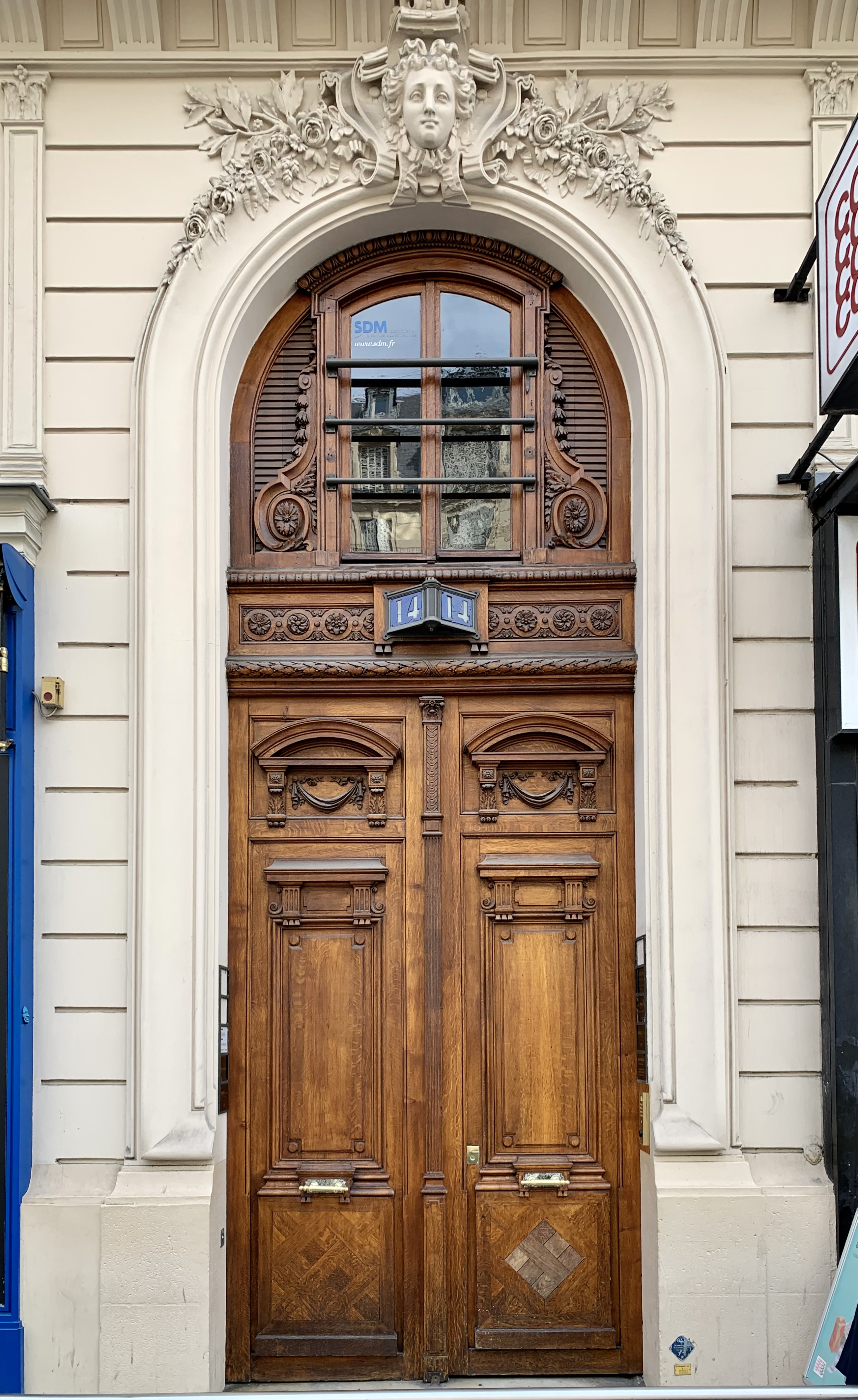
Avenue de l'Opéra
8

Avenue de l'Opéra

5 min

A perfectly straight thoroughfare carved directly toward the Palais Garnier, replacing medieval neighborhoods to demonstrate Haussmann's willingness to demolish historic fabric for modern traffic and geometric vision.

Île de la Cité (Post-Haussmann Comparison)
9

Île de la Cité (Post-Haussmann Comparison)

5 min

The island that held medieval Paris was three-quarters demolished to create administrative order, with the archaeological crypt revealing what vanished beneath the new squares and institutions.
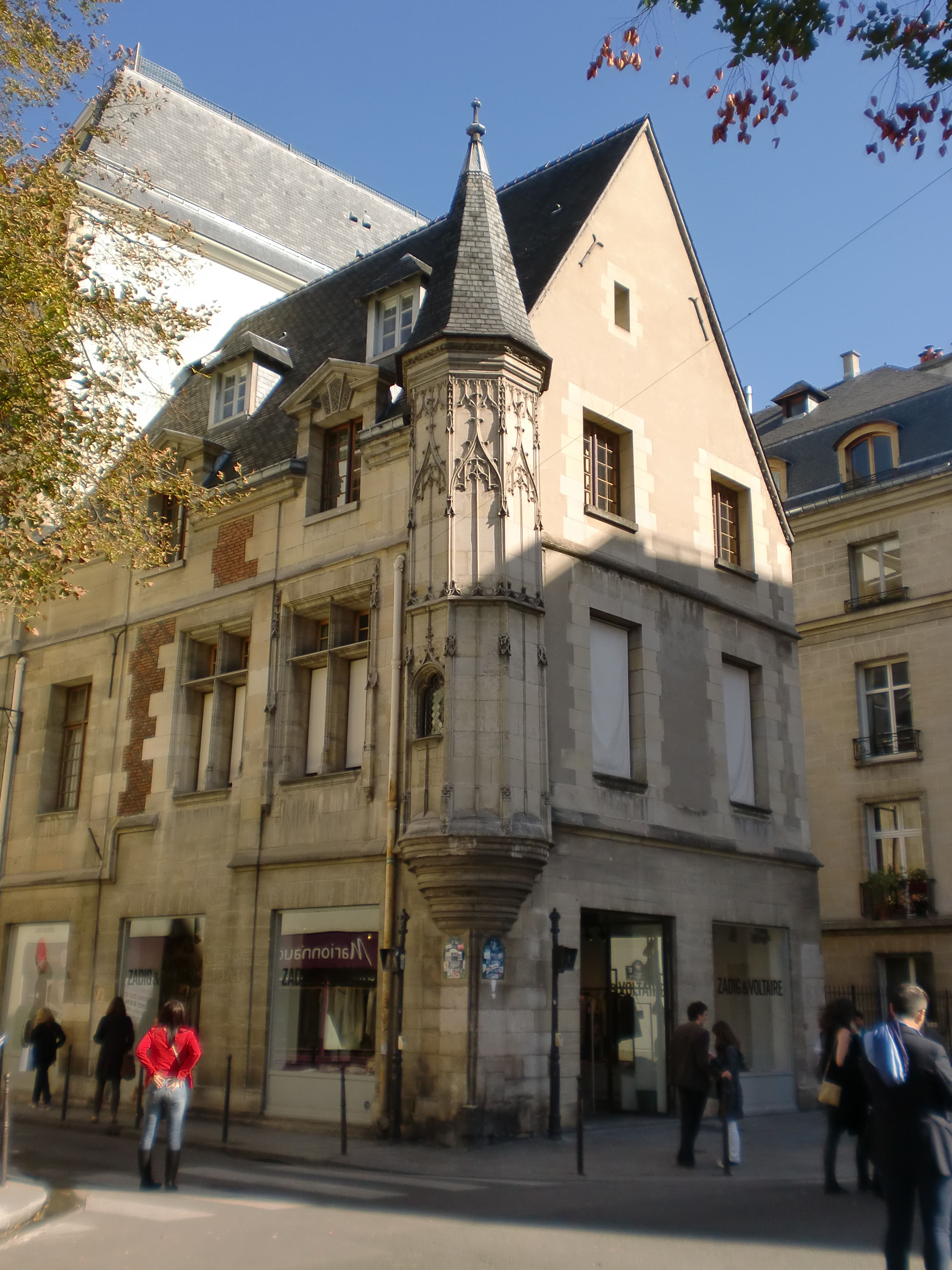
Marais Edge (Medieval Preservation Comparison)
10

Marais Edge (Medieval Preservation Comparison)

5 min

The Marais district preserves medieval Paris street patterns and urban density that escaped Haussmann's systematic demolition. This neighborhood contrasts sharply with the geometric boulevards surrounding it, showing what pre-transformation Paris looked like.
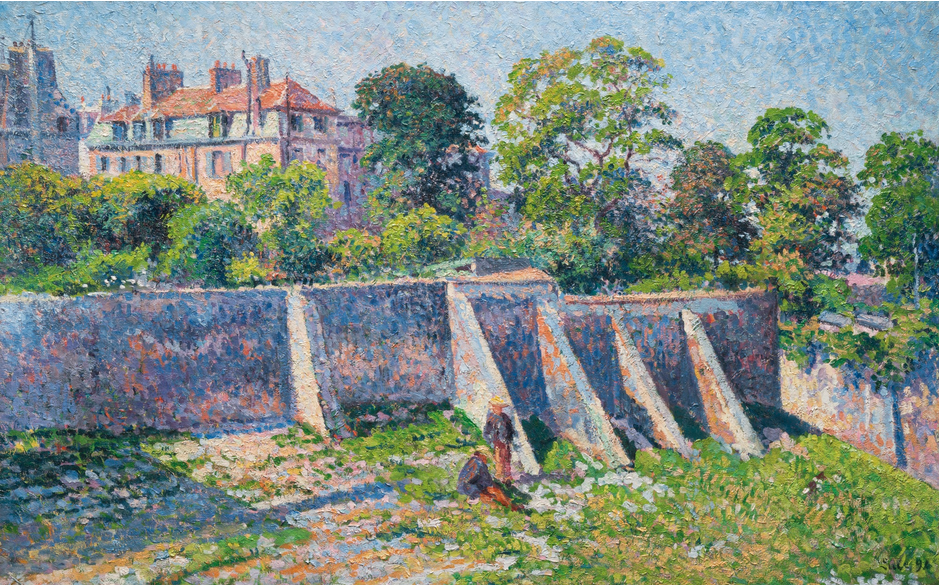
Montmartre Hilltop (Village Character)
11

Montmartre Hilltop (Village Character)

5 min

Montmartre's narrow, winding streets and village character preserve the pre-Haussmann Paris that systematically avoided the baron's radical transformation. From this hilltop, visitors can simultaneously see both the ordered grid of Haussmann's Paris below and the organic, medieval street pattern that survived above.

A Taste of the Tour

This is the real story from one stop on this walk — every stop has one.

Place de l'Étoile & Arc de Triomphe

Welcome to Place de l'Étoile, where twelve boulevards radiate outward like spokes of a wheel—a vision made concrete by Baron Haussmann. Stand beneath this geometric perfection and ask yourself: What are we looking at? Engineering brilliance that transformed a medieval labyrinth into the world's most modern city? Or the calculated erasure of an older Paris, swept away to make room for imperial order, surveillance, and profit? For the next three hours, we'll walk through Haussmann's Paris, tracing the ambitions and consequences of urban renewal that reshaped not just streets, but the lives of those who lived them. We'll marvel at his engineering genius and confront the displacement it caused. We'll see both the triumph and the ruin. By the time we reach Montmartre, you'll understand why Haussmann remains history's most complicated urban architect. Look up. Really look up. You're standing at the exact center of one of Paris's most audacious pieces of urban design—and unless you're standing in the middle of traffic, which I don't recommend, you probably have a sense of what makes this place so vertigo-inducing. Above you towers the Arc de Triomphe, that massive stone monument to French military glory. But what I want you to notice first is not the arc itself, but the geometry around you. We're standing in the Place de l'Étoile—literally the Star Square. And if you look down at the cobblestones, or better yet, picture an aerial view from a helicopter, you'll see exactly why it has that name. Twelve avenues radiate out from this plaza like points on a star. Twelve. Each one pointing toward a different neighborhood, each one perfectly straight, each one exactly the same width. This is not random. This is not organic growth. This is someone's grand vision made stone. Now, here's where the history gets interesting—and a little bit complicated. The Arc de Triomphe itself was commissioned way back in 1806, right after Napoleon's victory at Austerlitz. That was December 1805, and Napoleon was at the height of his power. He wanted to build a monument that would announce to all of Europe that Paris was the greatest capital in the world. But the arc itself wasn't actually completed until 1836—long after Napoleon died. So here's this monument that Napoleon ordered but never saw finished, still standing here, still broadcasting his ambitions. But the star-shaped plaza we're in? That came later. That's Haussmann's genius. You see, Napoleon had the vision to build the arc and to imagine grand avenues radiating from it. But it was Haussmann, working decades later under Emperor Napoleon III, who actually engineered this into a functioning piece of urban infrastructure. Those twelve avenues aren't just pretty. They solve a problem that medieval Paris never could have imagined: traffic circulation on a massive scale. Let me be very specific about what you're seeing, because it matters. Look at how those avenues funnel traffic around the circle. A carriage—or today, a car—entering from any direction can move smoothly around the circle without colliding with traffic coming from another spoke. Before Haussmann, before this kind of geometric thinking, streets in Paris were narrow, twisting, and chaotic. They had grown organically over centuries. They were medieval. They were charming, probably, but they were also crime-ridden, disease-prone, and impossible to navigate when you had a lot of people and wagons moving at once. Haussmann didn't just build pretty avenues. He fundamentally changed how a city could move. And this plaza is the proof of concept. Every avenue radiating from the Arc de Triomphe is perfectly aligned. Every building behind it (mostly) follows the same height and architectural rules. This is not accident. This is systematic. This is order imposed from above. Now, I want you to think about something for a moment, because we'll come back to it later in our tour. That order you're looking at? That geometric perfection? It required something. It required demolition. It required clearing out what was here before. It required deciding that certain neighborhoods should be erased and replaced with this new vision. Some people called it modernization. Some people called it progress. But if you lived in the buildings that got torn down, if you ran a shop on a street that no longer existed, if your community was scattered to make room for this straight line—well, you might have called it something else. But stand here now, in this moment, and I want you to genuinely appreciate the ambition. Whatever you think about the cost, you have to admit: this is impressive. The engineering. The audacity. The sheer belief that a city could be remade according to a plan. Napoleon dreamed it. Haussmann built it. And it still works. When we move on to our next stop, Boulevard Haussmann itself, you'll start to see this pattern repeated across the entire Right Bank of Paris. Star intersections. Straight lines. Geometric order. But for now, let me leave you with a forward glimpse: later in our tour, we'll visit Montmartre, where the streets still twist and wander like they did in medieval times. And when you look down from up there, you'll see what Haussmann built spreading out beneath you like a grid, straight lines in every direction. Montmartre was one of the very few places that Haussmann's grand vision never quite reached. And you'll understand, standing there, what the old Paris looked like before he came.

More Tours in Paris

Nearby Cities

Back to Paris Tours

Cookie Consent

We use cookies to analyse site traffic and improve your experience. You can choose to accept or reject analytics cookies. Learn more