Paris · France
Art Nouveau & Covered Passages: Hidden Architectural Treasures
Paris, France
Galerie Vivienne's exquisite mosaic floors and glass ceiling Three connected covered passages spanning 50 years of innovation Galeries Lafayette's breathtaking stained-glass dome Pont Alexandre III and Grand Palais from the 1900 World's Fair The Lavirotte Building—Paris's most audacious Art Nouveau facade
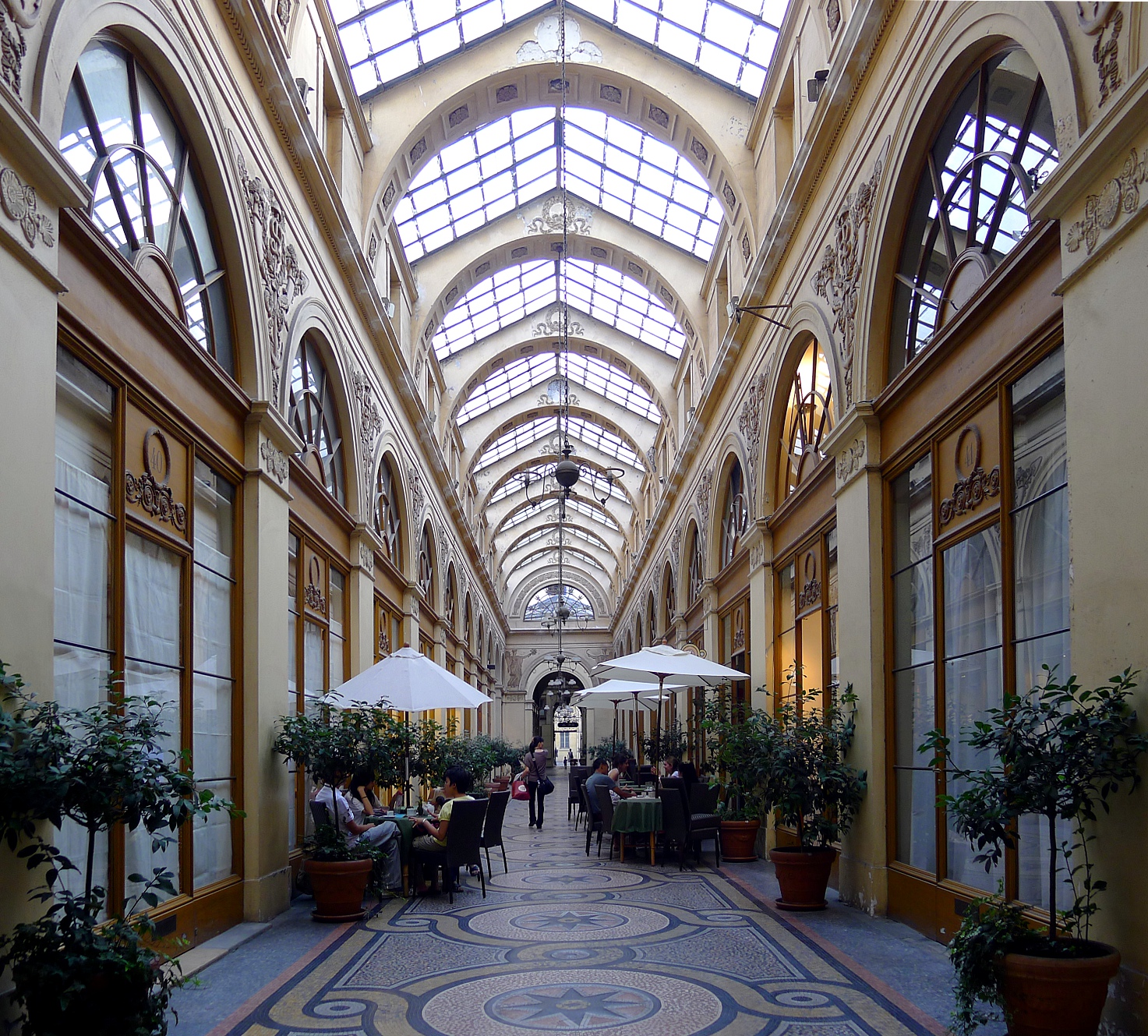
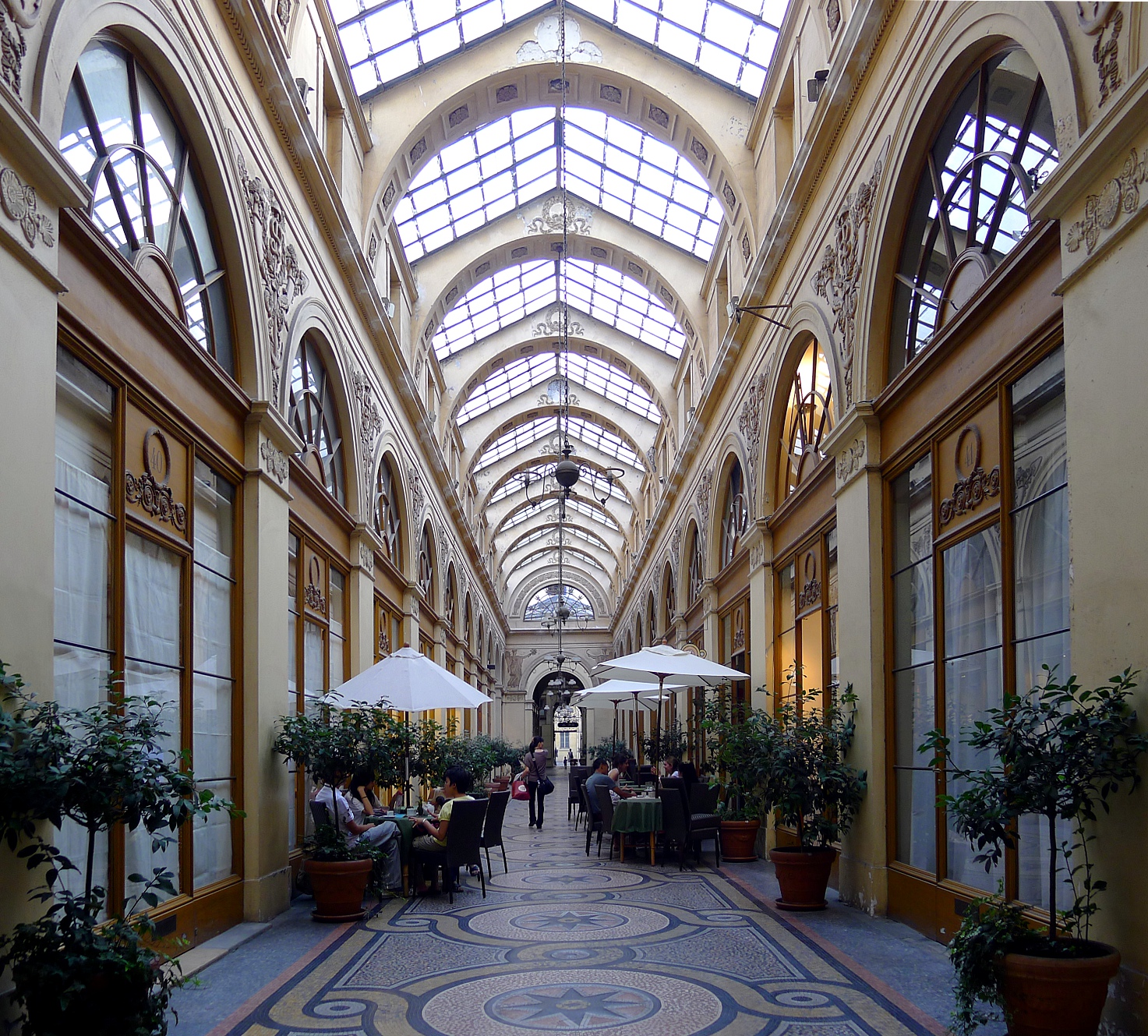
Built in 1826, Galerie Vivienne is the architectural jewel of Paris's covered passages—a pioneering retail innovation featuring an ornate geometric mosaic floor, delicate glass ceiling with ironwork, and a grand rotunda that demonstrates how 19th-century merchants transformed shopping into a palace-worthy experience.
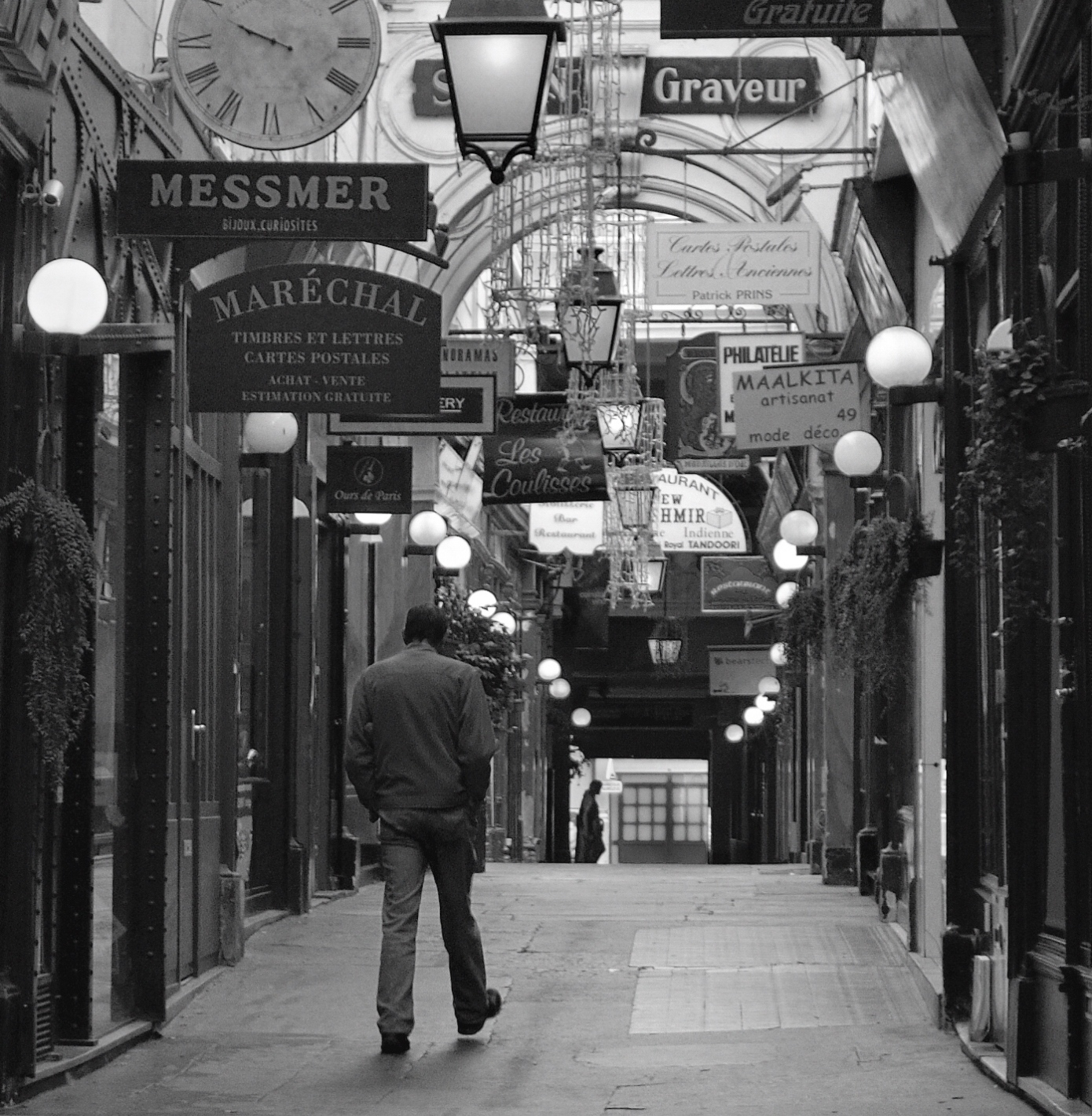
Built in 1799, Passage des Panoramas is Paris's oldest surviving covered passage and stands as a testament to 19th-century commercial innovation. Named after the panoramic paintings that once filled its upper galleries, it was also the first passage to be illuminated by gas lights in 1817, revolutionizing public nighttime commerce.
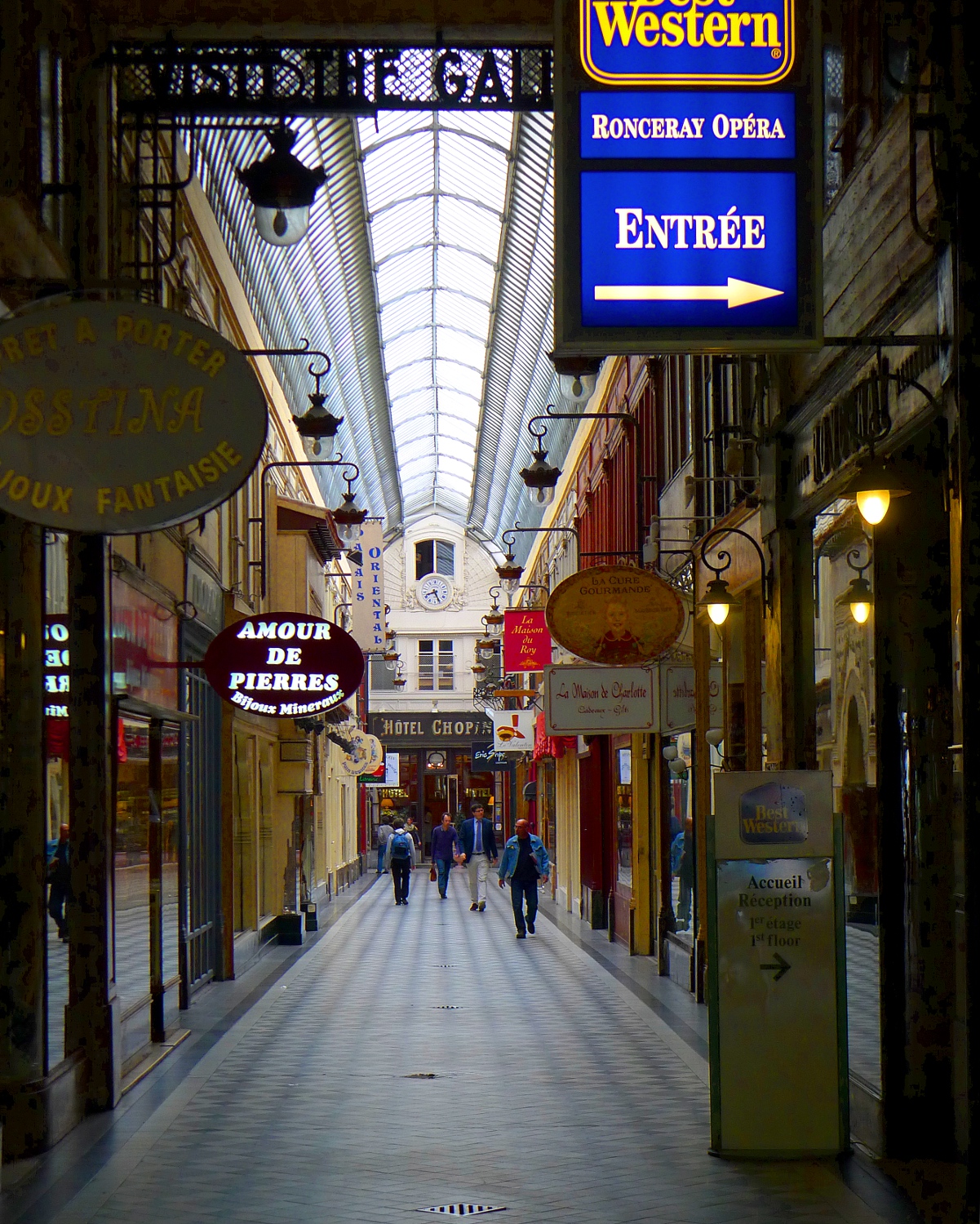
Built in 1846 as the first passage constructed entirely of iron and glass, Passage Jouffroy showcases the technical evolution that revolutionized Parisian commercial architecture. Connected to its neighbors, this covered gallery preserves bookshops, vintage retailers, and the still-operating Hôtel Chopin.
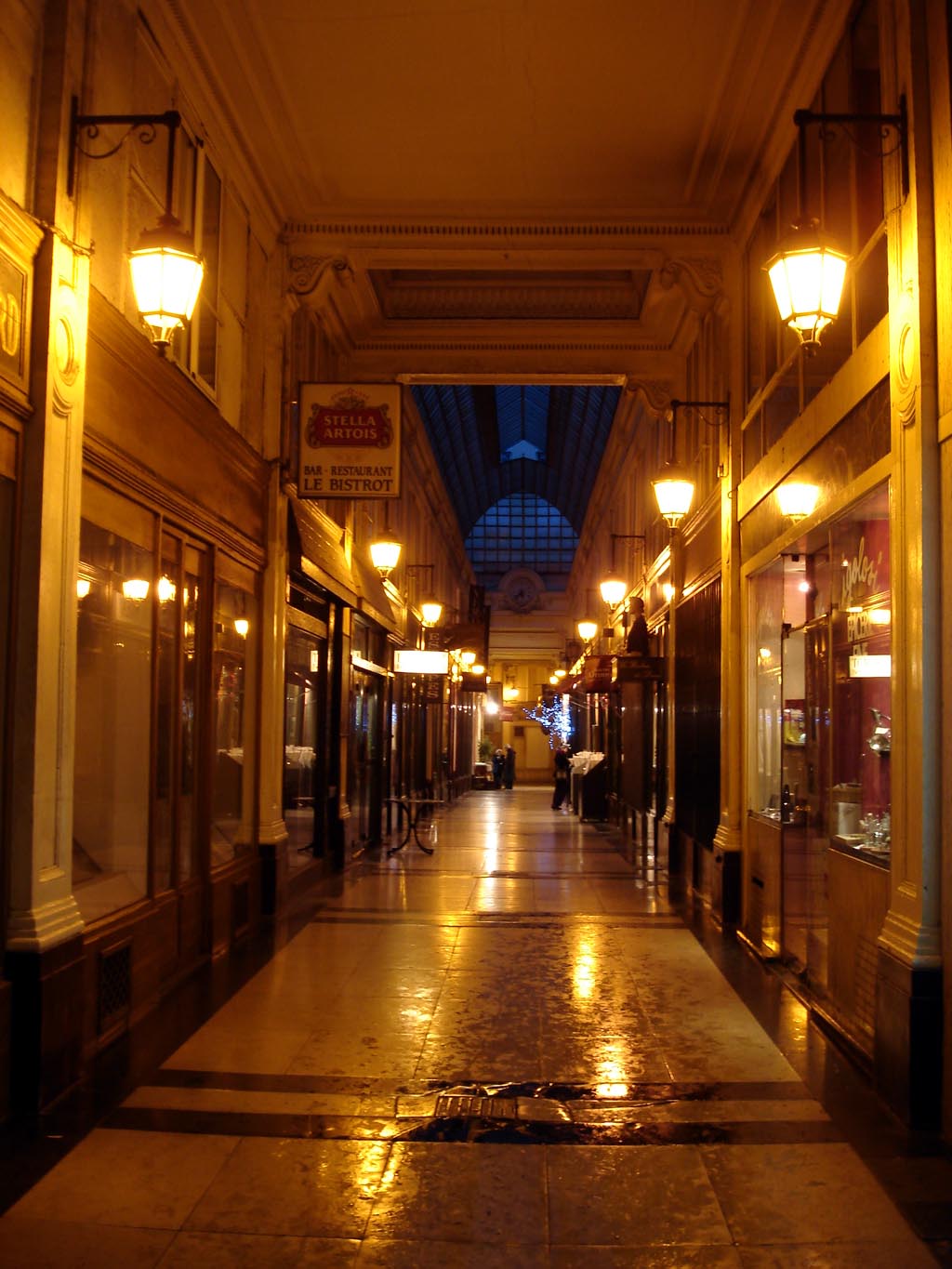
Built in 1847, Passage Verdeau is the quietest and least-renovated of Paris's covered arcades, featuring antique dealers, vintage camera shops, and the final leg of three seamlessly connected passages forming a 350-meter continuous covered walk.
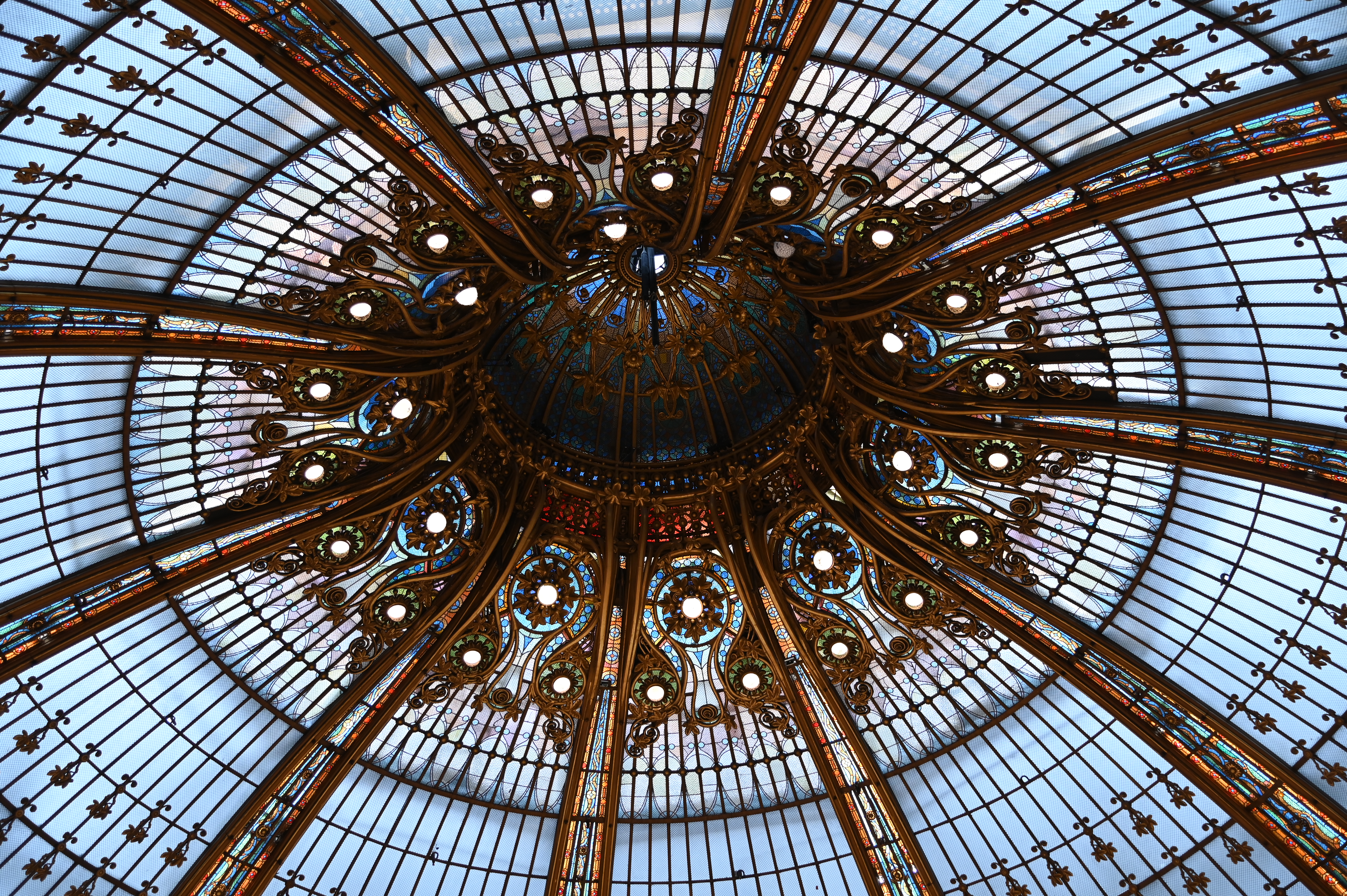
A Belle Époque department store crowned with a monumental stained-glass dome designed by Jacques Grüber in 1912—where the passage concept exploded to skyward scales, and ornament became the very mechanism of commercial persuasion.
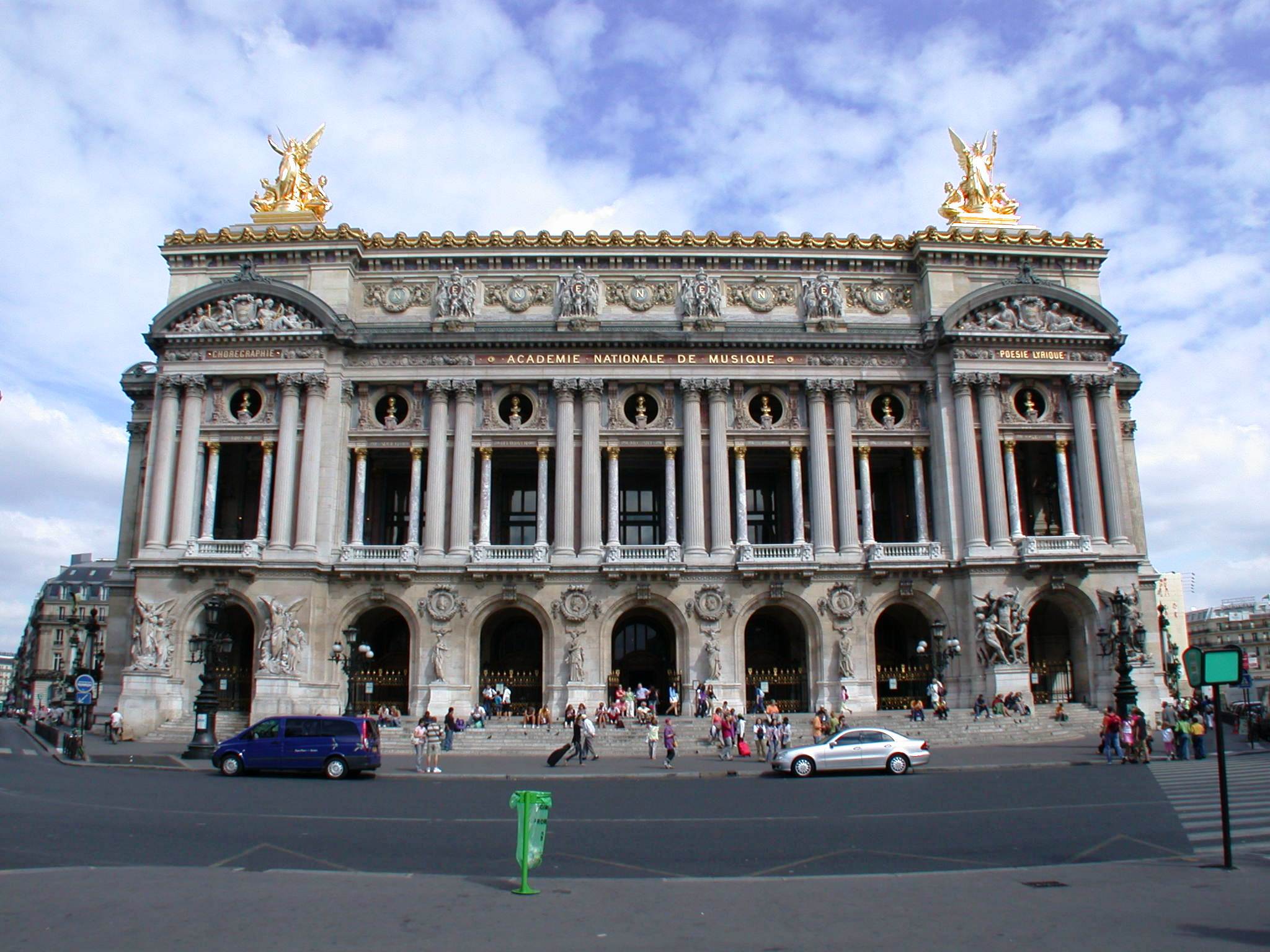
The Palais Garnier is Belle Époque architecture at its most ornamental—a marble and gilded monument to theatrical grandeur, designed by Charles Garnier and completed in 1875. Its façade, with sculptural detail and colored stone from seven countries, exemplifies the era's appetite for architectural excess as cultural statement.
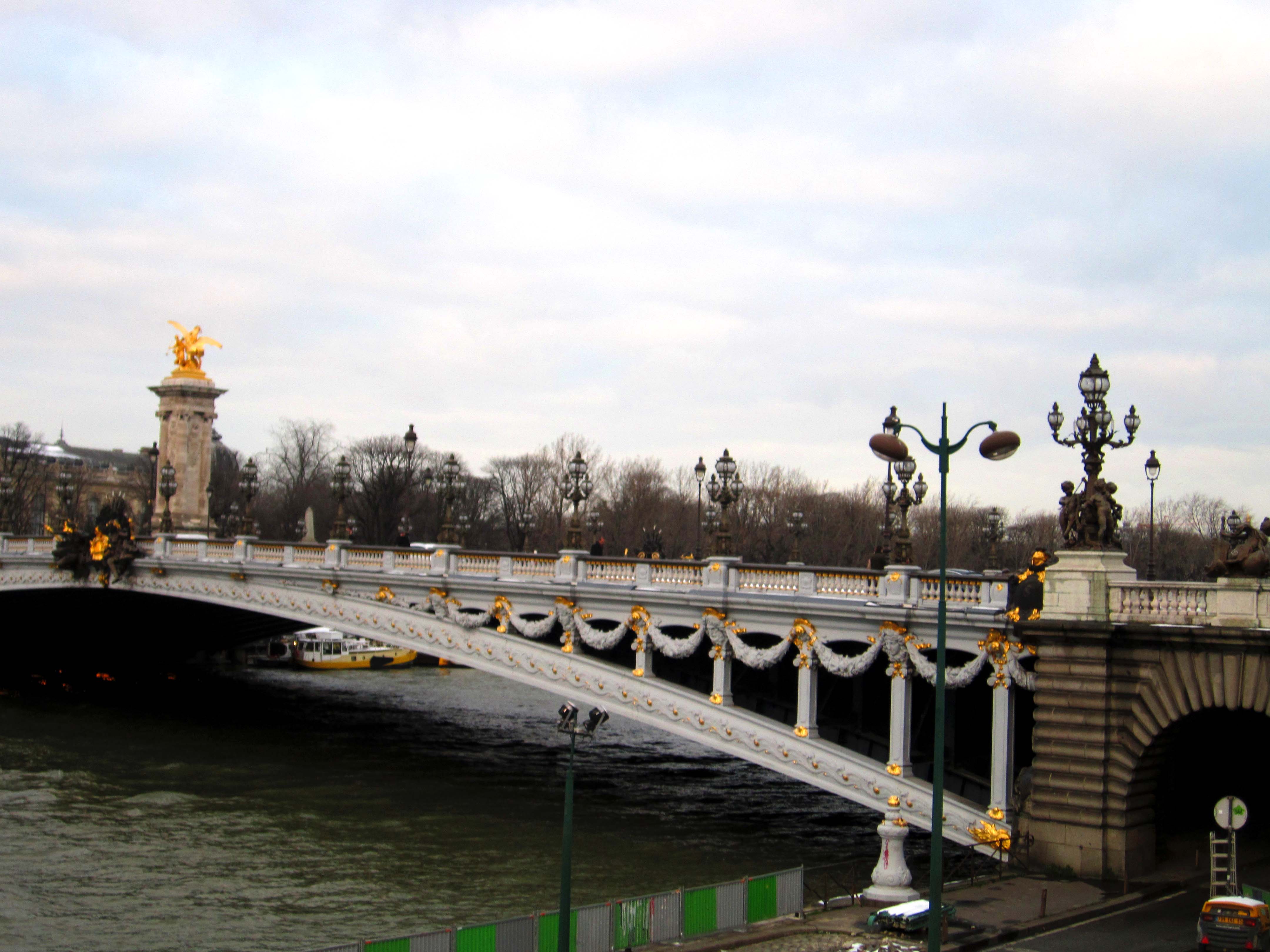
The most extravagantly decorated bridge in Paris—a single steel arch of Art Nouveau splendor, deliberately built low to preserve sightlines of the Invalides and Eiffel Tower, with gilded bronze cherubs, winged horses, and ornate lampposts celebrating the 1900 World's Fair and Franco-Russian alliance.
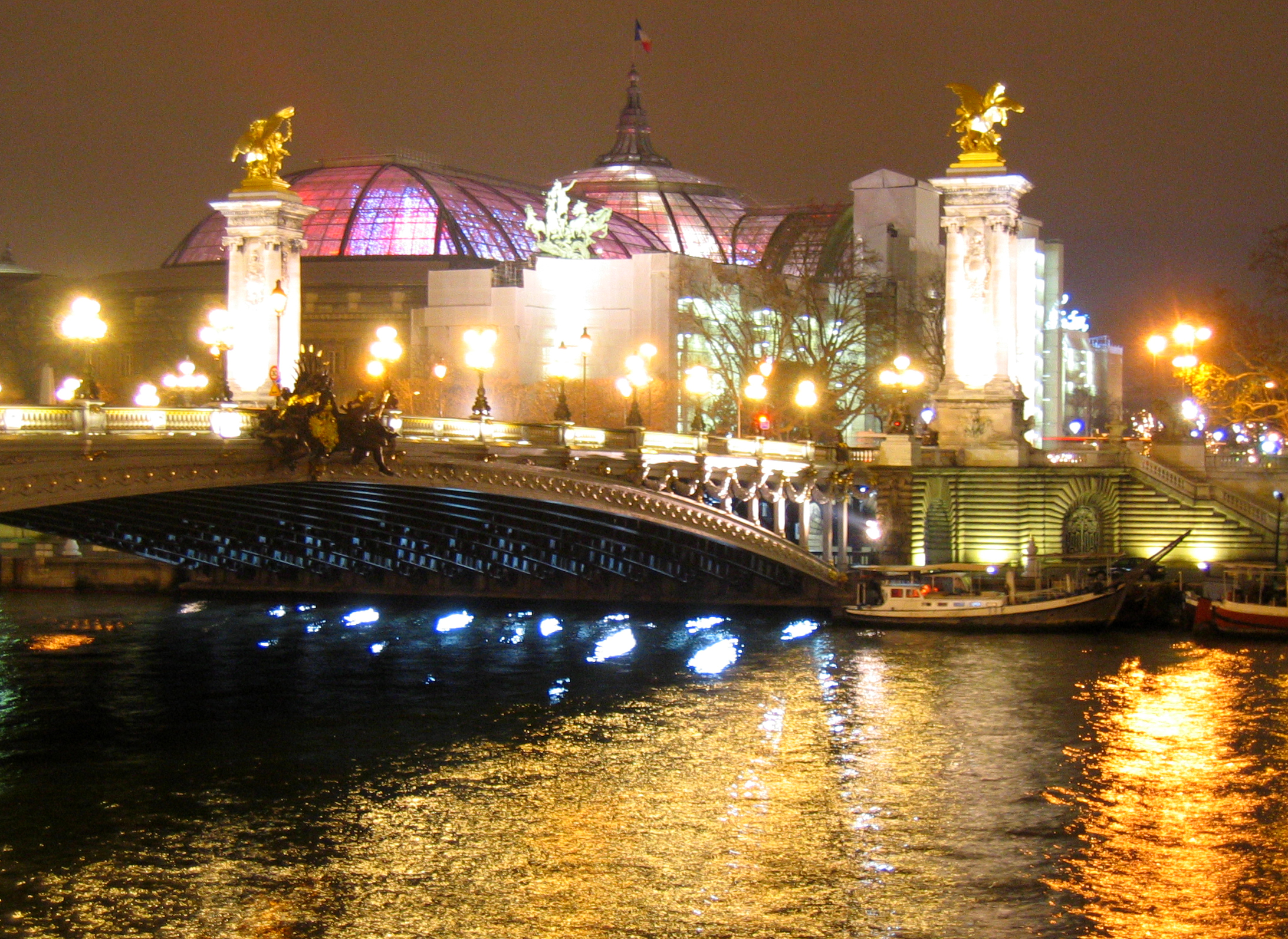
Built for the 1900 World's Fair, the Grand Palais showcases Art Nouveau engineering at monumental scale—a glass-and-iron nave spanning 240 metres with the largest glass roof in Europe, where functional structure becomes pure architectural spectacle.
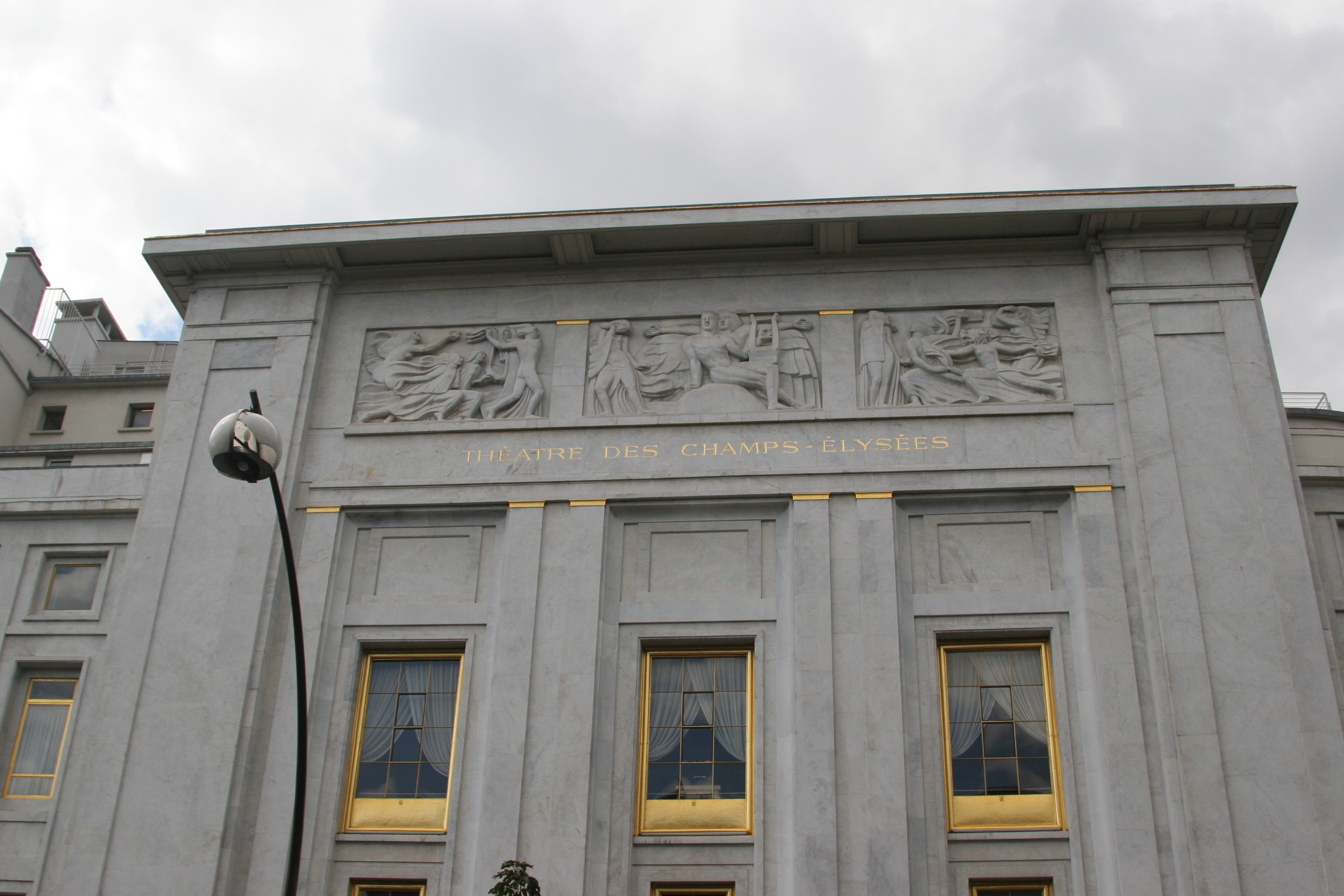
Auguste Perret's 1913 reinforced-concrete masterpiece marks the pivot from Art Nouveau's organic ornamentation to Art Deco's geometric restraint—a building that looks stripped and modern compared to everything you've seen so far on this tour.
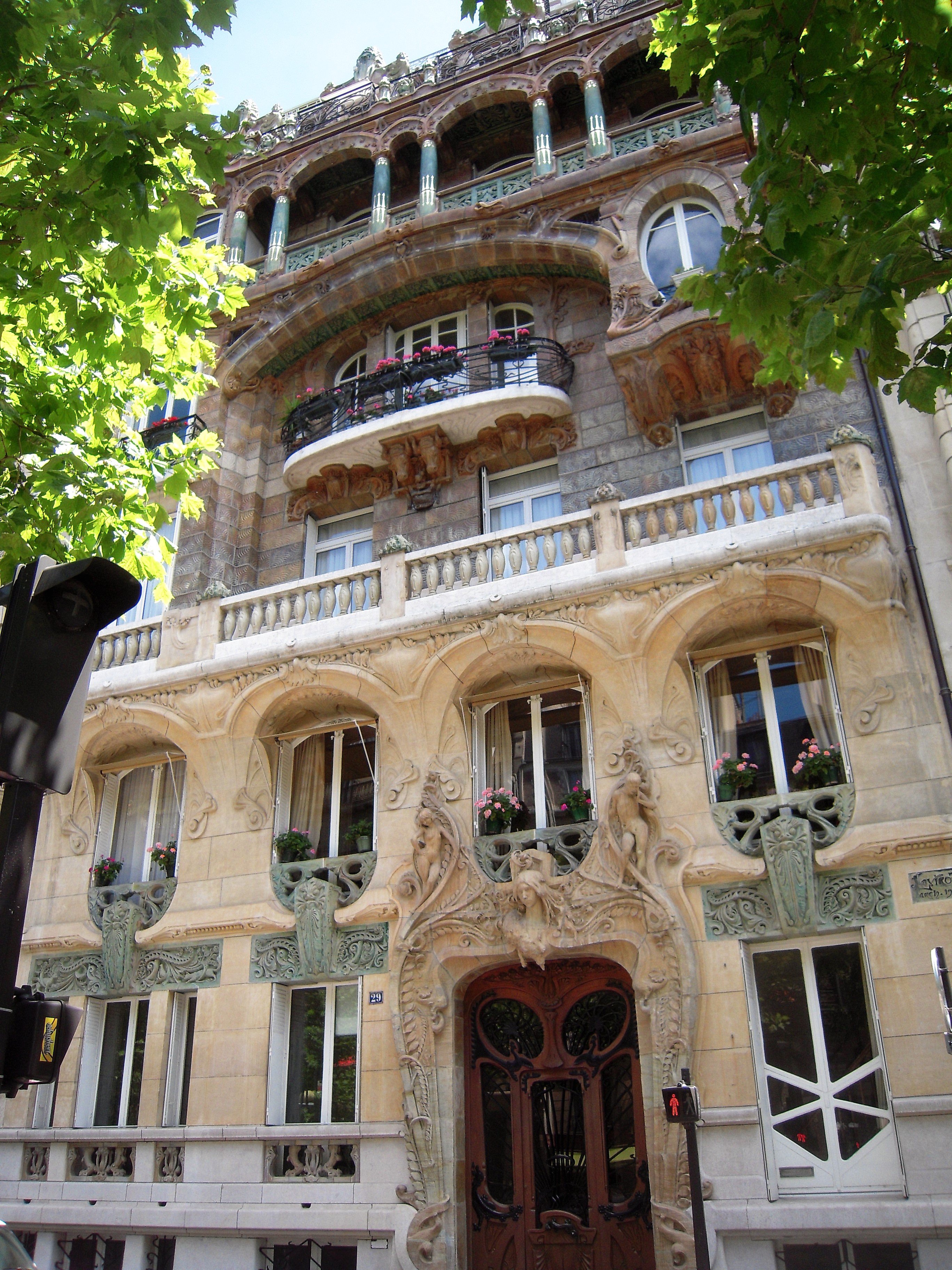
The exuberantly decorated façade of the Lavirotte Building at 29 Avenue Rapp, designed by Jules Lavirotte and completed in 1901, showcases the most ornate Art Nouveau ceramics and sculptures in Paris—a winner of the city's 1901 façade competition that shocked and delighted the public.
This is the real story from one stop on this walk — every stop has one.
Explore Paris through its food—from fromageries and morning markets to a three-course bistro lunch and wine education.…
Trace the dramatic arc of the French Revolution through the streets where it unfolded—from the execution ground at Place…
Understand how Baron Haussmann demolished medieval Paris and created the modern metropolis through systematic urban…
We use cookies to analyse site traffic and improve your experience. You can choose to accept or reject analytics cookies. Learn more