Paris · France
Hidden Paris
Paris, France
Secret gardens hidden below bridges and behind buildings Belleville's vibrant street art scene and multicultural energy Père-Lachaise Cemetery as Paris's most peaceful park The Promenade Plantée—the original High Line, 16 years before New York Micro-villages of cottage houses and flower-named streets
A self-contained village nestled within Paris's 17th arrondissement, where a lively organic market, tree-lined Square des Batignolles, and intact working-class architecture define an authentically local neighborhood that tourism has largely bypassed.
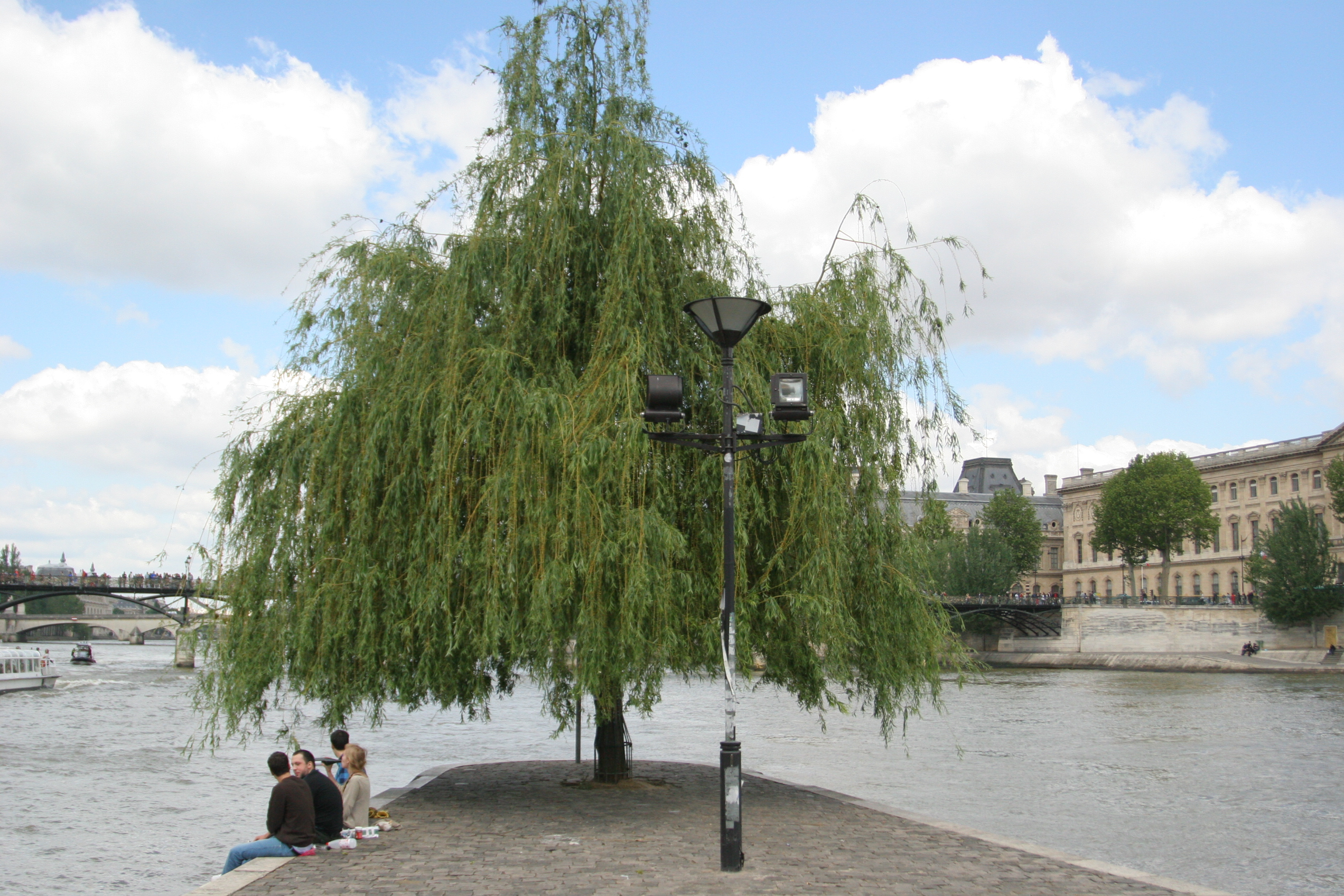
A sunken riverside garden at the western tip of Île de la Cité, where willows drift over the Seine and the constant roar of tourists fades into genuine quiet. This is where Henri IV—the 'Vert-Galant' himself—still casts a romantic shadow over one of Paris's most peaceful escapes.
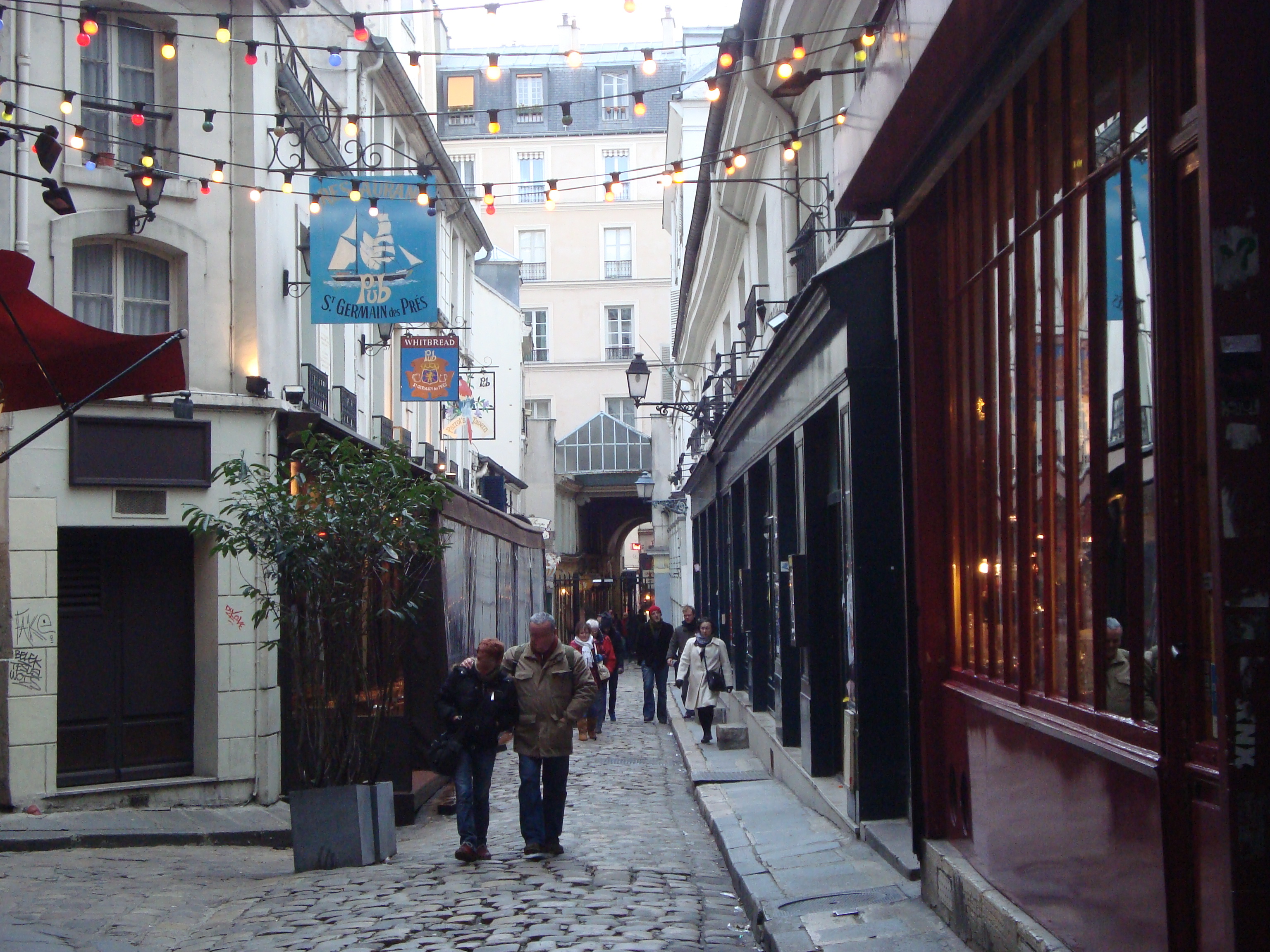
A hidden Renaissance courtyard tucked away from the bustle of Boulevard Saint-Germain, containing the remnants of Paris's first café (Le Procope), the birthplace of the guillotine's design, and layers of revolutionary history concealed behind unassuming stone walls.
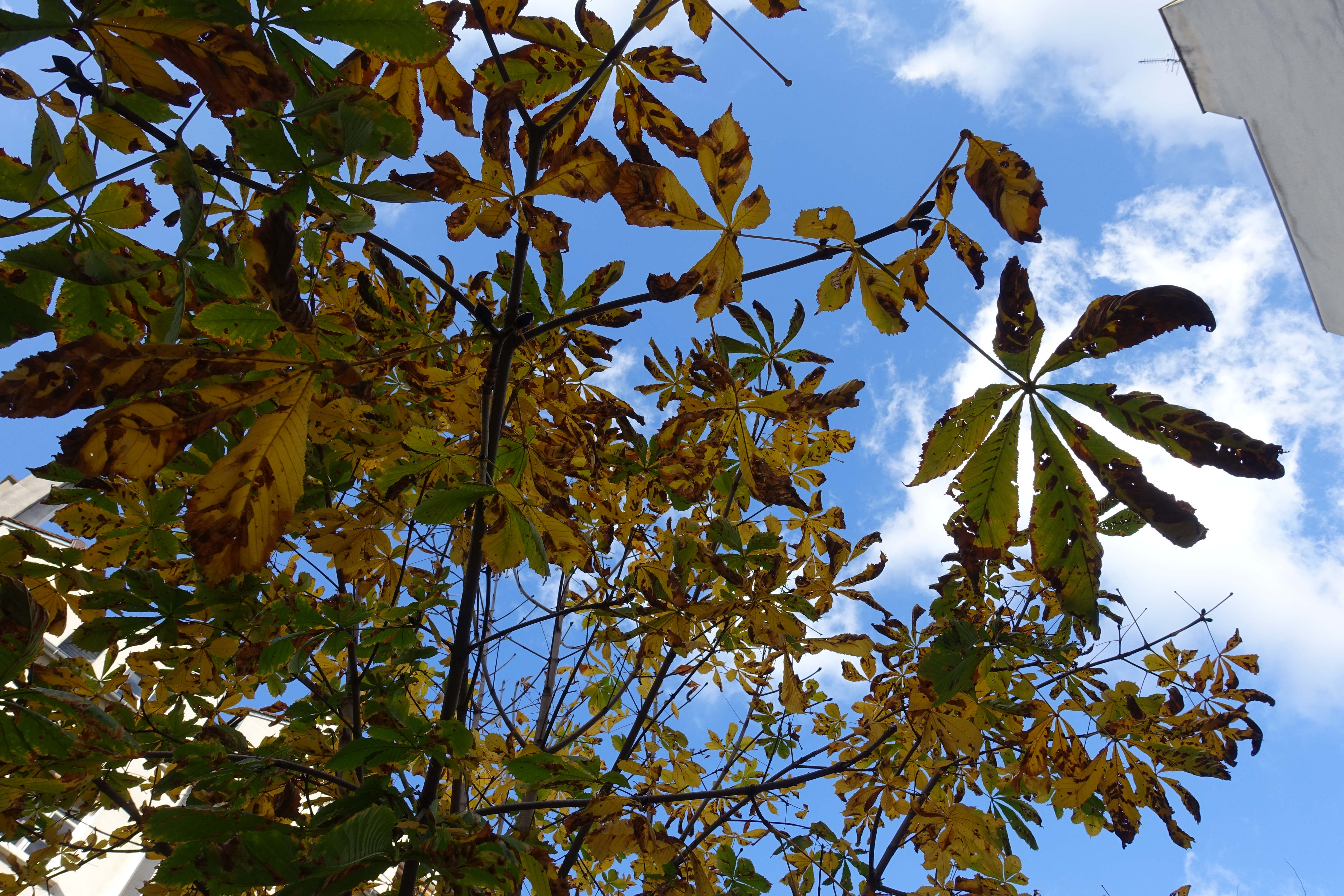
A hidden memorial garden concealed behind the Pompidou Centre, accessible through a narrow alley off Rue Beaubourg. The garden features a living descendant of the chestnut tree from Anne Frank's Amsterdam hiding place—a testament to remembrance and resilience in the heart of Paris's historic Jewish quarter.
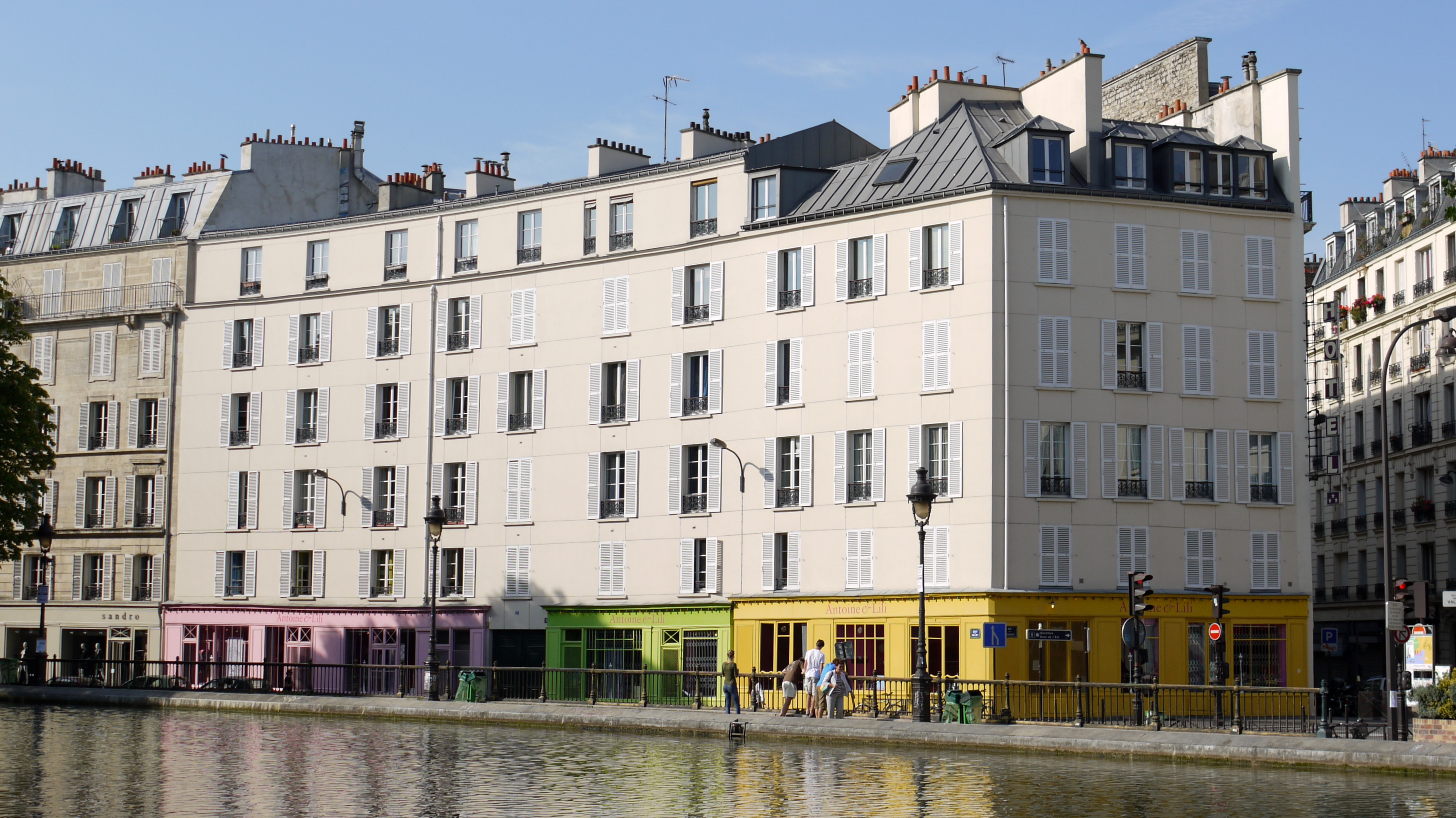
A tree-lined industrial waterway in the working-class 10th arrondissement, where 200 years of engineering history, street art, and neighborhood identity survive despite gentrification pressures.
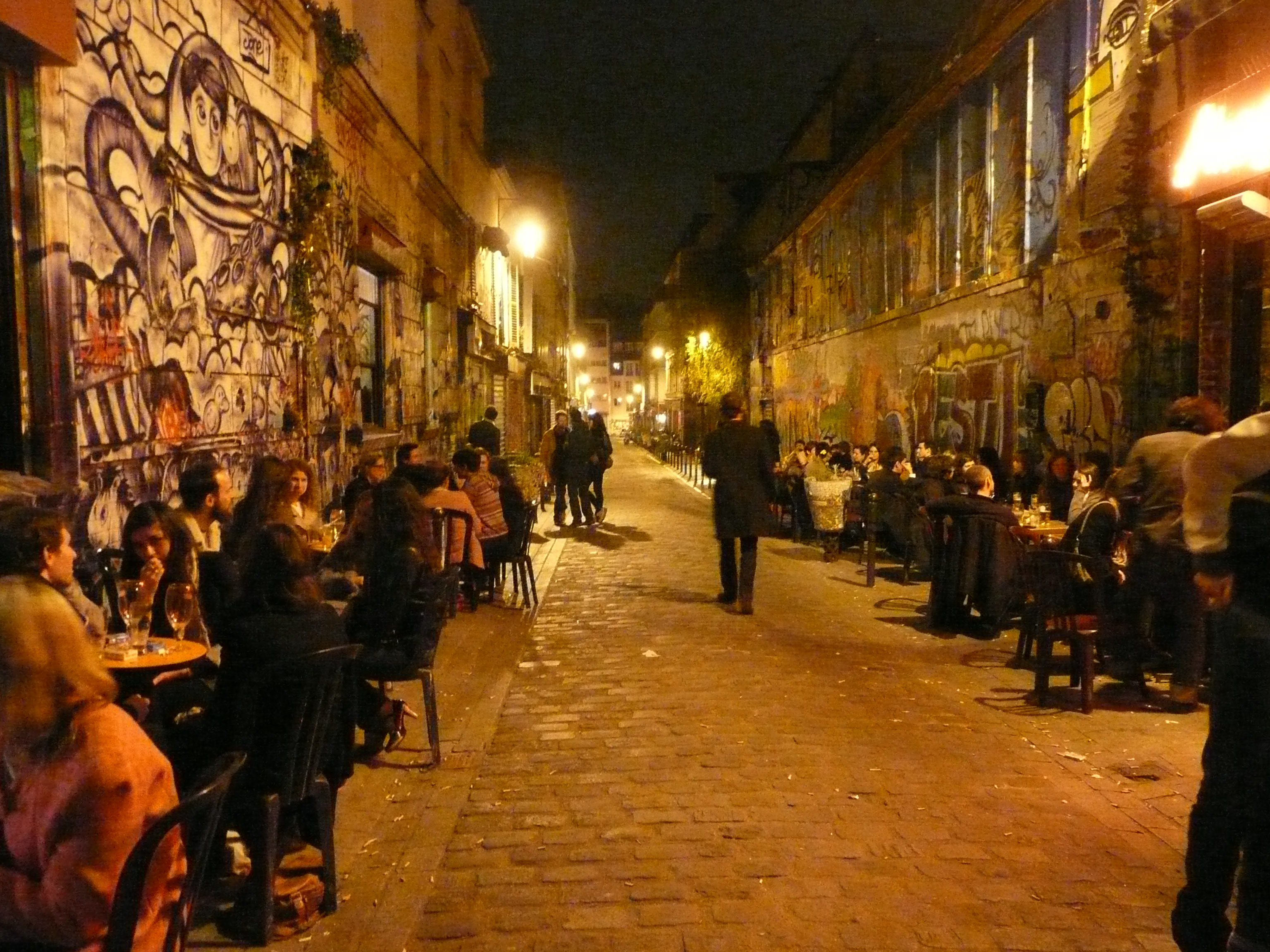
Street art capital where contemporary murals layer over century-old buildings; Belleville preserves Paris's working-class soul through diverse communities and the birthplace of Edith Piaf.
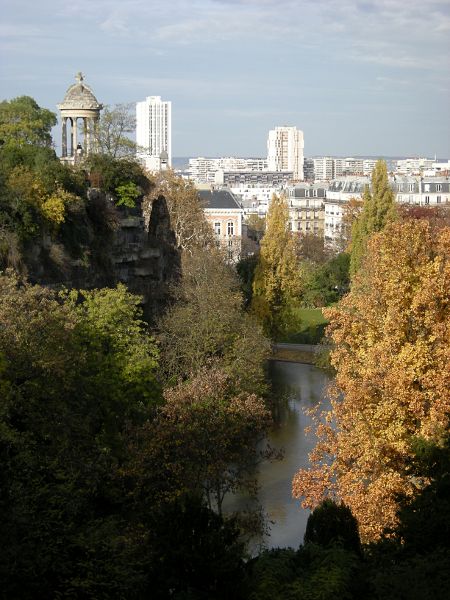
Parc des Buttes-Chaumont was built in 1867 on the site of a former gypsum quarry and rubbish dump, transformed by Alphand into a dramatic artificial landscape featuring a 50-meter cliff, suspension bridge, and Temple de la Sibylle—designed to bring beauty and escape to working-class Parisians in northeast Paris.
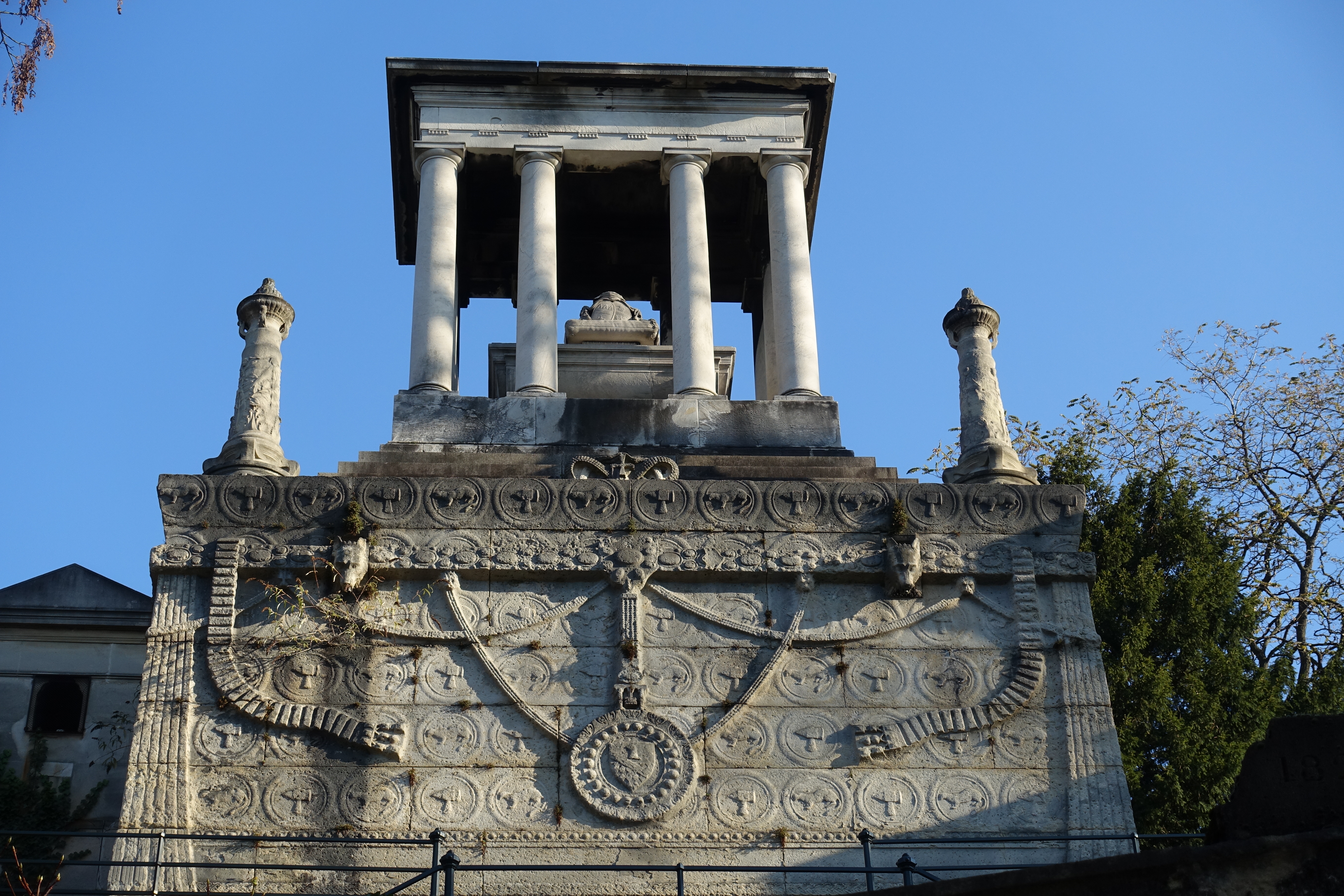
Père-Lachaise Cemetery is a sprawling 44-hectare necropolis founded in 1804 where Europe's most famous and infamous dead rest side by side—a monument to Paris's obsession with memory, beauty, and the theatrical aesthetics of death itself.
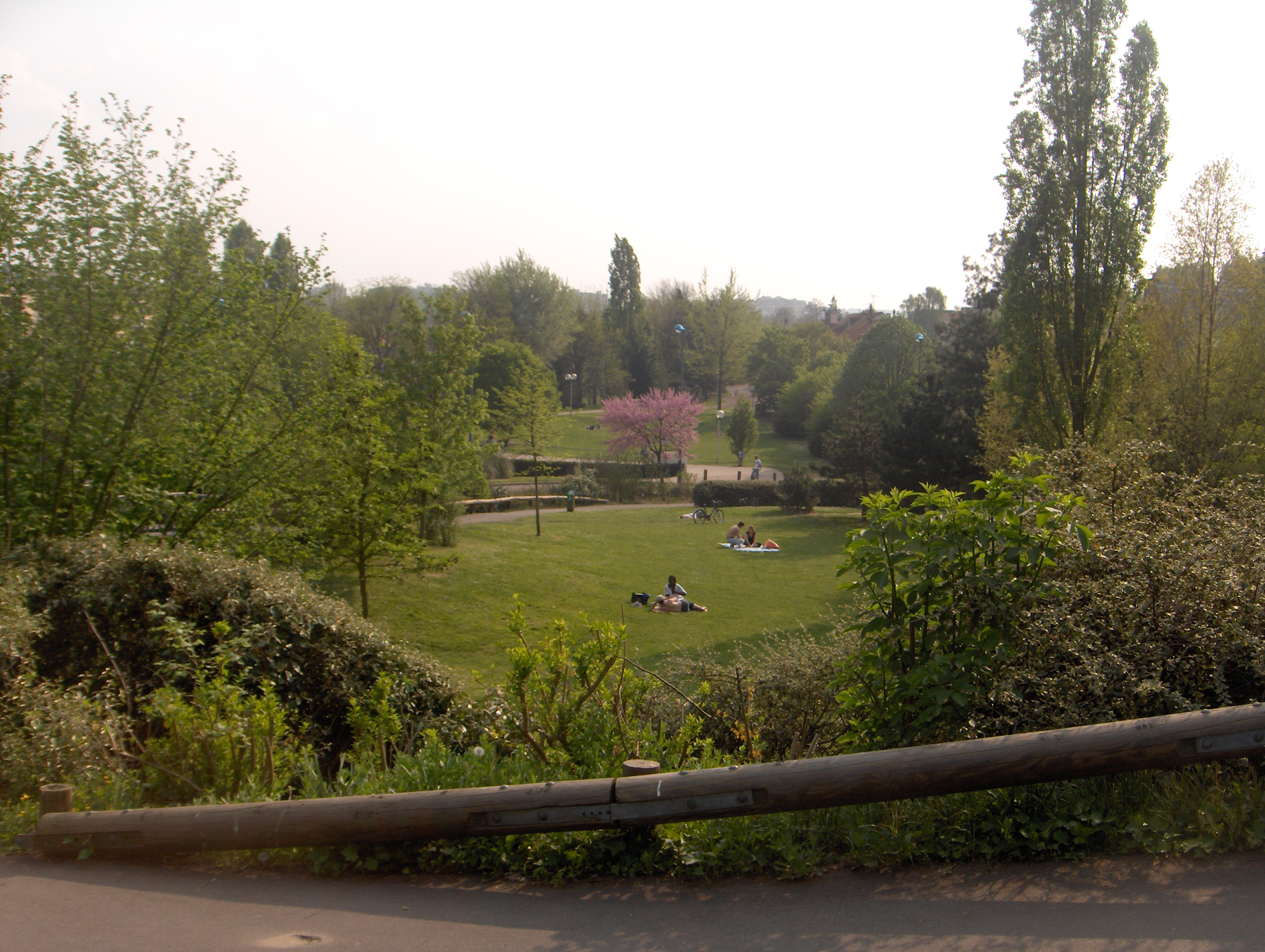
An elevated linear park built on a 1859 railway viaduct that was abandoned in 1969 and transformed in 1993—a 4.7-kilometer green corridor walking above the 12th arrondissement's rooftops, with artisan workshops in the arches below.
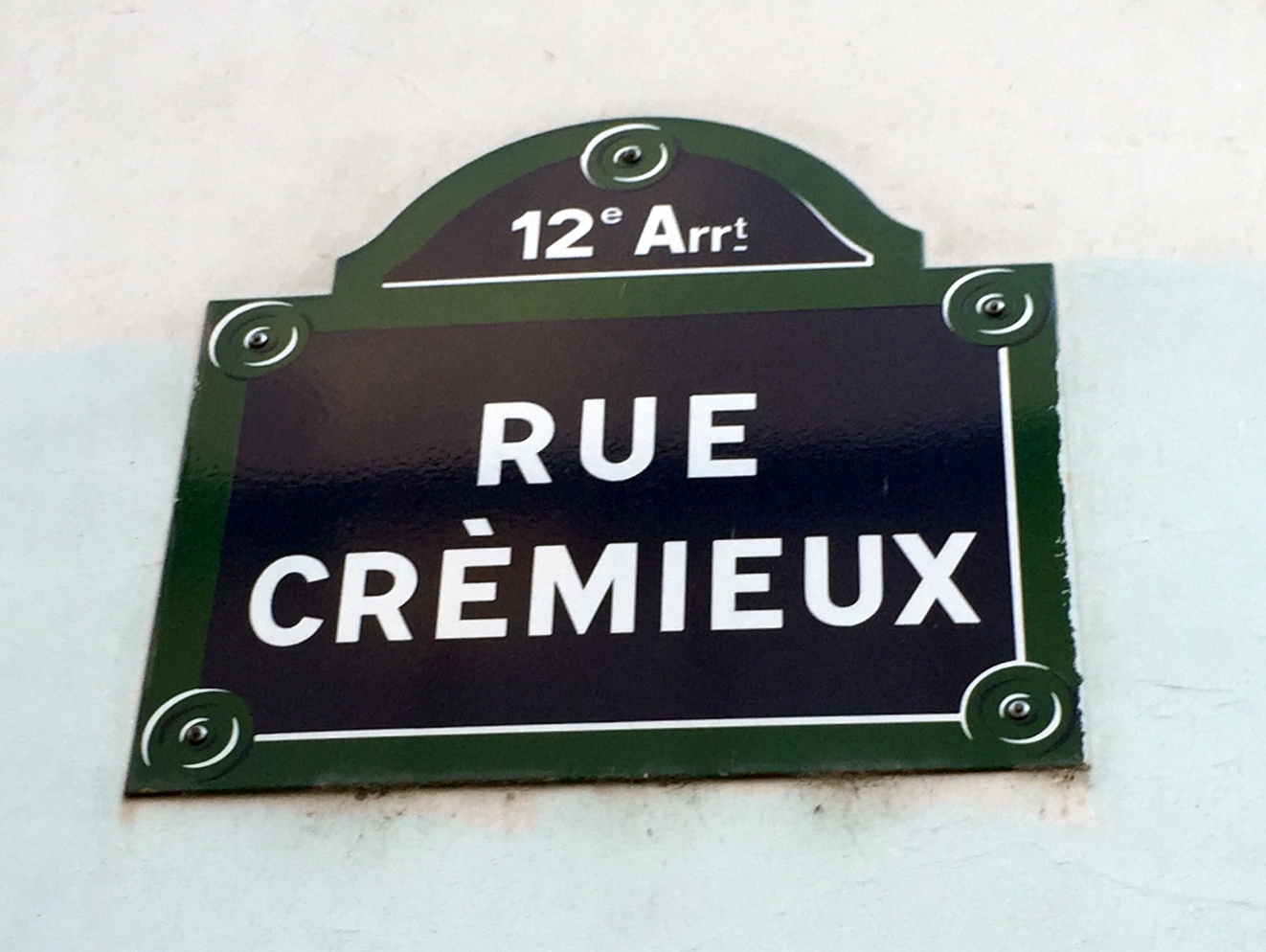
A car-free pedestrian street in the 12th arrondissement lined with pastel-painted facades, Rue Crémieux became Instagram-famous while its residents fiercely protect its character as a genuinely lived-in working-class street.
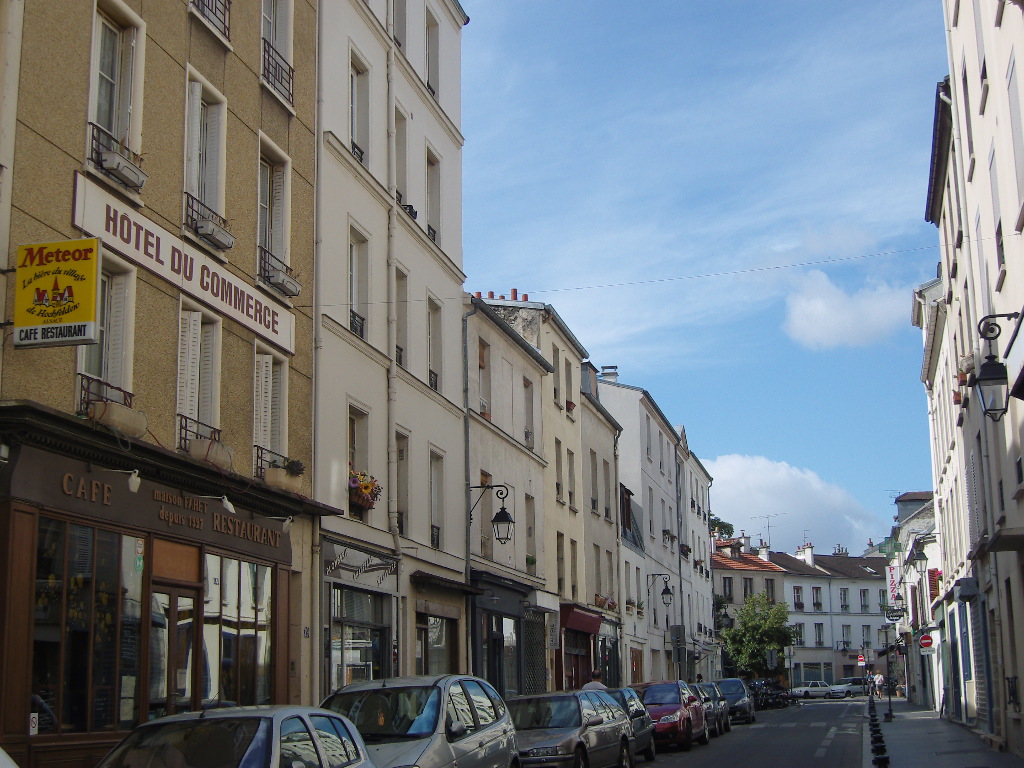
Butte-aux-Cailles is a defiant village-like pocket of Paris where cobblestone streets, street art, and cooperative housing preserve a working-class identity forged in the 1871 Commune—the last neighborhood to hold out against Haussmann's modernization and against tourist colonization.
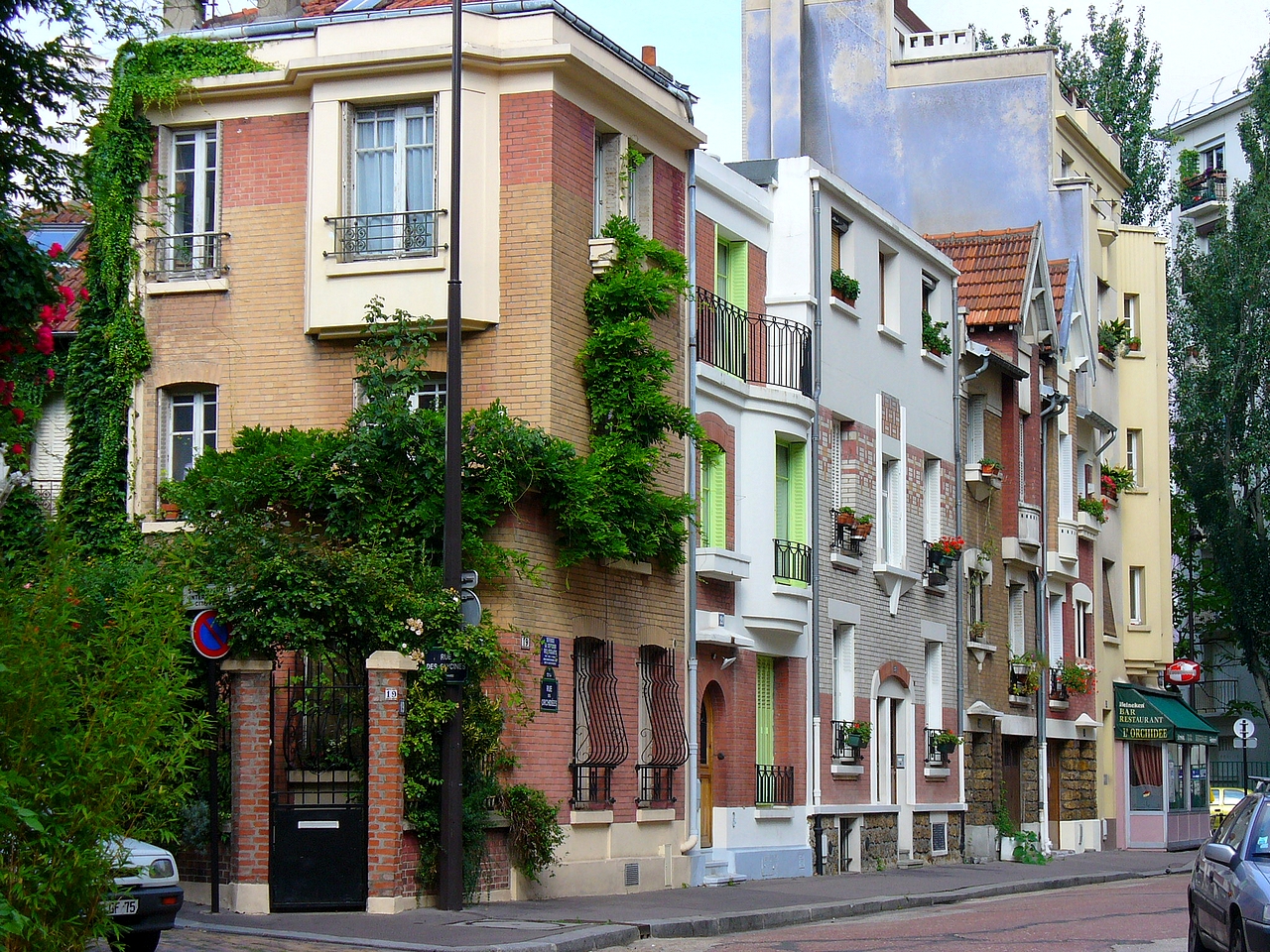
Hidden residential villages within Paris—Butte Bergeyre, Cité Florale, and La Mouzaïa—preserve the cottage-house atmosphere and architectural charm of early 20th-century communities that somehow survived the city's radical modernization.
This is the real story from one stop on this walk — every stop has one.
Explore a century of decorative architecture, from the glass-roofed shopping passages of the 1800s through Belle…
Explore Paris through its food—from fromageries and morning markets to a three-course bistro lunch and wine education.…
Trace the dramatic arc of the French Revolution through the streets where it unfolded—from the execution ground at Place…
We use cookies to analyse site traffic and improve your experience. You can choose to accept or reject analytics cookies. Learn more