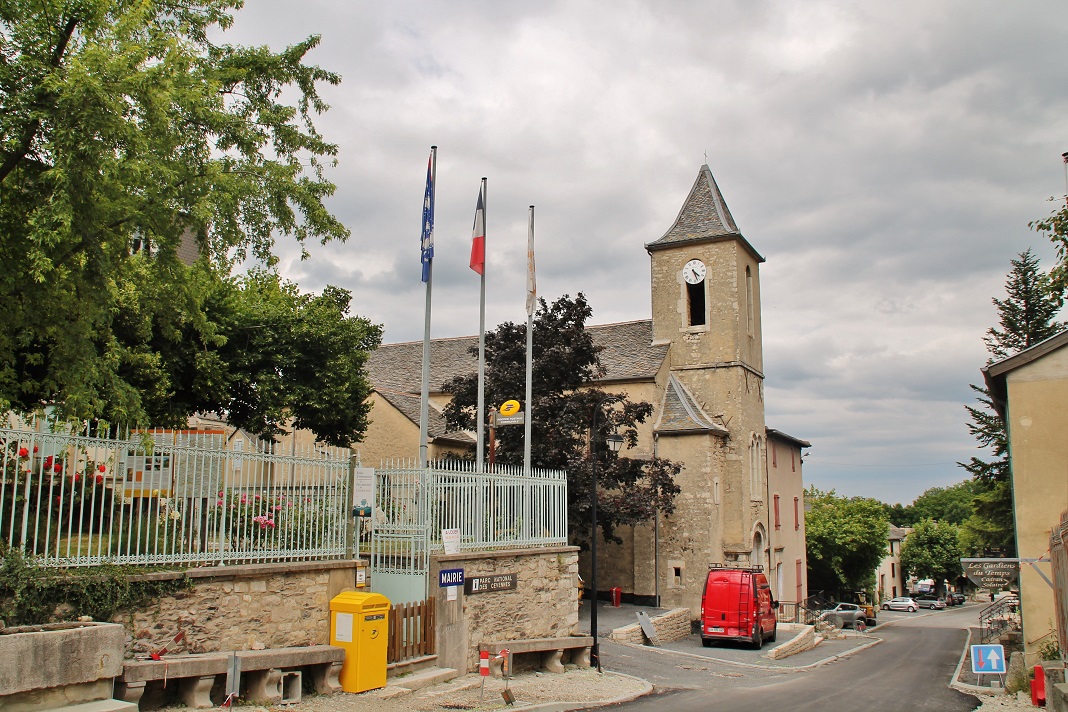
Paris · France
Le Marais: Medieval Streets to Contemporary Cool
Paris, France
Centre Pompidou: inside-out architecture meets medieval streets Marché des Enfants Rouges: Paris's oldest covered market since 1615 Rue des Rosiers: living Jewish community with 700 years of heritage Hidden Renaissance courtyards behind ordinary Marais doors Place des Vosges: Paris's oldest and most perfect public square
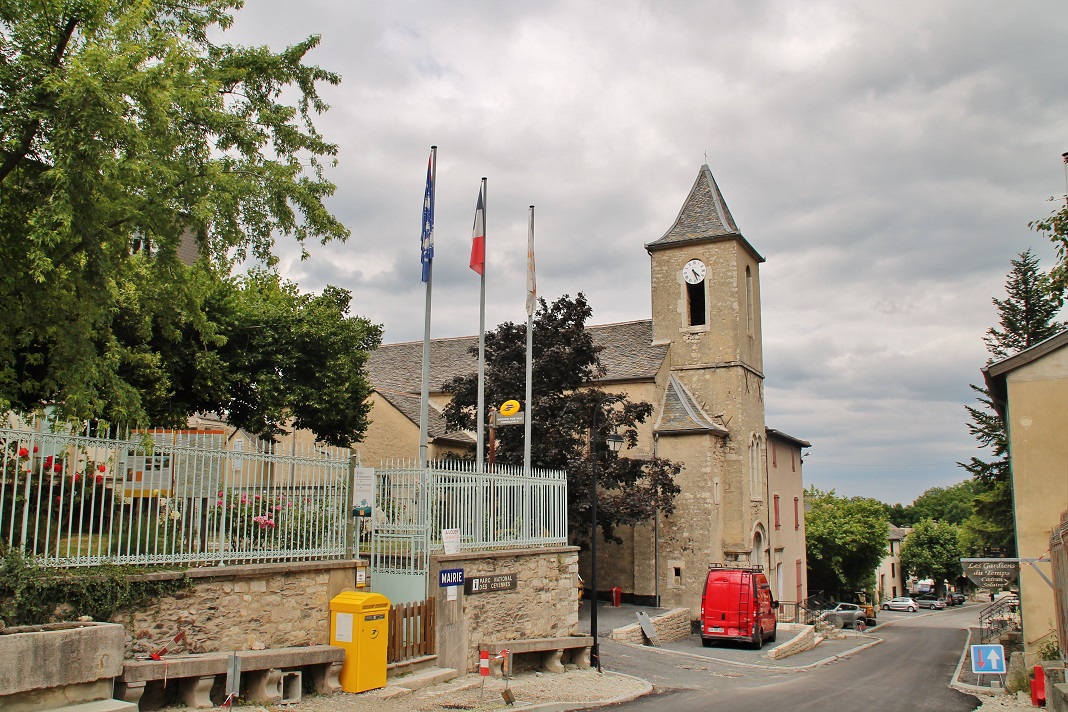
An inside-out postmodern masterpiece that shocked Paris in 1977, the Centre Pompidou houses France's largest modern art collection and serves as a provocation—challenging how we see architecture itself.
Paris's oldest covered market, established in 1615 and still thriving as a vibrant gathering place where food vendors from around the world keep alive centuries of commercial and social tradition.
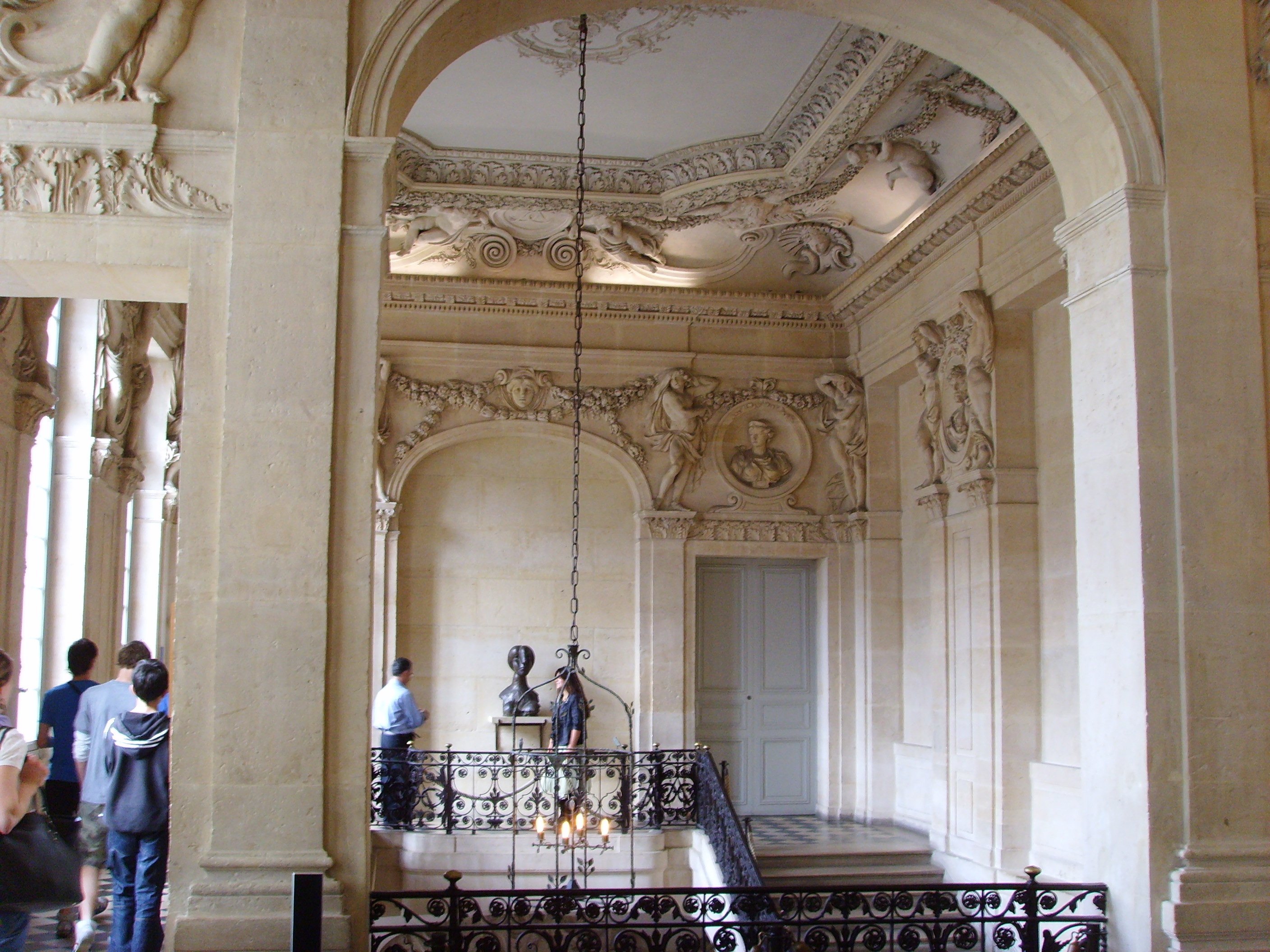
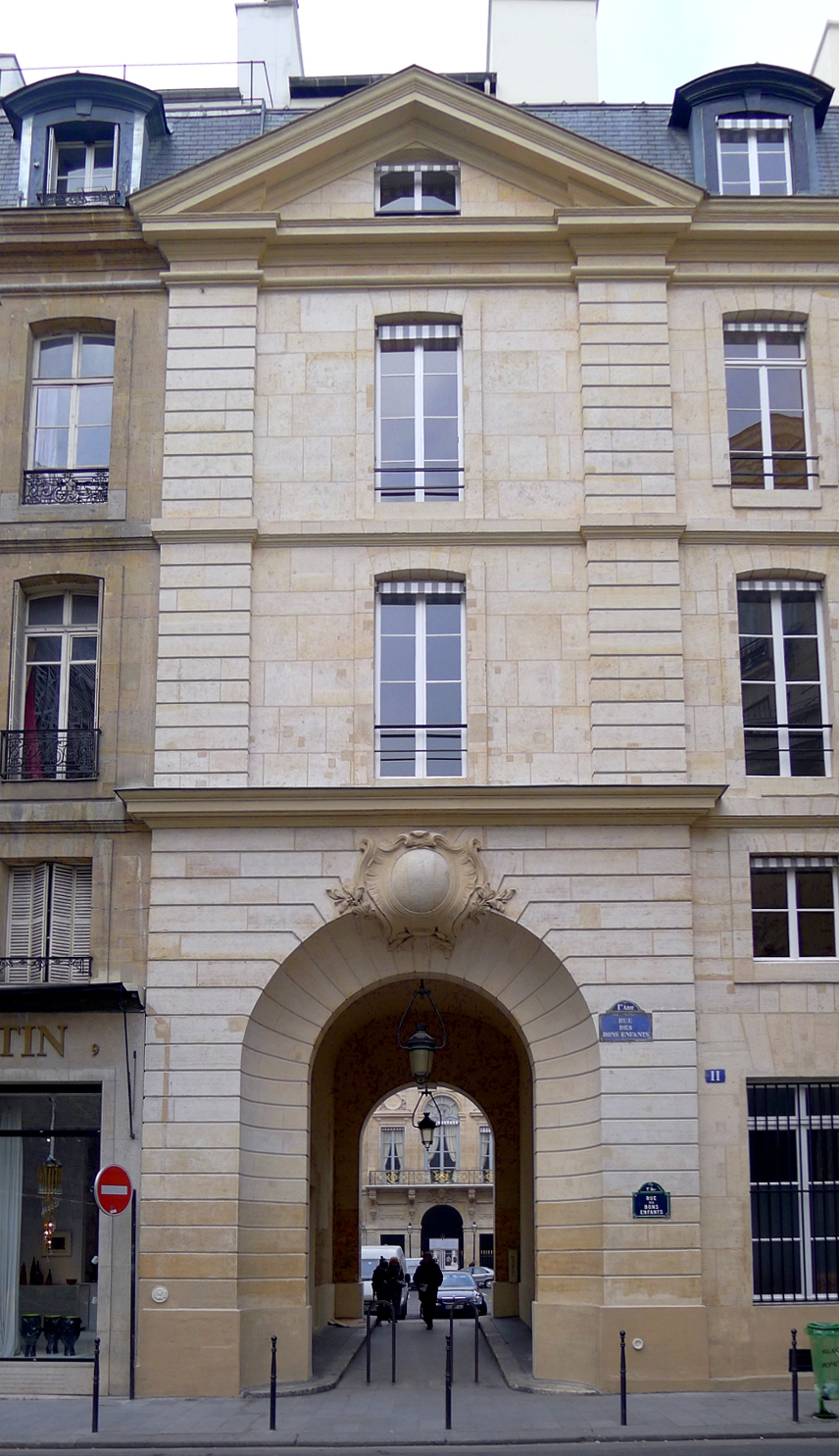
The world's largest Picasso collection housed in the Hôtel Salé, an 18th-century mansion built by a wealthy salt tax collector. Here, modern art and architectural heritage converge in one of the Marais's most important cultural landmarks.
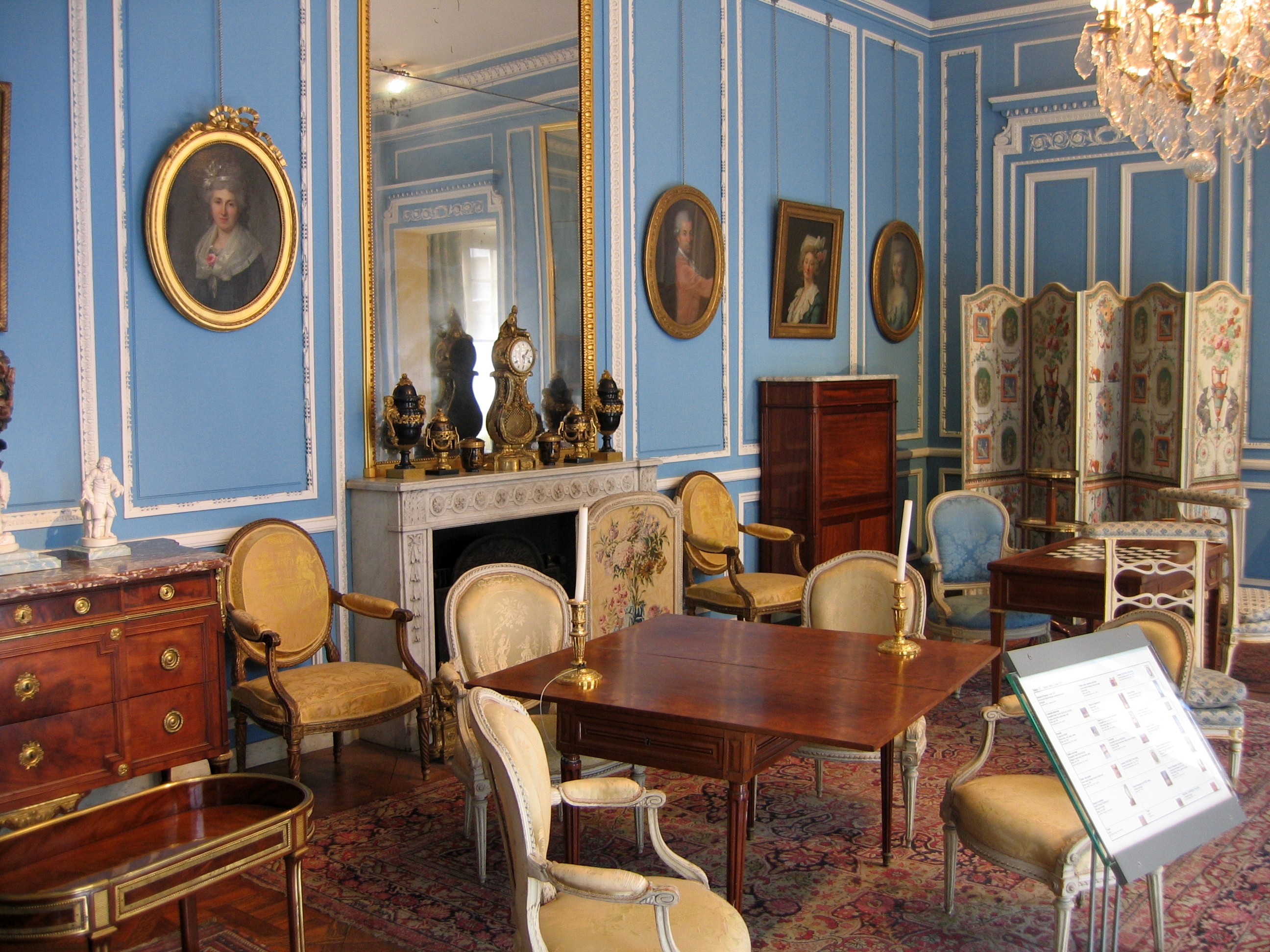
A Renaissance mansion transformed into Paris's comprehensive history museum, where two connected buildings document the city from medieval times to the present day. Once home to Madame de Sévigné, it sits at the heart of the Marais's aristocratic legacy.
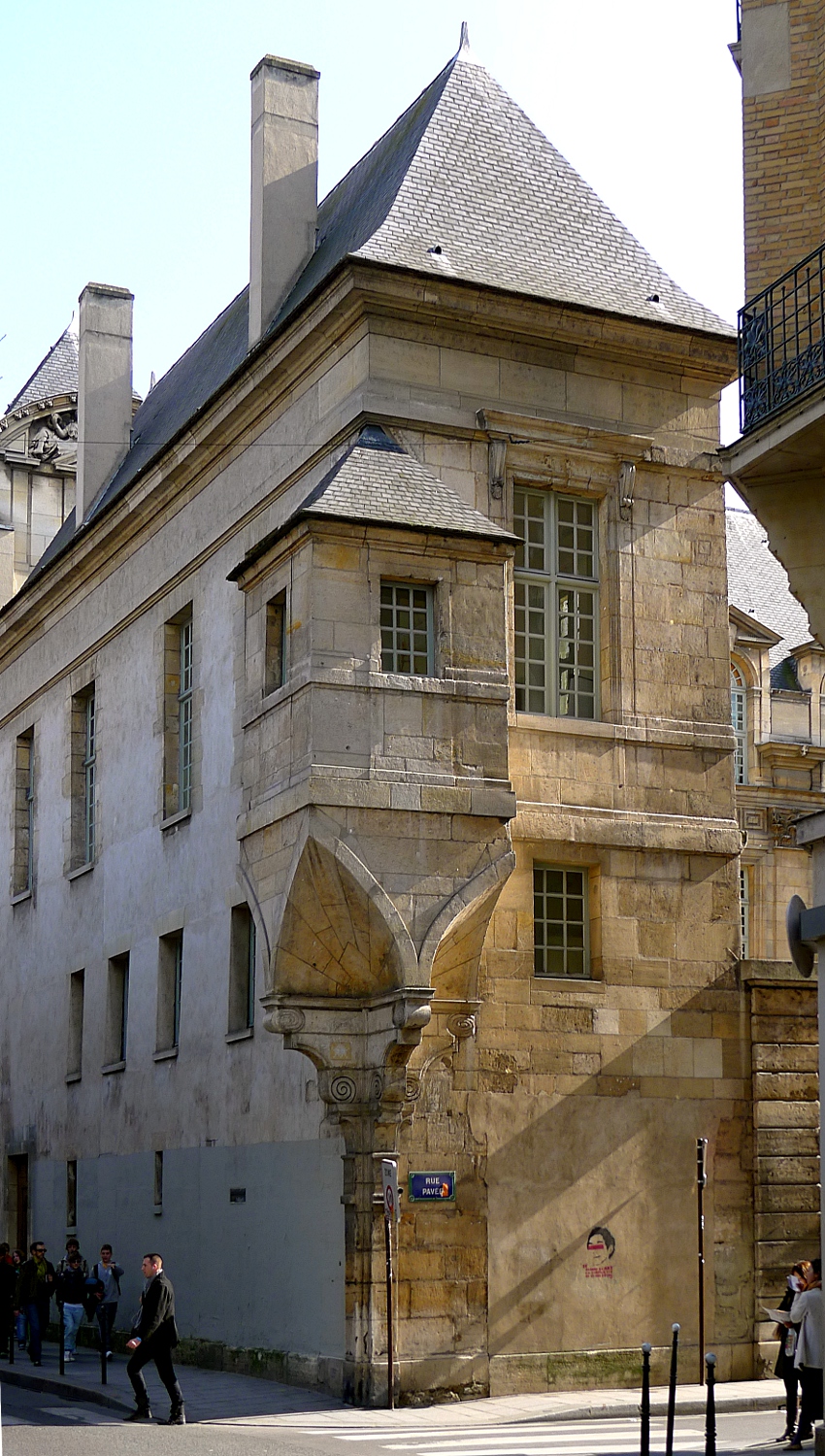
Narrow winding streets following medieval street patterns—Rue de Turenne, Rue de Francs-Bourgeois, and Rue Vieille du Temple show the architectural continuity of centuries-old urban design, where the physical texture of medieval Paris still shapes how we walk and move through the neighborhood.
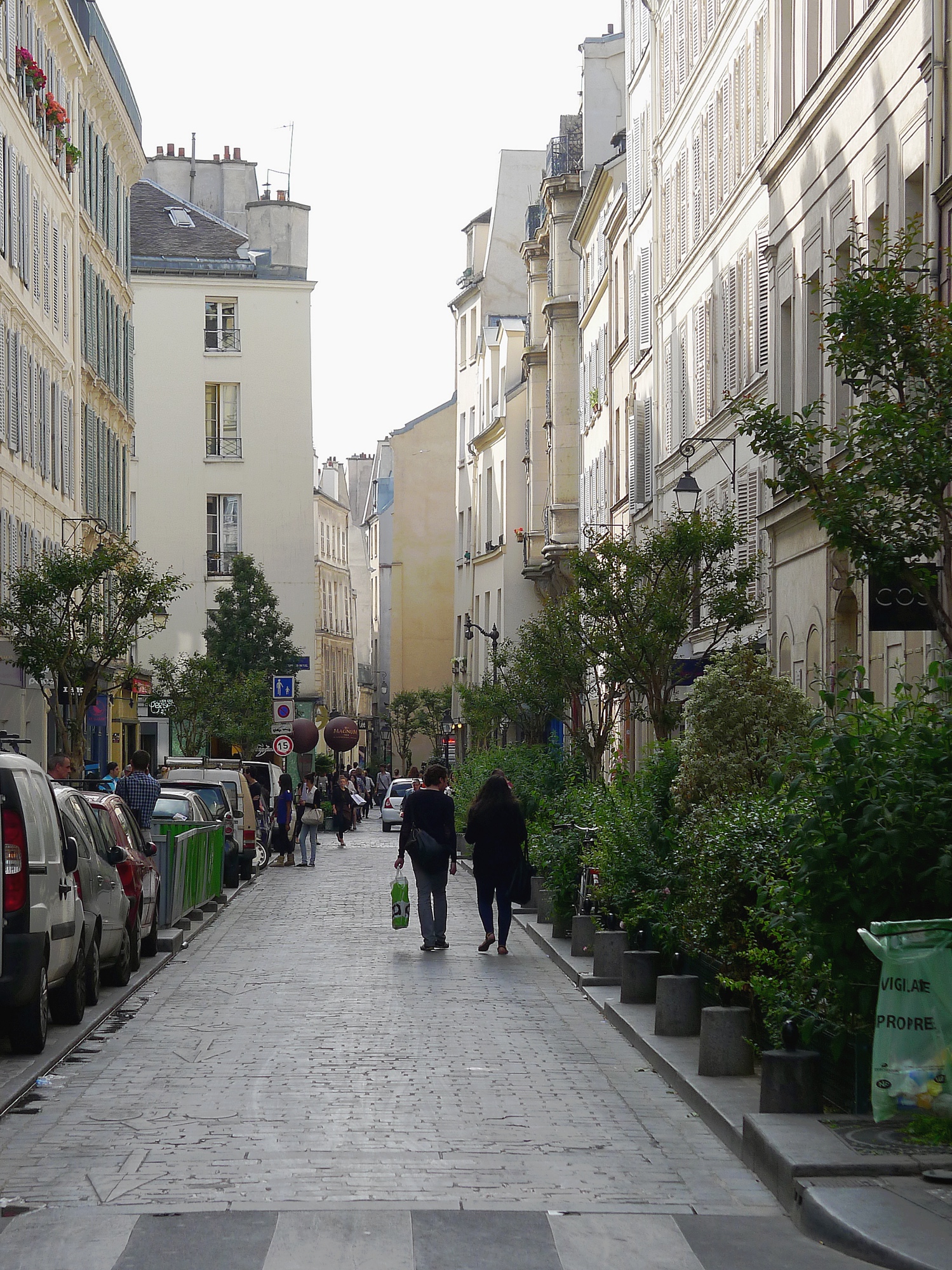
A narrow medieval street where Jewish community life continues in kosher restaurants, delis, and bakeries—a place where cultural continuity and resilience unfold in the shadow of historic architecture.
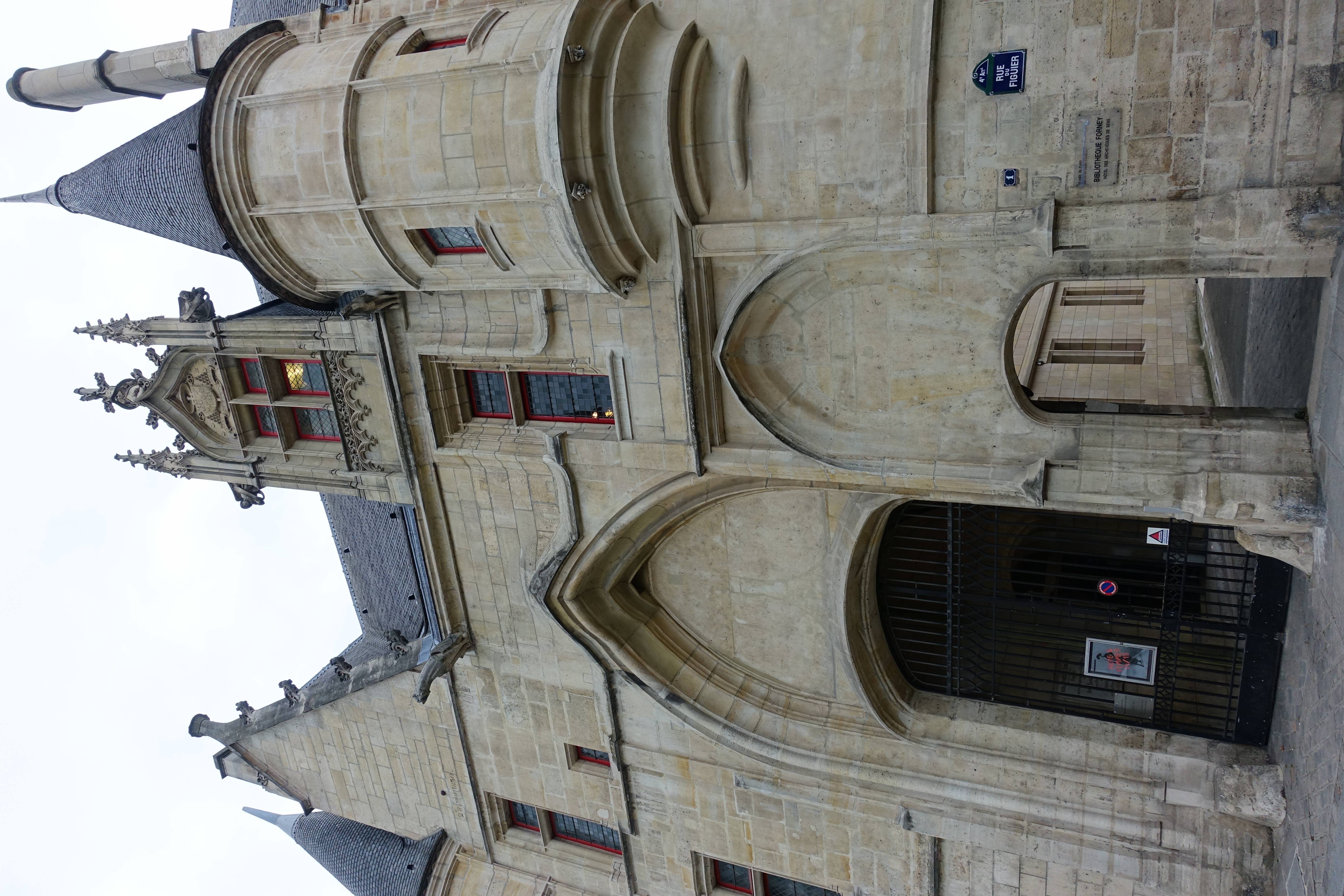
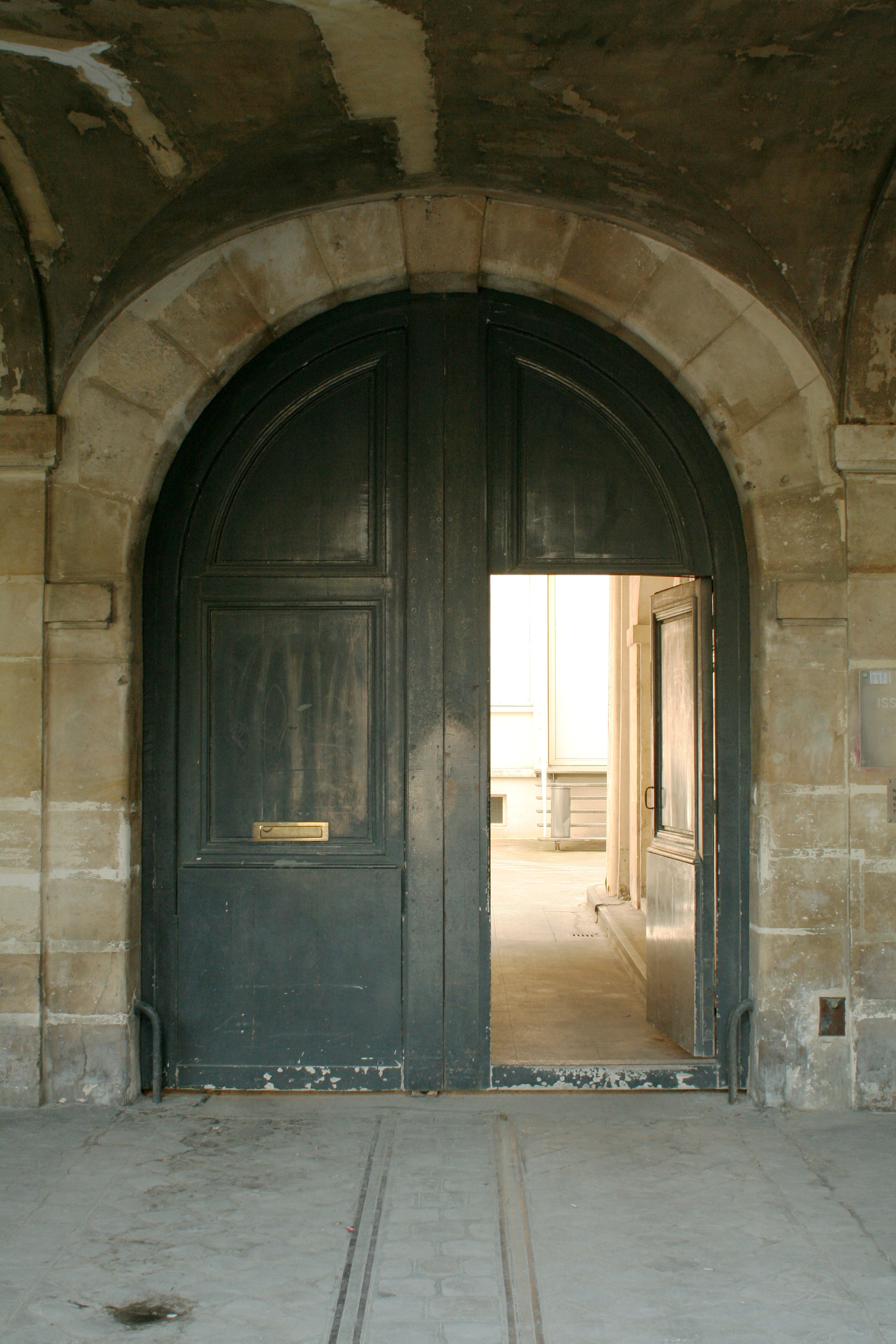
Medieval alleyways and Renaissance courtyards tucked behind street-level facades reveal the Marais's spatial complexity—secret gardens and passages where aristocratic families once lived. Push open a door; you might find yourself in another world.
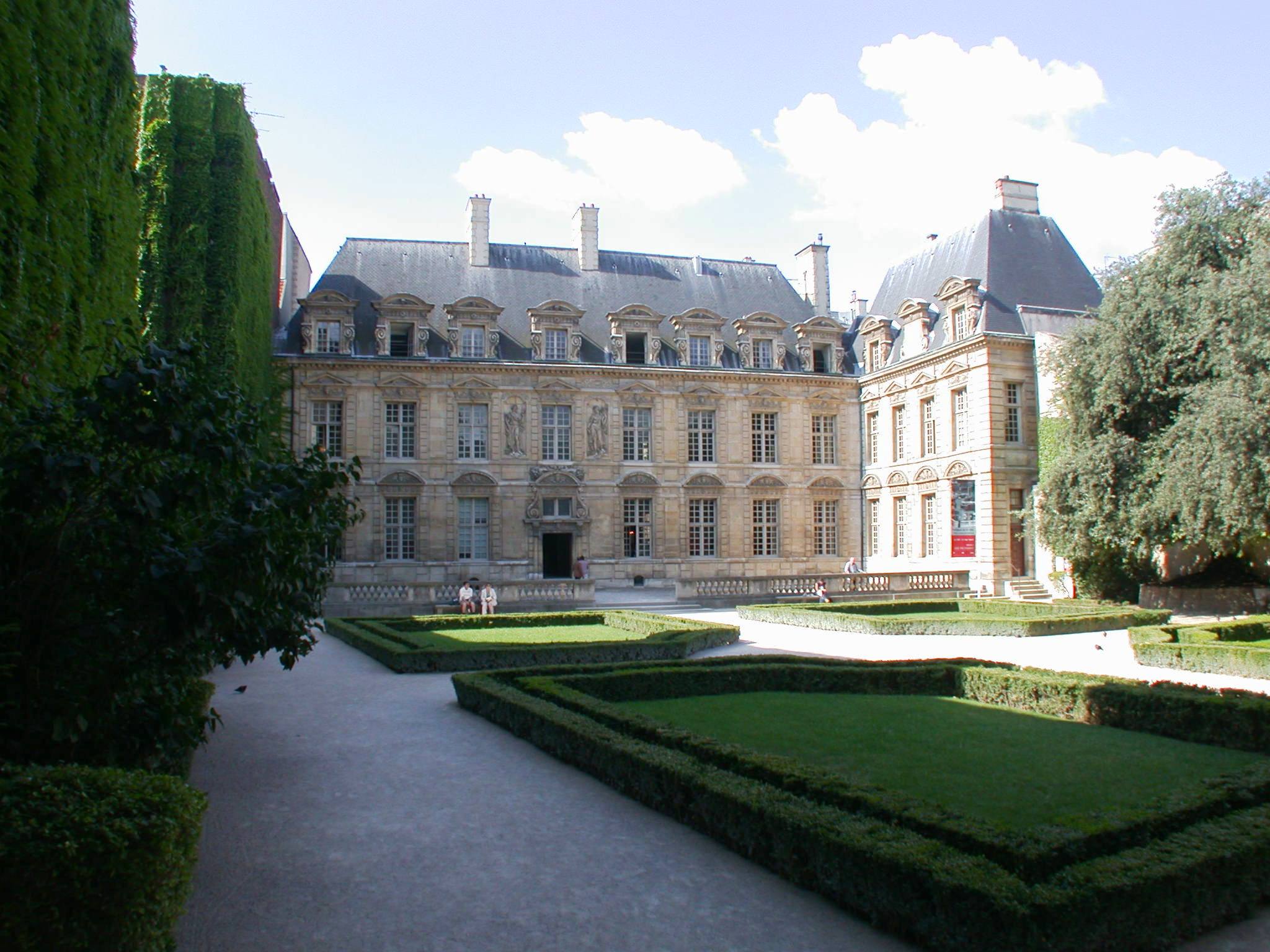
A magnificent 17th-century mansion that exemplifies aristocratic grandeur in the Marais, featuring a Renaissance courtyard that connects directly to Place des Vosges through a hidden passage. Built for Henry IV's finance minister, the Hôtel de Sully represents the peak of aristocratic achievement in an era when the neighborhood defined Parisian elegance.
The oldest public square in Paris—an architectural marvel of perfectly symmetrical arcaded galleries and aristocratic mansions built beginning in 1604 as Place Royale, Henry IV's vision of urban perfection.
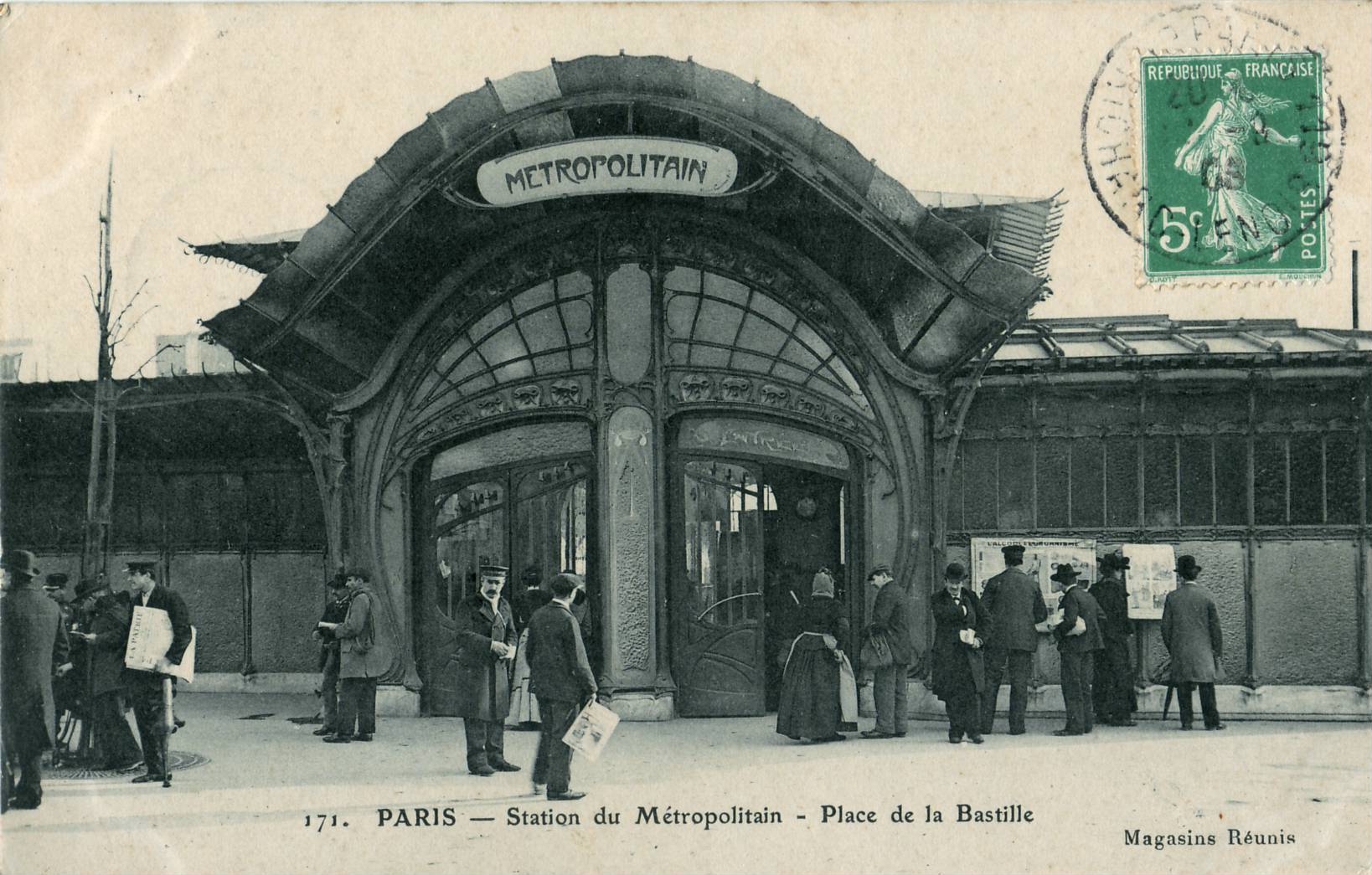
The Place de la Bastille marks where the 14th-century fortress-prison once stood, its storming on July 14, 1789, sparking the French Revolution. Today, the July Column commemorates this pivotal moment, with the modern Opéra Bastille representing contemporary culture replacing royal oppression.
This is the real story from one stop on this walk — every stop has one.
Explore a century of decorative architecture, from the glass-roofed shopping passages of the 1800s through Belle…
Explore Paris through its food—from fromageries and morning markets to a three-course bistro lunch and wine education.…
Trace the dramatic arc of the French Revolution through the streets where it unfolded—from the execution ground at Place…
We use cookies to analyse site traffic and improve your experience. You can choose to accept or reject analytics cookies. Learn more