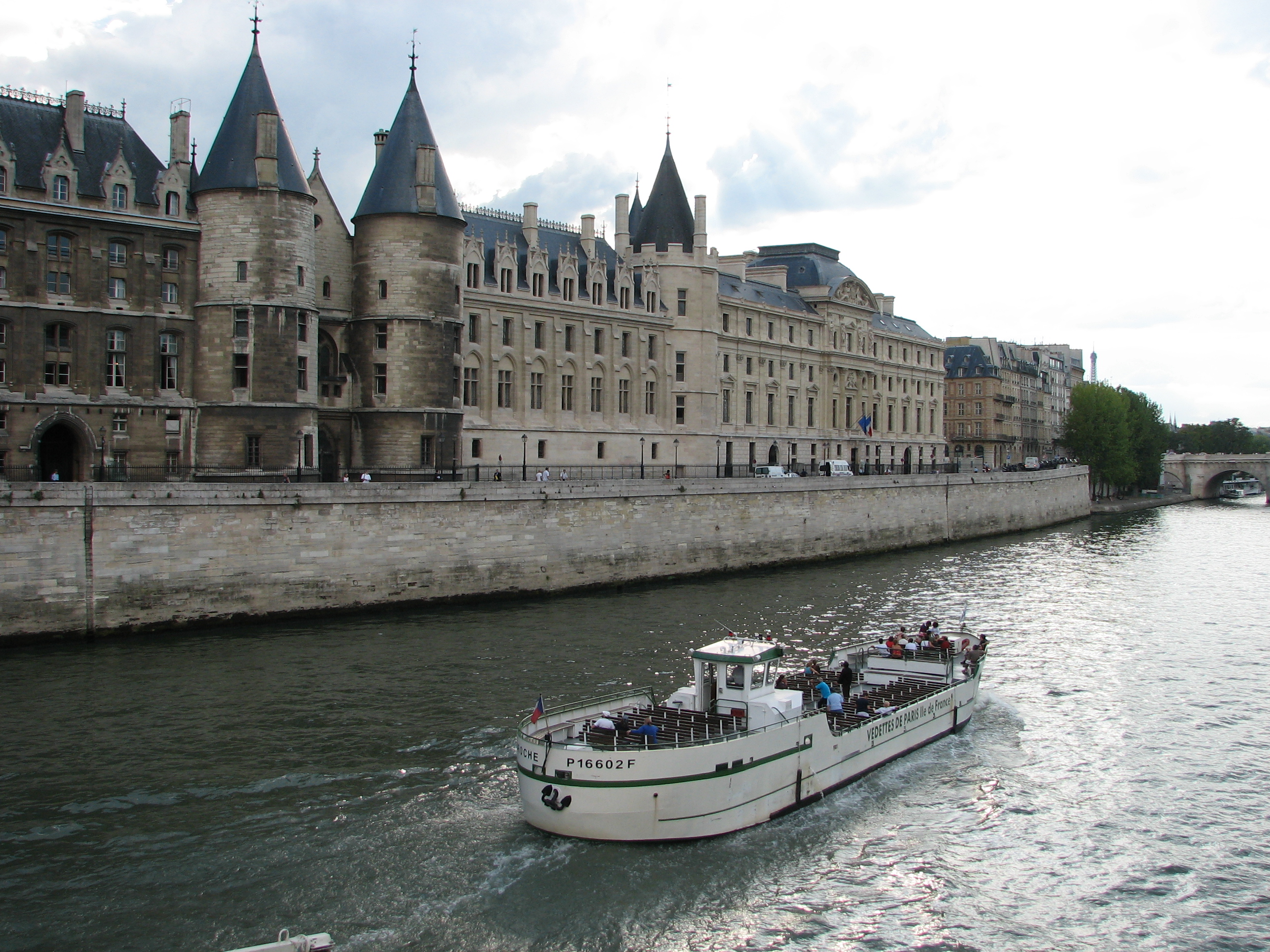
Medieval & Gothic Paris
Paris · France

Medieval & Gothic Paris

Paris, France
111
Duration (min)
4.2
Distance (km)
10
Stops
Easy
Difficulty

Description

Explore the medieval foundations of Paris, from underground Roman ruins beneath Notre-Dame to the soaring Gothic vaults of Sainte-Chapelle. This route weaves through the oldest quarters of the city—Île de la Cité, the Latin Quarter, and the pre-Haussmann streets of the Marais—revealing how medieval builders shaped the Paris we know today.

Highlights

Notre-Dame's Gothic engineering and flying buttresses up close The Archaeological Crypt: Roman and medieval Paris preserved underground Sainte-Chapelle's jewel-box interior of floor-to-ceiling stained glass Saint-Séverin's Flamboyant Gothic palm-tree columns Place des Vosges: Paris's oldest planned square, completed in 1612
Tour Stops

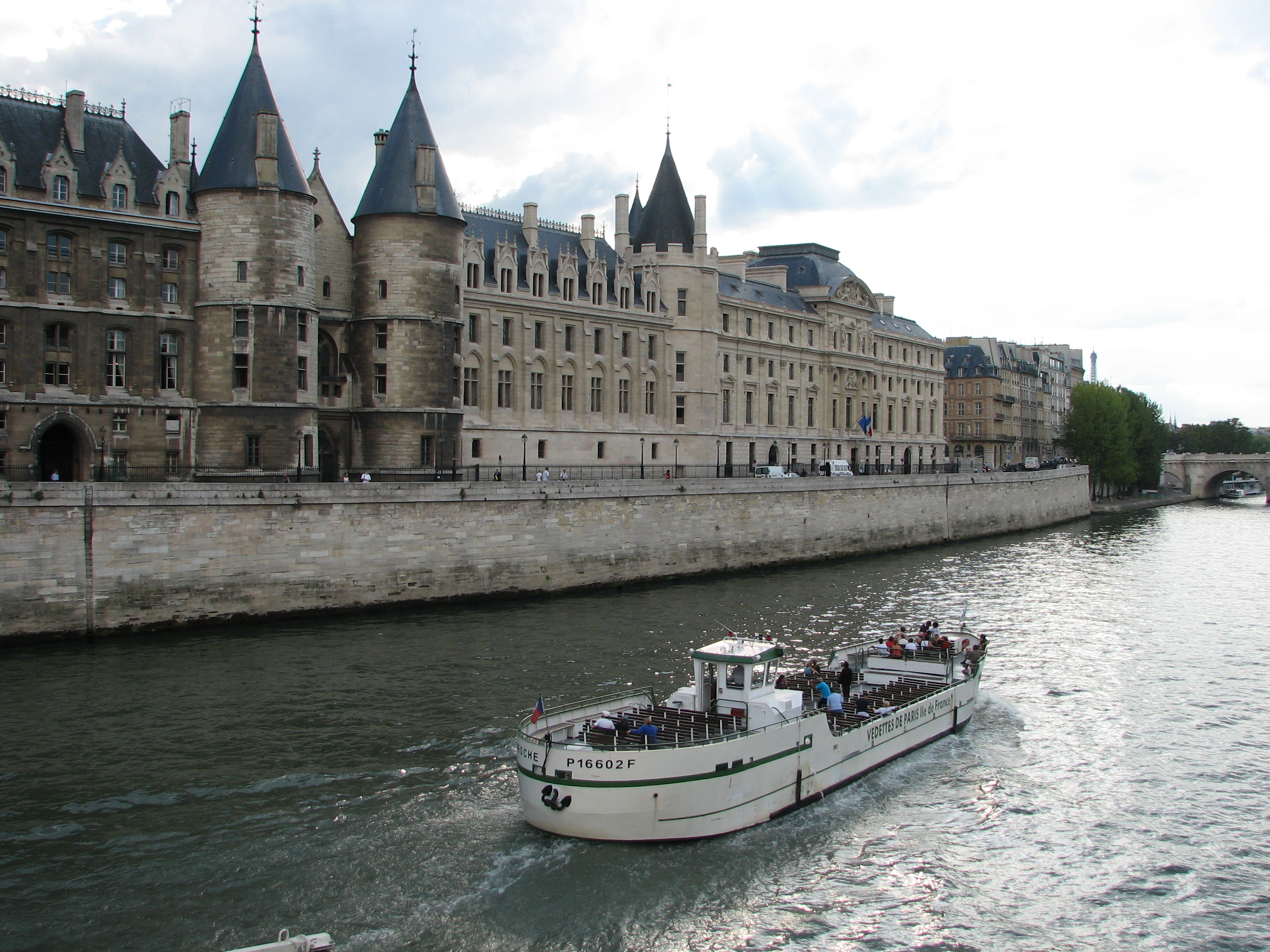
La Conciergerie
1

La Conciergerie

6 min

A 13th-century royal palace transformed into a Revolutionary prison, La Conciergerie reveals medieval power's architecture alongside Marie Antoinette's cell—where history is literally written in vaulted stone.
Saint-Étienne-du-Mont
2

Saint-Étienne-du-Mont

5 min

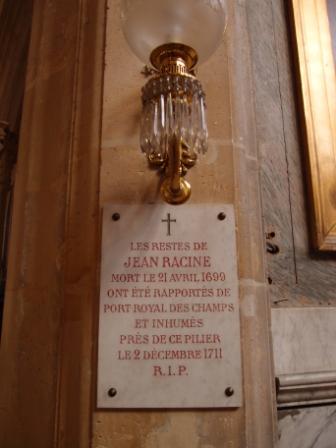
A 16th-century Late Gothic and Renaissance hybrid church in the Latin Quarter, remarkable for being the only surviving rood screen in Paris and housing the shrine of St. Geneviève, the city's patron saint.
Panthéon
3

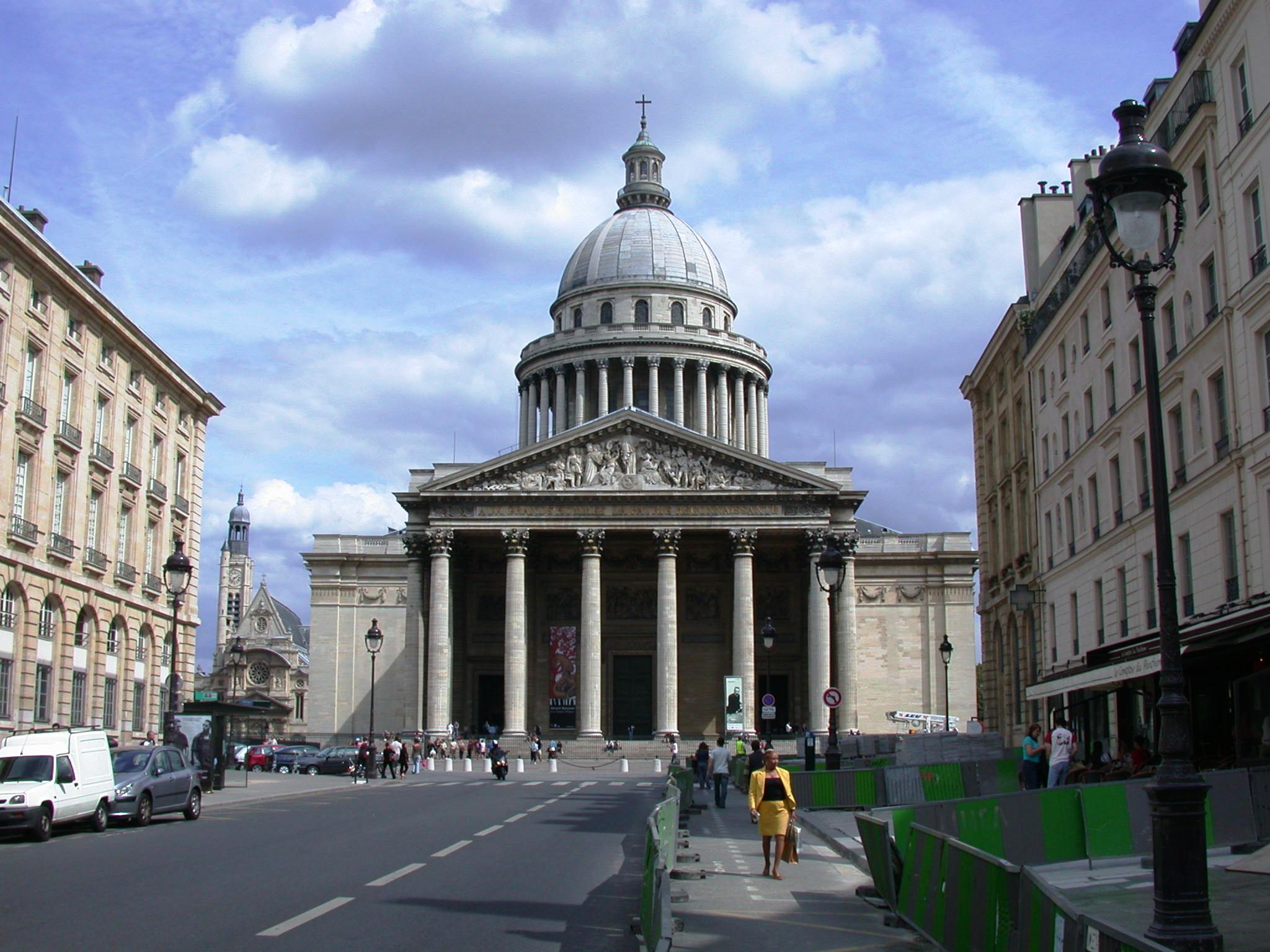
Panthéon

6 min

Originally the church of Sainte-Geneviève, the Panthéon was secularized during the French Revolution and transformed into a neoclassical mausoleum honoring France's greatest intellectuals and scientists. It represents the architectural and philosophical pivot from medieval religious devotion to Enlightenment rationalism.
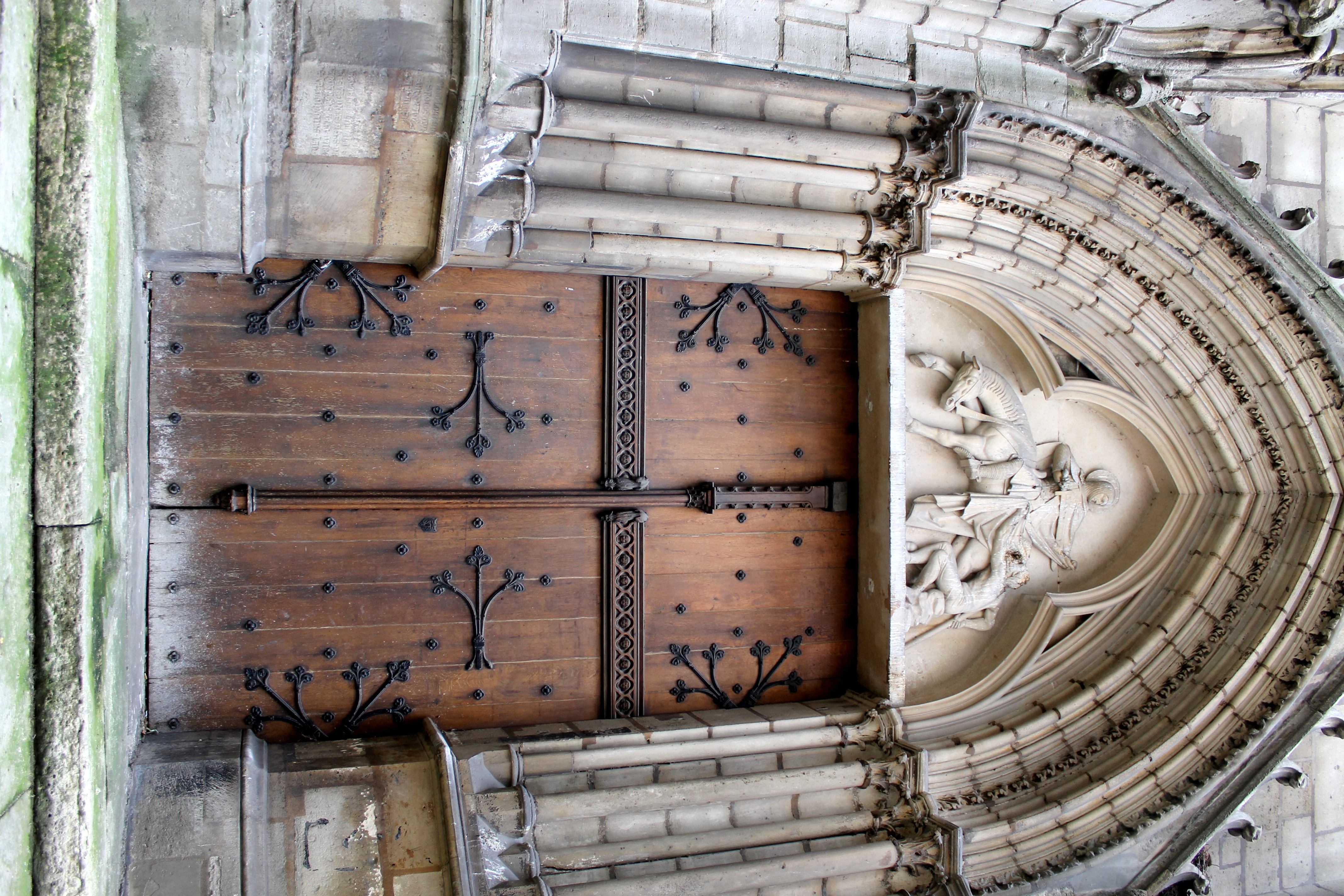
Saint-Séverin Church
4

Saint-Séverin Church

5 min

A masterpiece of Flamboyant Gothic architecture, Saint-Séverin was the parish church for the University of Paris students and features the city's oldest surviving bell, cast in 1412. The church's ambulatory displays the famous spiral columns that resemble stone palm trees, representing the height of late medieval engineering imagination.
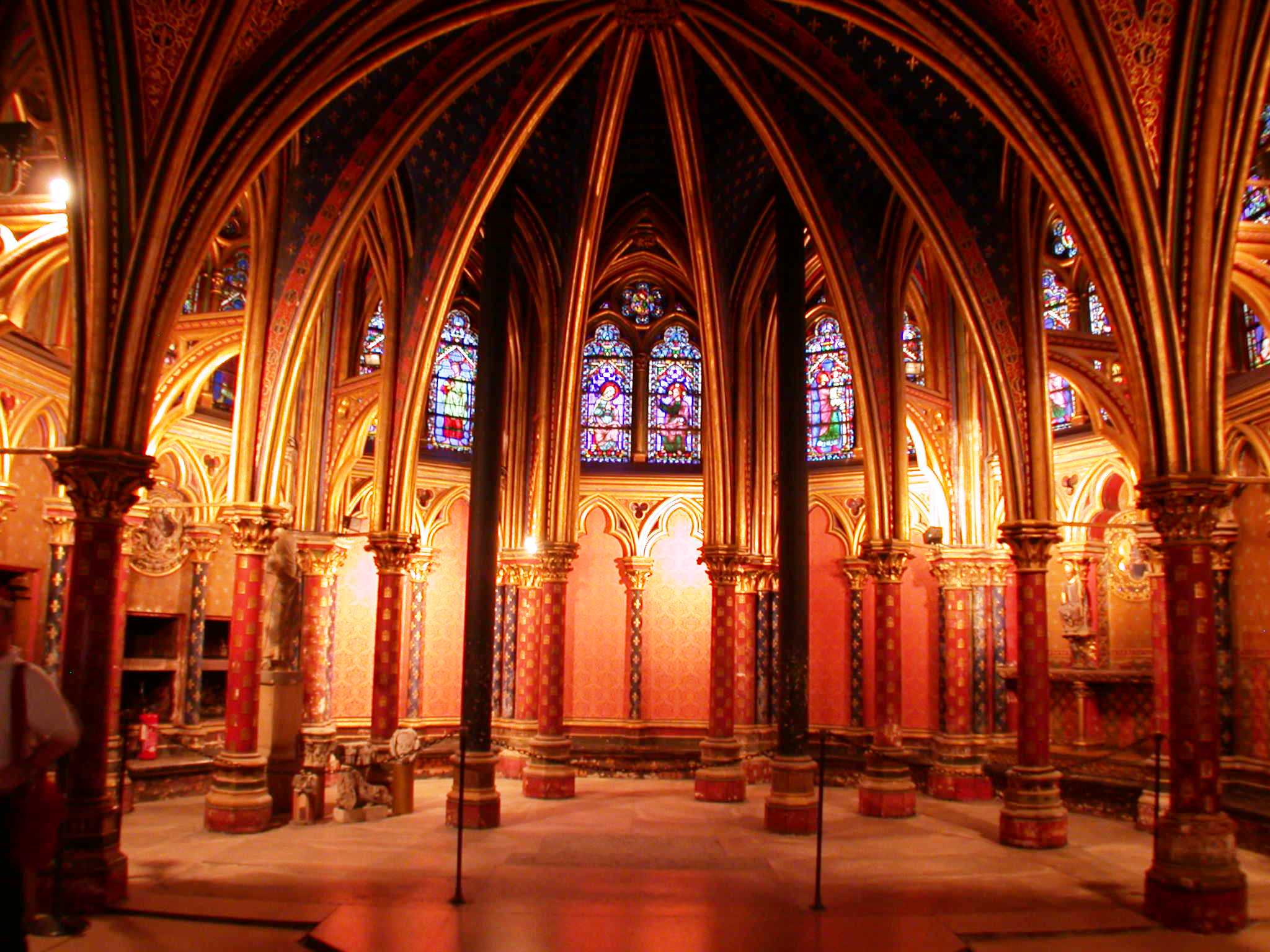
Sainte-Chapelle
5

Sainte-Chapelle

7 min

Built in just 7 years by Louis IX to house sacred relics, Sainte-Chapelle (1248) represents the pinnacle of Gothic architecture—a 13th-century chapel where 1,113 stained glass panels dissolve stone walls into light itself.
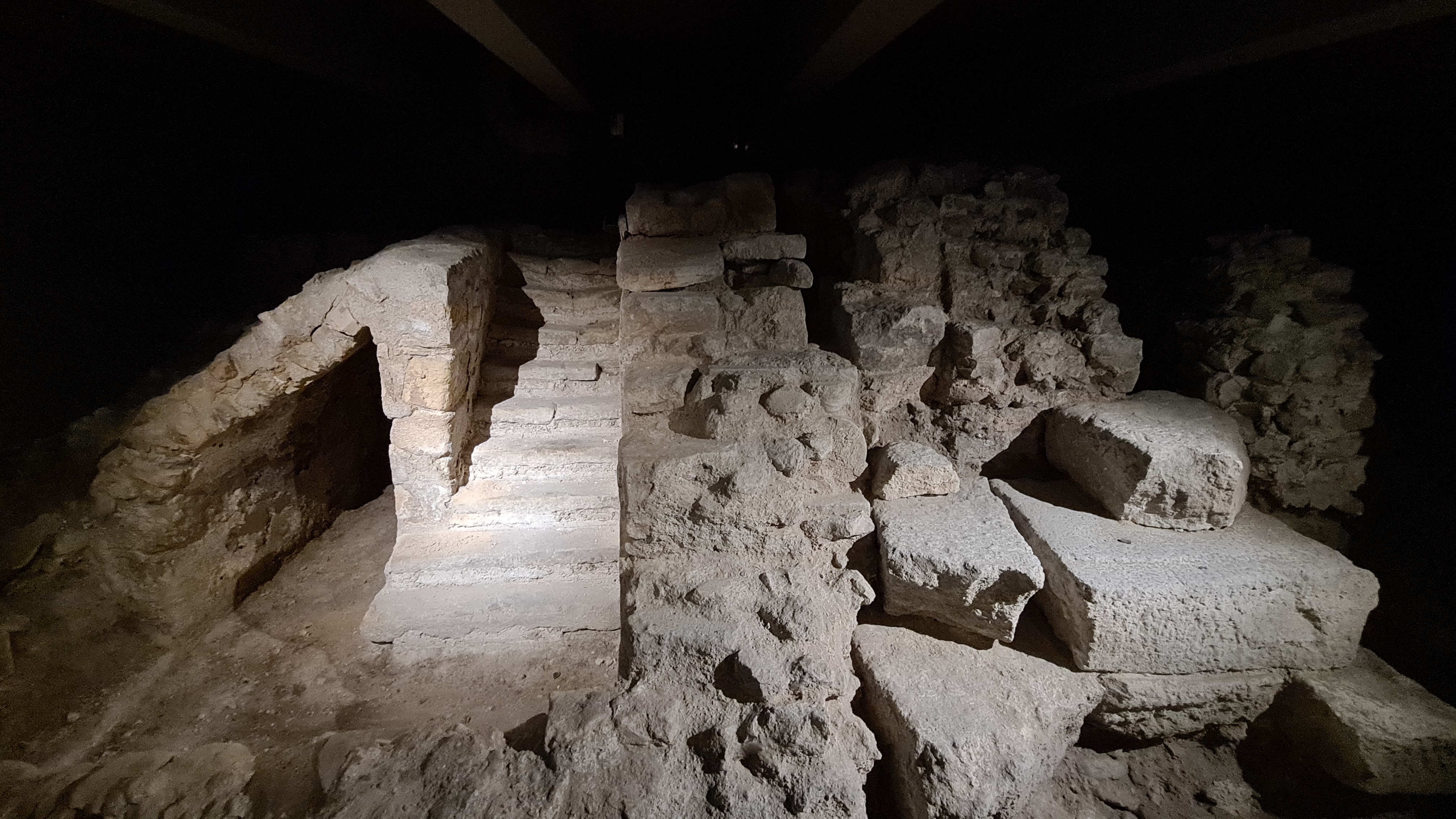
Archaeological Crypt (Crypte Archéologique)
6

Archaeological Crypt (Crypte Archéologique)

7 min

Below the medieval Parvis lies the Archaeological Crypt, an underground museum revealing 2,000 years of Paris layered in stone—from Roman quays and thermal baths to Merovingian foundations and medieval cellars, all preserved beneath the streets you walk on.
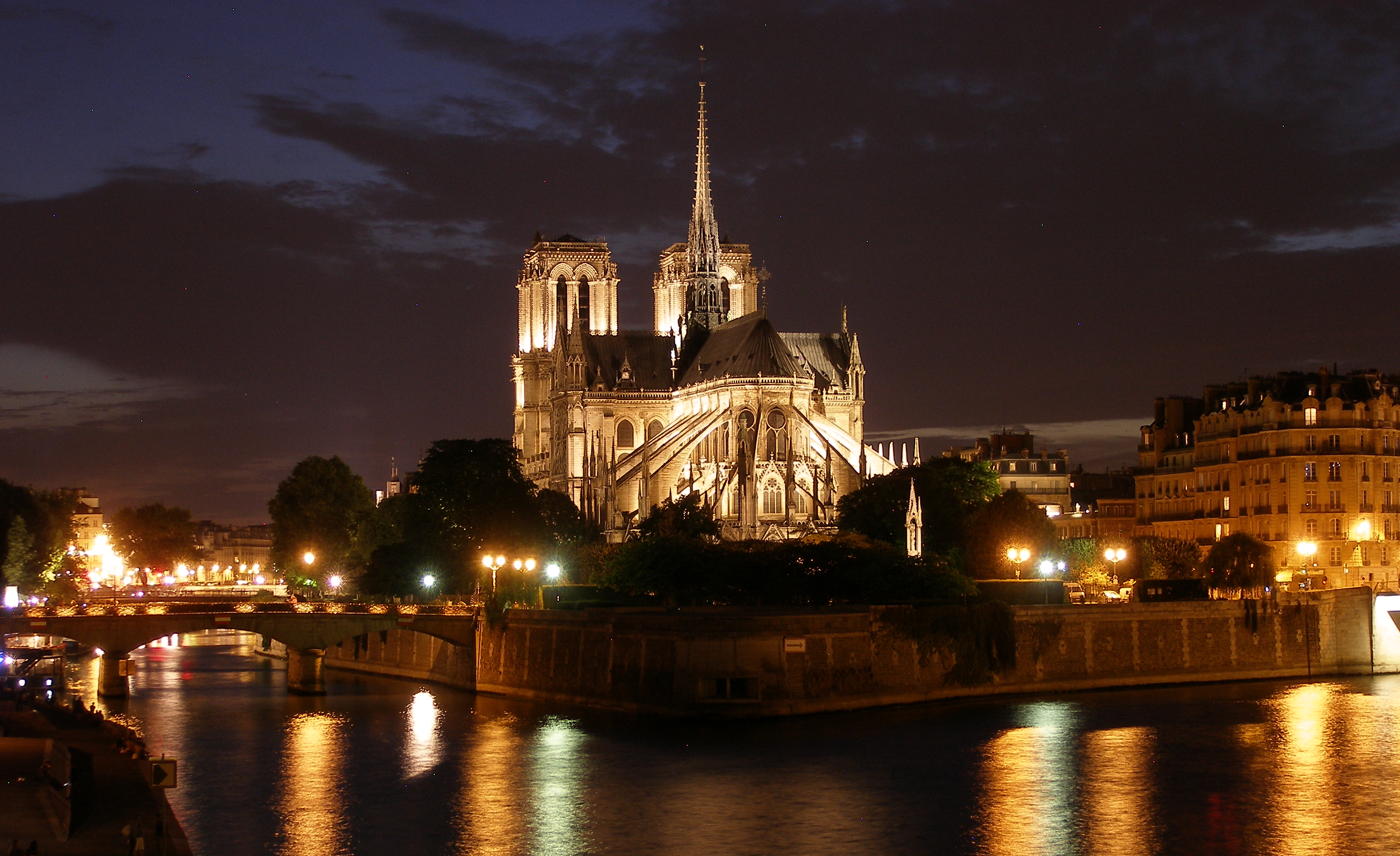
Notre-Dame Cathedral
7

Notre-Dame Cathedral

6 min

The definitive Gothic cathedral, begun in 1160 and embodying 800 years of medieval engineering ambition, featuring flying buttresses and rose windows that represent the height of medieval religious architecture. Though damaged by fire in 2019, Notre-Dame remains the structural and spiritual heart of medieval Paris.
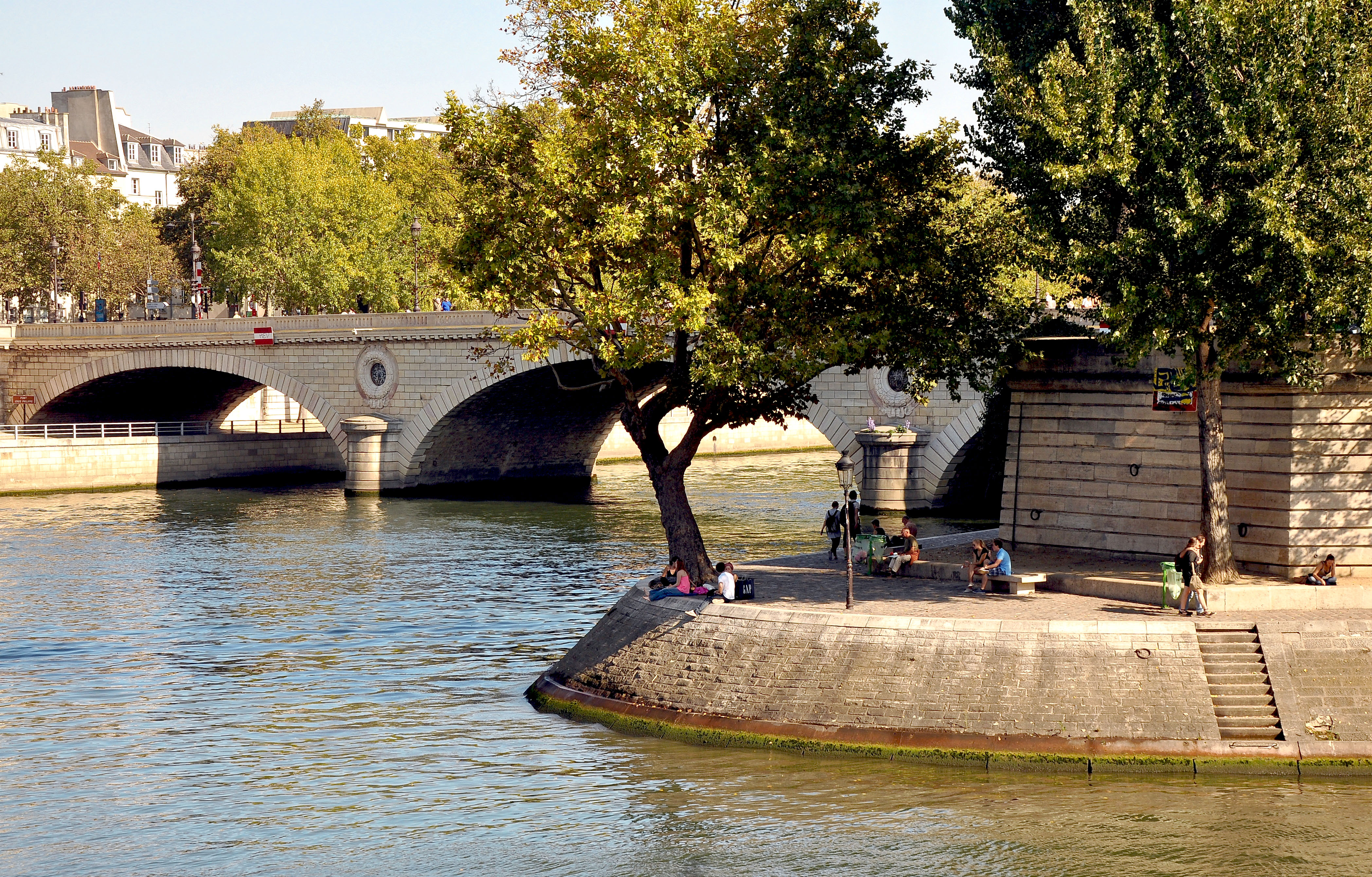
Île Saint-Louis
8

Île Saint-Louis

4 min

A 17th-century residential island featuring narrow streets and elegant mansions that preserve medieval-era urban density and intimate scale. Once swampy and undeveloped, it became a planned quarter that escaped modernization.
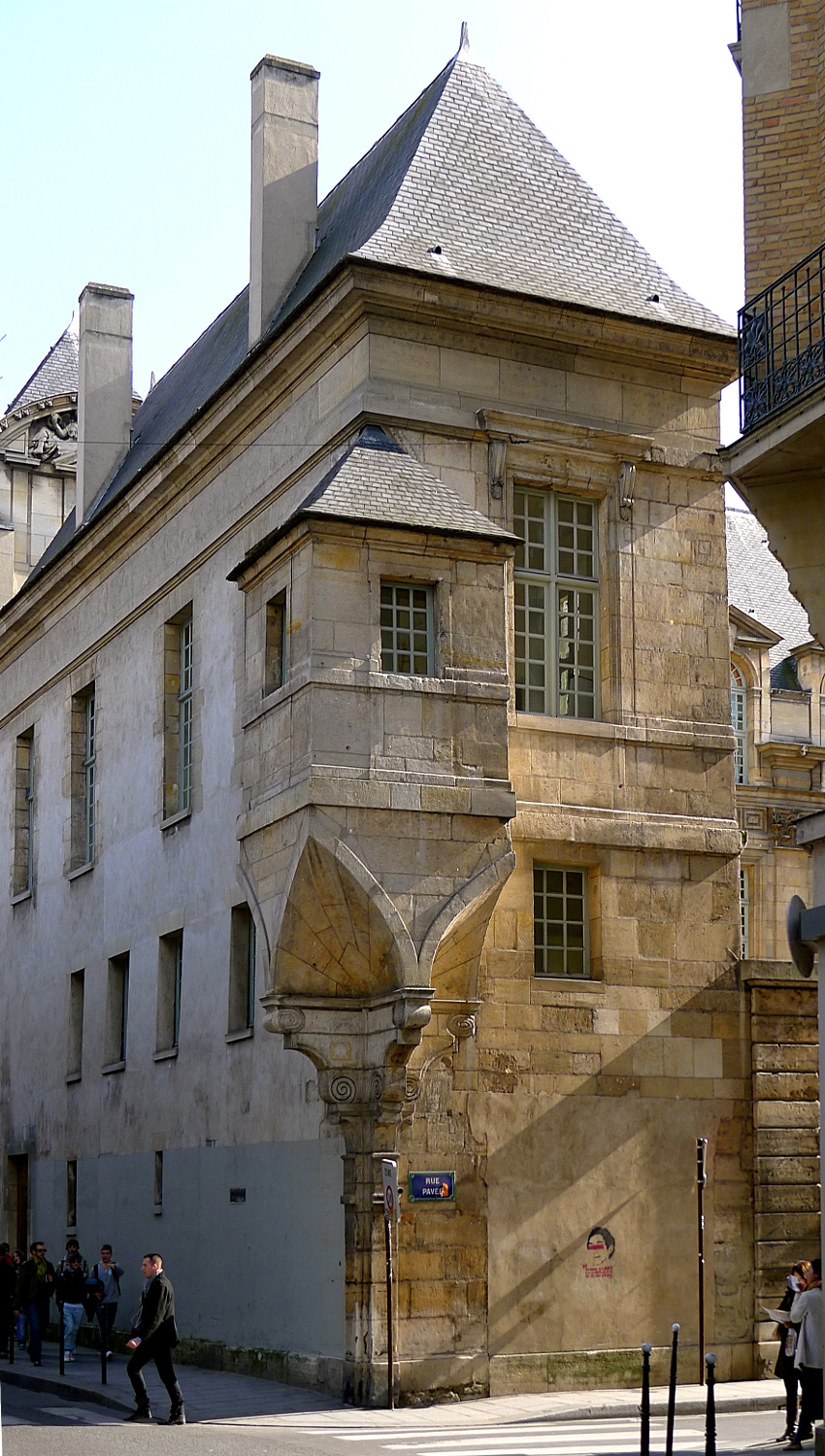
Medieval Marais Streets
9

Medieval Marais Streets

5 min

The Marais preserves pre-Haussmann medieval Paris with its narrow, winding streets and hidden courtyards that survived because the neighborhood fell from fashion. This dense urban fabric reveals how medieval Parisians actually lived and moved through the city.
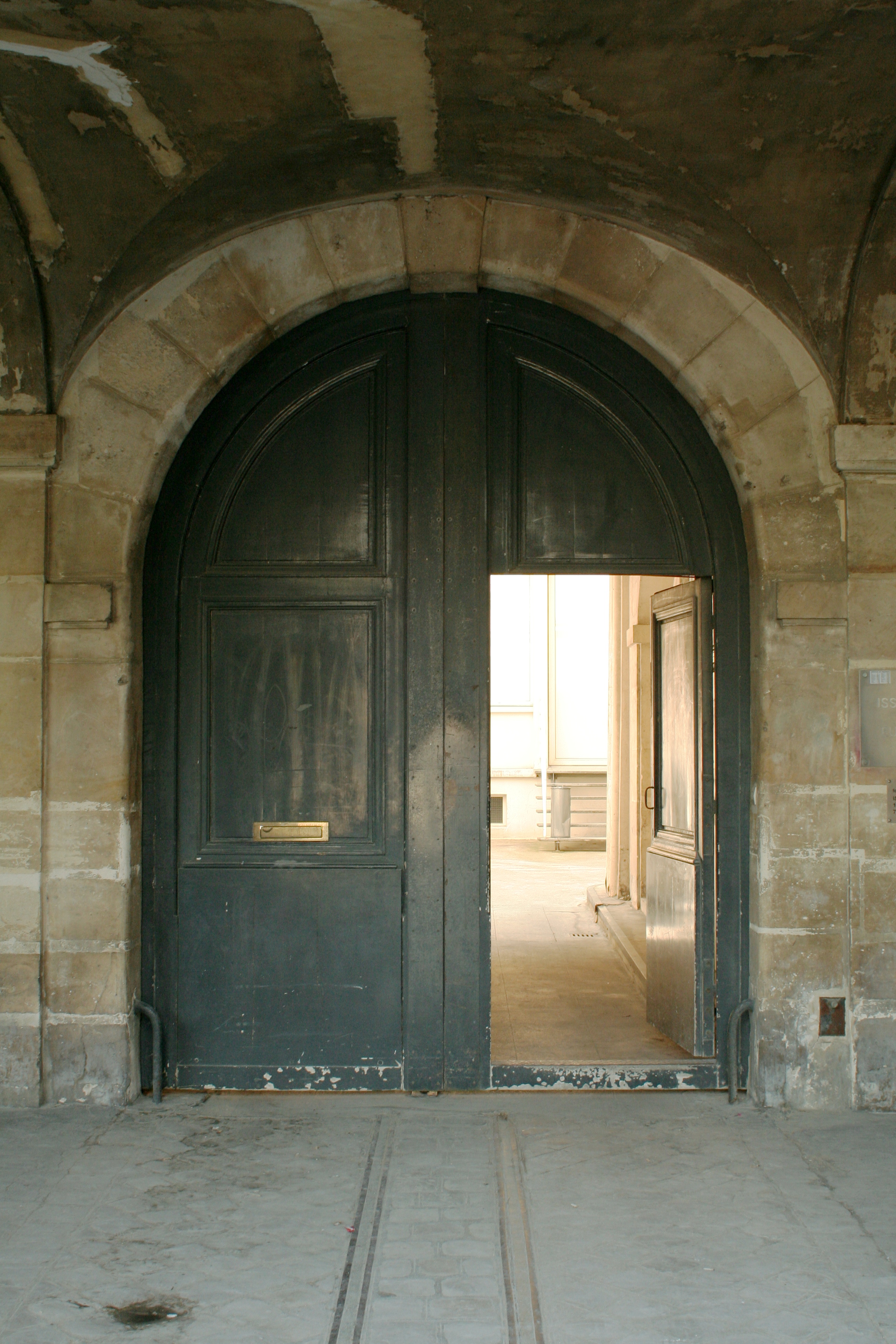
Place des Vosges
10

Place des Vosges

5 min

Paris's oldest public square, completed in 1612 by Henry IV, features perfectly symmetrical arcaded galleries and pink brick facades that mark the end of medieval urbanism and the beginning of Renaissance geometric order.

A Taste of the Tour

This is the real story from one stop on this walk — every stop has one.

La Conciergerie

You're standing at the threshold where power lived. La Conciergerie rises before you—a 13th-century fortress that held kings, then revolutionaries, its Gothic towers reading like a diary written in stone. Today, you'll walk through layers of medieval Paris still humming beneath the city's skin. Centuries folded into blocks. A capital that survived plague, war, fire, and transformation. Watch the light hit vaulted ceilings. Notice where new stone patches old scars. Listen to how space echoes differently in churches built when people believed God could be reached through geometry. This walk isn't about dates. It's about learning to read what medieval builders left behind—the engineering secrets, the spiritual ambitions, the small rebellions hidden in decorative details. Three kilometers. One hundred minutes. One extraordinary conversation between stone and sky. We're standing at the gateway of medieval power. Behind you is the Seine, one of Paris's two ancient islands, the Île de la Cité, which became the beating heart of royal and religious authority. This building—La Conciergerie—is what's left of the Capetian royal palace, and it's going to teach us something essential about how medieval thinking moved through stone. Look at the towers. The two that bookend this riverside facade, with their distinctive conical roofs, are called the towers of Gendarmes—one of them dates to the 13th century. When you look at medieval power, you have to look up. Every stone is telling you something. Those towers weren't just defensive—they were statements. The Capetian kings lived here before they moved to the Louvre, and the presence, the weight, the unapproachability of stone and height was the entire point. You couldn't miss power when it was literally elevated above your head. This was before glass windows became common, before comfort was a priority. Medieval architecture was about making you feel something. Now, step inside. We're about to enter the Salle des Gens d'Armes—the Hall of Men-at-Arms. This is the largest surviving medieval hall in Europe. When you walk in, don't look at where you're standing. Look up. Really look. What you're seeing is a vaulted ceiling, four bays of it, with Gothic ribbed vaults that seem to defy the weight pressing down from above. this is medieval engineering at its peak, and more than that, it's medieval thinking made physical. The ribbed vaults aren't just decorative flourishes. They're solutions to a structural problem that medieval architects had solved through centuries of trial, failure, and increasing confidence. The ribs channel the load of the stone, the weight, down through the pillars rather than asking the walls to carry everything. Watch how the ribs converge. They're not random—they're a kind of stone skeleton, and the vault fills in the gaps. Medieval builders thought in terms of frames and forces. They trusted stone to follow rules. And they were right. Every curve, every junction point, was calculated. Not with equations, but with knowledge accumulated through building after building, generation after generation. This hall fed the royal court. Soldiers gathered here. Feasts happened in this space, with musicians playing in a corner, servants moving between the pillars with wine and meat. It was where power was visible and tangible. The scale of it—the sheer volume of air captured by those vaults—was part of the message. Medieval builders understood psychology. Bigness mattered. Height mattered. The way light moved through a space mattered. Every single element was control expressed through architecture. When you stood in this room, you understood you were in the presence of something larger than yourself. Then comes the twist in this building's story, which is why it's the perfect opening stop for our tour. All of this royal power, this medieval confidence in stone and authority, was later converted into a prison during the Revolution. And not just any prison—this is where Marie Antoinette was held in 1793, before her execution. Some of those stone walls, those same walls built to project royal majesty, now contained the last moments of a queen whose dynasty had fractured. When you look at Marie Antoinette's cell—and you'll see it—notice how small and bare it is compared to the soaring space we just left. The contrast is almost violent. Medieval power condensed into isolation. The same building that once said 'I am authority' later said 'I am imprisoned.' This is the kind of layering you're going to see again and again on this tour. History doesn't erase what came before. It builds on top of it, sometimes respectfully, sometimes brutally. It's written in stone, quite literally. Before you leave this building, there's one more thing to understand. This palace complex extended beyond what you see now. Just across from here, almost invisibly connected, is Sainte-Chapelle—Louis IX's private chapel, built in the mid-13th century. The king could move between his palace and his private sacred space without stepping outside. That's not incidental. That's medieval thinking again: the fusion of temporal power and spiritual authority, the idea that the king's access to God and God's access to the king happened through architecture, through proximity, through light and stone arranged in a specific way. We'll visit Sainte-Chapelle later in our tour, and when you see those windows, you'll remember standing here in these vaults. The Conciergerie opens our tour because it shows us the foundation of everything medieval Paris became. It's power, yes, but it's also ingenuity. It's confidence in what stone could do, what space could communicate, what height and light and order could mean to people who entered these rooms. And then, later, it became a prison—a reminder that all power, no matter how confidently it builds in stone, is eventually vulnerable to the forces of time and revolution. Take one more look at those vaults before we move on. Medieval Paris is going to keep building upward from here.

More Tours in Paris

Nearby Cities

Back to Paris Tours

Cookie Consent

We use cookies to analyse site traffic and improve your experience. You can choose to accept or reject analytics cookies. Learn more