Barcelona · Spain
Sants: The Neighbourhood That Built Itself
Barcelona, Spain
Industrial heritage at Espanya Industrial Hidden elevated park above railway tracks Can Batllo community occupation Festa Major street art traditions
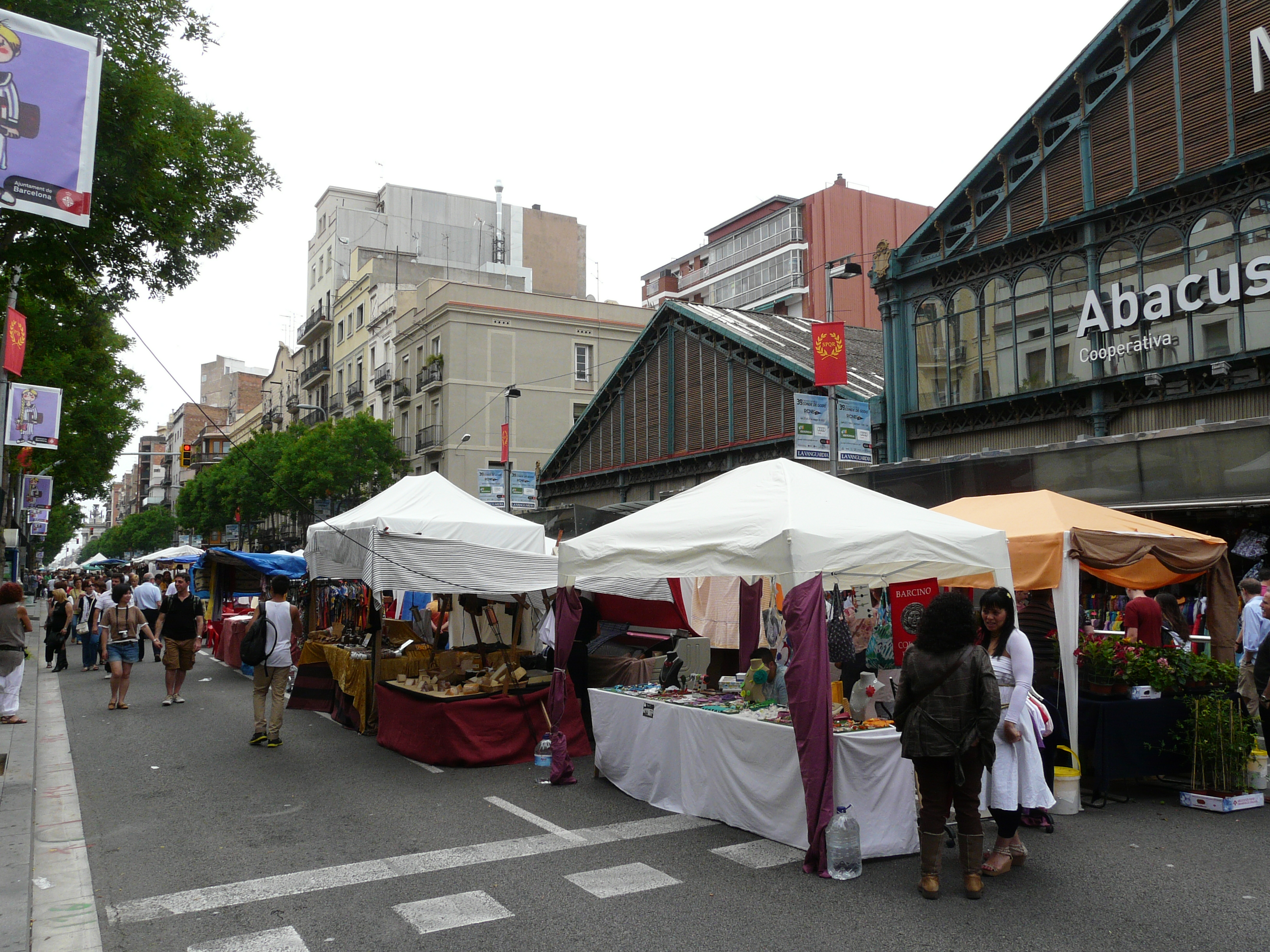
Mercat d'Hostafrancs is one of Barcelona's oldest markets, built in 1888 with an elegant iron-and-glass structure designed by Antoni Rovira i Trias. Today, over 90 stalls sell everything from fresh fish and produce to vintage books and clothes — a working neighbourhood market where tourists rarely venture.
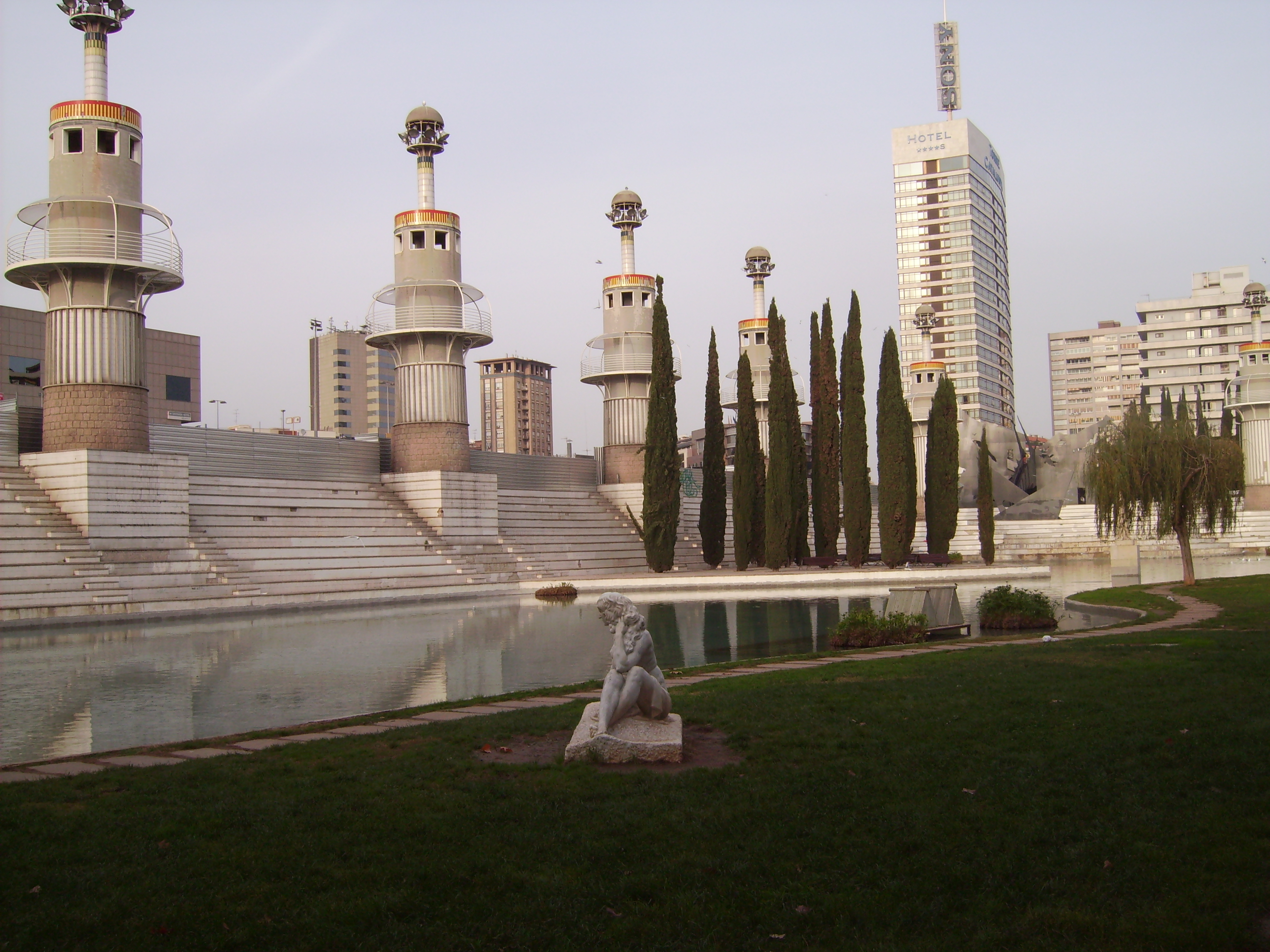
The site of Spain's first cotton factory, Vapor Nou, which employed 2,500 workers, now hosts an imaginative public park designed by Luis Pena Ganchegui in 1986, complete with nine lighthouse towers, an artificial lake, a dragon slide, and a Neptune statue.
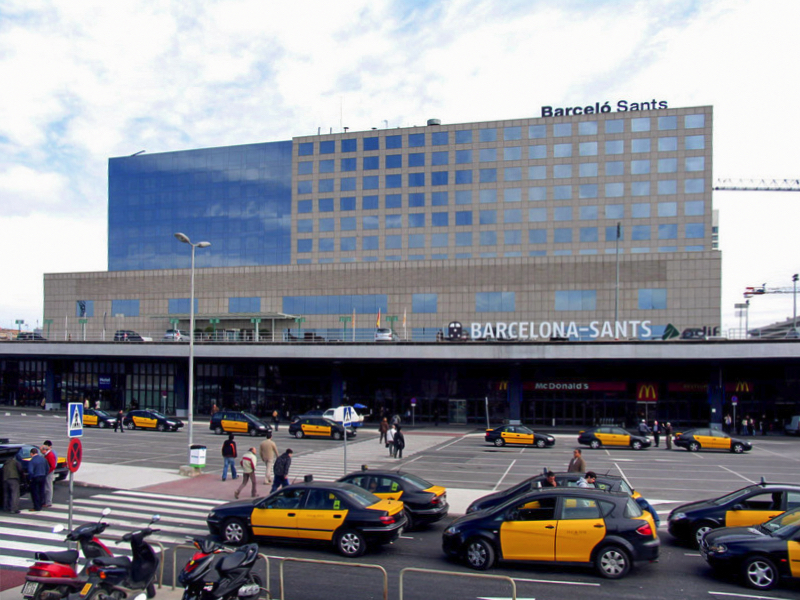
Barcelona's main railway station, where trains first arrived in 1881 to transform Sants from an agricultural village into a connected urban hub, rebuilt in the 1970s with all platforms pushed underground.
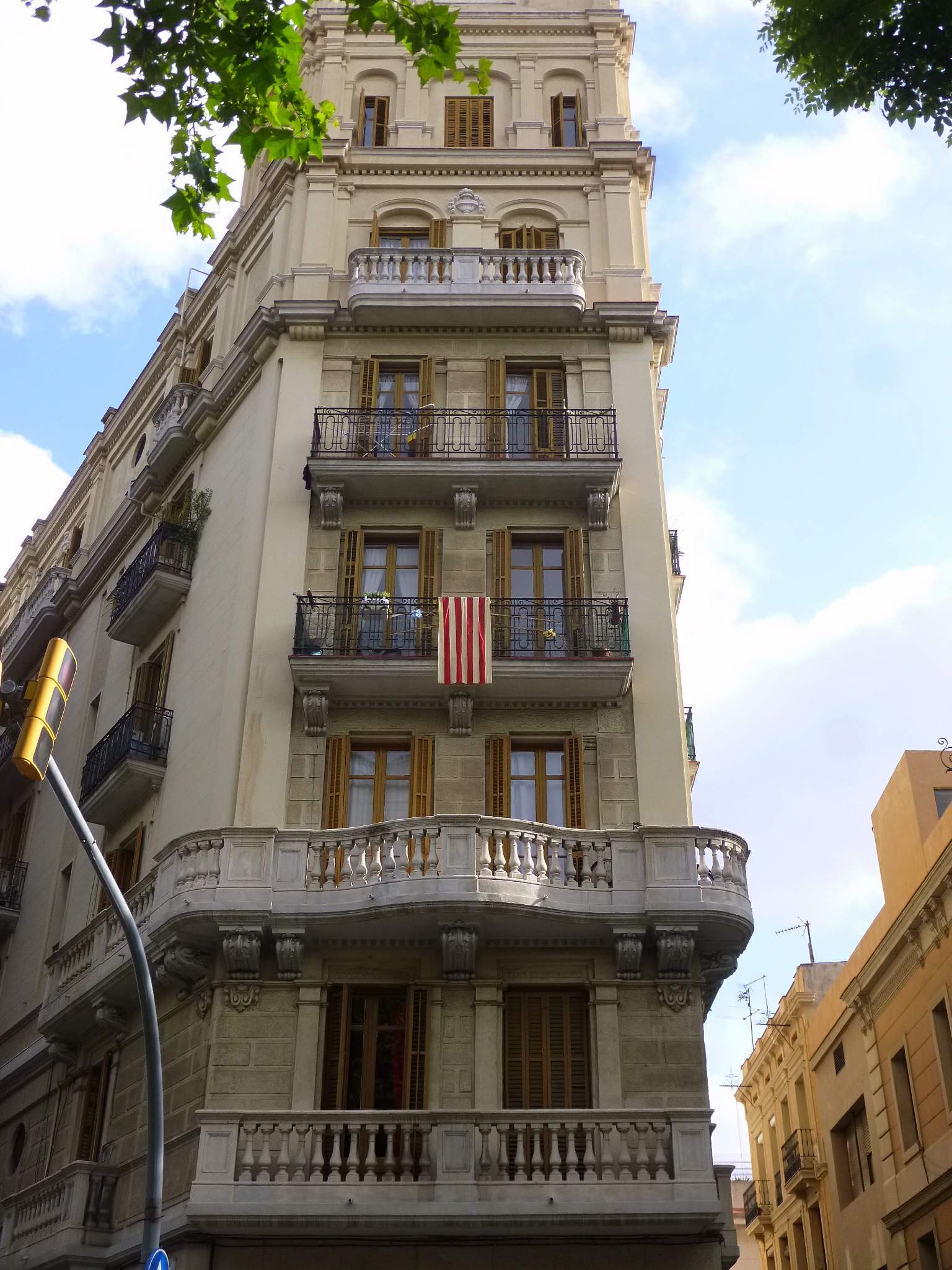
One of the longest commercial streets in Europe at four kilometres when combined with Creu Coberta, Carrer de Sants was once the Cami Reial connecting Barcelona to the south — the spine around which Sants built its identity as an independent town.
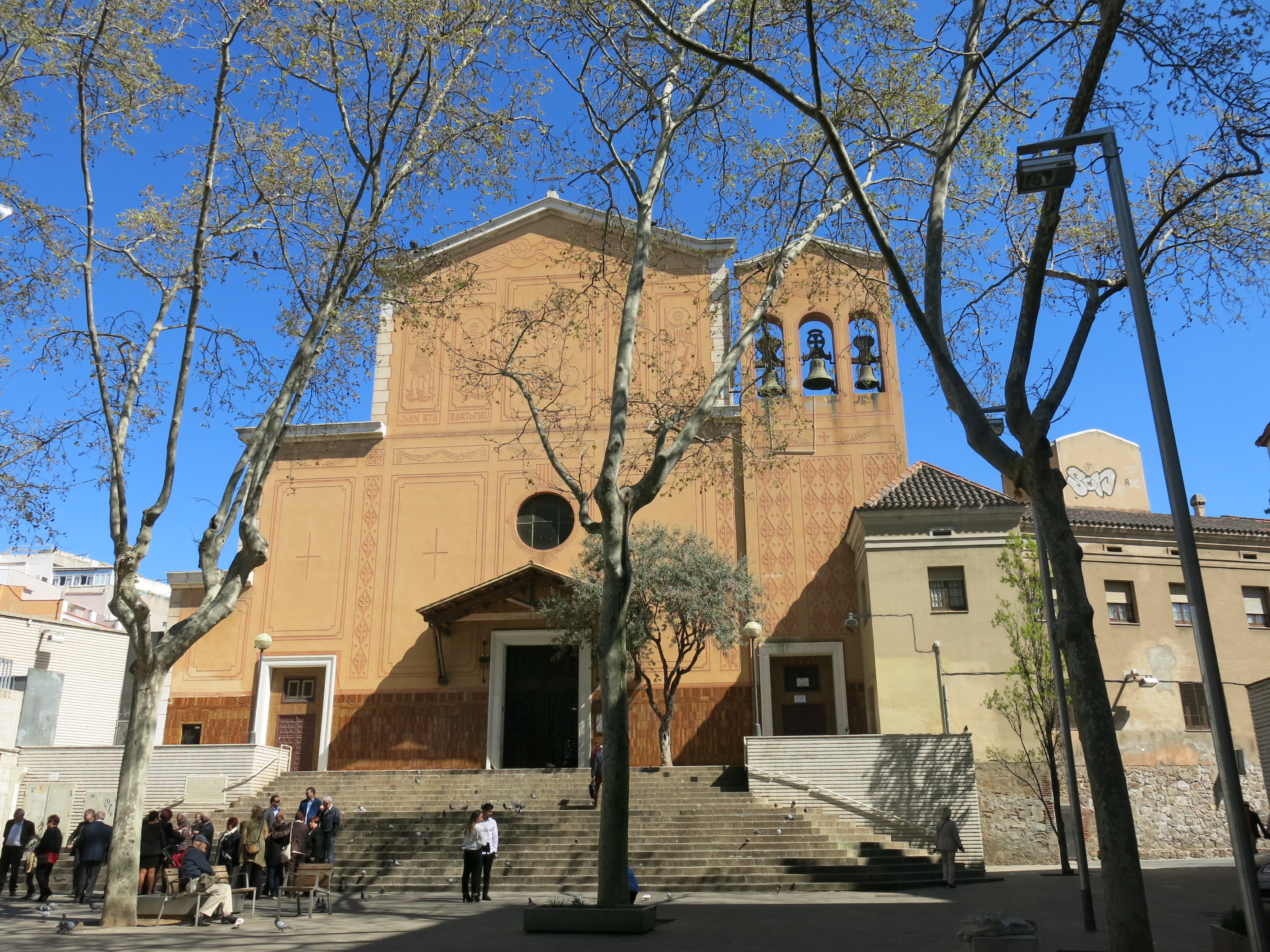
The parish church that gave Sants its name, rebuilt after the Civil War destroyed it. The name Sants — meaning saints — echoes back to a medieval religious settlement established here centuries before the factories arrived.
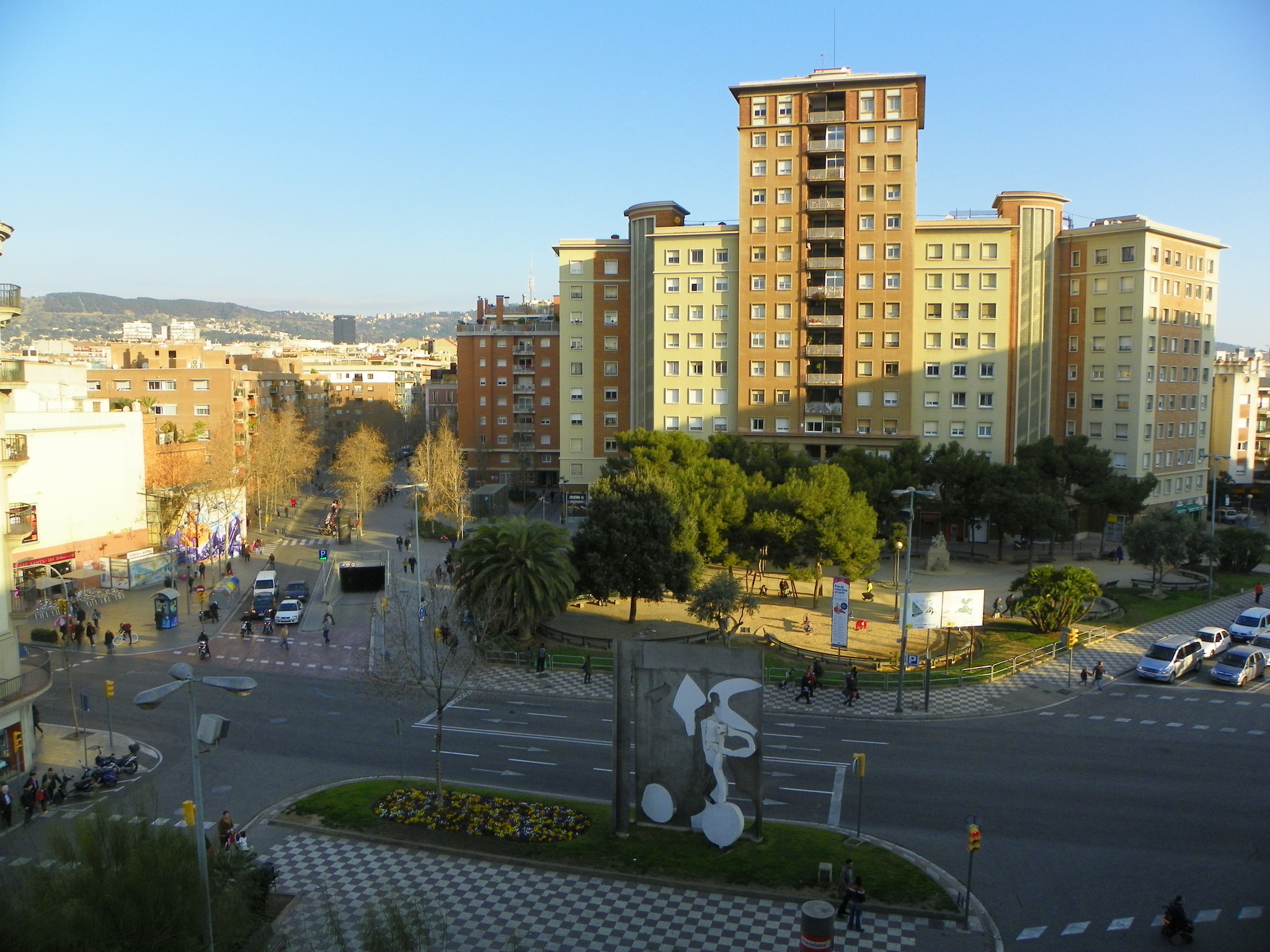
This small plaza is where medieval Sants began — not as an industrial powerhouse, but as a farming settlement huddled around the Cami Reial, the royal road that connected Barcelona to the south.
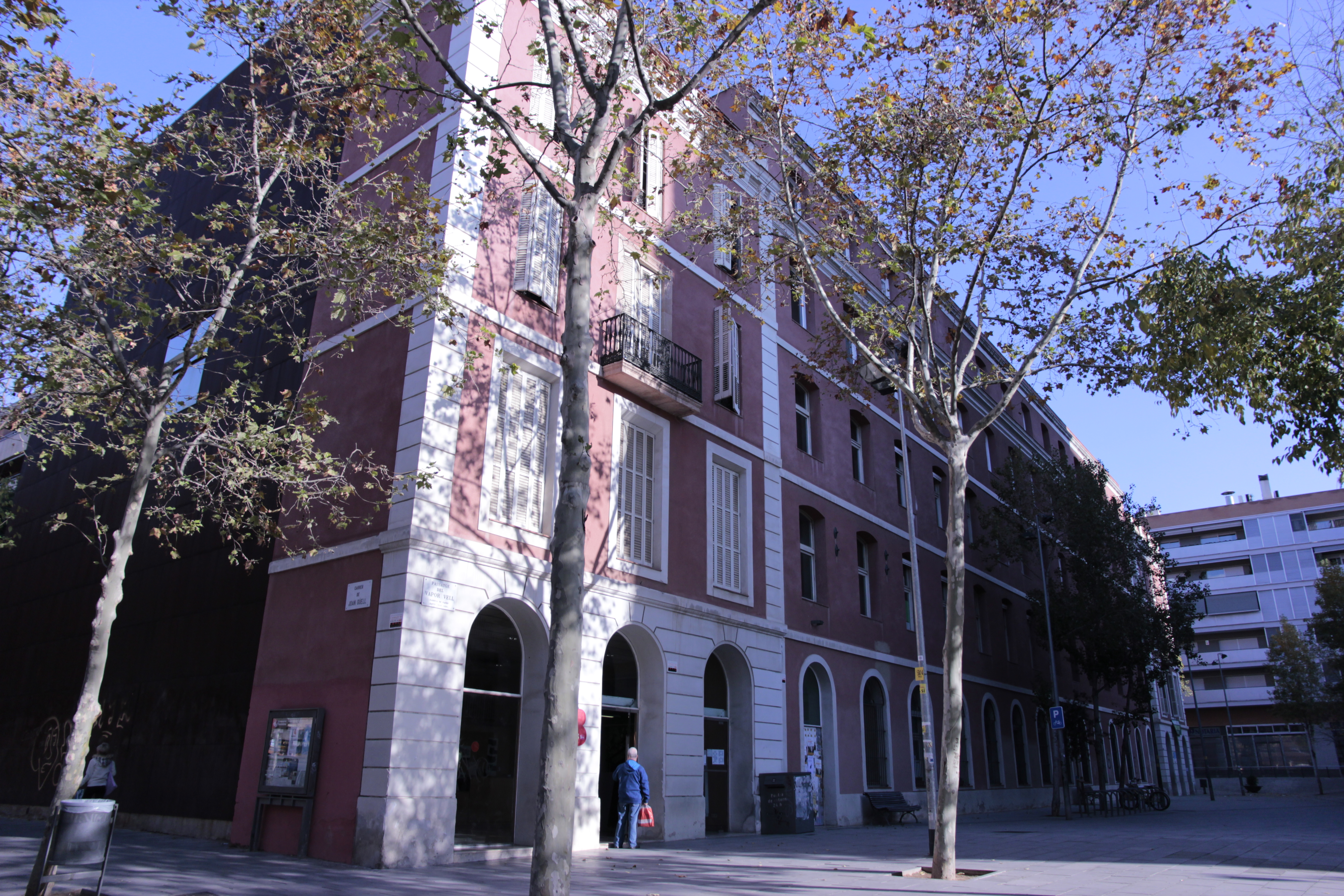
The 1846 steam-powered textile mill owned by Joan Guell was the first industrial building in Barcelona to receive heritage protection. Today, the Biblioteca Vapor Vell serves as a public library specializing in music.
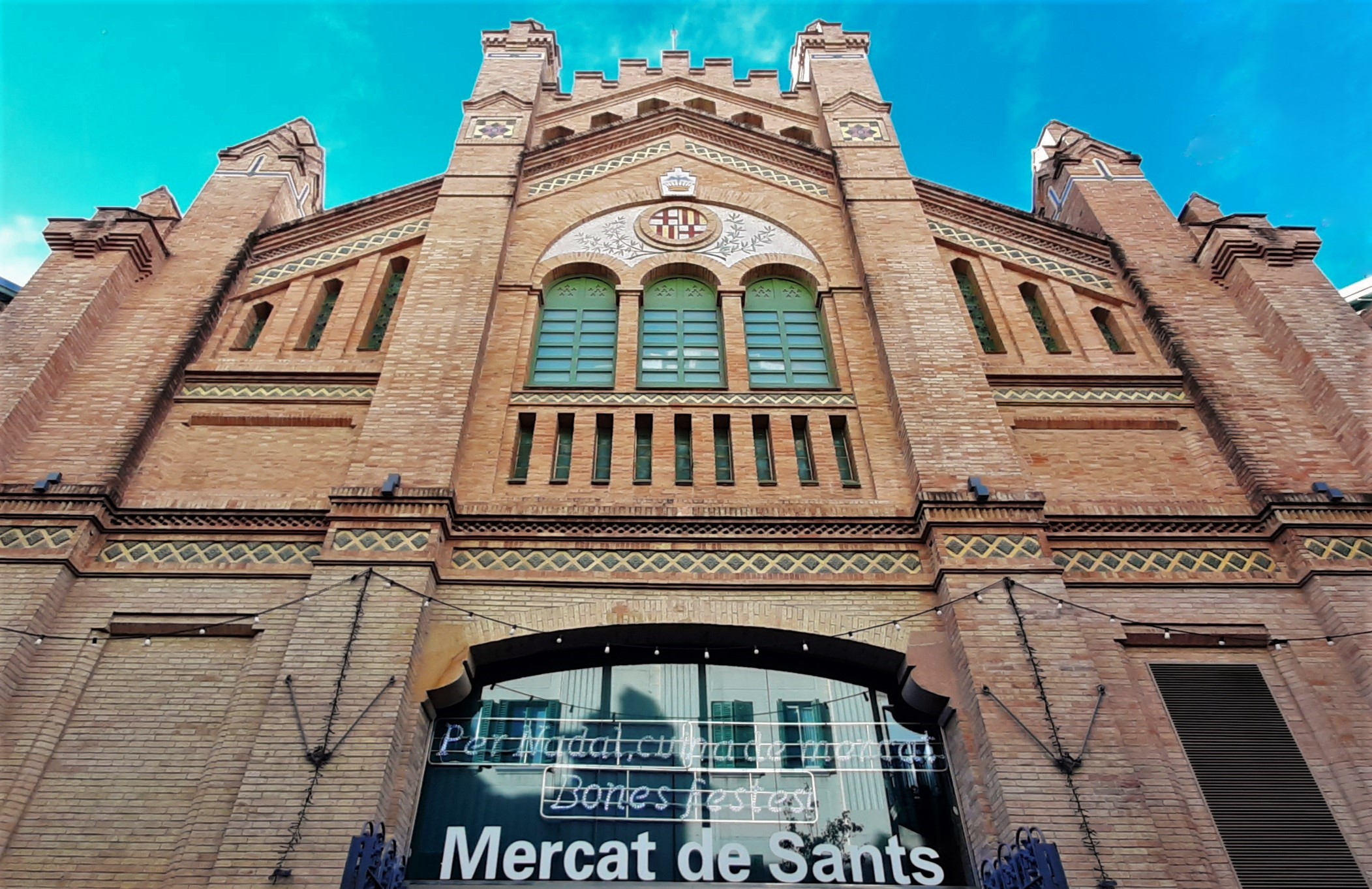
Pere Falques' 1913 Modernista brick market — with its triangular structure and decorative columns — has been feeding the neighbourhood for over a century and remains its daily social hub.
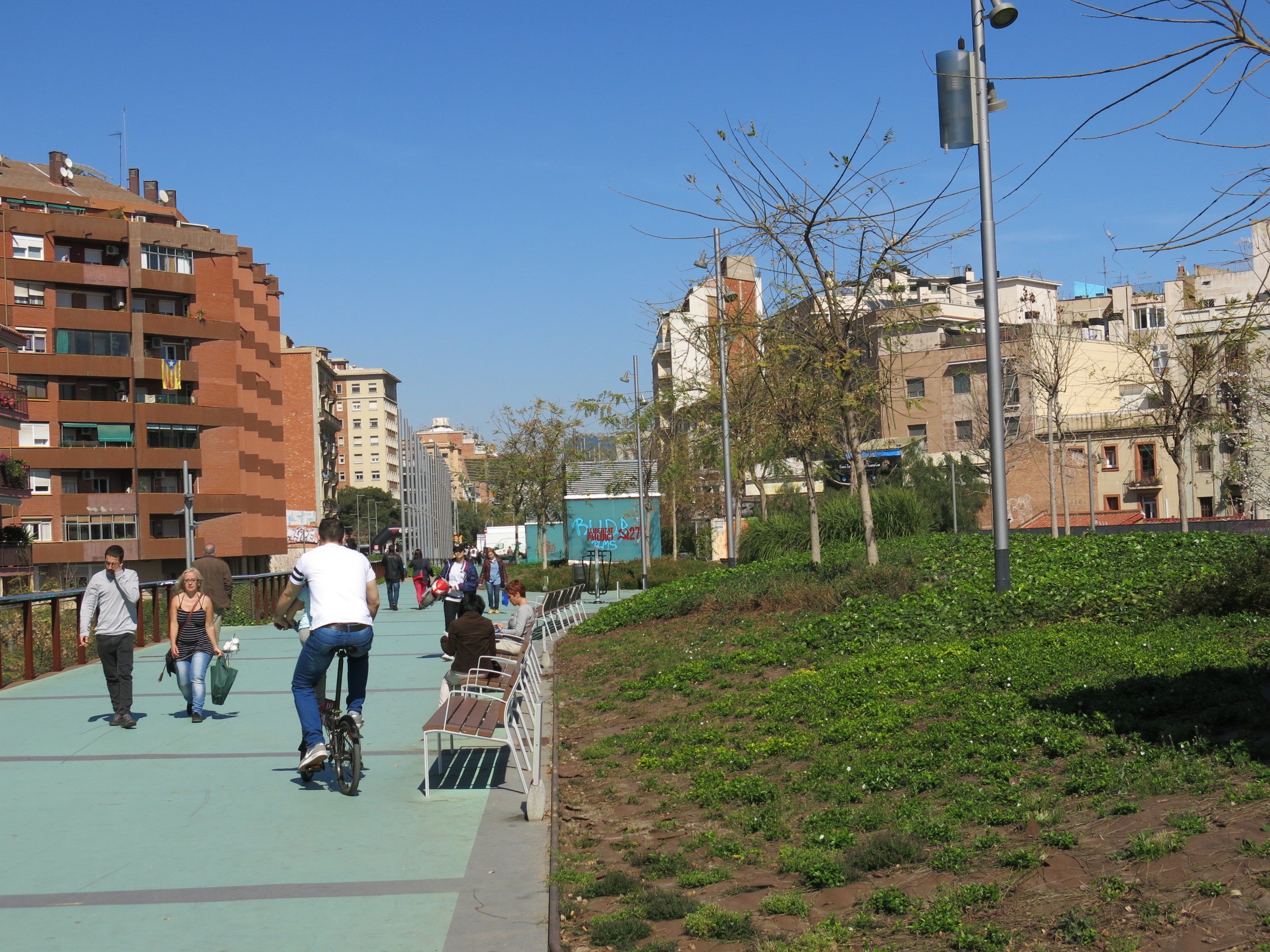
A 760-metre elevated park built in 2016 on top of the railway tracks that once split the neighbourhood in two, now reuniting Sants with 160 trees, 85,000 plants, and unexpected views across the city.
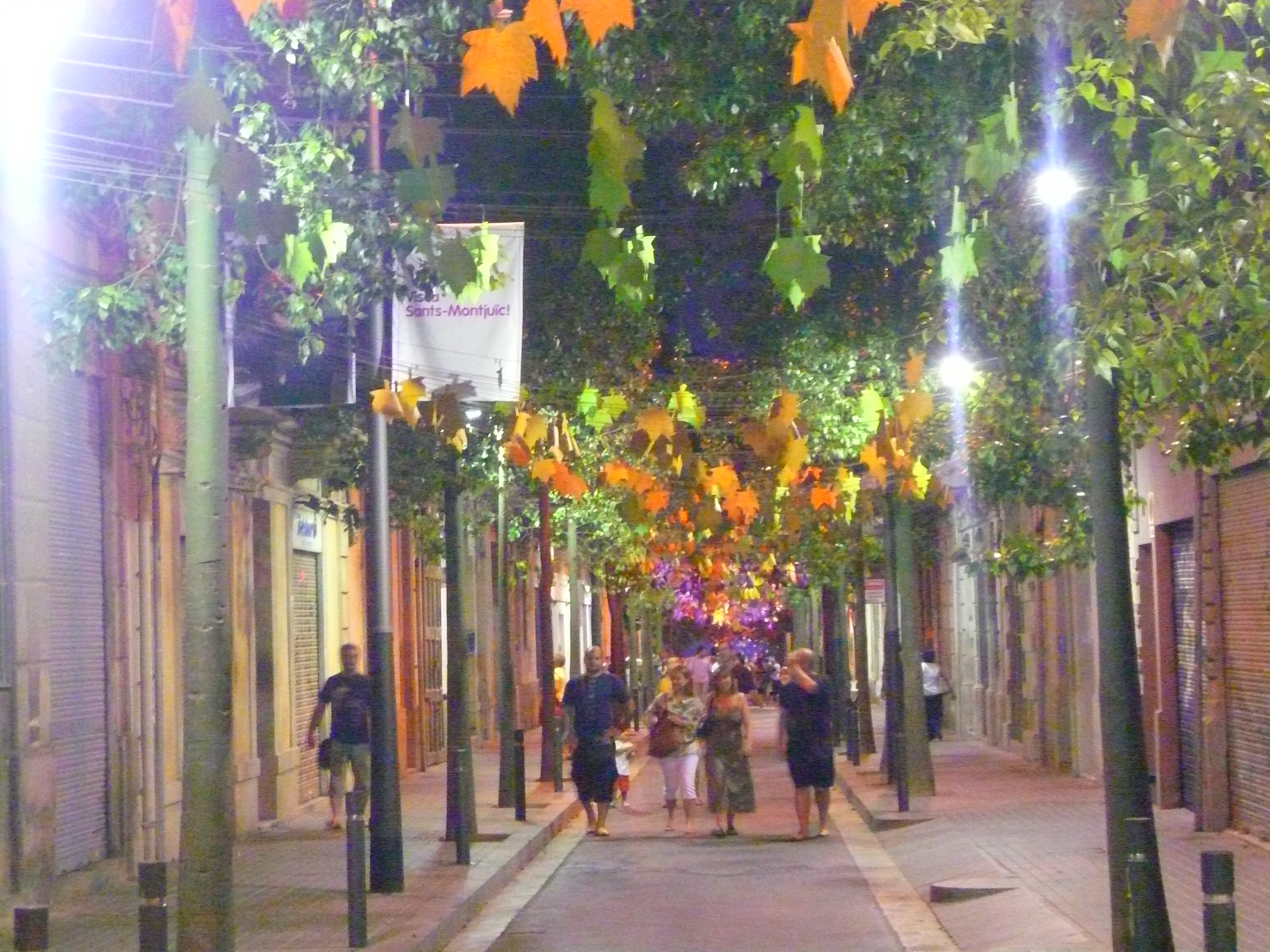
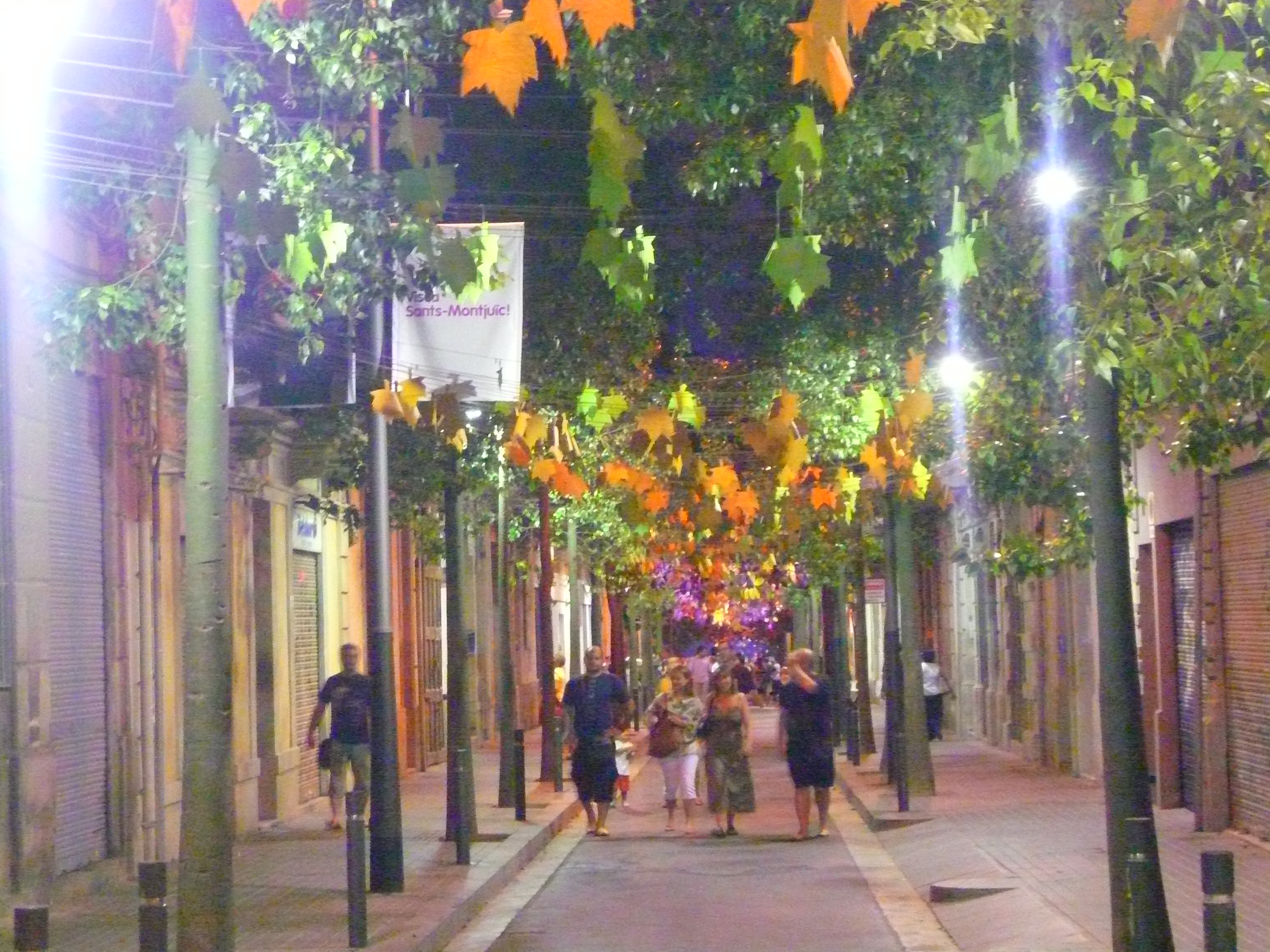
Every August, these narrow streets transform into an open-air art gallery when neighbours spend months building elaborate decorations from recycled materials — a tradition since 1943 that distils the community creativity of Sants.
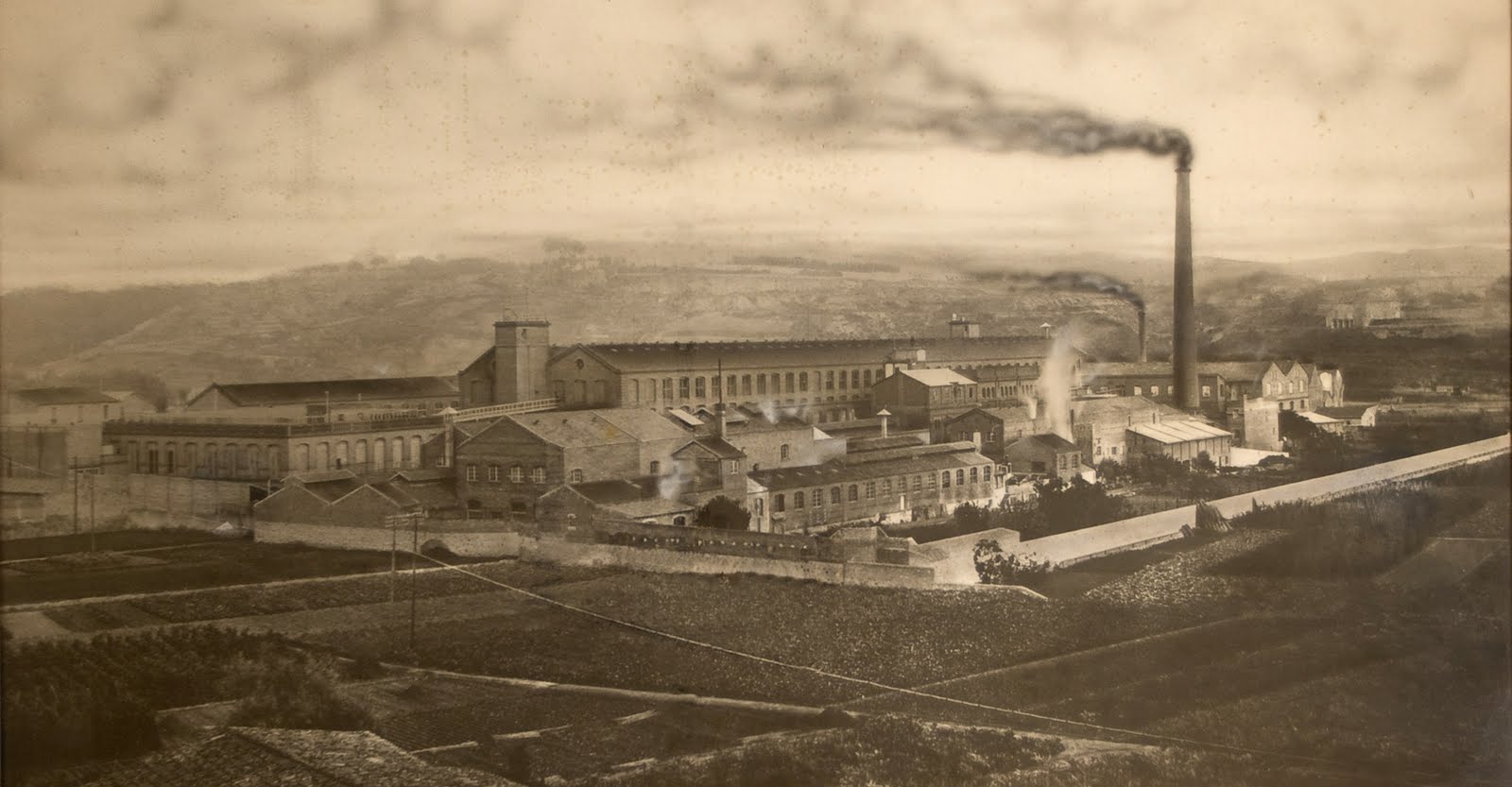
A 14,000 square-metre factory that sat empty for years until the neighbourhood occupied it in 2011 and won a 50-year concession to run it as a self-managed community centre with a library, carpentry workshop, climbing wall, and printing press.
This is the real story from one stop on this walk — every stop has one.
Walk through Barcelona's oldest quarter from a Roman cemetery to Gaudi's first lampposts, peeling back 2,000 years of…
If you only have one day, this tour gives you the heartbeat of Barcelona — its most iconic sights, its rhythm, and the…
Discover that Barcelona's real cuisine isn't in tourist restaurants but in its historic markets, neighbourhood…
We use cookies to analyse site traffic and improve your experience. You can choose to accept or reject analytics cookies. Learn more