赫罗纳 · Spain
一日游赫罗纳:不可错过的经典徒步路线
赫罗纳, Spain
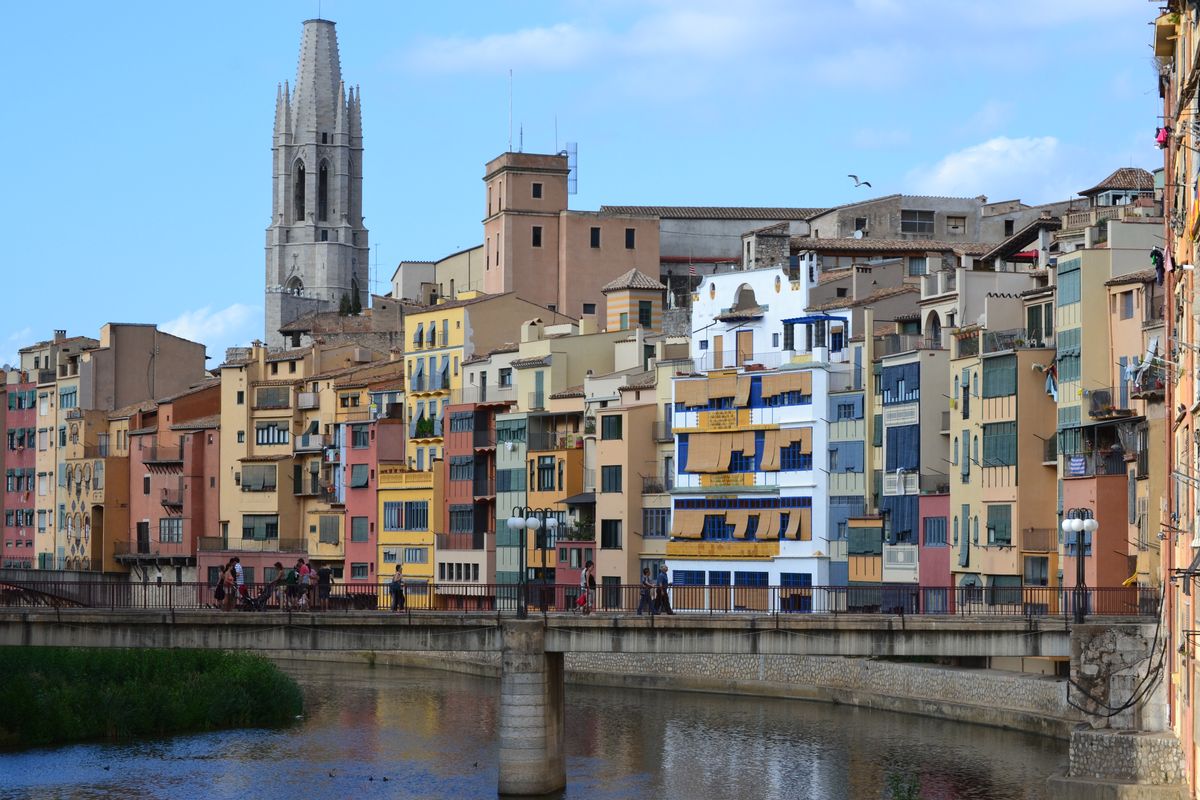
Pont de les Peixateries Velles:埃菲尔设计的红色铁桥与彩色房屋 Catedral de Girona(赫罗纳大教堂):登上 90 级台阶,一睹世界上最宽的哥特式中殿 El Call:欧洲保存最完好的中世纪犹太街区之一 Passeig de la Muralla(城墙步道):在加洛林时期的城墙上饱览全景 Banys Àrabs(阿拉伯浴场):一座仿照哈曼(hammam)建造的罗马式浴场
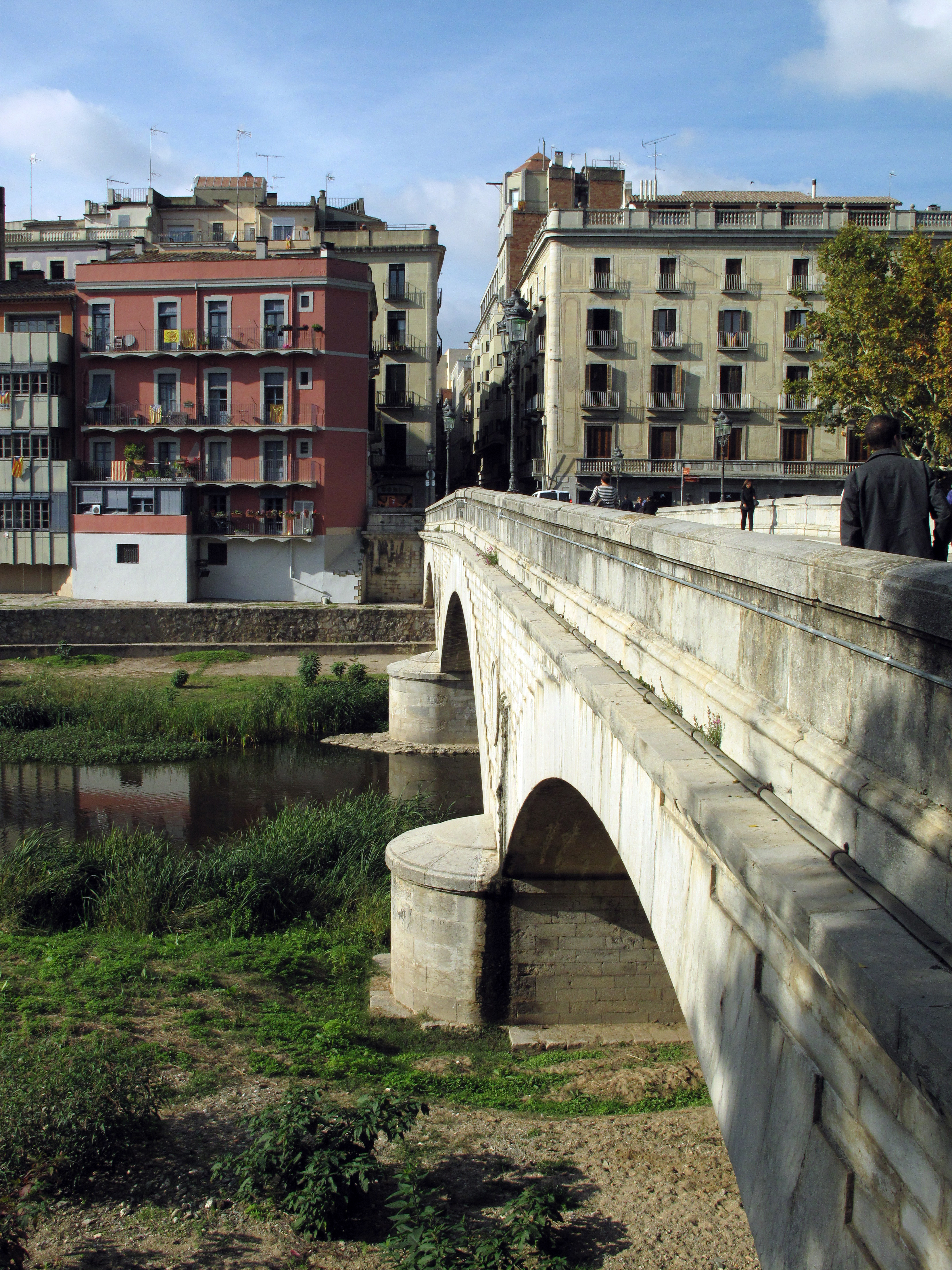
这座石桥自 1856 年起便连接着赫罗纳的两半城区,桥上可俯瞰下方的 Onyar 河、彩色房屋,以及高处的大教堂钟楼。
赫罗纳的主要步行大道,两侧是拱廊和法国梧桐,每周举办花市,每月举办手工美食集市,是当地人生活与聚会的地方。
一座红色铁质人行桥,由古斯塔夫·埃菲尔(Gustave Eiffel)的公司于 1876—1877 年设计,是欣赏赫罗纳标志性 Onyar 河畔彩色房屋全景的最佳位置。
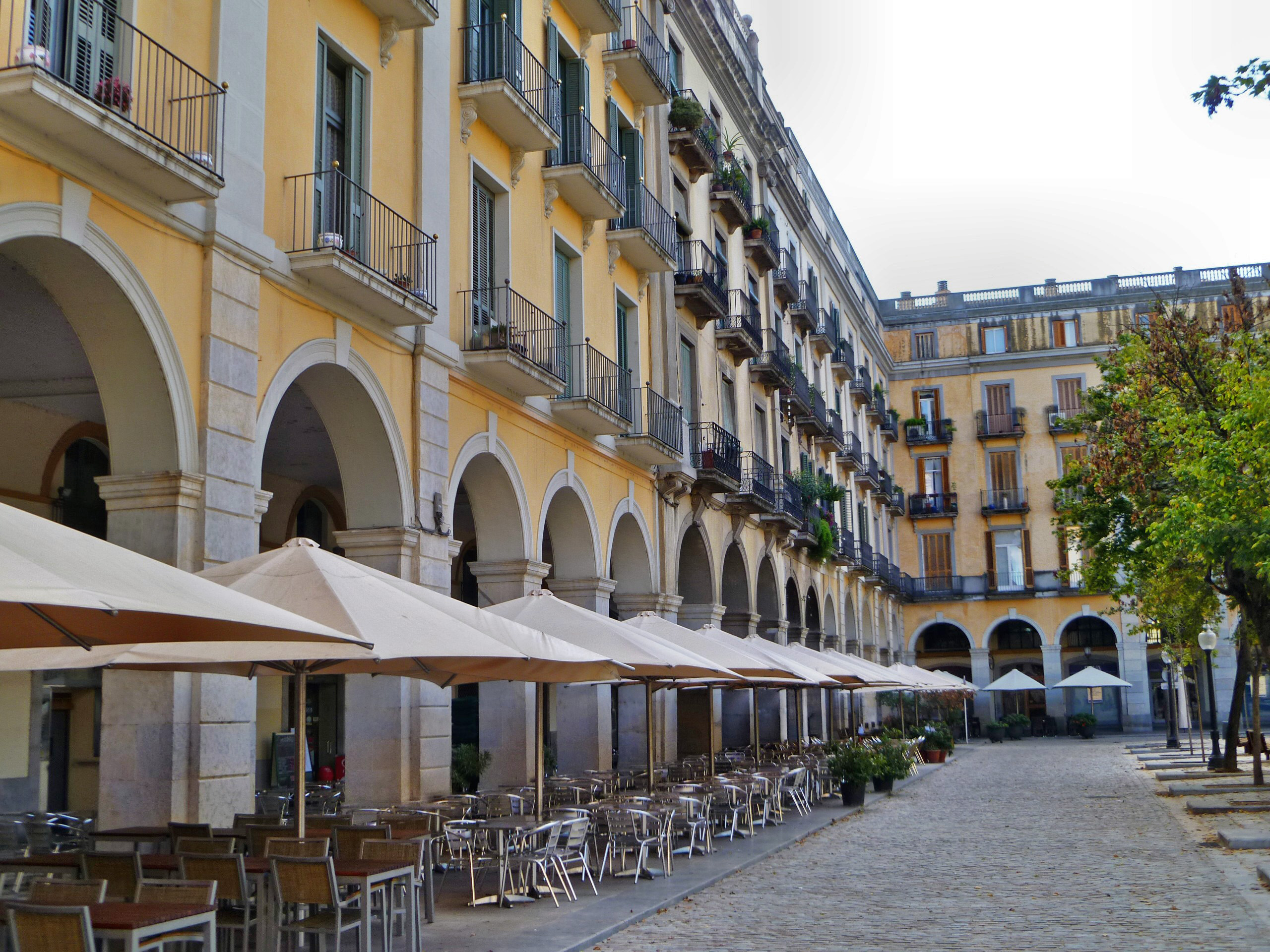
这座带拱廊的中心广场是当地人清晨喝 vermut、傍晚饮酒畅谈的聚集地,其名字纪念的是 1809 年抵抗拿破仑的围城战,而非加泰罗尼亚独立。
Carrer de la Força 是欧洲保存最完好的中世纪犹太街区之一的中轴,狭窄的街巷与被封堵的门洞,保存着 500 年被隐藏的历史。
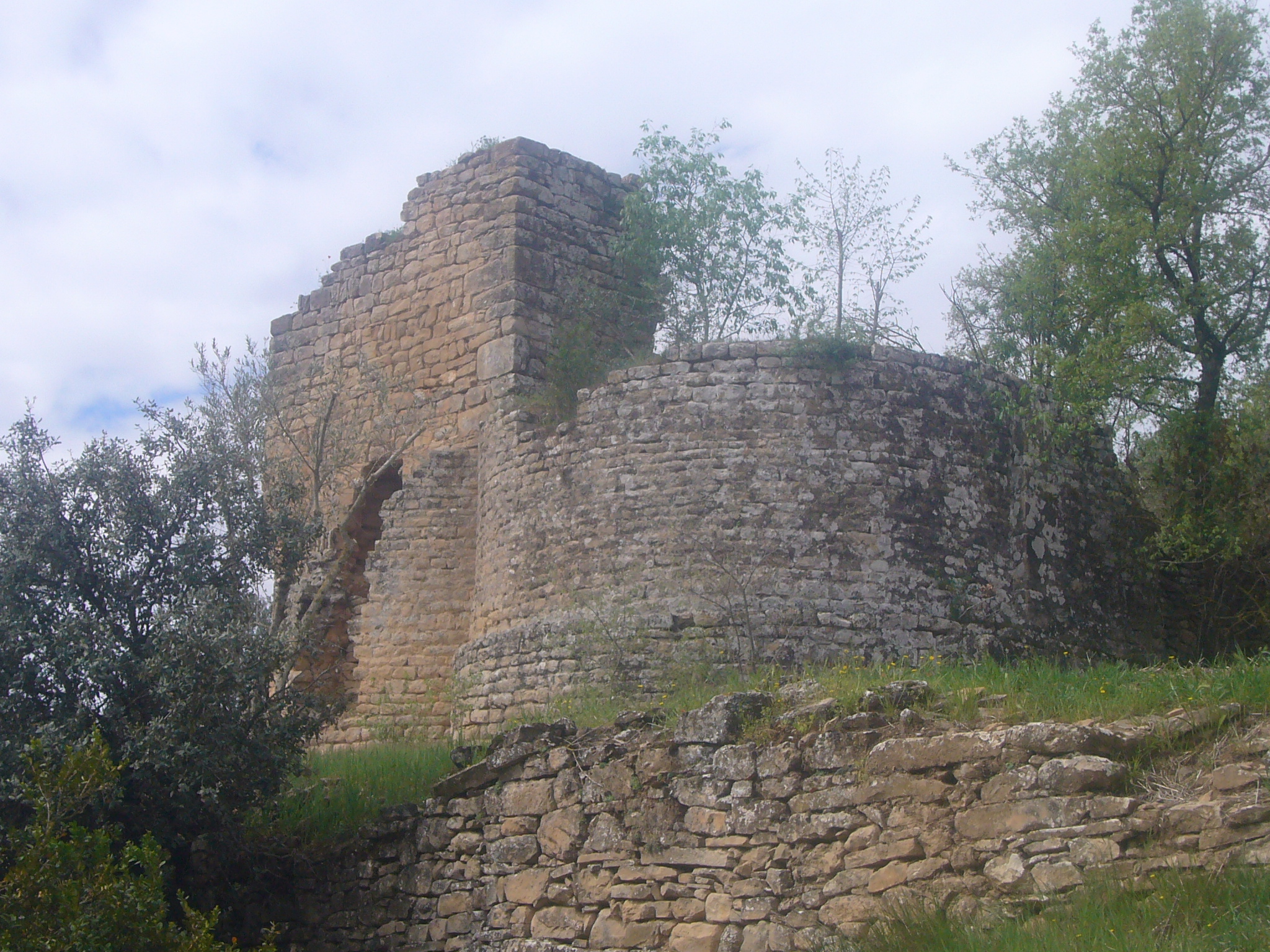
一座哥特式教堂,其八角形钟楼勾勒出赫罗纳的天际线,堂内保存着 4 世纪的基督教石棺,是这座城市最古老的基督教艺术。
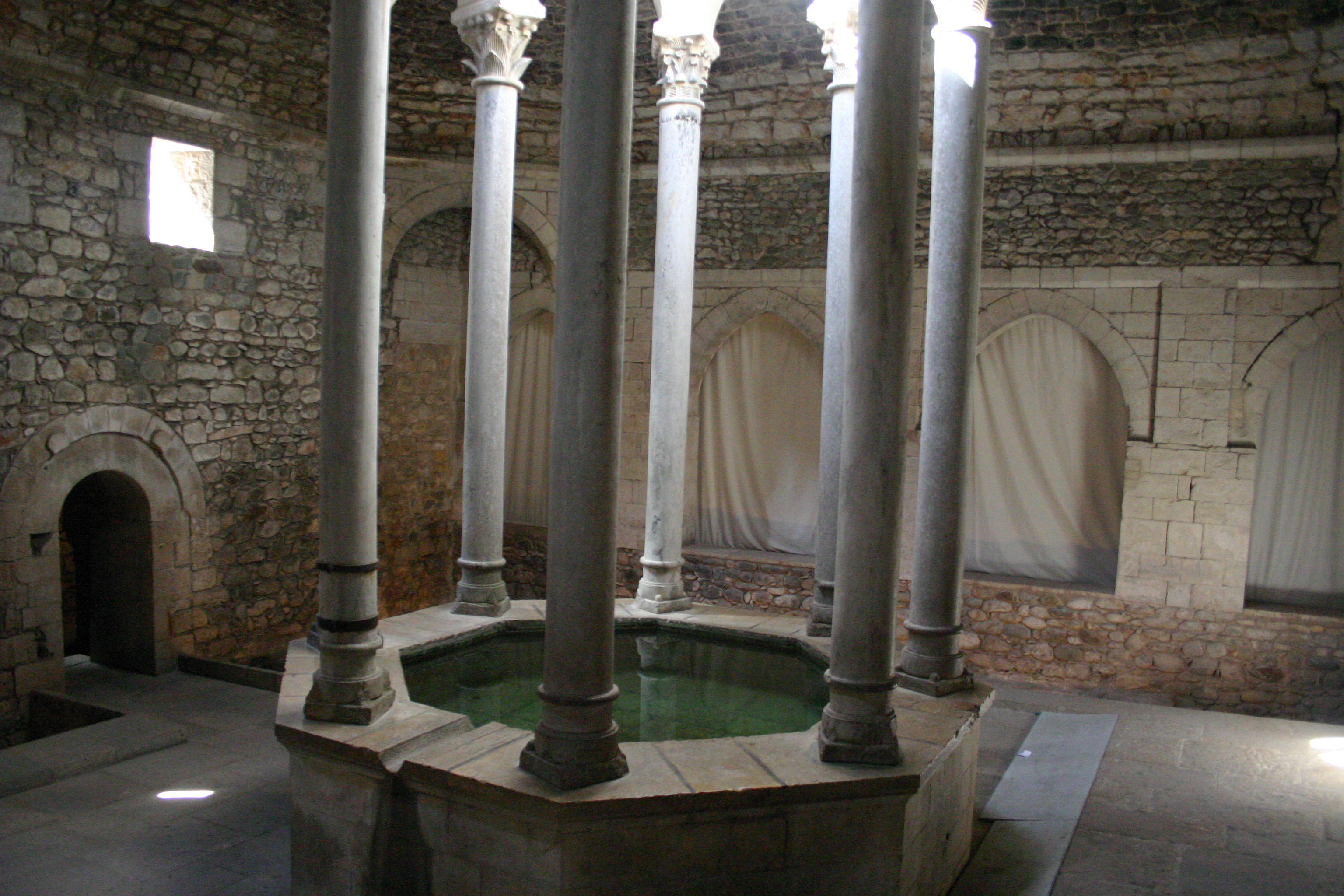
一座 12 世纪的浴场,灵感取自伊斯兰与罗马的样式,由基督徒建造,仿照哈曼(hammam)设计,纤细的立柱环绕中央水池,构成了赫罗纳被拍摄得最多的室内空间。
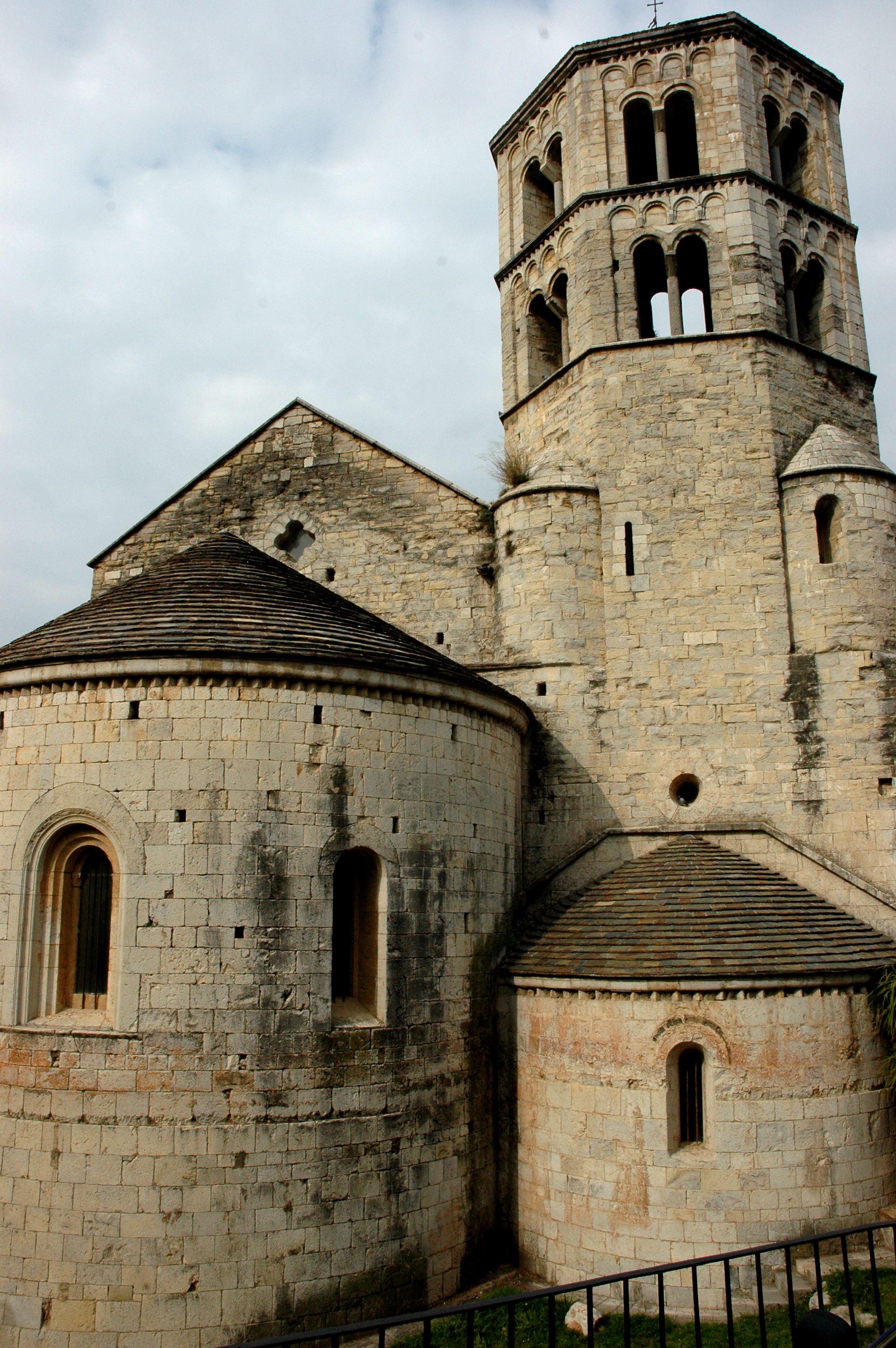
一座始建于公元 992 年的本笃会修道院,如今是一座考古博物馆,其罗马式回廊上雕刻的柱头,堪称加泰罗尼亚最精美的作品之一。
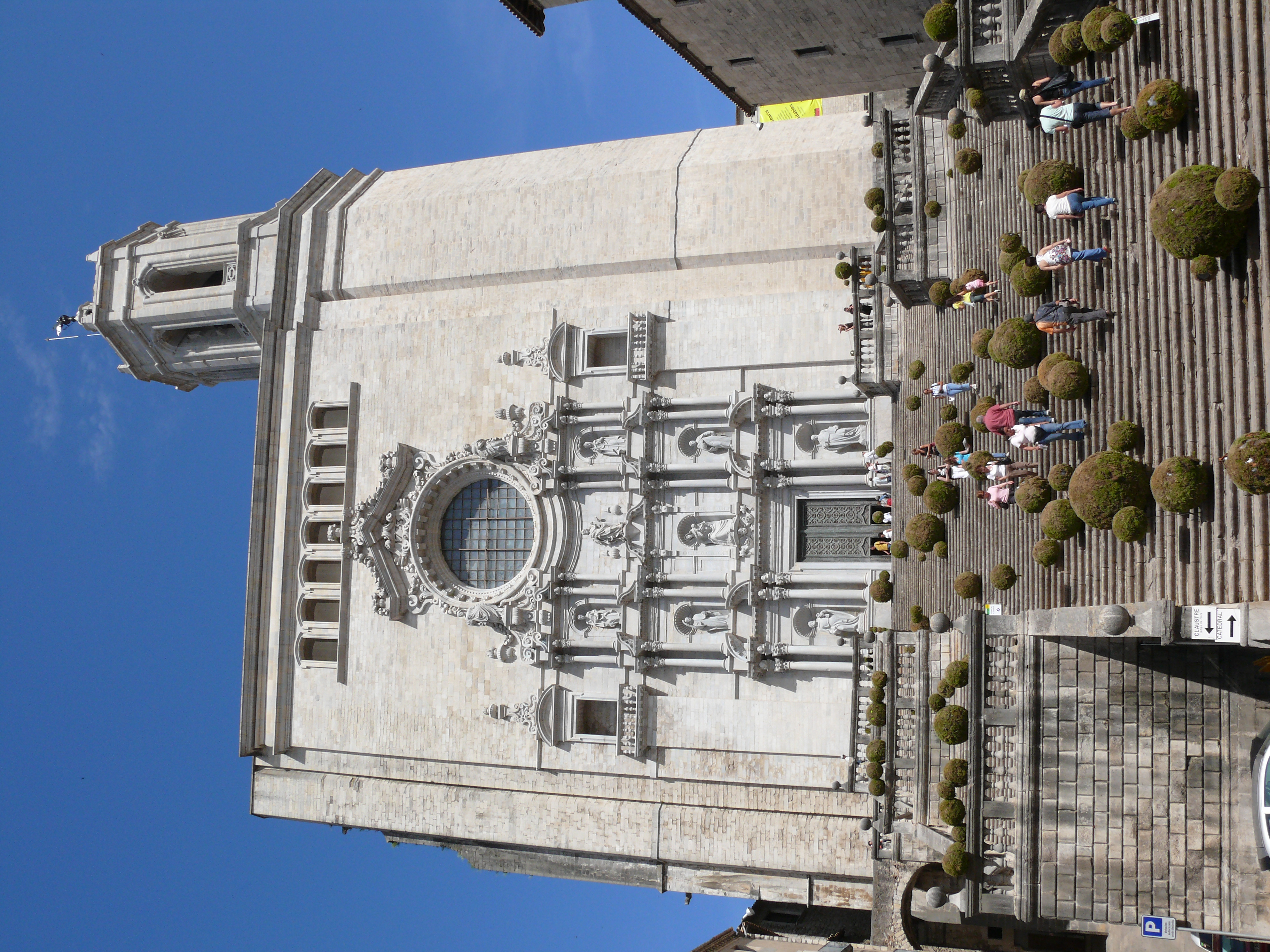
这座大教堂拥有世界上最宽的哥特式中殿,宽达 22.98 米,需登上 90 级巴洛克台阶方可抵达,堂内还有一座罗马式回廊和 14 世纪的《创世挂毯》。
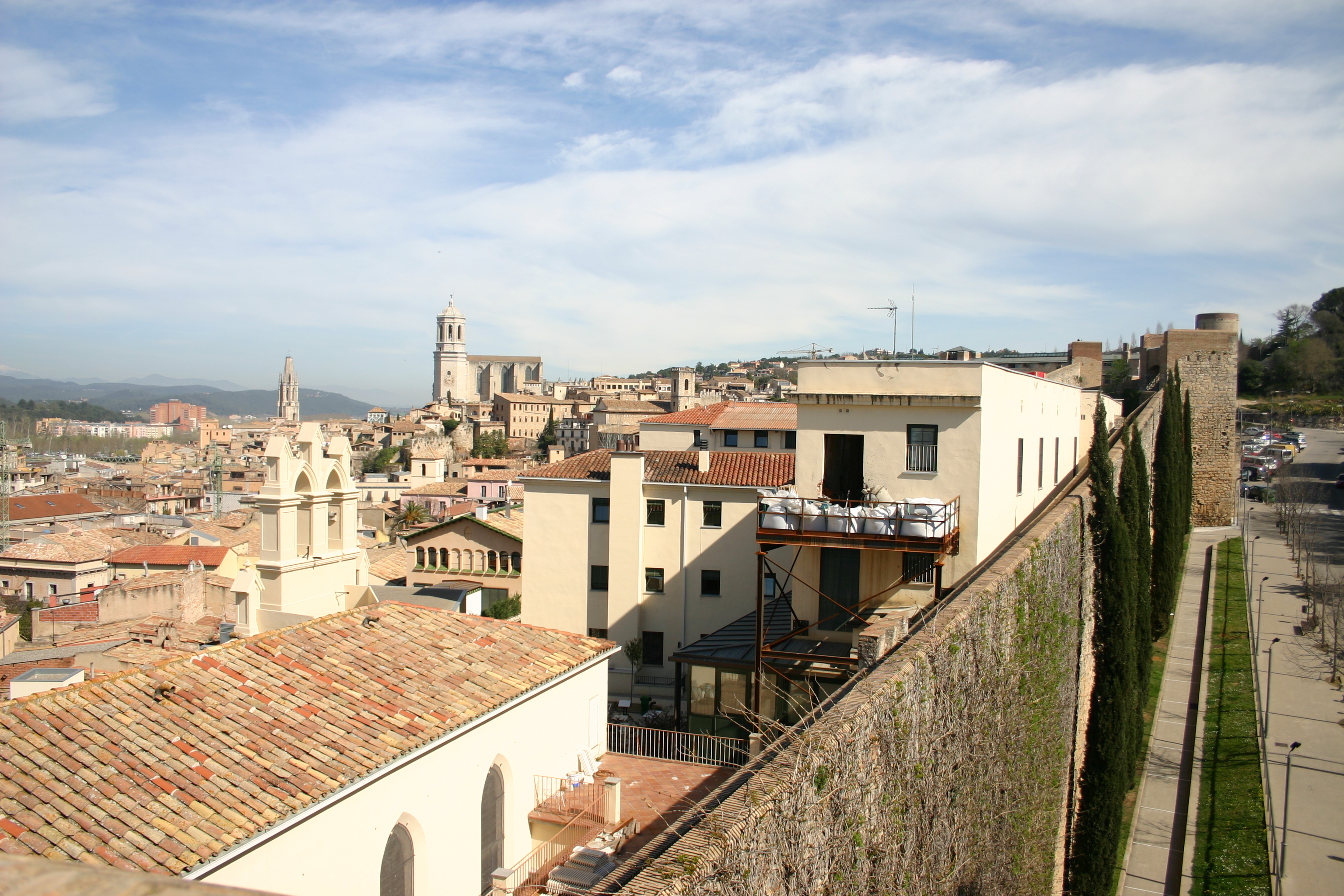
这段修复过的中世纪城墙建于加洛林与罗马时期的地基之上,可饱览赫罗纳的屋顶、塔楼、大教堂,以及远处比利牛斯山麓的全景。
这是本条路线中某一站的真实讲解文字——每一站都有自己的故事。
我们使用 Cookie 来分析网站流量并改善您的体验。您可以选择接受或拒绝分析 Cookie。 了解更多


