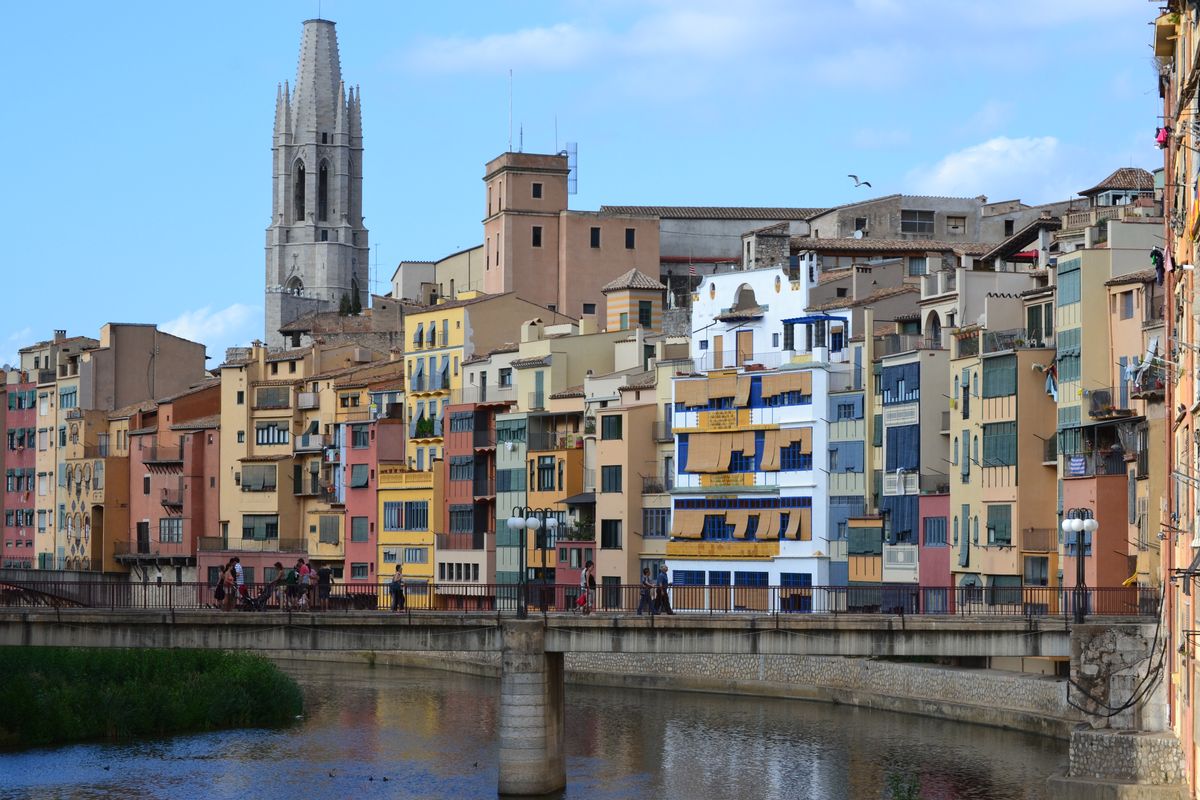
Girona in a Day: The Essential Walk
Girona · Spain

Girona in a Day: The Essential Walk

Girona, Spain
120
Duration (min)
1.9
Distance (km)
10
Stops
Easy
Difficulty

Description

Walk through 2,000 years of history in a single afternoon — from Roman foundations to medieval Jewish streets to Instagram-famous colourful houses — hitting every essential landmark in Girona's compact old town.

Highlights

Pont de les Peixateries Velles: Eiffel's red iron bridge and the colourful houses Catedral de Girona: 90 steps to the widest Gothic nave in the world El Call: one of Europe's best-preserved medieval Jewish quarters Passeig de la Muralla: panoramic views from Carolingian-era walls Banys Àrabs: a Romanesque bathhouse built like a hammam
Tour Stops

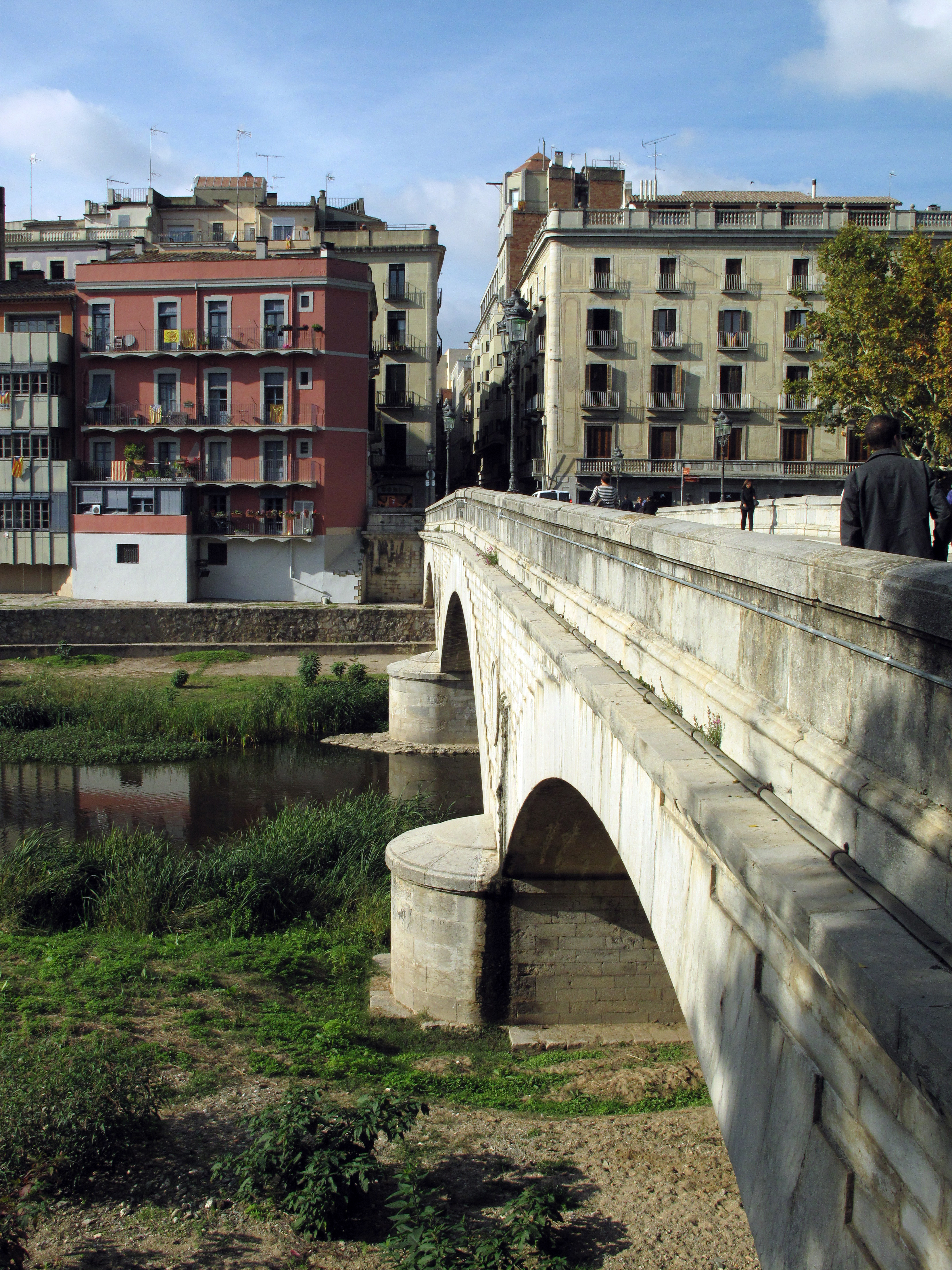
Pont de Pedra — Gateway to the Old Town
1

Pont de Pedra — Gateway to the Old Town

4 min

The stone bridge that has connected Girona's two halves since 1856, offering views of the Onyar river below, colourful houses, and cathedral towers above.

Rambla de la Llibertat — The City's Promenade

4 min

Girona's main pedestrian boulevard lined with arcades and plane trees, hosting weekly flower markets and monthly artisan food fairs where locals live and gather.

Pont de les Peixateries Velles — The Eiffel Bridge

4 min

A red iron footbridge designed by Gustave Eiffel's company in 1876-1877, providing the best panoramic view of Girona's iconic colourful Onyar houses.
Plaça de la Independència — Where Girona Gathers
4

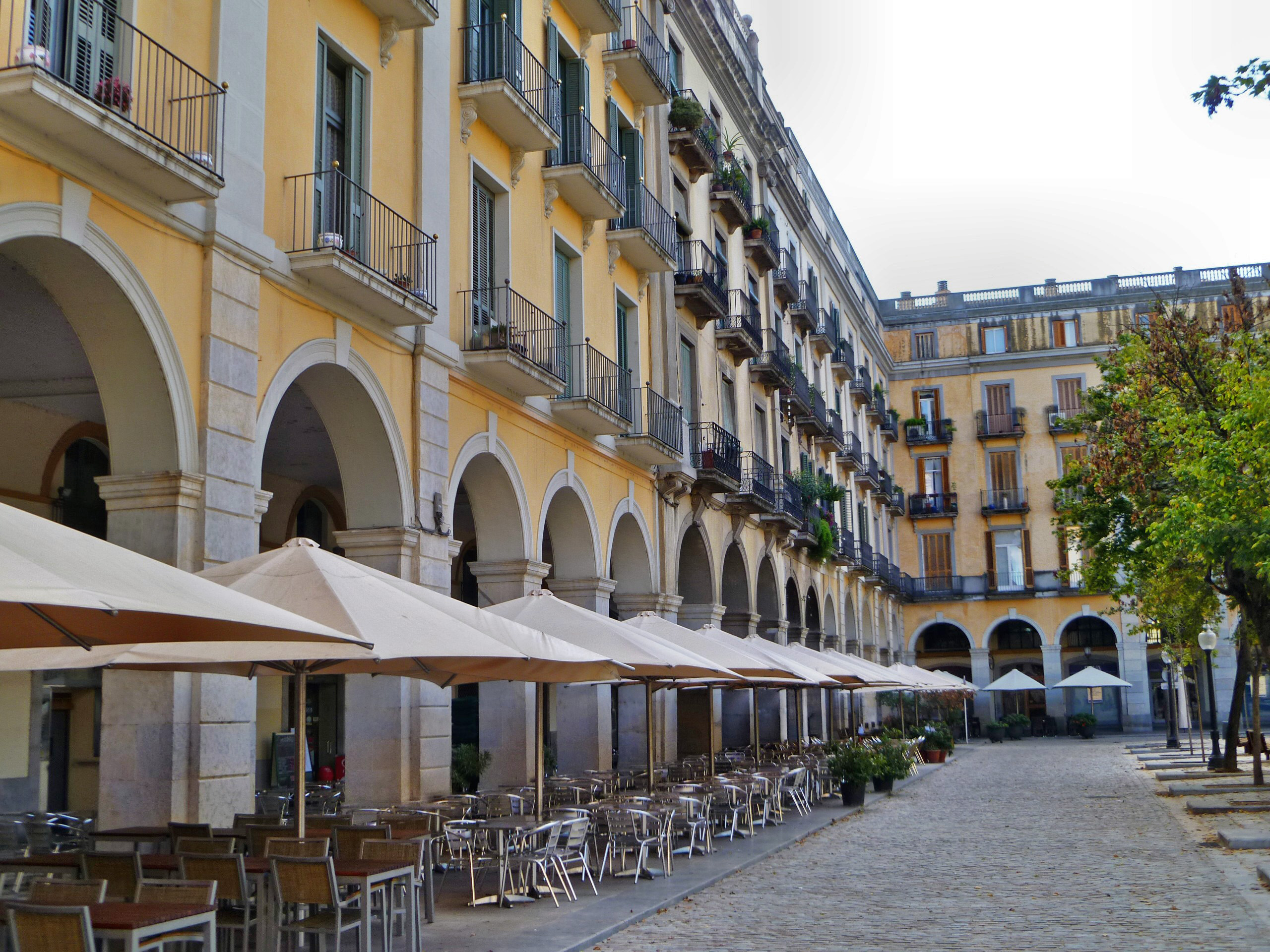
Plaça de la Independència — Where Girona Gathers

4 min

The arcaded main square where locals gather for morning vermut, evening wine, and conversation, named after the 1809 Napoleonic siege rather than Catalan independence.

El Call — Surface of the Jewish Quarter

4 min

Carrer de la Força, the spine of one of Europe's best-preserved medieval Jewish quarters, with narrow streets and sealed doorways preserving 500 years of hidden history.
Basílica de Sant Feliu — Girona's First Cathedral
6

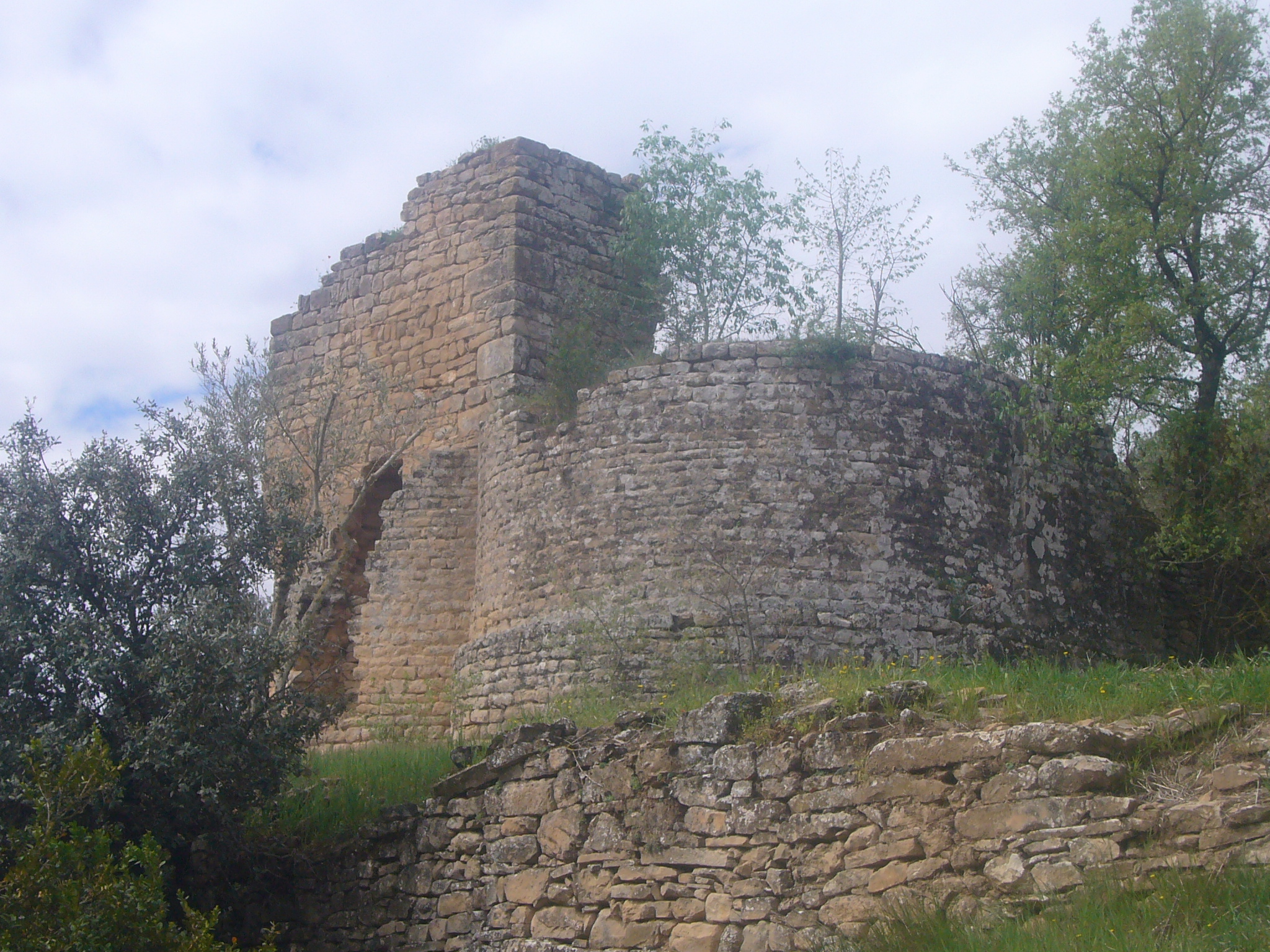
Basílica de Sant Feliu — Girona's First Cathedral

5 min

A Gothic basilica with an octagonal bell tower that defines Girona's skyline, containing 4th-century Christian sarcophagi representing the oldest Christian art in the city.
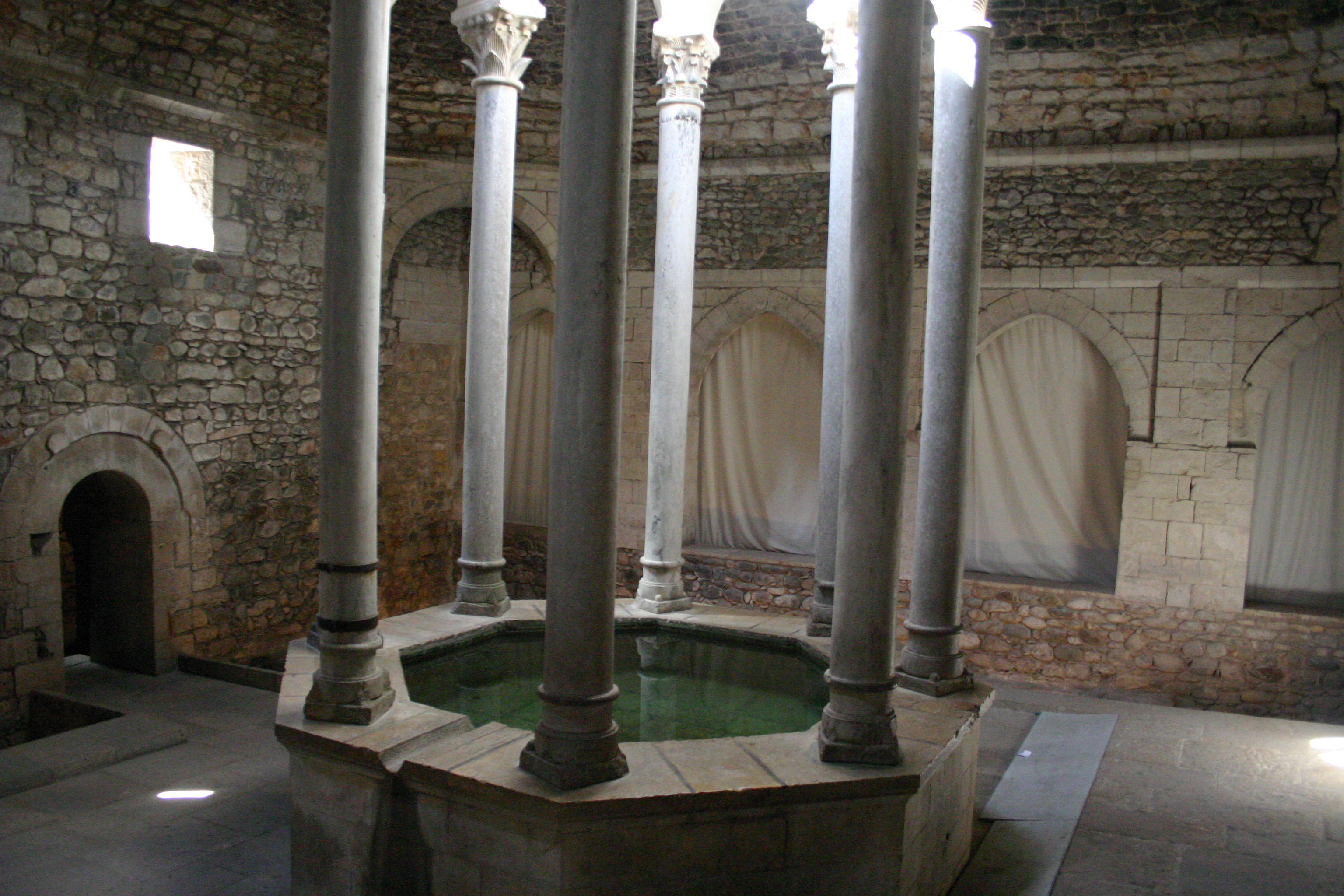
Banys Àrabs — A Romanesque Bathhouse
7

Banys Àrabs — A Romanesque Bathhouse

5 min

A 12th-century bathhouse inspired by Islamic and Roman models, built by Christians and designed like a hammam, with slender columns around a central pool creating Girona's most photographed interior.
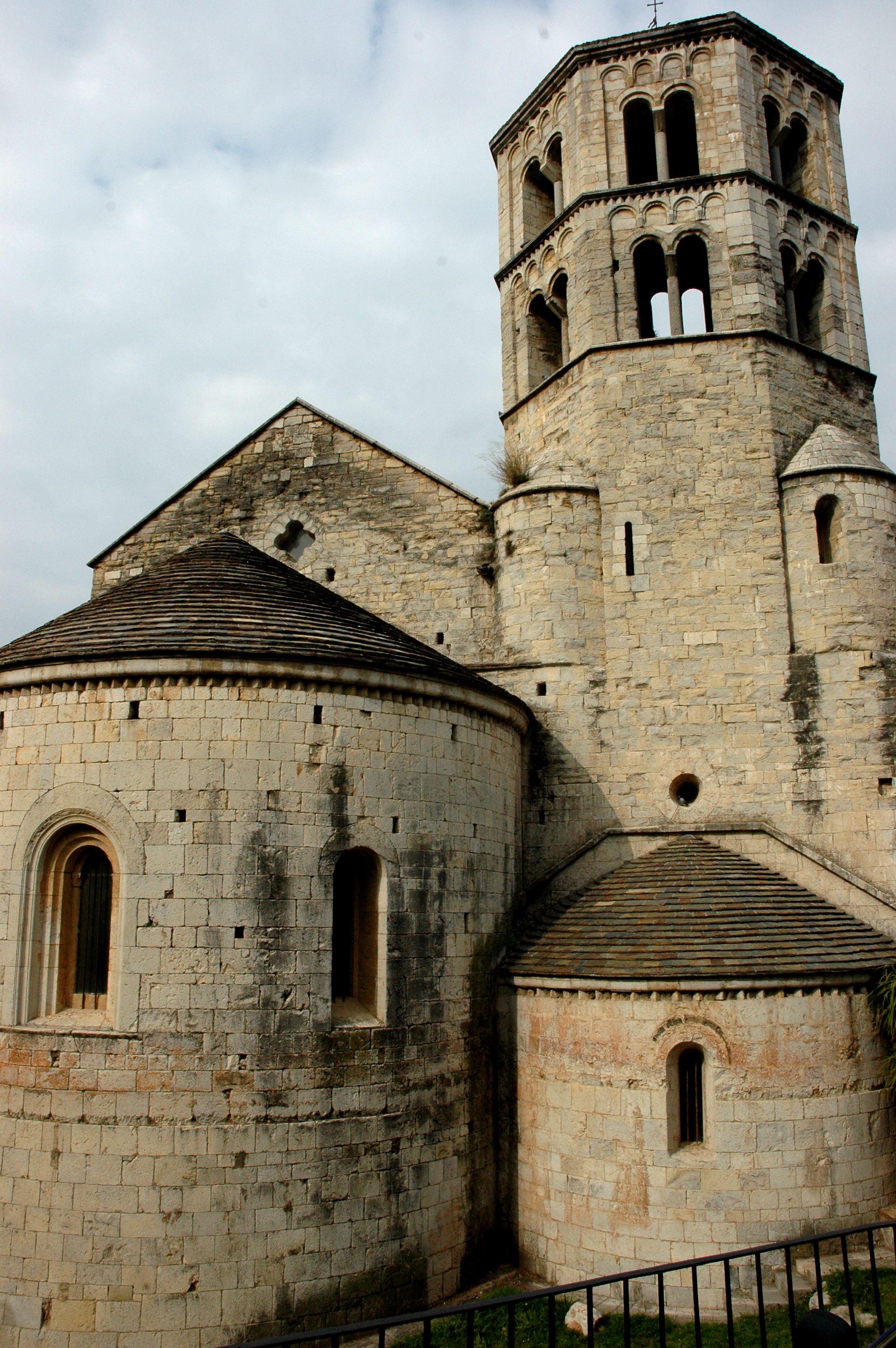
Monestir de Sant Pere de Galligants — Romanesque Masterpiece
8

Monestir de Sant Pere de Galligants — Romanesque Masterpiece

5 min

A Benedictine monastery founded in 992 AD, now housing an archaeology museum, with a Romanesque cloister whose carved capitals rank among Catalonia's finest.
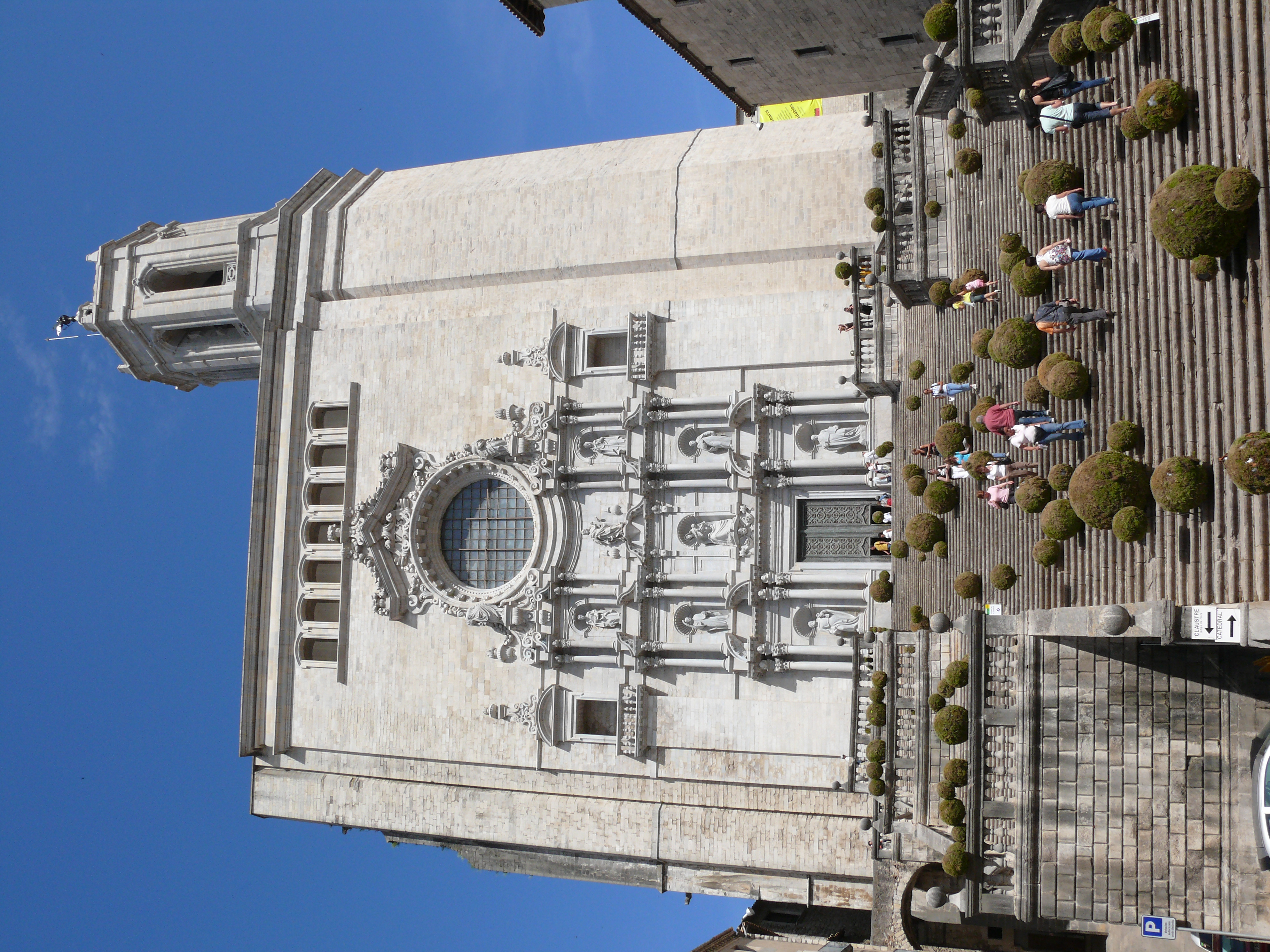
Catedral de Girona — The Widest Gothic Nave
9

Catedral de Girona — The Widest Gothic Nave

5 min

The Cathedral with the widest Gothic nave in the world at 22.98 meters, reached by climbing 90 Baroque steps, featuring a Romanesque cloister and 14th-century Tapestry of Creation.
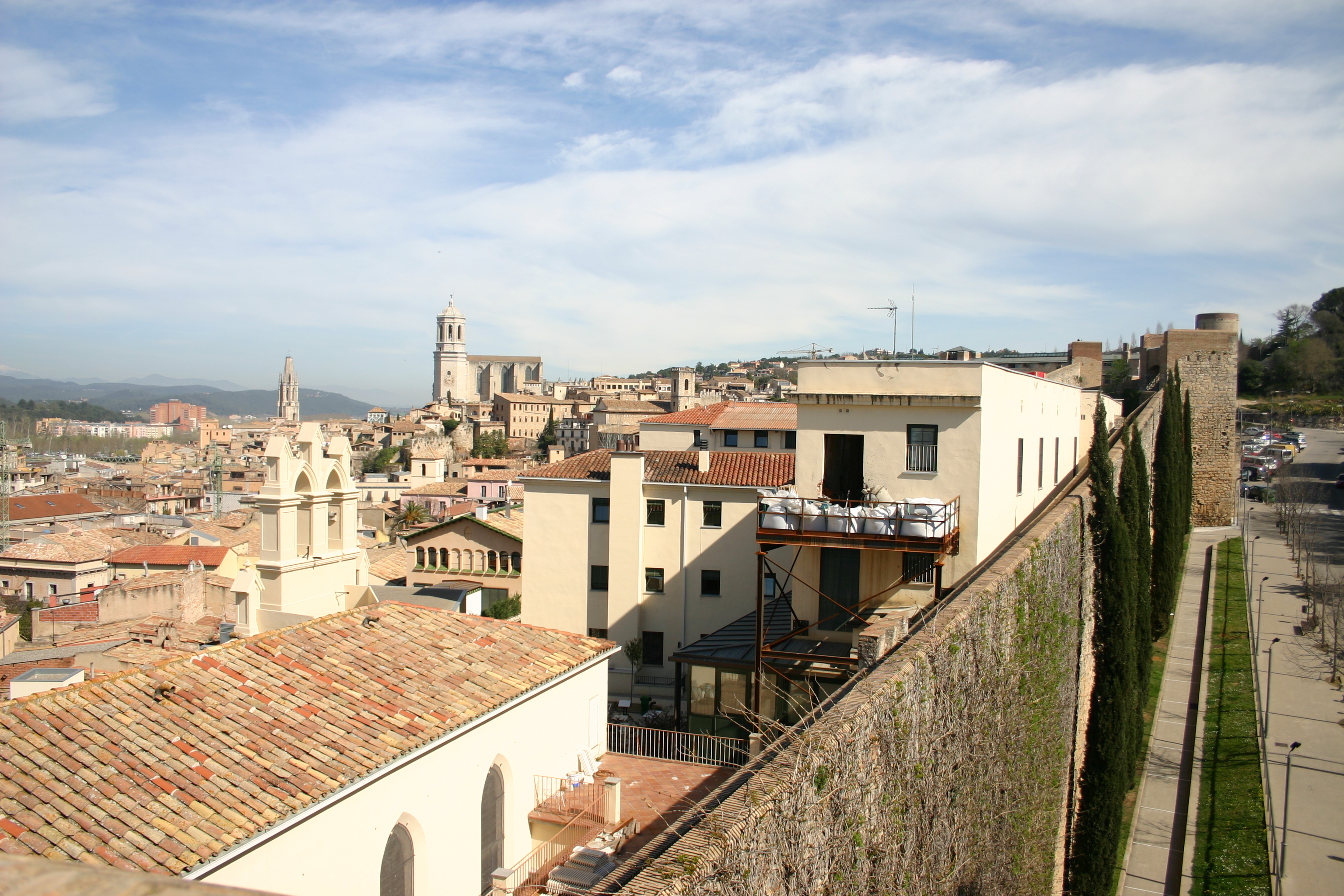
Passeig de la Muralla — Walking the Walls
10

Passeig de la Muralla — Walking the Walls

5 min

The restored medieval city walls on Carolingian and Roman foundations offer panoramic views of Girona's rooftops, towers, the Cathedral, and the Pyrenean foothills beyond.

A Taste of the Tour

This is the real story from one stop on this walk — every stop has one.

Pont de Pedra — Gateway to the Old Town

Welcome to Girona. You're standing on the Pont de Pedra—that's the Stone Bridge to you and me—and honestly, there's no better place to start. Look around. Those terracotta and rust-coloured houses reflected in the river, the cathedral towers rising behind them, the medieval quarter tumbling uphill in a maze of narrow streets: this is the postcard everyone knows. But here's the thing about Girona that makes it special. What you're about to walk through isn't just pretty. It's a living timeline. Two thousand years of Romans, Moors, Christians, Jews, and ordinary people have left their fingerprints all over these stones. And the remarkable part? You're going to see nearly all of it in the next couple of hours, all on foot, all within what you can practically cross in an afternoon. That's the genius of this city. It's dense with history but small enough to feel intimate, manageable, real. So let's go. The old town is waiting. Welcome to Girona. Let's begin here on Pont de Pedra — the Stone Bridge. This is where every meaningful journey through this city starts, and it's no accident. Built in 1856, this bridge connects two fundamentally different Giron­as: the contemporary city on this bank and the medieval old town across the water. Below us flows the Onyar river. To the casual observer, it's unimpressive — quiet, slow-moving, almost understated. But this river shaped everything about how Girona developed. It provided water and power. It created a natural boundary that forced urban development along specific lines. Enemies had to cross it to reach the city. Merchants used it to trade. The Onyar has been Girona's constant companion for two thousand years, and we're standing right where the city decided to finally bridge it permanently. Look at what you see from this vantage point. Directly ahead, across the river, stand the colourful houses that have become famous worldwide — those stacked facades painted in reds, yellows, oranges, blues, purples that make Girona instantly recognizable on Instagram and travel postcards. Those houses are real. That view is real. But before you photograph them, look upward. Beyond those colourful houses, rising above them, you see the towers of the Cathedral — our eventual destination. Yes, there are 90 steps leading up to it. But Girona reveals itself gradually, and that's by design. Pont de Pedra is a threshold in multiple senses. For centuries, countless people crossed this bridge — merchants hauling goods, pilgrims seeking spiritual renewal, soldiers marching to war, refugees seeking safety and shelter. Every traveler who came to Girona stood approximately where you stand now, experiencing that peculiar feeling of being caught between two worlds. On one side: the contemporary city, the places where people work and shop and manage daily logistics. On the other side: medieval streets, centuries-old buildings, deeper history layering beneath every corner. This is where Girona's 2,000-year arc begins to come into sharp focus. The Romans knew this location mattered. They built here. Medieval people knew it mattered — they fortified the approaches. Napoleonic armies knew it mattered when they surrounded Girona in 1809 and tried to take this bridge. In every era, whoever controlled the crossing controlled access to the city's resources and defended its survival. From this bridge, you can read the entire Girona story in miniature. At river level: contemporary social life, commerce, daily rhythms. Up the slopes beyond the water: medieval streets and buildings from centuries past. Presiding over everything from the heights: the Cathedral, visible from almost everywhere in the old town once you know where to look. Our walk today moves systematically through all these layers — not randomly, but deliberately, climbing through time itself. We'll move from social life upward through centuries of accumulated history. But everything radiates from this bridge. Pont de Pedra isn't just an engineering structure connecting two banks. It's where visitors first understand that Girona is far deeper than it appears on the surface.

More Tours in Girona

Nearby Cities

Back to Girona Tours

Cookie Consent

We use cookies to analyse site traffic and improve your experience. You can choose to accept or reject analytics cookies. Learn more