Stones That Remember: Girona's Walls & Architecture
Girona · Spain

Stones That Remember: Girona's Walls & Architecture

Girona, Spain
100
Duration (min)
1.5
Distance (km)
9
Stops
Medium
Difficulty

Description

Read 2,000 years of history through Girona's physical fabric — from Roman wall foundations to the widest Gothic nave in the world, a Noucentiste riverside house, and Eiffel's iron bridge — learning to see every era layered into a single compact city.

Highlights

Portal de Sobreportes: Roman stones you can touch Catedral de Girona: the widest Gothic nave in the world (22.98m) Banys Àrabs: Christians building like Muslims using a Roman blueprint Casa Masó: Girona's own Noucentisme architectural masterwork Passeig de la Muralla: panoramic final exam from Carolingian walls
Tour Stops

Roman Foundations — Portal de Sobreportes
1

Roman Foundations — Portal de Sobreportes

4 min

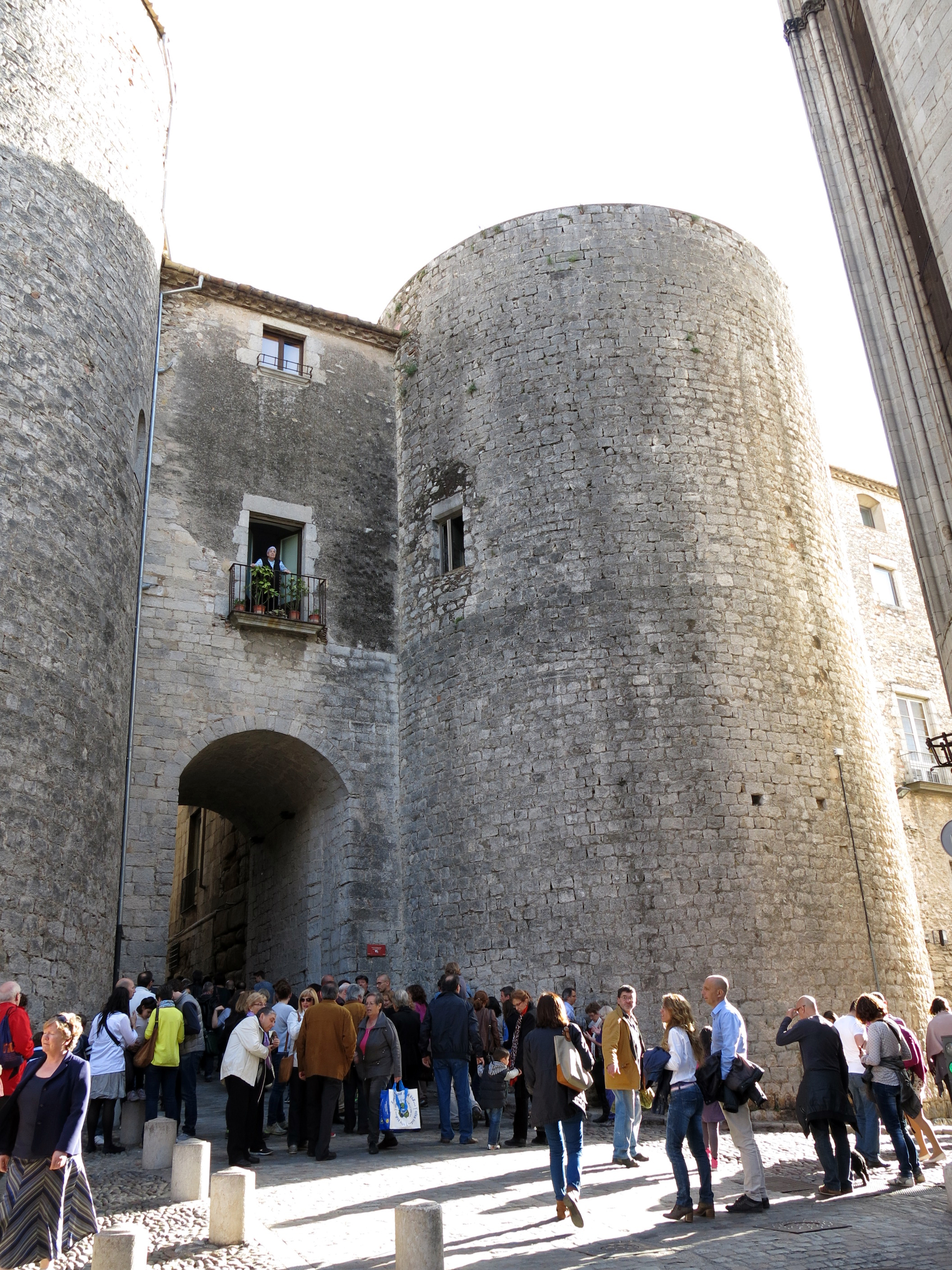
The oldest visible layer of Girona: massive Roman stones at the base of the Força Vella, the original fortified core. The Portal de Sobreportes still marks the northern gate of the Roman city.
Basílica de Sant Feliu — Transition and Layers
2

Basílica de Sant Feliu — Transition and Layers

4 min

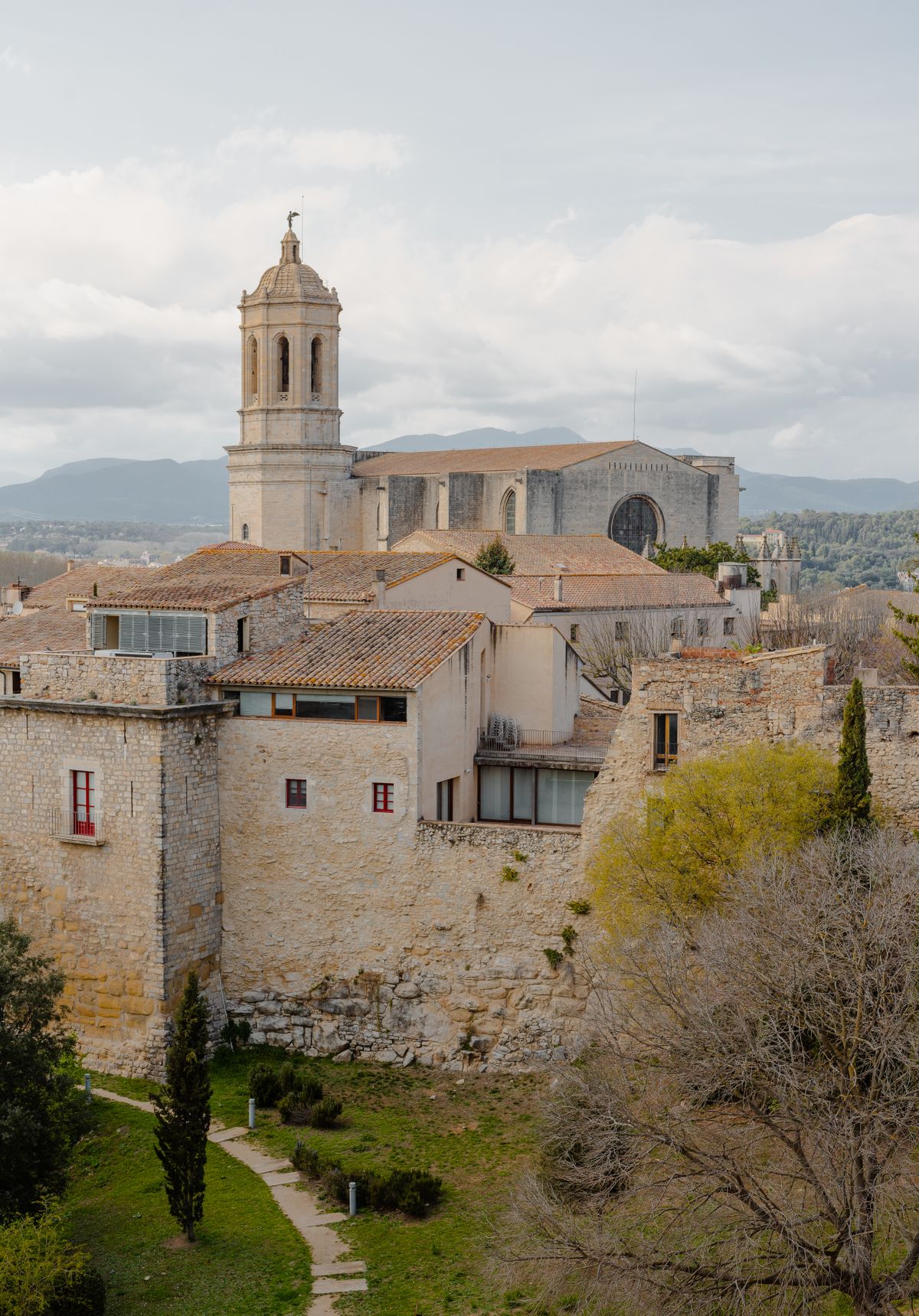
Sant Feliu's octagonal tower shows the transition from Romanesque base to Gothic upper stories—centuries of construction visible in a single structure. Inside, 4th-century sarcophagi represent the oldest Christian art in Girona.
Banys Àrabs — Multicultural Architecture
3

Banys Àrabs — Multicultural Architecture

4 min

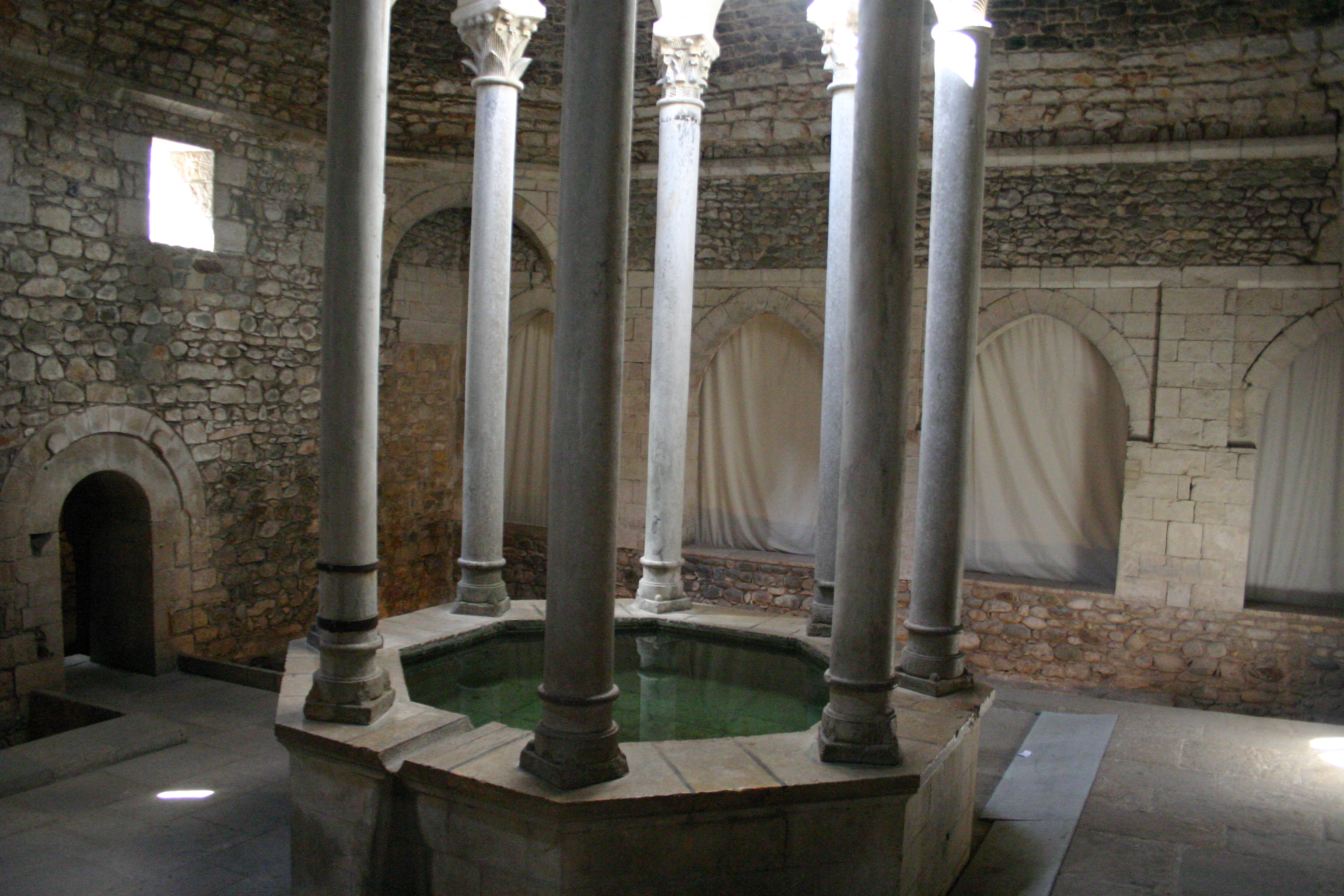
A 12th-century bathhouse built by Christians in a style borrowed from Islamic hammams, with a layout inspired by Roman thermae. Three cultures in one building.
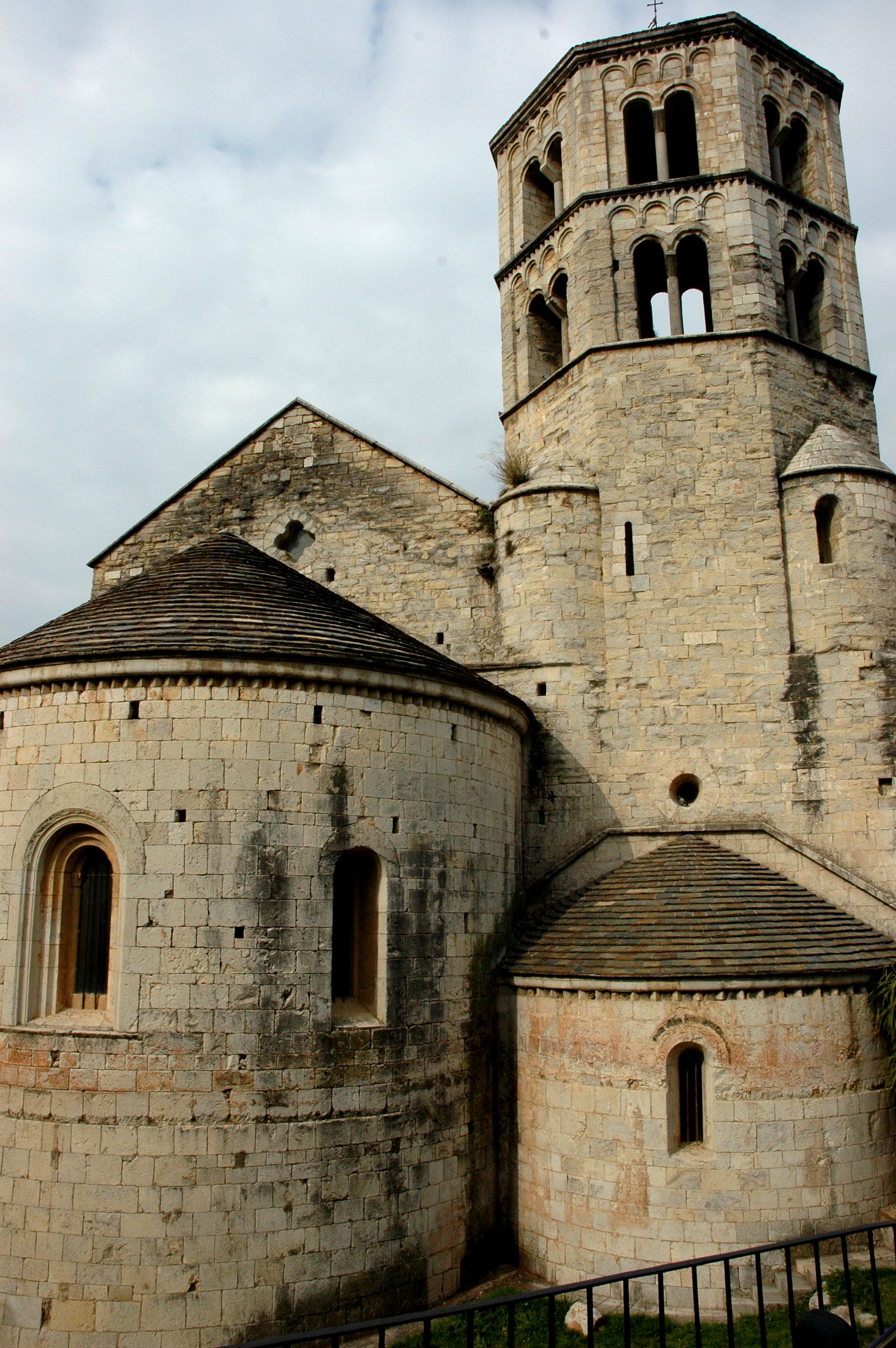
Monestir de Sant Pere de Galligants — Romanesque (992 AD)
4

Monestir de Sant Pere de Galligants — Romanesque (992 AD)

5 min

The finest Romanesque building in Girona, featuring a magnificent octagonal bell tower and a cloister with carved capitals showing the evolution from abstract geometric forms to narrative sculpture.

Catedral de Girona — Gothic Ambition

5 min

The widest Gothic nave in the world (22.98m) was a deliberate architectural gamble—the builders debated for 50 years whether a single nave could stand. It did. The Romanesque cloister behind it predates the Gothic rebuild by 200 years.

Casa Masó — Noucentisme on the River

4 min

Rafael Masó's birthplace and masterwork—a Noucentiste house combining traditional Catalan materials with early modern design. One of the colourful houses on the Onyar, but the only one you can enter.
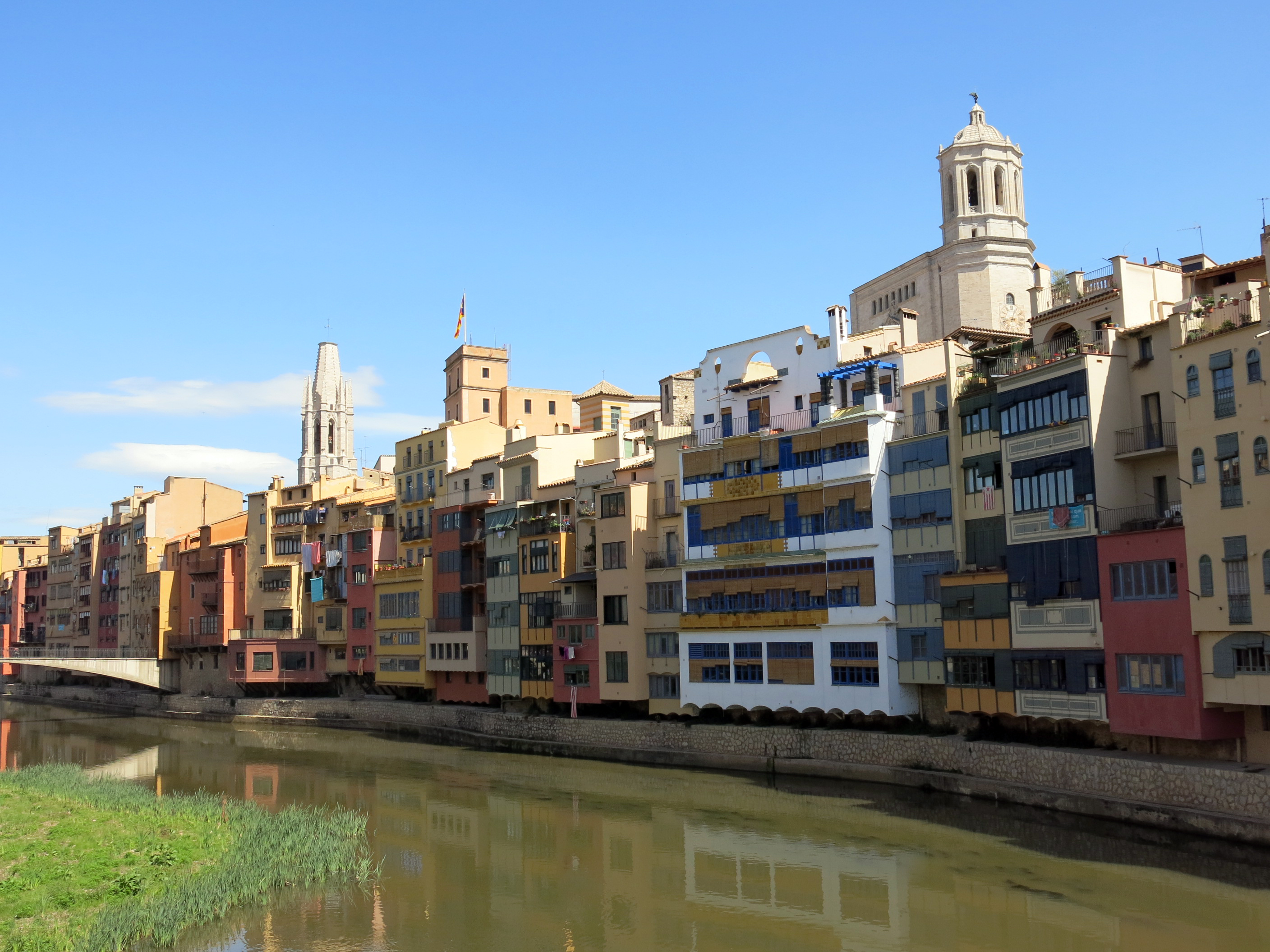
Cases de l'Onyar — Colour as Public Art
7

Cases de l'Onyar — Colour as Public Art

4 min

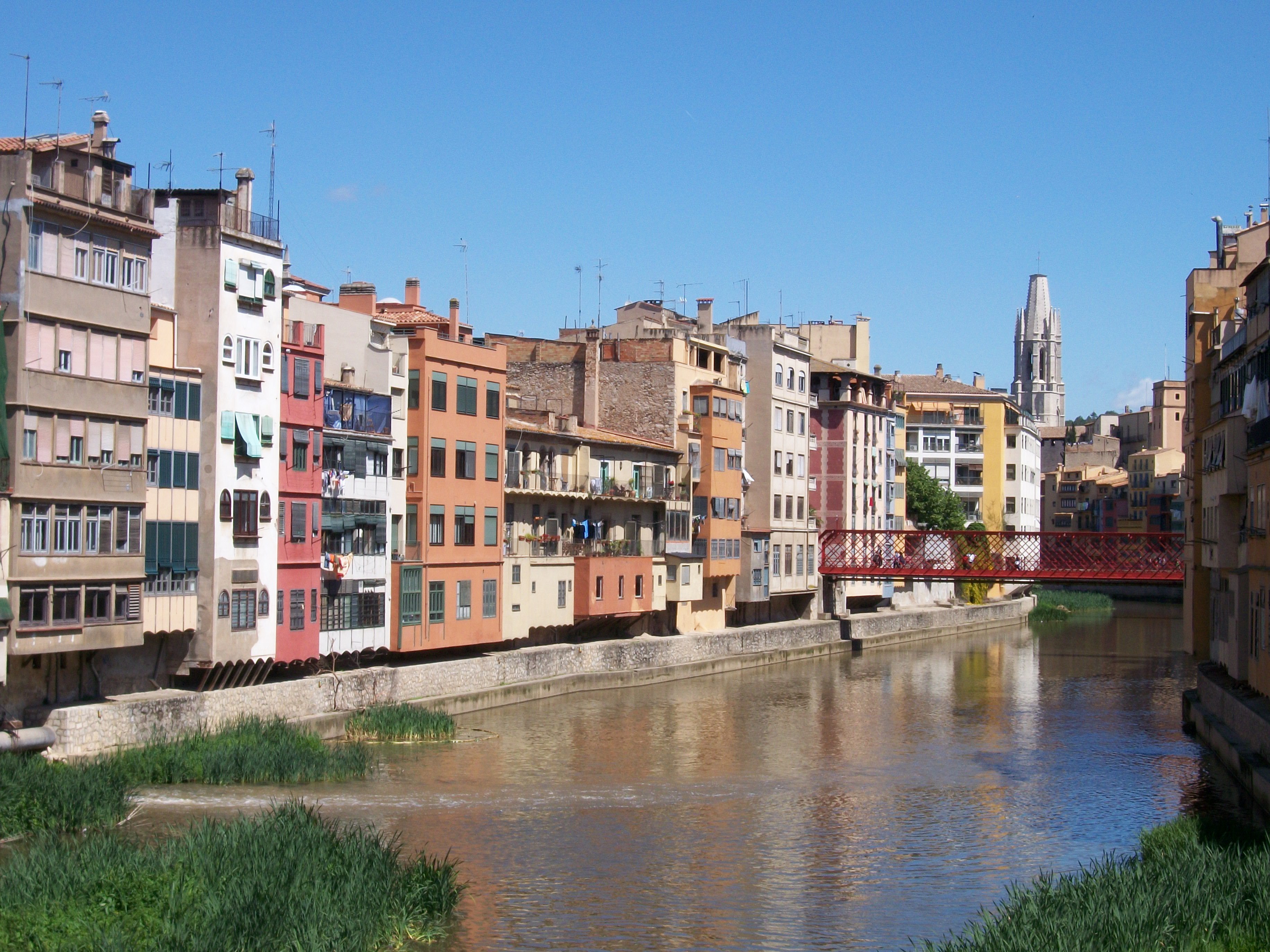
The colourful houses along the Onyar river were painted in the 1980s as a deliberate act of urban renewal—artist Enric Ansesa chose the palette. What looks like tradition is actually contemporary public art.
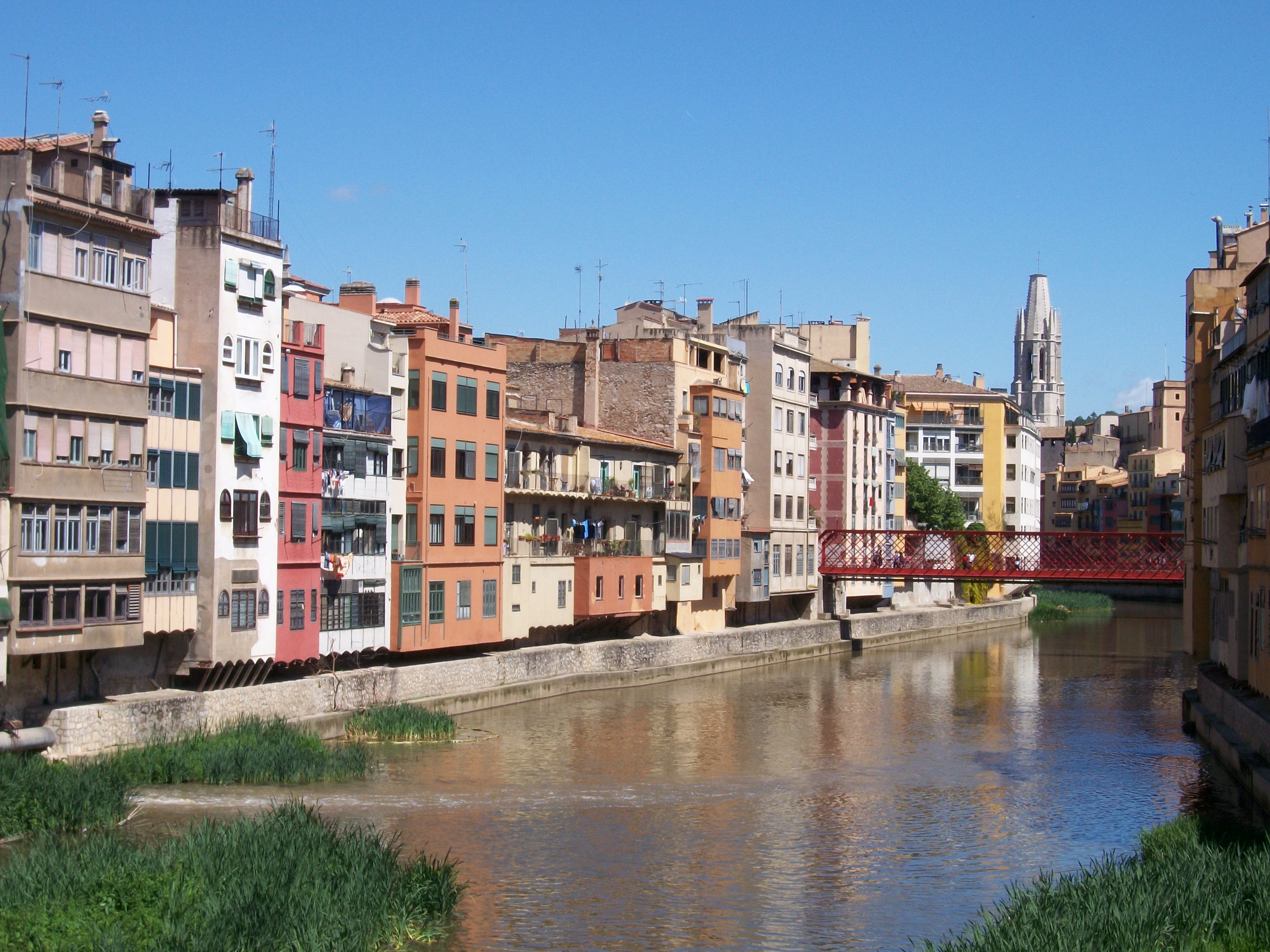
Pont de les Peixateries Velles — Eiffel's Iron
8

Pont de les Peixateries Velles — Eiffel's Iron

4 min

A red iron footbridge built in 1877 by the Eiffel company—industrial-age engineering meeting medieval city. The best vantage point for viewing the colourful houses.
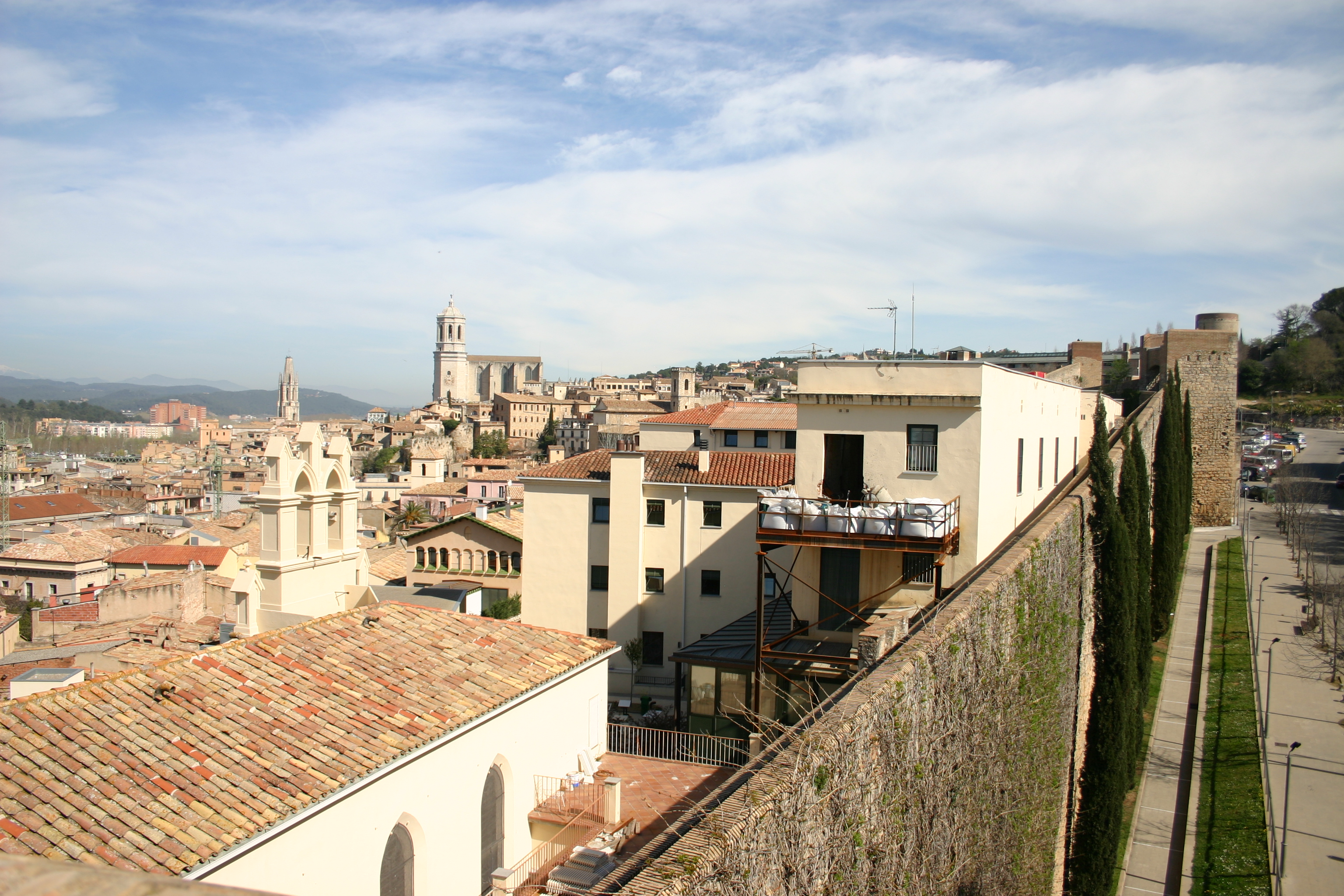
Passeig de la Muralla — Carolingian to Medieval Walls
9

Passeig de la Muralla — Carolingian to Medieval Walls

5 min

The restored city walls run from Carolingian foundations (9th century) through medieval expansions. Walking the top reveals how each era extended and reinforced the defensive perimeter.

A Taste of the Tour

This is the real story from one stop on this walk — every stop has one.

Roman Foundations — Portal de Sobreportes

Welcome to the Portal de Sobreportes — and the beginning of your education in reading stone. You're standing at the oldest visible layer of Girona, where massive Roman blocks form the foundation of the Força Vella. See how they're different from everything above? That's your first clue. For the next hundred minutes, we're going to teach your eye to spot the centuries. Every stone in this old town was placed by a different civilization — Romans, medieval Catalan builders, later reinforcements — and if you know how to look, the walls become a history book written in granite and mortar. By the time we reach the top of the walls, you'll be able to walk through any corner of Girona and read its age like a timeline. So let's start with what Romans left behind. Look down. Really look. Those stones didn't move in 2,000 years. Welcome to Girona. Look down at your feet, and then look up at the walls around you. What you're standing at is the oldest lesson in this city: how to read stone. Every wall in Girona was built by somebody different, and if you learn to look at them right, the whole city becomes a history book. Start right here, at the base of the Força Vella. See those enormous blocks? That's Roman work. Notice the size—these aren't small careful stones. Each one is massive, maybe a meter or more on each side, shaped into nearly perfect rectangles. The precision is astonishing. Look at the joints between them: no mortar visible, almost no gaps at all. That's the hallmark of Roman masonry. They didn't need mortar the way later builders did. These stones are cut so precisely and fitted so tightly that they've locked together for two thousand years. This is Gerunda, as the Romans called it. The city sat on the Via Augusta, one of the great trading roads connecting Rome to the Iberian peninsula. That stone fortress up there—the Força Vella—was the military nucleus. And that gateway you can see, the Portal de Sobreportes? That was the northern entrance to the Roman city. Soldiers, merchants, and officials passed through there on their way north toward the Pyrenees. Here's the trick: as you walk around Girona over the next couple of hours, look at every wall. Look at the bottom. The very base of almost every old wall in this city has these massive Roman blocks. They're like the alphabet. Once you learn to recognize them, you'll start reading the city itself. You'll see where Rome ends and the next layer begins. The blocks get smaller. The stone gets rougher. Different hands, different centuries, built on top of that Roman foundation. The Romans understood something about defense and about permanence. They built foundations that lasted long enough for Christians to build churches on them, for medieval soldiers to build fortifications on them, for modern visitors like you to stand on them and wonder who placed each stone. That's why you're looking at this particular spot first. Before you can read the rest of Girona's story, you need to know what Roman stone looks like. You need to train your eye to see it in the darkness of ground level, in the massive patient engineering that holds everything else up. Know what's remarkable? The Portal de Sobreportes still stands. Still frames the gateway. Medieval people rebuilt the city around it, but they left the Roman archway in place. They knew it worked. They knew those massive stones were not going anywhere.

More Tours in Girona

Nearby Cities

Back to Girona Tours

Cookie Consent

We use cookies to analyse site traffic and improve your experience. You can choose to accept or reject analytics cookies. Learn more