From Cathedral to Kitchen: Girona's Flavours
Girona · Spain

From Cathedral to Kitchen: Girona's Flavours

Girona, Spain
90
Duration (min)
2.1
Distance (km)
7
Stops
Easy
Difficulty

Description

Taste your way through a city with three Michelin stars, a pastry with protected status, and a market where the chefs shop before you wake up.

Highlights

Mercat del Lleó where the Roca brothers shop The xuixo — Girona's PGI-protected pastry Rocambolesc Gelateria by Jordi Roca Vermut culture at Plaça de la Independència Parc de la Devesa open-air market
Tour Stops

Mercat del Lleó — Where the Chefs Shop
1

Mercat del Lleó — Where the Chefs Shop

5 min

Girona's primary indoor market since 1944, with 60 stalls selling fish, fruit, vegetables, cheese, sausages, pasta, teas, and flowers. This is where the Roca brothers and every serious kitchen in the province sources their ingredients.
Pont de Pedra — River Trade Context
2

Pont de Pedra — River Trade Context

3 min

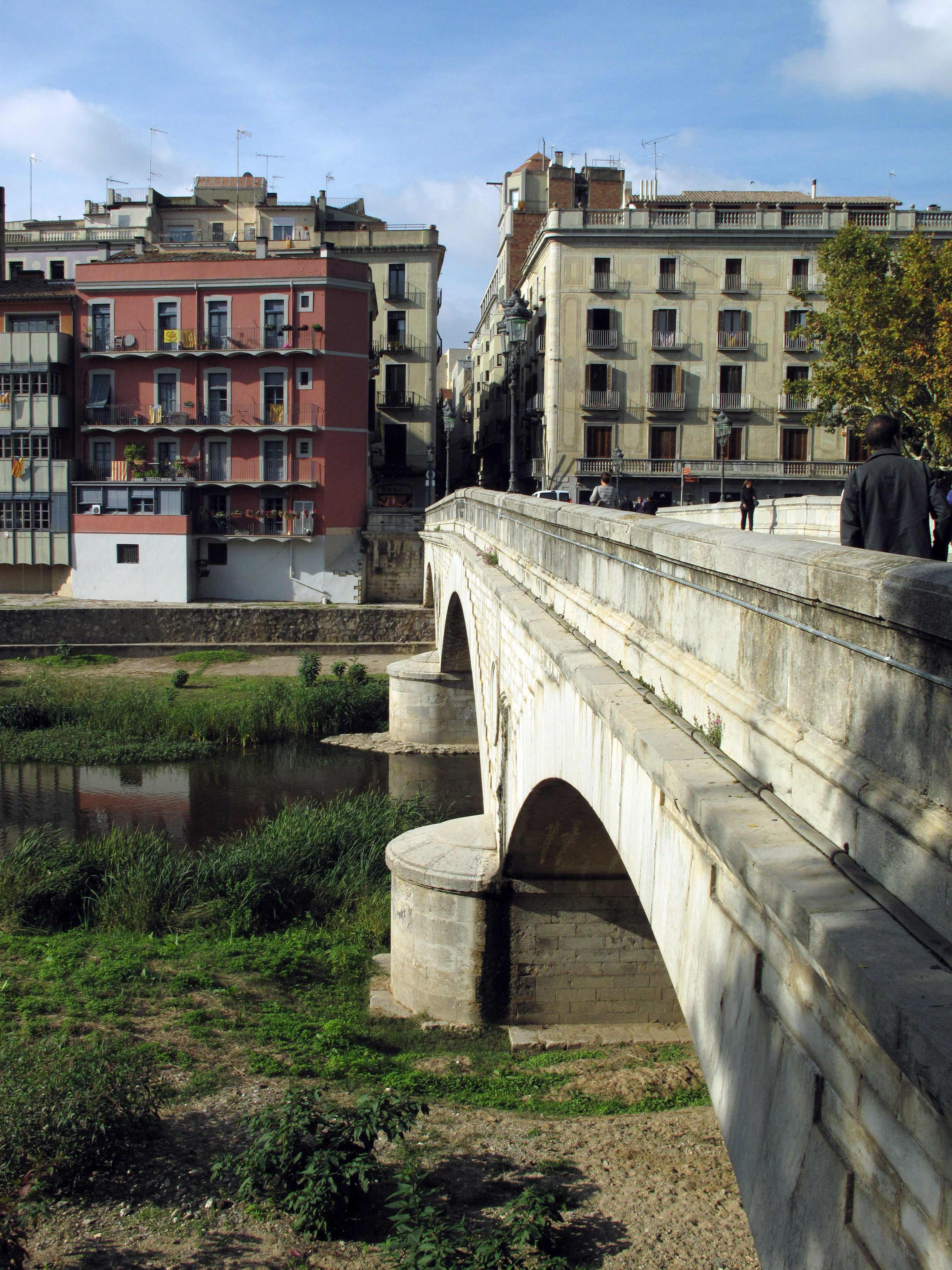
The stone bridge that crosses the Onyar River, connecting Girona's old town to the Mercadal neighbourhood — a vital crossing point where food, goods, and commerce flowed between the hillside and the market. Built in 1856, it replaced the medieval Sant Francesc bridge and stands as the gateway between where ingredients grew and where they were bought and sold.
Rambla de la Llibertat — The Artisan Market
3

Rambla de la Llibertat — The Artisan Market

4 min

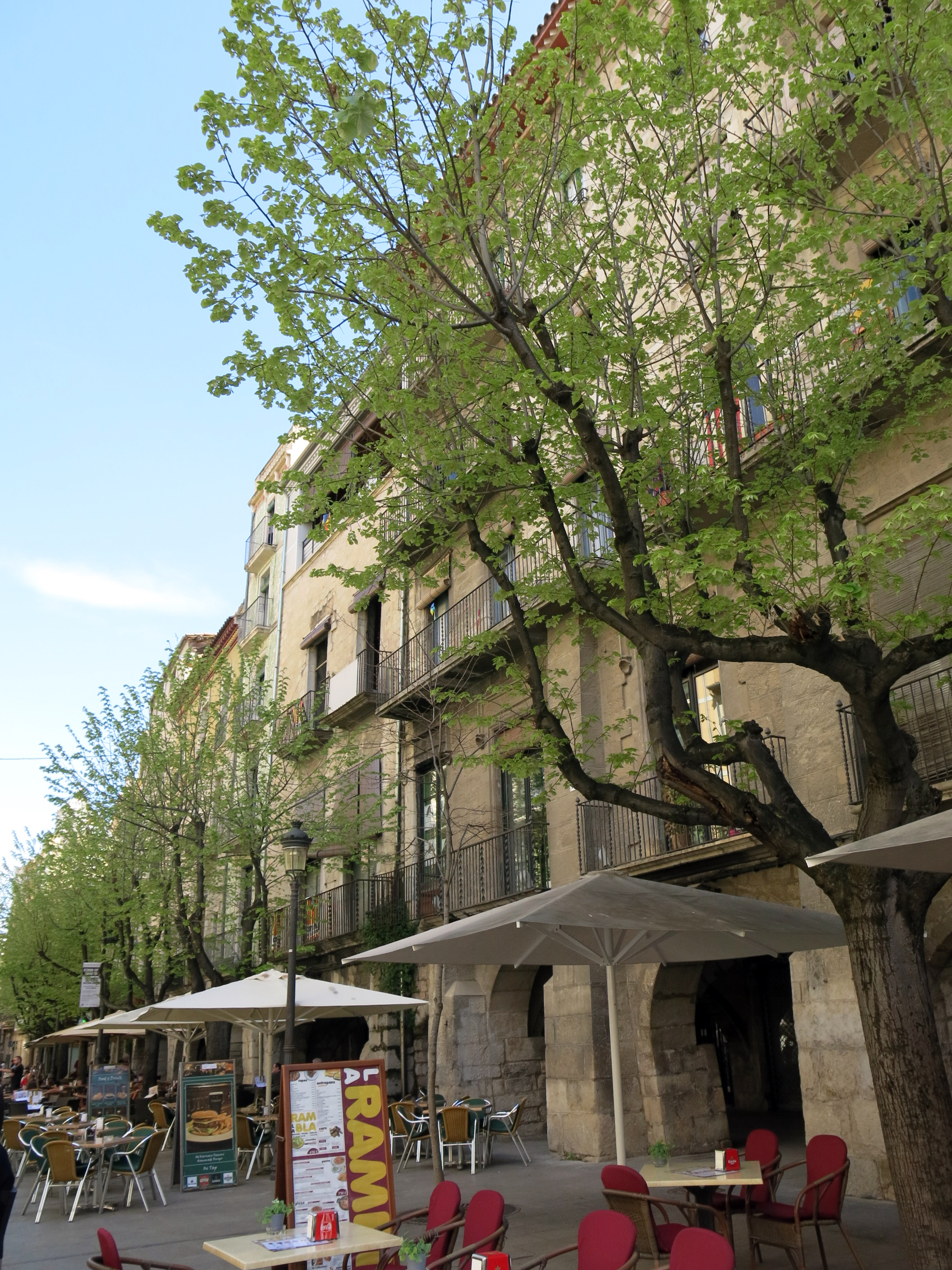
Girona's main pedestrian boulevard transforms on Saturday mornings with a flower market, and on the first Saturday of every month hosts an artisan food fair where producers from the Empordà and Garrotxa regions sell their traditional Catalan products directly to you.

Xuixo Bakeries — Carrer Cort Reial

4 min

The xuixo — a deep-fried, sugar-coated pastry filled with crema catalana — was invented in the 1920s by Emili Puig on this street. It now holds Protected Geographical Indication status.
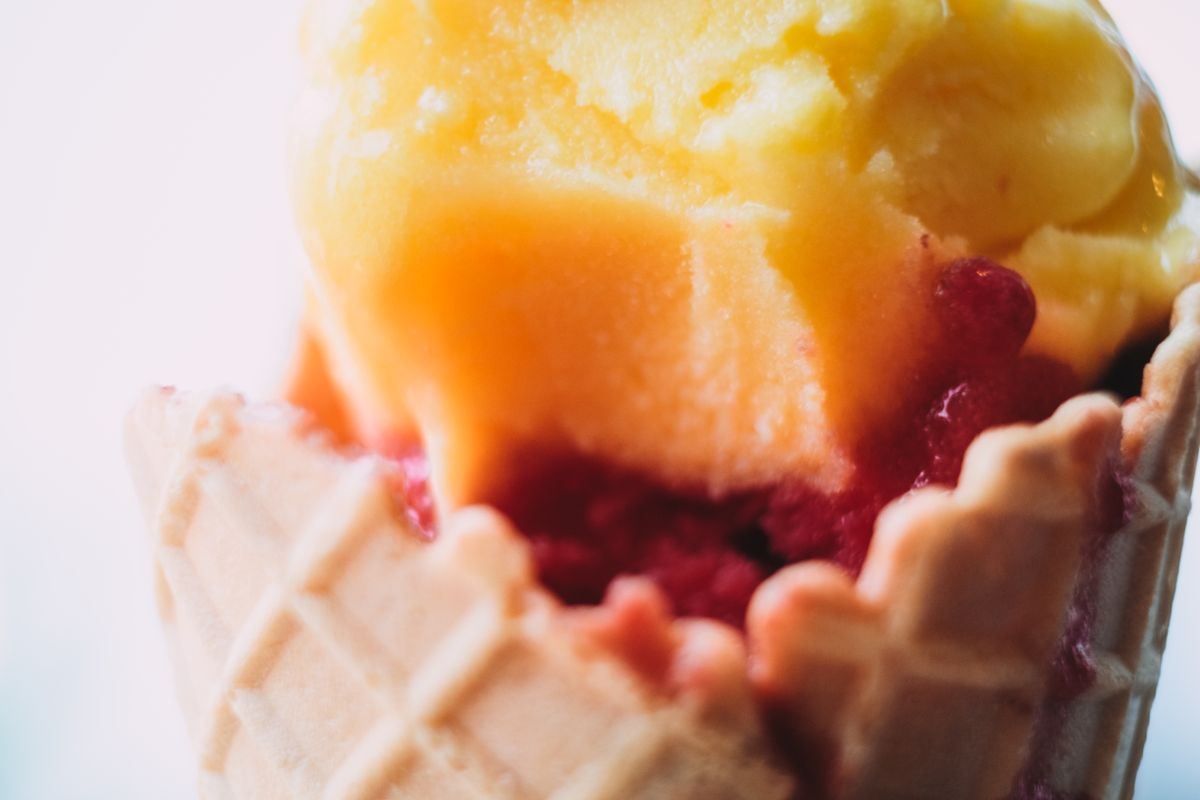
Rocambolesc Gelateria — Three Stars in a Cone
5

Rocambolesc Gelateria — Three Stars in a Cone

3 min

Jordi Roca, the youngest of the three brothers behind El Celler de Can Roca, opened this Willy Wonka-inspired ice cream shop on Carrer de Santa Clara, where more than 35 toppings, liquid nitrogen, and edible art transform a simple gelato into an experience.
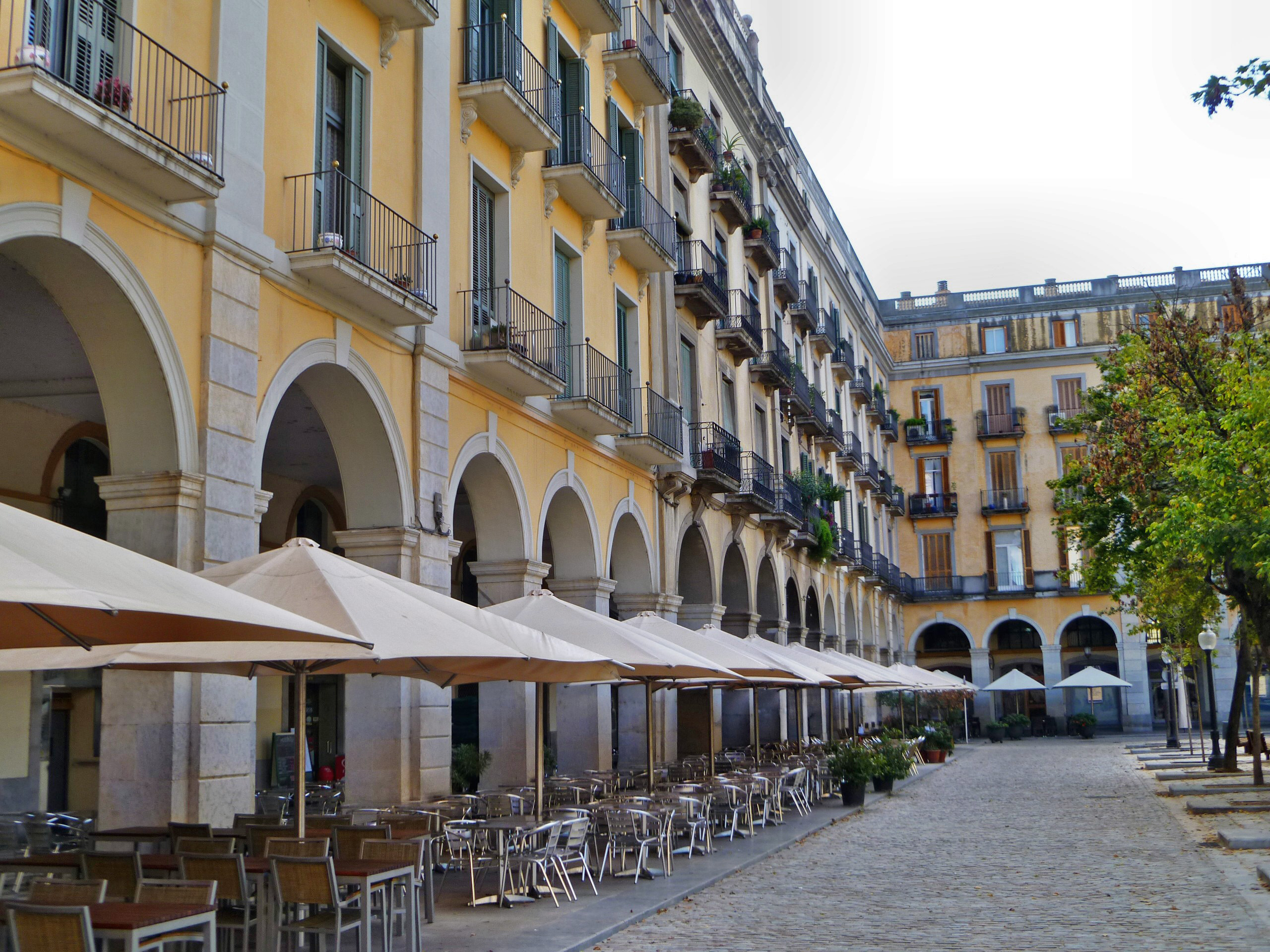
Plaça de la Independència — Vermut and Bar Culture
6

Plaça de la Independència — Vermut and Bar Culture

4 min

Girona's main social hub, this neoclassical square is ringed with arcaded bars and restaurants where locals gather for vermut before lunch and gin-tònic after dinner. The square's name commemorates the 1809 siege, but its daily life is pure Catalan conviviality.
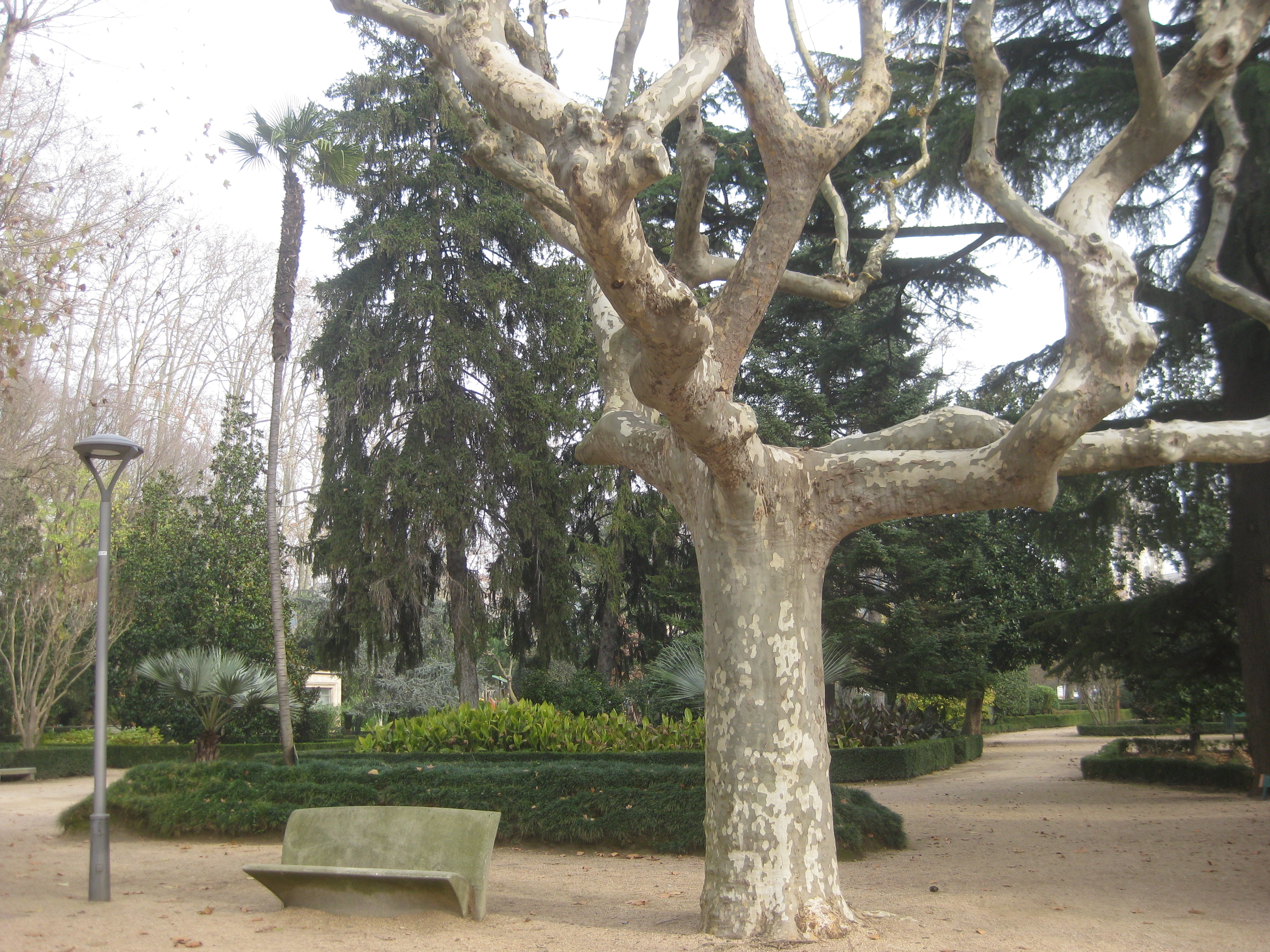
Parc de la Devesa — The Tuesday and Saturday Market
7

Parc de la Devesa — The Tuesday and Saturday Market

4 min

Catalonia's largest urban park sprawls 40 hectares under a canopy of 2,500 plane trees planted in 1850, their trunks growing into towering green columns 55–60 metres high. Every Tuesday and Saturday, this shaded expanse transforms into an open-air market where locals gather before tourists wake.

A Taste of the Tour

This is the real story from one stop on this walk — every stop has one.

Mercat del Lleó — Where the Chefs Shop

Welcome to Girona—where the breakfast tables are set by Michelin-starred chefs, where a pastry holds protected status like a Renaissance painting, and where the market hums with purpose long before the rest of the city wakes. Over the next 90 minutes, we're walking just 1.65 kilometres, so bring your appetite and your curiosity, not your ambition. This walk isn't about restaurant queues or impossible reservations. It's about tracing the DNA of Girona's food obsession from source to table—from the hands that select the day's vegetables to the vermut glasses raised on a Saturday terrace. We'll start where the chefs shop, and finish where everyone gathers to eat well without pretence. Girona takes food seriously. But notice—it never gets precious about it. Let's begin. You're standing in the beating heart of Girona's food story, and you know it before your eyes even adjust to the light. The smell hits first—salt-sharp and briny from the fish section, undercut by the earthy funk of mushrooms and the sweet perfume of fresh flowers stacked near the entrance. This is Mercat del Lleó, and it's not here for you. It's here for the chefs. The market opened in November 1944, a permanent home for what had been Girona's daily market since medieval times. Before that, vendors spilled onto Plaça de les Cols with their fish, meat, and produce, until the city finally outgrew them. So they built this place—proper stalls, proper infrastructure, and a name that references the lion that once guarded the city gates. Now, eighty years later, it still functions exactly as it did the day it opened: as a working market, not a tourist attraction. The professionals here don't care if you're watching. They've got service calls to fulfill. Walk deeper in and you'll see why. The fish section is spectacular in a way that has nothing to do with presentation. Ice-packed stalls display whatever came off the boats—gleaming dentex and sea bream, their eyes still bright. There are razor clams still moving slightly on beds of ice, gambas the size of your hand, local squid, and whatever else the Mediterranean decided to cooperate with that morning. The fishmongers here know their stock with a precision you only see in serious kitchens. They know which boat the fish came from, how the morning catch is different from yesterday's, what's worth buying today and what isn't. This is where Joan, Josep, and Jordi Roca source. El Celler de Can Roca—three Michelin stars, ranked the world's best restaurant in 2013 and 2015—works with suppliers like these. Not celebrity chefs playing at authenticity. The Rocas built their restaurant on the bedrock of this region's ingredients, and that means knowing every fishmonger, every produce vendor, every salami maker in this market. When a three-star kitchen has a wine cellar with 60,000 bottles, they're not doing that out of vanity. They're doing it because they take the whole experience seriously, from the grape to the glass to the plate. And it starts here. The market holds 60 stalls now, same as it has for decades. Cheese vendors with wheels of mató and aged Girona classics. Produce stands where the vegetables change with the seasons—and only the seasons. Pasta-makers selling fresh noodles by the kilo. A spice counter where you can smell the cardamom and cinnamon from three stalls away. Flowers bundled and priced in the front corner. It's a ecosystem, not a shopping center. Every stall exists because someone in this city's kitchens needs what they sell. Watch the rhythm for a moment. The serious cooks come early—you'd see them if you were here at six in the morning, filling plastic crates with the morning's selections before service prep. The home cooks come later, after the chefs have already picked clean the best of everything. There's a hierarchy here, unspoken but absolute. This is how it works in cities that actually care about food. The professionals get first pick. The market isn't democratic. It's meritocratic. You're at the beginning of something here. This market is where Girona's food story starts—not in a restaurant, not on a plate, but in the raw conversation between a chef's needs and what the sea and the land have yielded that morning. Everything you'll taste in the next few hours has a connection to this place. Most of it, directly.

More Tours in Girona

Nearby Cities

Back to Girona Tours

Cookie Consent

We use cookies to analyse site traffic and improve your experience. You can choose to accept or reject analytics cookies. Learn more