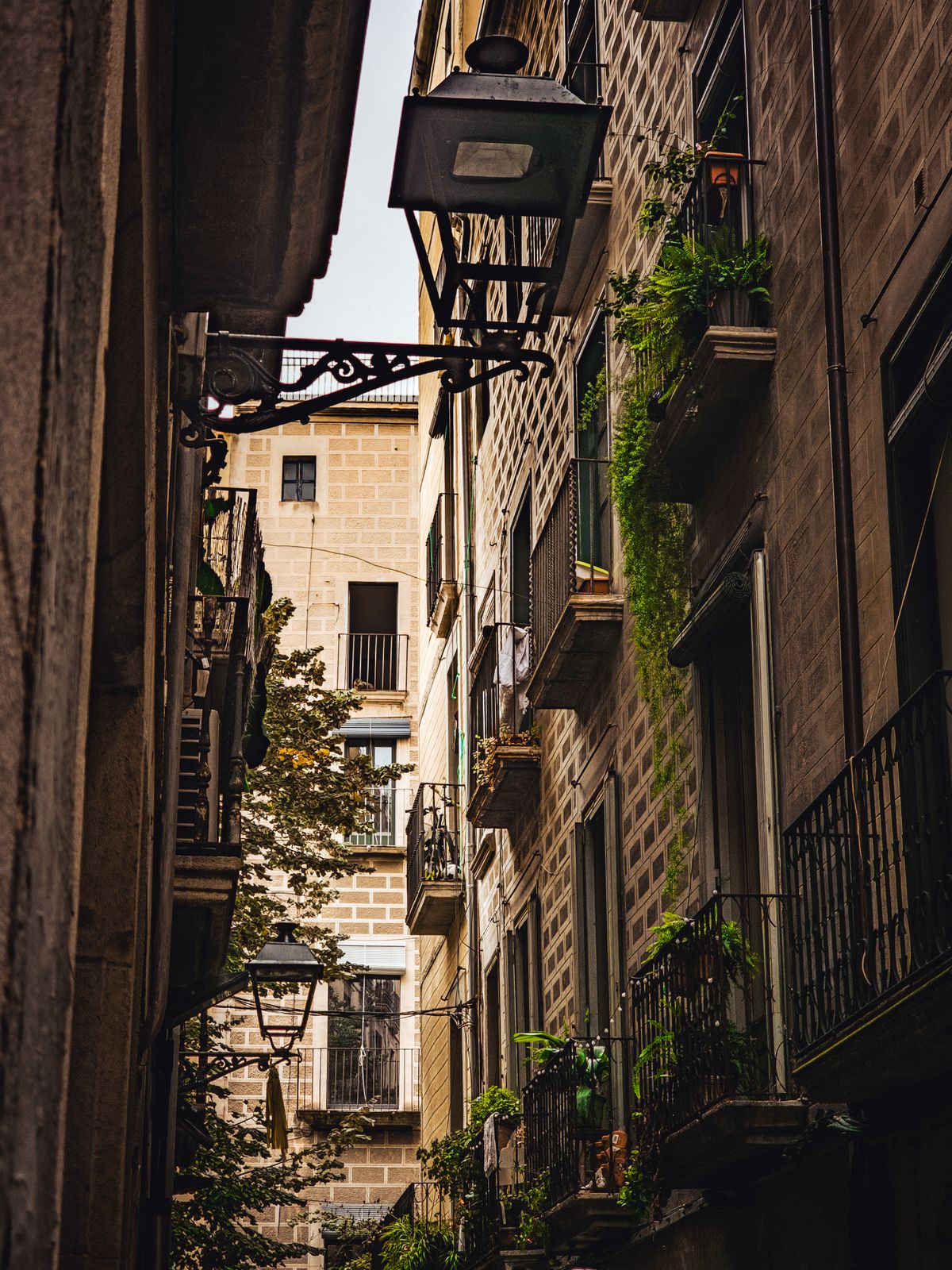
The Call: Girona's Jewish Story
Girona · Spain

The Call: Girona's Jewish Story

Girona, Spain
90
Duration (min)
1.1
Distance (km)
8
Stops
Easy
Difficulty

Description

Walk through one of Europe's best-preserved medieval Jewish quarters, from the first documented presence in 890 AD through a golden age of Kabbalistic scholarship to the 1492 expulsion and the modern recovery of memory.

Highlights

Nahmanides and the Kabbalistic school Centre Bonastruc ça Porta museum Sealed doorways of the post-1492 quarter Aerial view from Caserna dels Alemanys Cathedral power dynamics
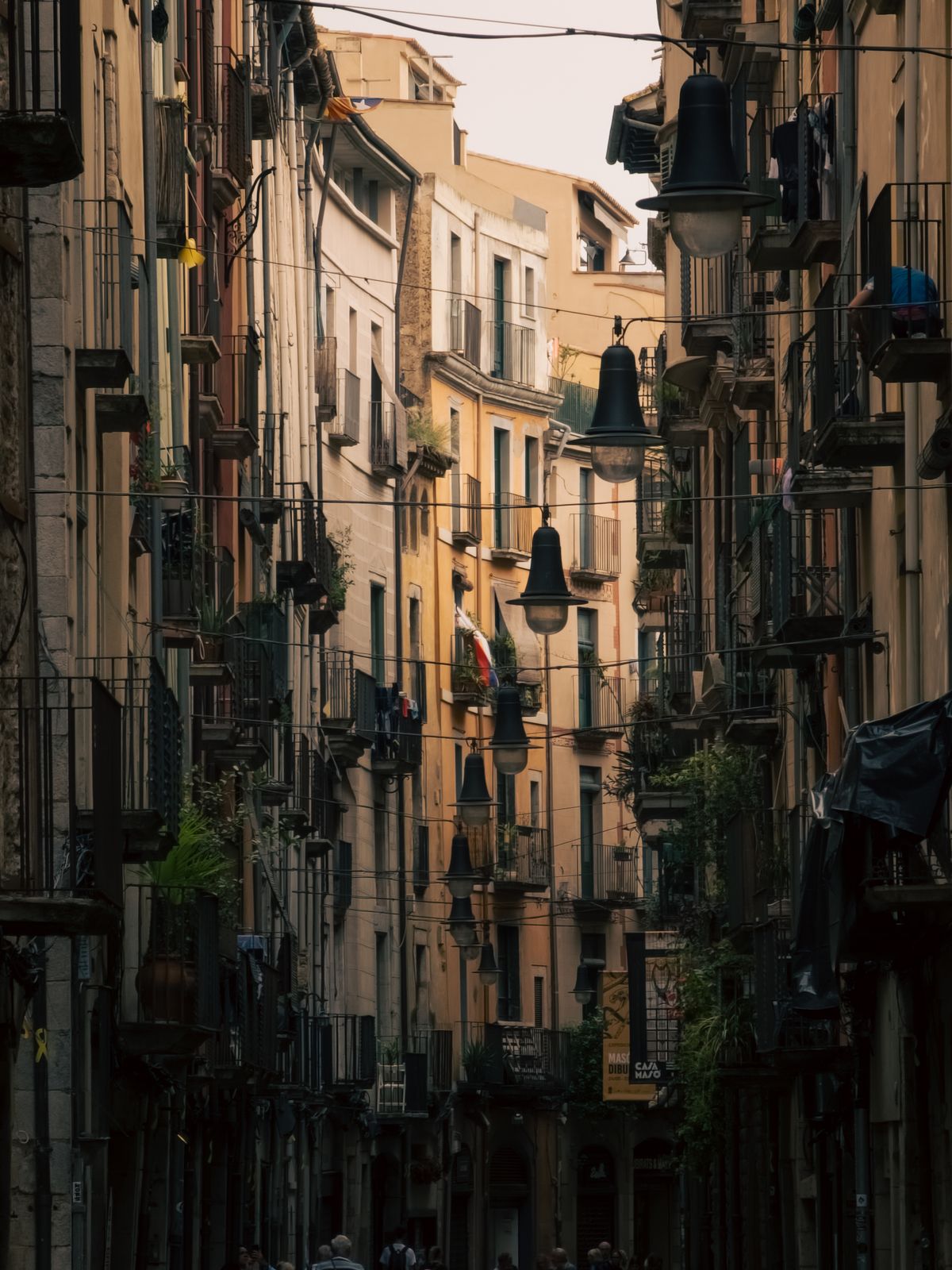
Tour Stops

Carrer de la Força — Entrance to the Call
1

Carrer de la Força — Entrance to the Call

5 min

Carrer de la Força is the main artery of Girona's medieval Jewish quarter, where a community of roughly 1,000 people lived and worked during the 13th century. The street follows the old Roman road within the Força Vella walls — a location chosen by the first Jewish families who arrived in Girona in 890 AD and formalized by the early 12th century.
Narrow Alleys of Confinement — Carrer de Cúndaro
2

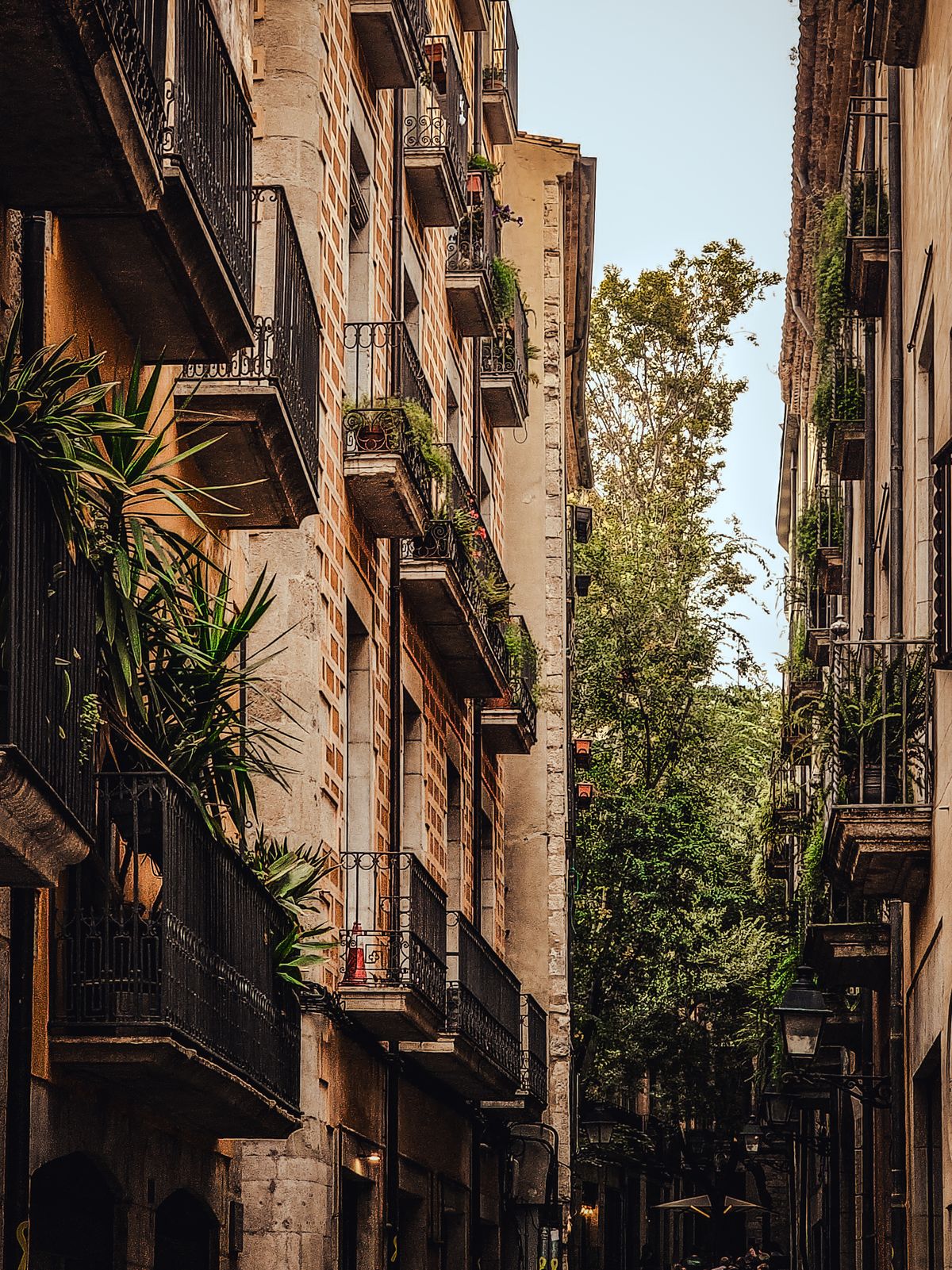
Narrow Alleys of Confinement — Carrer de Cúndaro

4 min

From the late 13th century onwards, increasing restrictions forced Girona's Jewish community into progressively narrower spaces. These alleys — some barely a metre wide — are the physical evidence of persecution, with walls moved inward, doorways sealed, and movement restricted by law and architecture alike.
The Kabbalistic School — Carrer de Sant Llorenç
3

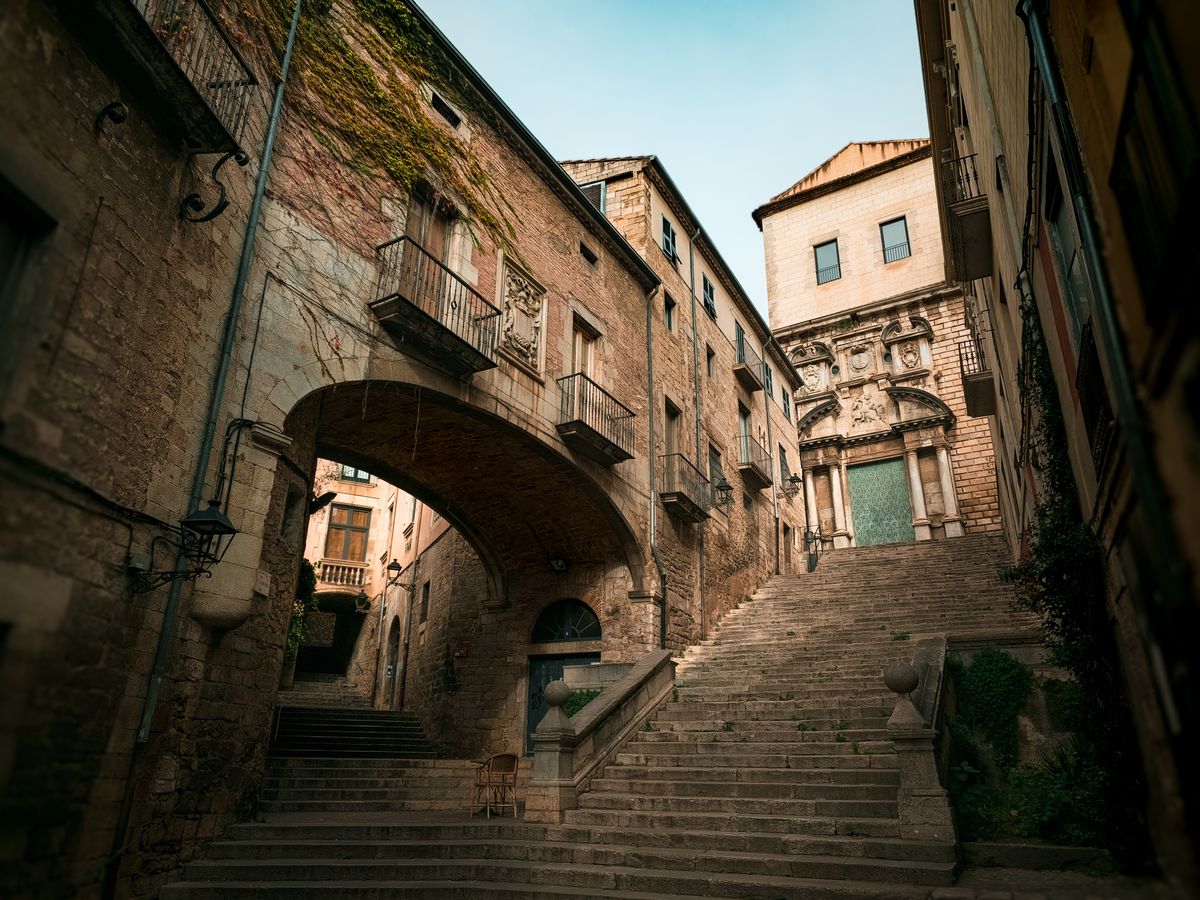
The Kabbalistic School — Carrer de Sant Llorenç

4 min

Rabbi Moshe ben Nahman Gerondi, known as the Ramban, was born on this street and became the Great Rabbi of Catalonia. In the 13th century, he founded one of Europe's most important centres of Jewish mysticism and Kabbalistic learning, transforming Girona into a beacon of Jewish spiritual thought—until his forced departure in 1267.
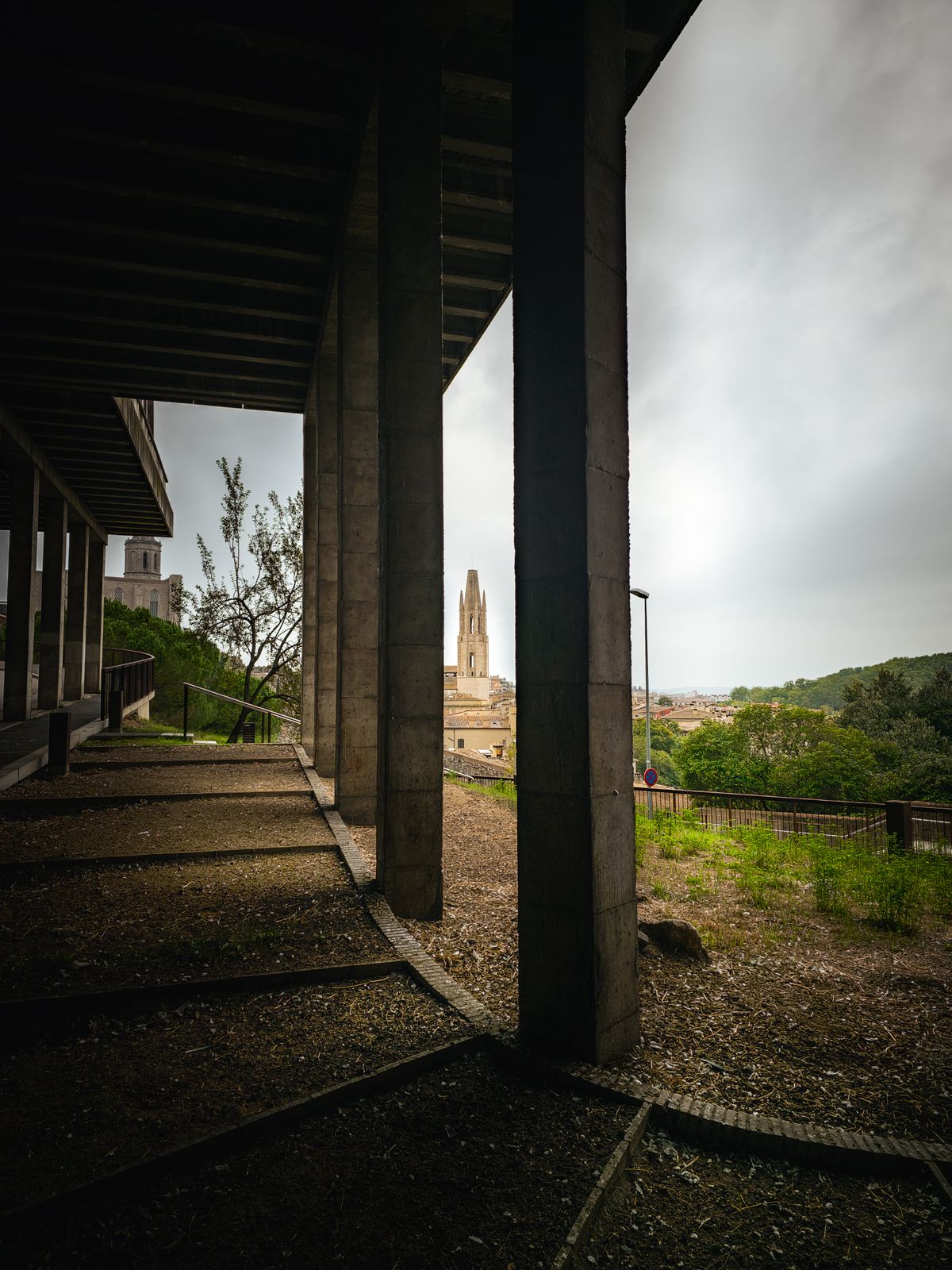
Centre Bonastruc ça Porta — Museu d'Història dels Jueus
4

Centre Bonastruc ça Porta — Museu d'Història dels Jueus

5 min

A 15th-century synagogue building now housing the Museum of Jewish History, with 11 thematic exhibitions on medieval Catalan Jewish life. The museum is named after Nahmanides (Bonastruc ça Porta in Catalan), Girona's greatest medieval rabbi and a towering figure in Jewish mysticism.
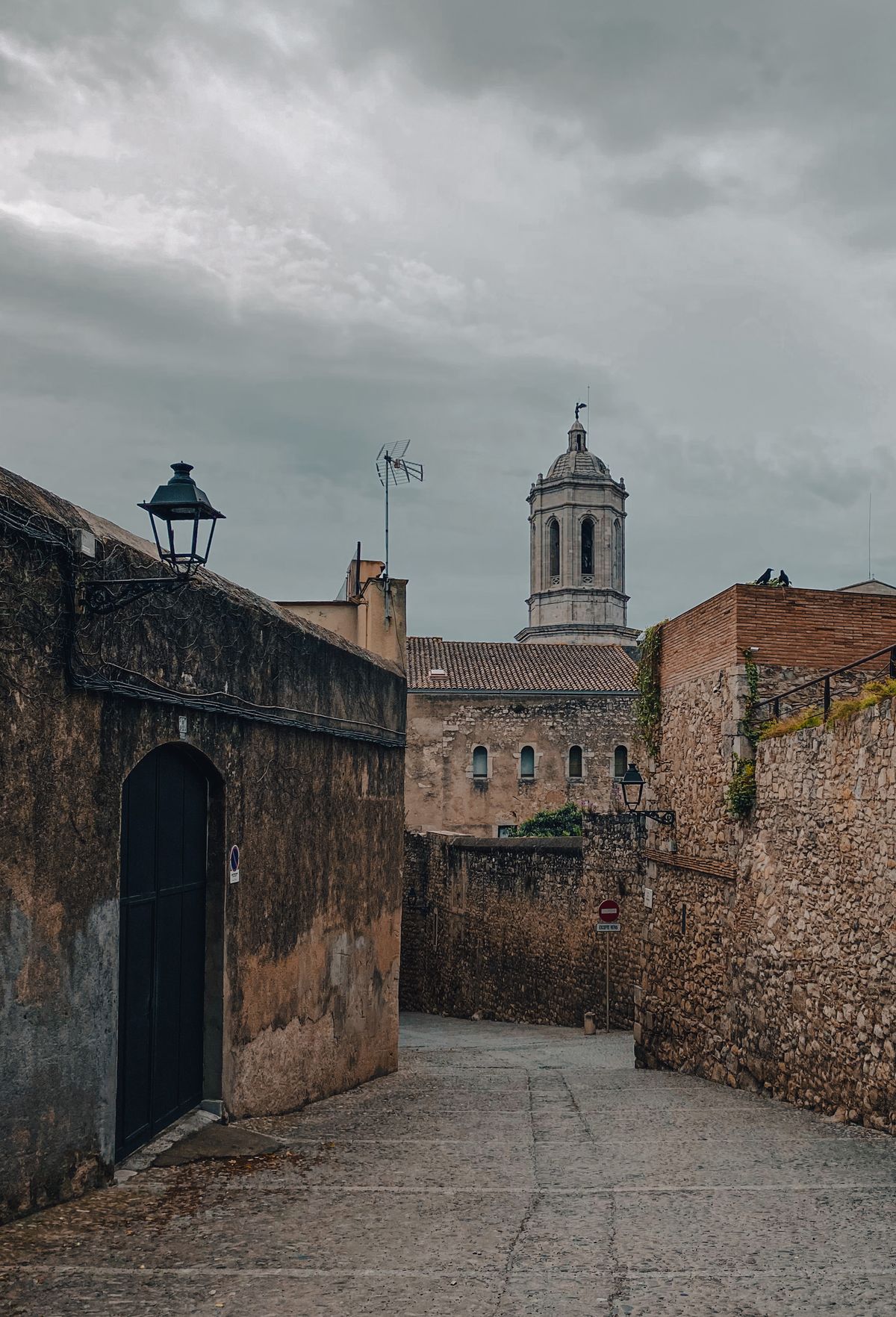
Sealed Doorways — Pati dels Rabins
5

Sealed Doorways — Pati dels Rabins

4 min

After the 1492 expulsion, the Jewish quarter was physically sealed — new houses built over old structures, doorways bricked up, windows closed forever. The irony of erasure: this act of destruction paradoxically preserved the medieval buildings beneath, the stones keeping their secrets until modern recovery began.
Caserna dels Alemanys — Aerial View of the Call
6

Caserna dels Alemanys — Aerial View of the Call

3 min

A restored walled garden at the city's highest point offering the only elevated view of the medieval Jewish quarter's layout. From here, the density, enclosure, and architecture of the Call become visible — the narrow streets, compressed buildings, and defensive walls that contained one community's world for six centuries.
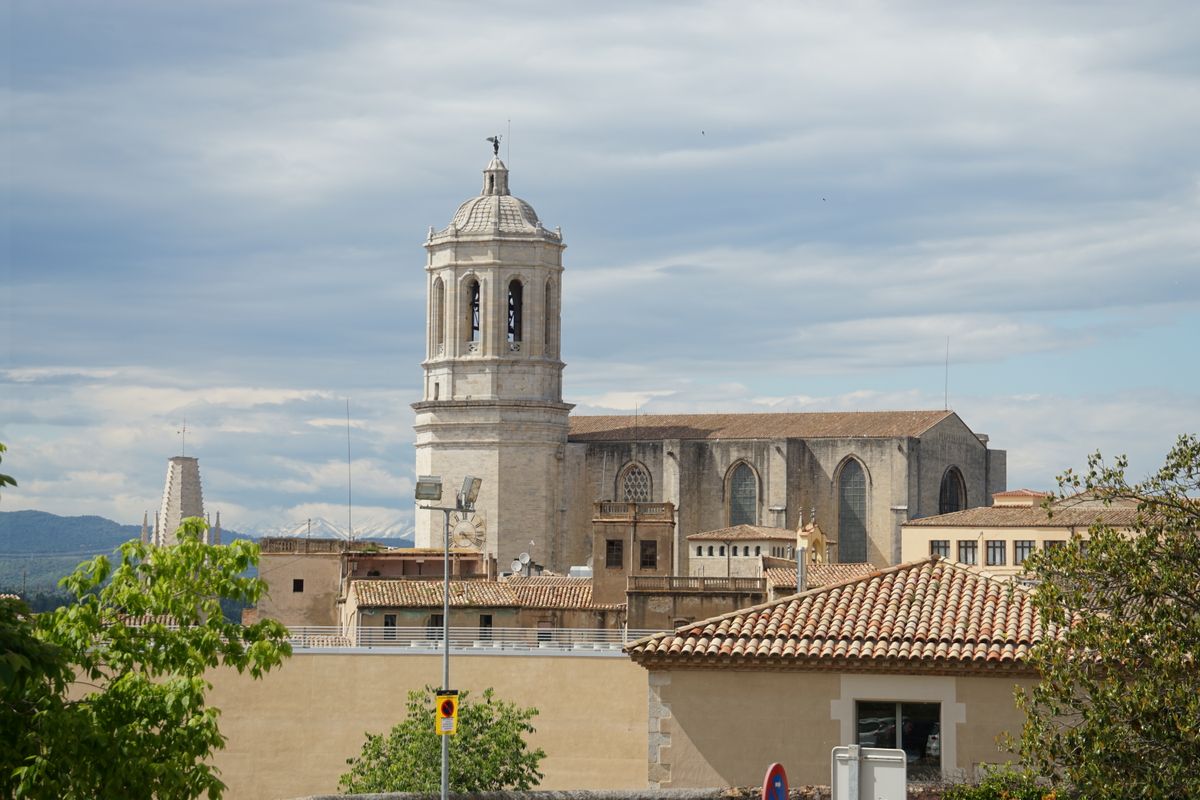
Catedral de Girona — Power Above the Call
7

Catedral de Girona — Power Above the Call

4 min

The cathedral looms directly above the Jewish quarter, a physical manifestation of religious and political power. From this seat of authority, the Bishop issued the edicts, restrictions, and ultimately the orders that confined and expelled the Jewish population.
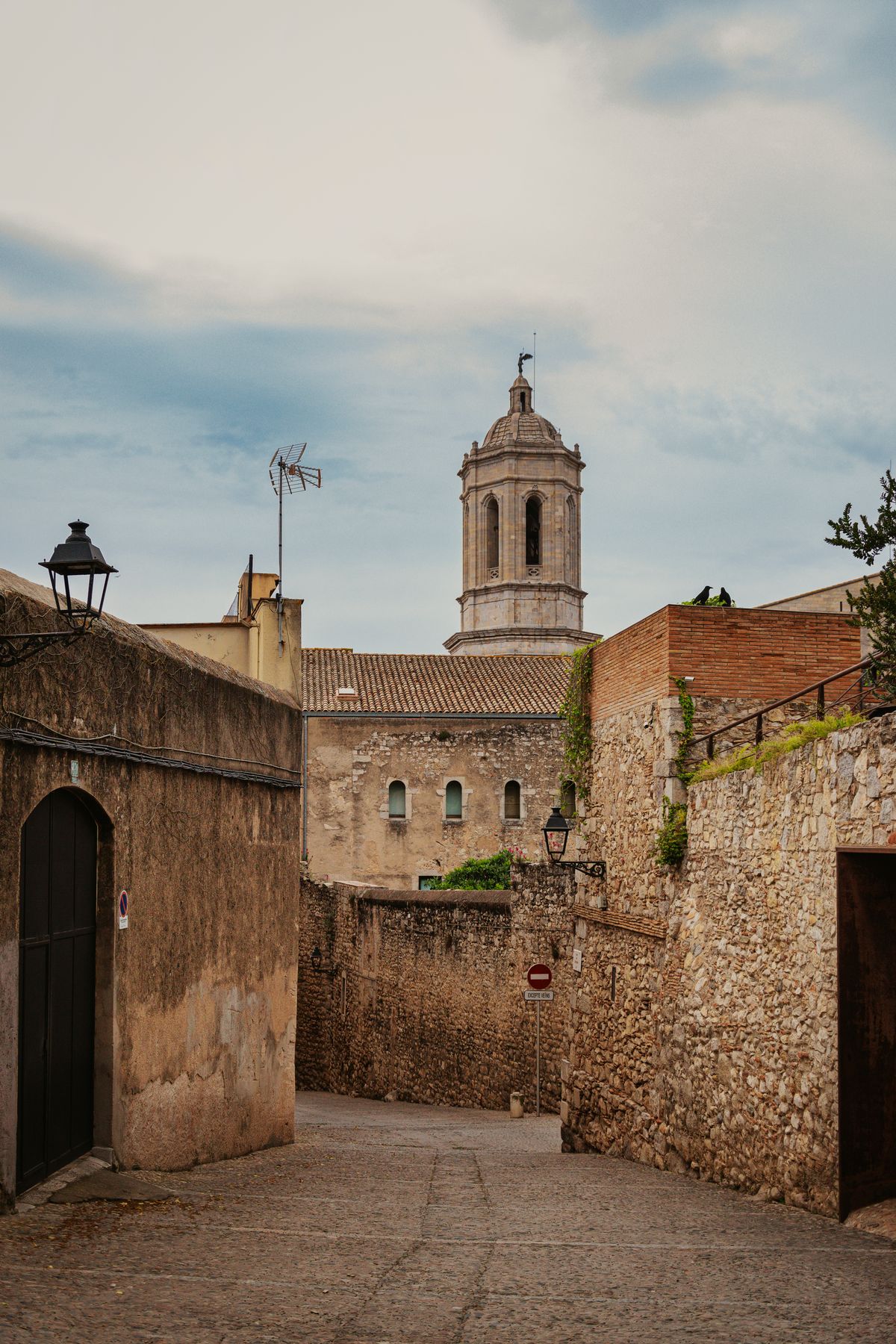
Modern Memory — Plaça dels Jurats
8

Modern Memory — Plaça dels Jurats

3 min

Since the 1980s, Girona has actively recovered its Jewish heritage through the Museum of Jewish History, interpretive plaques, and the annual Call de Girona cultural programme. What was deliberately erased is being carefully remembered.

A Taste of the Tour

This is the real story from one stop on this walk — every stop has one.

Carrer de la Força — Entrance to the Call

Welcome. You're standing at the threshold of one of Europe's most remarkable medieval spaces — the Call, Girona's Jewish quarter. For six centuries, these narrow streets were home to one of the continent's most brilliant Jewish communities. Philosophers, physicians, merchants, and scholars walked these same stones, building something extraordinary in the heart of this Catalan city. But then they were gone. Expelled, scattered, erased from the streets they had shaped and inhabited. The buildings remained. The street names remained. Yet the living memory of this community vanished. Today, over the past few decades, their story is returning. Not as it was — we can't recover that — but as something we're learning to remember and honor. In the next 90 minutes, we'll walk less than a kilometer through eight stops, tracing the physical and human geography of this place. We'll move through easy, flat streets, but we're walking through time and memory. This is a story told with respect for those who lived it, and for those who come to understand it. Let's begin. You're standing at the threshold of one of Europe's best-preserved medieval Jewish quarters. This is Carrer de la Força — the Street of the Fortress — and for six centuries, it was the beating heart of one of Spain's most brilliant communities. Before we go any further, look around you. Notice the width of this street. Notice how the buildings lean in slightly as they rise, how the light changes even here on the main artery. This sense of closeness, of proximity to your neighbors and to the generations above you — this is essential to understanding what you're about to walk through. Everything that happened in the Call over the next six centuries happened in an area smaller than a football pitch. This street, a few turns into the Quarter, and you've crossed the entire world of 1,000 people living at peak population. The name itself is deceptive. Carrer de la Força predates the Jewish community by centuries. This street follows the old Roman road that ran through the Força Vella — the Old Fortress, the walled town built by Rome as a strategic stop on the Via Augusta, the great road from Cádiz to Rome. The Romans are long gone, but their stone remains, and it is on those foundations that everything else was built. Jewish families began settling here in 890 AD — we know because someone wrote it down. That's a remarkable thing: we have documentation. By the 12th century, around 1160, an official document uses the word "Call" to describe this Quarter, which in the Catalan language means something like "a little street" or "an alley." That word tells you everything. It's not a neighborhood. It's not a quarter in the sense we might use it today. It's *the alleys* — a designation that hints at both intimacy and constraint. This community flourished here. The 13th century was its moment of splendor. Intellectually, it was extraordinary — Nahmanides, the towering figure we'll encounter again and again in these streets, lived and taught here. He was a rabbi, a physician, a scholar of the Kabbalah, and a man of such influence that even the king took his opinions seriously. There was a school of mystical studies, a center of learning that drew seekers from across the Mediterranean. The community was organized, prosperous enough, woven into the fabric of the city. But you should know — and we'll return to this — that Jews in medieval Spain lived always within a framework of restriction. They were permitted, even economically valued. They were also watched. They lived where they were allowed to live. They worked in trades permitted to them. The street you're standing on, medieval Girona made sure, had only one main entrance: this one. That's not accident. That's design. By the 14th century, the golden age was fading. Economic troubles, social pressures, and periodic violence narrowed life in the Call. The community that had numbered 1,000 was dwindling. By the middle of the 15th century, only about 200 Jews remained in Girona. You can see the pressure mounting in the physical space itself — as we'll discover when we move deeper into these alleys. And then came 1492. The Catholic Monarchs issued a decree: leave or be exiled. Most of the remaining community left — some for Portugal, some for North Africa, some scattered across the Mediterranean world. The Quarter emptied. In the centuries that followed, it was largely forgotten. The streets survived. The memory did not. Until recently. In these last decades, Girona has been recovering what was lost — not to rewrite the expulsion or pretend the catastrophe didn't happen, but to say: this community was real. These people mattered. Their brilliance was undeniable. The story doesn't end in 1492, though for 500 years it seemed to. You're going to see their streets, their museum, the evidence of lives lived with intensity in a very small space. You're going to meet Nahmanides again. You're going to understand why a city would spend these decades trying to remember.

More Tours in Girona

Nearby Cities

Back to Girona Tours

Cookie Consent

We use cookies to analyse site traffic and improve your experience. You can choose to accept or reject analytics cookies. Learn more