جيرونا · Spain
الكال: قصة يهود جيرونا
جيرونا, Spain
ناحمانيدس ومدرسة القبالة متحف مركز بوناستروك سا بورتا (Centre Bonastruc ça Porta) المداخل المُغلقة في الحي بعد عام 1492 إطلالة علوية من كاسيرنا دلس أليمانيس (Caserna dels Alemanys) موازين القوى مع الكاتدرائية
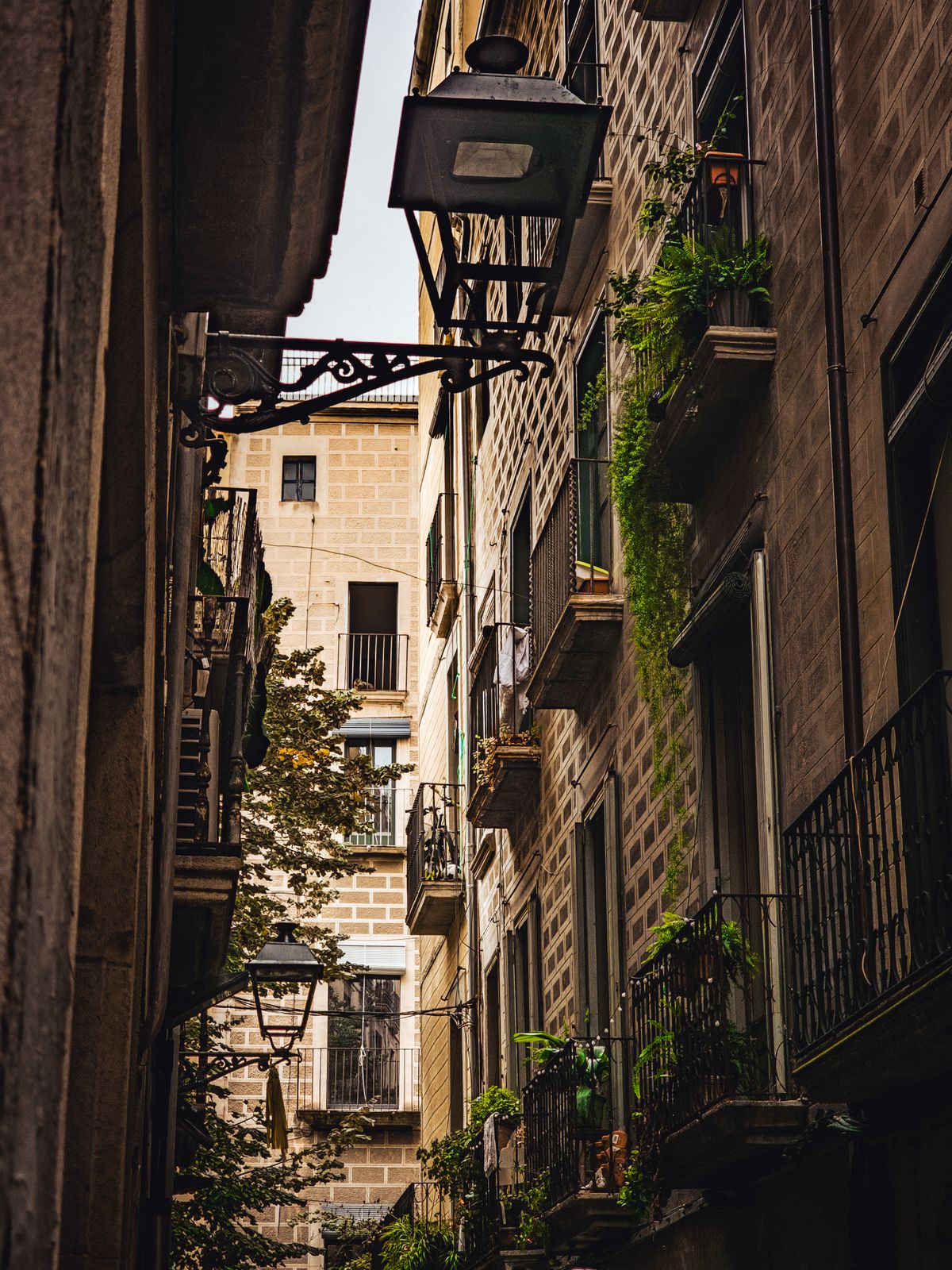
يعتبر شارع Carrer de la Força الشريان الرئيسي للحي اليهودي في جيرونا في العصور الوسطى، حيث عاش وعمل مجتمع يضم حوالي 1000 شخص خلال القرن الثالث عشر. يتبع الشارع طريقاً رومانياً قديماً داخل أسوار Força Vella، وهو موقع اختارته العائلات اليهودية الأولى التي وصلت إلى جيرونا في عام 890 ميلادي، وتم اعتماده رسمياً بحلول أوائل القرن الثاني عشر.
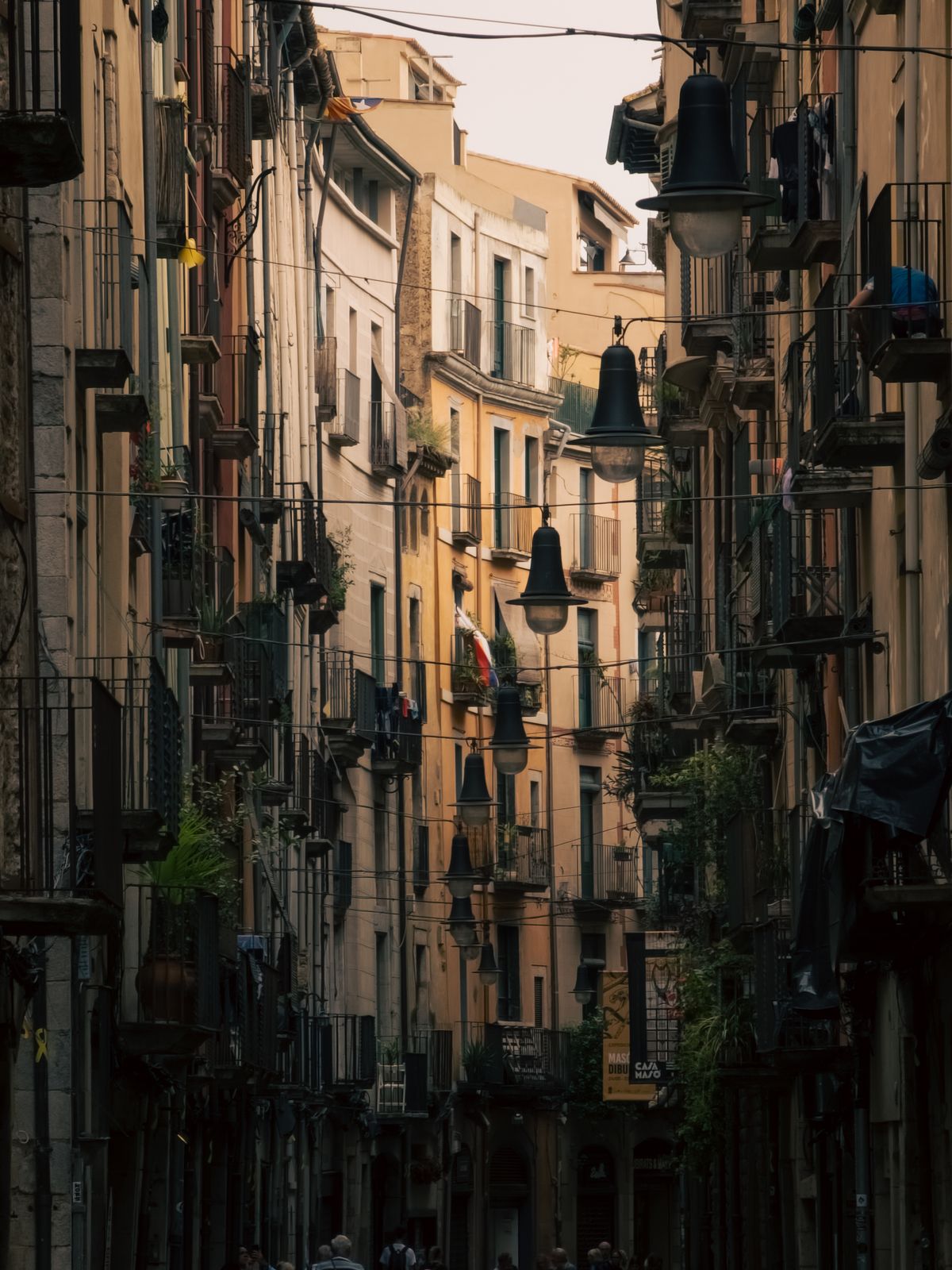
منذ أواخر القرن الثالث عشر فصاعداً، أجبرت القيود المتزايدة المجتمع اليهودي في جيرونا على الانتقال إلى مساحات أضيق فأضيق. هذه الأزقة — التي يقل عرض بعضها عن متر واحد — هي دليل مادي على الاضطهاد، حيث تم تحريك الجدران نحو الداخل، وإغلاق المداخل، وتقييد الحركة بموجب القانون والعمارة على حد سواء.
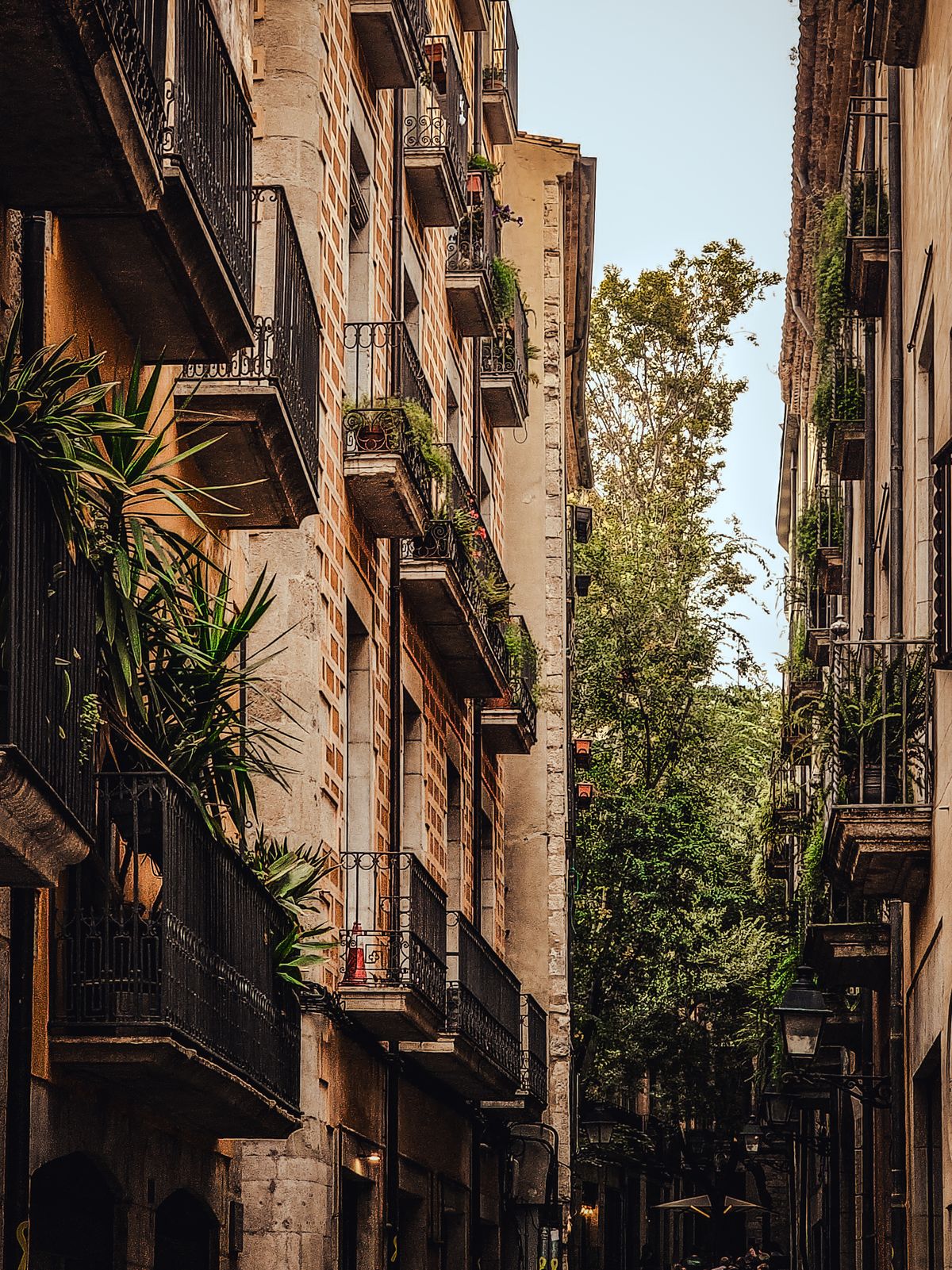
وُلد الحاخام موشيه بن ناحمان غيروندي، المعروف بالرامبان، في هذا الشارع وأصبح الحاخام الأكبر لكتالونيا. في القرن الثالث عشر، أسس واحداً من أهم مراكز التصوف اليهودي ودراسات الكابالا في أوروبا، مما حول جيرونا إلى منارة للفكر الروحي اليهودي — حتى مغادرته القسرية في عام 1267.
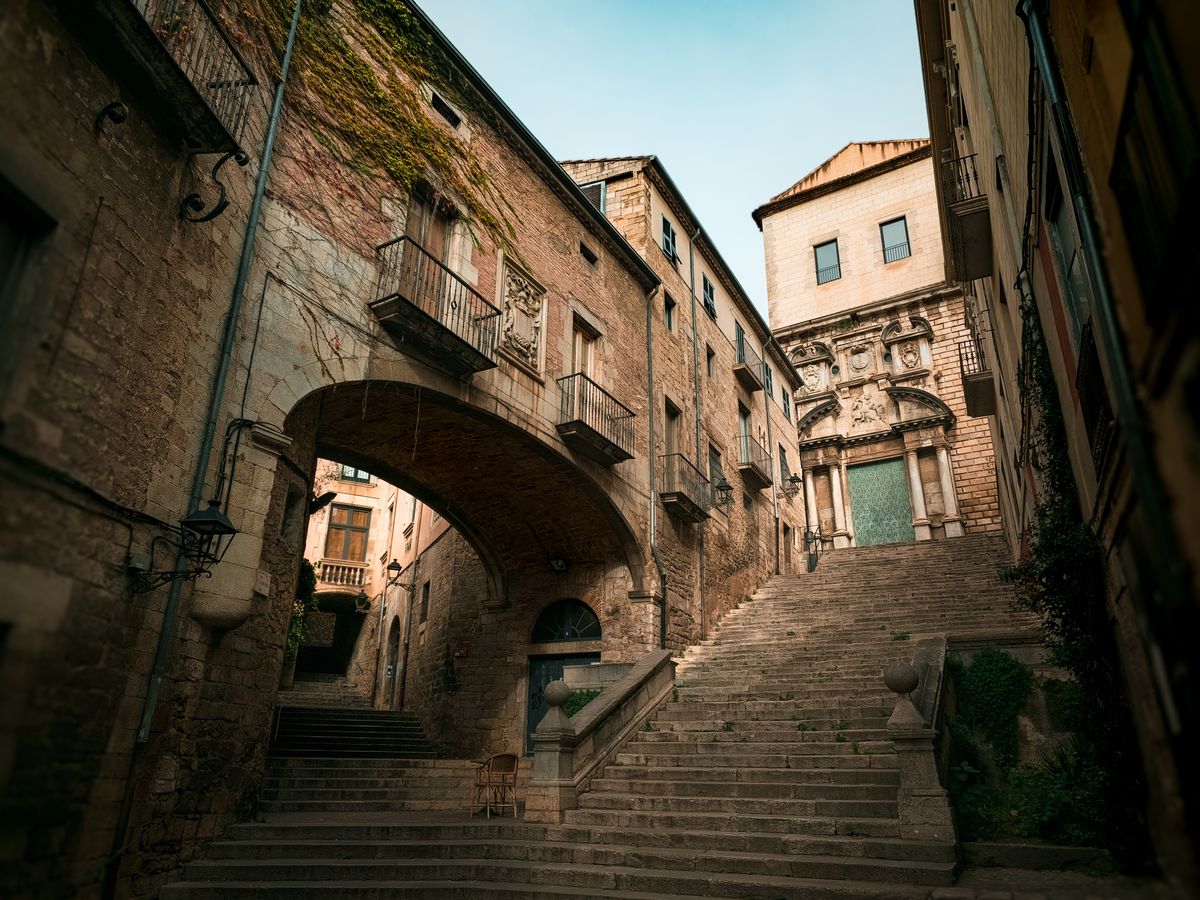
مبنى كنيس يعود للقرن الخامس عشر ويضم الآن متحف تاريخ اليهود، مع 11 معرضاً موضوعياً عن الحياة اليهودية الكتالونية في العصور الوسطى. سُمي المتحف باسم ناحمانيدس (بوناستروك سا بورتا باللغة الكتالونية)، وهو أعظم حاخام في جيرونا في العصور الوسطى وشخصية شاهقة في التصوف اليهودي.
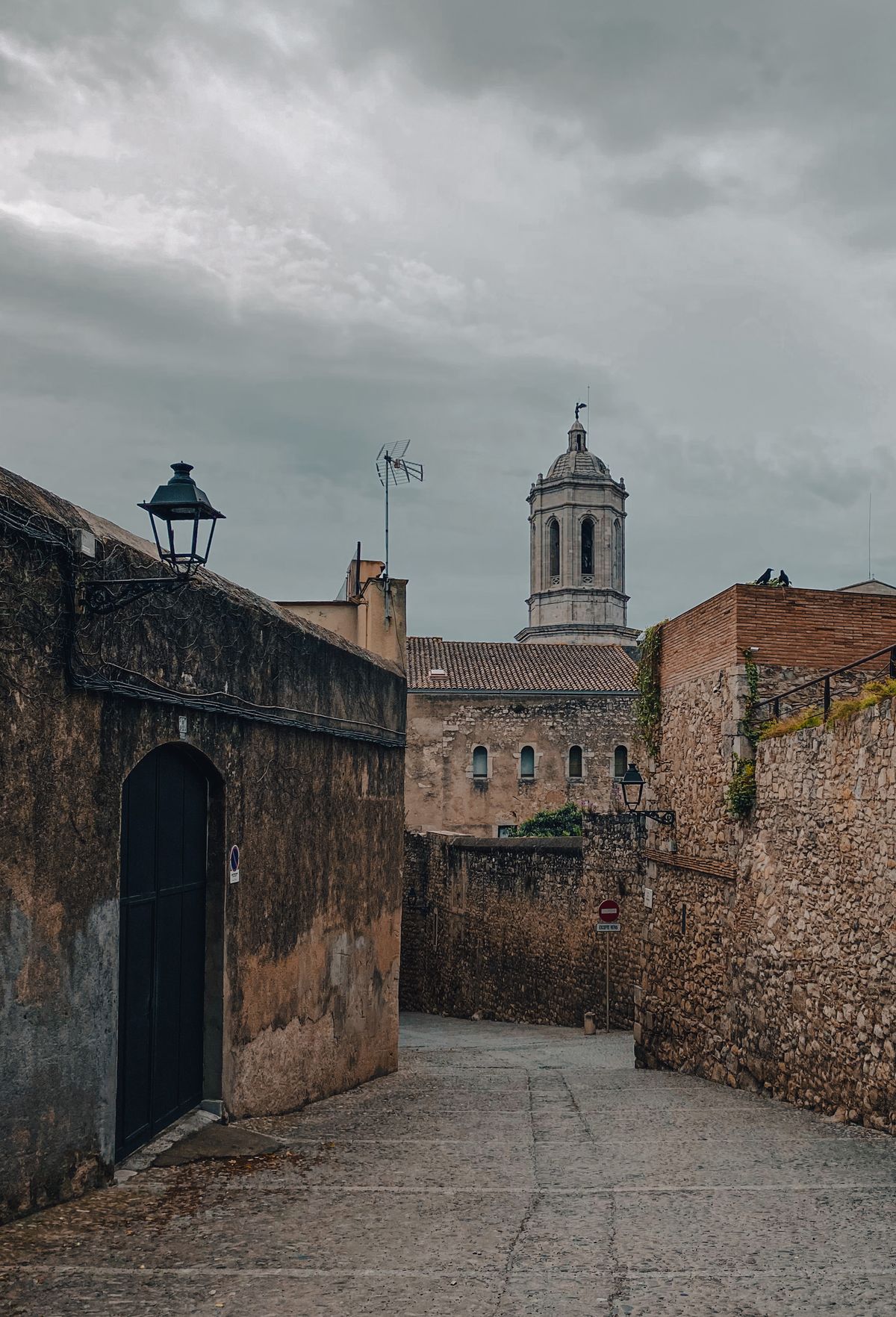
بعد طرد عام 1492، تم ختم الحي اليهودي مادياً — حيث بُنيت منازل جديدة فوق الهياكل القديمة، وسُدت المداخل بالطوب، وأُغلقت النوافذ إلى الأبد. مفارقة المحو: هذا الفعل من التدمير حفظ بطريقة متناقضة مباني العصور الوسطى تحتها، حيث احتفظت الحجارة بأسرارها حتى بدأ الاسترداد الحديث.

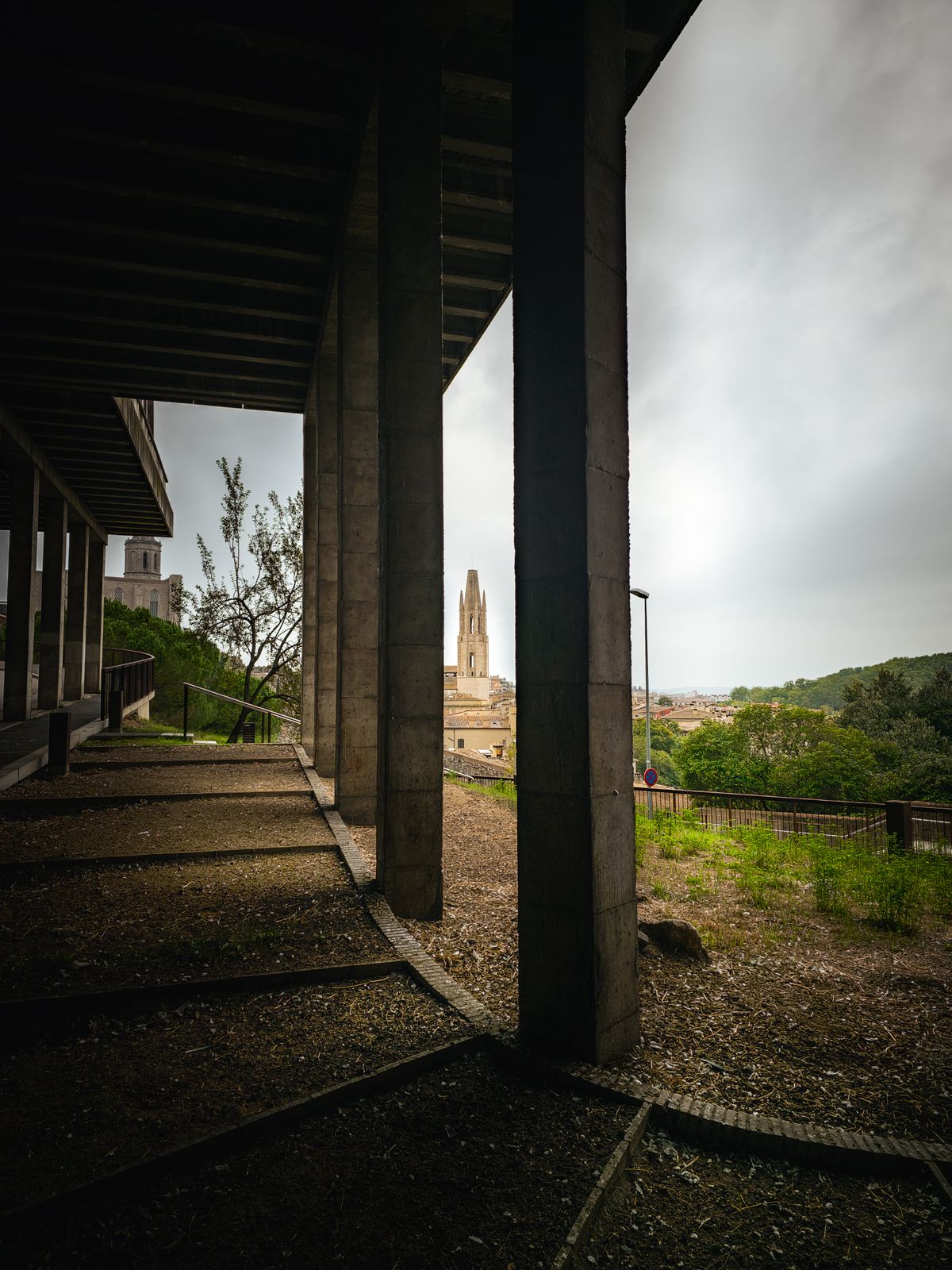
حديقة مسورة مرممة في أعلى نقطة في المدينة توفر الإطلالة المرتفعة الوحيدة لتخطيط الحي اليهودي في العصور الوسطى. من هنا، تصبح الكثافة والحصار والعمارة في الـ Call مرئية — الشوارع الضيقة، والمباني المضغوطة، والجدران الدفاعية التي احتوت عالم مجتمع واحد لستة قرون.
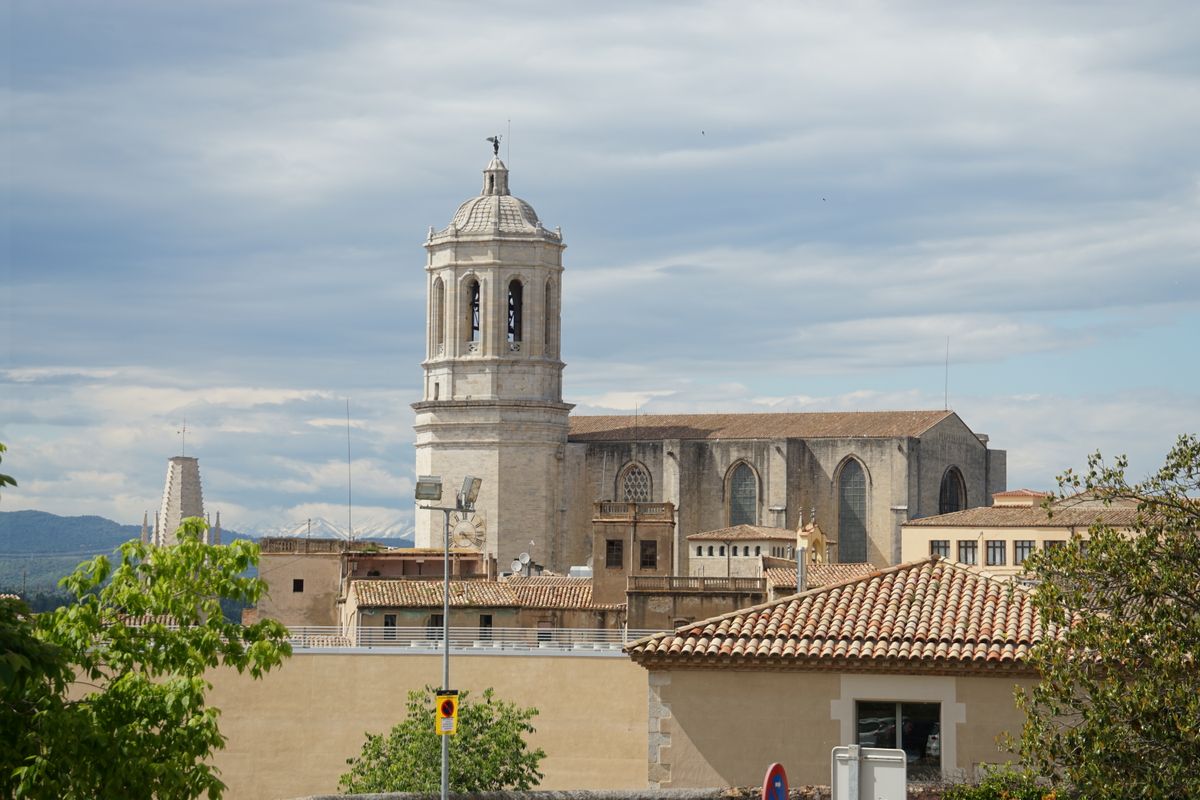
تلوح الكاتدرائية مباشرة فوق الحي اليهودي، وهي تجسيد مادي للسلطة الدينية والسياسية. من هذا المقعد السلطوي، أصدر الأسقف المراسيم والقيود، وفي النهاية الأوامر التي حاصرت وطردت السكان اليهود.
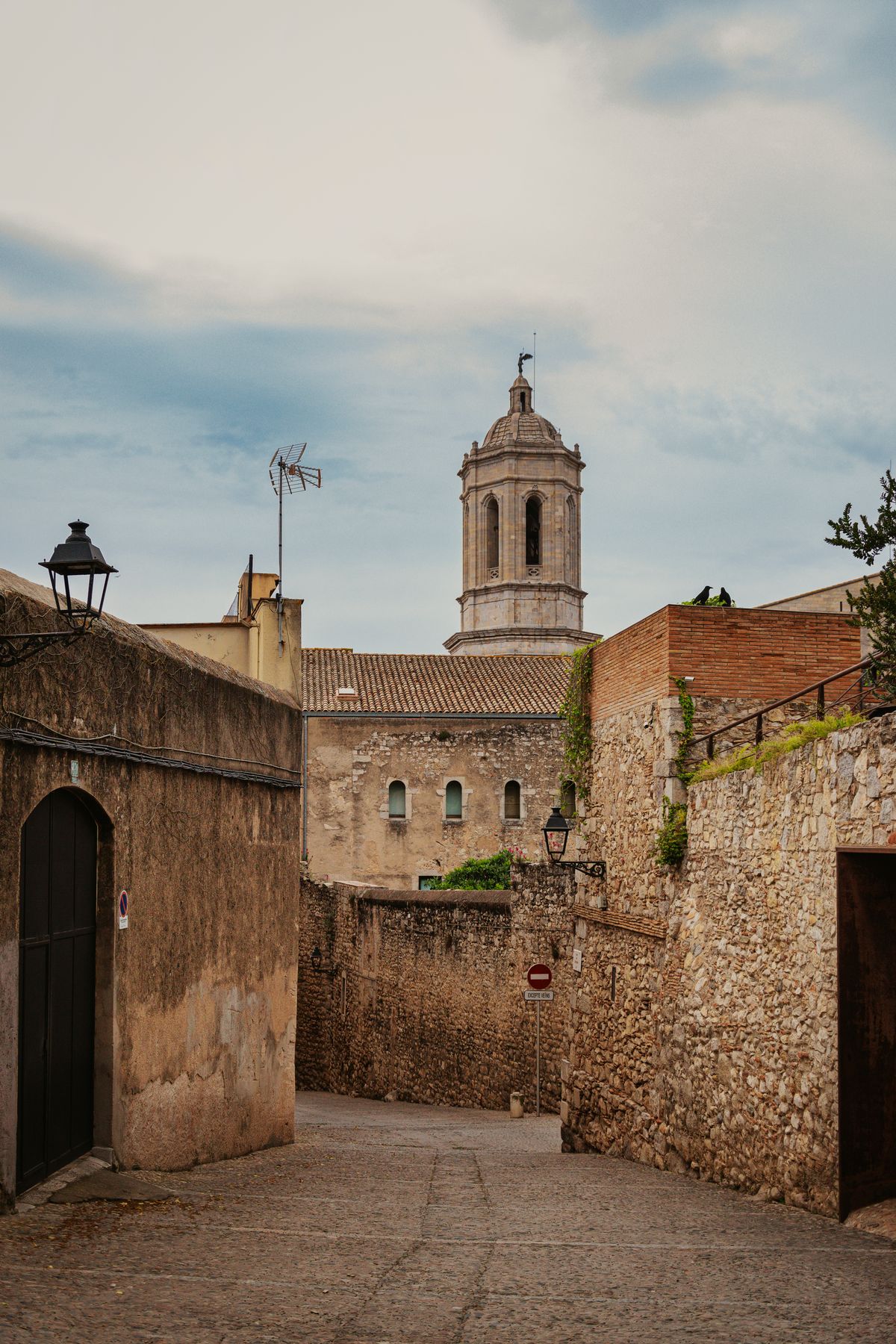
منذ الثمانينيات، استعادت جيرونا بنشاط تراثها اليهودي من خلال متحف تاريخ اليهود، واللوحات التفسيرية، والبرنامج الثقافي السنوي Call de Girona. ما تم محوه عمداً يتم تذكره بعناية.
هذه هي القصة الحقيقية لإحدى محطات هذا المسار — ولكل محطة قصتها.
اقرأ ألفَي عام من التاريخ عبر النسيج المعماري لمدينة جيرونا (Girona) — من أساسات الأسوار الرومانية إلى أوسع صحن كنسي…
تجوّل عبر ألفي عام من التاريخ في أصيلٍ واحد — من الأسس الرومانية إلى شوارع الحي اليهودي في العصور الوسطى وصولاً إلى…
امشِ على أسوار وتحصينات مدينة صمدت في وجه جيش نابليون الأعظم (Grande Armée) طوال سبعة أشهر عام 1809 — واقرأ فصول…
نستخدم ملفات تعريف الارتباط لتحليل حركة المرور على الموقع وتحسين تجربتك. يمكنك قبول أو رفض ملفات تعريف الارتباط التحليلية. معرفة المزيد