Girona · Spain
El Call: la història jueva de Girona
Girona, Spain
Nahmànides i l'escola cabalística El museu del Centre Bonastruc ça Porta Els portals segellats del barri posterior al 1492 Vista aèria des de la Caserna dels Alemanys Les dinàmiques de poder de la catedral
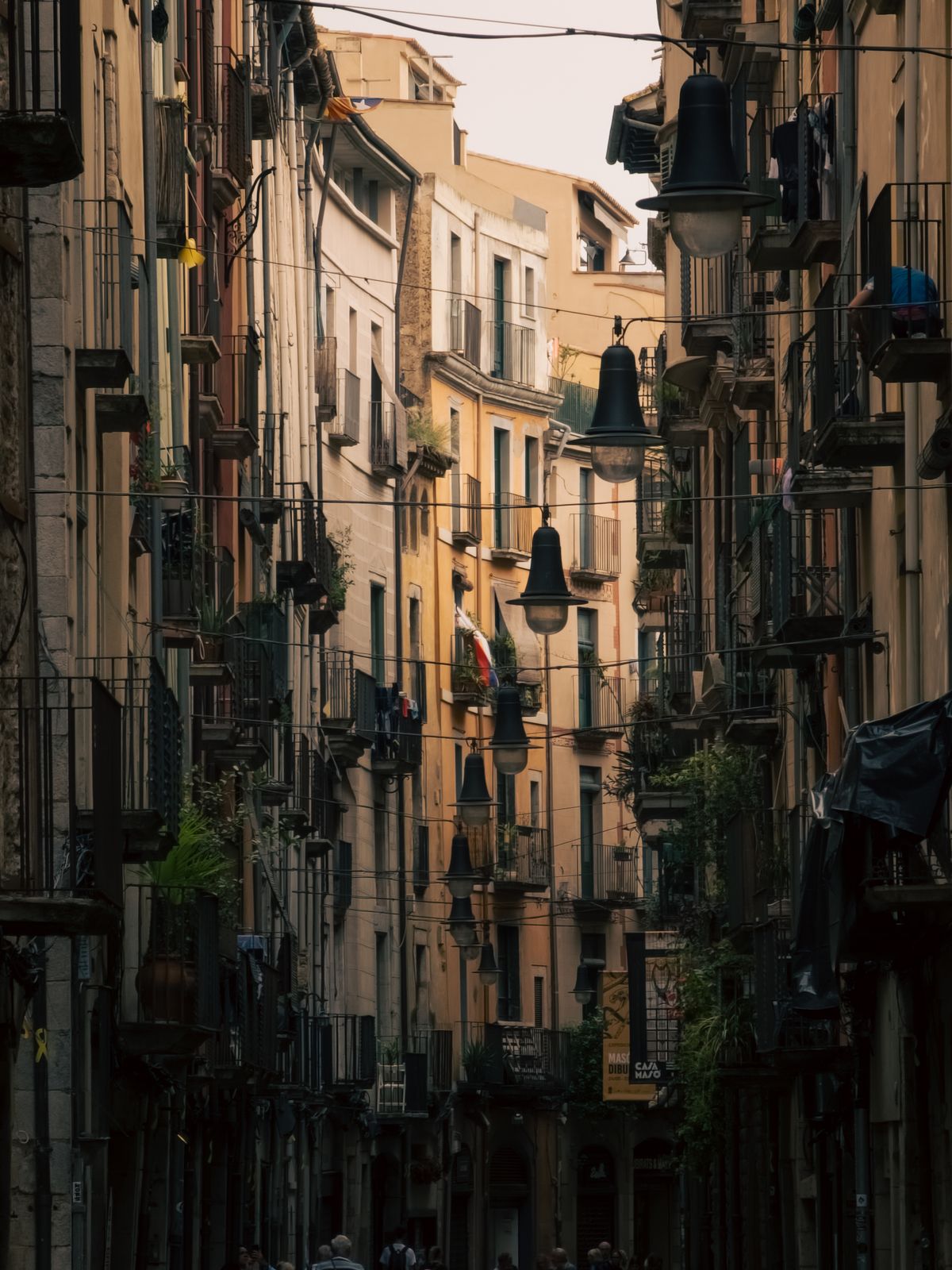
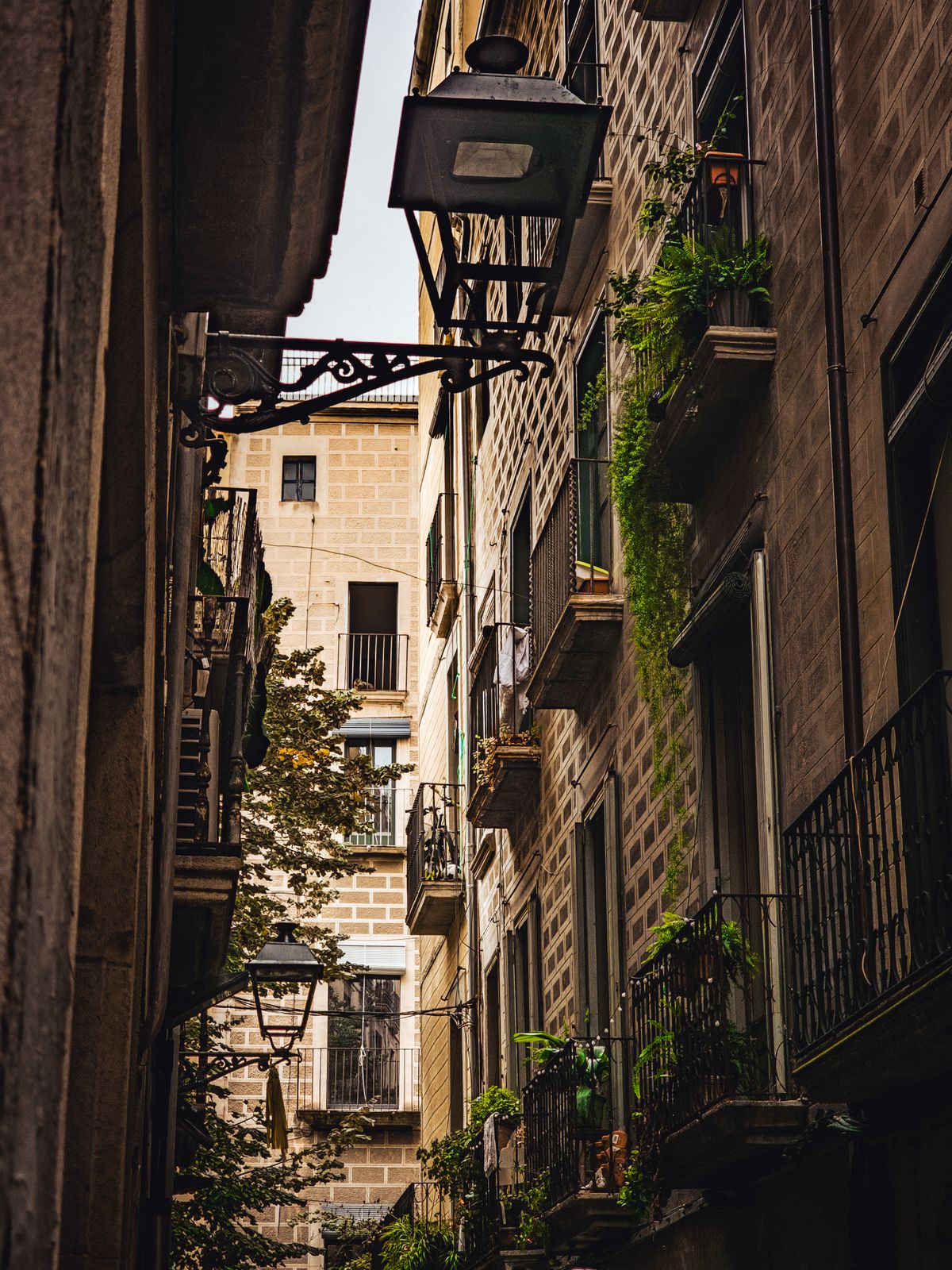
El carrer de la Força és l'artèria principal del call jueu medieval de Girona, on una comunitat d'aproximadament 1.000 persones va viure i treballar durant el segle XIII. El carrer segueix l'antic camí romà dins les muralles de la Força Vella, una ubicació escollida per les primeres famílies jueves que van arribar a Girona l'any 890 i que es va formalitzar a principis del segle XII.
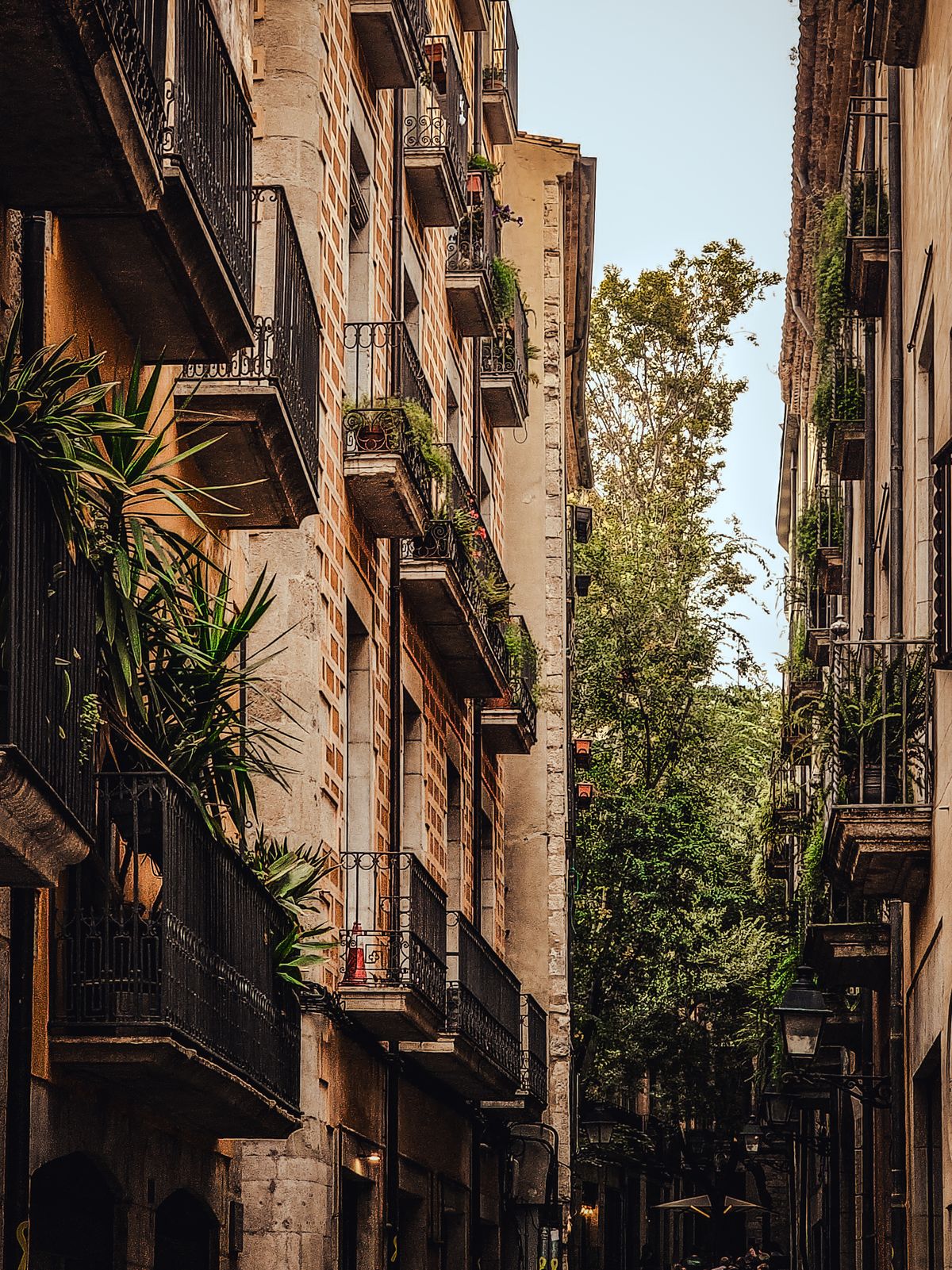
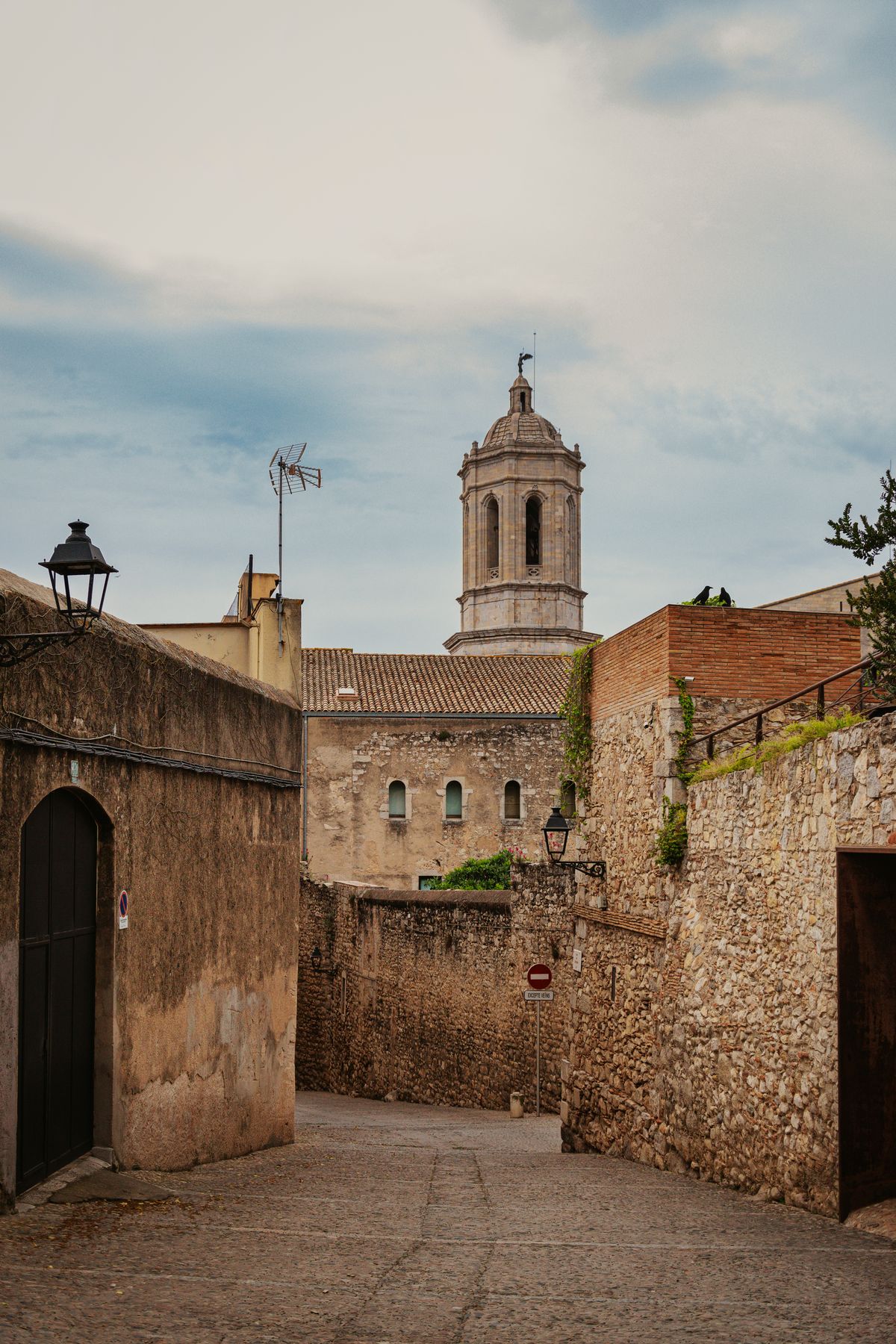
Des de finals del segle XIII, restriccions creixents van forçar la comunitat jueva de Girona a espais progressivament més estrets. Aquests carrers, alguns de tot just un metre d'amplada, són l'evidència física de la persecució, amb parets desplaçades cap a l'interior, portes segellades i moviments restringits tant per la llei com per l'arquitectura.
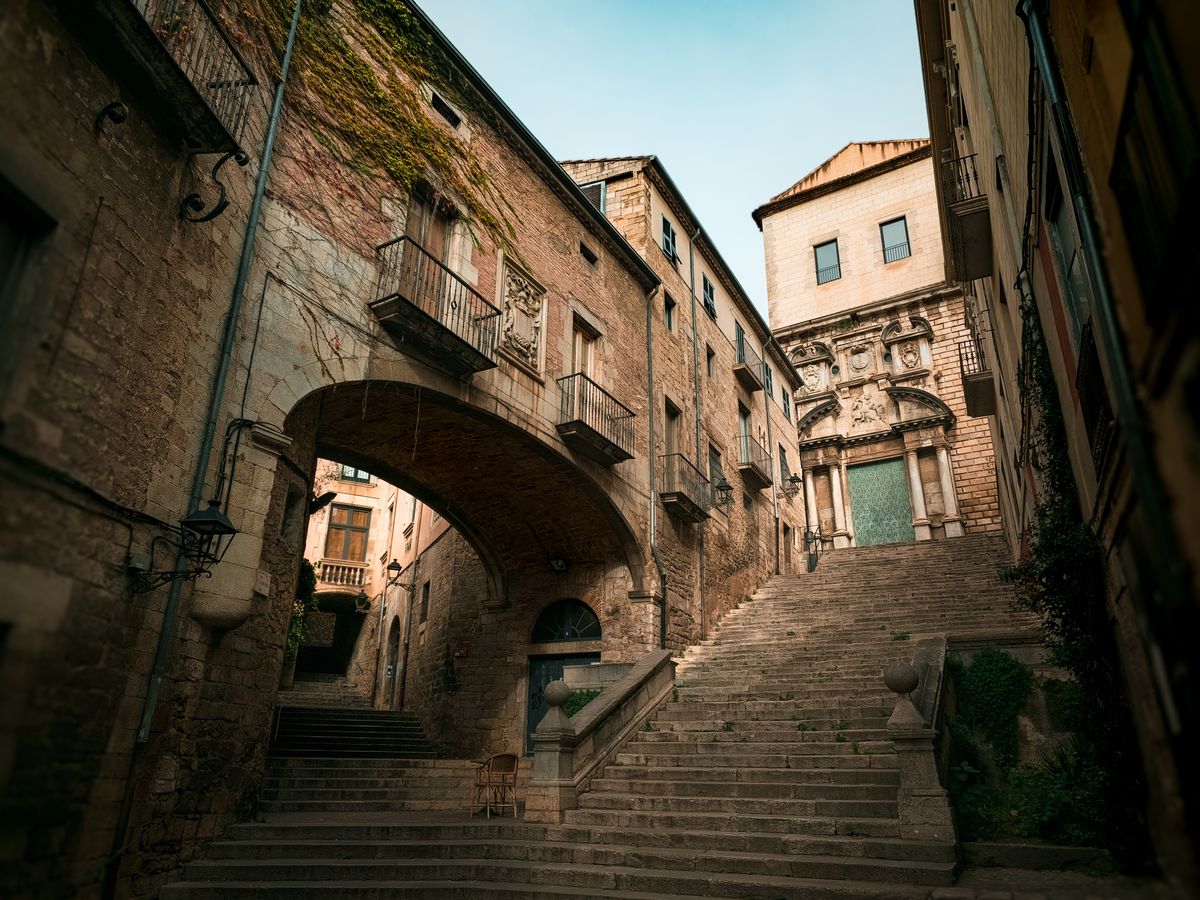
El rabí Moixé ben Nahman Gerondi, conegut com el Ramban, va néixer en aquest carrer i es va convertir en el gran rabí de Catalunya. Al segle XIII, va fundar un dels centres més importants d'Europa de misticisme jueu i aprenentatge cabalístic, transformant Girona en un far del pensament espiritual jueu, fins a la seva partida forçada el 1267.
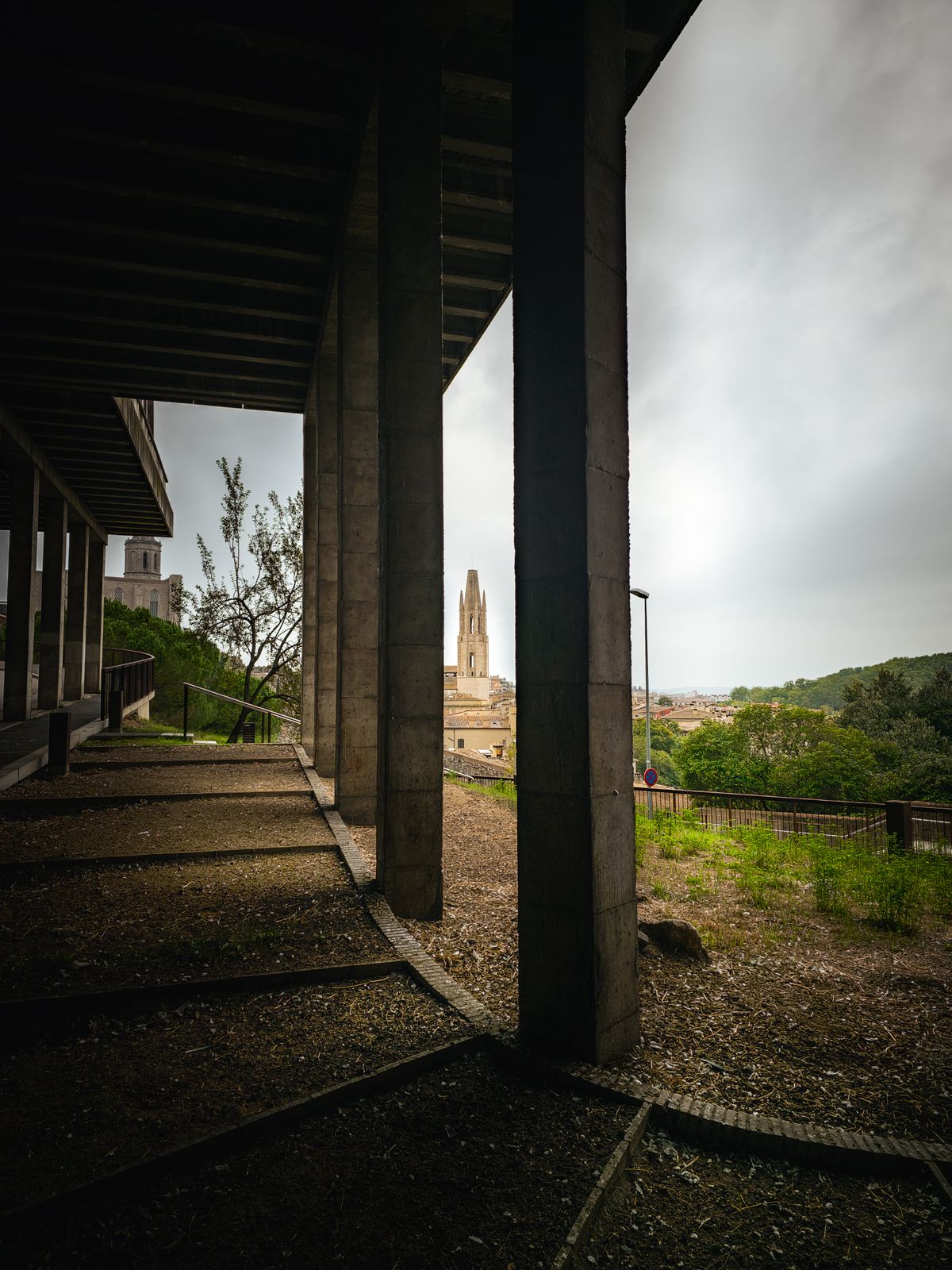
Un edifici de sinagoga del segle XV que ara acull el Museu d'Història dels Jueus, amb 11 exposicions temàtiques sobre la vida jueva catalana medieval. El museu rep el nom de Bonastruc ça Porta (nom català de Nahmanides), el rabí medieval més gran de Girona i una figura imponent del misticisme jueu.
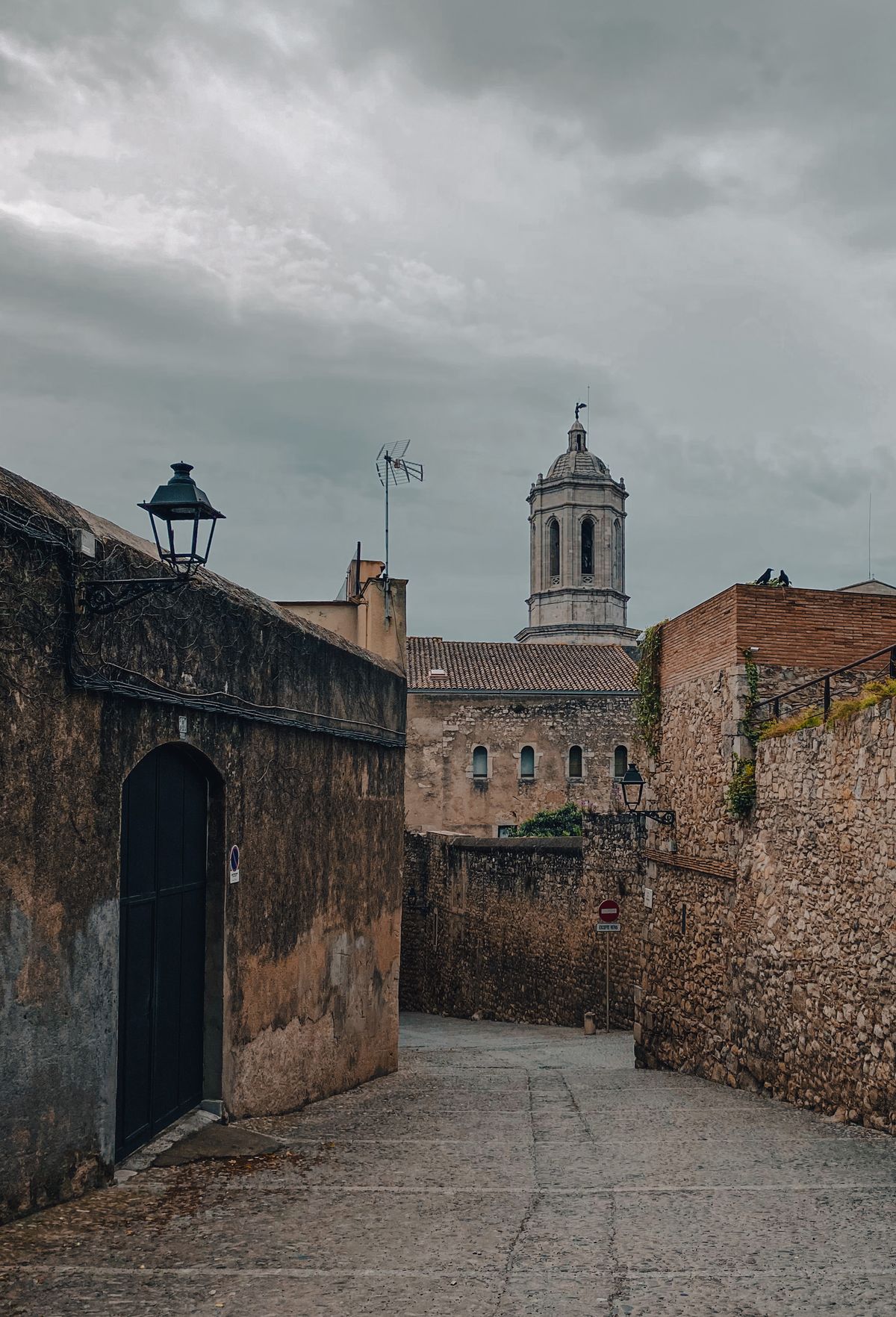
Després de l'expulsió de 1492, el barri jueu va ser físicament segellat: es van construir noves cases sobre estructures antigues, es van tapiar portes i es van tancar finestres per sempre. La ironia de l'esborrat: aquest acte de destrucció va preservar paradoxalment els edificis medievals que hi havia a sota, mantenint les pedres els seus secrets fins que va començar la recuperació moderna.
Un jardí emmurallat restaurat al punt més alt de la ciutat que ofereix l'única vista elevada del traçat del barri jueu medieval. Des d'aquí, la densitat, el tancament i l'arquitectura del Call es fan visibles: els carrers estrets, els edificis comprimits i les parets defensives que van contenir el món d'una comunitat durant sis segles.
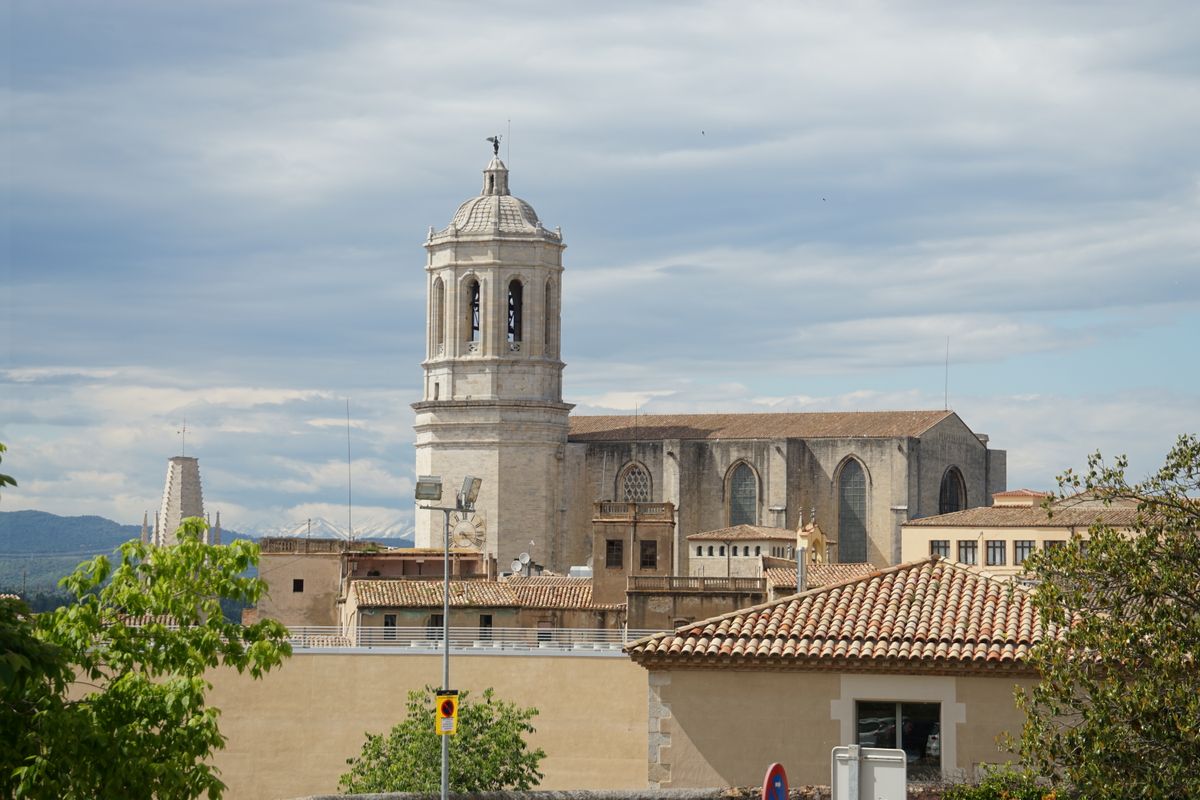
La catedral s'alça directament sobre el barri jueu, una manifestació física del poder religiós i polític. Des d'aquesta seu d'autoritat, el bisbe emetia els edictes, les restriccions i, finalment, les ordres que van confinar i expulsar la població jueva.
Des dels anys 80, Girona ha recuperat activament el seu patrimoni jueu a través del Museu d'Història dels Jueus, plaques interpretatives i el programa cultural anual del Call de Girona. Allò que va ser deliberadament esborrat s'està recordant amb cura.
Aquesta és la història real d'una de les parades d'aquesta ruta: cada parada té la seva.
Assaboreix una ciutat amb tres estrelles Michelin, una pasta amb denominació protegida i un mercat on els cuiners fan la…
Recorre 2.000 anys d'història en una sola tarda —dels fonaments romans als carrers jueus medievals fins a les cases de…
Recorre les muralles i fortificacions d'una ciutat que va aguantar l'embat de la Grande Armée de Napoleó durant set…
Fem servir galetes per analitzar el trànsit del lloc i millorar la teva experiència. Pots acceptar o rebutjar les galetes d'anàlisi. Més informació