Girona · Spain
El Call: Gironas jüdische Geschichte
Girona, Spain
Nachmanides und die kabbalistische Schule Das Museum Centre Bonastruc ça Porta Zugemauerte Türen des Viertels nach 1492 Blick von oben von der Caserna dels Alemanys Die Machtverhältnisse rund um die Kathedrale
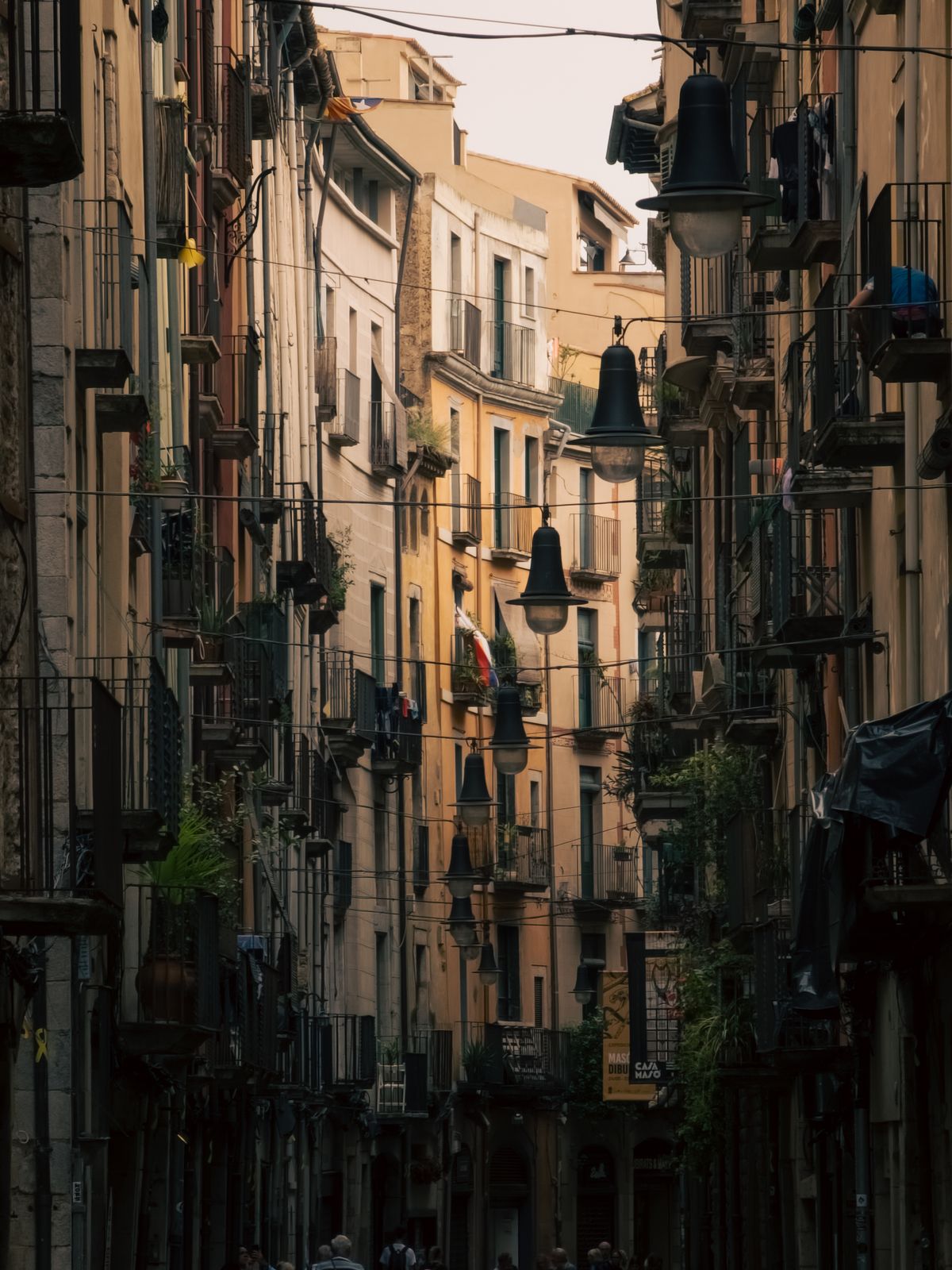
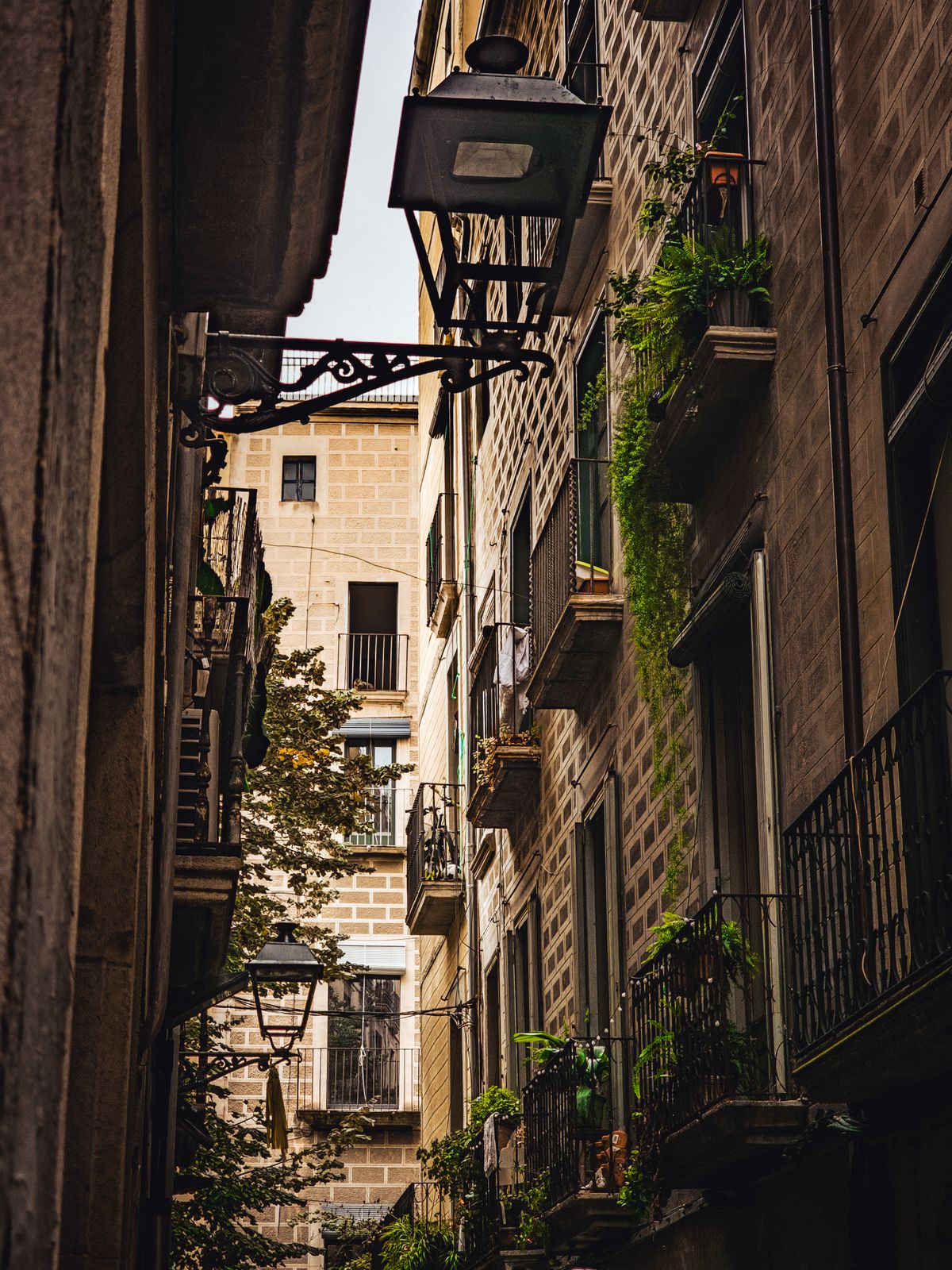
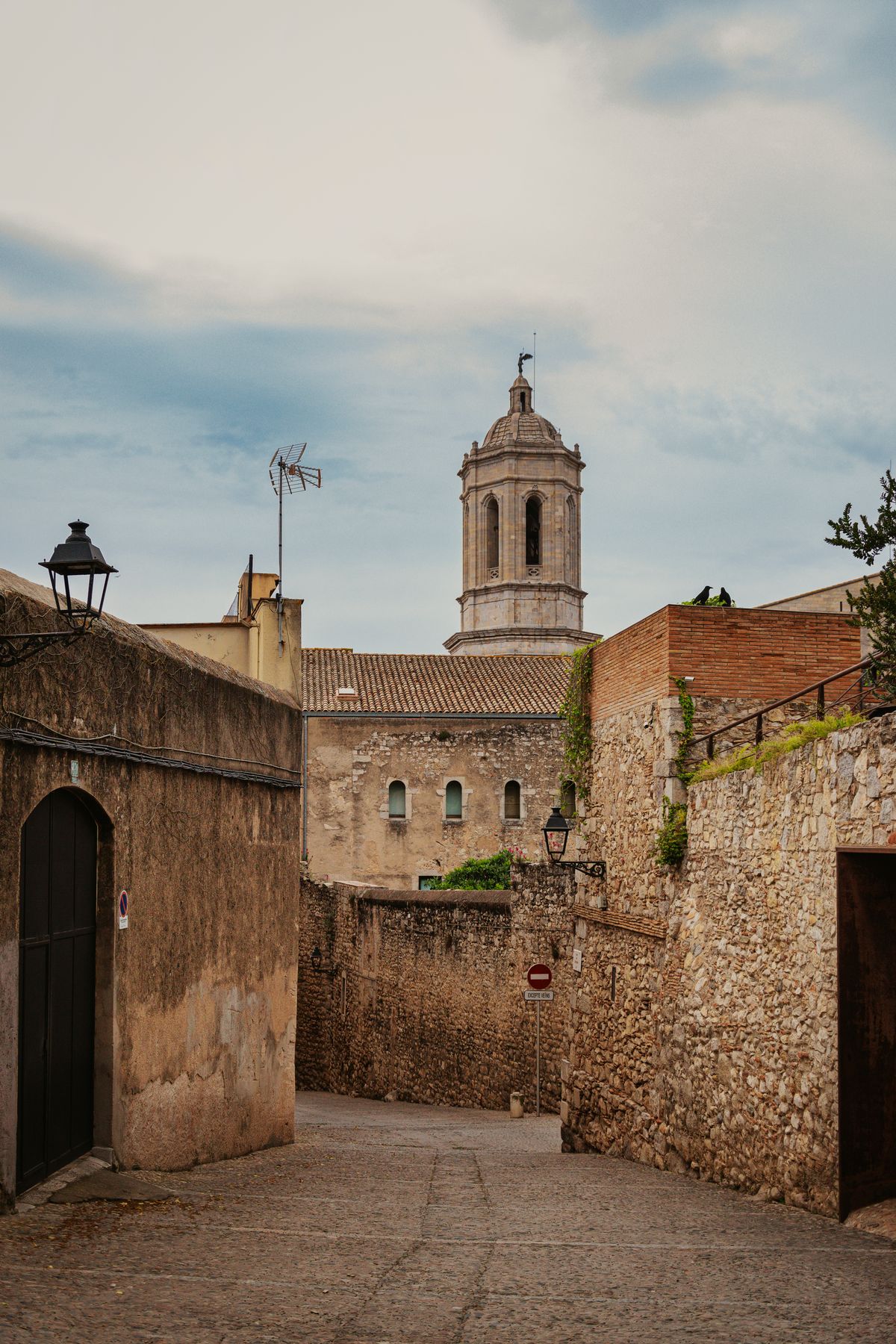
Die Carrer de la Força ist die Hauptader des mittelalterlichen jüdischen Viertels von Girona, in dem im 13. Jahrhundert etwa 1.000 Menschen lebten und arbeiteten. Die Straße folgt der alten Römerstraße innerhalb der Mauern der Força Vella — ein Ort, den die ersten jüdischen Familien wählten, die im Jahr 890 n. Chr. nach Girona kamen, und der im frühen 12. Jahrhundert offiziell zum Viertel erklärt wurde.
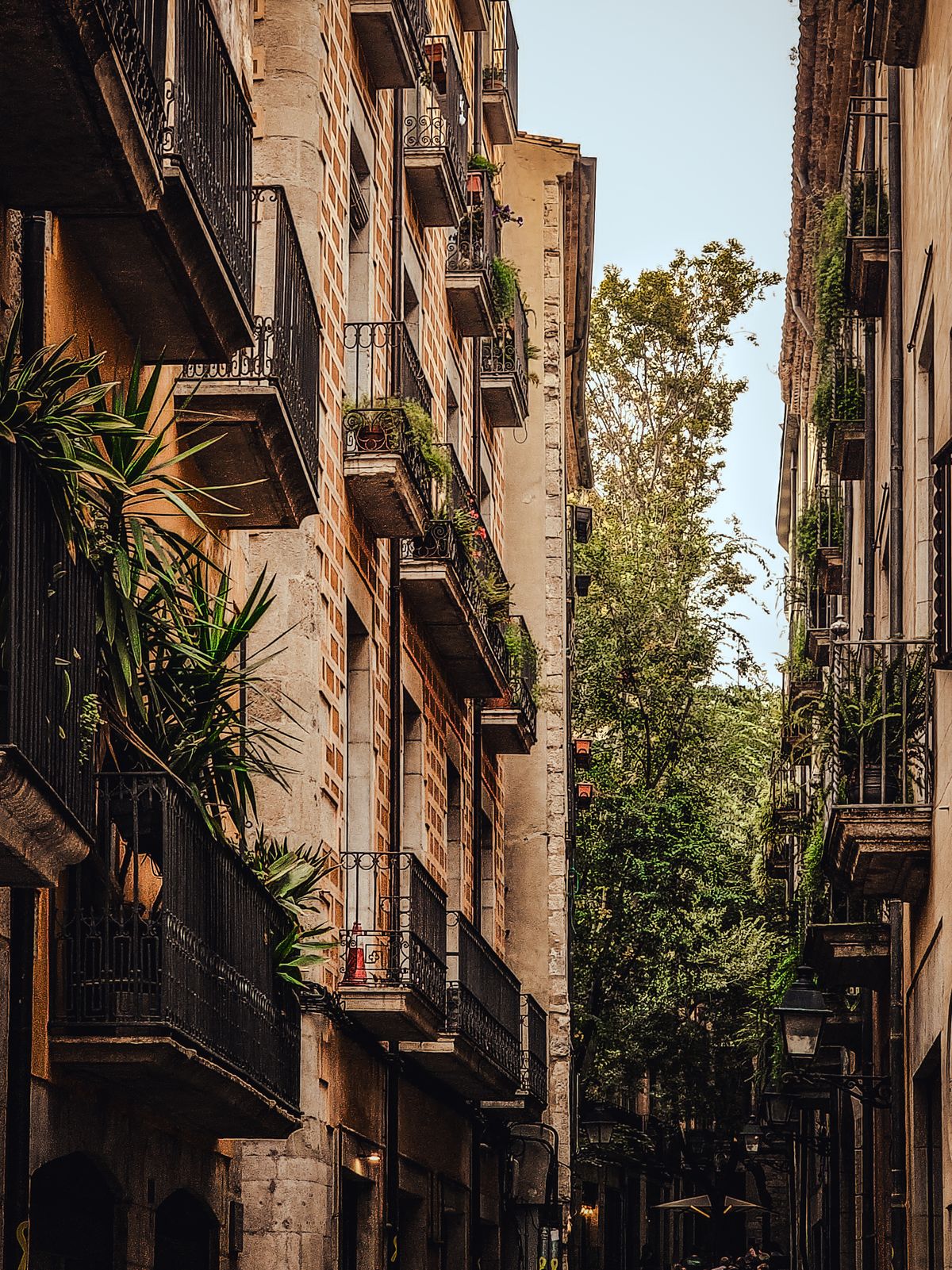
Ab dem späten 13. Jahrhundert zwangen zunehmende Beschränkungen die jüdische Gemeinde von Girona in immer engere Räume. Diese Gassen – teilweise kaum einen Meter breit – sind der physische Beweis der Verfolgung; Mauern wurden nach innen verlegt, Türen versiegelt und die Bewegungsfreiheit sowohl durch Gesetze als auch durch die Architektur eingeschränkt.
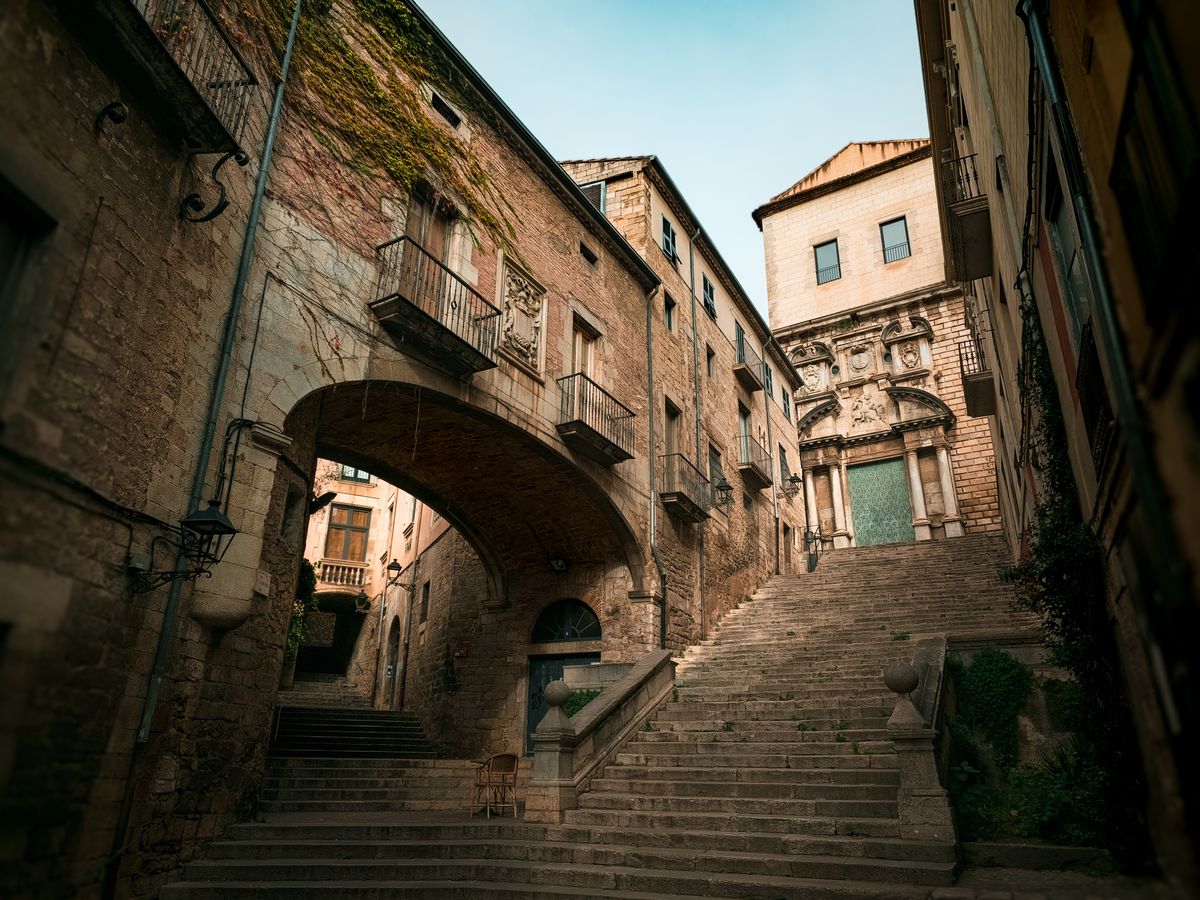
Rabbi Mosche ben Nachman Gerondi, bekannt als Ramban, wurde in dieser Straße geboren und wurde zum Großrabbiner von Katalonien. Im 13. Jahrhundert gründete er eines der wichtigsten Zentren für jüdische Mystik und kabbalistisches Lernen in Europa und verwandelte Girona in ein Leuchtfeuer jüdischen spirituellen Denkens – bis zu seiner erzwungenen Abreise im Jahr 1267.
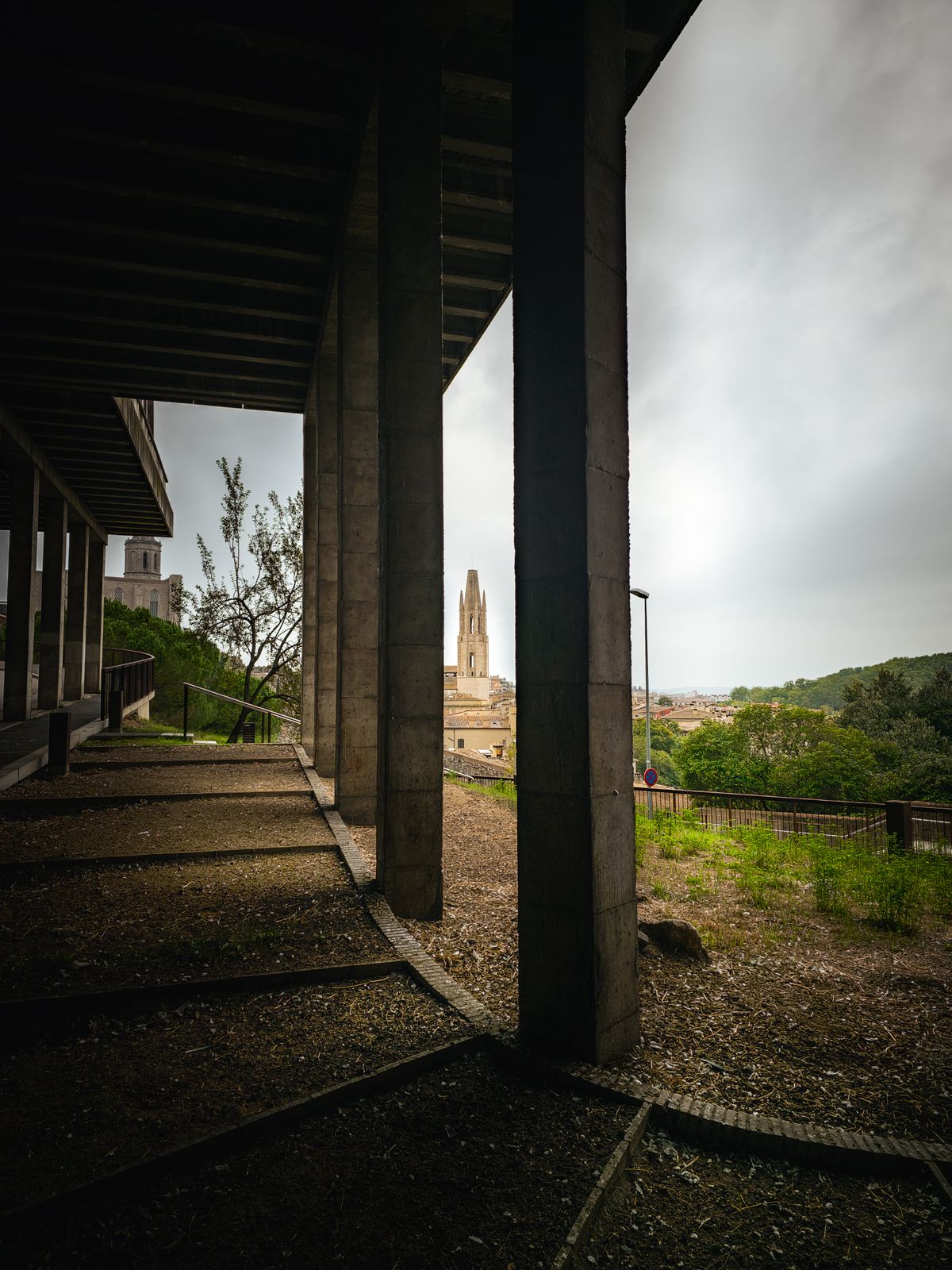
Ein Synagogengebäude aus dem 15. Jahrhundert, das heute das Jüdische Geschichtsmuseum beherbergt, mit 11 thematischen Ausstellungen über das mittelalterliche jüdische Leben in Katalonien. Das Museum ist nach Nachmanides (auf Katalanisch Bonastruc ça Porta) benannt, Gironas größtem mittelalterlichen Rabbiner und einer überragenden Figur der jüdischen Mystik.
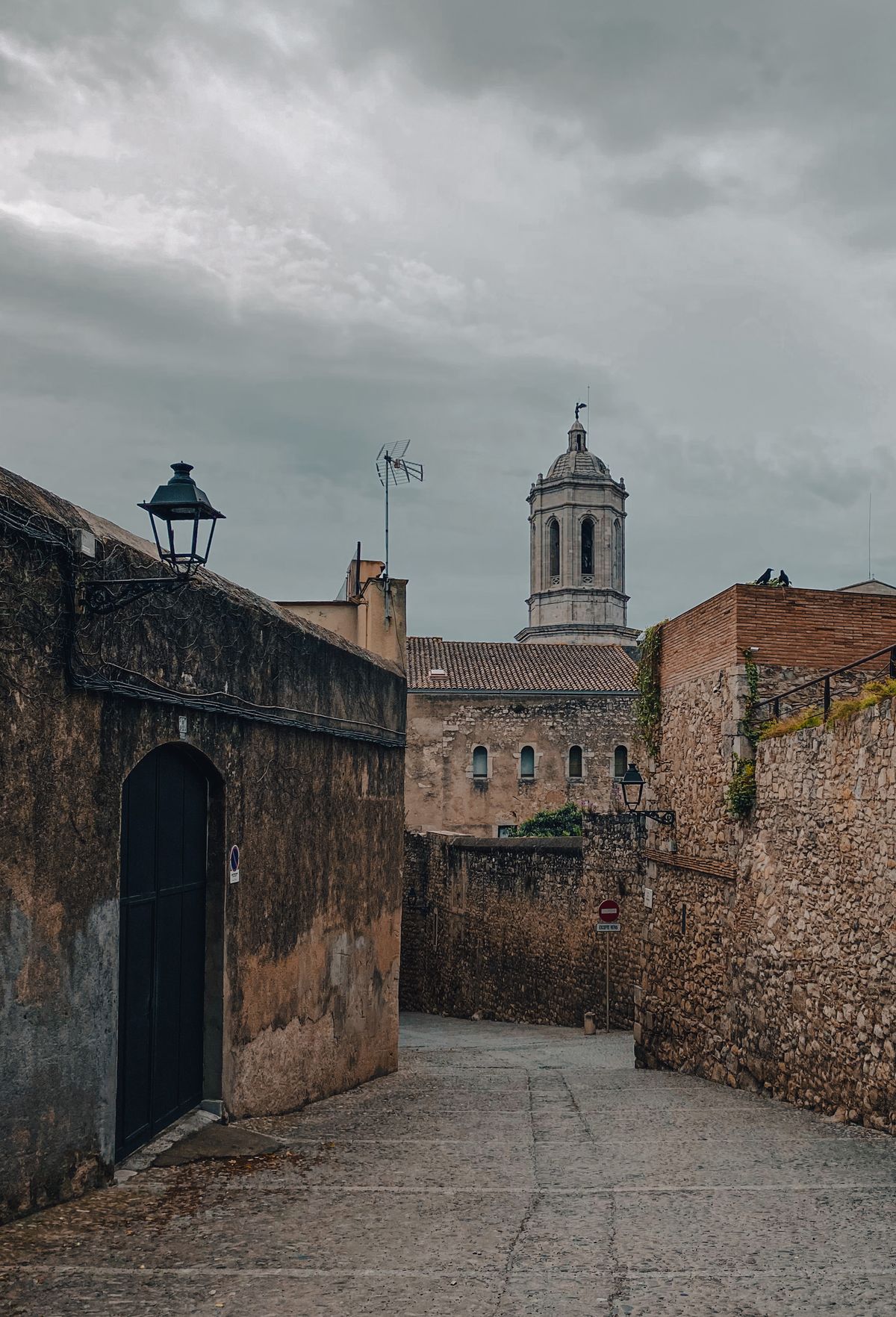
Nach der Vertreibung von 1492 wurde das jüdische Viertel physisch versiegelt — neue Häuser wurden über alten Strukturen errichtet, Türen zugemauert, Fenster für immer geschlossen. Die Ironie der Tilgung: Dieser Akt der Zerstörung konservierte paradoxerweise die mittelalterlichen Gebäude darunter, während die Steine ihre Geheimnisse bewahrten, bis die moderne Wiederentdeckung begann.
Ein restaurierter ummauerter Garten am höchsten Punkt der Stadt, der den einzigen erhabenen Blick auf den Grundriss des mittelalterlichen jüdischen Viertels bietet. Von hier aus werden die Dichte, die Umschließung und die Architektur des Call sichtbar – die engen Straßen, die komprimierten Gebäude und die Verteidigungsmauern, die sechs Jahrhunderte lang die Welt einer Gemeinschaft enthielten.
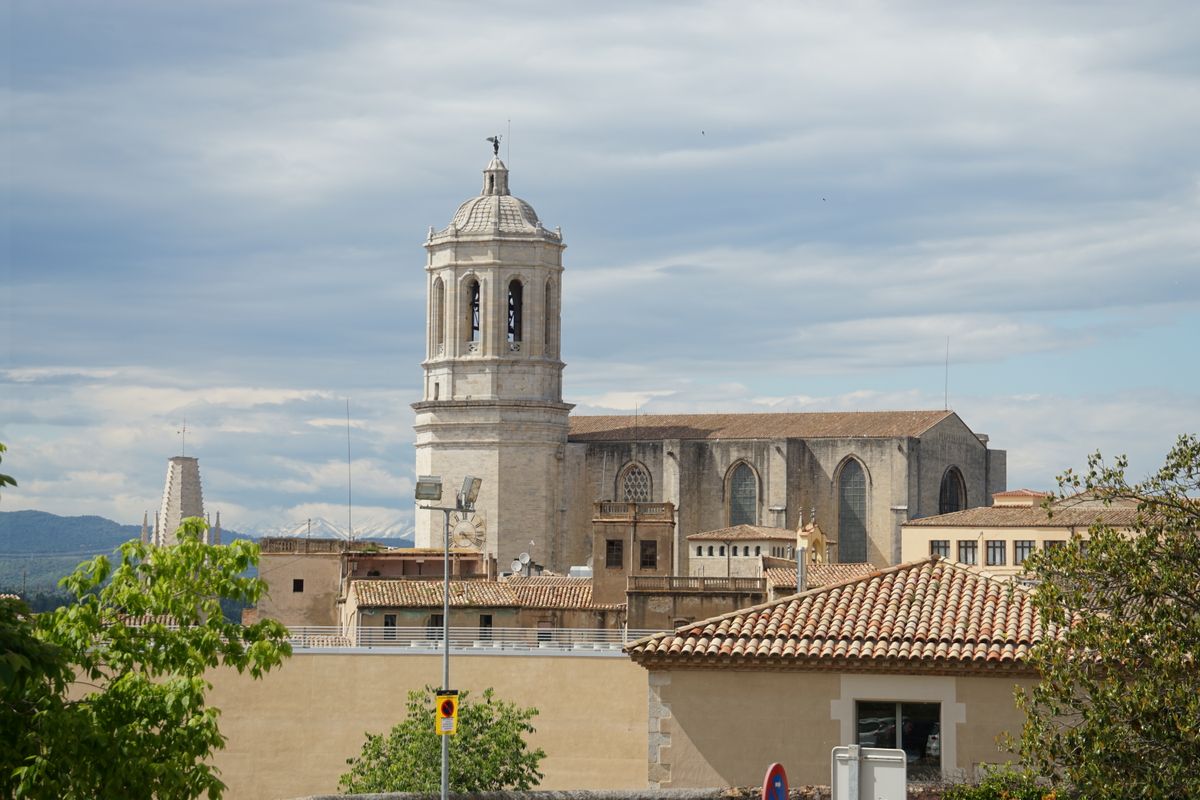
Die Kathedrale ragt direkt über dem jüdischen Viertel auf, eine physische Manifestation religiöser und politischer Macht. Von diesem Sitz der Autorität aus erließ der Bischof die Edikte, Beschränkungen und schließlich die Befehle, die die jüdische Bevölkerung eingrenzten und vertrieben.
Seit den 1980er Jahren hat Girona sein jüdisches Erbe durch das Jüdische Geschichtsmuseum, Hinweistafeln und das jährliche Kulturprogramm „Call de Girona“ aktiv zurückgewonnen. Was absichtlich getilgt wurde, wird nun behutsam in Erinnerung gerufen.
Das ist die echte Geschichte eines Halts auf dieser Route – jeder Halt hat seine eigene.
Wandern Sie über die Mauern und Befestigungen einer Stadt, die 1809 sieben Monate lang Napoleons Grande Armée trotzte…
Durchwandern Sie 2.000 Jahre Geschichte an einem einzigen Nachmittag – von römischen Fundamenten über mittelalterliche…
Lesen Sie 2.000 Jahre Geschichte in Gironas baulichem Gefüge – von römischen Mauerfundamenten über das breiteste…
Wir verwenden Cookies, um den Website-Verkehr zu analysieren und Ihre Erfahrung zu verbessern. Sie können Analyse-Cookies akzeptieren oder ablehnen. Mehr erfahren