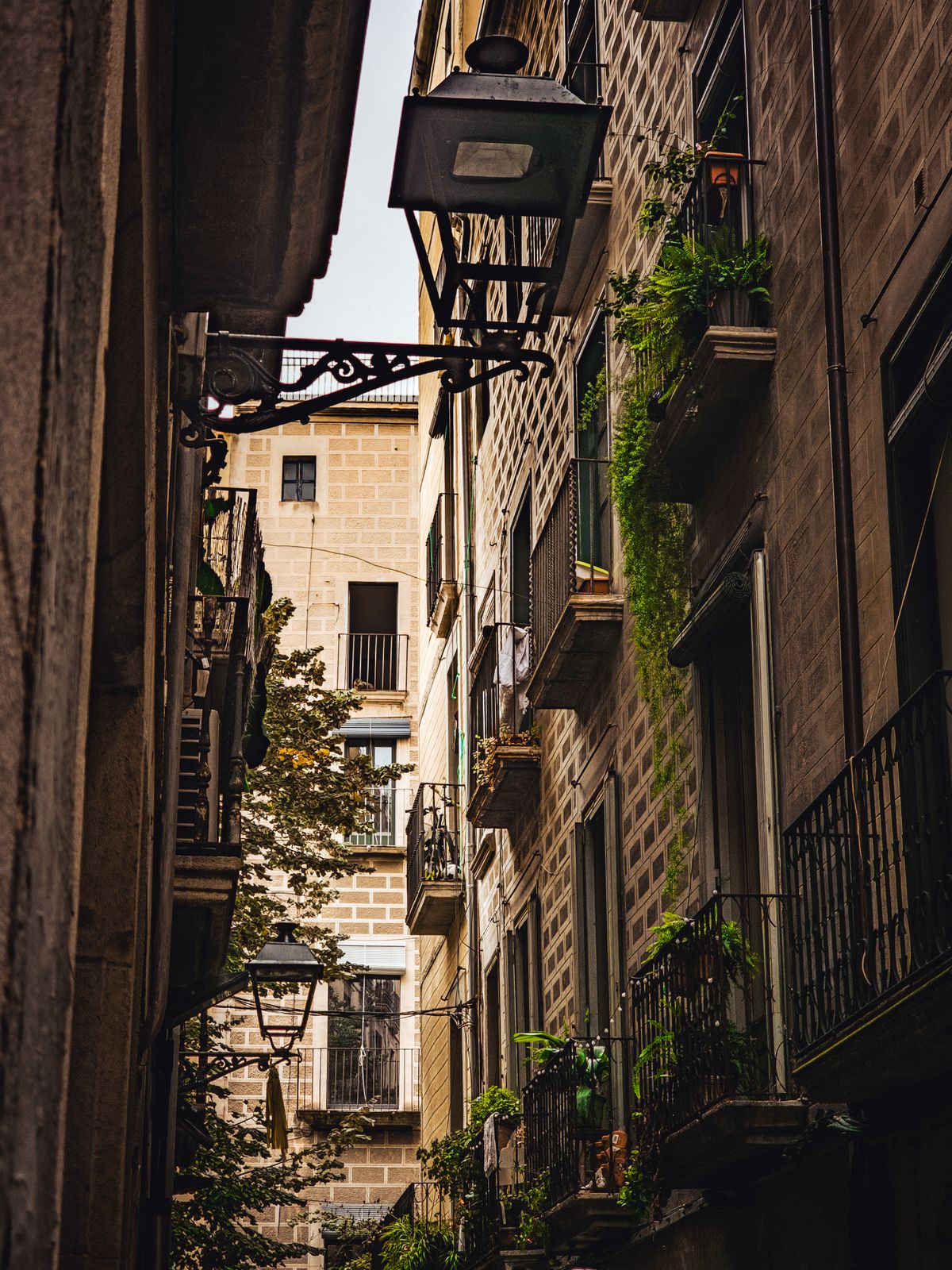
Girona · Spain
El Call: la historia judía de Girona
Girona, Spain
Nahmánides y la escuela cabalística El museo del Centre Bonastruc ça Porta Puertas tapiadas del barrio posterior a 1492 Vista aérea desde la Caserna dels Alemanys La dinámica de poder de la catedral
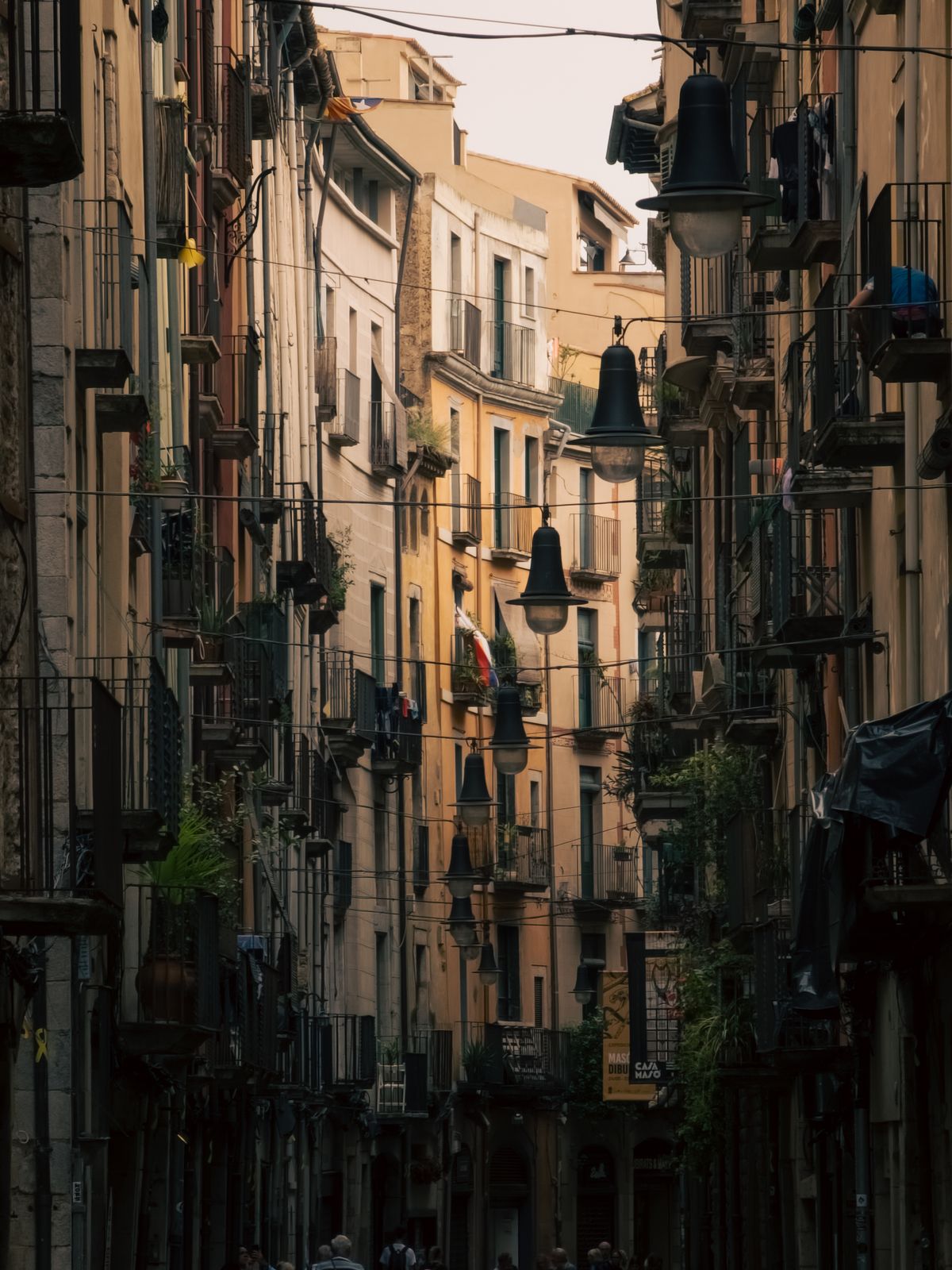
La calle Carrer de la Força es la arteria principal del barrio judío medieval de Girona, donde una comunidad de cerca de 1.000 personas vivió y trabajó durante el siglo XIII. La calle sigue el trazado de la antigua calzada romana dentro de las murallas de la Força Vella, una ubicación elegida por las primeras familias judías que llegaron a Girona en el año 890 d. C. y consolidada a principios del siglo XII.
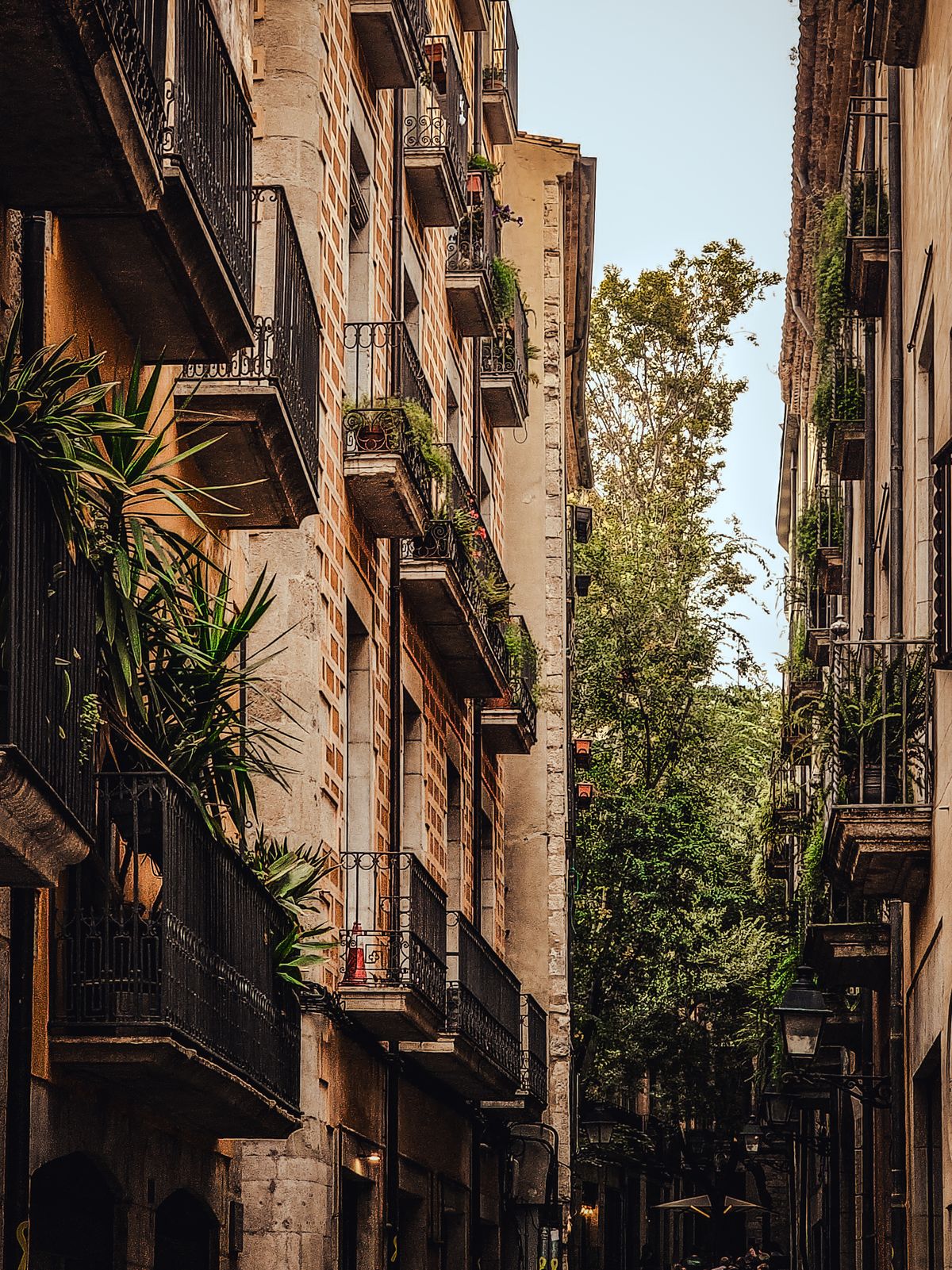
Desde finales del siglo XIII en adelante, las crecientes restricciones obligaron a la comunidad judía de Girona a ocupar espacios progresivamente más estrechos. Estos callejones, algunos de apenas un metro de ancho, son la evidencia física de la persecución, con muros desplazados hacia adentro, puertas selladas y movimientos restringidos tanto por la ley como por la arquitectura.
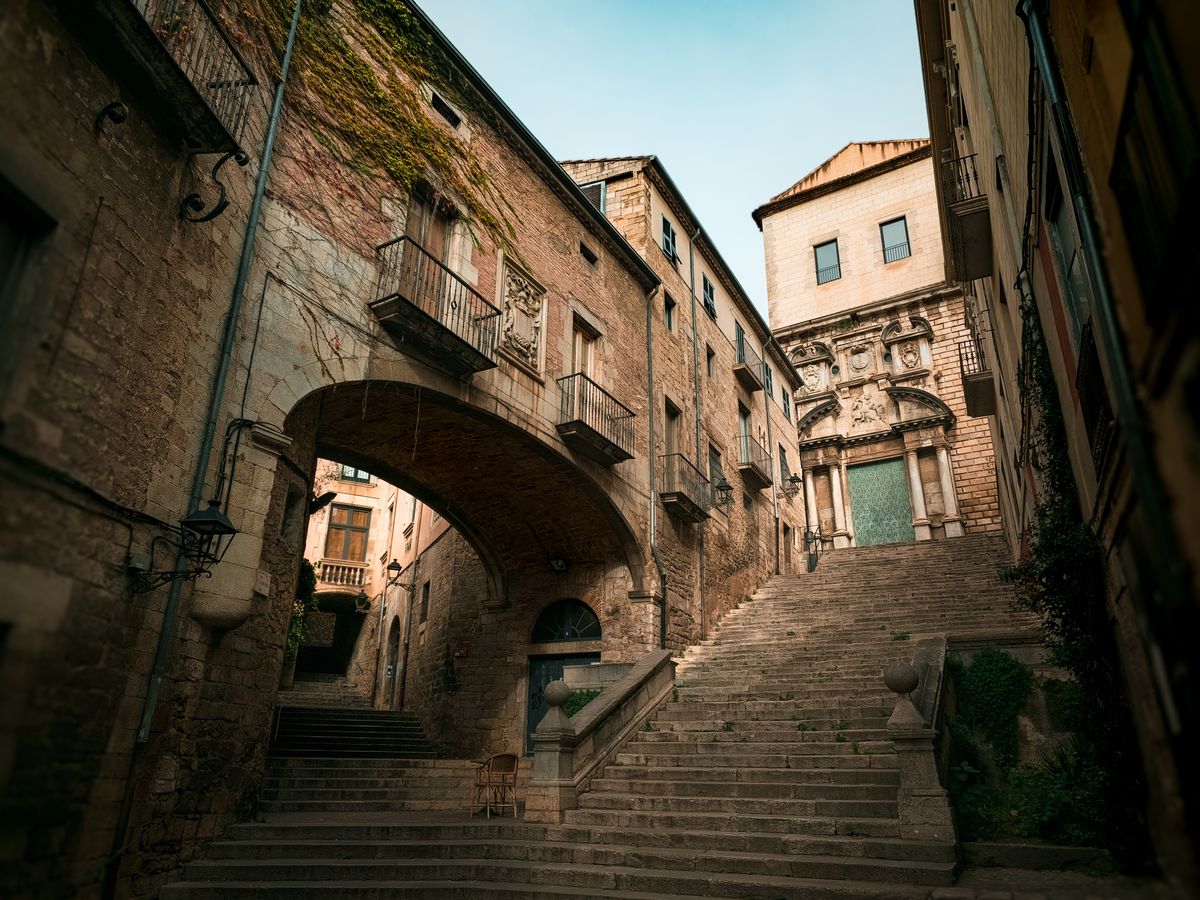
El rabino Moshé ben Nahman Gerondi, conocido como el Rambán, nació en esta calle y se convirtió en el gran rabino de Cataluña. En el siglo XIII, fundó uno de los centros de misticismo judío y aprendizaje cabalístico más importantes de Europa, transformando Girona en un faro del pensamiento espiritual judío hasta su partida forzada en 1267.
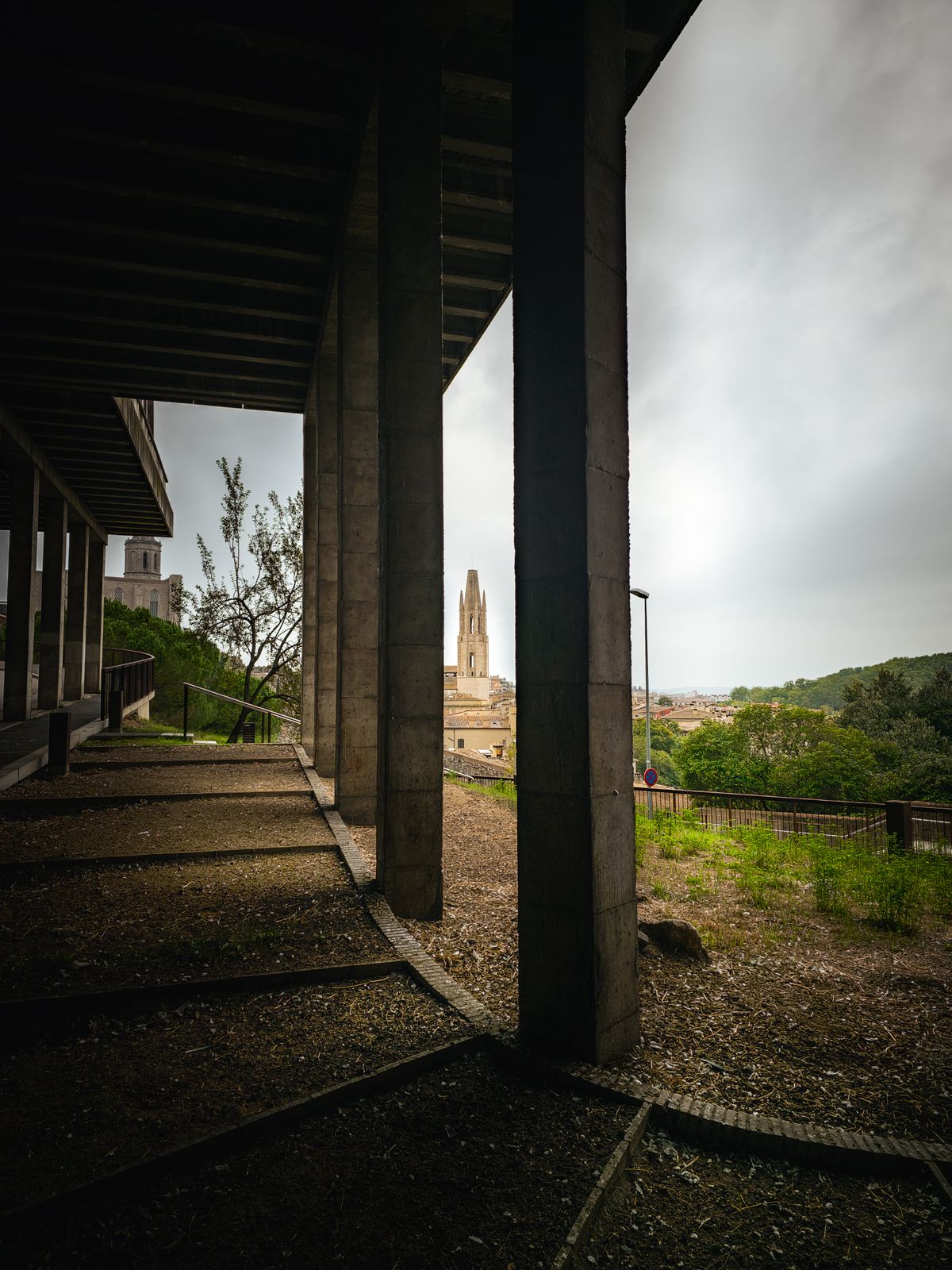
Un edificio de sinagoga del siglo XV que ahora alberga el Museo de Historia de los Judíos, con 11 exposiciones temáticas sobre la vida judía en la Cataluña medieval. El museo lleva el nombre de Nahmánides (Bonastruc ça Porta en catalán), el rabino medieval más importante de Girona y una figura imponente en el misticismo judío.
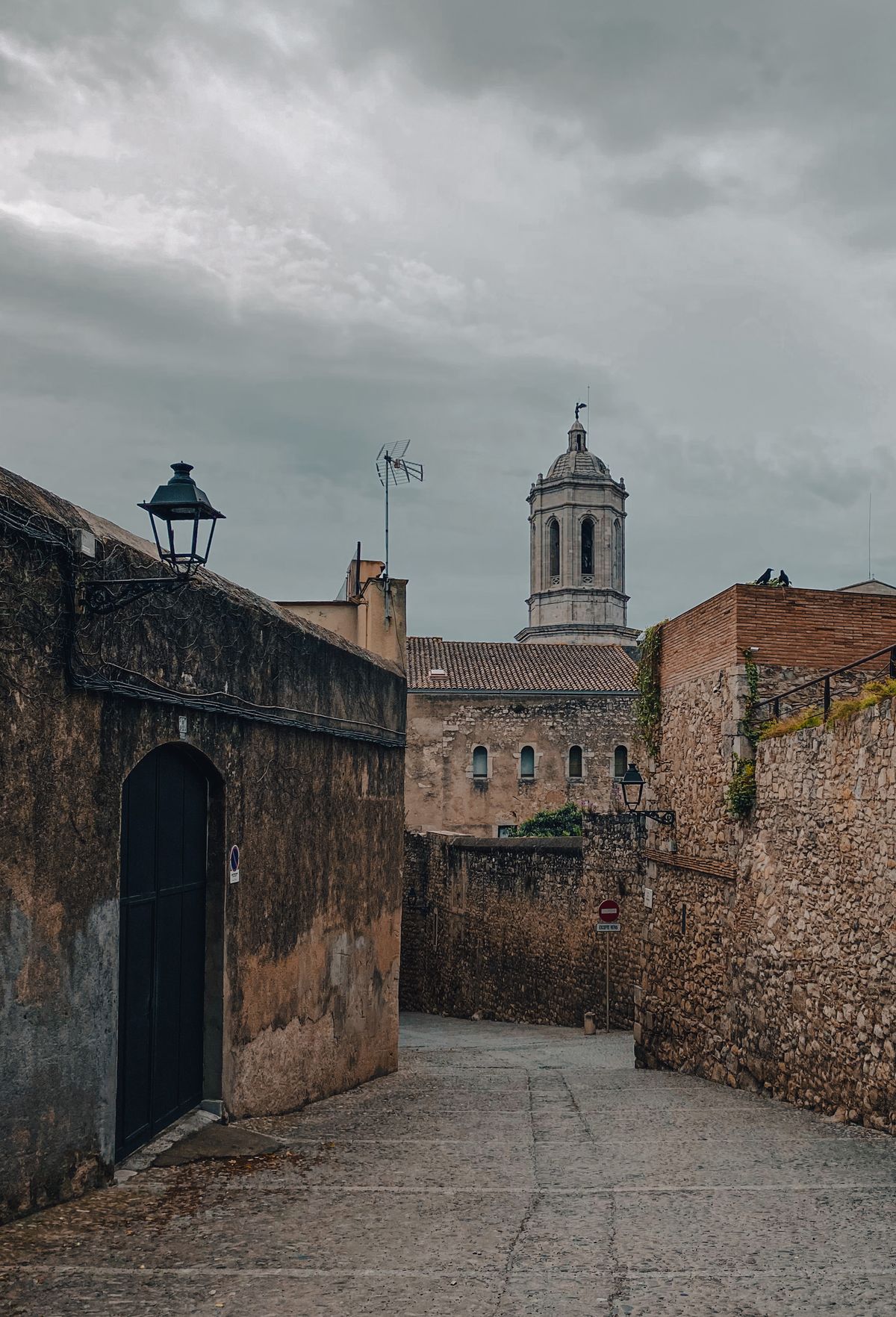
Tras la expulsión de 1492, el barrio judío fue sellado físicamente: se construyeron nuevas casas sobre estructuras antiguas, las puertas fueron tapiadas, las ventanas cerradas para siempre. La ironía del borrado: este acto de destrucción preservó paradójicamente los edificios medievales debajo, las piedras guardando sus secretos hasta que comenzó la recuperación moderna.
Un jardín amurallado restaurado en el punto más alto de la ciudad que ofrece la única vista elevada de la disposición del barrio judío medieval. Desde aquí, la densidad, el encierro y la arquitectura del Call se vuelven visibles: las calles estrechas, los edificios comprimidos y las murallas defensivas que contuvieron el mundo de una comunidad durante seis siglos.
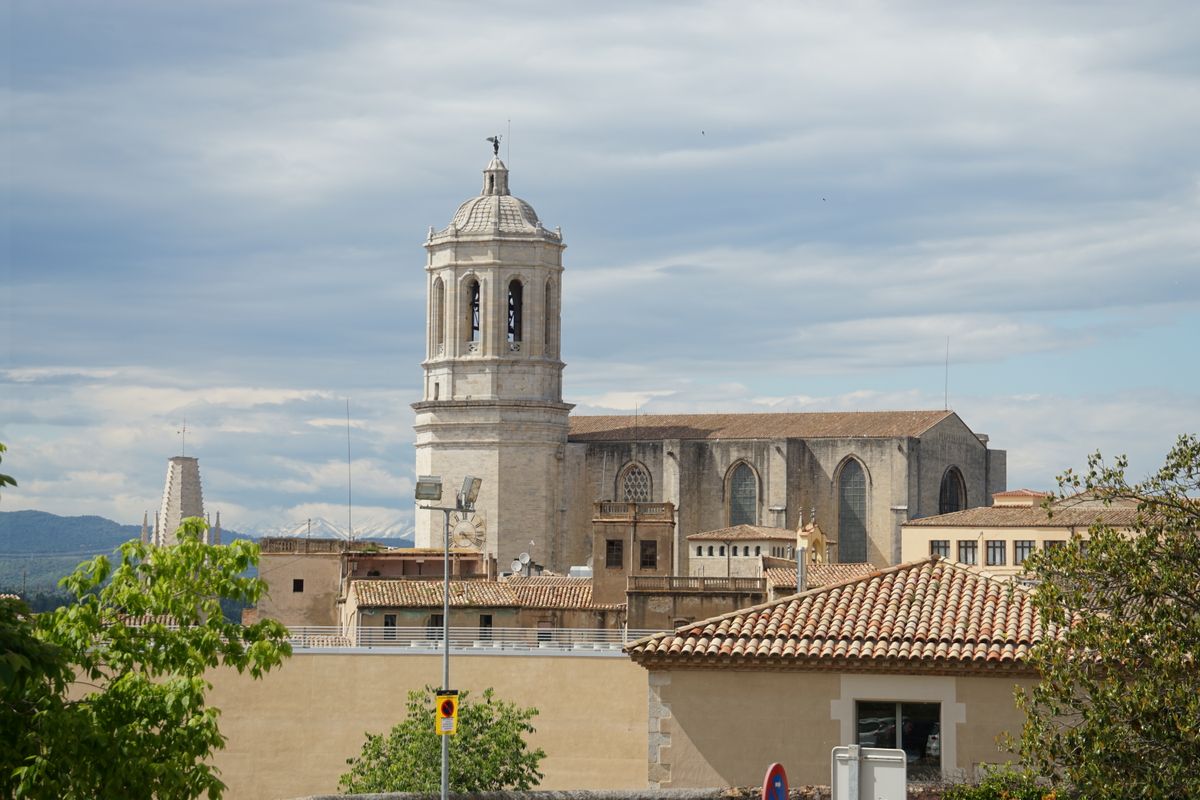
La catedral se alza directamente sobre el barrio judío, una manifestación física del poder religioso y político. Desde este asiento de autoridad, el obispo emitía los edictos, las restricciones y, en última instancia, las órdenes que confinaron y expulsaron a la población judía.
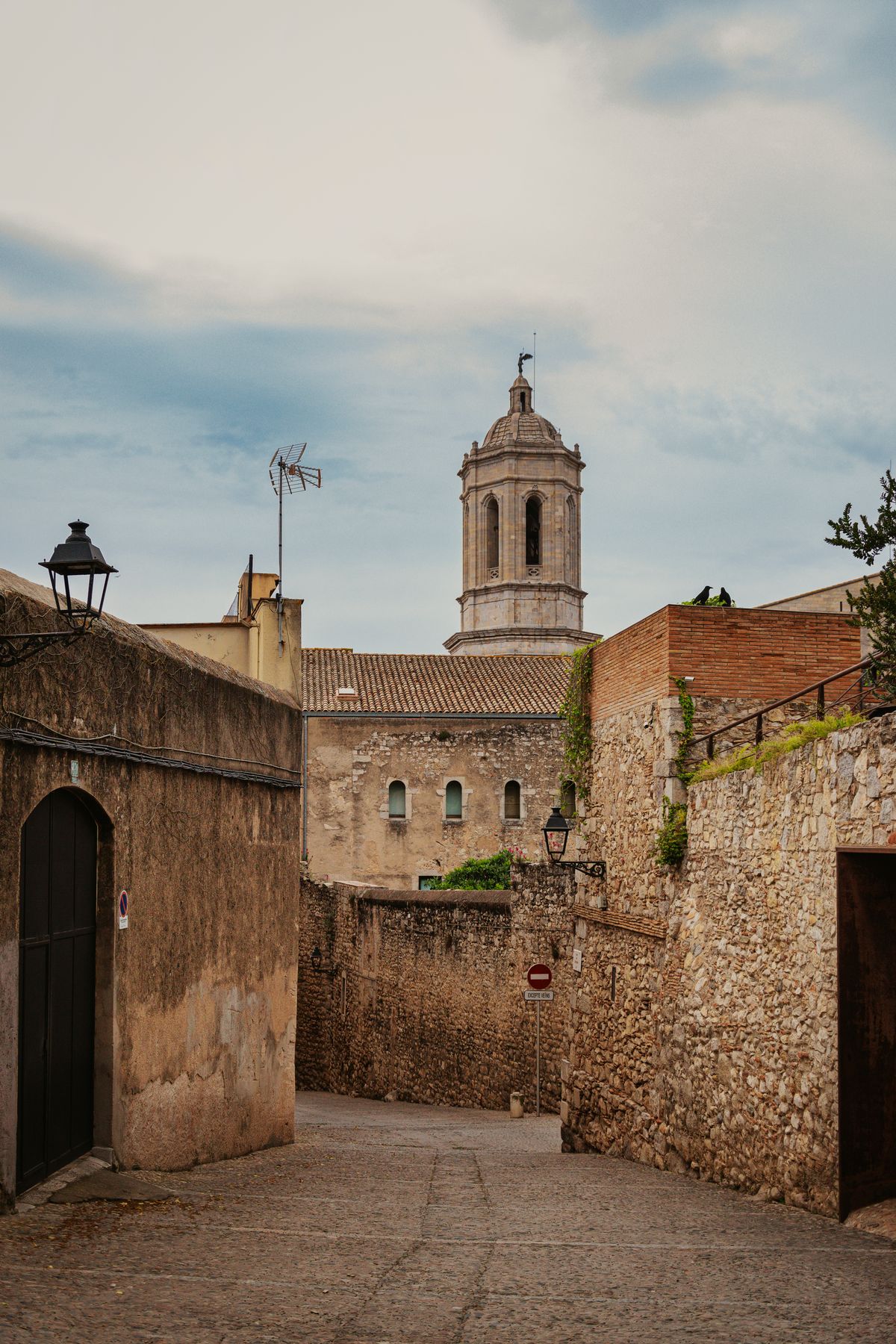
Desde la década de 1980, Girona ha recuperado activamente su patrimonio judío a través del Museo de Historia de los Judíos, placas interpretativas y el programa cultural anual Call de Girona. Lo que fue borrado deliberadamente está siendo cuidadosamente recordado.
Esta es la historia real de una de las paradas de esta ruta: cada parada tiene la suya.
Recorre con el paladar una ciudad con tres estrellas Michelin, un pastel con denominación protegida y un mercado donde…
Recorre 2.000 años de historia en una sola tarde —desde los cimientos romanos hasta las calles judías medievales y las…
Recorre las murallas y fortificaciones de una ciudad que resistió a la Grande Armée de Napoleón durante siete meses en…
Usamos cookies para analizar el tráfico del sitio y mejorar tu experiencia. Puedes aceptar o rechazar las cookies de análisis. Más información