Madrid · Spain
Madrid Rebelde — From Civil War to Movida
Madrid, Spain
Plaza del Dos de Mayo: 1808 rebellion meets 1980s Movida Gran Vía under siege: Howitzer Avenue during the Civil War Puerta del Sol: where every Spanish political moment converges La Tabacalera: 16,000 sqm of creative resistance
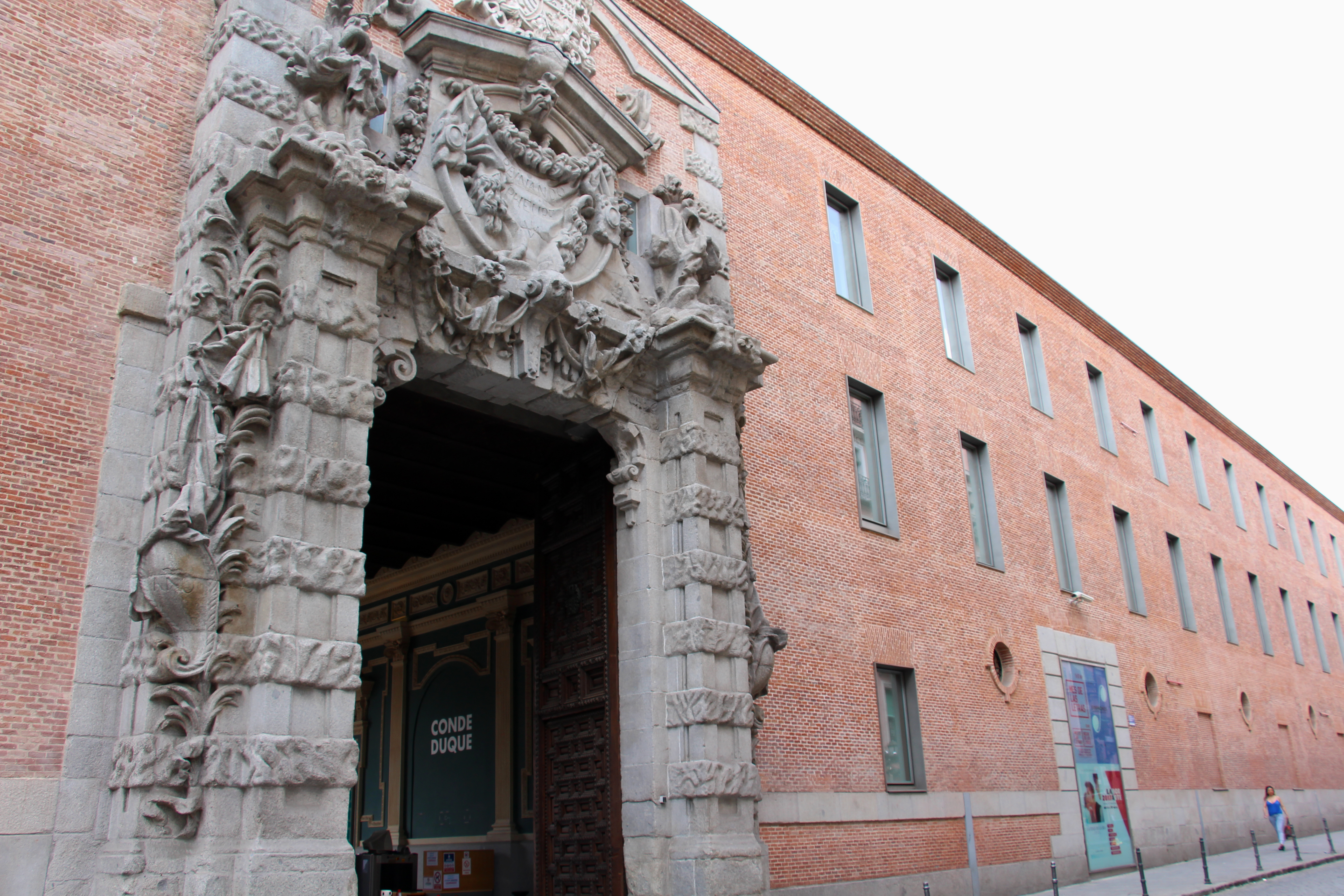
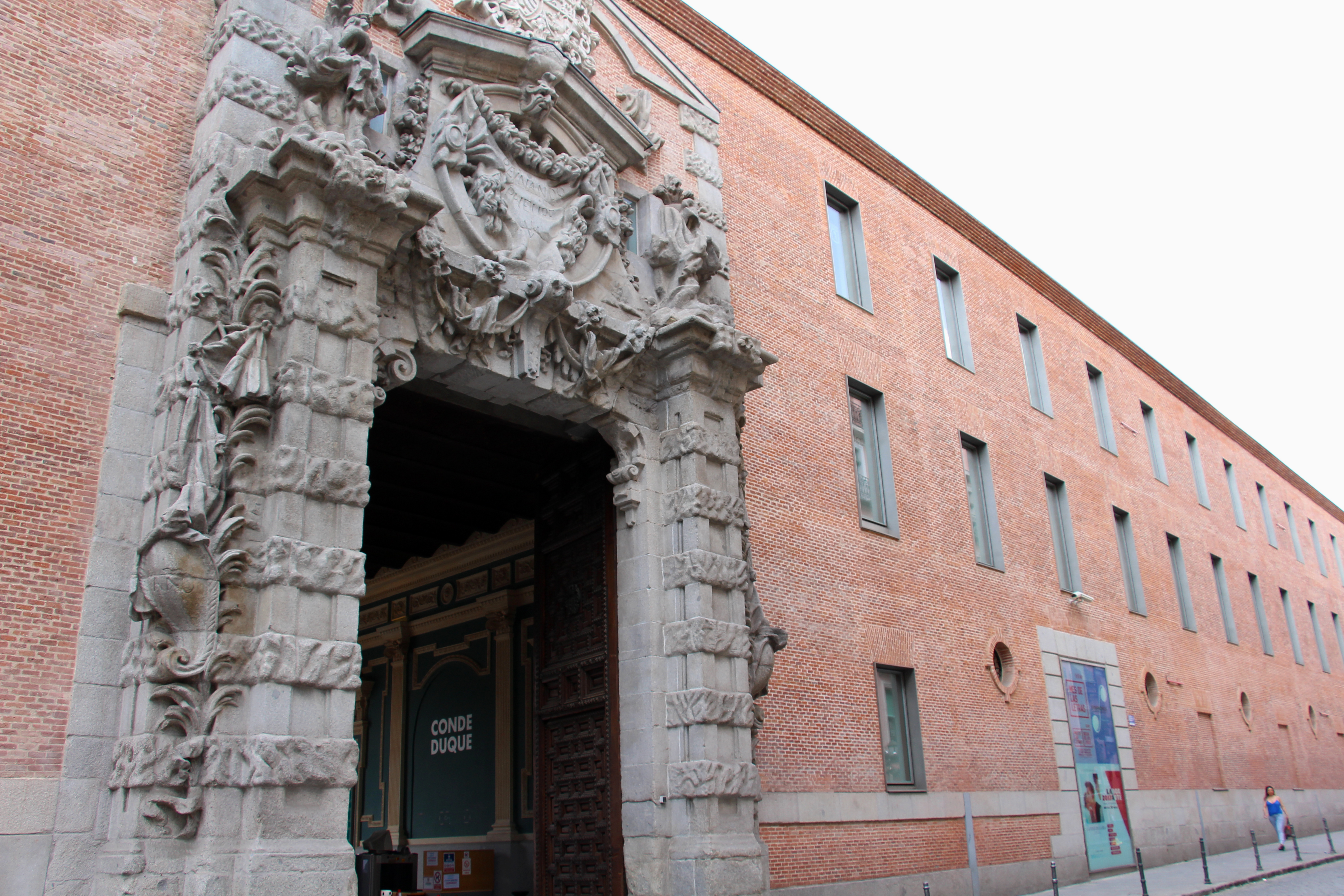
The tour begins at an 18th-century military barracks with a magnificent Baroque doorway — now one of Madrid's most important contemporary cultural spaces. This military fortress transformed into a house of art is the perfect metaphor for everything this tour explores.
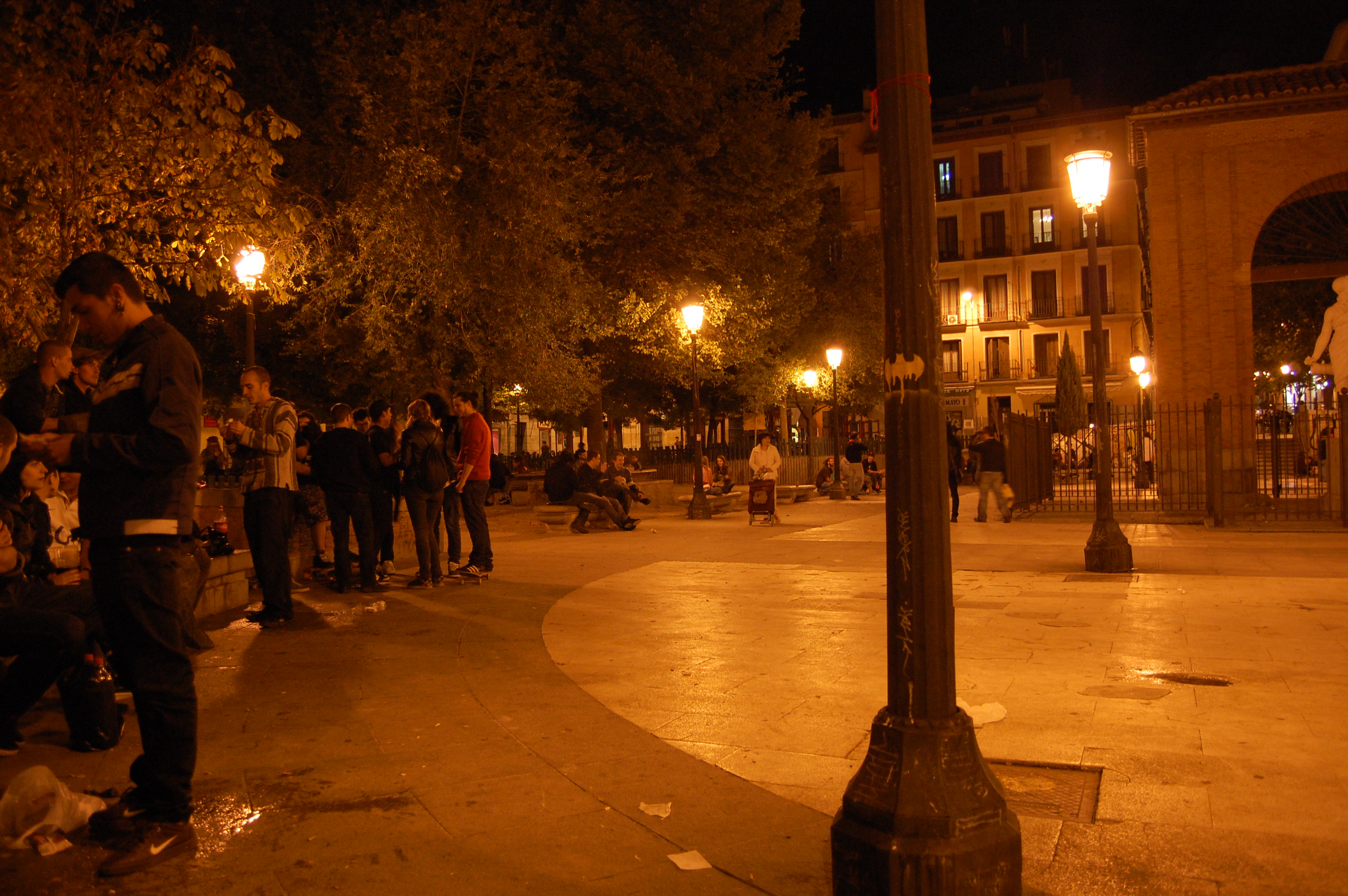
This plaza bears the name of Madrid's 1808 uprising against Napoleon and, 170 years later, became the epicenter of La Movida Madrileña — the 1980s cultural explosion that followed decades of Franco's repression. Rebellion defined this place in two different eras.
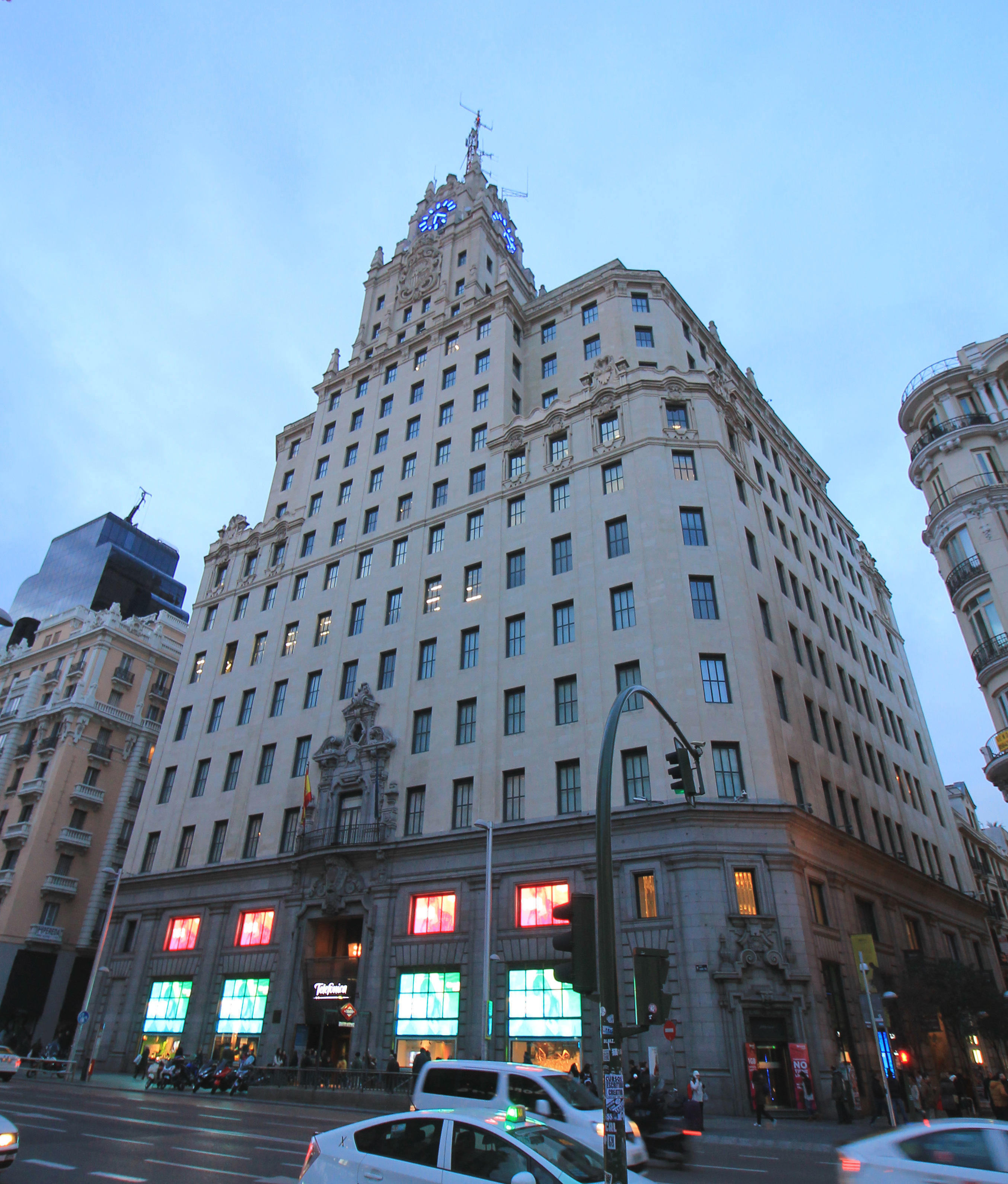
Gran Vía's first skyscraper became the Civil War's most visible landmark — Nationalist artillery used its height as a reference point to shell Republican Madrid, while foreign correspondents including Hemingway filed reports from within its walls.
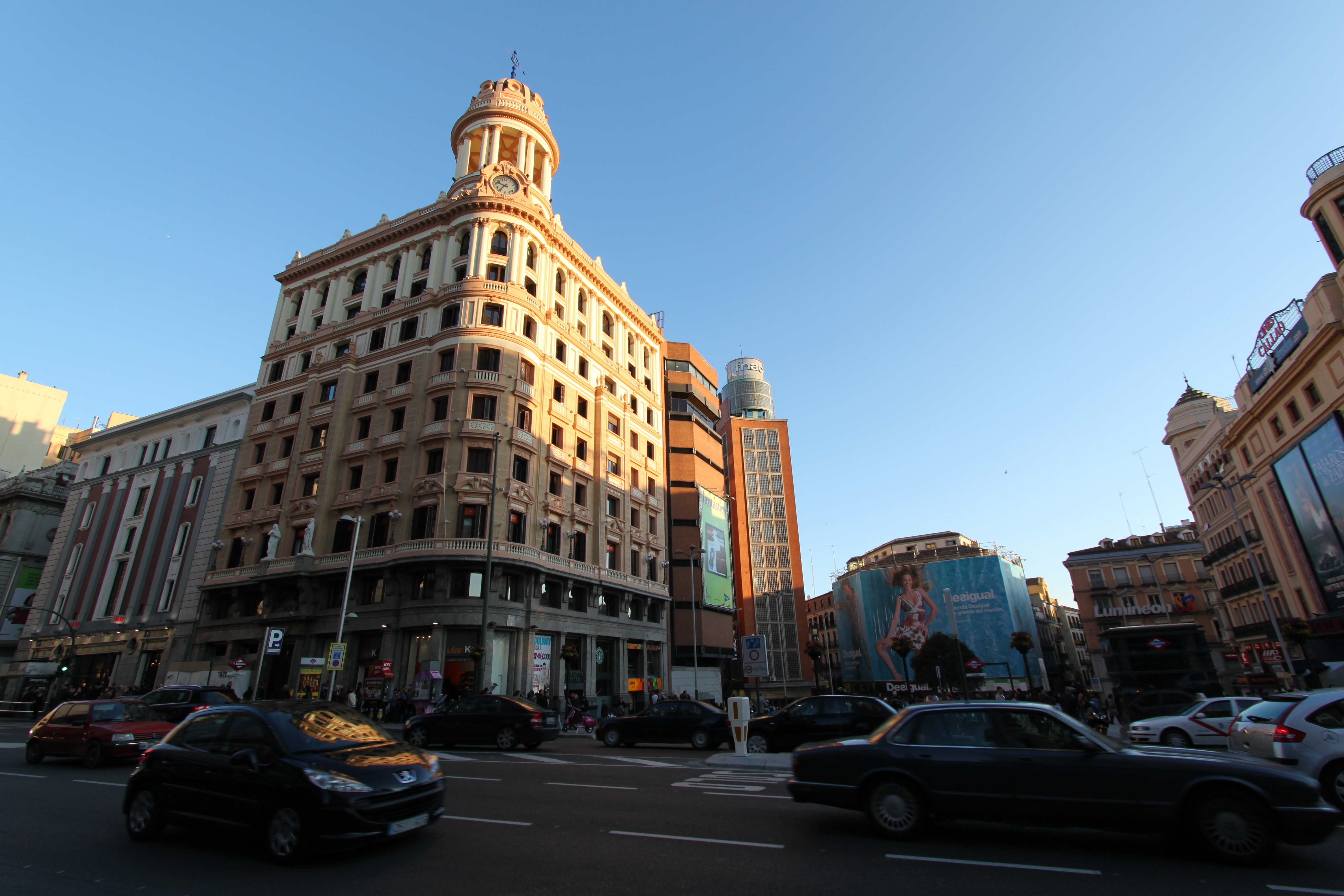
During the siege, Gran Vía was nicknamed "Howitzer Avenue" for the shells that fell daily, yet cinemas and shops remained open as Madrileños defied the bombardment. The cinema culture persisted as an act of collective defiance during the 2.5-year siege.
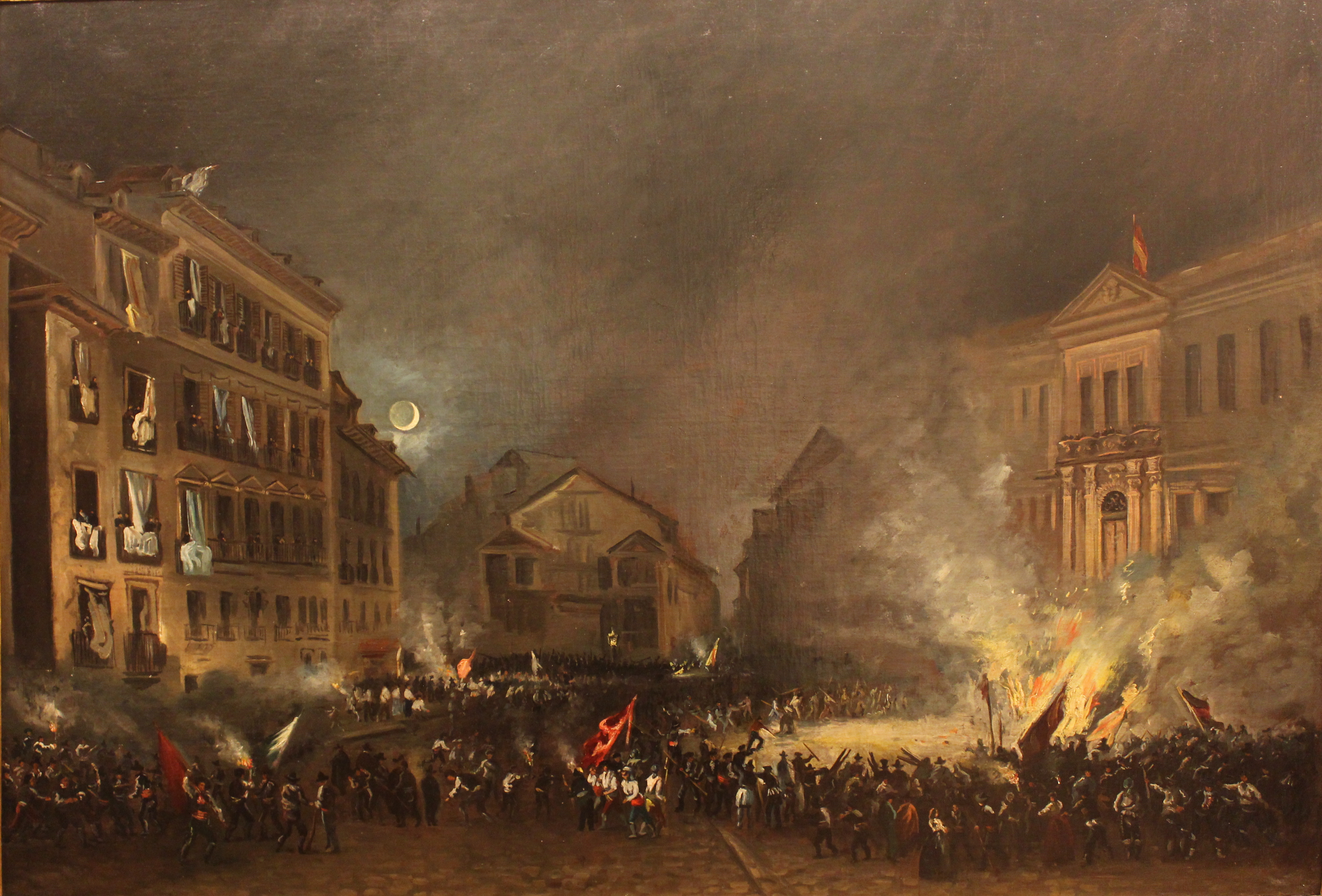
Spain's political nerve center and the epicenter of Madrid's democratic history, from the proclamation of the Republic in 1931 to Franco's regime headquarters and finally the 2011 15-M movement that would inspire occupy movements worldwide. Every moment of Spanish rebellion converges here.
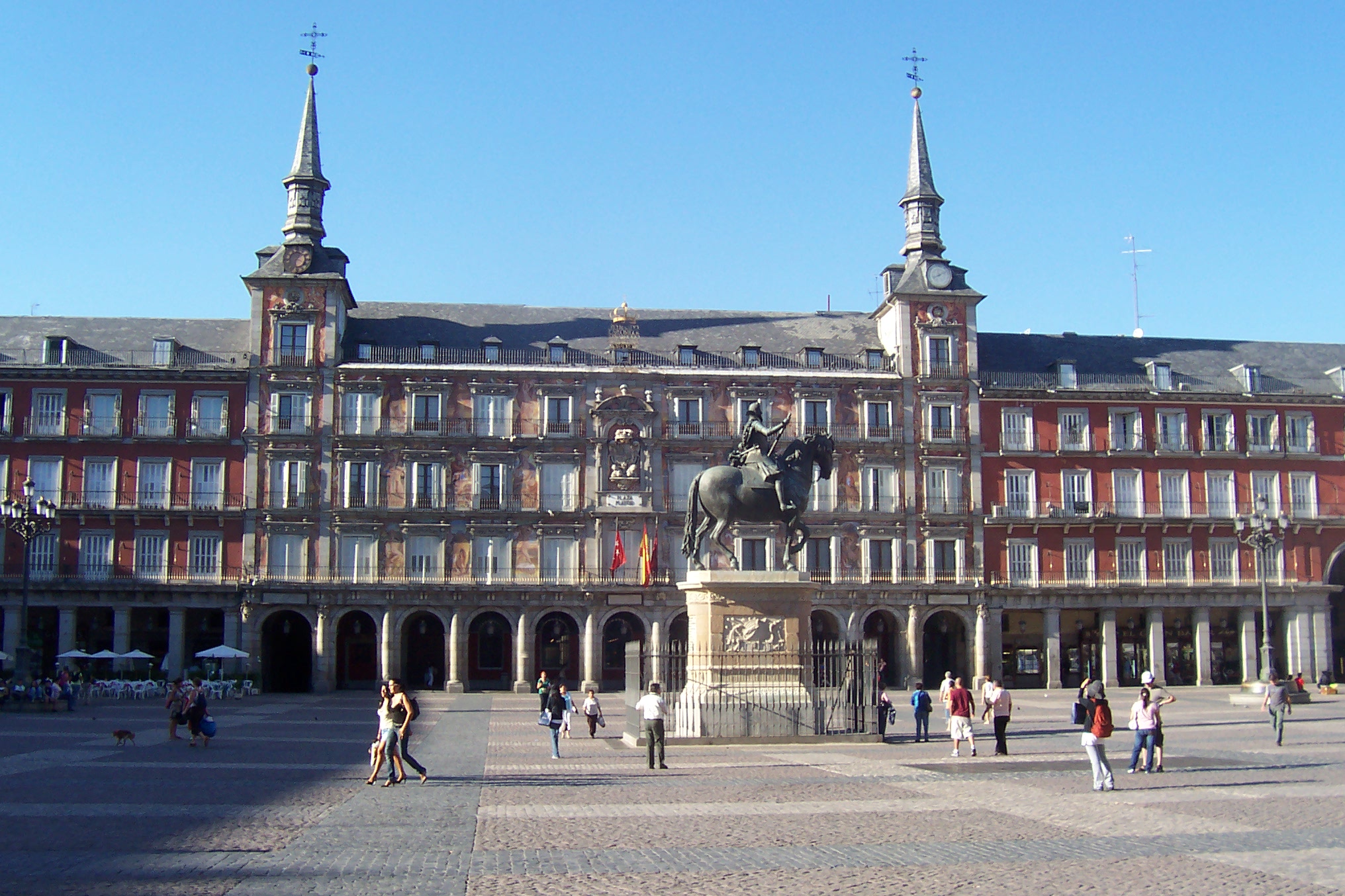
Under Franco, the Plaza Mayor hosted regime rallies and military parades celebrating the nationalist victory, demonstrating the regime's control of public space. After democracy returned, the square was reclaimed as a space for the people, transformed from a monument to power into a gathering place for ordinary life.
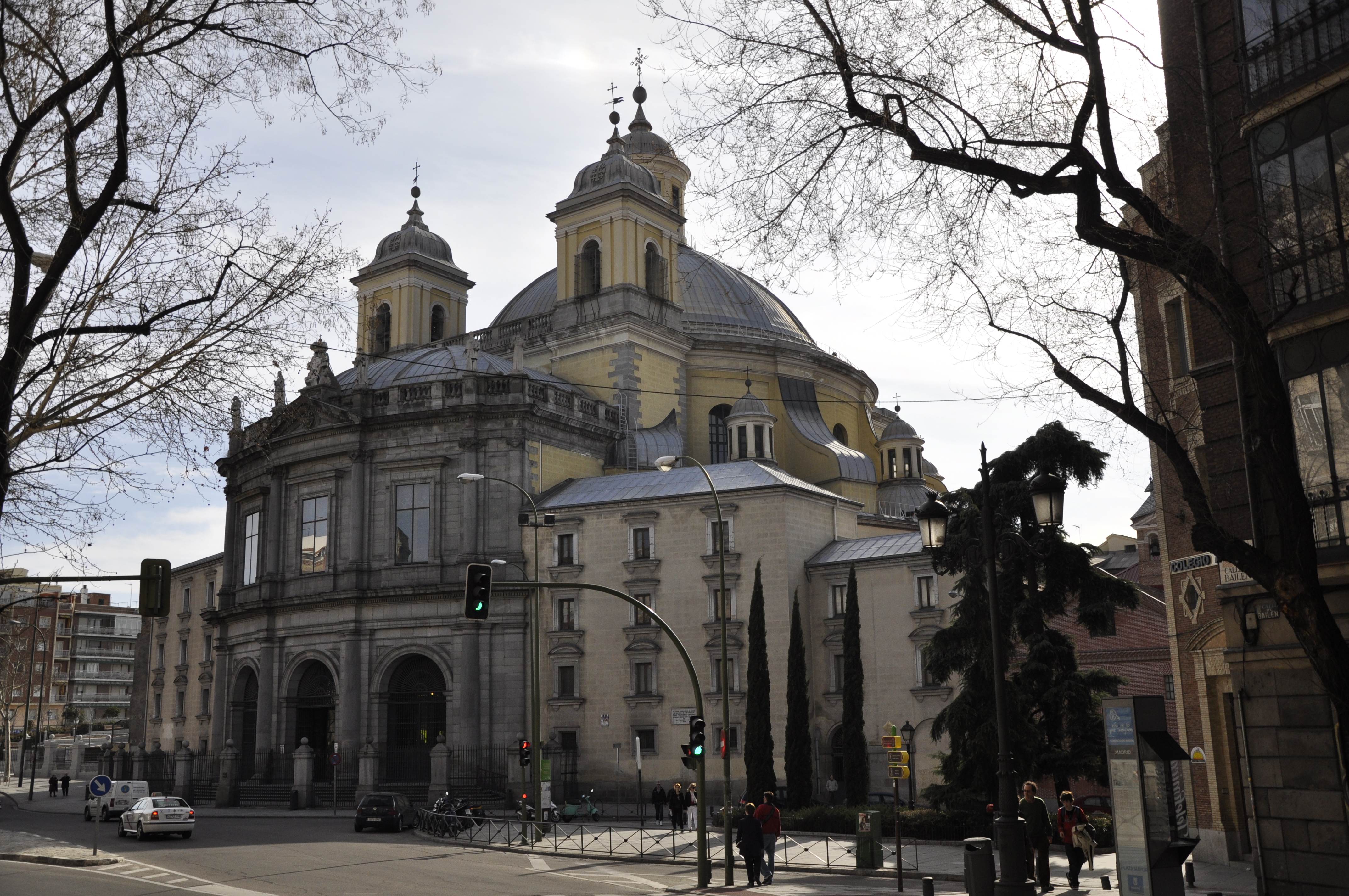
A neoclassical basilica with Spain's 33-metre dome, used by Franco's regime for official state ceremonies and housing early Goya paintings—a monument to both artistic grandeur and authoritarian power.
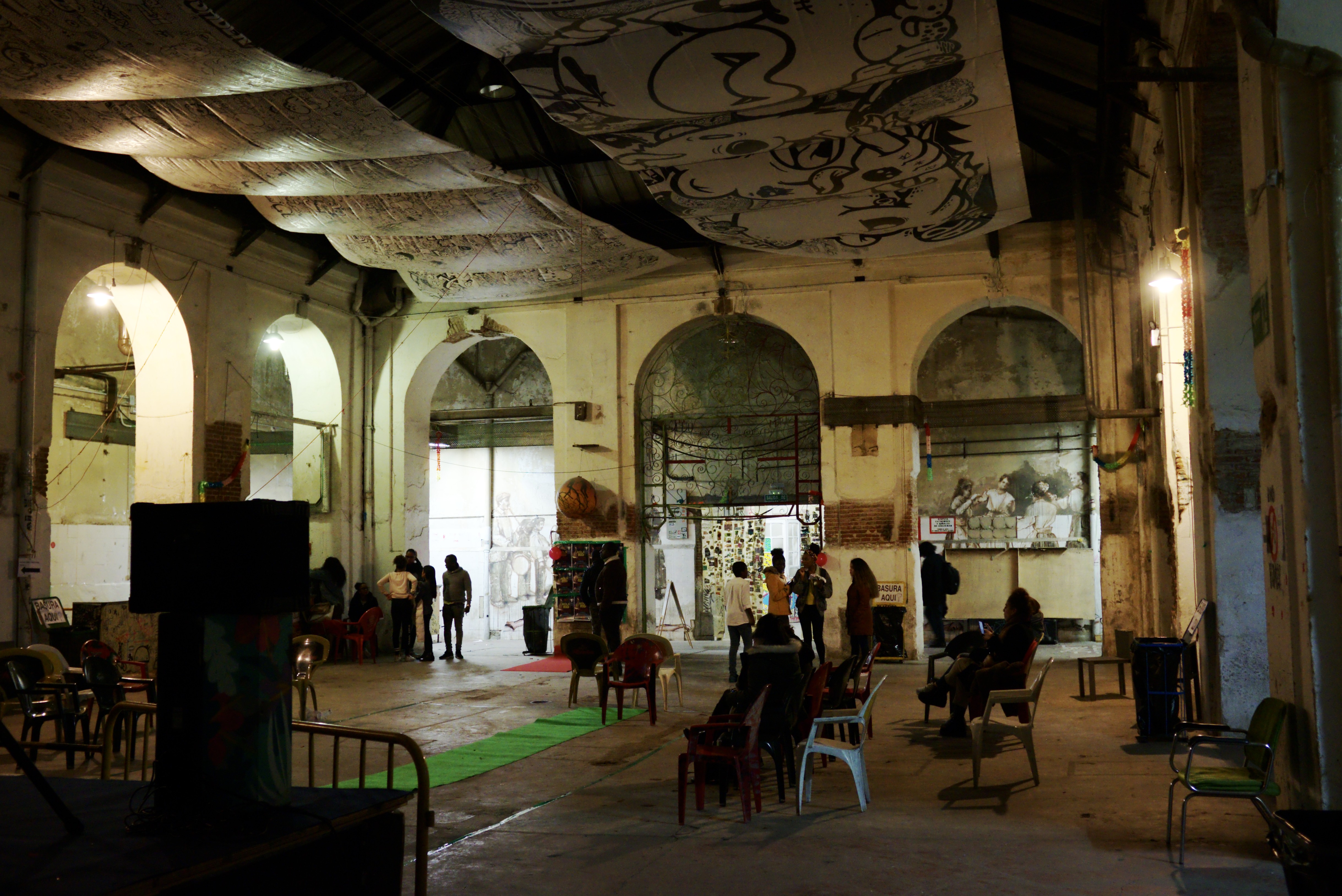
A 16,000-square-metre self-managed art centre in a former tobacco factory, where international graffiti writers and artists create without corporate sponsorship—a living statement that creativity belongs to the people, not the powerful.
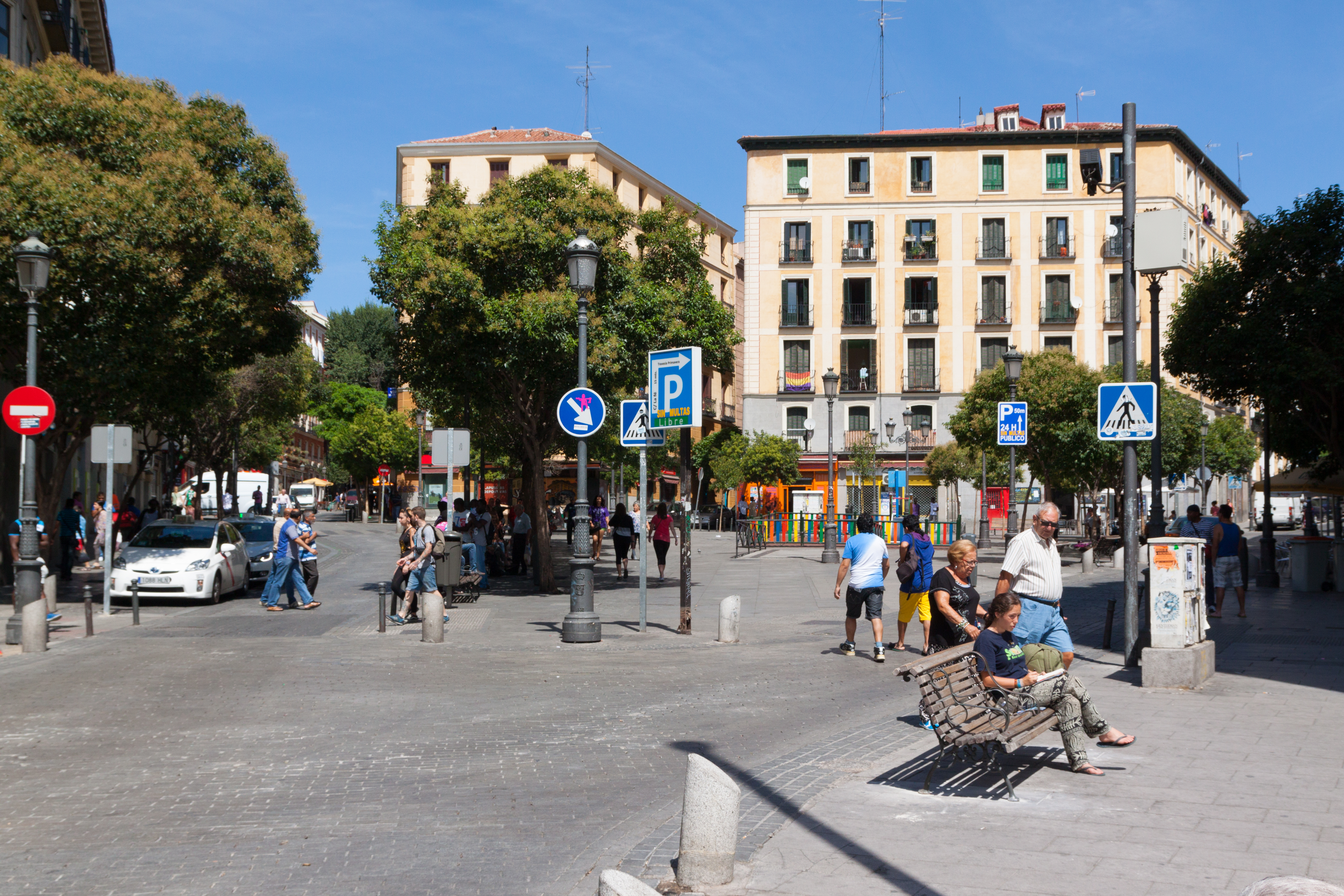
A multicultural plaza where 82 nationalities live in close quarters, where Franco's vision of a monocultural Spain was definitively rejected—proof that rebellion doesn't end with political change, it continues in daily coexistence and fusion.
This is the real story from one stop on this walk — every stop has one.
Walk Madrid's most ambitious boulevard to understand how the city demolished its medieval past to build a 20th-century…
An architectural time-travel from Madrid's 9th-century Islamic origins through Habsburg austerity to Bourbon…
Escape the tourist circuit and discover the Madrid locals treasure — a painter's secret garden in Chamberí, a…
We use cookies to analyse site traffic and improve your experience. You can choose to accept or reject analytics cookies. Learn more