Montmartre: The Village on the Hill
Paris · France

Montmartre: The Village on the Hill

Paris, France
90
Duration (min)
2.2
Distance (km)
10
Stops
Medium
Difficulty

Description

Experience the bohemian soul of Montmartre, from the panoramic steps of Sacré-Cœur through artist studios where Cubism was born, past working vineyards and legendary cabarets, to the iconic Moulin Rouge.

Highlights

Sacré-Cœur panorama over all of Paris Bateau-Lavoir: where Picasso invented Cubism Au Lapin Agile: the cabaret of bohemian legends Clos Montmartre: Paris's only working vineyard Moulin Rouge: Belle Époque entertainment lives on
Tour Stops

Steps Leading Down from Sacré-Cœur
1

Steps Leading Down from Sacré-Cœur

4 min

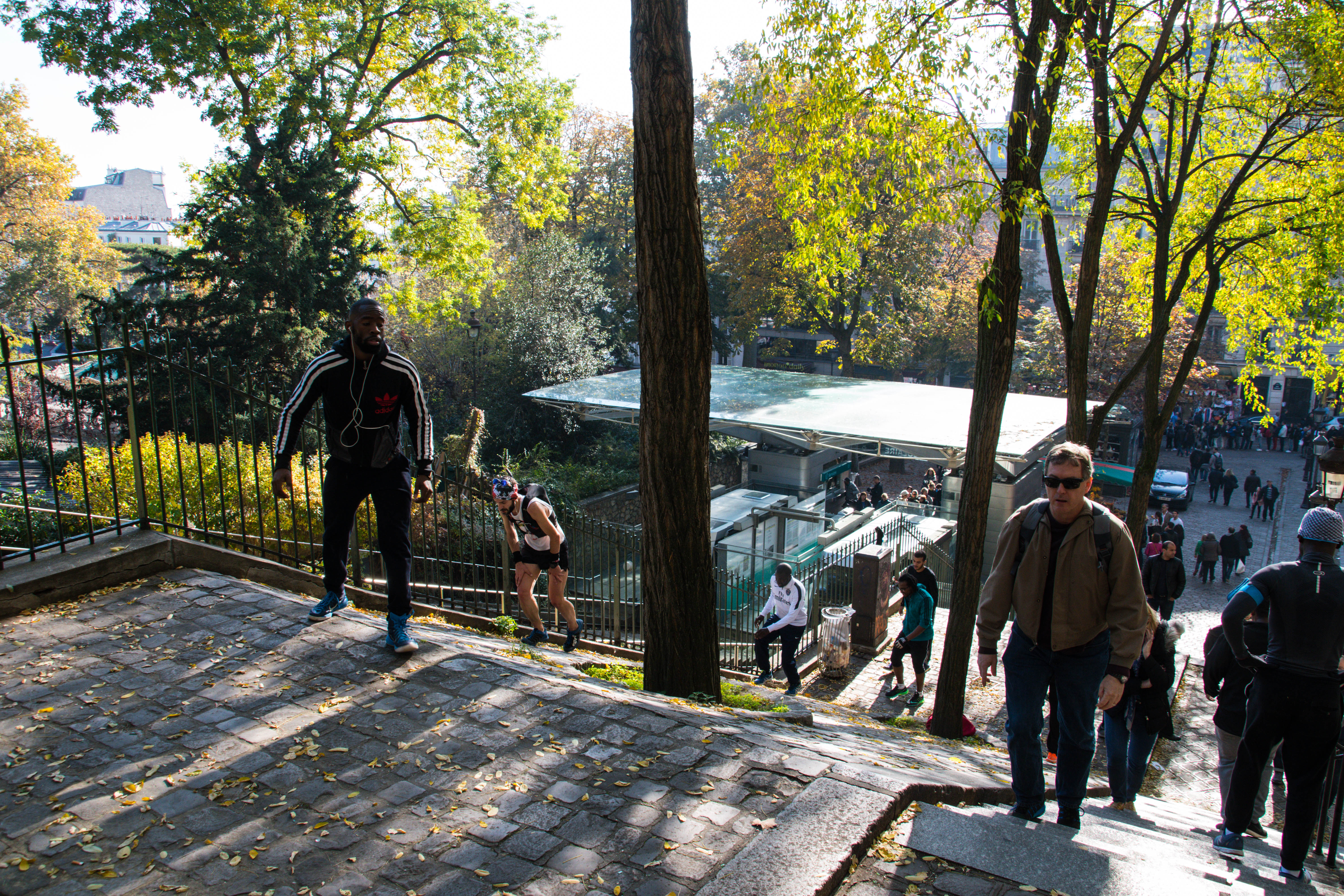
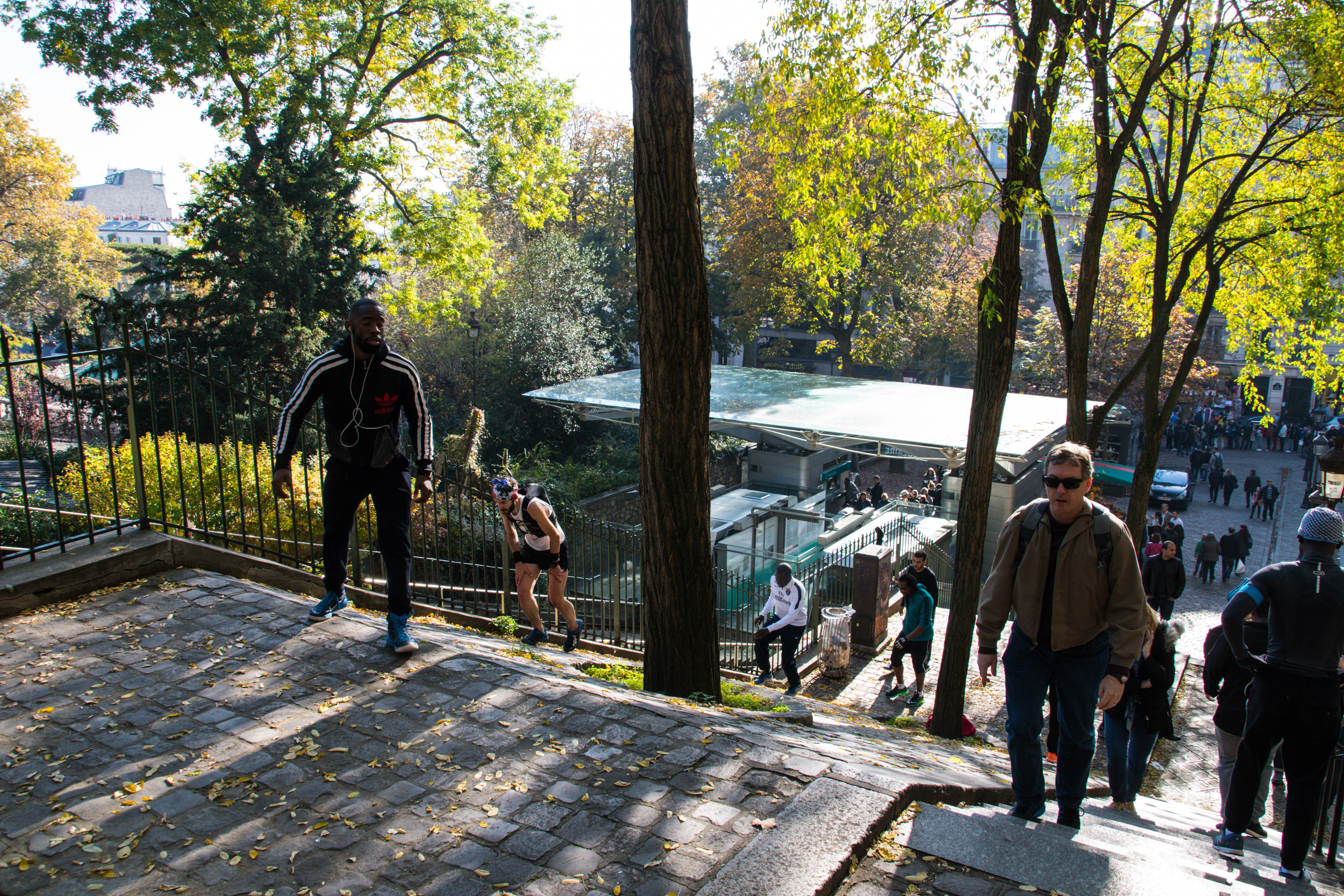
A dramatic outdoor stairway descends from the Sacré-Cœur Basilica toward the city below, offering sweeping panoramic views of Paris and serving as the physical and symbolic transition into village Montmartre.
Sacré-Cœur Basilica
2

Sacré-Cœur Basilica

6 min

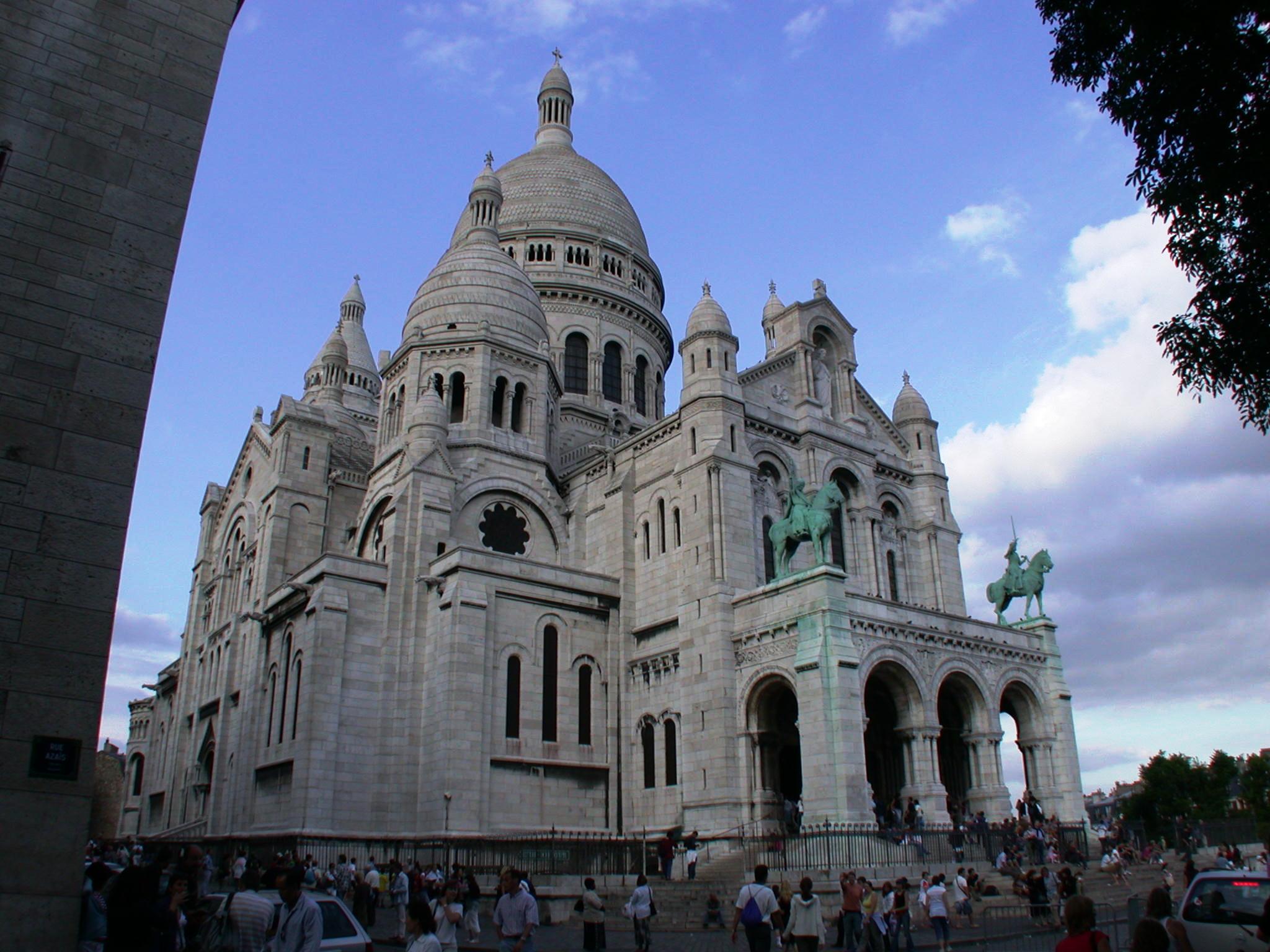
This Romano-Byzantine basilica crowns Montmartre's highest point, offering panoramic views of Paris. Built as penance for the Commune, it became both a spiritual sanctuary and a symbol of the political tensions that divided the city.
Place du Tertre
3

Place du Tertre

5 min

The historic heart of Montmartre village, Place du Tertre is where portrait painters have plied their trade for over a century, anchoring the square with cafés and embodying both the authentic artistic tradition and the modern tourism that defines Montmartre today.
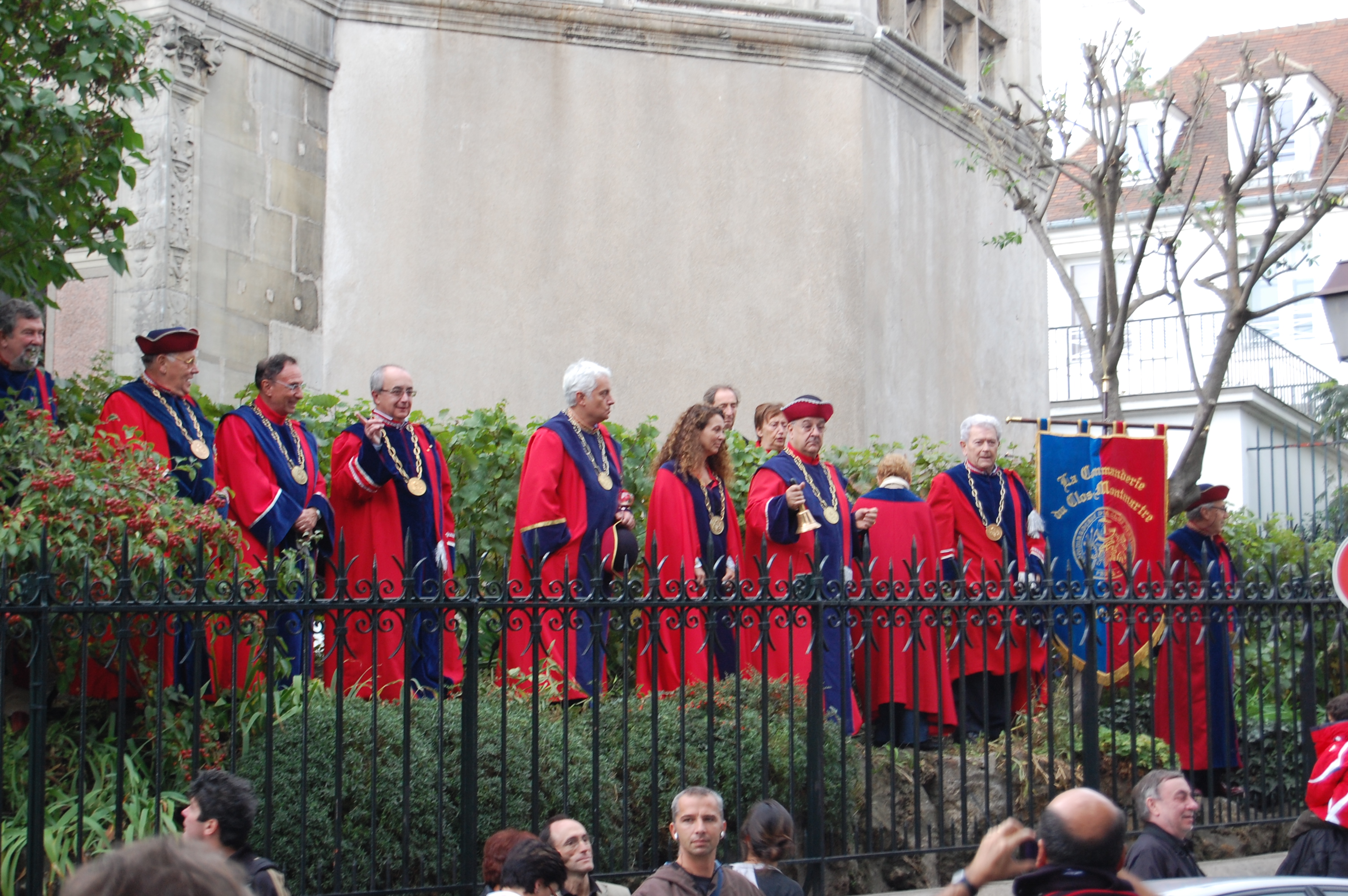
Clos Montmartre Vineyard
4

Clos Montmartre Vineyard

4 min

Paris's only working vineyard, tucked away on Rue des Saules, is a living remnant of medieval agricultural Montmartre. Each September, locals and visitors gather for the harvest festival, celebrating a tradition that survived even the painters.
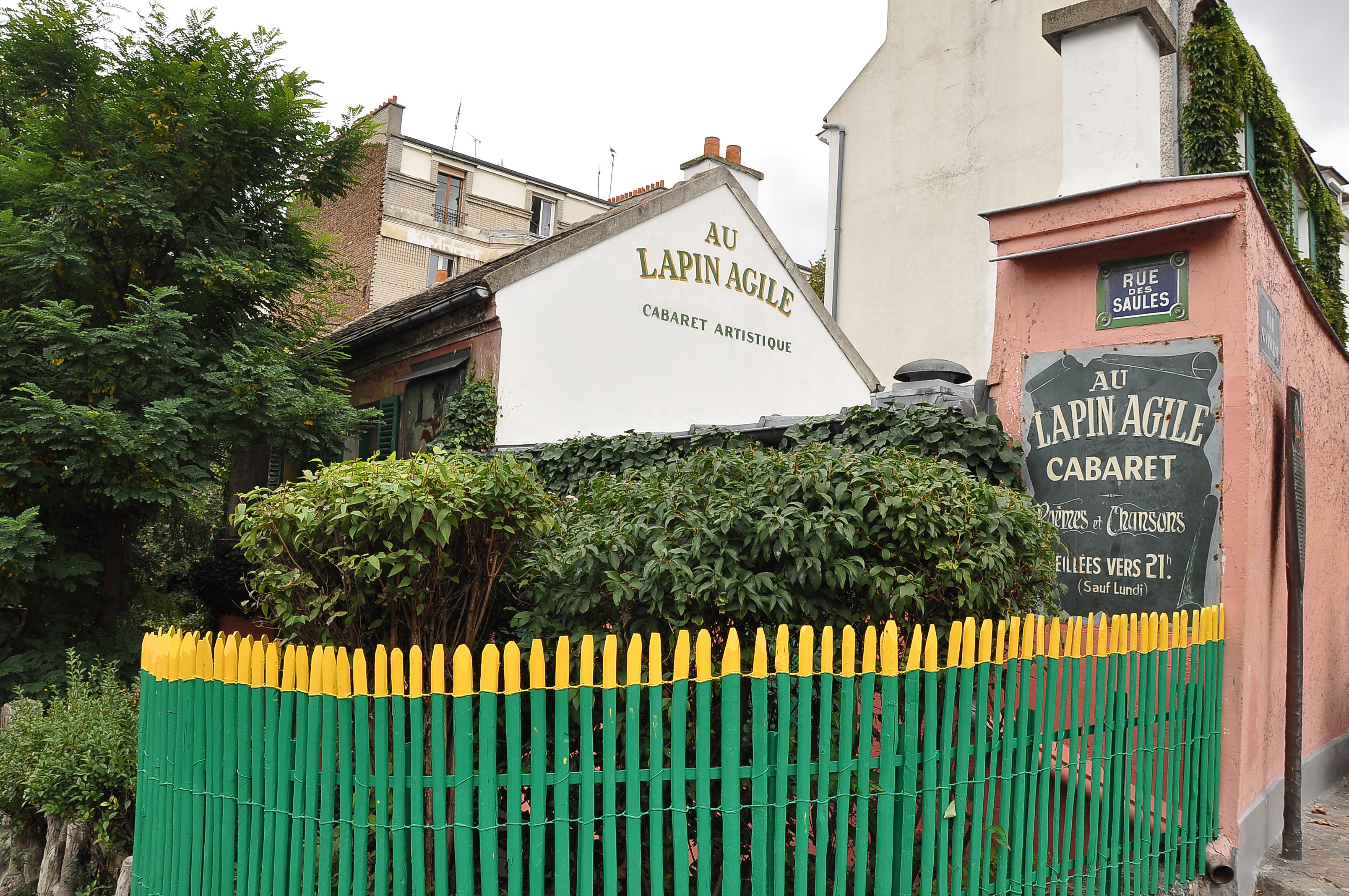
Au Lapin Agile
5

Au Lapin Agile

4 min

A working-class cabaret that hosted Picasso, Apollinaire, and the bohemian artistic elite—intimate, still functioning, and a living monument to Montmartre's authentic bohemian spirit. This is where artistic legend was made over cheap wine and song.
Bateau-Lavoir
6

Bateau-Lavoir

4 min

The humble artist studio building where Picasso, Braque, and Modigliani pioneered Cubism and transformed art history. Working artists continue to maintain studios here today.
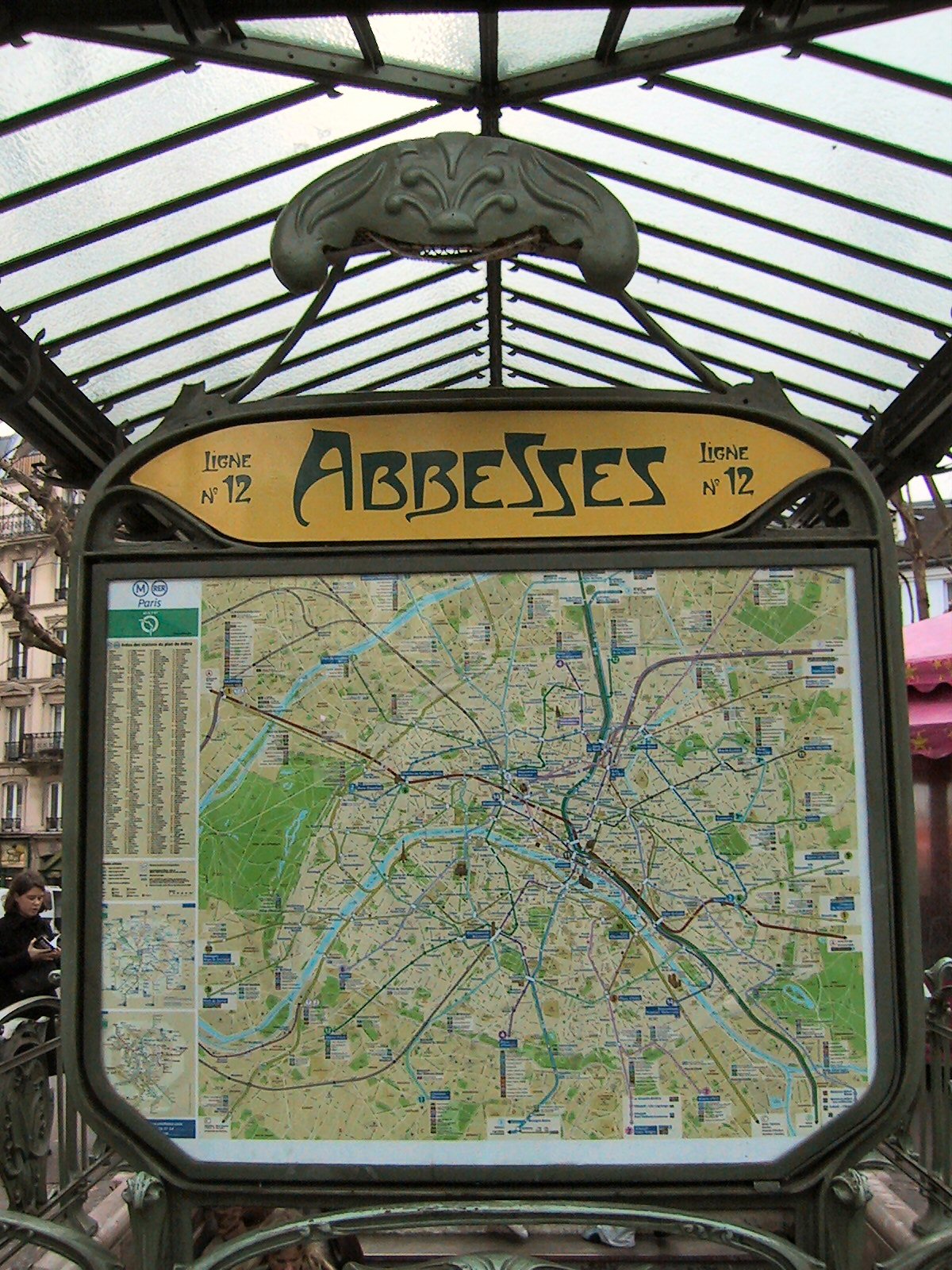
Abbesses Metro Station
7

Abbesses Metro Station

4 min

One of Paris's rarest surviving Art Nouveau metro entrances, designed by Hector Guimard in the Belle Époque era. This ornate gateway marks the threshold between Montmartre's village charm and the broader city, representing a moment when Paris declared that even the most utilitarian infrastructure deserved to be beautiful.
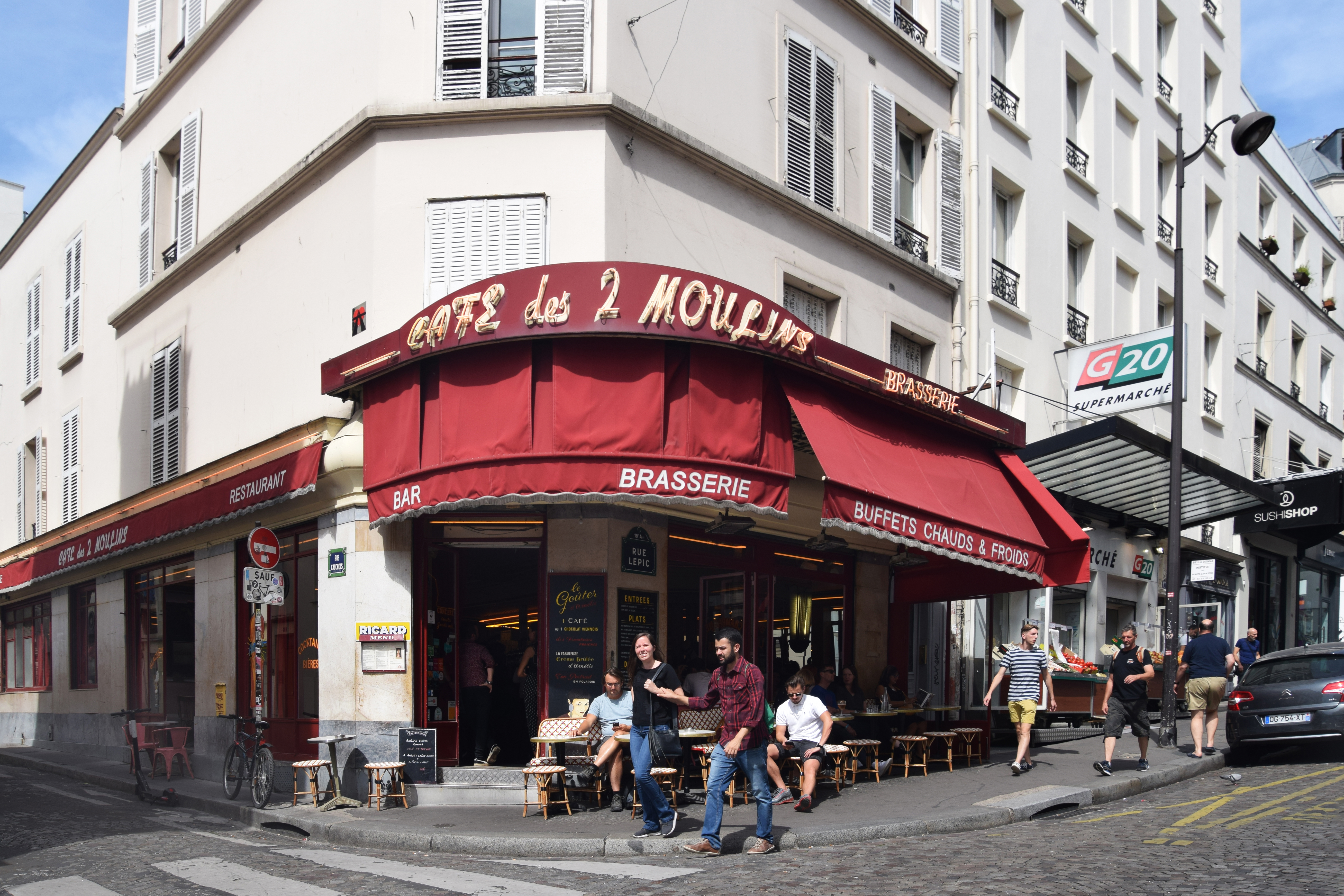
Café des Deux Moulins
8

Café des Deux Moulins

4 min

The beloved café that became iconic through Amélie's 2001 film, where Montmartre's genuine café culture meets cinema tourism. A real neighborhood gathering place where locals still share the bar with visitors seeking a taste of the movie.
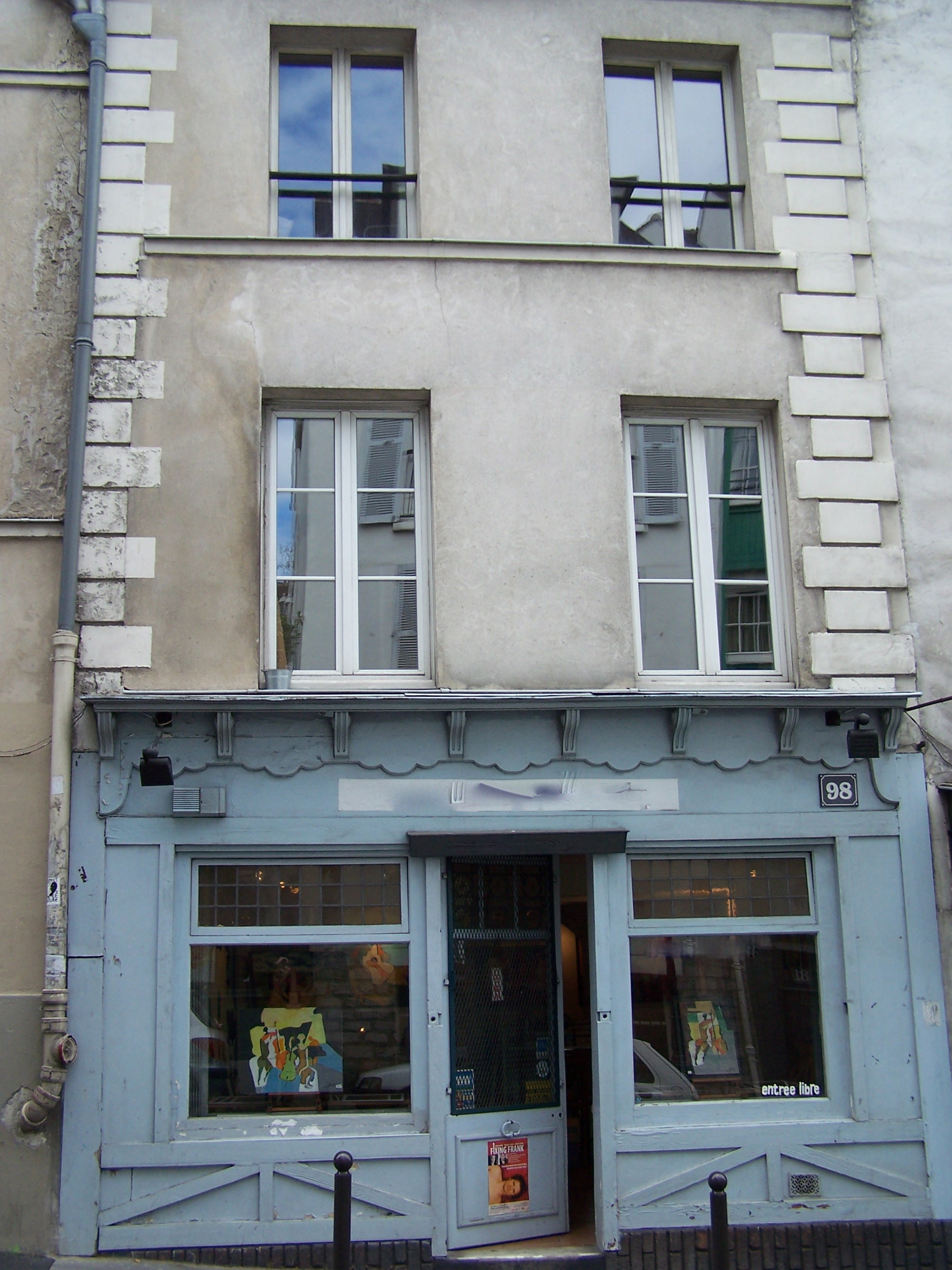
Rue Lepic
9

Rue Lepic

6 min

A winding Montmartre street lined with authentic local shops, markets, and boulangeries where Montmartrois still live and shop. Home to Van Gogh during his transformative Paris years, Rue Lepic reveals the neighborhood's working village character beyond the tourist squares.
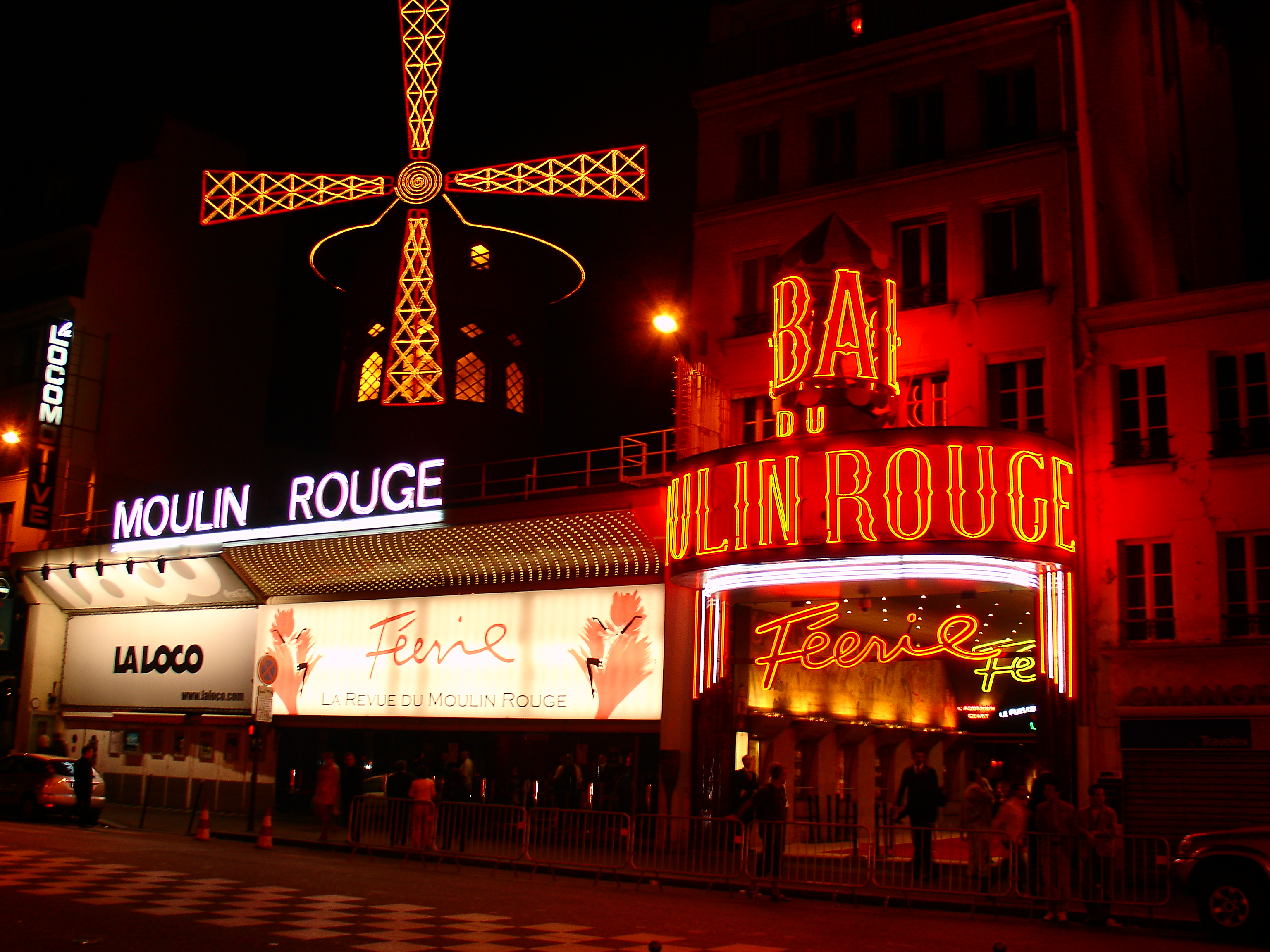
Moulin Rouge
10

Moulin Rouge

4 min

The legendary 1889 cabaret that transformed Montmartre nightlife into a world-famous entertainment spectacle, famous for its can-can dancers and immortalized in Toulouse-Lautrec's iconic posters.

A Taste of the Tour

This is the real story from one stop on this walk — every stop has one.

Steps Leading Down from Sacré-Cœur

Welcome to Montmartre, where all of Paris unfolds beneath your feet. From these sacred steps, the city spreads out like a promise, and yet this hilltop has always belonged to dreamers, rebels, and artists who saw something different here. For centuries, while Paris grew into a grand capital, Montmartre remained a village—a place where struggling painters lived in cramped studios, where poets debated in basement cabarets, and where ordinary people created extraordinary art. As we descend from the spiritual heights of Sacré-Cœur into the winding streets below, we'll trace a remarkable journey: from the sacred to the bohemian, from working-class neighborhoods to the glittering Moulin Rouge. You'll discover how this village on the hill became an impossible dream—a place where Toulouse-Lautrec captured the essence of nightlife, where Van Gogh found his colors, and where the spirit of artistic rebellion still echoes in every narrow alley. Let's begin. Welcome to Montmartre. Take a moment and look around you. What you're standing at right now—these imposing white steps, the basilica crowning the hill above, and all of Paris sprawling out before you—this is the threshold. Behind you is tourist Paris, the Paris of cathedrals and famous landmarks. Ahead of you, descending these steps, is something older and rawer: the village. This is where Montmartre really begins. The Sacré-Cœur Basilica is magnificent, no question. That Romano-Byzantine dome has dominated the skyline since 1914, a gleaming white monument visible from all over the city. It's one of the most visited sites in all of France. But here's the thing most visitors don't realize—when artists and bohemians first came to this neighborhood in the late 1800s, the basilica hadn't even been finished yet. The artists came for something else entirely. They came because Montmartre was high. Literally high—we're standing at the highest point in Paris, about 130 meters above sea level. That elevation mattered. It meant separation. The neighborhood felt distant from the bustling, expensive Paris below. It felt like its own world, its own village. And that sense of remoteness was addictive to artists. You could work here, think here, create here, without the constant pressure and noise of the city center. But they also came because it was cheap. Montmartre in the 1880s and 1890s wasn't fashionable. It was working-class, agricultural even—there were still vineyards on these slopes, windmills grinding grain. Rent was a fraction of what you'd pay in the Marais or the Latin Quarter. A young artist like Pablo Picasso or Henri de Toulouse-Lautrec could actually afford a studio here. That combination—elevation plus affordability plus isolation—created an explosion of creativity. Now, look down these steps. Really look. They're photographed thousands of times a day, and for good reason. The composition is irresistible—the geometry of the steps, the way they draw your eye down toward the city, the people scattered across them at different levels creating this living tableau. Artists have been drawn to this exact view for over a century. It's a photographer's dream, which is both wonderful and, let's be honest, a little ironic. We've become so enchanted by the image of Montmartre that we sometimes forget to experience it directly. As you descend these steps, you're literally leaving behind the ecclesiastical Paris, the pilgrimage site, and entering the bohemian village. Notice how the crowd shifts as you go down. Notice the narrower streets emerging, the older buildings, the sense that you're dropping down through layers of time. This descent is not accidental in the tour's design—it's a gentle immersion. Before we move on, I want you to spot something. Look down toward the boulevard below, past the buildings, toward the streets that radiate out from the base of Montmartre. Do you see, in the distance, where the roofline dips and you can make out hints of other neighborhoods? Down there in that direction, there's a red windmill that's been spinning since 1889—the Moulin Rouge. It marks the spectacle at the foot of the hill, the cabaret, the can-can, the world of nightlife and performance. We'll end our tour there. But first, we climb.

More Tours in Paris

Nearby Cities

Back to Paris Tours

Cookie Consent

We use cookies to analyse site traffic and improve your experience. You can choose to accept or reject analytics cookies. Learn more