Madrid · Spain
Retiro i la Milla d'Or — Art, ciència i natura
Madrid, Spain
Entra al parc del Retiro a través de la monumental Puerta de Alcalá i passeja pel Passeig de les Estàtues Entra al Palacio de Cristal, un pavelló de vidre i ferro que es reflecteix al seu propi llac Troba la Fuente del Ángel Caído, que es creu que és l'únic monument públic del món dedicat al Dimoni Camina pel Paseo del Prado, el bulevard borbònic que connecta el Prado, Neptú i Cibeles Acaba a la plaza de Cibeles, on la font més emblemàtica de Madrid es troba amb el seu palau més extravagant
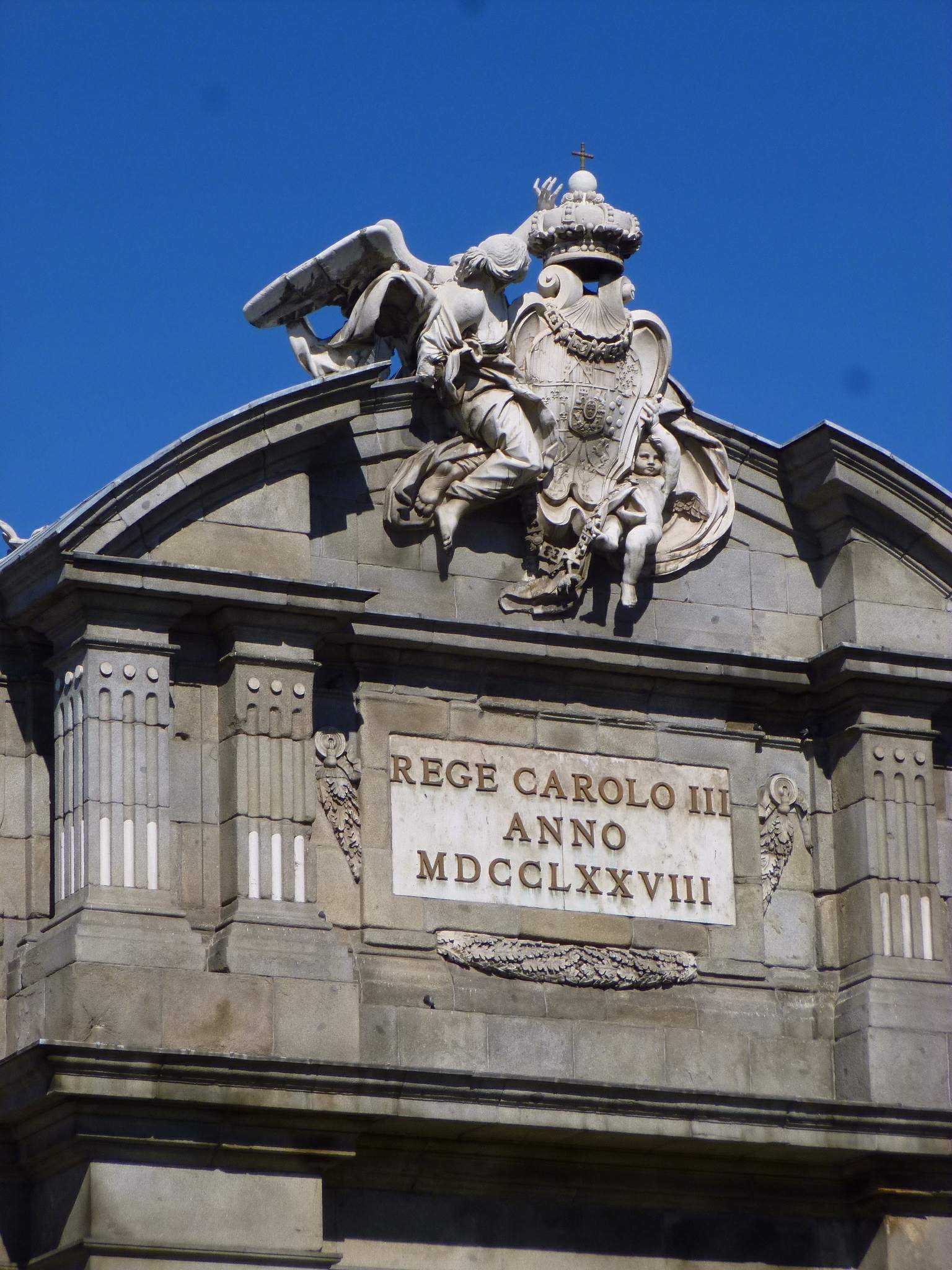
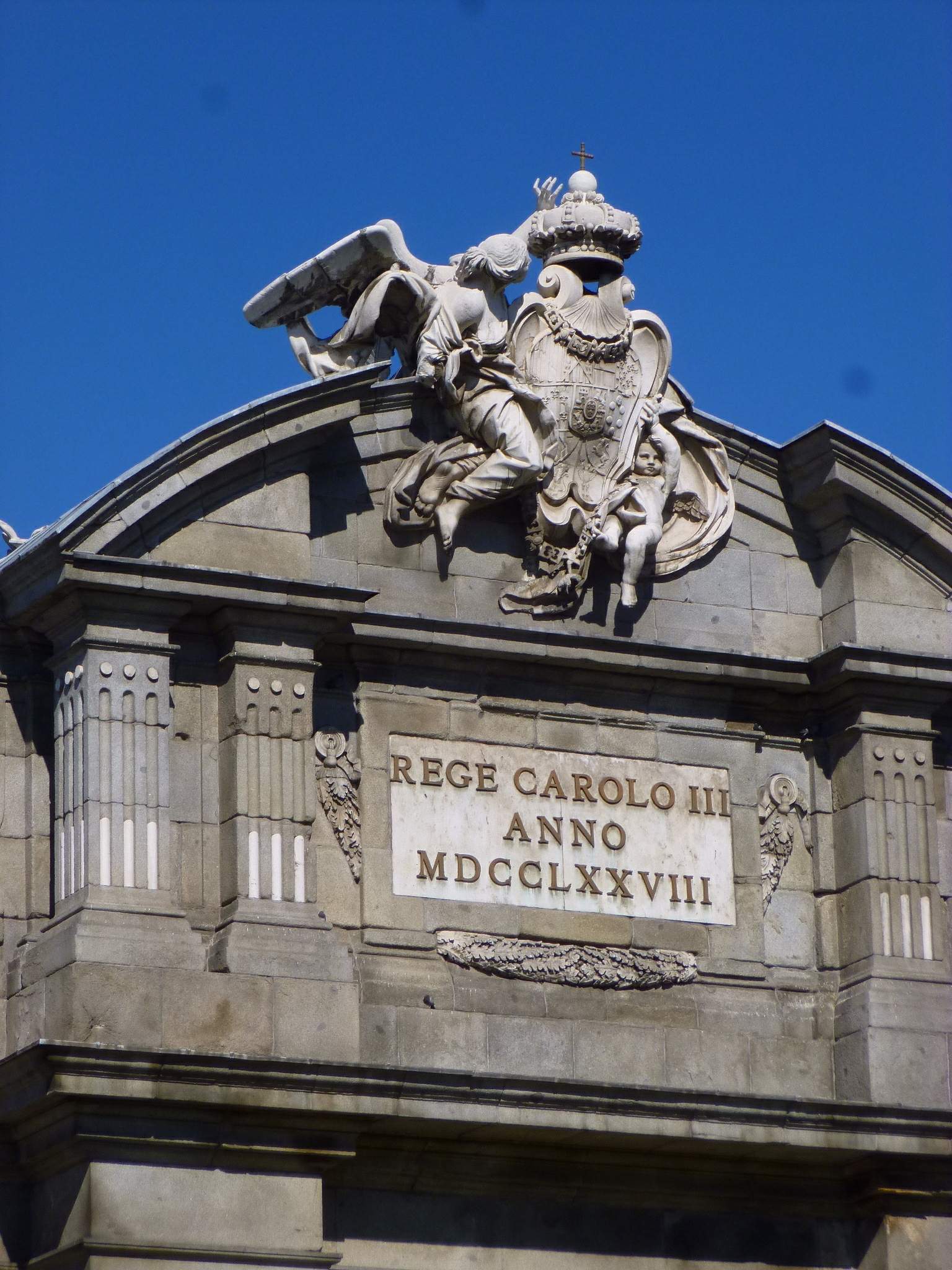
L'arc de triomf neoclàssic de 1778 que marca l'entrada est a Madrid, un monument de granit a l'ambició borbònica que va servir com a porta d'accés formal a la ciutat.
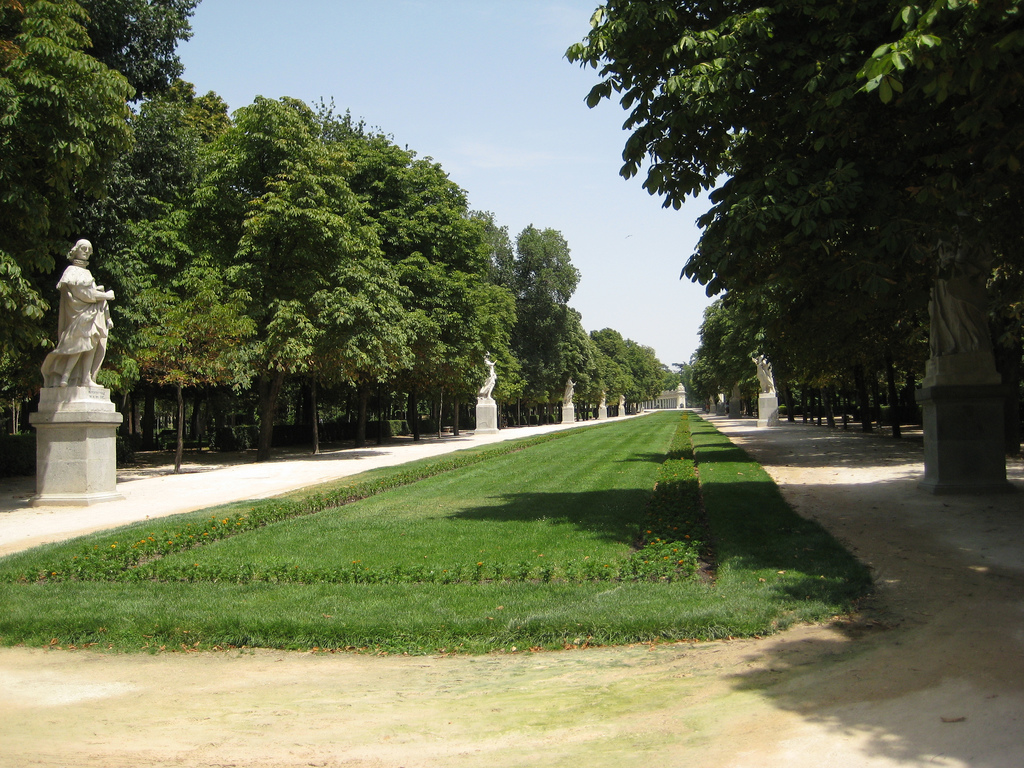
Un passeig vorejat d'arbres pel parc del Retiro, flanquejat per estàtues de monarques espanyols, esculpides originalment per a la cornisa del Palau Reial i exiliades aquí quan van resultar massa pesades.
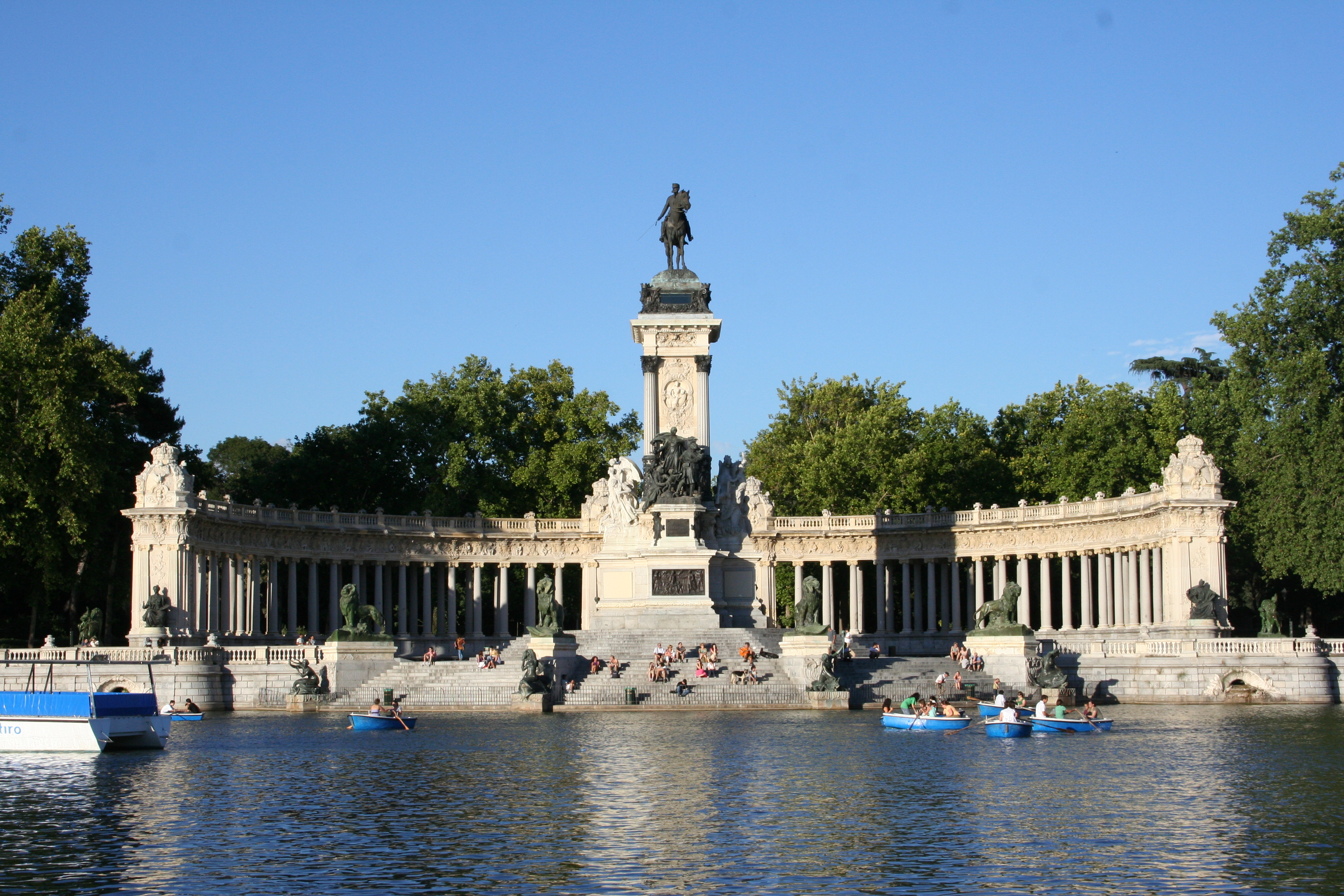
L'enorme espai central del parc: un gran llac per a barques dominat per una teatral columnata semicircular i una estàtua eqüestre en honor al rei que va restaurar la monarquia espanyola.
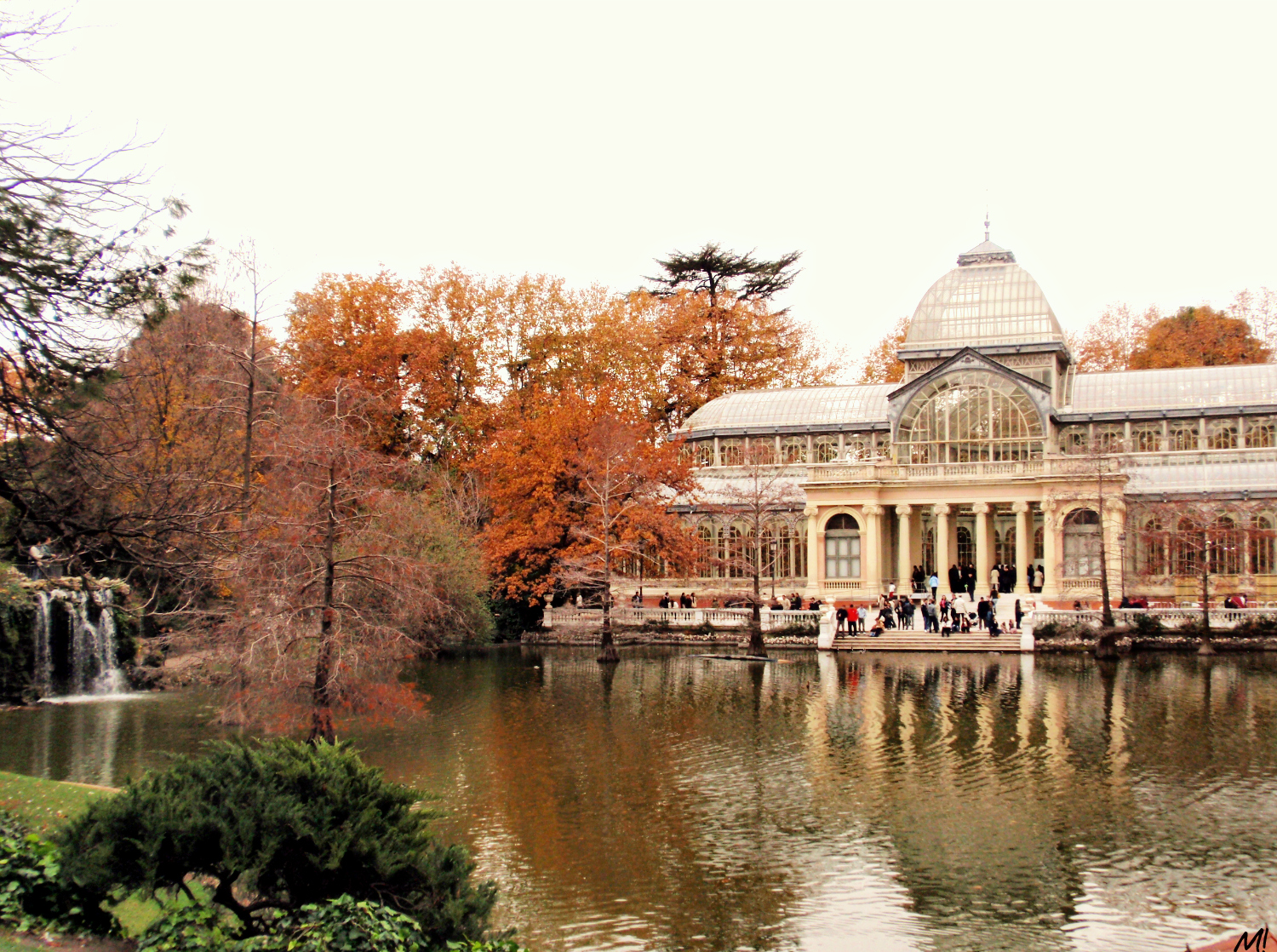
Un impressionant pavelló de vidre i ferro del 1887, construït per albergar plantes exòtiques de les Filipines i que actualment utilitza el museu Reina Sofía com a galeria d'art contemporani.
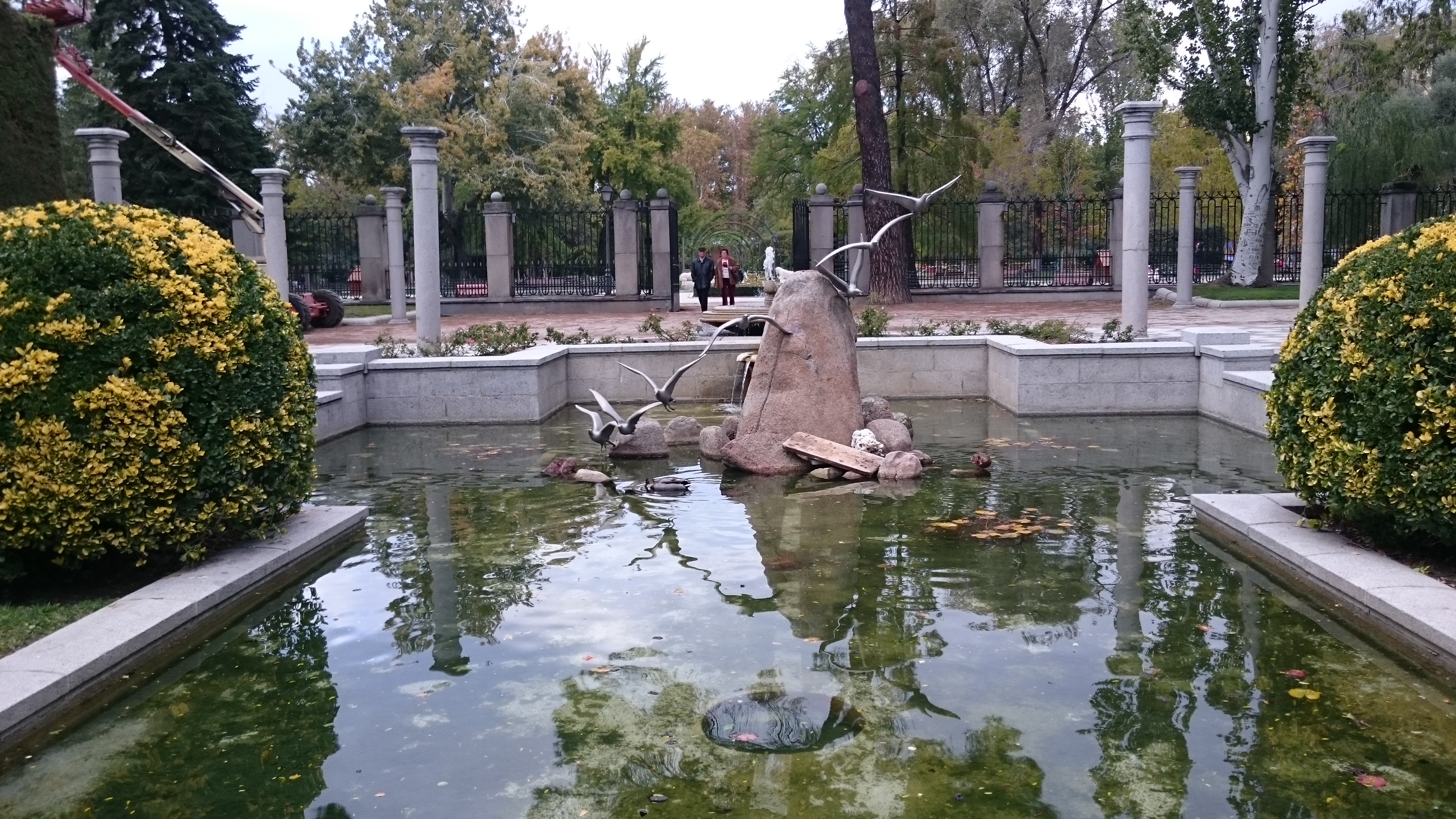
Un jardí amagat d'estil andalús dissenyat pel jardiner en cap de la ciutat a la dècada de 1940, amb paons, fonts de ceràmica i camins vorejats de xiprers que els visitants rarament troben.
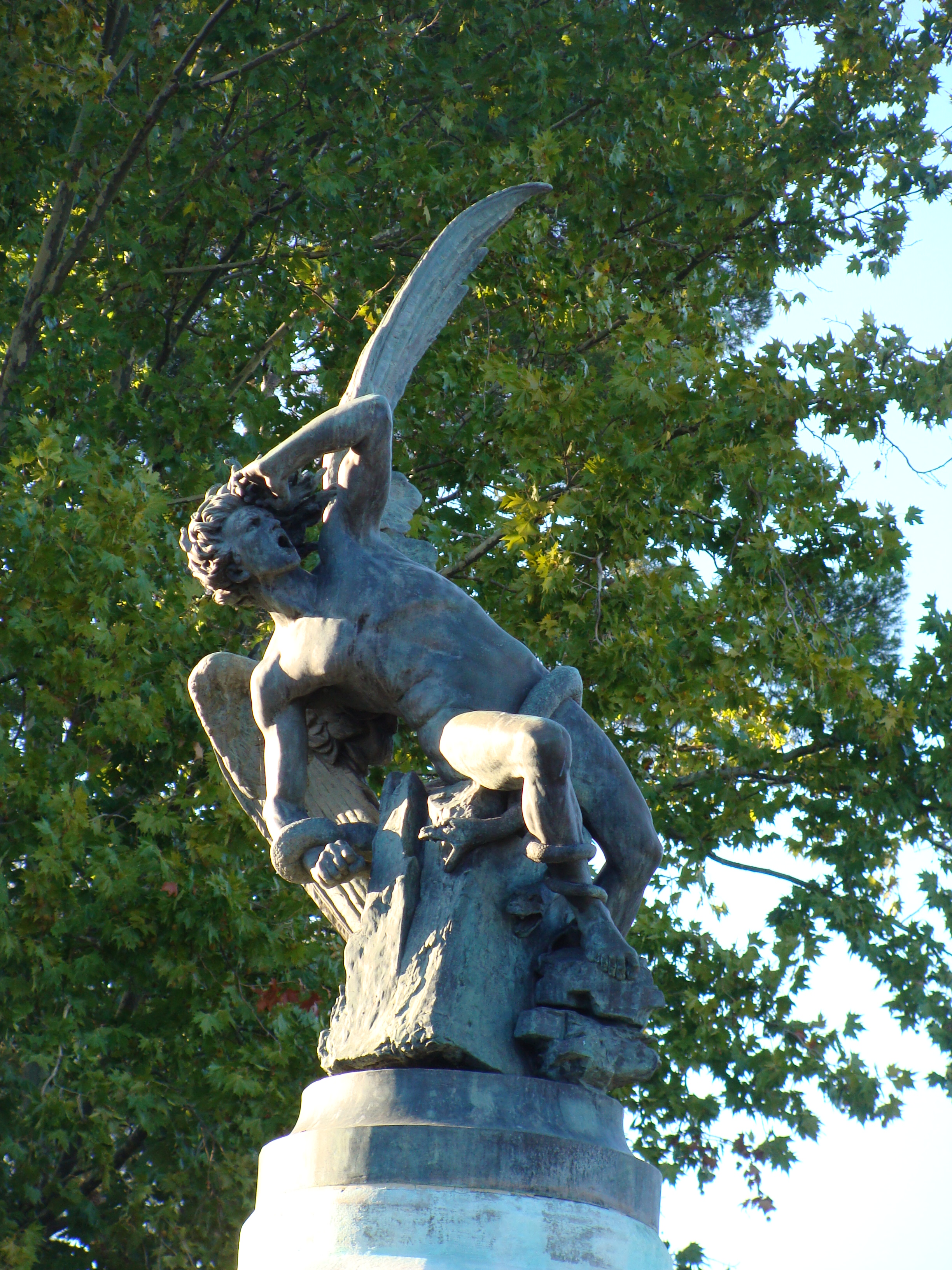
Una dramàtica escultura de 1885 que es creu que és l'únic monument públic del món que representa Llucifer, situat a exactament 666 metres sobre el nivell del mar (per coincidència, no per disseny).
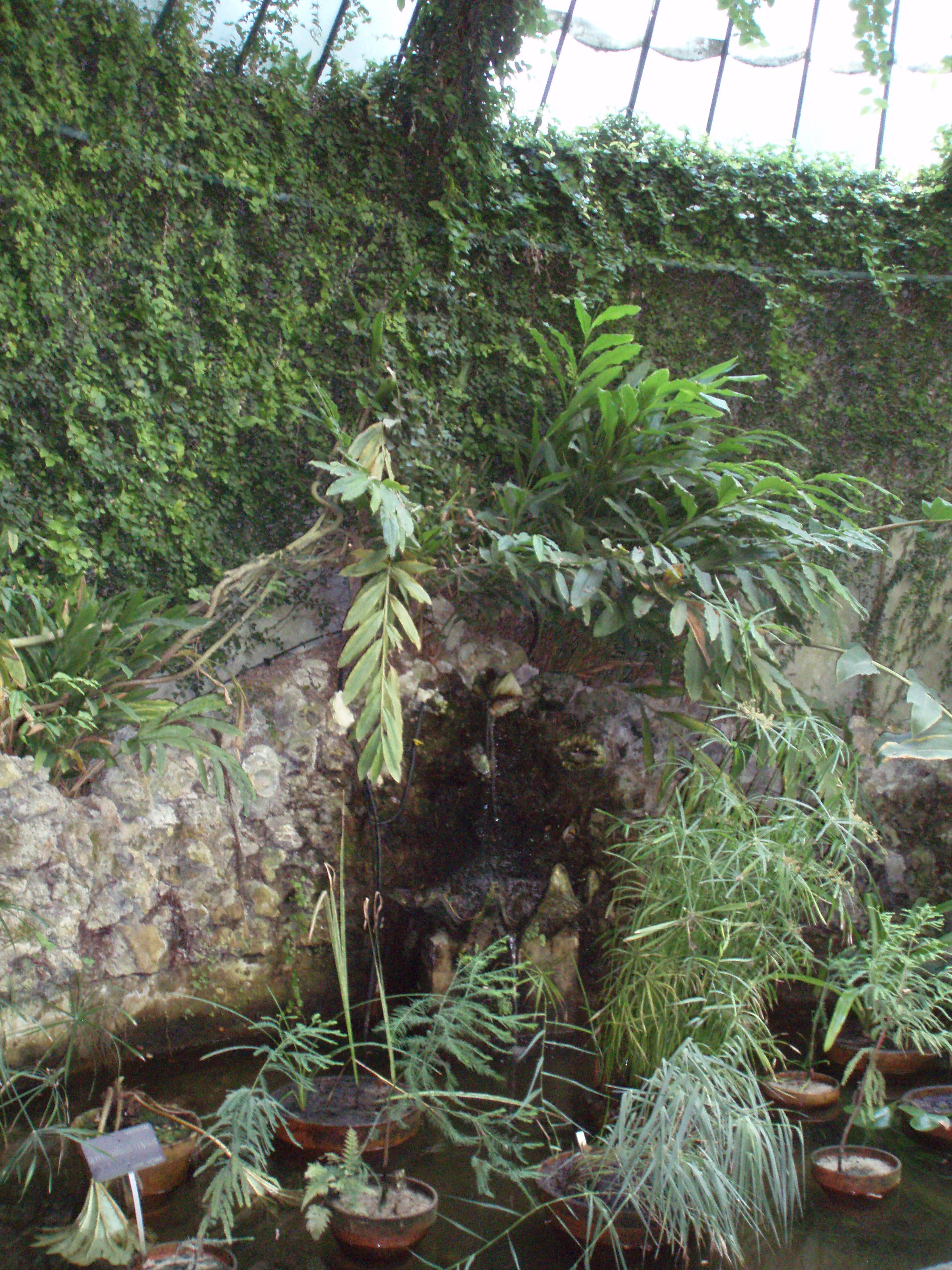
El jardí botànic més important d'Espanya, establert per Carles III el 1781 com a part del gran corredor científic de la Il·lustració al Paseo del Prado.
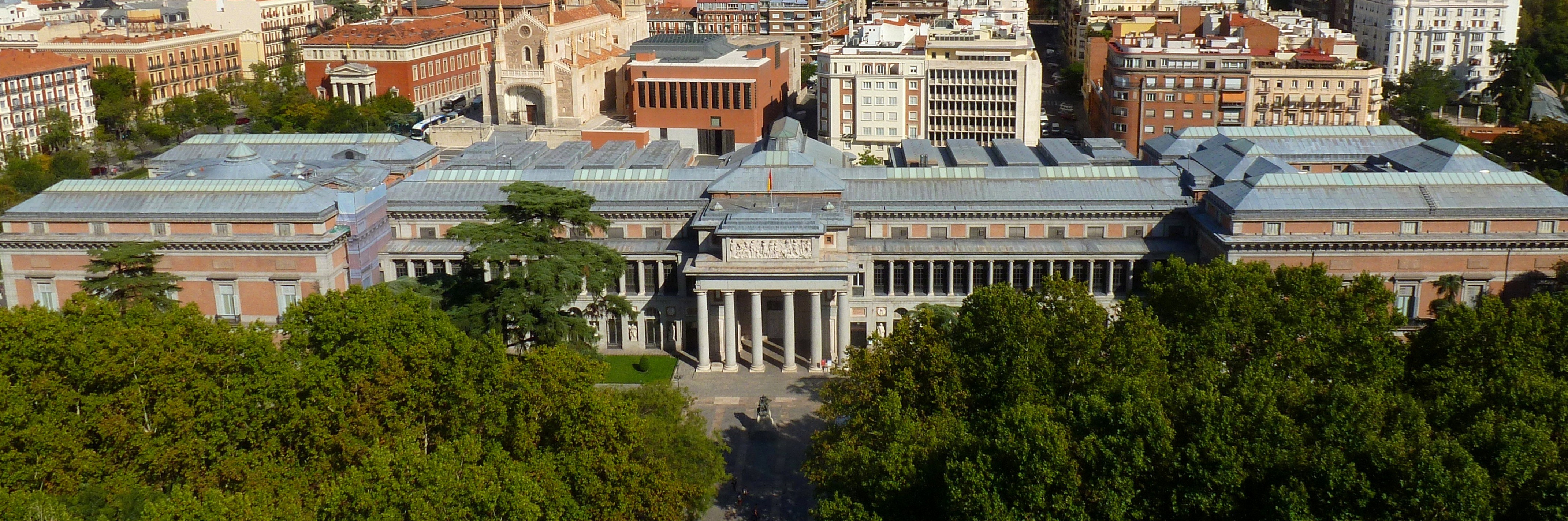
L'exterior neoclàssic d'un dels museus d'art més importants del món, dissenyat per Juan de Villanueva el 1785 com a gabinet d'història natural abans d'esdevenir la llar de Velázquez, Goya i El Greco.
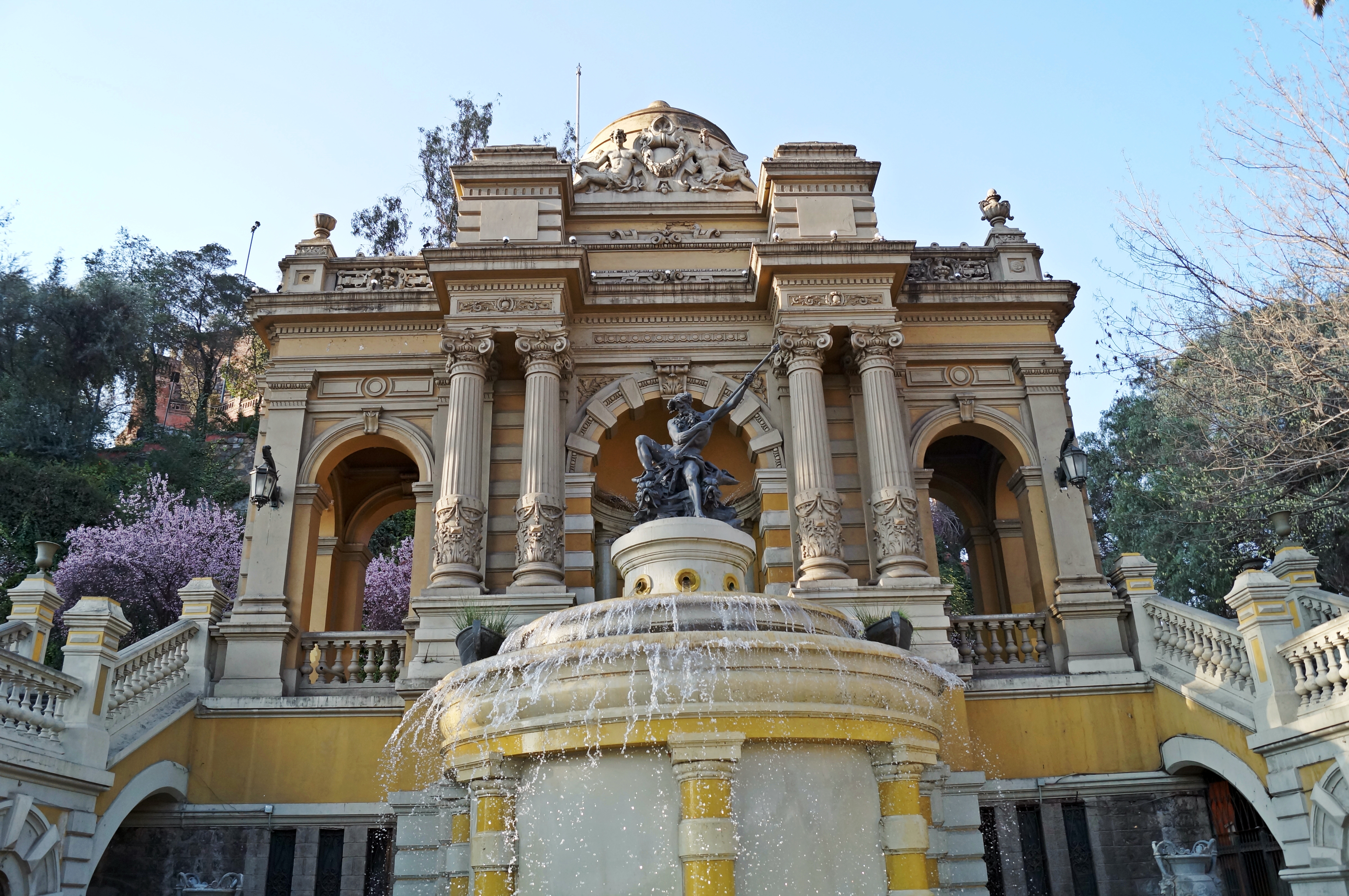
Una font del segle XVIII que representa el déu del mar al seu carro, marcant l'àncora sud del bulevard borbònic i la línia divisòria entre el territori del Reial Madrid i l'Atlètic.
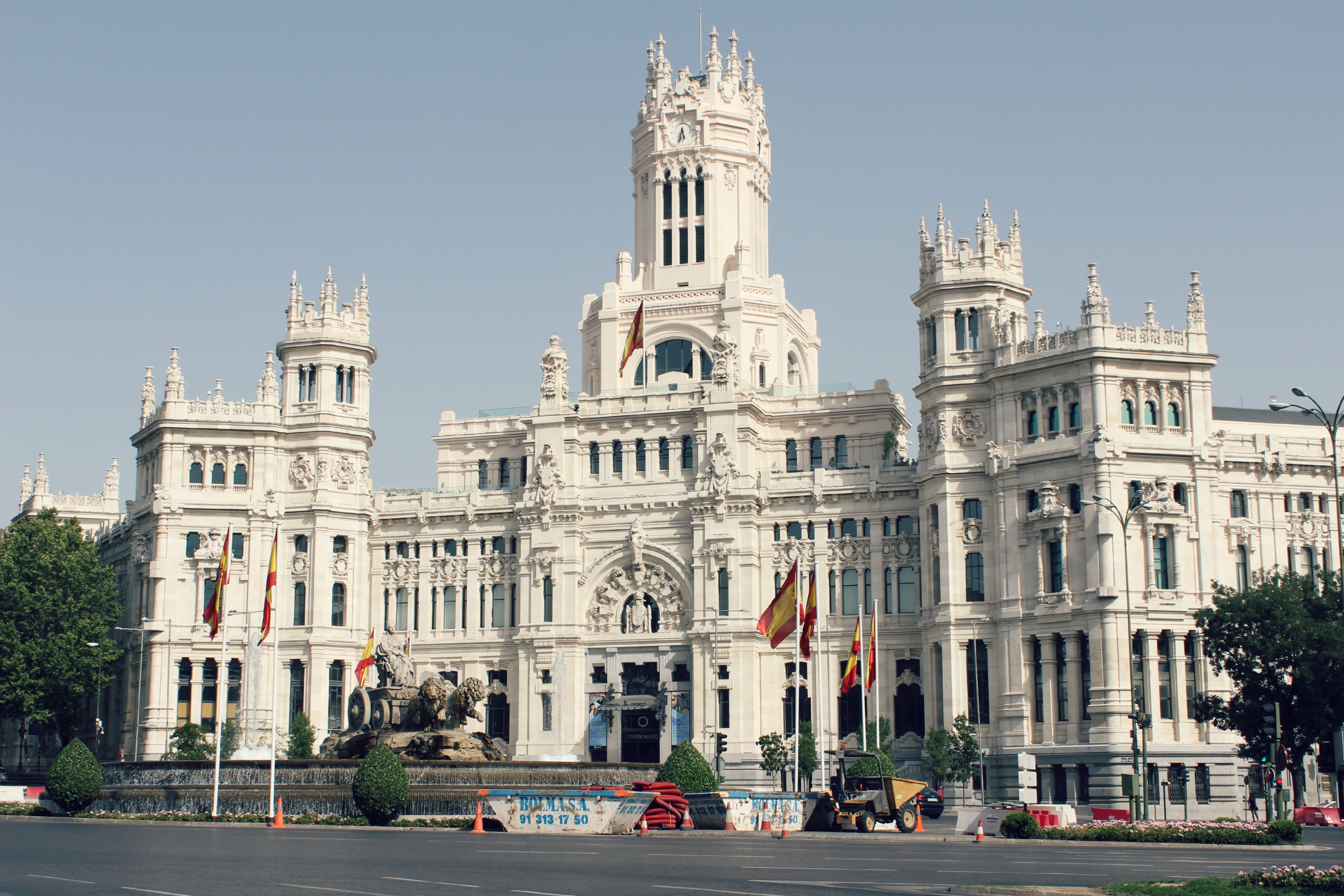
La plaça més emblemàtica de Madrid, on la deessa Cíbele cavalca el seu carro tirat per lleons davant l'extravagant Palacio de Comunicaciones, el punt final de tot l'eix urbà borbònic.
Aquesta és la història real d'una de les parades d'aquesta ruta: cada parada té la seva.
Un recorregut essencial per a qui visita la ciutat per primera vegada que connecta els monuments més icònics de…
Recorre el bulevard més ambiciós de Madrid per entendre com la ciutat va enderrocar el seu passat medieval per construir…
Un viatge en el temps arquitectònic des dels orígens islàmics de Madrid al segle IX, passant per l'austeritat dels…
Fem servir galetes per analitzar el trànsit del lloc i millorar la teva experiència. Pots acceptar o rebutjar les galetes d'anàlisi. Més informació