Retiro & the Museum Mile — Art, Science & Nature
Madrid · Spain

Retiro & the Museum Mile — Art, Science & Nature

Madrid, Spain
117
Duration (min)
5.2
Distance (km)
10
Stops
Easy
Difficulty

Description

Walk the grand Bourbon axis from Puerta de Alcalá through Retiro Park to Plaza de Cibeles, tracing the 18th-century master plan that transformed Madrid into a European capital. Along the way, discover hidden gardens, a crystal palace in the woods, the only public monument to Lucifer, and the exterior of one of the world's greatest art museums.

Highlights

Enter Retiro Park through the monumental Puerta de Alcalá and stroll the Statue Walk Step inside the Palacio de Cristal, a glass-and-iron pavilion reflected in its own lake Find the Fuente del Ángel Caído — believed to be the world's only public monument to the Devil Walk the Paseo del Prado, the Bourbon boulevard connecting the Prado, Neptune, and Cibeles End at Plaza de Cibeles, where Madrid's most iconic fountain meets its most extravagant palace
Tour Stops

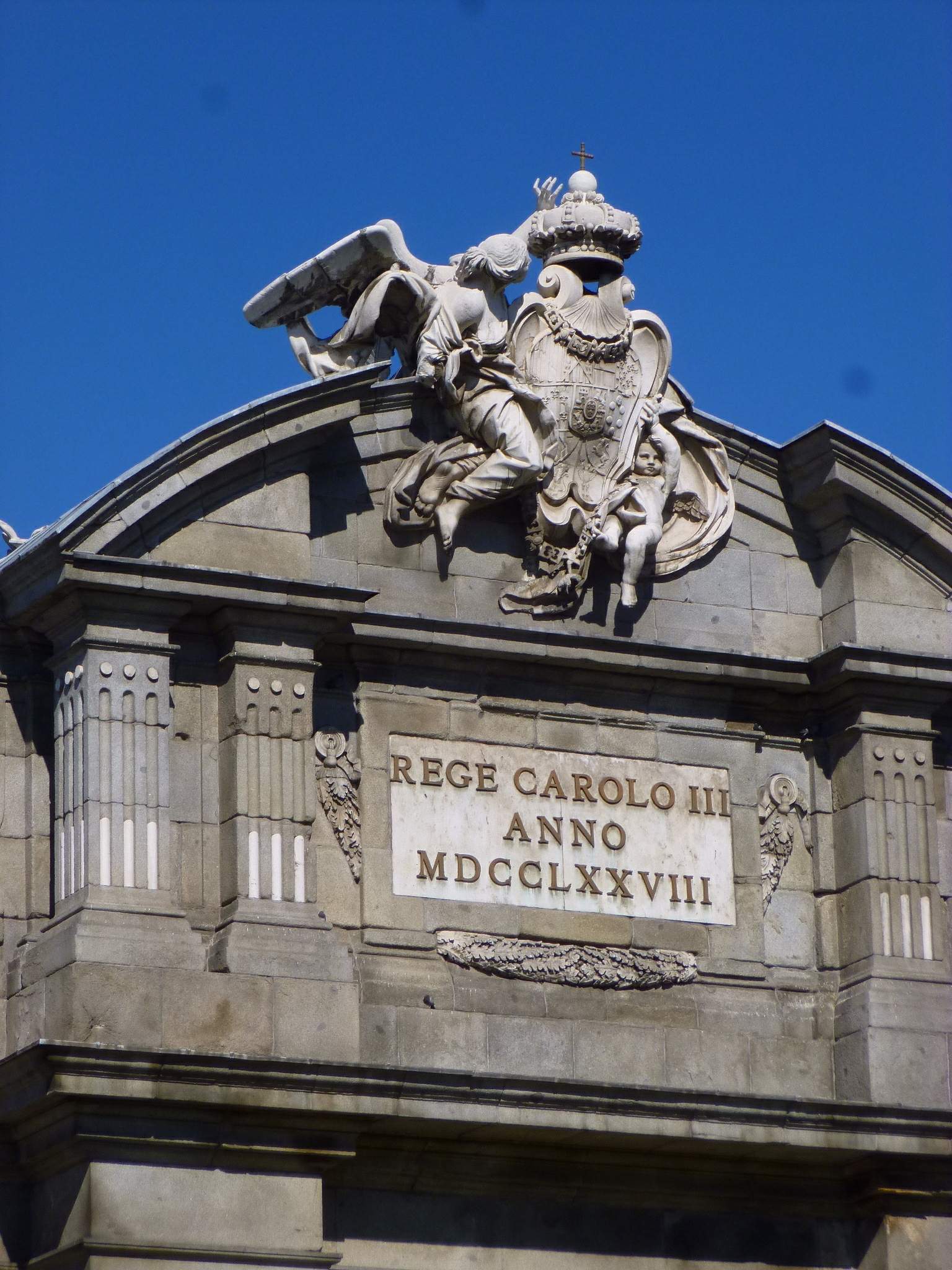
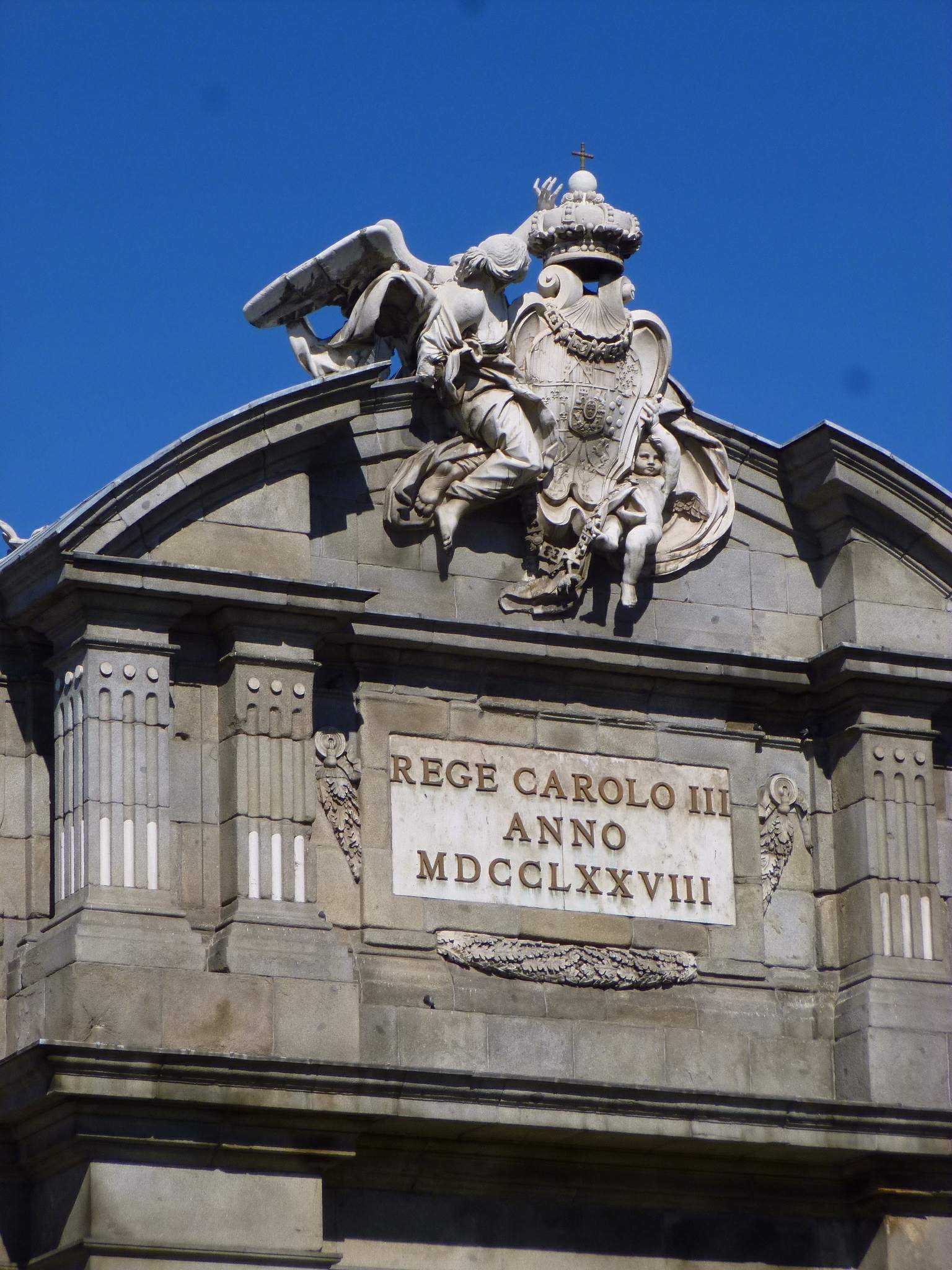
Puerta de Alcalá
0

Puerta de Alcalá

4 min

The 1778 neoclassical triumphal arch marking the eastern entrance to Madrid — a granite monument to Bourbon ambition that once served as the city's formal gateway.
Parque del Buen Retiro — Paseo de las Estatuas
1

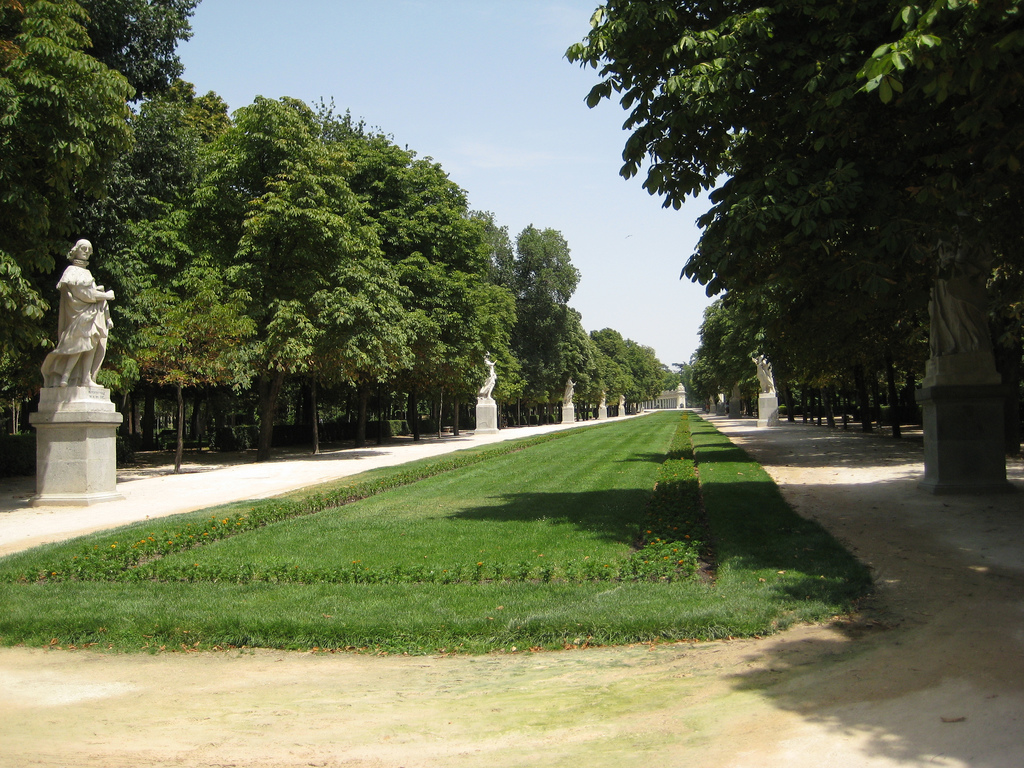
Parque del Buen Retiro — Paseo de las Estatuas

5 min

A tree-lined promenade through Retiro Park flanked by statues of Spanish monarchs, originally carved for the Royal Palace roofline and exiled here when they proved too heavy.
Monumento a Alfonso XII & Estanque Grande
2

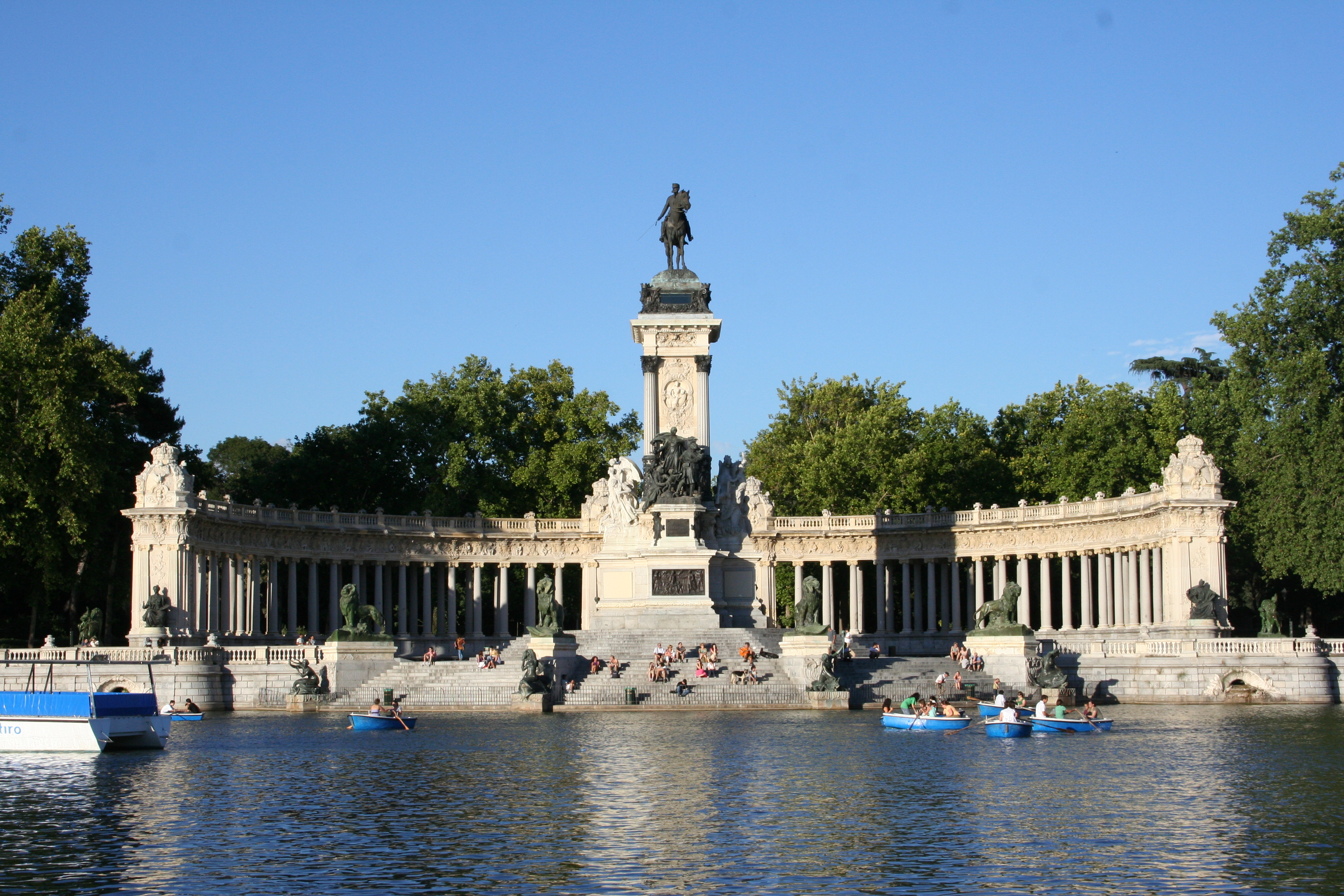
Monumento a Alfonso XII & Estanque Grande

5 min

The park's grand centerpiece: a massive boating lake overlooked by a theatrical semicircular colonnade and equestrian statue honoring the king who restored the Spanish monarchy.
Palacio de Cristal
3

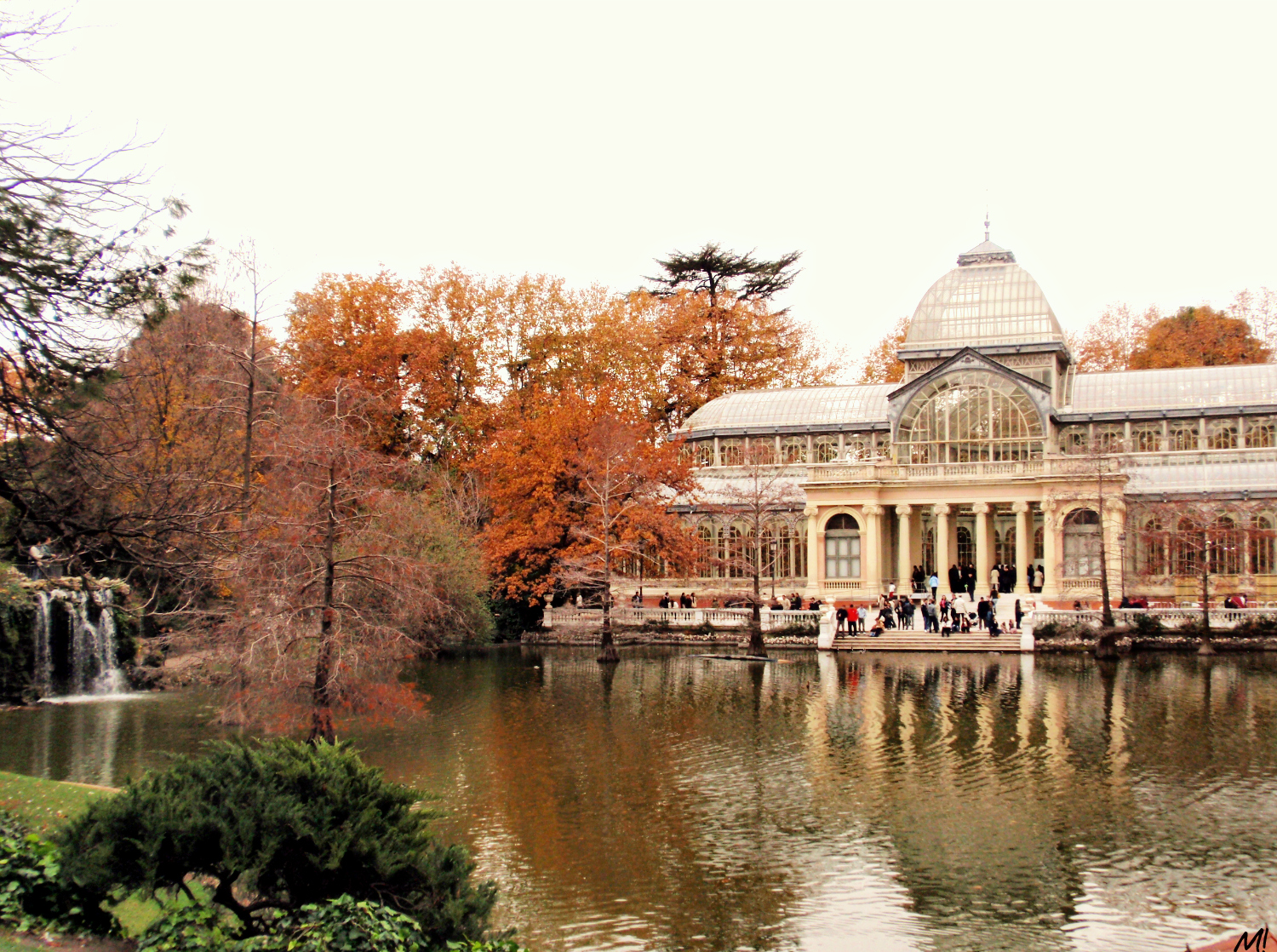
Palacio de Cristal

5 min

A stunning glass-and-iron pavilion from 1887, built to house exotic plants from the Philippines and now used as a contemporary art gallery by the Reina Sofía museum.
Jardines de Cecilio Rodríguez
4

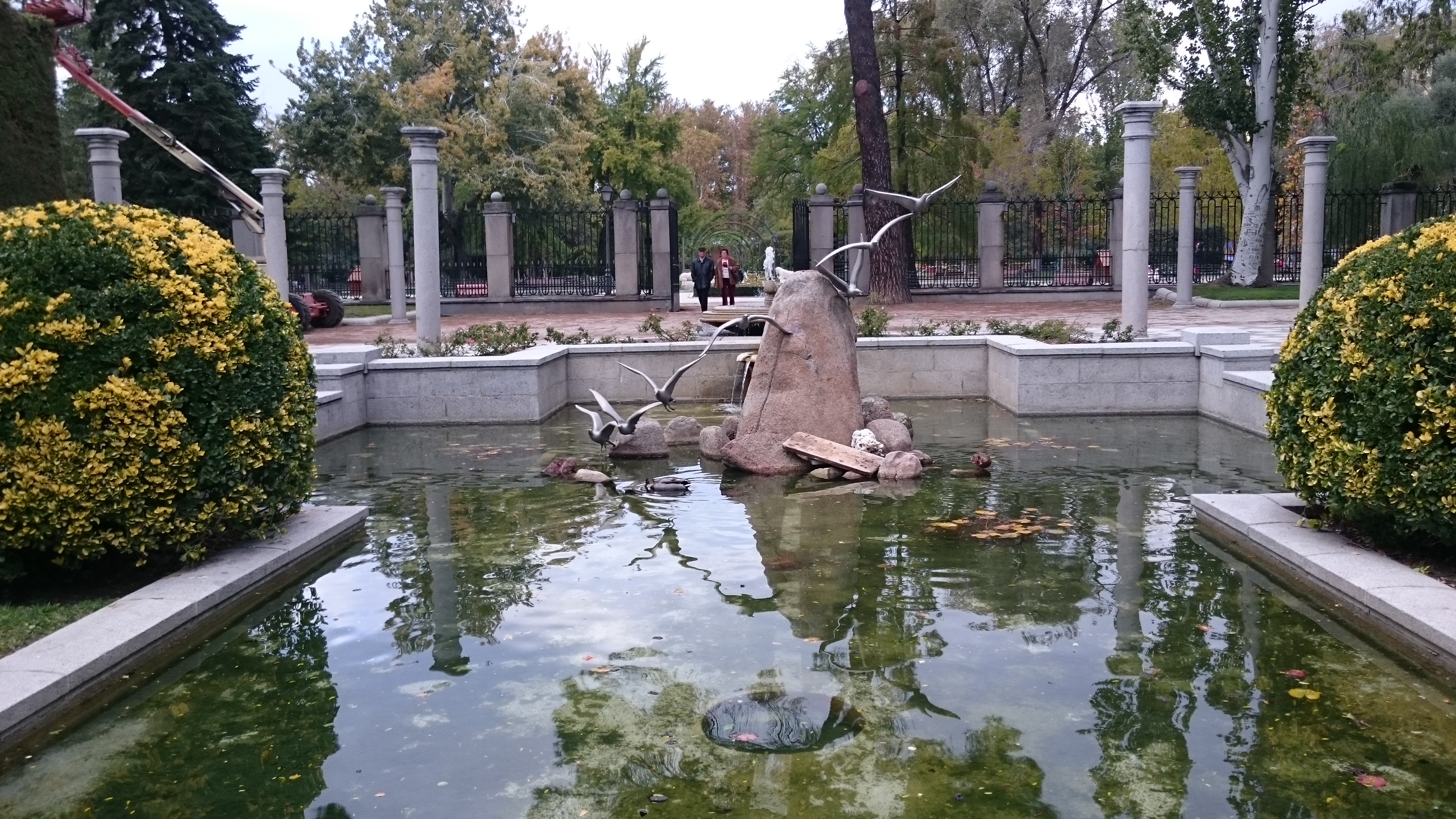
Jardines de Cecilio Rodríguez

5 min

A hidden Andalusian-style garden designed by the city's head gardener in the 1940s, with peacocks, ceramic fountains, and cypress-lined paths rarely found by visitors.
Fuente del Ángel Caído
5

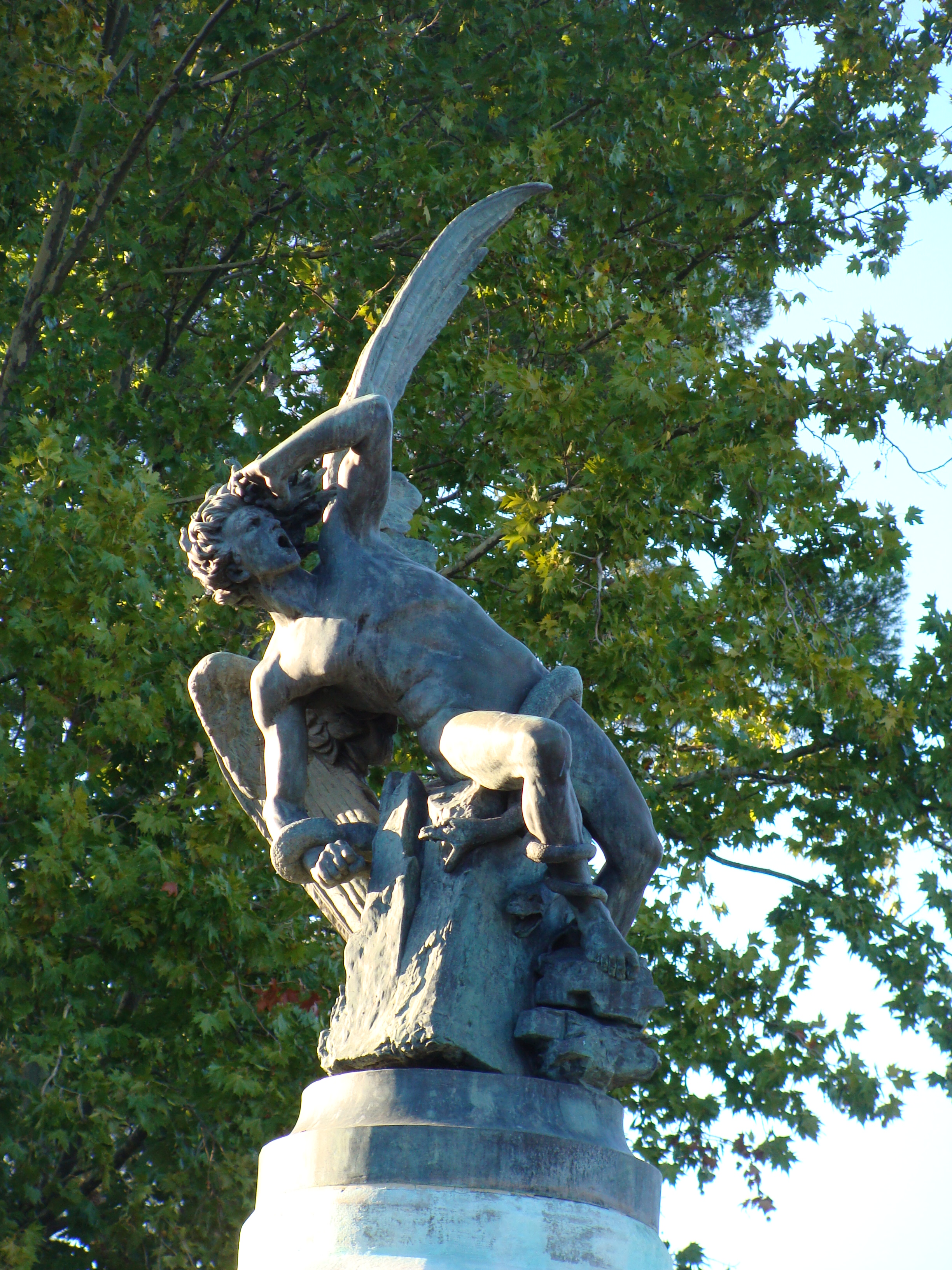
Fuente del Ángel Caído

4 min

A dramatic 1885 sculpture believed to be the world's only public monument depicting Lucifer — placed at precisely 666 meters above sea level (by coincidence, not design).
Real Jardín Botánico
6

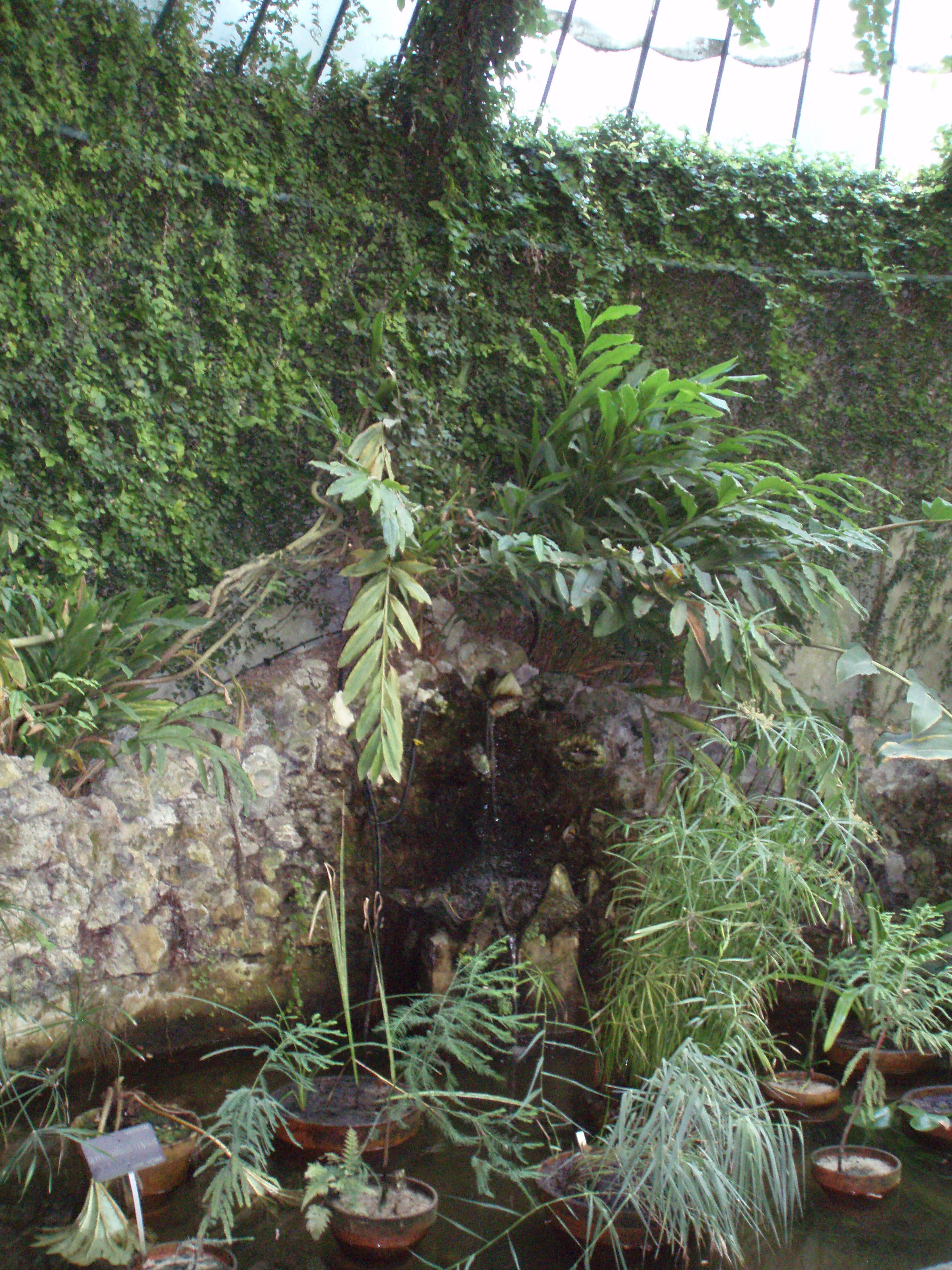
Real Jardín Botánico

5 min

Spain's premier botanical garden, established by Charles III in 1781 as part of the Enlightenment's grand Paseo del Prado science corridor.
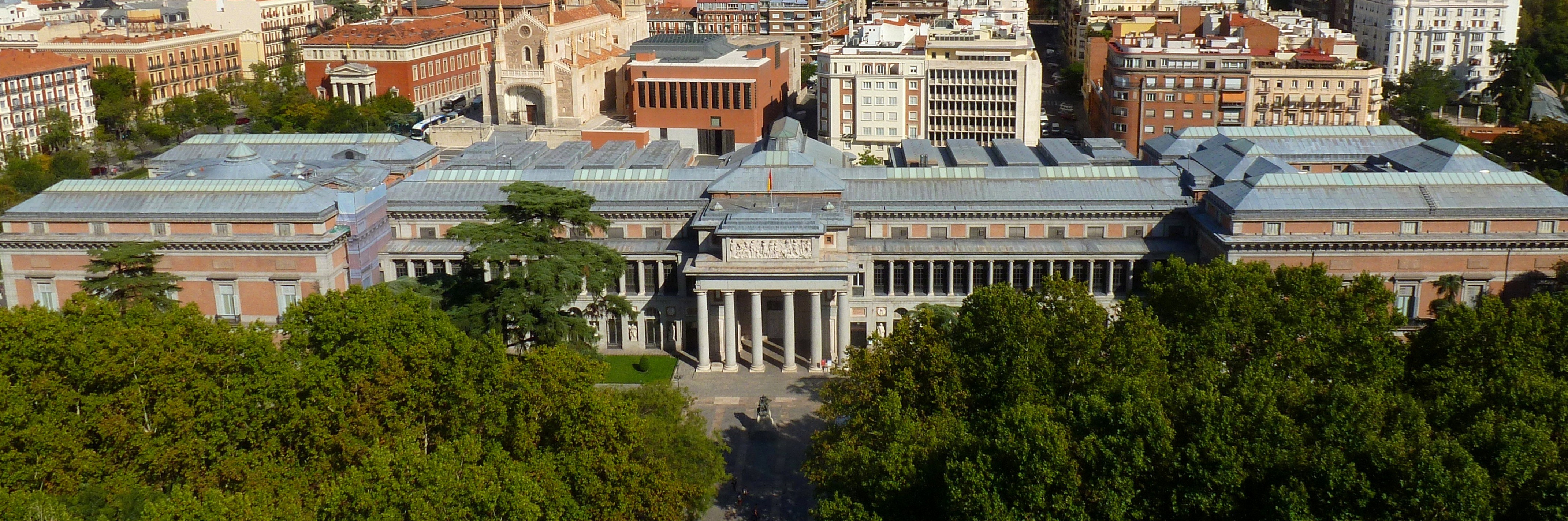
Museo del Prado (exterior)
7

Museo del Prado (exterior)

5 min

The neoclassical exterior of one of the world's greatest art museums, designed by Juan de Villanueva in 1785 as a natural history cabinet before becoming home to Velázquez, Goya, and El Greco.
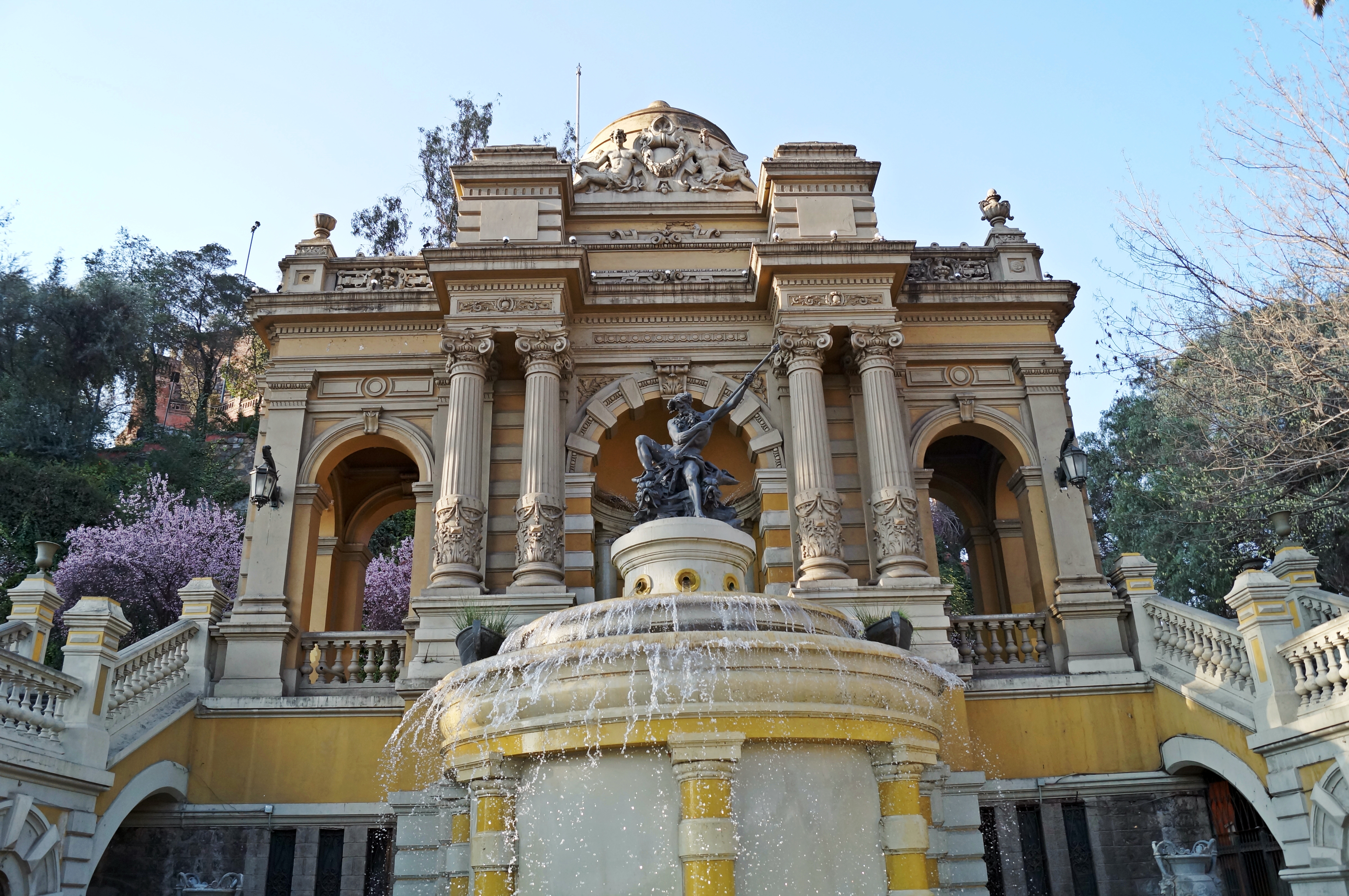
Fuente de Neptuno
8

Fuente de Neptuno

4 min

An 18th-century fountain depicting the god of the sea in his chariot, marking the southern anchor of the Bourbon boulevard and the dividing line between Real Madrid and Atlético territory.
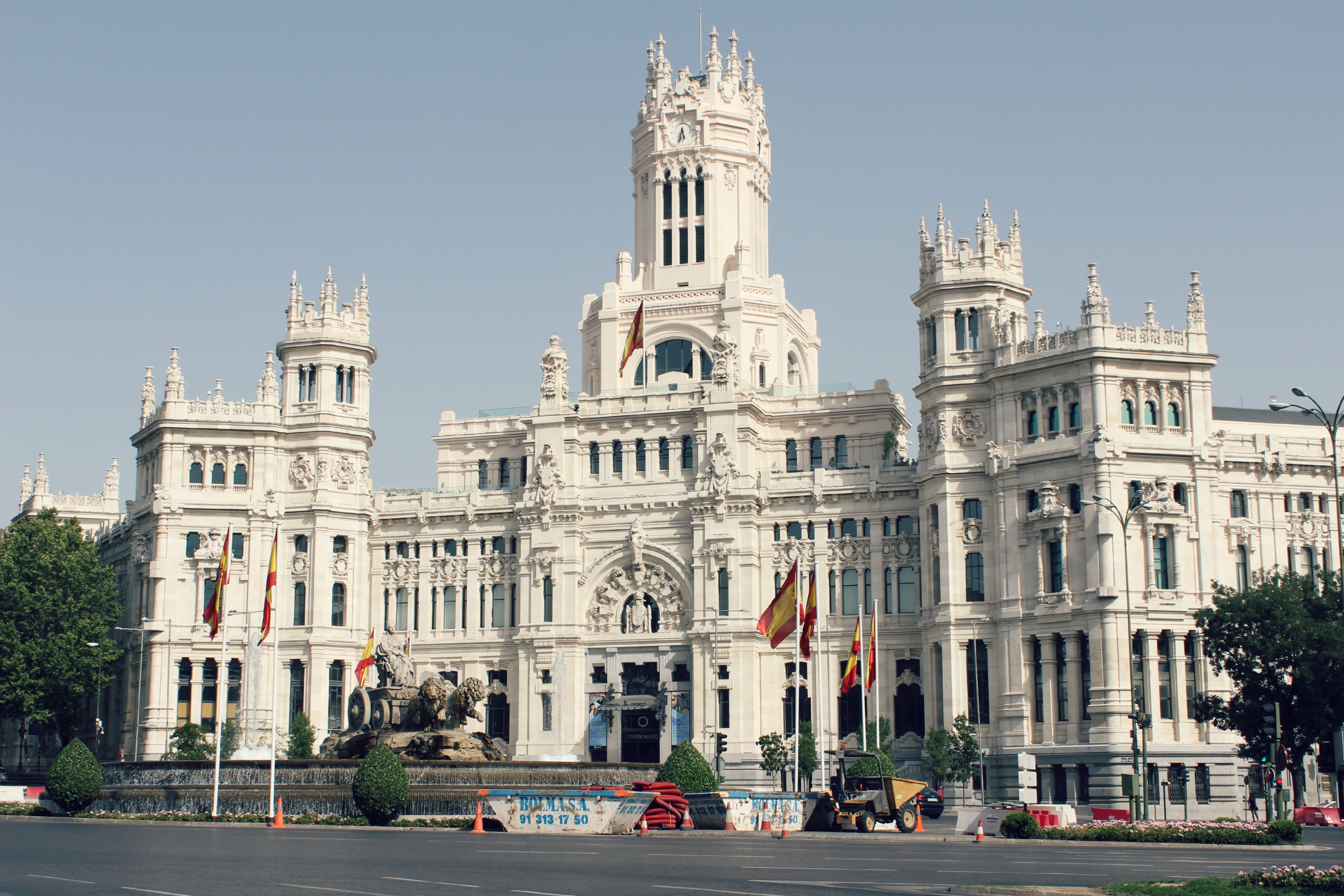
Plaza de Cibeles
9

Plaza de Cibeles

5 min

Madrid's most iconic square, where the goddess Cybele rides her lion-drawn chariot before the extravagant Palacio de Comunicaciones — the endpoint of the entire Bourbon urban axis.

A Taste of the Tour

This is the real story from one stop on this walk — every stop has one.

Puerta de Alcalá

You stand before one of Europe's most audacious gates—Puerta de Alcalá, the Bourbons' granite declaration of a new Madrid. Behind this neoclassical arch lies a 250-year-old master plan still unfolding: a single visionary axis connecting art, science, nature, and power. Today you'll walk it as the architects intended, beginning with royal ambition right here, then surrendering to green spaces and hidden treasures before the grand Enlightenment monuments reveal themselves. The Paseo del Prado was meant to educate and inspire. Let's see what it still teaches. You're standing in front of one of Europe's most elegant neoclassical gates. That's the Puerta de Alcalá, finished in 1778, and what you're looking at is essentially Charles III saying: Madrid has arrived. This wasn't just any gate — it was Spain's answer to the Arc de Triomphe before the Arc de Triomphe even existed. The French wouldn't complete their triumphal arch in Paris until 1836. Spain built this first. Charles III, who ruled Spain from 1759 to 1788, understood something crucial: a European capital needs a monumental front door. Madrid in the 1770s was still a dusty Castilian city, chaotic and unplanned. The streets were filthy. There was no organized lighting, no drainage, no sense that this was a city of consequence. The Bourbons wanted to change that fundamentally. They didn't just want a nicer capital — they wanted to signal, architecturally and urbanistically, that Spain was an enlightened, modern nation. This gate is the opening statement in that ambitious project. Notice the granite façade in front of you. Notice the five arches — one grand central arch flanked by four smaller ones. The proportions feel right, don't they? That's François Sabatini's design at work. Sabatini was the royal architect who understood neoclassical geometry the way a composer understands music. Every angle, every dimension, serves the effect. The inscription on the gate reads "Charles III the Best Mayor of Madrid." That's not hyperbole or courtly flattery. Under his rule, Madrid got street lighting, paved streets, sewage systems, public health measures, and cultural institutions. The city was reengineered from the ground up. Here's what makes this gate truly special: it's not just monumental — it's positioned. Look down the boulevard stretching in front of you. That's the beginning of the Paseo del Prado. Charles III and his planners realized something remarkable: you could build a single axis, a spine of enlightened Madrid, that would connect everything they valued. A royal park, a botanical garden, an astronomical observatory, and an art museum — all in a straight line. All deliberately planned. All still there, still functioning. This gate marks where that vision begins. Stand here and imagine what the view would have looked like in 1778. The Paseo del Prado was just being constructed, a wide boulevard where there had been only fields and scattered buildings. The Retiro Park — the royal park you'll walk through shortly — lay directly to your south, but it was being renovated and reimagined. The Botanical Garden and the Prado museum were still in the planning phases. But the gate was already there, already pointing the way, already saying: follow this line. Walk this axis. Everything you need to understand about enlightened monarchy is organized along this path. The gate has survived two centuries of Madrid's chaos. Wars, revolutions, floods, anarchist bombings, Franco's regime, modernization, traffic. It still stands, still elegant, still pointing the way down the Paseo del Prado. And that path still delivers you, eventually, to the Cibeles fountain at the other end — the final statement in this 250-year-old dialogue between royal ambition and urban beauty. You'll close that loop before the tour ends. For now, use this moment to orient yourself and breathe in the scale of what you're about to experience. Turn around. Look at what lies behind you — the city spreading outward in all directions. Then turn back toward the gate. What you're about to walk through is a deliberately designed world. None of this is accidental. The Bourbons planned all of this.

More Tours in Madrid

Nearby Cities

Back to Madrid Tours

Cookie Consent

We use cookies to analyse site traffic and improve your experience. You can choose to accept or reject analytics cookies. Learn more