Hidden Madrid — Gardens, Ghosts & Secret Corners
Madrid · Spain

Hidden Madrid — Gardens, Ghosts & Secret Corners

Madrid, Spain
117
Duration (min)
5.6
Distance (km)
9
Stops
Easy
Difficulty

Description

Escape the tourist circuit and discover the Madrid locals treasure — a painter's secret garden in Chamberí, a frozen-in-time ghost metro station, Art Nouveau architecture hidden on quiet streets, and intimate courtyard cafés where time moves differently. This walk threads through Malasaña's street art scene, a baroque convent full of Renaissance masterpieces, and medieval gardens tucked behind La Latina's oldest walls.

Highlights

Step inside Sorolla's private garden and studio, an Impressionist oasis in residential Chamberí Descend into Andén 0, an abandoned 1919 metro station sealed since the 1960s Find Palacio de Longoria, Madrid's finest Art Nouveau façade on a quiet Chueca street Discover the hidden courtyard café inside the Museo del Romanticismo End in the medieval Jardín del Príncipe de Anglona, one of Madrid's oldest secret gardens
Tour Stops

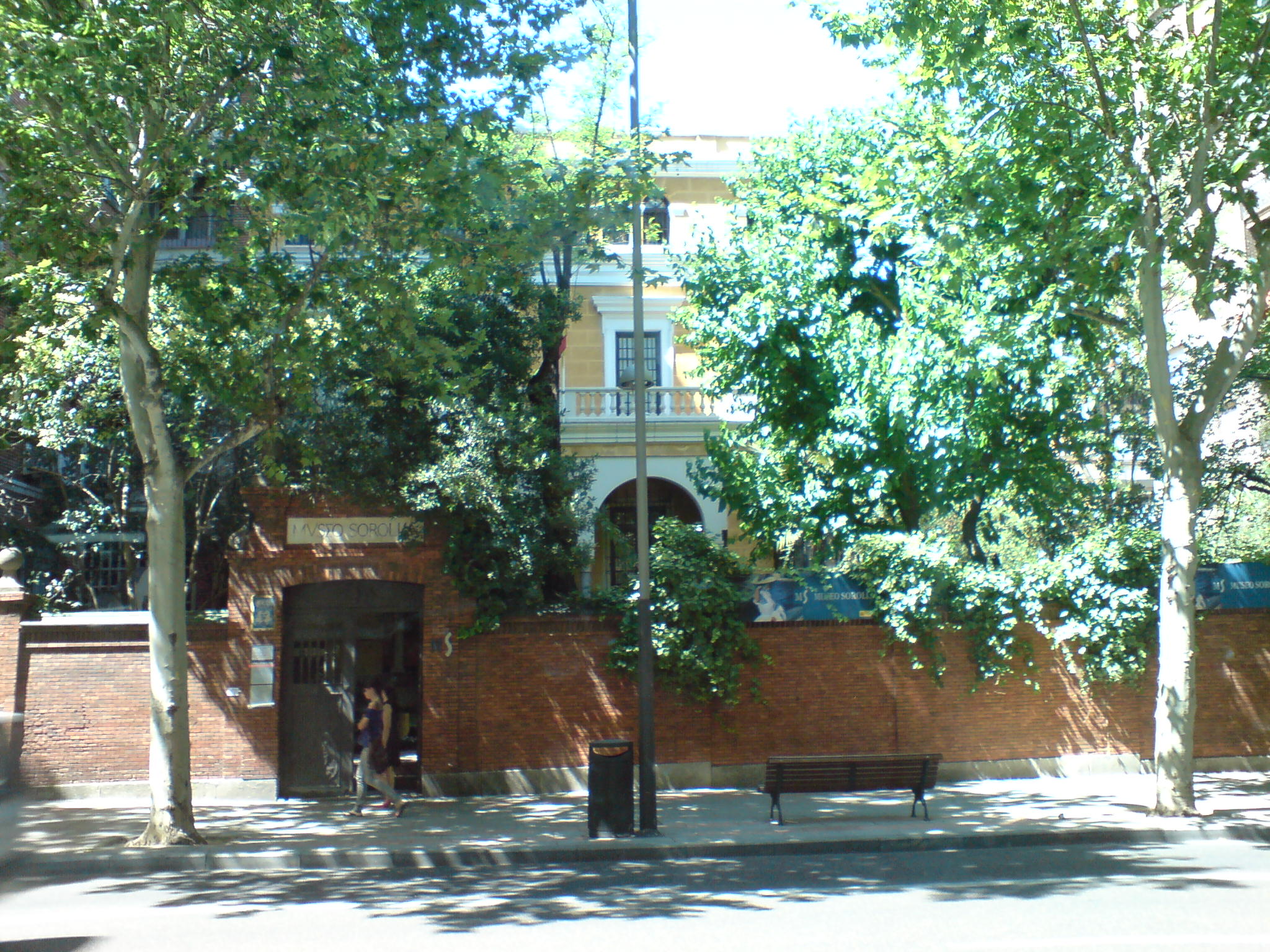
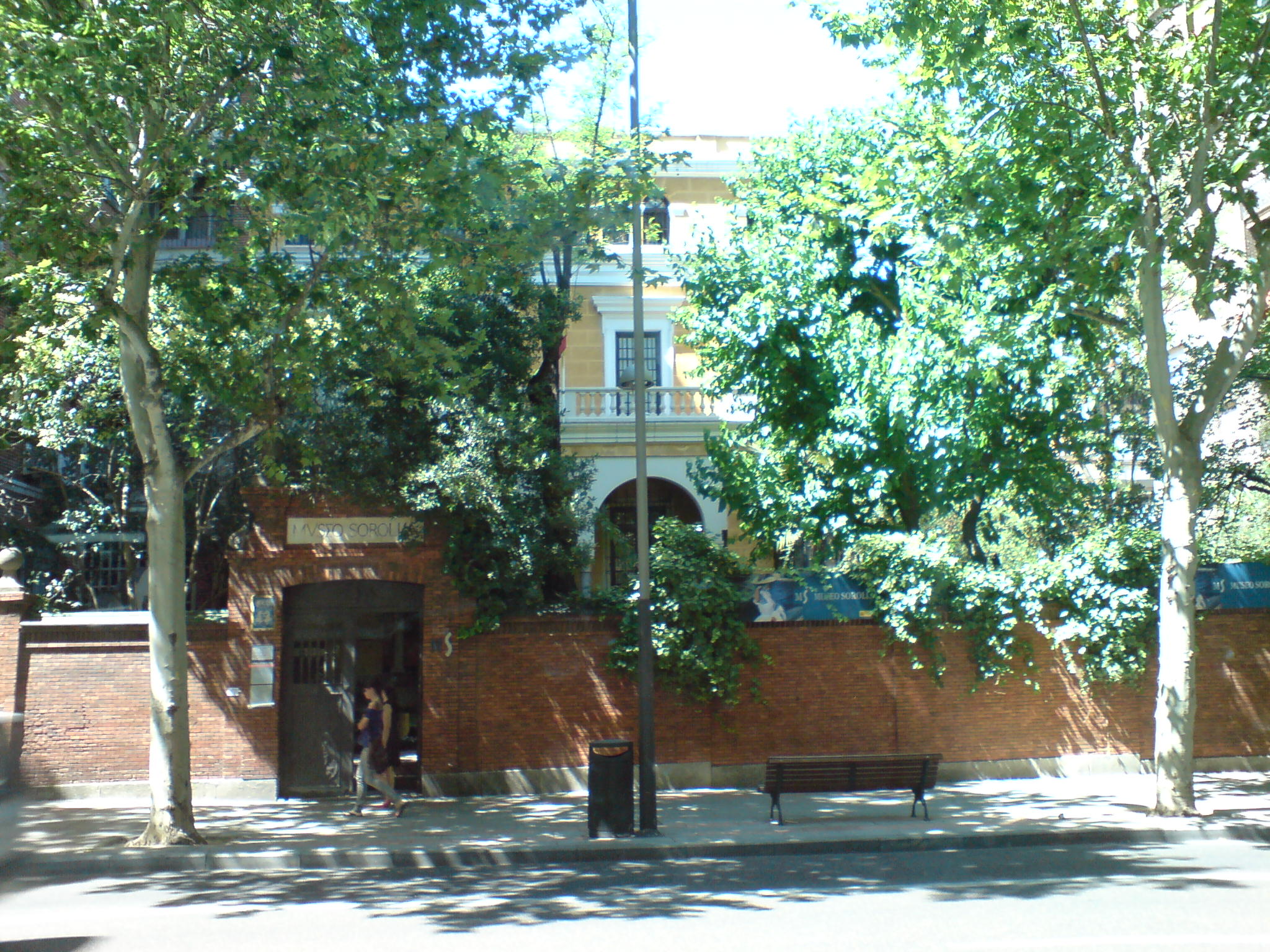
Museo Sorolla
0

Museo Sorolla

5 min

The tour begins at the home and studio of painter Joaquín Sorolla, preserved with his Impressionist gardens, Mediterranean light, and personal collections — an oasis of beauty hidden on a quiet residential street in Chamberí.
Andén 0 — The Ghost Station
1

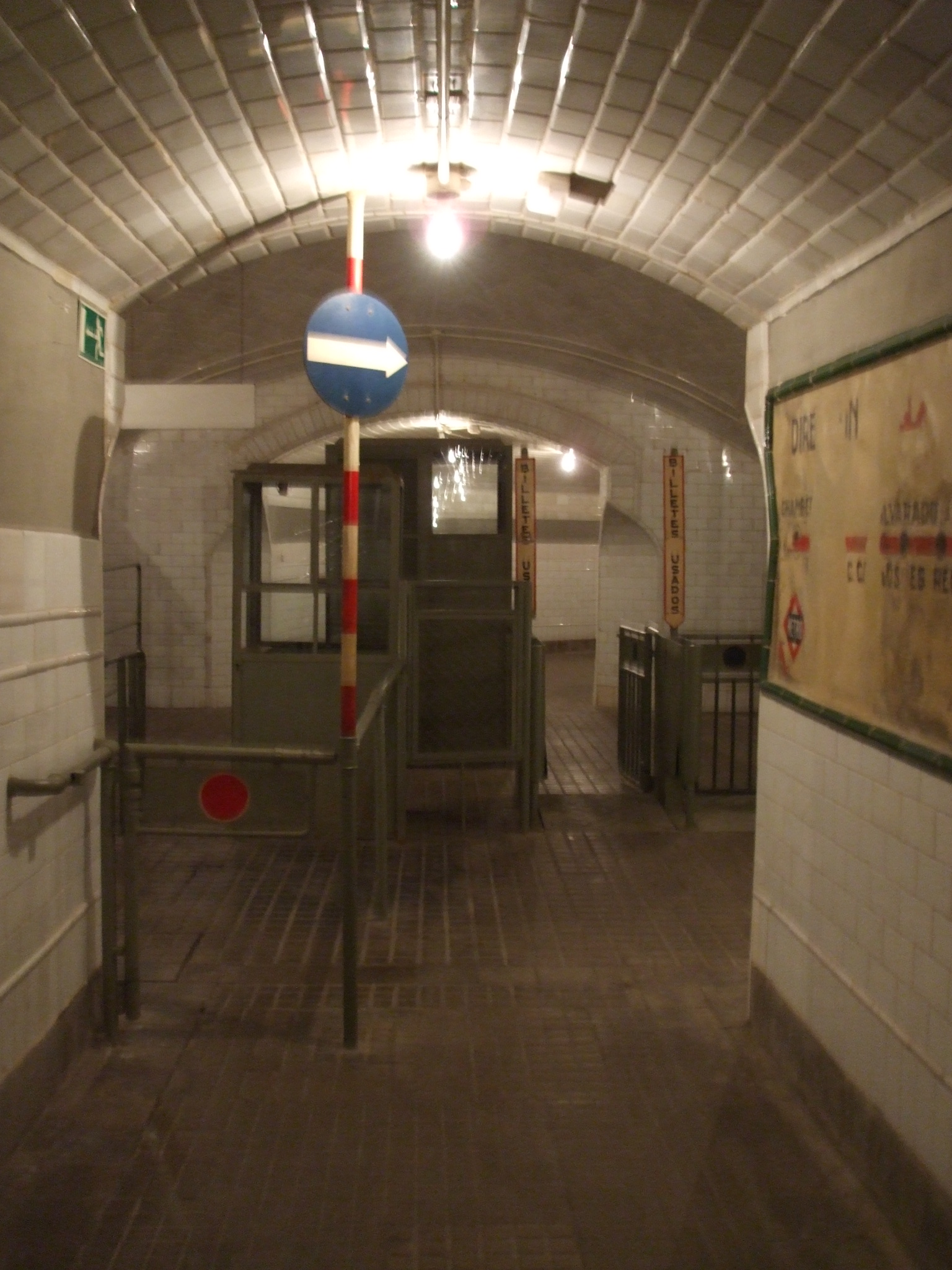
Andén 0 — The Ghost Station

5 min

An abandoned 1919 metro station preserved exactly as it was in the 1960s — original advertising, tiled walls, and wooden ticket booths frozen in time beneath the streets of Chamberí.
Palacio de Longoria
2

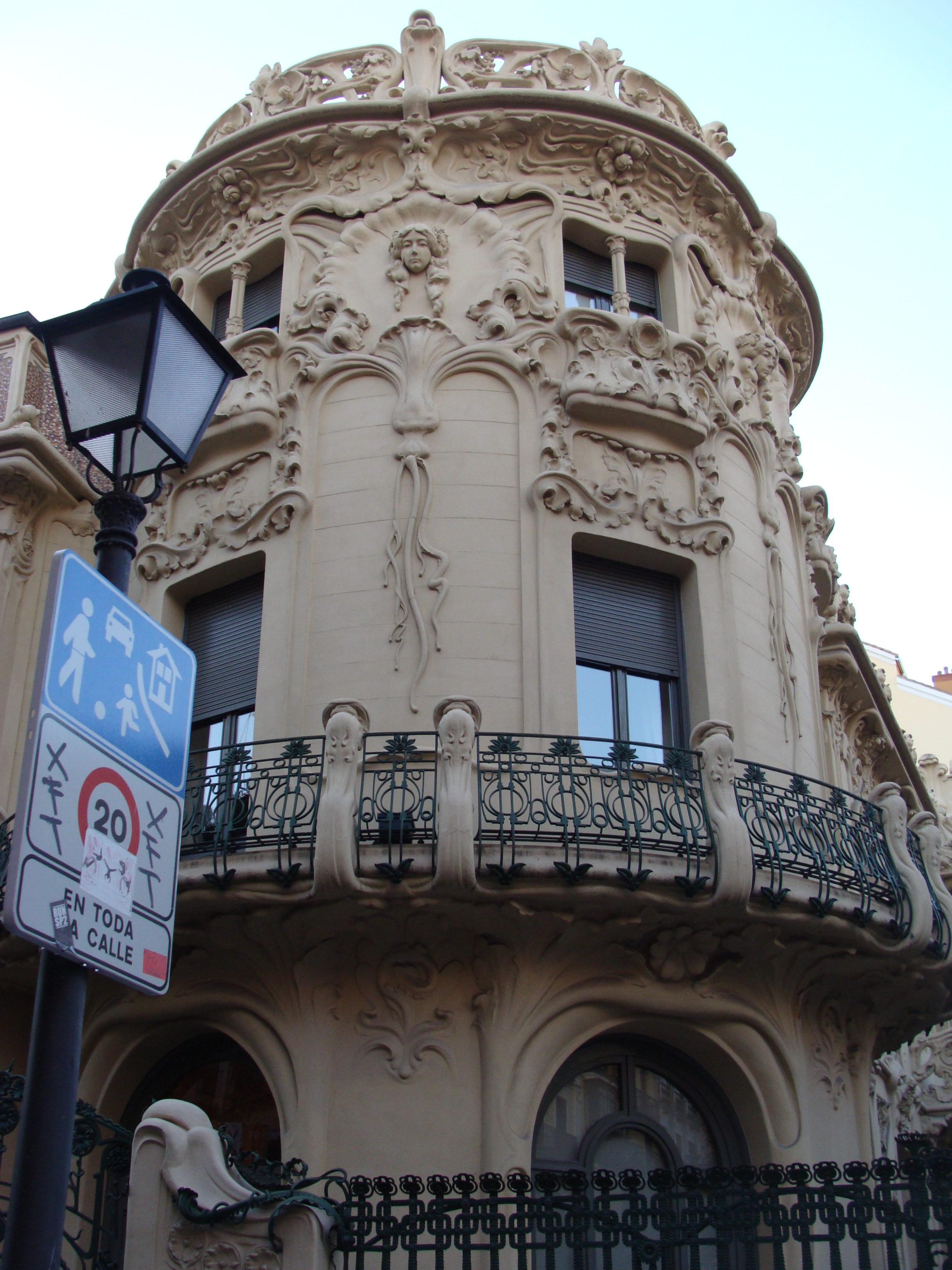
Palacio de Longoria

5 min

Madrid's finest Art Nouveau building (1904), hidden on a quiet Chueca street — organic stone facades, an iron-and-glass dome, and a spectacular imperial staircase inside.
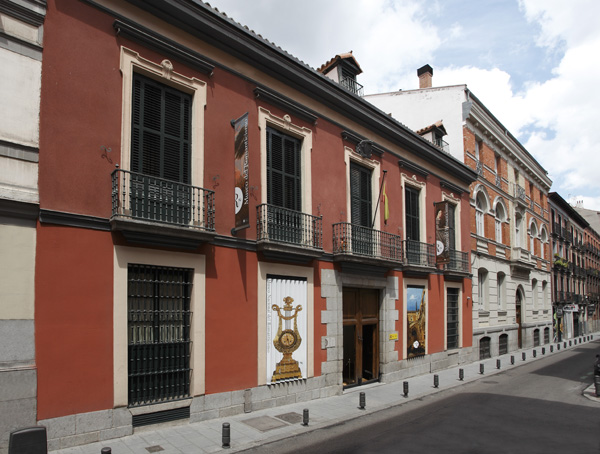
Museo del Romanticismo
3

Museo del Romanticismo

5 min

An intimate 18th-century palace recreating the world of Romantic-era Madrid, filled with elegantly furnished rooms, miniature paintings, and a hidden courtyard café.
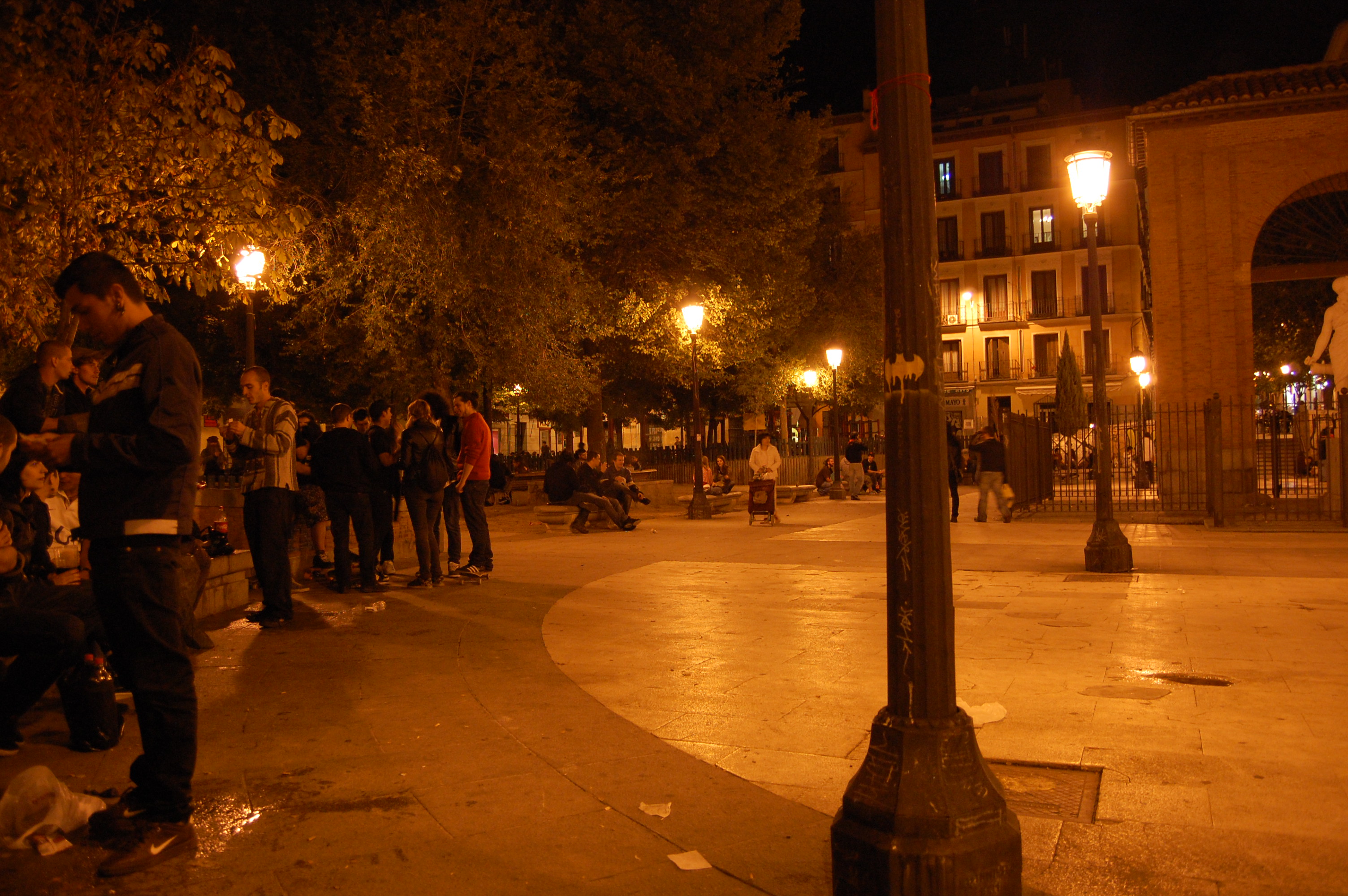
Plaza del Dos de Mayo — Malasaña Street Art
4

Plaza del Dos de Mayo — Malasaña Street Art

5 min

Beyond the historic plaza lies Malasaña's network of side streets, where Madrid's most vibrant street art lives: C215's haunting stencil portraits, paste-up art, and murals that transform with the annual PINTA festival.
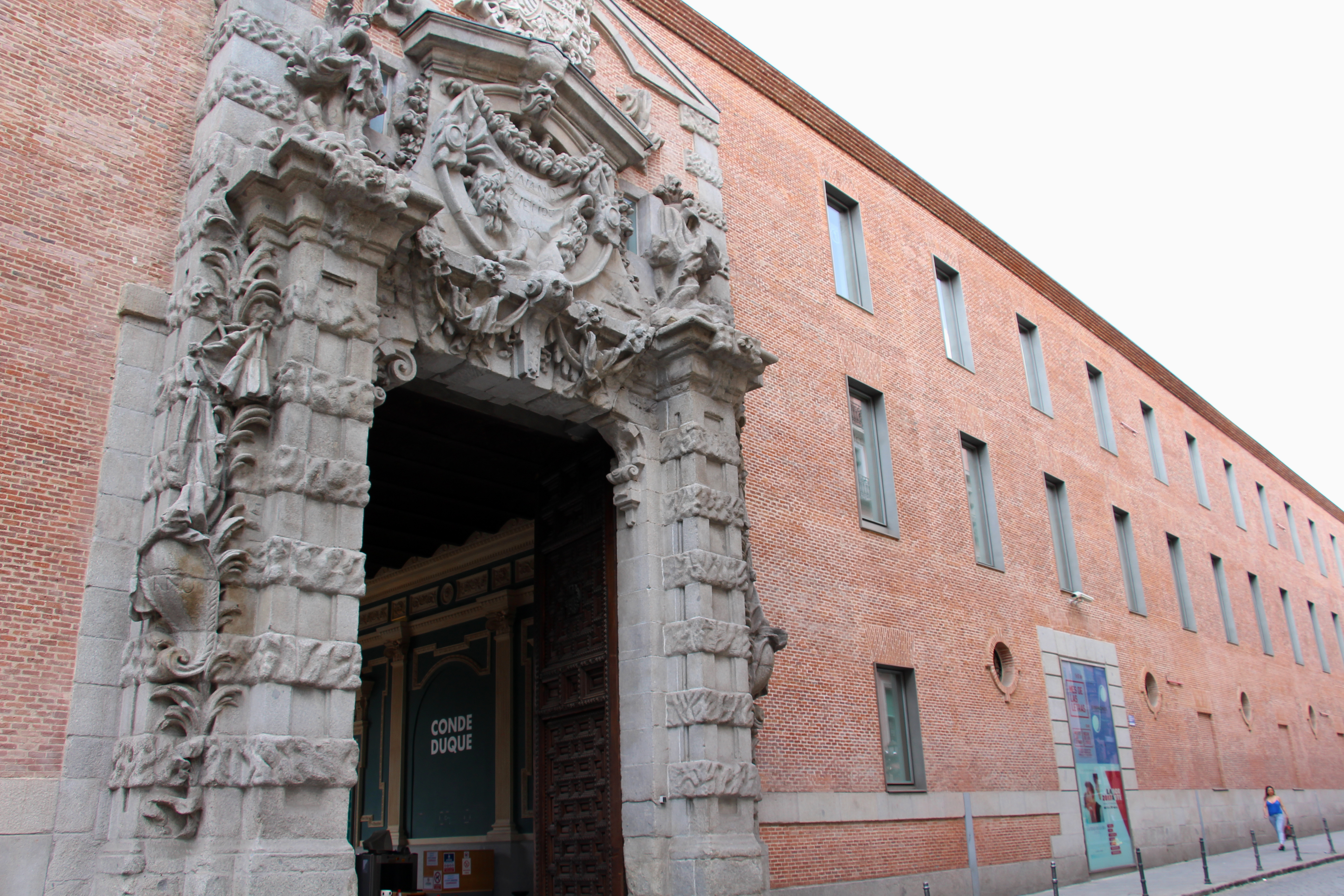
Centro Cultural Conde Duque
5

Centro Cultural Conde Duque

4 min

An 18th-century military barracks hidden behind Pedro de Ribera's magnificent Baroque doorway—a free contemporary art space that most tourists walk past without realizing what lies beyond.
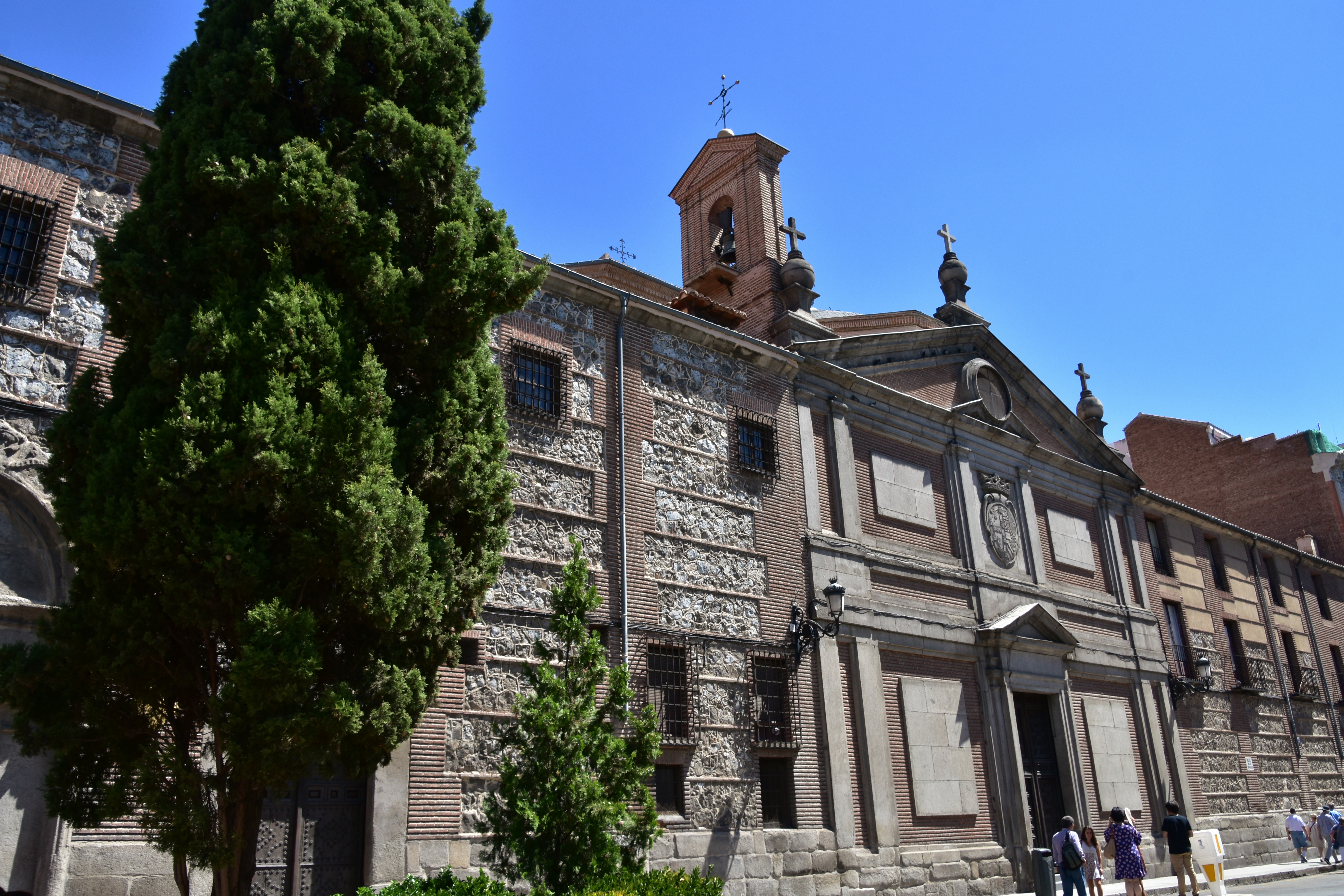
Convento de las Descalzas Reales
6

Convento de las Descalzas Reales

5 min

A Renaissance convent founded by Habsburg royalty in 1559, hiding masterpieces by Titian, Rubens, and Brueghel behind its austere exterior.
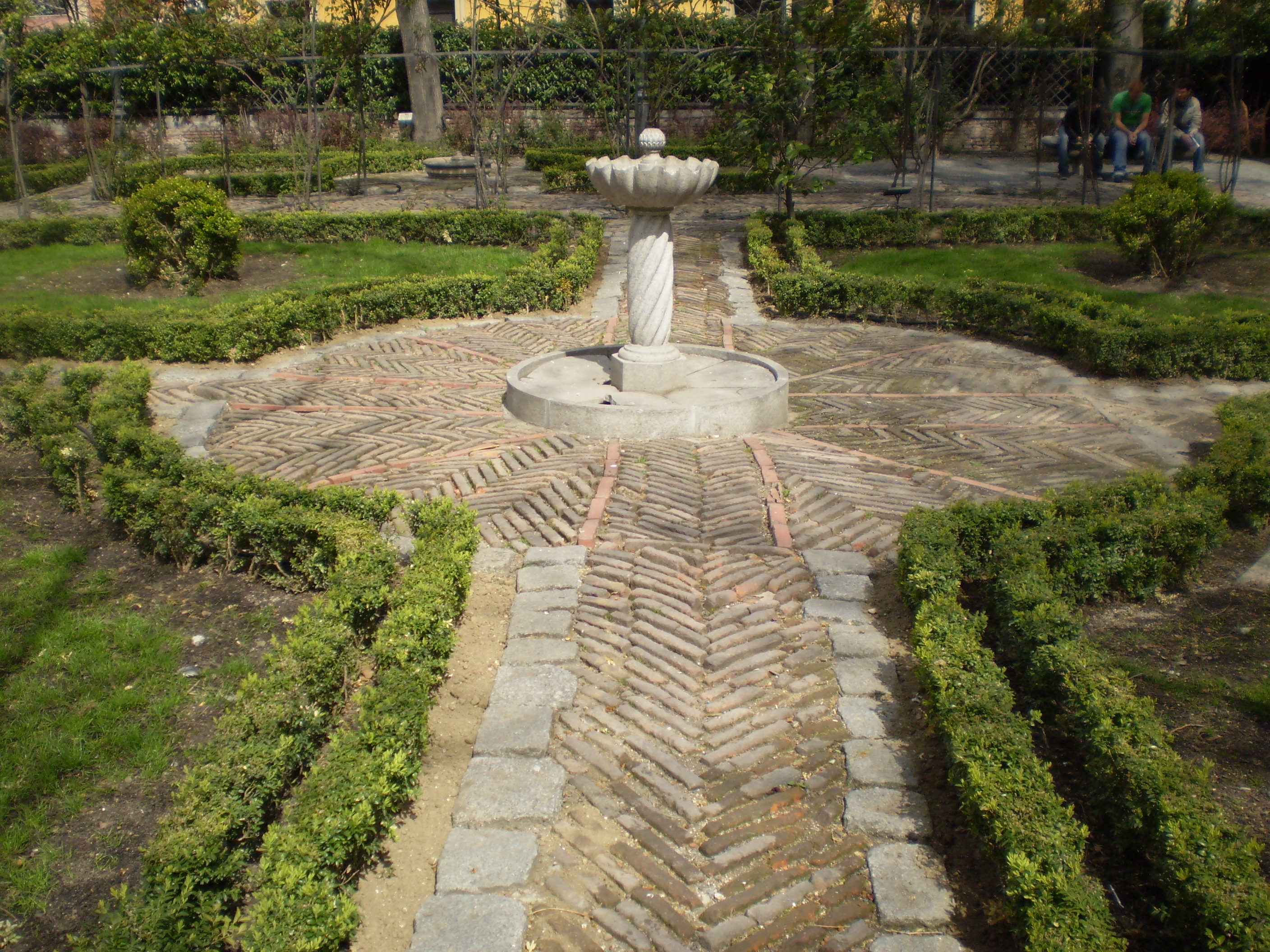
Jardín del Príncipe de Anglona
7

Jardín del Príncipe de Anglona

4 min

A hidden 18th-century garden completely invisible from the street, tucked behind a brick wall in La Latina and accessed through an easy-to-miss gate.
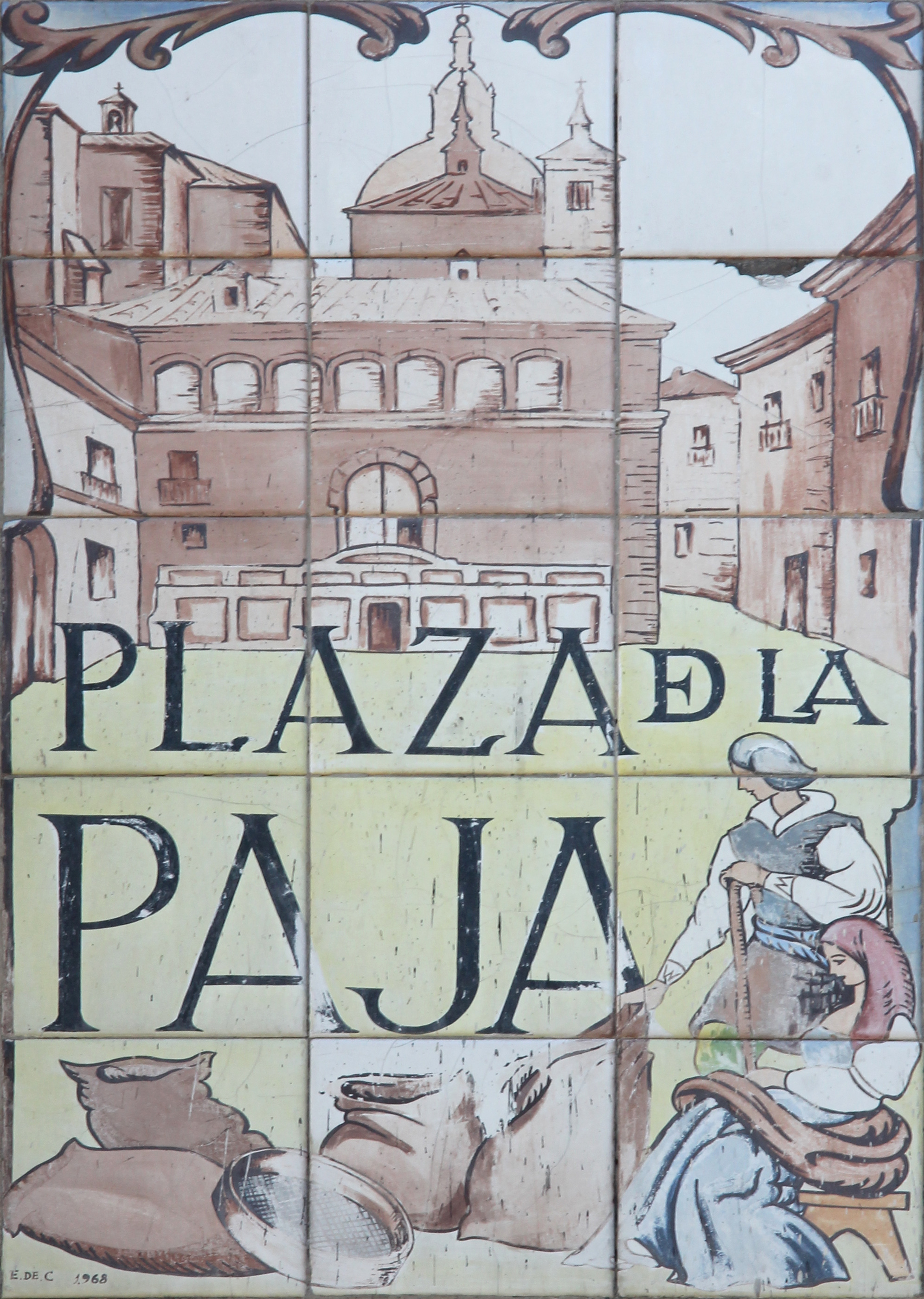
Plaza de la Paja
8

Plaza de la Paja

4 min

One of Madrid's oldest and most peaceful squares, the medieval heart of La Latina where nobles built their palaces before the Habsburgs moved the royal court elsewhere.

A Taste of the Tour

This is the real story from one stop on this walk — every stop has one.

Museo Sorolla

Welcome to the Madrid nobody photographs. You're standing on a quiet residential street in Chamberí, about to step into a world where the city's greatest treasures hide behind unlocked doors and faded brick walls. Most tourists never make it here. But you're about to discover what Madrid actually looks like when it stops performing—intimate gardens, forgotten museums, art breathing in abandoned spaces. This walk isn't about monuments. It's about secrets. The kind of secrets a city shares only with those who know where to look. Ready? Look up as you turn the corner onto Calle General Martínez Campos. If you're not paying attention, you'll miss it completely. That's the whole point of this stop, really — the pleasures of noticing what's right in front of you, what everyone else walks past without ever knowing. This is Sorolla's house. Not a grand museum, not a famous landmark you'll find circled on every Metro map. Just the home where a genius lived and worked, and which his family was protective enough, generous enough, to leave exactly as he found it. When you step through those doors, you're stepping into someone's life. Joaquín Sorolla was one of Spain's great masters of Impressionism, a painter whose work hangs in museums across Europe. But here's the secret that changes everything: his most important work was invisible in paintings. It was how he lived. It was the world he built around himself. The garden is what you've really come to see, even if you don't know it yet. Sorolla designed it himself — this riot of Mediterranean light filtered through pergolas and climbing vines, stone paths winding through beds of flowers, ceramic pots spilling over with plants in shades of green you didn't know existed. On a Madrid afternoon, the way the sunlight breaks through the greenery, it feels like you're somewhere else entirely. Valencia, maybe. Or some imagined paradise that exists nowhere except in the mind of a painter who understood that beauty wasn't just something to put on canvas. It was something to surround yourself with, to walk through, to let wash over you every single day. The house itself is modest by the standards of turn-of-the-century Madrid wealth. But that modesty is the whole aesthetic. In his studio — you can see the high northern windows, the painter's light coming in at that perfect angle — Sorolla created some of the most luminous paintings of the age. Beaches at Jávea, children playing in shallow water, women in white dresses against brilliant sand. All that golden light, captured. And the extraordinary thing is that he wasn't imagining it from memory or from sketches. He was channeling it. The light that comes through those very windows. The light that exists in this very garden. The light that surrounds the life he chose to lead. Most visitors to Madrid never find this place. They're in line at the Prado, surrounded by thousands of people, staring at masterpieces from sixty feet away through crowds and reflections on glass. And meanwhile, up here in Chamberí, a neighborhood of residential streets and local tapas bars that no guidebook mentions, Sorolla's actual living space — his garden, his studio, his books, his taste — is waiting, almost empty, almost silent. You get to have it nearly to yourself. You get to experience it almost as his guests would have, almost as he did. This is the opening secret of the tour. Behind every imposing facade — and Sorolla's isn't imposing at all, that's the point — Madrid hides something intimate. Something meant for living in, not just looking at. This is where beauty happens when no one's watching. This is what a life shaped by aesthetics actually looks like, when someone has the skill and the means to build it. When you understand that, when you feel it in your bones walking through that garden with the light filtering down through the vines, the rest of the tour begins to make sense. You're not here to check boxes on a list. You're not here to collect photos for social media. You're here to discover what the city keeps hidden from itself. You're here to find the places that matter to the people who live in them, not to the people who market the city. Later, we'll find another secret garden — Príncipe de Anglona, which has a different kind of magic, a different history, a different story to tell. But start here. Start with this: a painter's light, a garden of his own design, the radical idea that the most beautiful things in a city are sometimes the smallest, the quietest, and the hardest to find. And the even more radical idea that those are the things worth building your life around.

More Tours in Madrid

Nearby Cities

Back to Madrid Tours

Cookie Consent

We use cookies to analyse site traffic and improve your experience. You can choose to accept or reject analytics cookies. Learn more