Habsburg & Bourbon Madrid — Two Dynasties, One City
Madrid · Spain

Habsburg & Bourbon Madrid — Two Dynasties, One City

Madrid, Spain
103
Duration (min)
4.3
Distance (km)
10
Stops
Medium
Difficulty

Description

An architectural time-travel from Madrid's 9th-century Islamic origins through Habsburg austerity to Bourbon neoclassical magnificence, revealing how two dynasties built the city we see today.

Highlights

Muralla Árabe: 9th-century fortress stones older than Spain itself Plaza Mayor: 237 balconies of Habsburg theatrical power Museo del Prado: a Bourbon temple to science turned art museum Puerta de Alcalá: Europe's first modern triumphal arch
Tour Stops

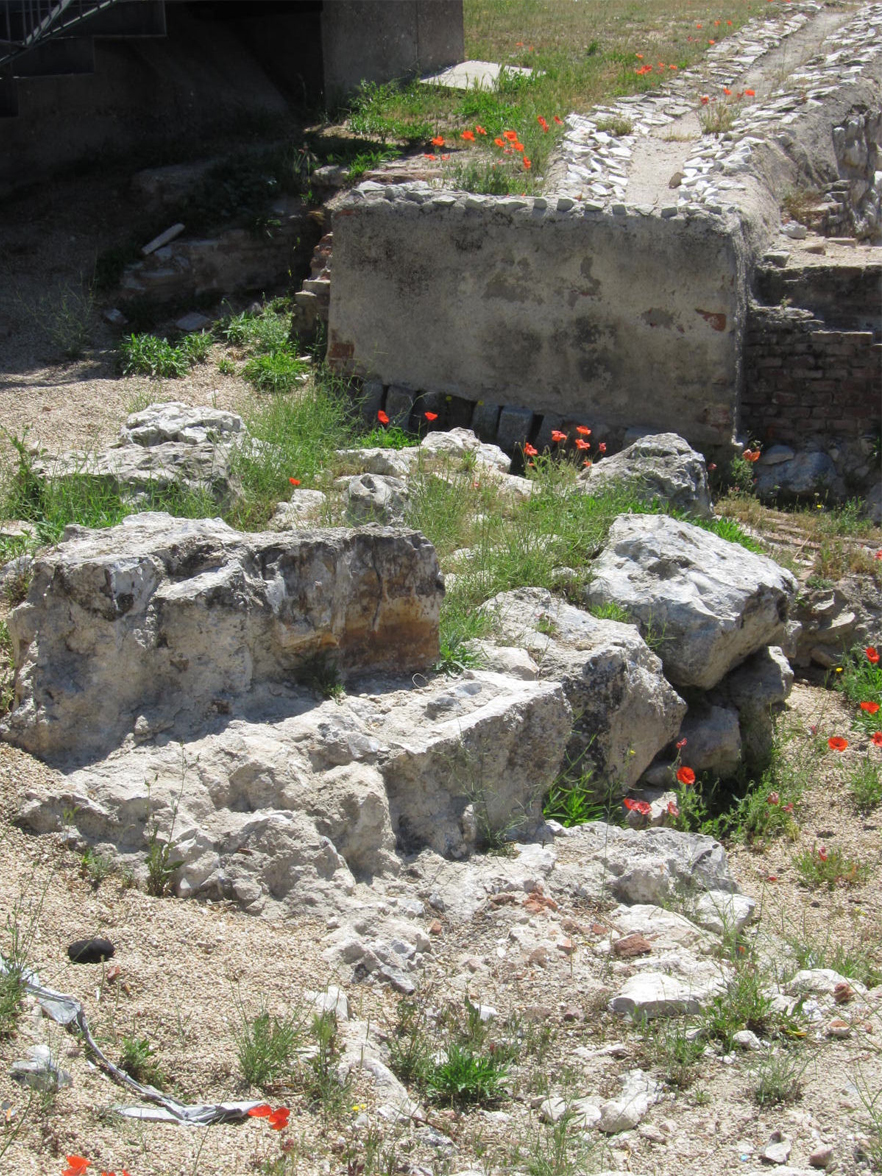
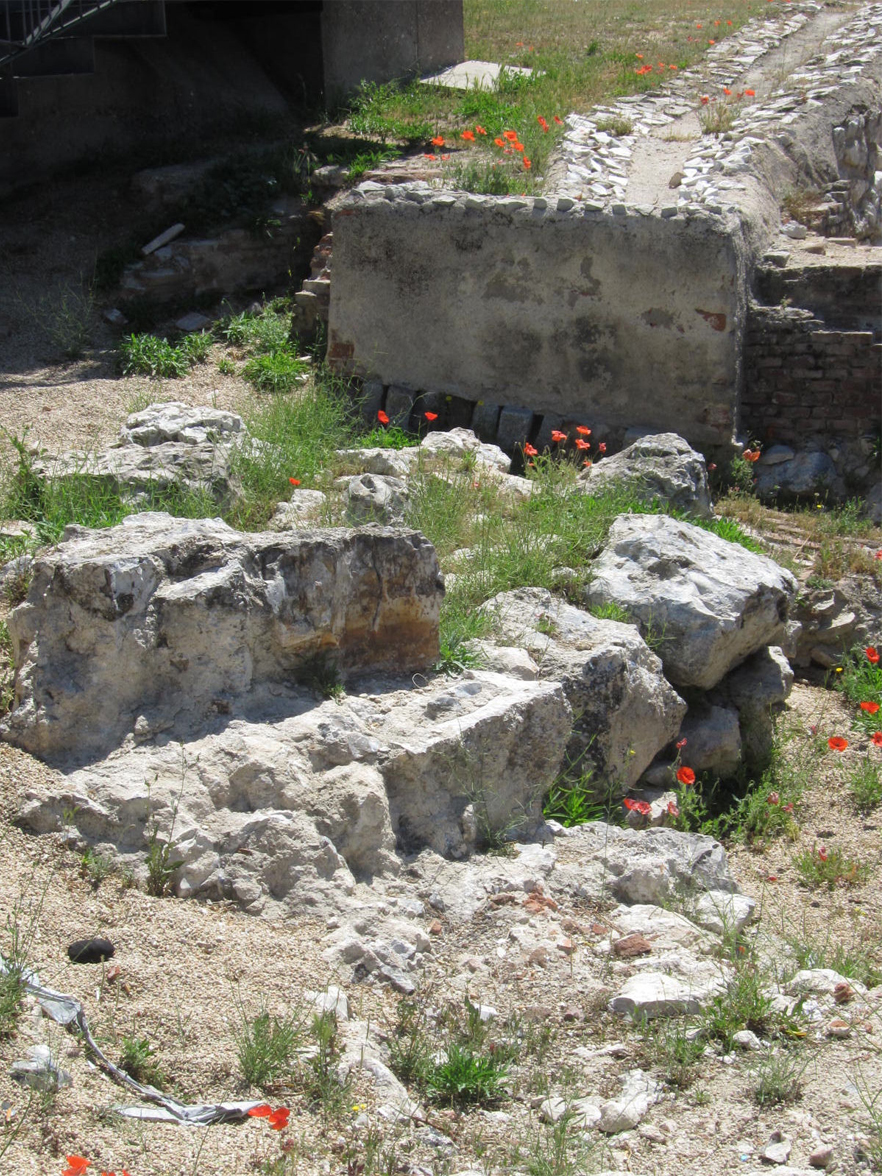
Muralla Árabe — The Oldest Wall
0

Muralla Árabe — The Oldest Wall

5 min

The 9th-century remains of Mayrit, the Muslim fortress that preceded Madrid, ordered built by Emir Muhammad I between 860-880 AD on a promontory above the Manzanares river.
San Nicolás de los Servitas
1

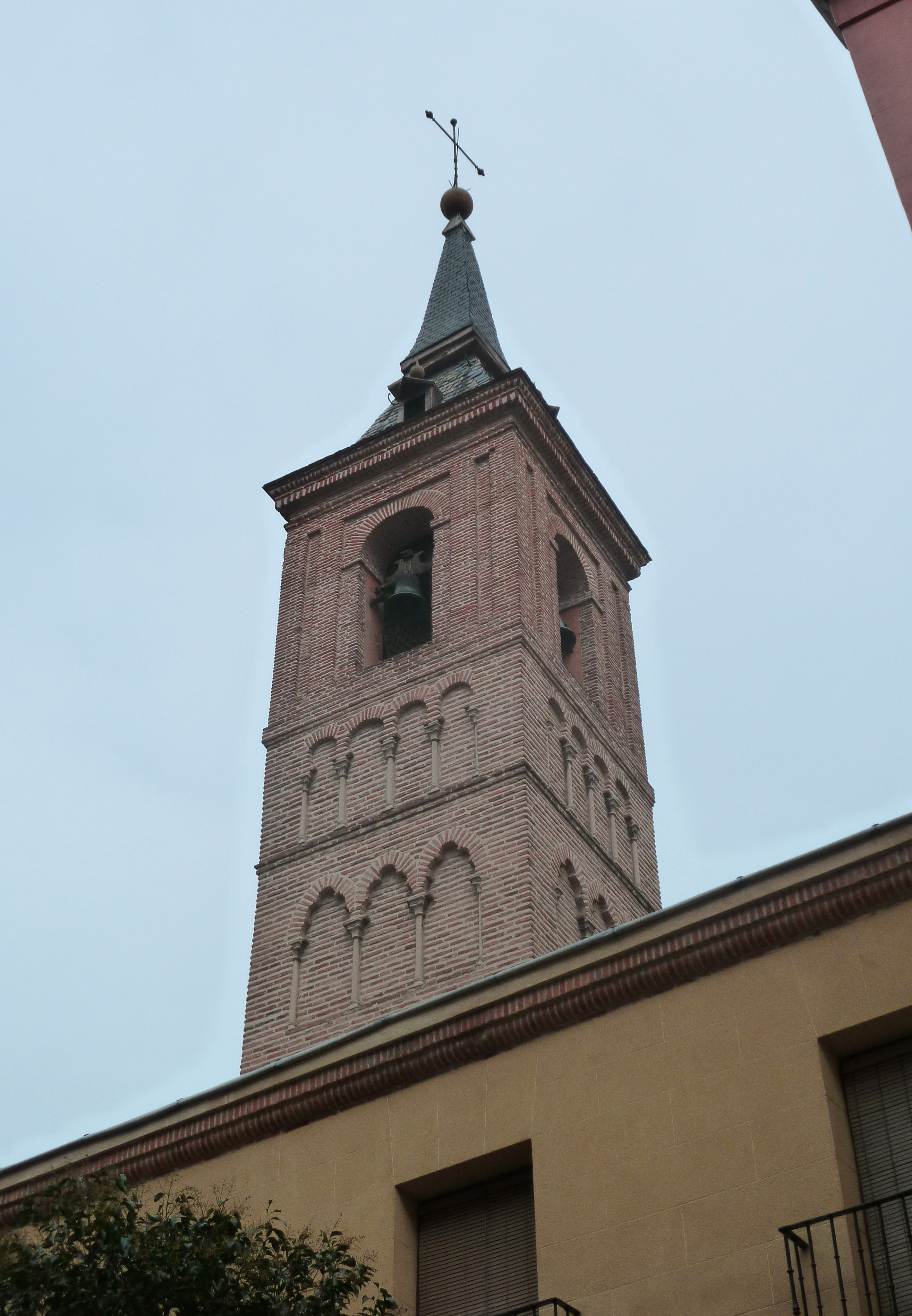
San Nicolás de los Servitas

4 min

Madrid's oldest church tower, a 12th-century Mudéjar minaret converted into a Christian bell tower after the Reconquest — the architectural embodiment of Islamic craftsmanship serving Christian worship.
Plaza de la Villa
2

Plaza de la Villa

5 min

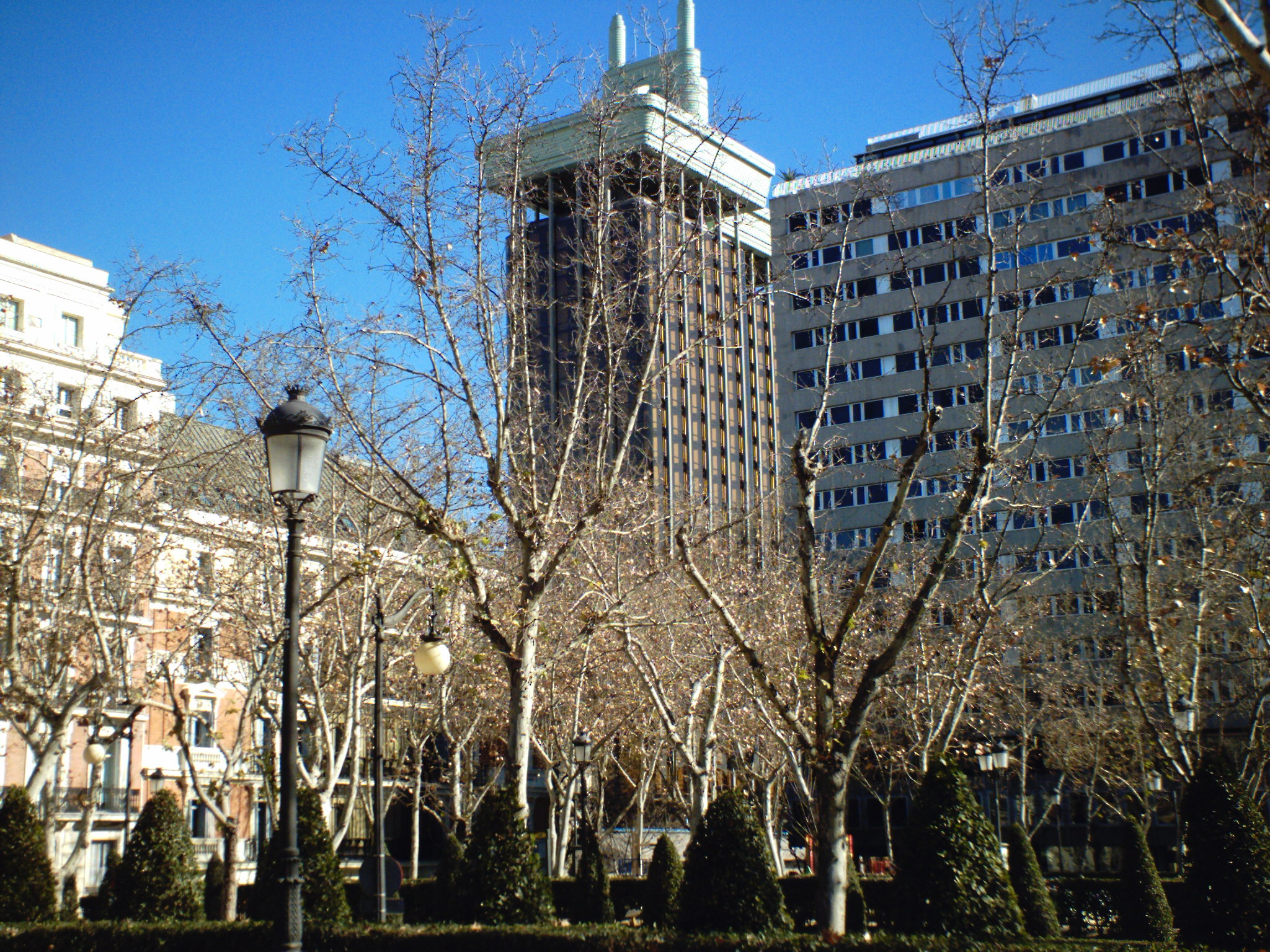
Three buildings spanning three centuries — the 15th-century Torre de los Lujanes where Francis I of France was imprisoned, the 16th-century Casa de Cisneros, and the 17th-century Casa de la Villa — each one marking a different age of Madrid's rise.
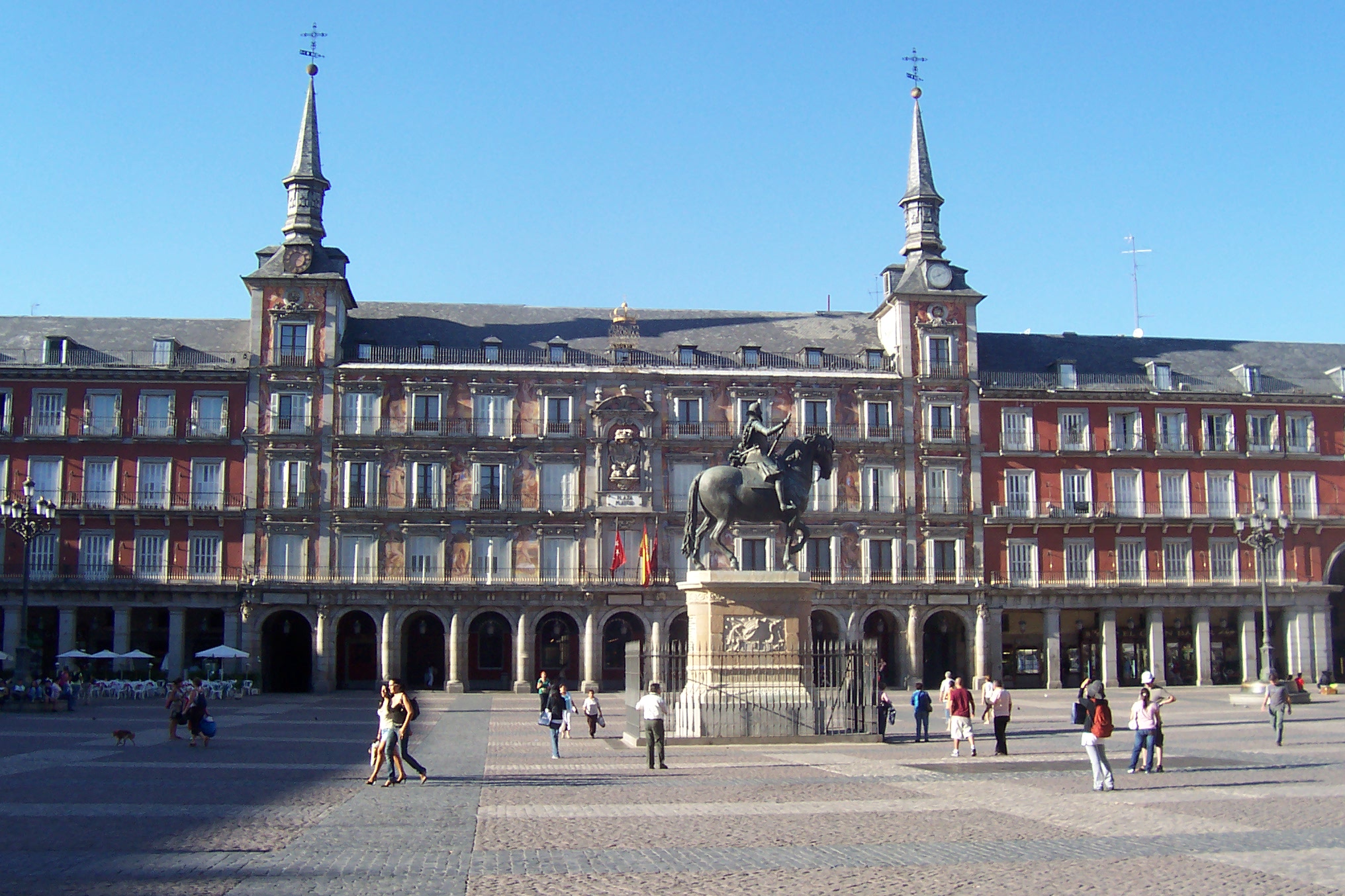
Plaza Mayor
3

Plaza Mayor

5 min

Philip III's grand plaza completed in 1619 by architect Juan Gómez de Mora — 237 balconies arranged as theater boxes around a unified architectural statement of Habsburg power and austerity.
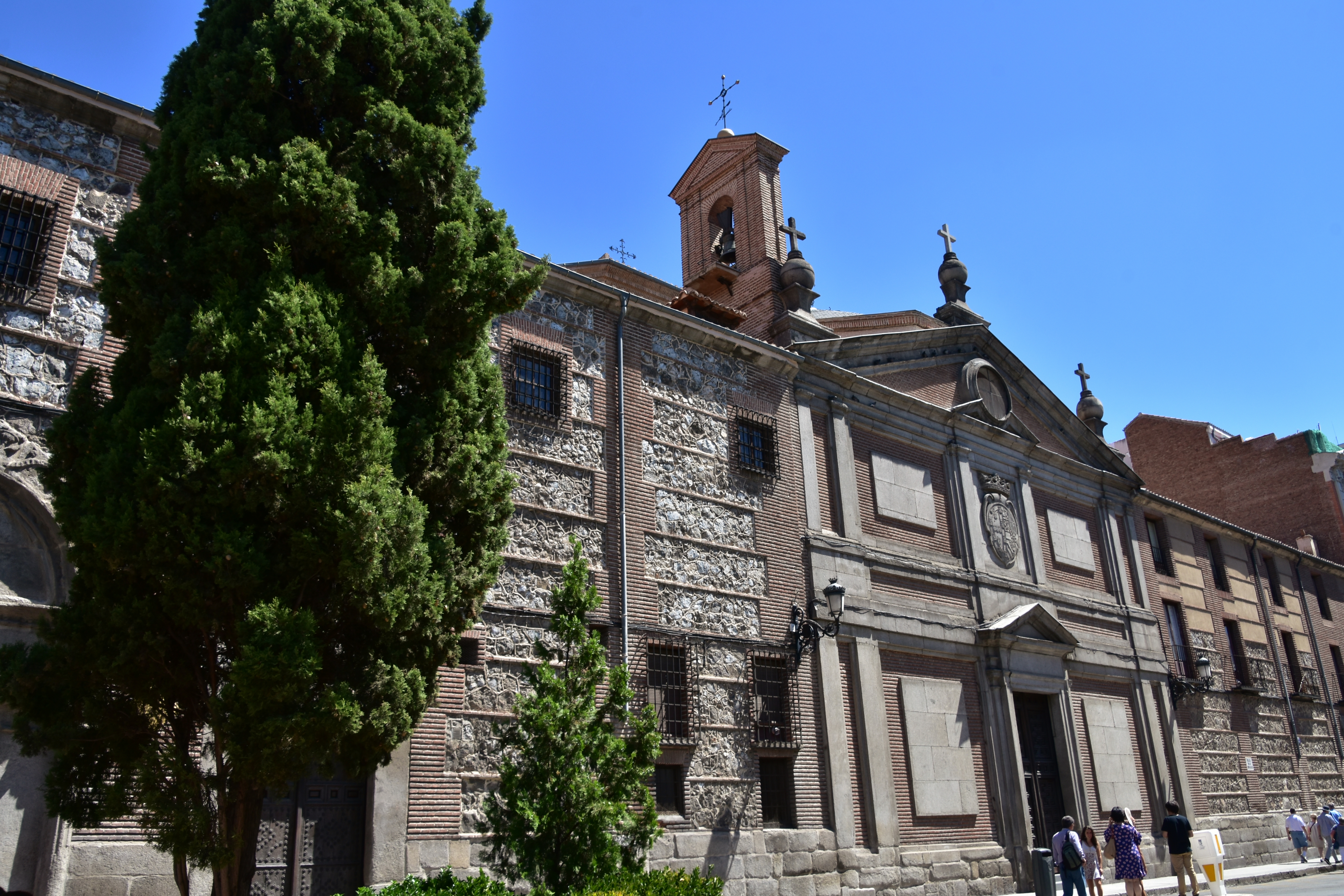
Convento de las Descalzas Reales
4

Convento de las Descalzas Reales

5 min

A Renaissance convent founded in 1559 by Juana of Austria, Philip II's sister, that conceals one of Madrid's richest art collections behind austere Habsburg walls — pure architectural duality at the heart of power.
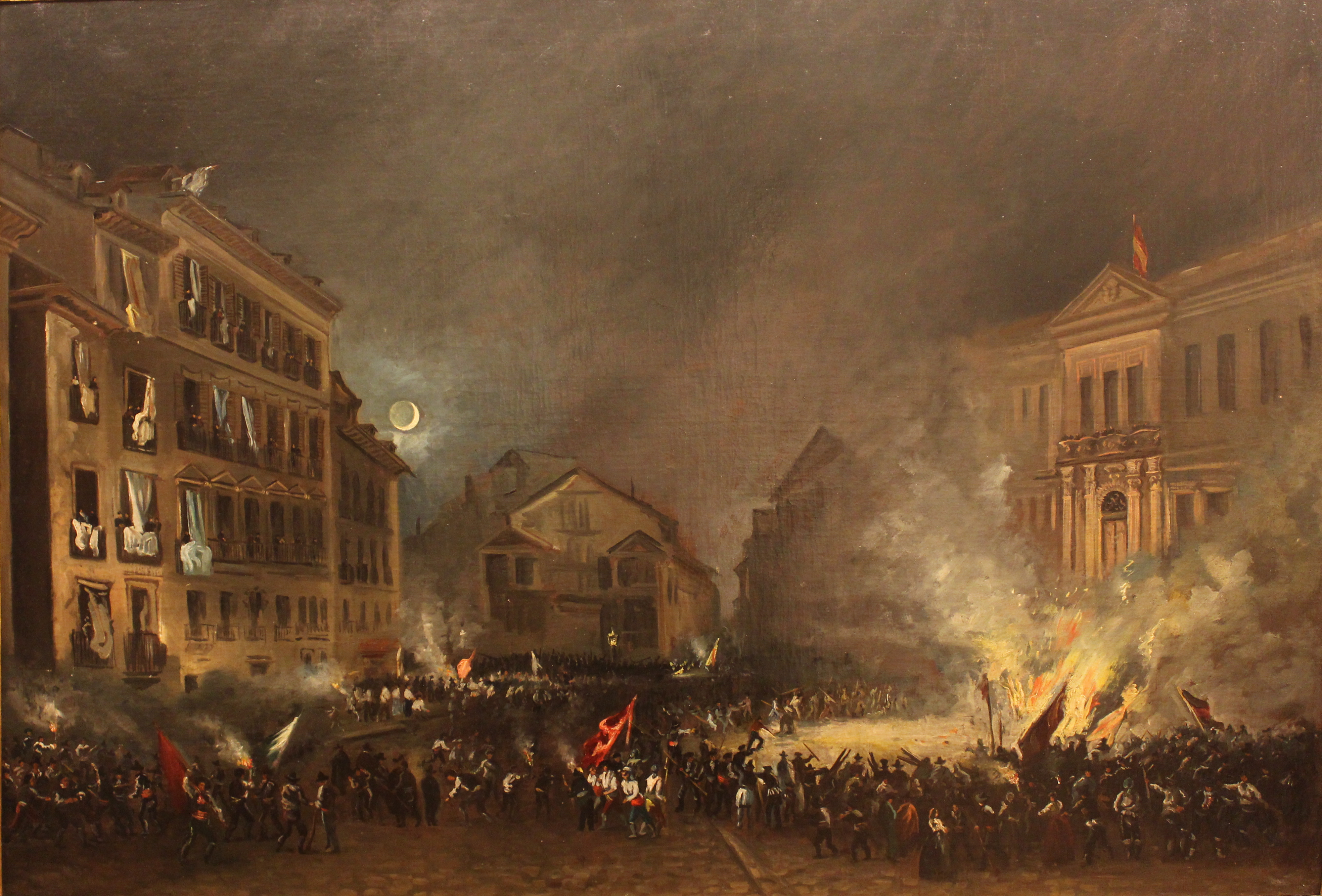
Puerta del Sol — Real Casa de Correos
5

Puerta del Sol — Real Casa de Correos

4 min

Jacques Marquet's elegant 1768 post office marks the architectural pivot where Habsburg austerity gives way to Bourbon elegance and Enlightenment rationalism.
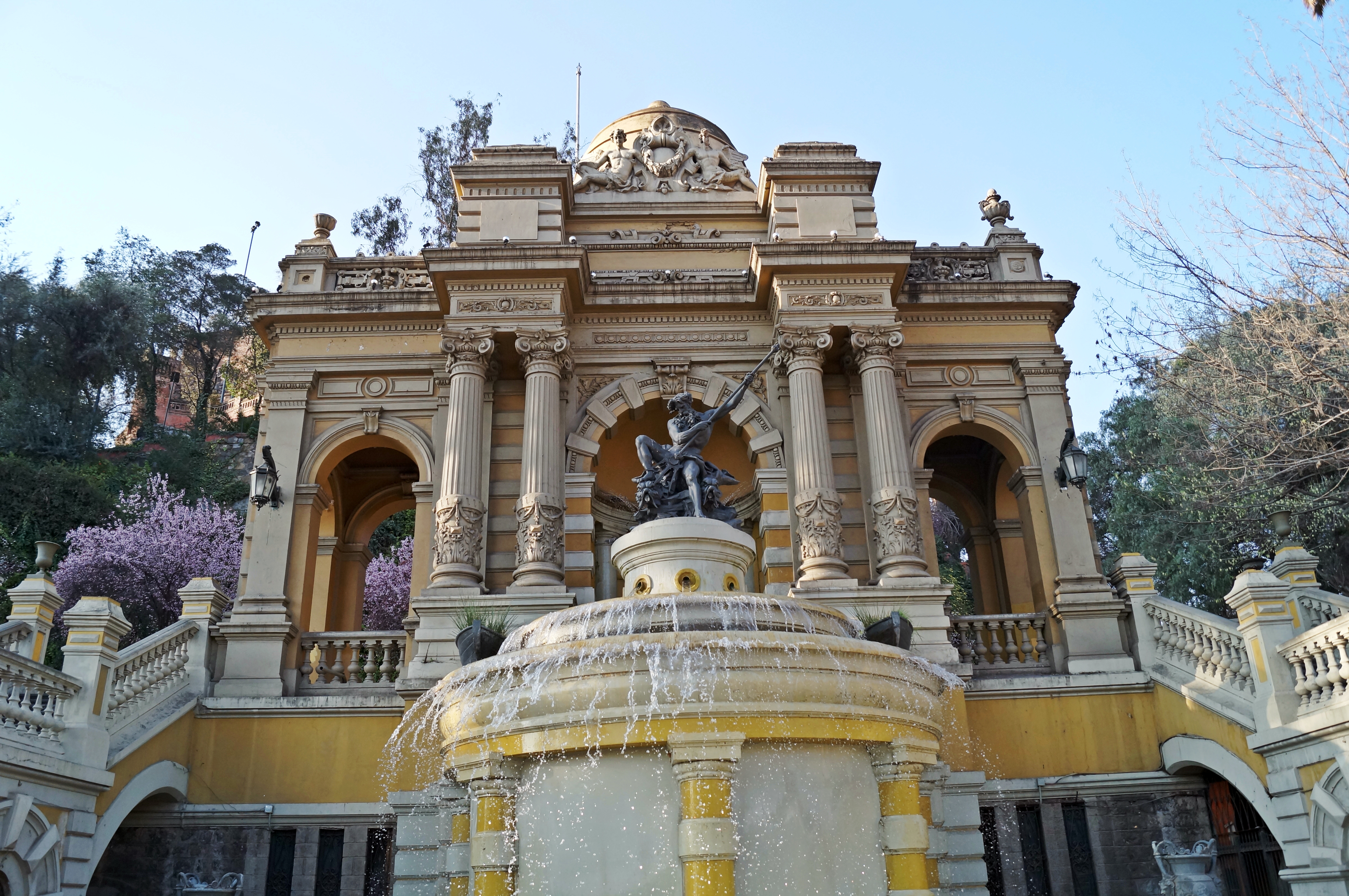
Fuente de Neptuno
6

Fuente de Neptuno

4 min

The Neptune fountain (1782-1786), designed by Ventura Rodríguez and sculpted by Juan Pascual de Mena, embodies Charles III's vision of transforming Madrid through Enlightenment beauty, rational planning, and public civic magnificence.
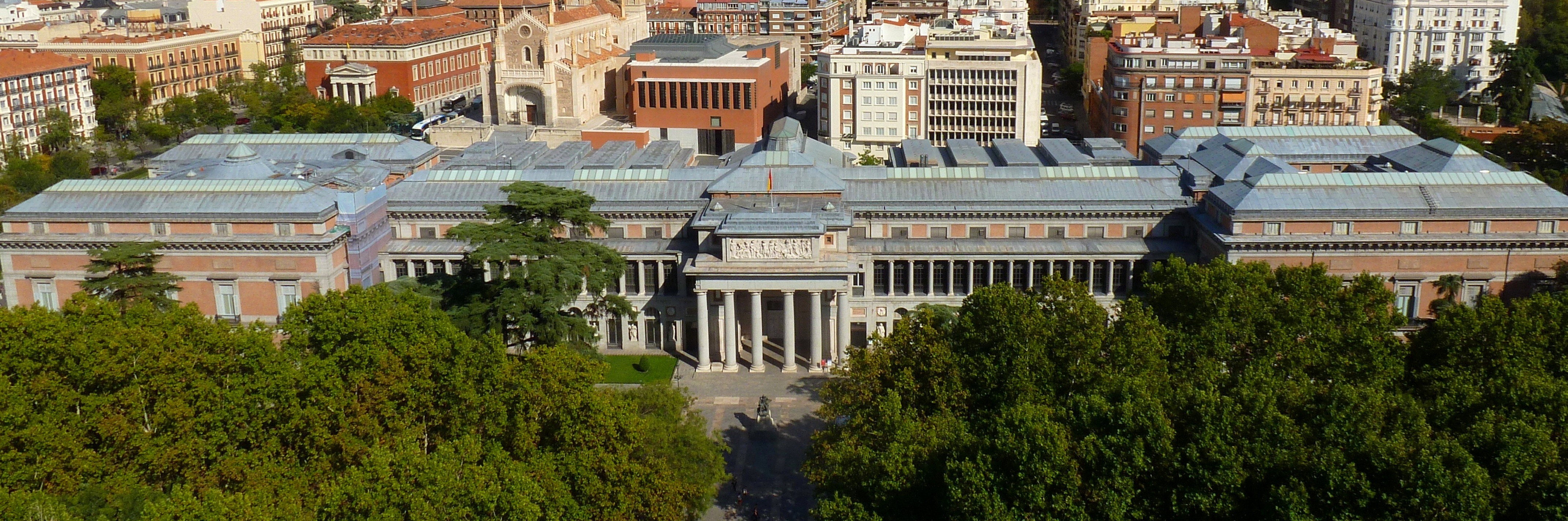
Museo del Prado (exterior)
7

Museo del Prado (exterior)

5 min

Originally designed as a Natural History Cabinet by Juan de Villanueva in 1785 to embody Bourbon Enlightenment ideals, the Prado became Spain's greatest art museum when it opened to the public in 1819. The neoclassical exterior reflects the rational, monumental aesthetic that marked Madrid's transformation under Charles III.
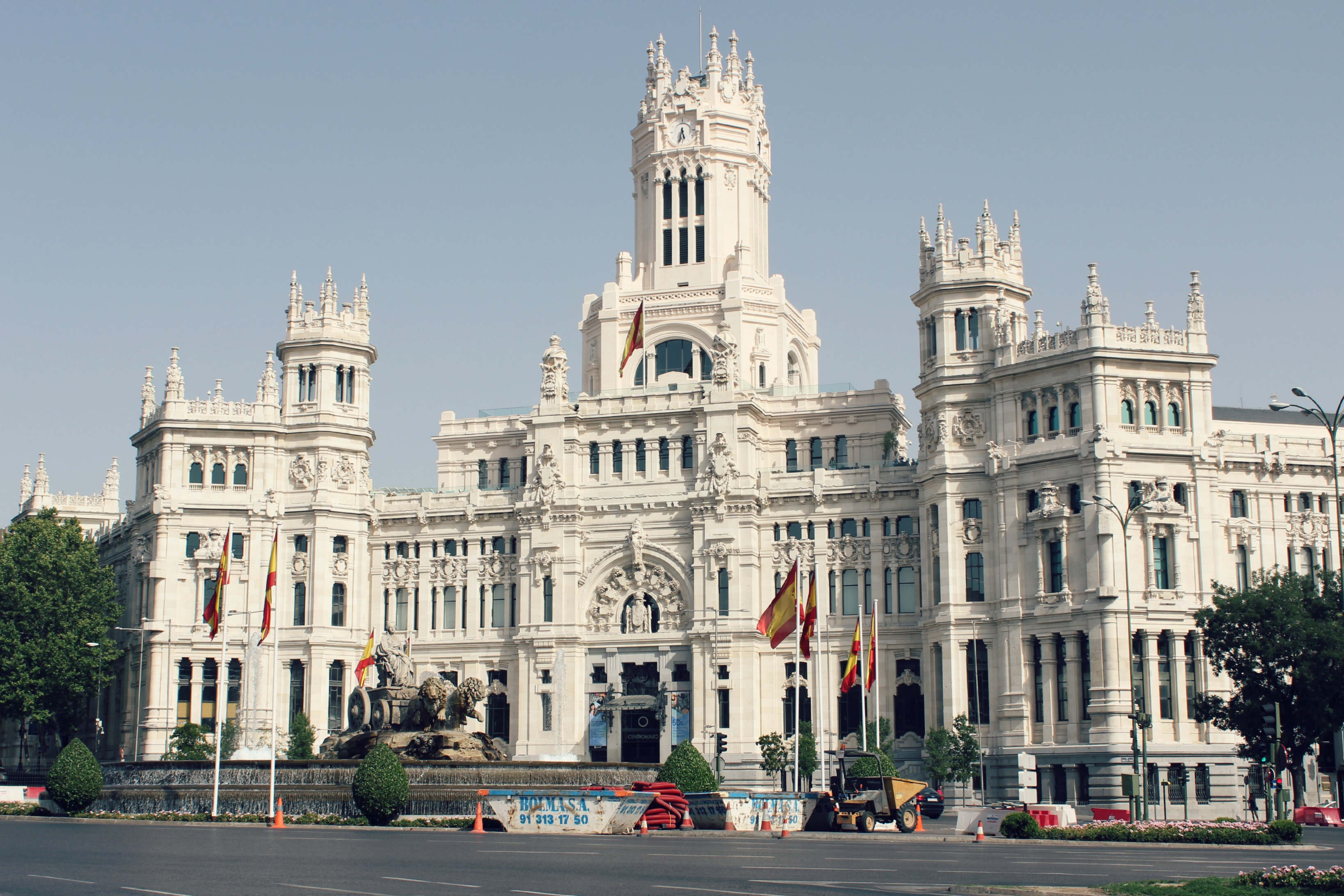
Plaza de Cibeles
8

Plaza de Cibeles

4 min

The neoclassical Fountain of Cybele, commissioned by Charles III and completed in 1782, stands as the crown jewel of the Bourbon aesthetic — a white marble masterpiece where Madrid's transformation into an Enlightened capital reaches its zenith. Today, it remains alive with ritual as the site of Real Madrid's trophy celebrations.
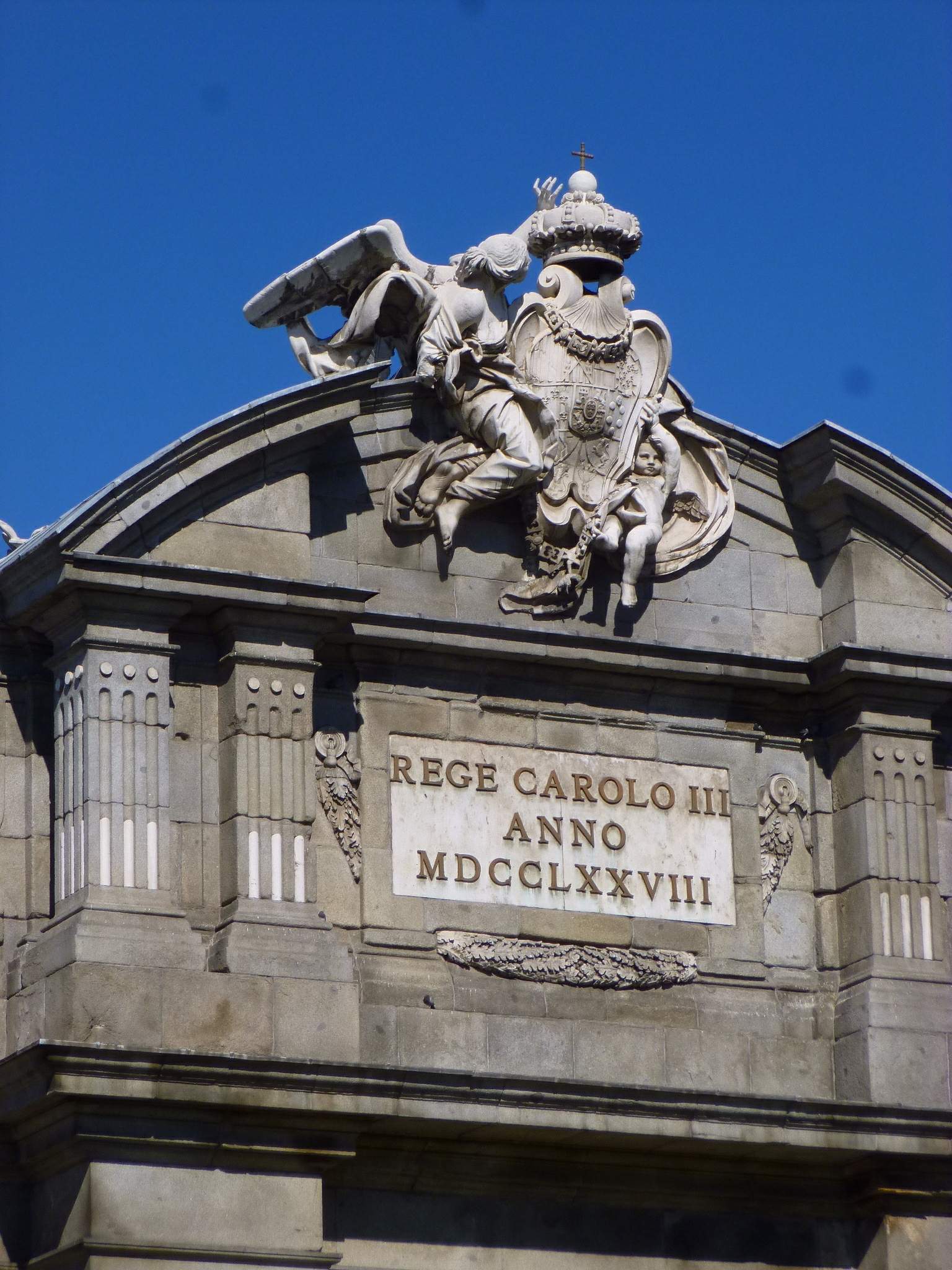
Puerta de Alcalá
9

Puerta de Alcalá

5 min

Europe's first modern triumphal arch, completed in 1778 by architect Francesco Sabatini, stands as Charles III's monumental statement that Madrid deserved city gates worthy of a great European capital. The neoclassical granite gateway marks the culmination of the Bourbon transformation — the arc from defensive fortress to enlightened capital complete.

A Taste of the Tour

This is the real story from one stop on this walk — every stop has one.

Muralla Árabe — The Oldest Wall

Welcome to the Muralla Árabe, where our journey through nine centuries of Madrid begins. You're standing at the foundations of a defensive fortress, built in the 9th century when this hilltop needed walls and watchtowers to survive. But here's what makes this walk so compelling: every stone you'll see over the next two and a half hours tells you exactly who held power in Madrid — and how they wanted the world to know it. We're about to trace an architectural revolution, from Arab austerity to Habsburg drama to Bourbon elegance. From fortress to palace to monument. From "keep out" to "look at us." The buildings don't lie. They're records of ambition, faith, conquest, and reinvention written in brick, slate, and stone. As we walk this three-kilometer arc, you'll see how power changes the shape of a city — and how cities reveal the secrets of power. Ready? Let's go. Here's something most visitors to Madrid never expect to find: you're standing in front of stones that are older than Spain itself. These fragments of the Muralla Árabe — the Arab Wall — date to the 9th century, when this place was called Mayrit, a fortress built by the Emir Muhammad I of Córdoba to defend against invasion from the Christian kingdoms to the north. Look at these stones carefully. They're your first clue that Madrid's story is far more layered than you might think. The wall was built sometime between 860 and 880 — nobody knows the exact date, but we know it was ordered by Muhammad I, who ruled Córdoba from 852 to 886. This was the frontier. Imagine it: a string of Islamic fortresses strung along the Douro and Tagus rivers, each one a guardpost against Christian expansion. Mayrit was one of them — not the biggest, not the most important, but strategically placed on a promontory above the Manzanares, with enough height and distance to see attackers coming. From here, you could watch the roads from the north. You could see organized units moving against you. You had time to prepare. Now look at the wall itself. Notice how the stones are arranged. The outside face, the part facing potential enemies, was built to look formidable: thick, carefully laid, intimidating. But look at the mortar line. Look at how those inner stones are fitted. There's a cunning economy at work here. The inside of the wall is filled with cheaper materials, rubble really, mortared together. It's the architectural equivalent of a bluff. The Cordoban engineers understood something fundamental about power: sometimes what matters most is what you make people believe they're looking at. A fortress must look impenetrable, even if the inside doesn't match the outside. Spend less on what nobody sees. Make what they do see count. The wall enclosed about 2.5 hectares — roughly 6 acres, maybe a quarter-mile across — but enough to protect a garrison, a small mosque, administrative buildings, and a civilian settlement of a few hundred people. The Manzanares river protected it on one side, flowing far below in its canyon. The wall did the rest. For nearly two centuries, from around 880 until the Christian reconquest in 1085, this fortress stood guard. Merchants passed below. Soldiers moved in and out through gates. Religious ceremonies happened inside. Life happened here in ways we can barely reconstruct — but the stones remember. Look where you're standing now. The wall runs along Cuesta de la Vega, just north of the Almudena Cathedral. You're between the old fortress and what became the Royal Palace. Across the way, in the Parque de Emir Mohamed, more sections survive. They declared it a National Artistic-Historic Monument in 1954, recognizing what these stones represent. Not just architecture, but the moment of Madrid's beginning. Then came the Reconquest. In 1085, Christian forces under Alfonso VI took the city. You might expect the conquerors to tear down these Islamic walls, to obliterate the symbols of Muslim rule. Instead, something more pragmatic and more interesting happened. They didn't destroy what worked. They left these walls standing, absorbed them into their own defensive scheme. They built churches and palaces and streets around them. They repurposed them. This wall would go on to protect Christian Madrid for another 500 years. The irony is worth sitting with: these stones, built by a Muslim emir to defend against Christian expansion, ended up protecting Christian Madrid for half a millennium. Buildings change hands. Power shifts. Dynasties rise and fall. But good stone work endures. These walls survived the Reconquest. They survived the Middle Ages. They survived the entire span of Habsburg and Bourbon rule. They're still here, fragments of a fortress that predates every monarchy Spain has known. Stand here and you're literally at the beginning of Madrid's architectural story. These are the oldest surviving stones in the city, the foundation of everything that came after. You're looking at Mayrit, at the moment before Madrid became Madrid. By the time we get to the end of this tour — to the Habsburg Plaza Mayor with its theatrical power, to Charles III's Enlightenment boulevards, to that triumphal Puerta de Alcalá — you'll understand how this progression works. But it all starts here. With a fortress. With stones. With a question that will echo through every building we visit: what does a building tell you about who was in power, and what that power chose to build?

More Tours in Madrid

Nearby Cities

Back to Madrid Tours

Cookie Consent

We use cookies to analyse site traffic and improve your experience. You can choose to accept or reject analytics cookies. Learn more