Madrid · Spain
Madrid dos Habsburgos e dos Bourbon — Duas Dinastias, Uma Cidade
Madrid, Spain
Muralla Árabe: as pedras da fortaleza do século IX, mais antigas do que a própria Espanha Plaza Mayor: 237 varandas do poder teatral dos Habsburgos Museo del Prado: um templo Bourbon à ciência transformado em museu de arte Puerta de Alcalá: o primeiro arco triunfal moderno da Europa
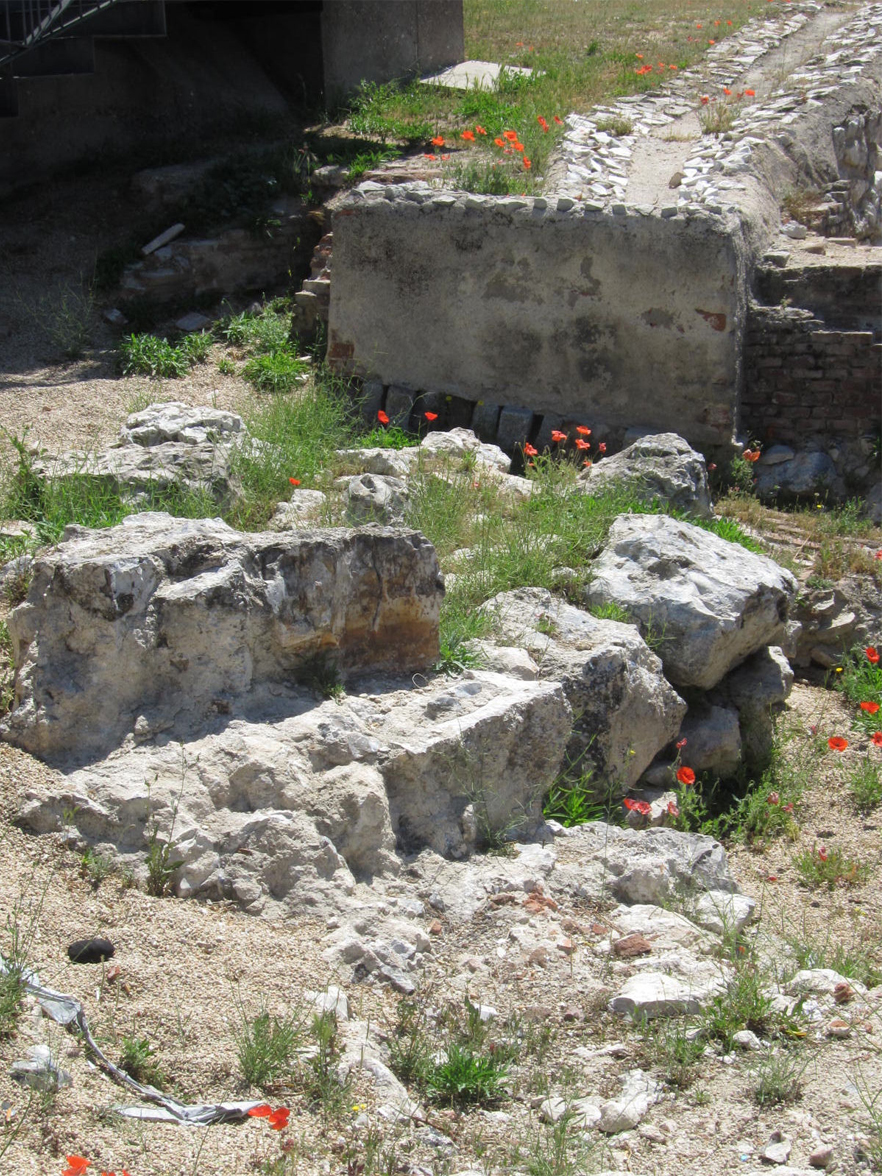
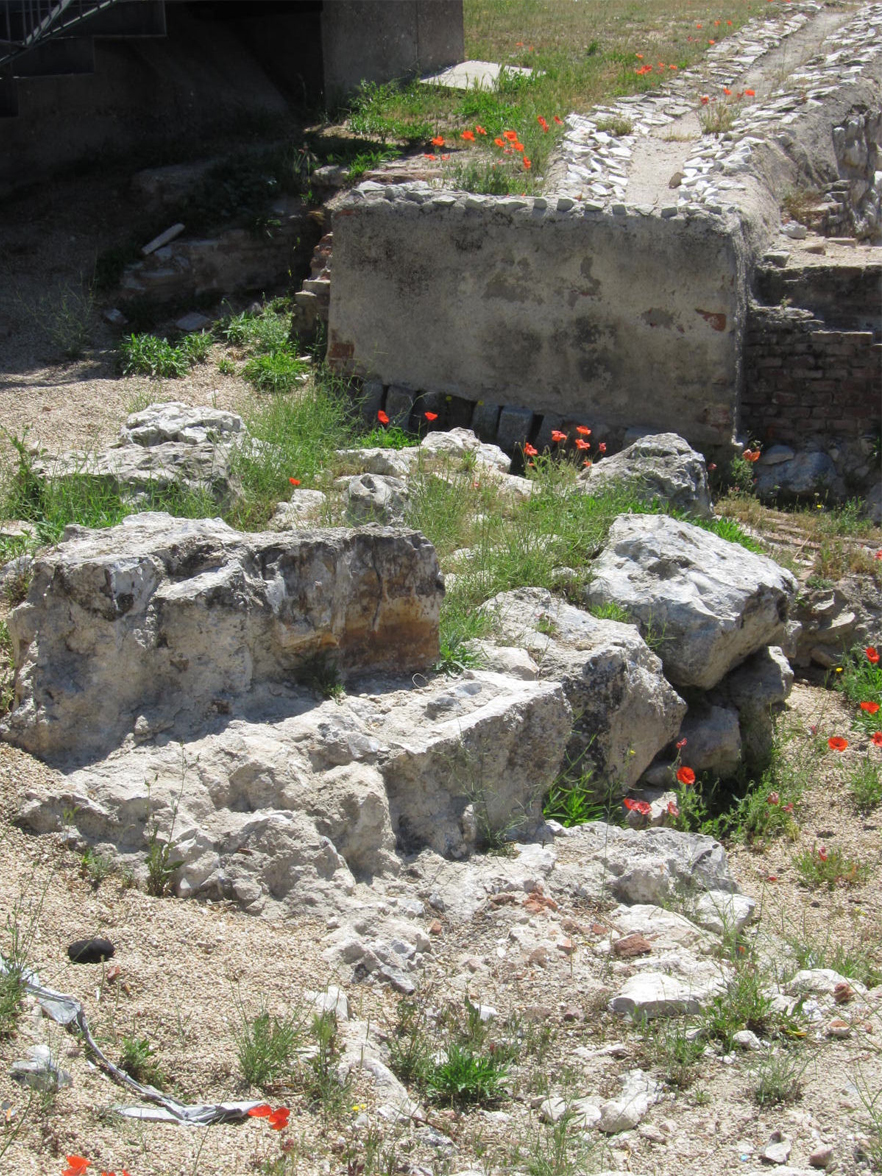
Os vestígios do século IX de Mayrit, a fortaleza muçulmana que precedeu Madrid, cuja construção foi ordenada pelo emir Muhammad I entre 860 e 880 d.C. num promontório sobre o rio Manzanares.
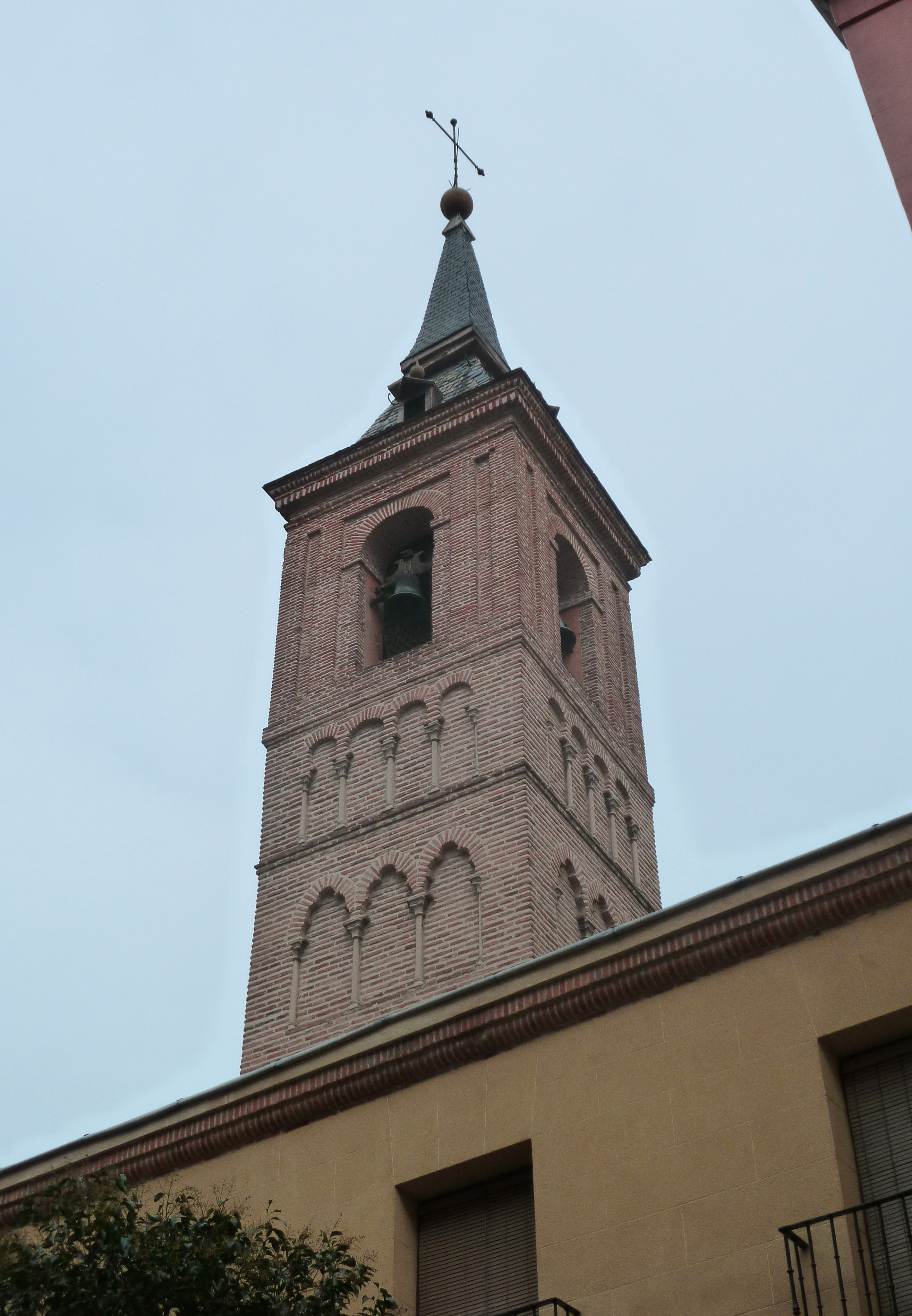
A torre de igreja mais antiga de Madrid, um minarete mudéjar do século XII convertido num campanário cristão após a Reconquista — a personificação arquitetónica do artesanato islâmico ao serviço do culto cristão.
Três edifícios que abrangem três séculos — a Torre de los Lujanes do século XV, onde Francisco I de França foi aprisionado, a Casa de Cisneros do século XVI e a Casa de la Villa do século XVII — cada um marcando uma era diferente da ascensão de Madrid.
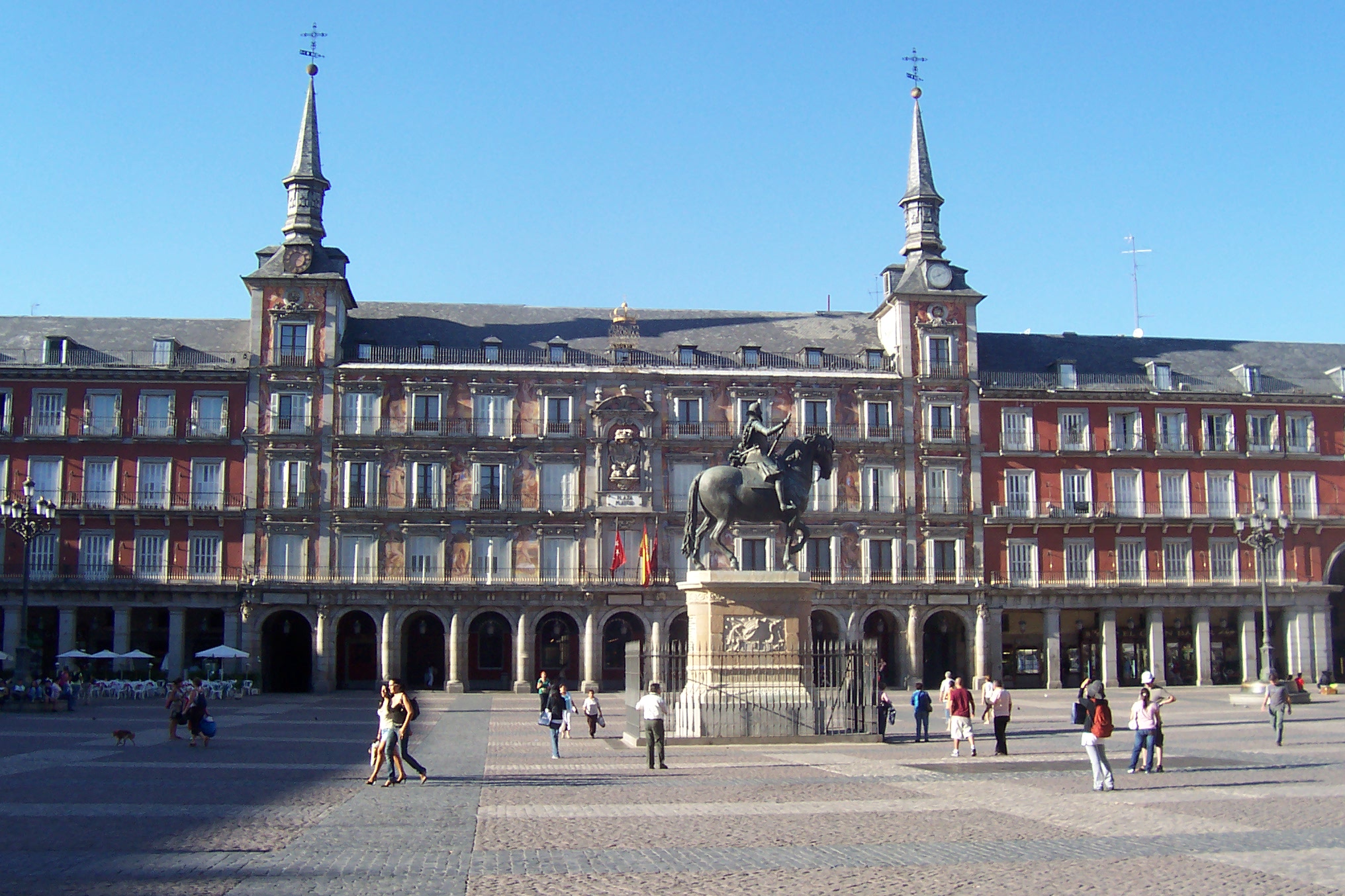
A grande praça de Filipe III, concluída em 1619 pelo arquiteto Juan Gómez de Mora — 237 varandas dispostas como camarotes de teatro em torno de uma afirmação arquitetónica unificada do poder e austeridade dos Habsburgos.
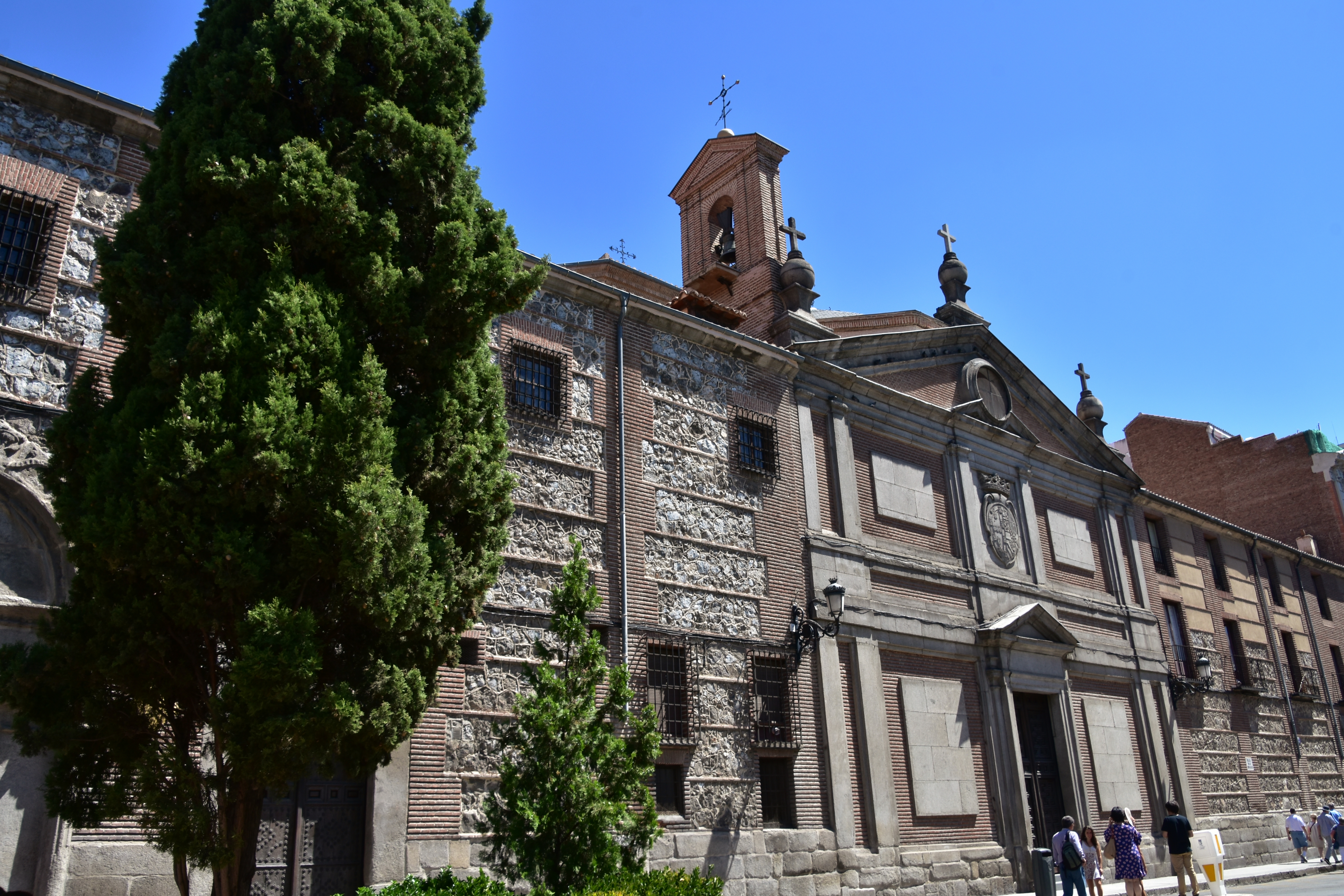
Um convento renascentista fundado em 1559 por Joana de Áustria, irmã de Filipe II, que esconde uma das coleções de arte mais ricas de Madrid atrás de paredes austeras dos Habsburgos — a pura dualidade arquitetónica no coração do poder.
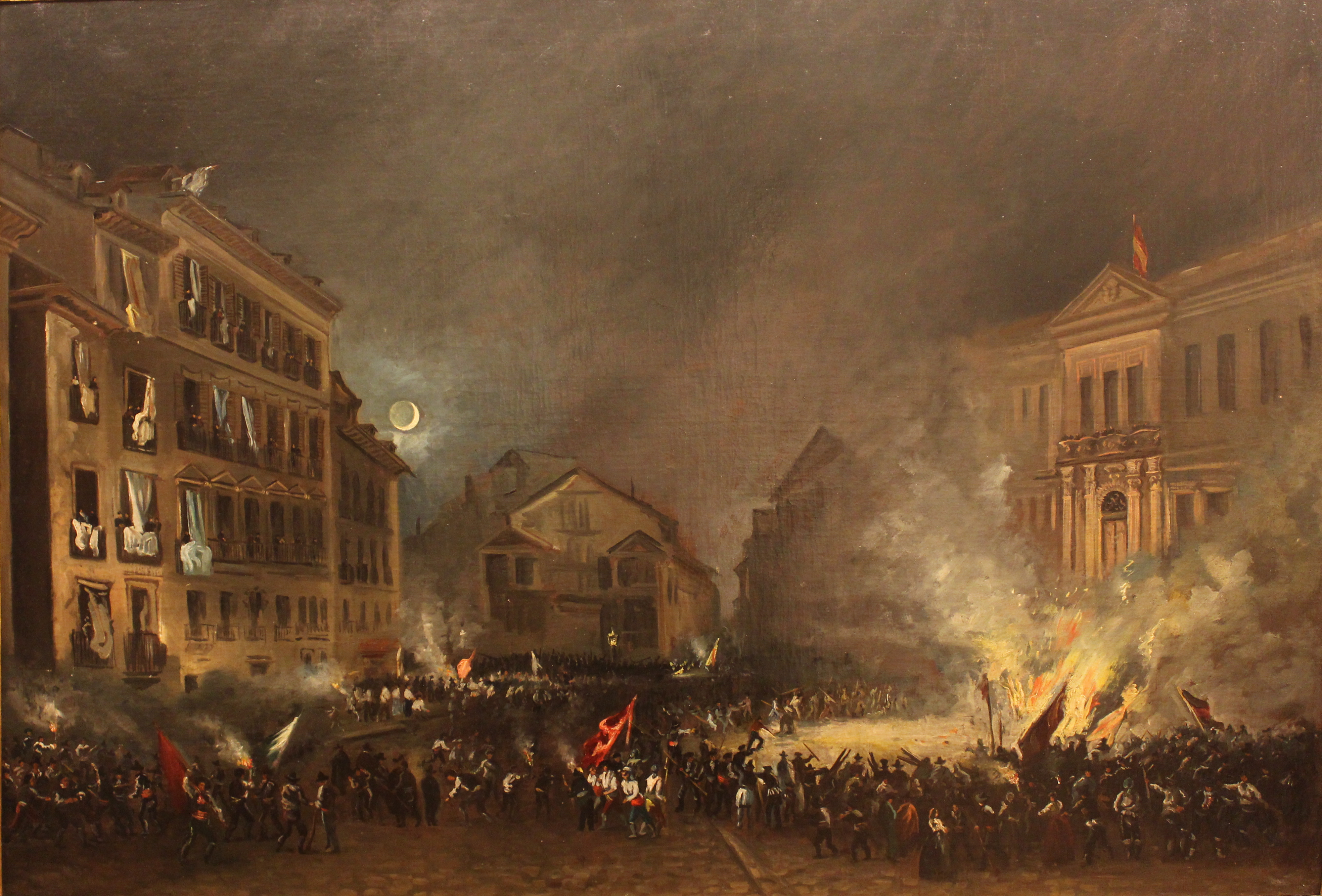
O elegante correio de Jacques Marquet de 1768 marca o pivô arquitetónico onde a austeridade dos Habsburgos cede lugar à elegância Bourbon e ao racionalismo do Iluminismo.
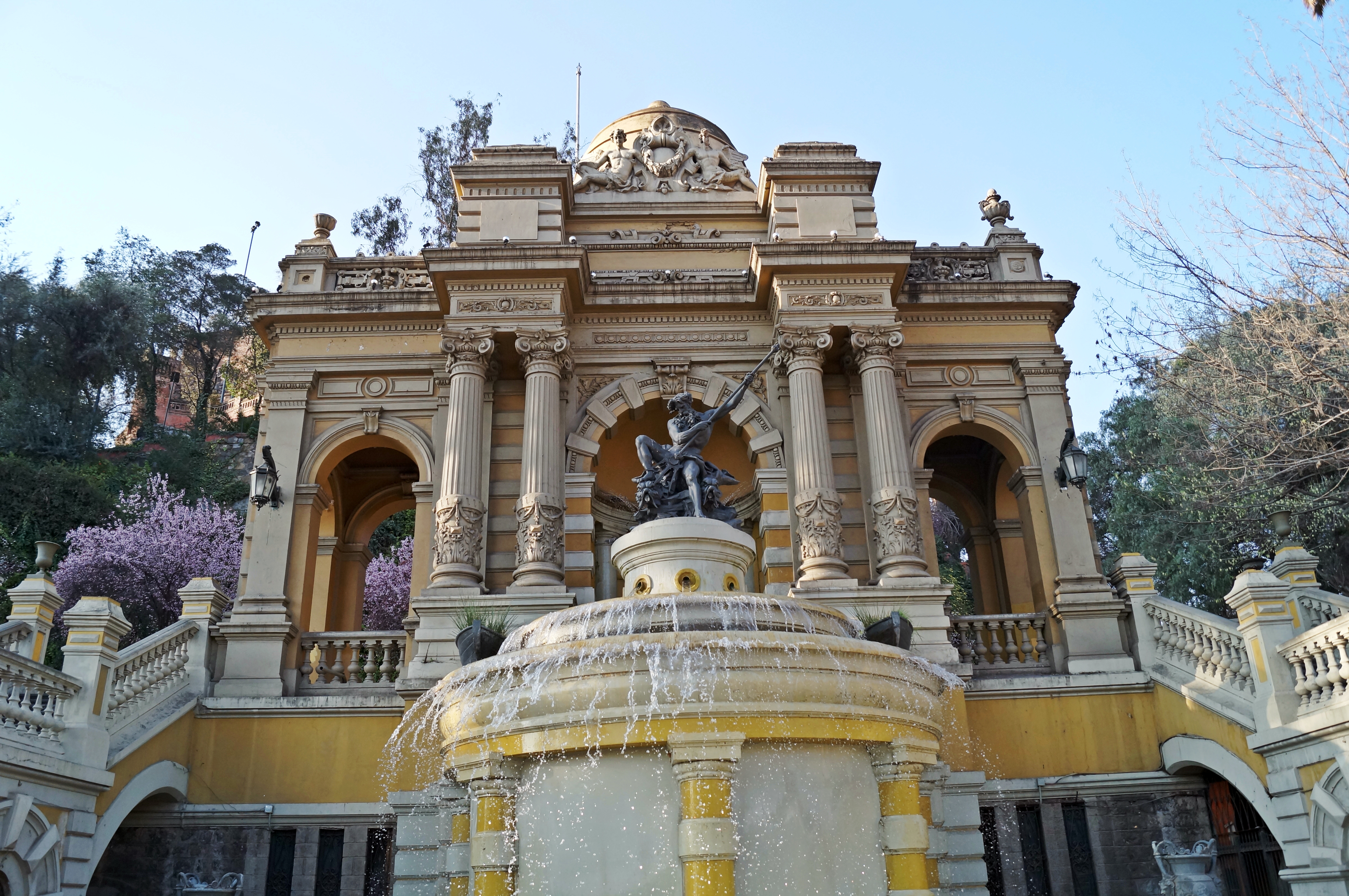
A fonte de Neptuno (1782-1786), desenhada por Ventura Rodríguez e esculpida por Juan Pascual de Mena, personifica a visão de Carlos III de transformar Madrid através da beleza do Iluminismo, planeamento racional e magnificência cívica pública.
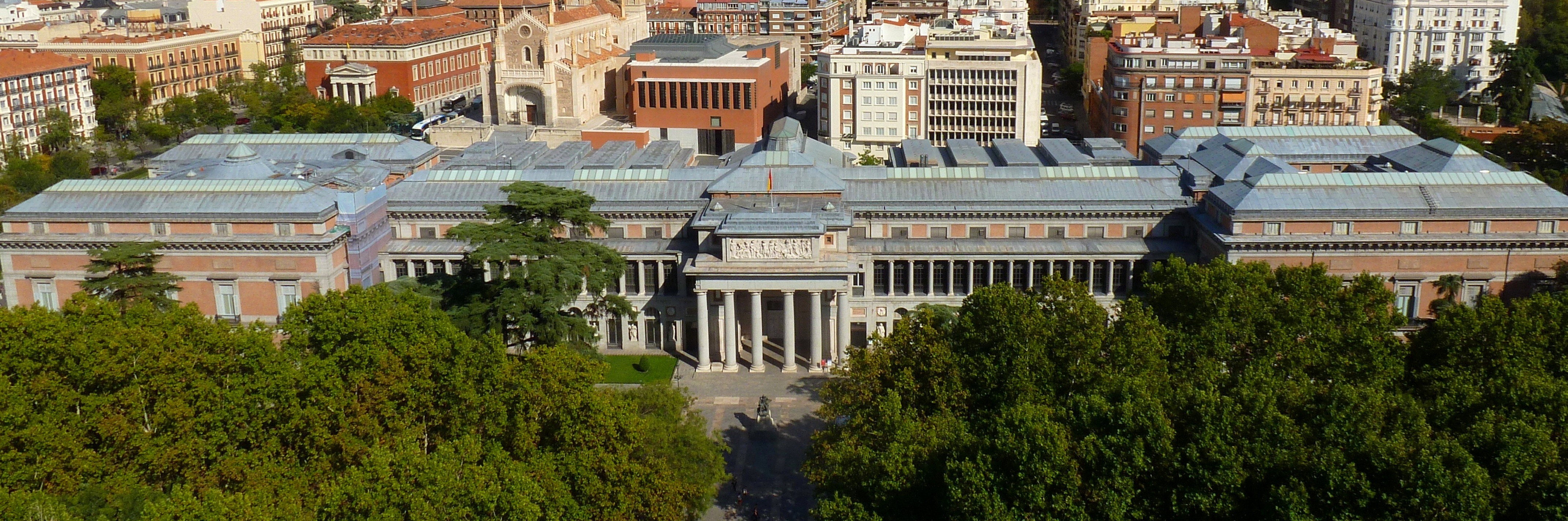
Originalmente desenhado como um Gabinete de História Natural por Juan de Villanueva em 1785 para personificar os ideais do Iluminismo Bourbon, o Prado tornou-se o maior museu de arte de Espanha quando abriu ao público em 1819. O exterior neoclássico reflete a estética racional e monumental que marcou a transformação de Madrid sob Carlos III.
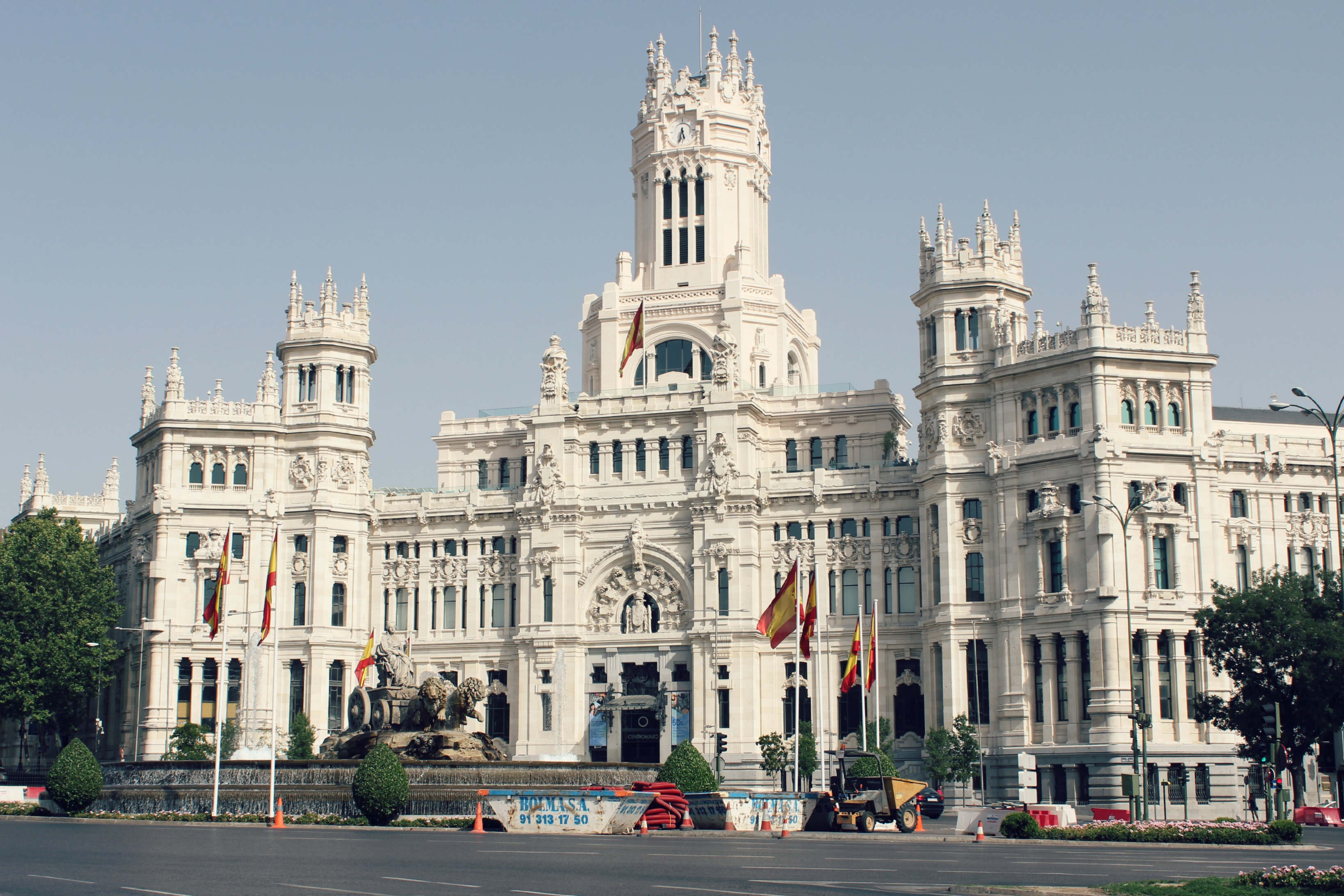
A fonte neoclássica de Cibeles, encomendada por Carlos III e concluída em 1782, destaca-se como a joia da coroa da estética Bourbon — uma obra-prima em mármore branco onde a transformação de Madrid numa capital Iluminada atinge o seu zénite. Hoje, permanece viva com o ritual de ser o local das celebrações dos troféus do Real Madrid.
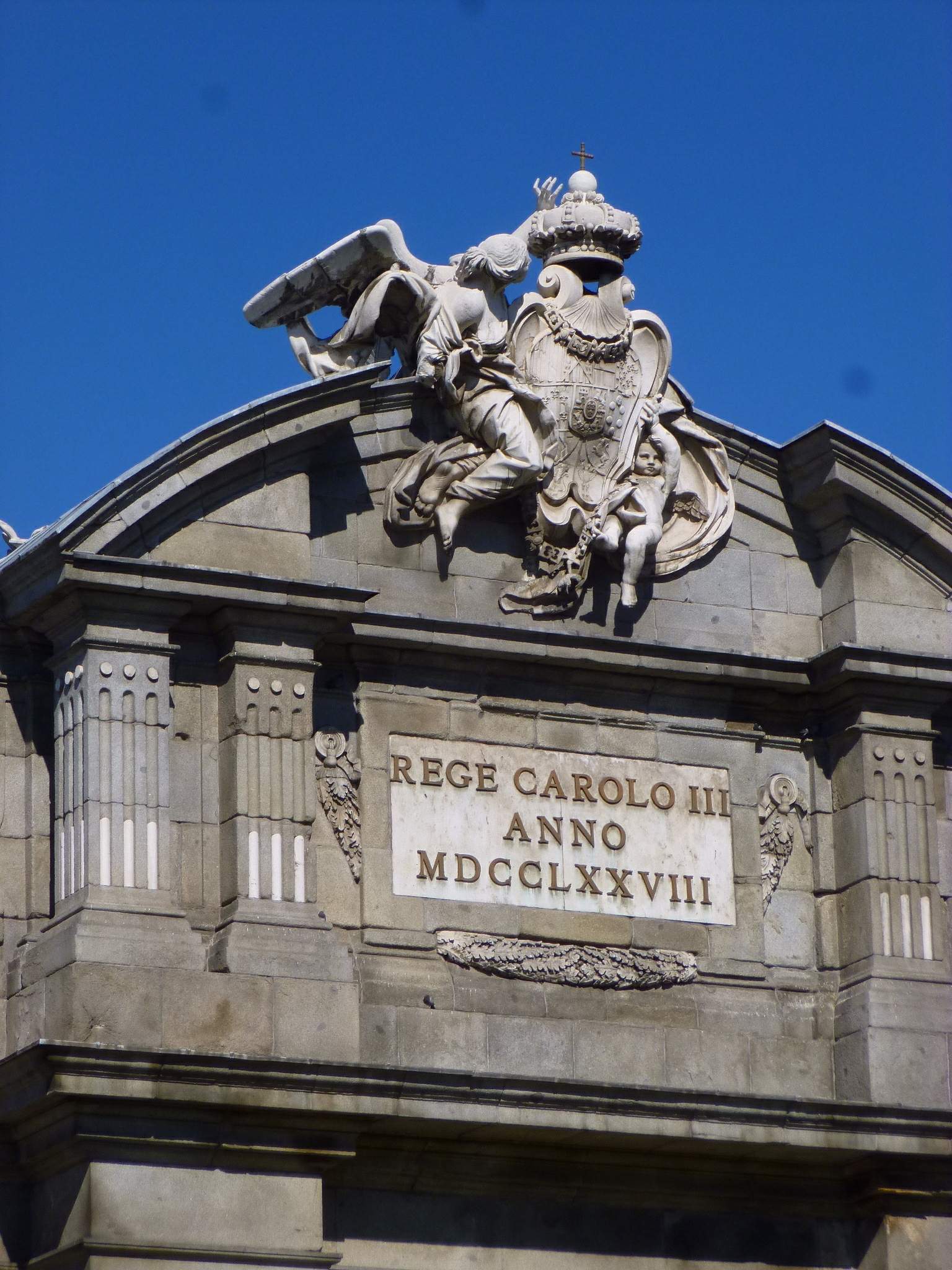
O primeiro arco triunfal moderno da Europa, concluído em 1778 pelo arquiteto Francesco Sabatini, ergue-se como a afirmação monumental de Carlos III de que Madrid merecia portões de cidade dignos de uma grande capital europeia. A entrada neoclássica de granito marca o culminar da transformação Bourbon — o arco da fortaleza defensiva à capital iluminada completo.
Esta é a história real de uma das paragens deste percurso — cada paragem tem a sua.
Um passeio essencial para quem visita pela primeira vez, ligando os marcos mais emblemáticos de Madrid e revelando…
Caminhe pela avenida mais ambiciosa de Madrid para entender como a cidade demoliu o seu passado medieval para…
Fuja do circuito turístico e descubra a Madri que os locais tesouram — o jardim secreto de um pintor em Chamberí, uma…
Usamos cookies para analisar o tráfego do site e melhorar a sua experiência. Pode aceitar ou rejeitar os cookies de análise. Saiba mais