Мадрид · Spain
Мадрид Габсбургов и Бурбонов — две династии, один город
Мадрид, Spain
Muralla Árabe: остатки крепости IX века, древнее самой Испании Plaza Mayor: 237 балконов как символ театральности власти Габсбургов Museo del Prado: храм науки, ставший художественным музеем эпохи Бурбонов Puerta de Alcalá: первая в Европе триумфальная арка современного типа
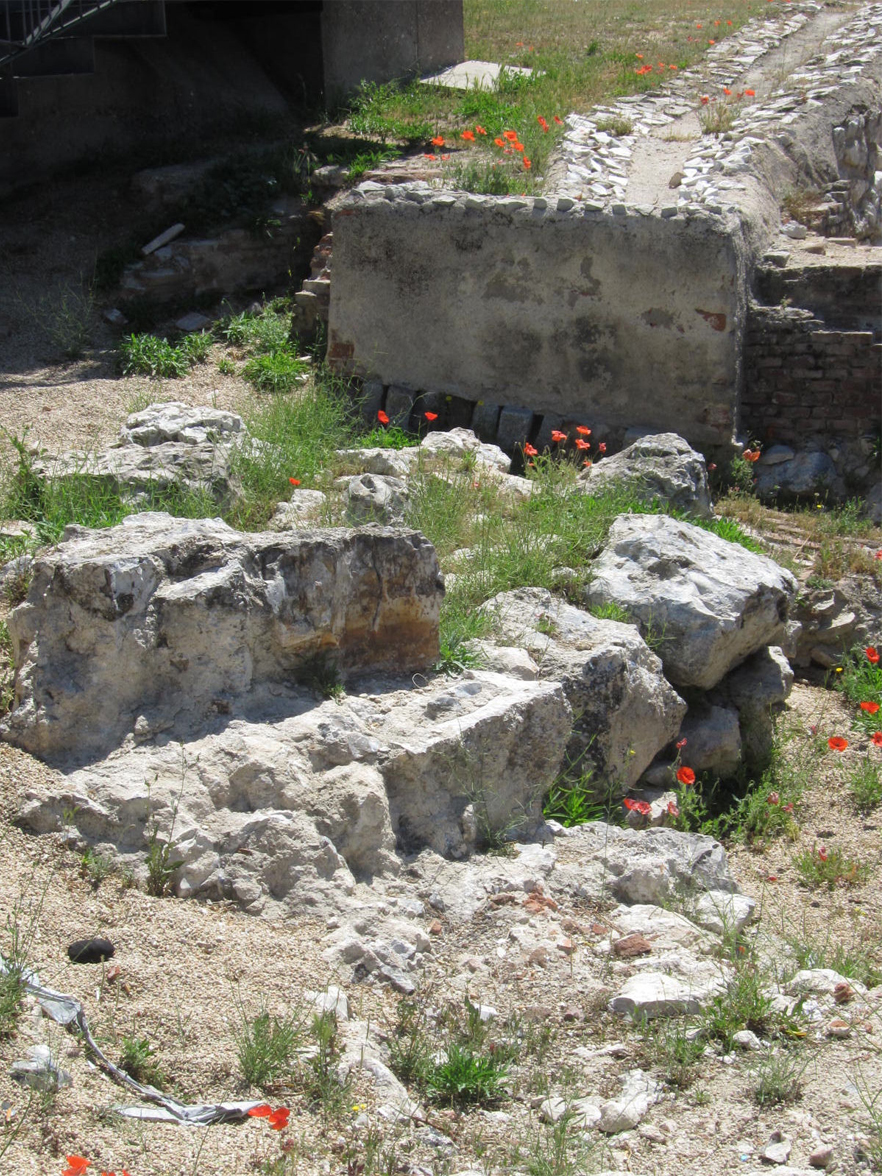
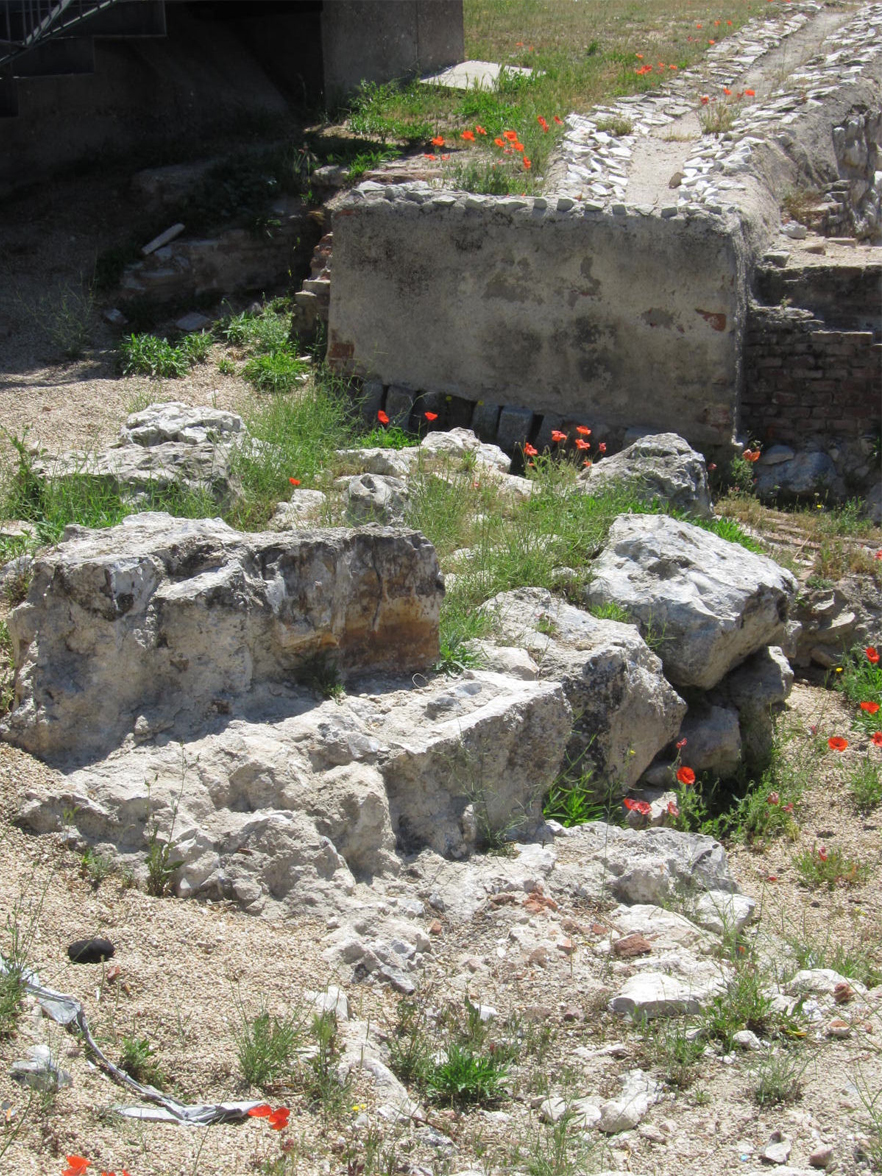
Остатки исламской крепости IX века Майрит, предшествовавшей Мадриду; построена по приказу эмира Мухаммада I между 860 и 880 годами на возвышенности над рекой Мансанарес.
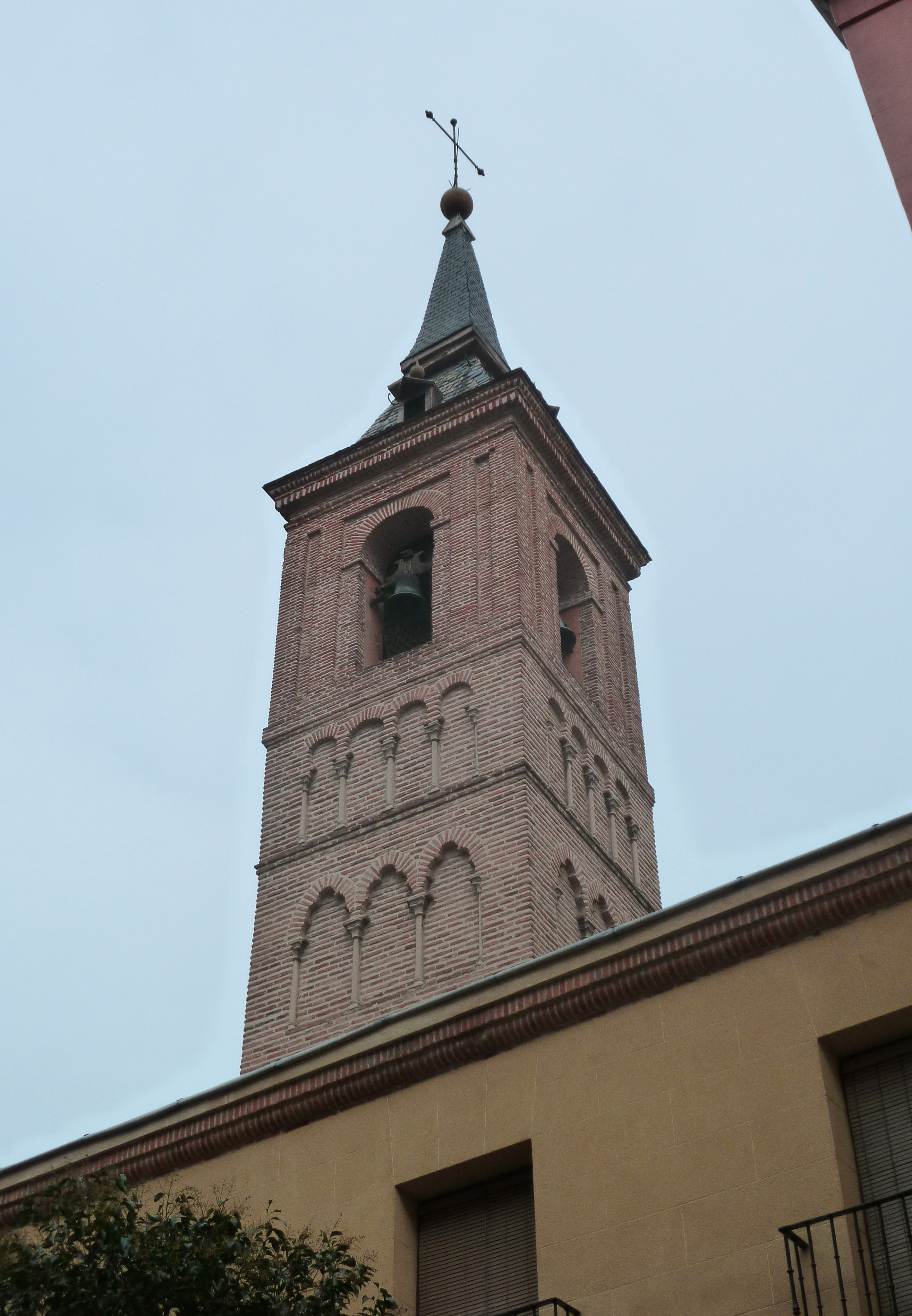
Старейшая церковная колокольня Мадрида: минарет XII века в стиле мудехар, ставший христианской колокольней после Реконкисты — архитектурное воплощение исламского мастерства на службе у христианского богослужения.
Три здания трех веков: башня Torre de los Lujanes (XV век), где был в заточении Франциск I, дворец Casa de Cisneros (XVI век) и здание мэрии Casa de la Villa (XVII век) — каждое знаменует эпоху возвышения Мадрида.
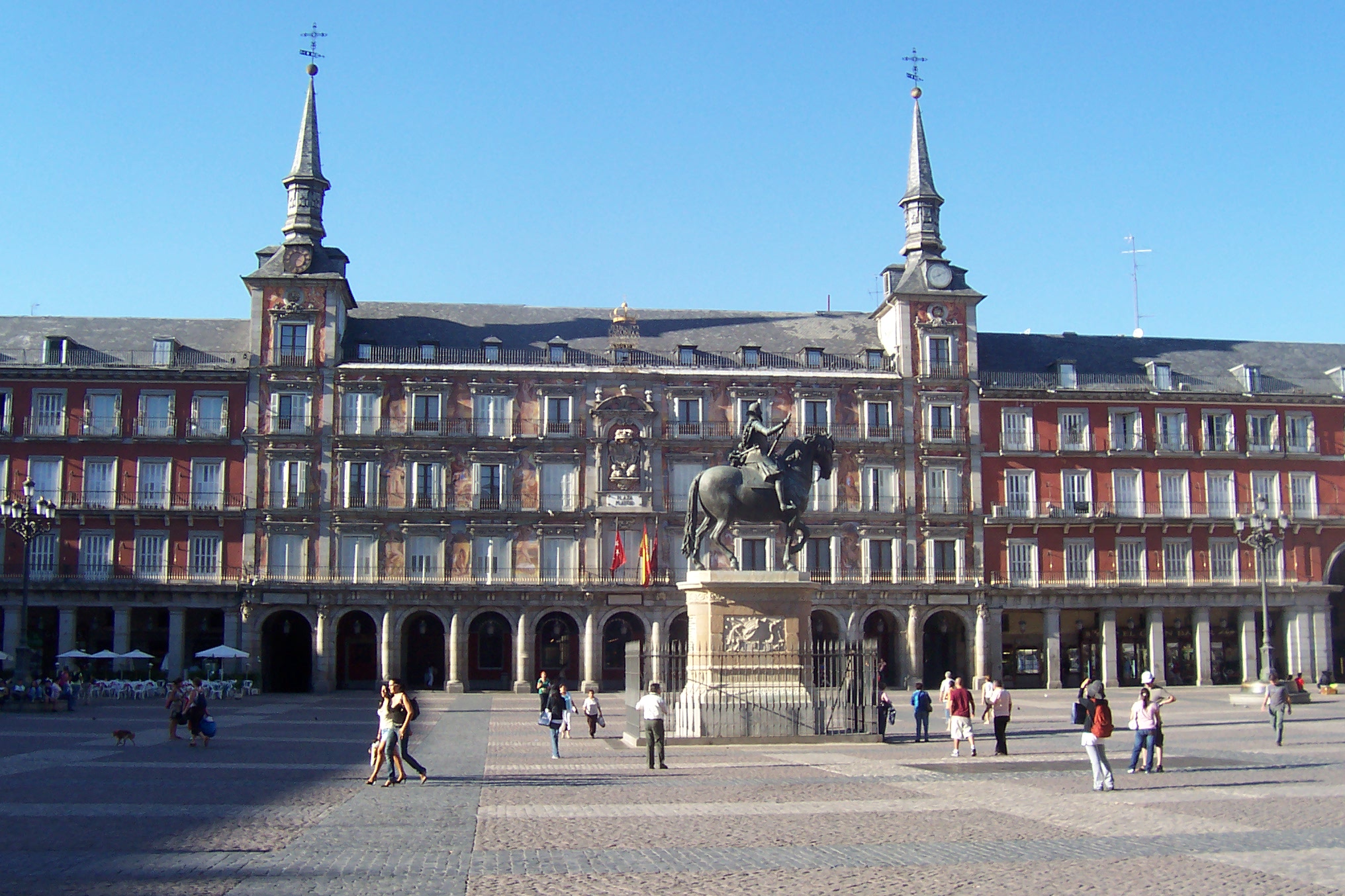
Грандиозная площадь Филиппа III, завершенная в 1619 году архитектором Хуаном Гомесом де Мора: 237 балконов, расположенных как театральные ложи, — единый архитектурный манифест власти и аскетизма Габсбургов.
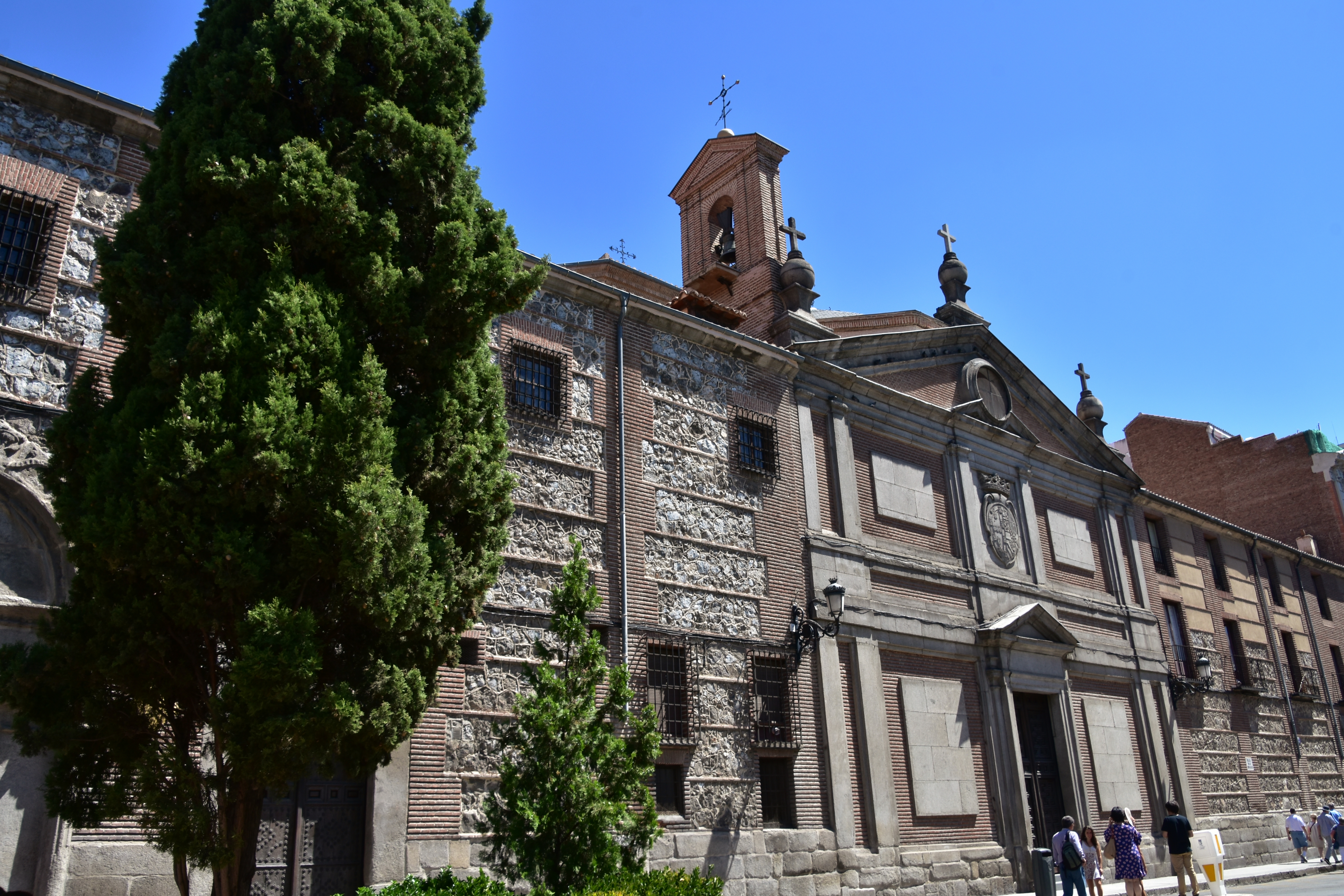
Ренессансный монастырь, основанный в 1559 году Хуаной Австрийской, сестрой Филиппа II. За строгими стенами Габсбургов скрывается одно из богатейших собраний искусства в Мадриде — чистое архитектурное отражение дуальности власти.
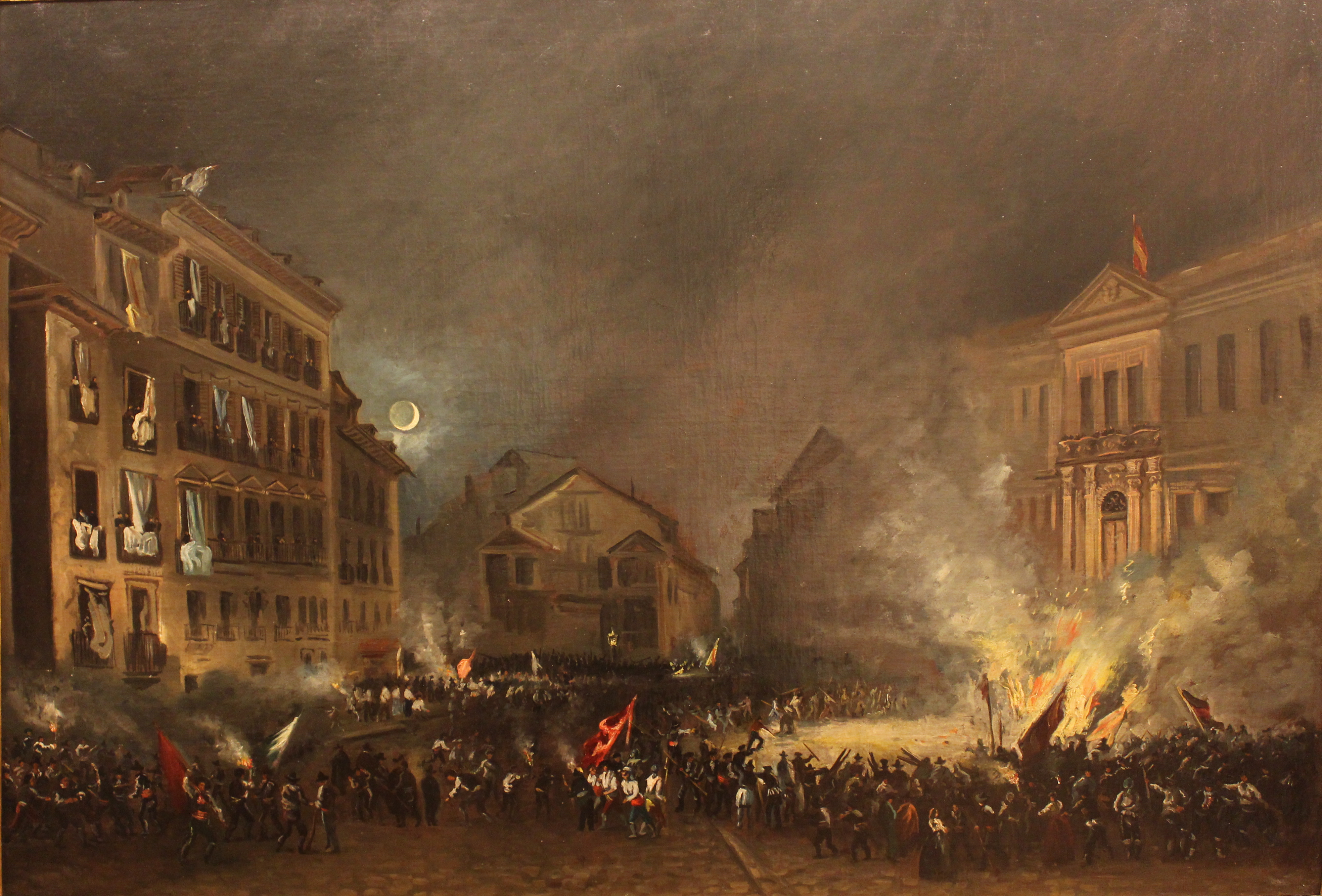
Элегантное здание почты 1768 года работы Жака Марке знаменует архитектурный поворот, где строгость Габсбургов уступает место элегантности Бурбонов и рационализму Просвещения.
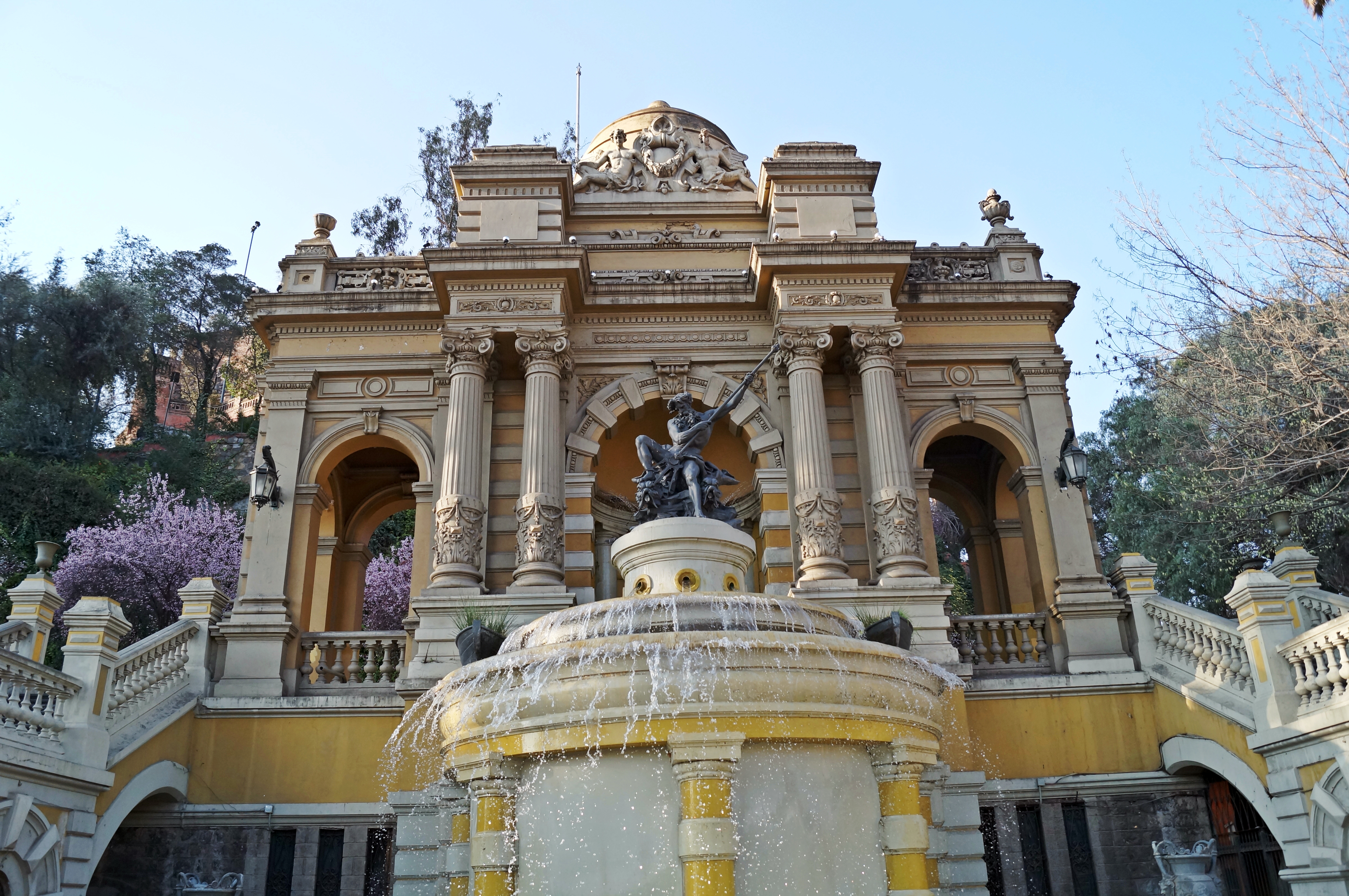
Фонтан Нептуна (1782–1786), спроектированный Вентурой Родригесом и созданный скульптором Хуаном Паскуалем де Меной, воплощает видение Карла III по преображению Мадрида через красоту Просвещения, рациональное планирование и публичное гражданское великолепие.
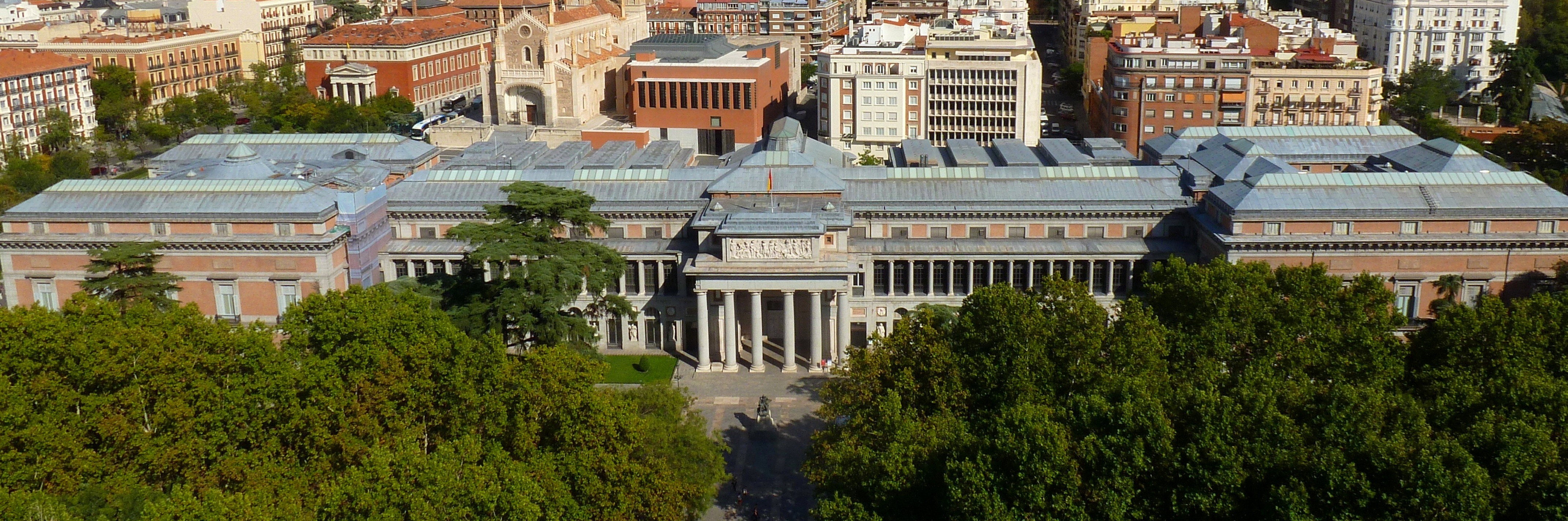
Первоначально спроектированный как Кабинет естественной истории Хуаном де Вильянуэвой в 1785 году, музей Прадо стал величайшим художественным собранием Испании после открытия для публики в 1819 году. Неоклассический экстерьер отражает рациональную, монументальную эстетику, ознаменовавшую трансформацию Мадрида при Карле III.
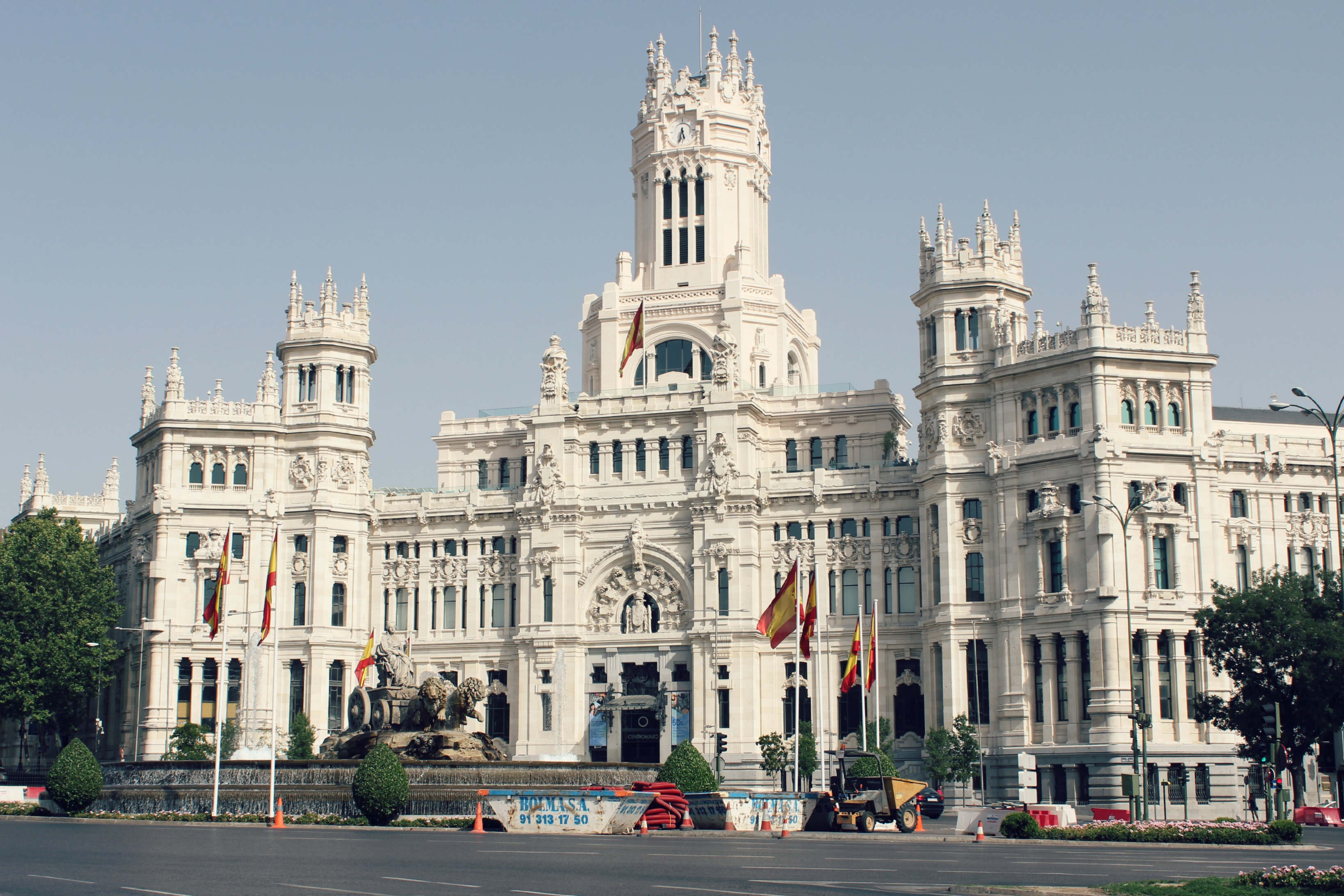
Неоклассический фонтан Сибелес, заказанный Карлом III и завершенный в 1782 году, является жемчужиной эстетики Бурбонов — шедевр из белого мрамора, где трансформация Мадрида в просвещенную столицу достигает зенита. Сегодня площадь живет ритуалом — здесь «Реал Мадрид» празднует свои победы.
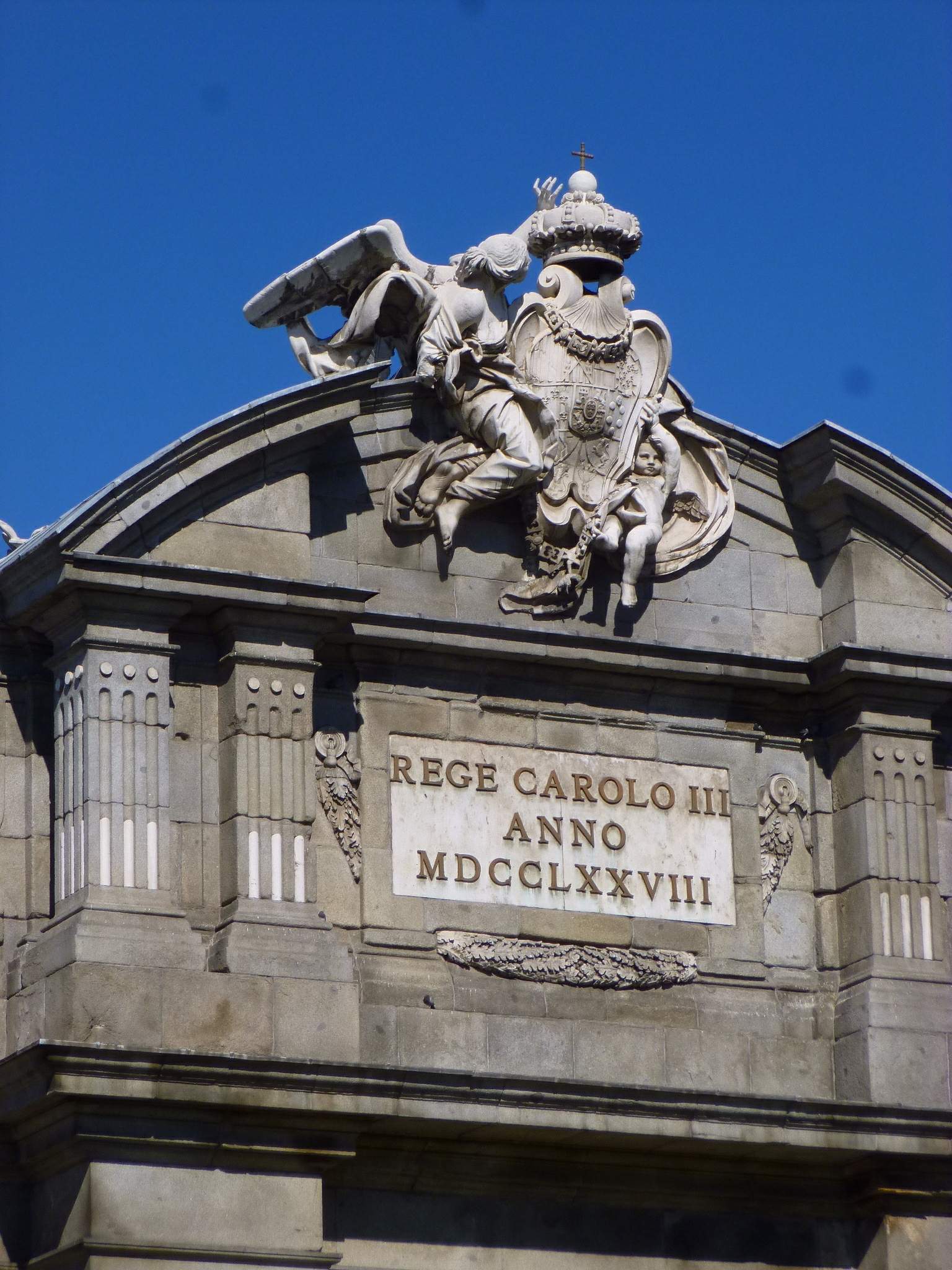
Первая в Европе современная триумфальная арка, завершенная в 1778 году архитектором Франческо Сабатини, стоит как монументальное заявление Карла III о том, что Мадрид заслуживает городских ворот, достойных великой европейской столицы. Неоклассические гранитные ворота знаменуют кульминацию трансформации Бурбонов — дуга от оборонительной крепости к просвещенной столице завершена.
Это настоящий рассказ об одной из точек этого маршрута — у каждой точки есть свой.
Обязательная прогулка для тех, кто в городе впервые. Маршрут соединяет самые знаковые достопримечательности Мадрида и…
Прогуляйтесь по самому амбициозному бульвару Мадрида, чтобы понять, как город разрушил свое средневековое прошлое ради…
Прогуляйтесь по следам Сервантеса, Лопе де Веги и писателей, сделавших Мадрид литературной столицей — от соперничества…
Мы используем файлы cookie для анализа трафика сайта и улучшения вашего опыта. Вы можете принять или отклонить аналитические файлы cookie. Узнать больше