Literary Madrid — The Golden Age & Beyond
Madrid · Spain

Literary Madrid — The Golden Age & Beyond

Madrid, Spain
72
Duration (min)
2.5
Distance (km)
8
Stops
Easy
Difficulty

Description

Walk in the footsteps of Cervantes, Lope de Vega, and the writers who made Madrid a literary capital, from Golden Age rivalries to Hemingway's favourite bars.

Highlights

Teatro Español: Spain's oldest active theatre since 1583 Calle de las Huertas: Golden Age poetry set in bronze in the pavement Cervantes and Lope de Vega: rival neighbours in life and death Retiro Park: a literary promenade among statues of giants
Tour Stops

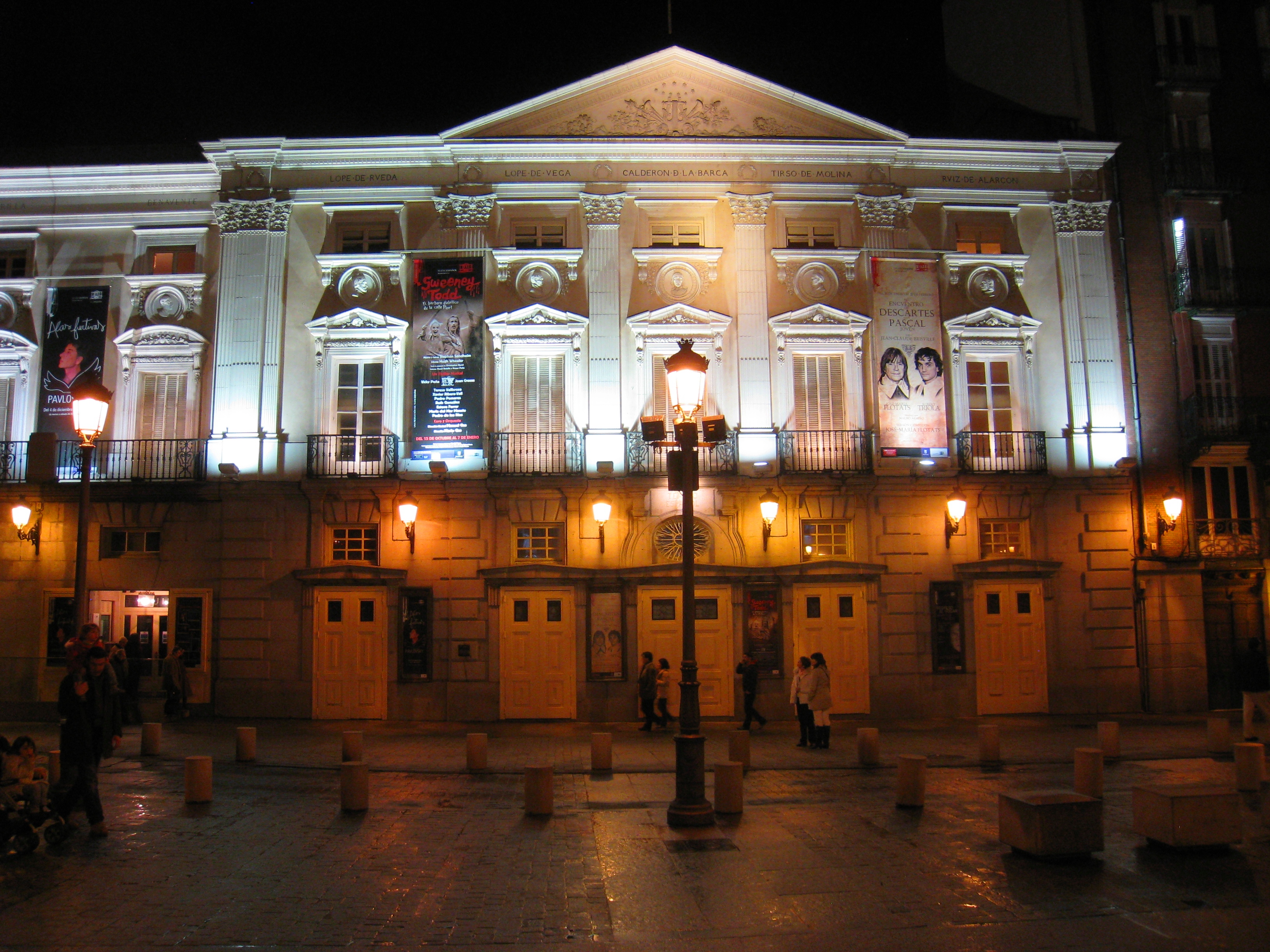
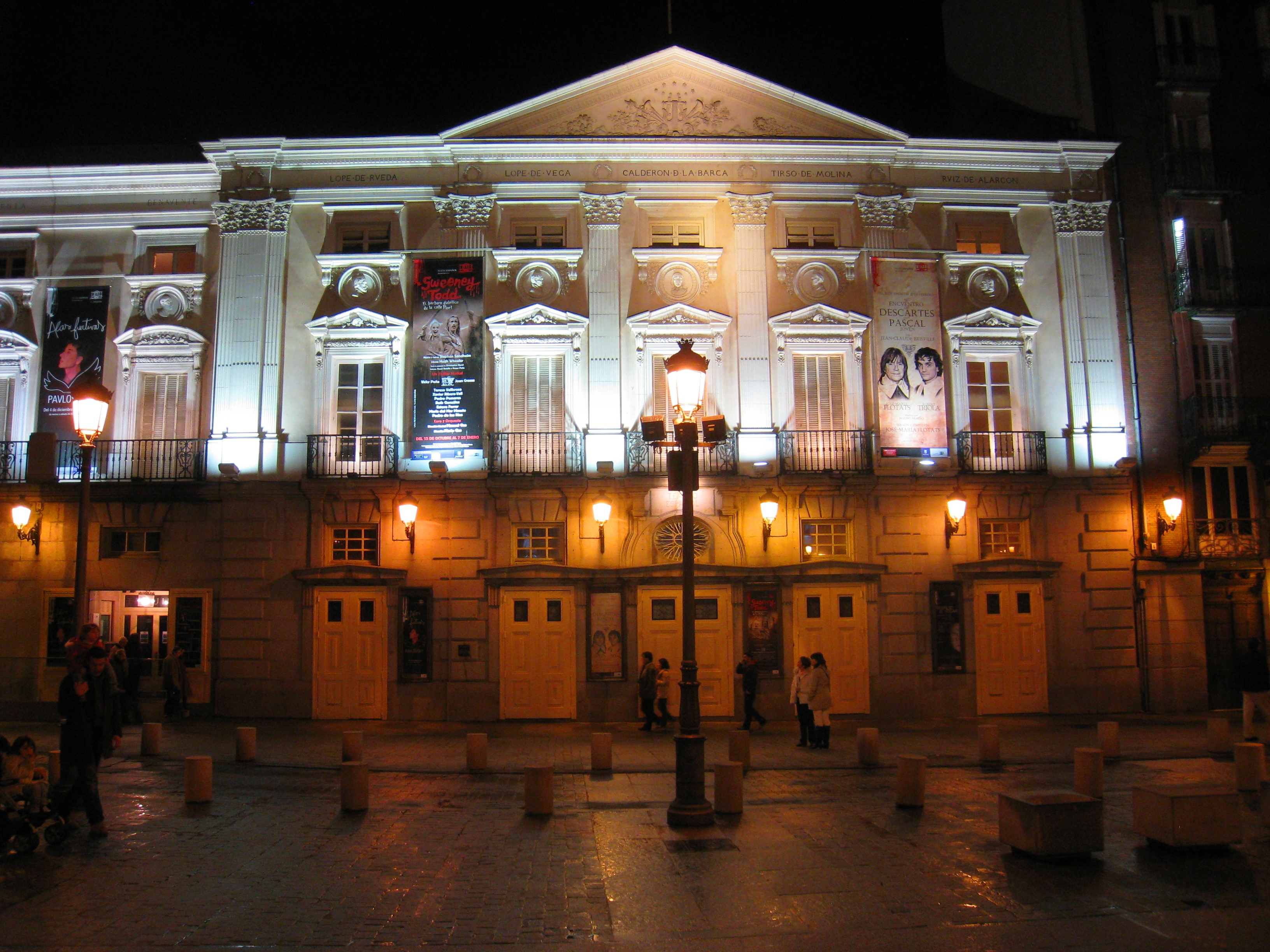
Plaza Santa Ana — Teatro Español
0

Plaza Santa Ana — Teatro Español

5 min

The literary walk begins at Madrid's most theatrical square, home to the Teatro Español (Spain's oldest active theater, established as Corral del Príncipe in 1583) and the statue of Federico García Lorca. This is where the greatest playwrights of the Golden Age premiered their works.
Calle de las Huertas
1

Calle de las Huertas

5 min

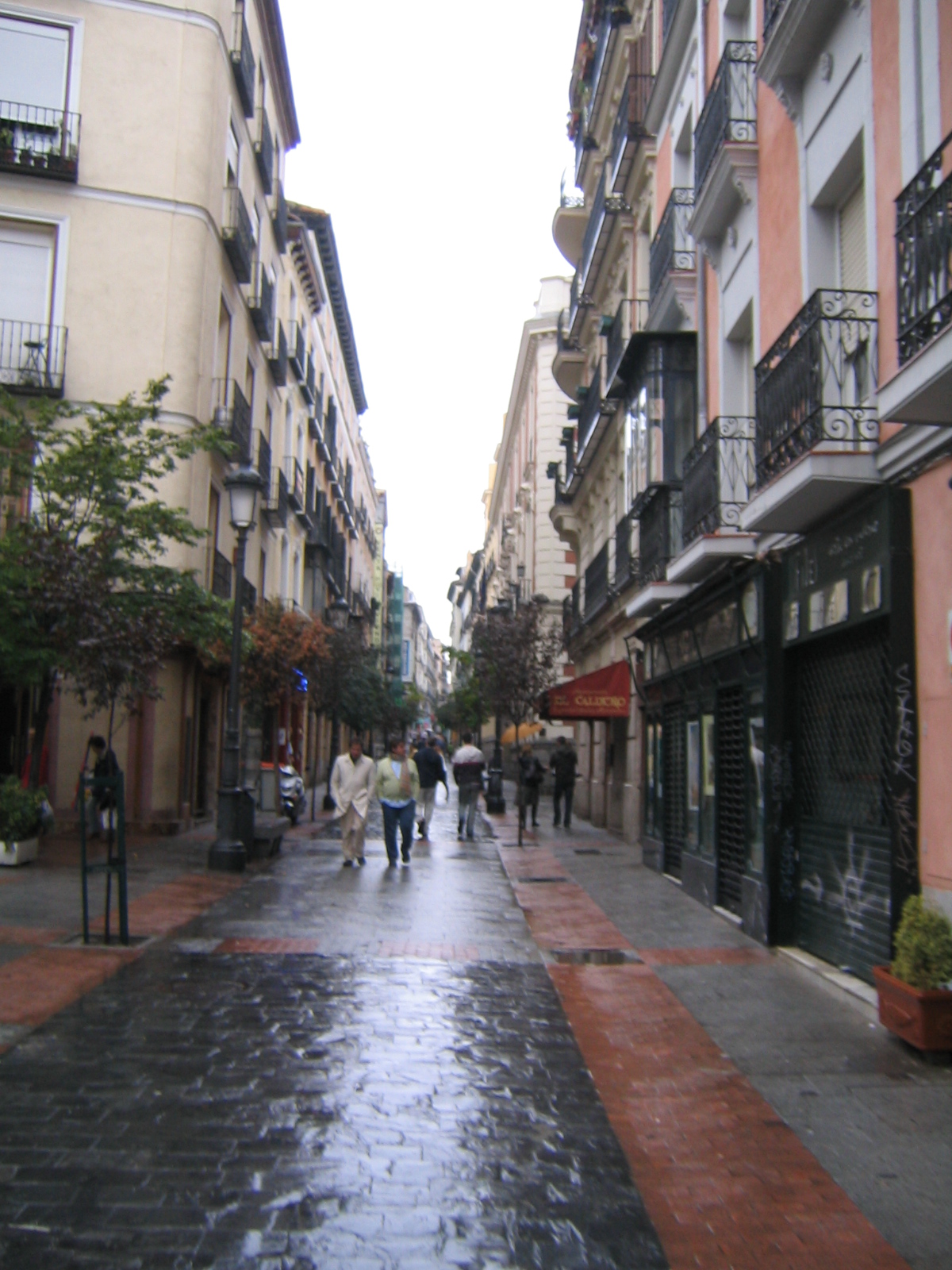
A pedestrian street where verses by Cervantes, Quevedo, and Lope de Vega are literally set in bronze and gold in the pavement—the literary heritage of the Golden Age quite literally beneath your feet.
Ateneo de Madrid
2

Ateneo de Madrid

4 min

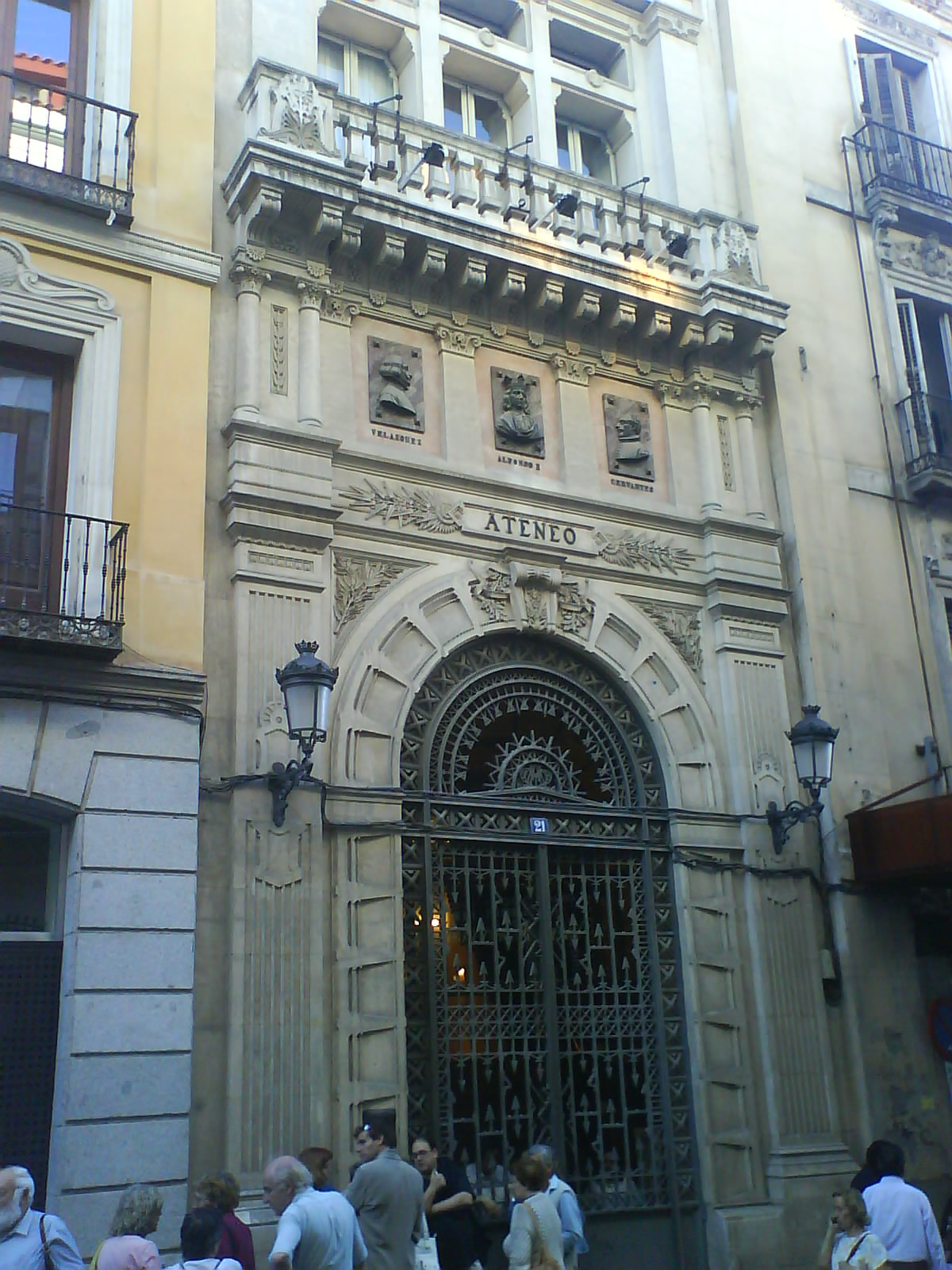
The intellectual heart of liberal Spain since 1835, a private cultural institution where writers, politicians, and thinkers have debated ideas in an extraordinary library with painted ceilings housed in a modernist building from 1884.
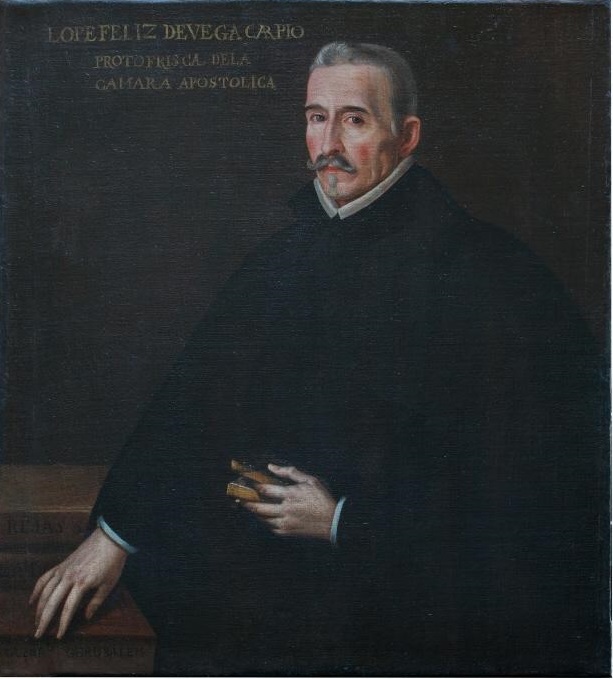
Casa-Museo de Lope de Vega
3

Casa-Museo de Lope de Vega

5 min

The reconstructed home of Spain's most prolific playwright (1,800+ plays), where Lope de Vega lived from 1610 until his death in 1635—preserved exactly as described in his own writings, complete with tiny garden, writing desk, and chapel.
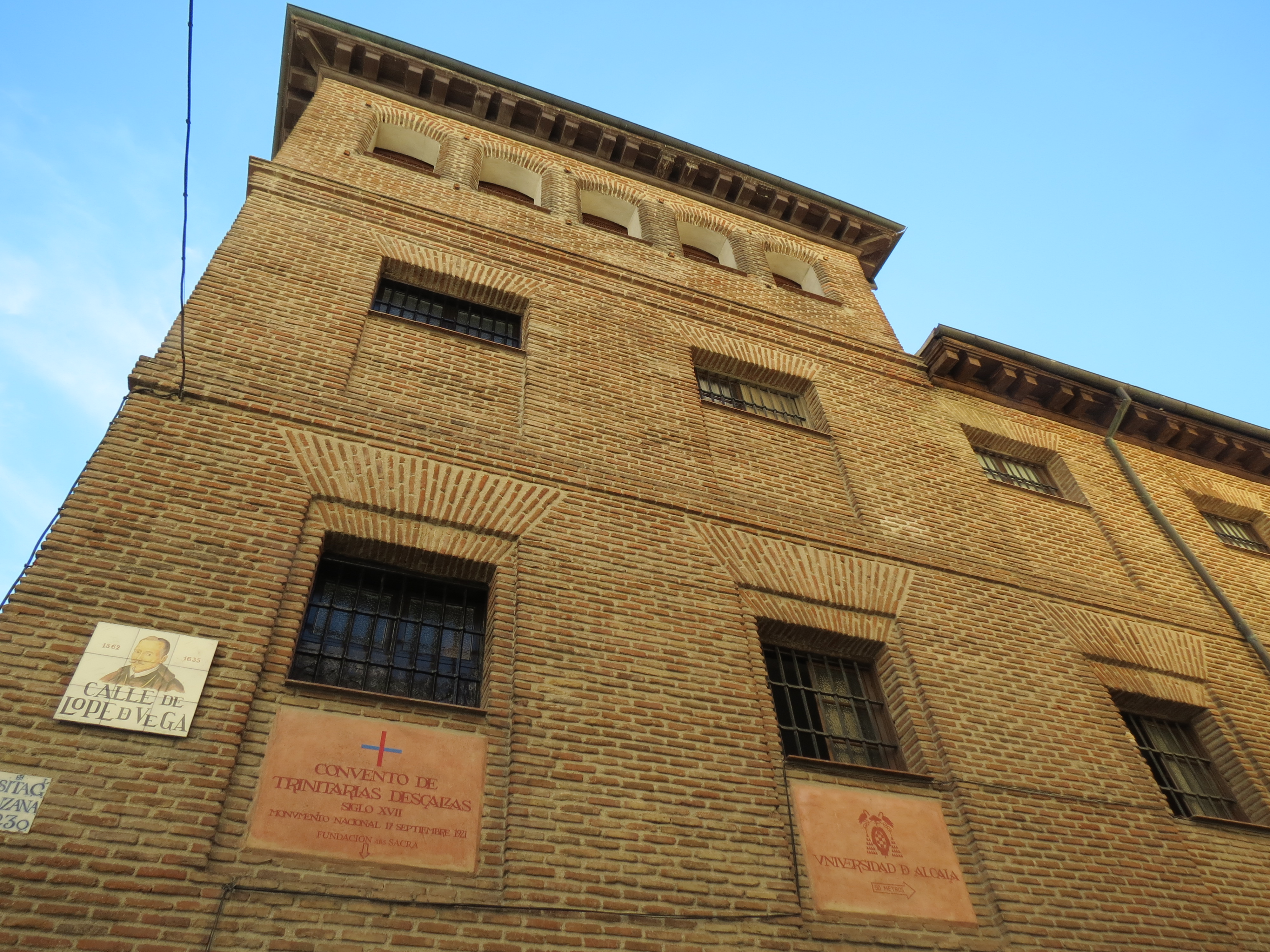
Convento de las Trinitarias Descalzas
4

Convento de las Trinitarias Descalzas

5 min

The burial site of Miguel de Cervantes, whose remains were lost for centuries until rediscovered in 2015 using ground-penetrating radar. The creator of Don Quixote rests behind these walls.
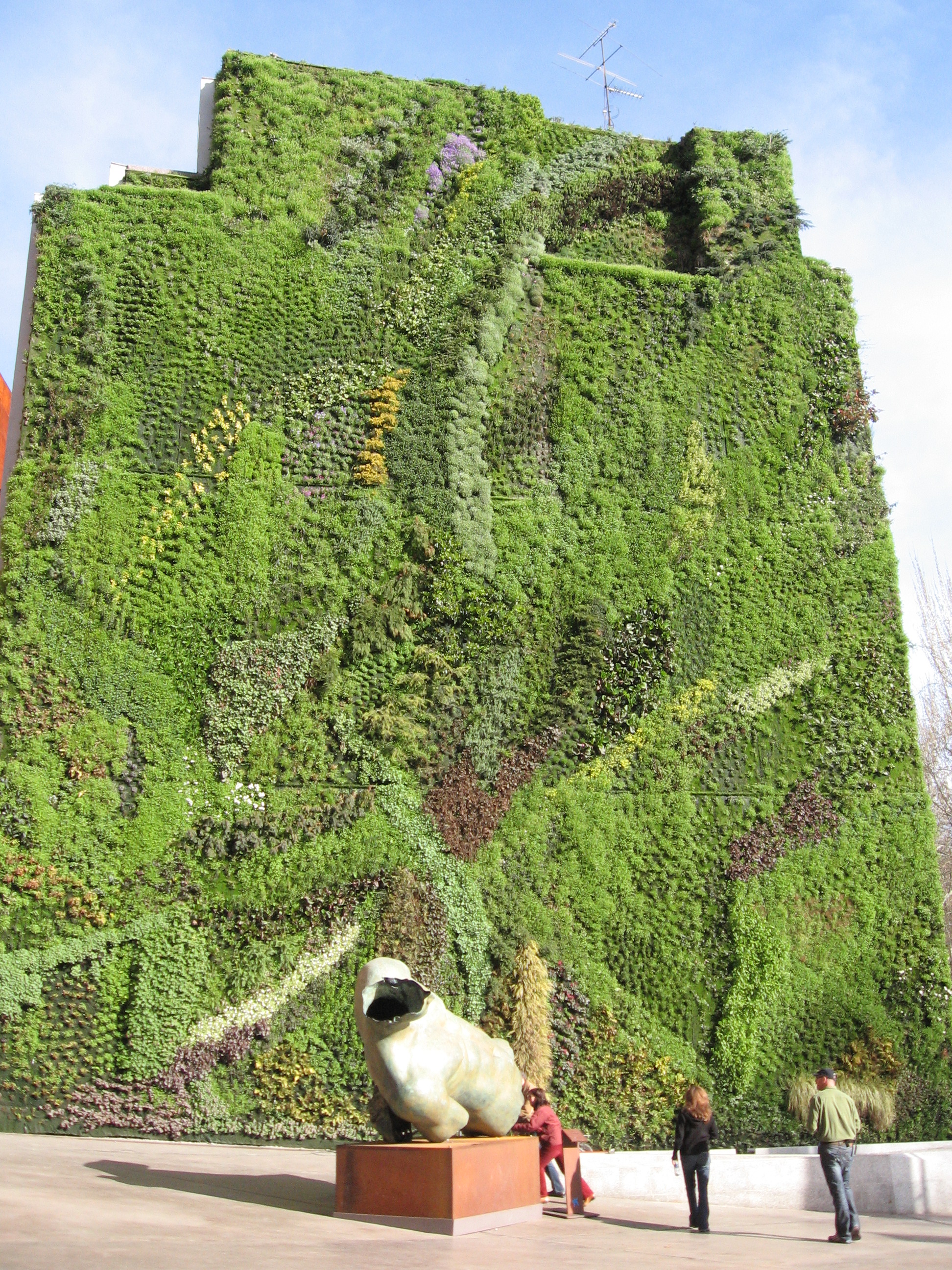
CaixaForum Madrid
5

CaixaForum Madrid

4 min

A 21st-century cultural centre housed in a former power station, crowned by a striking vertical garden and featuring world-class contemporary exhibitions. A testament to Madrid's cultural evolution beyond its Golden Age writers.
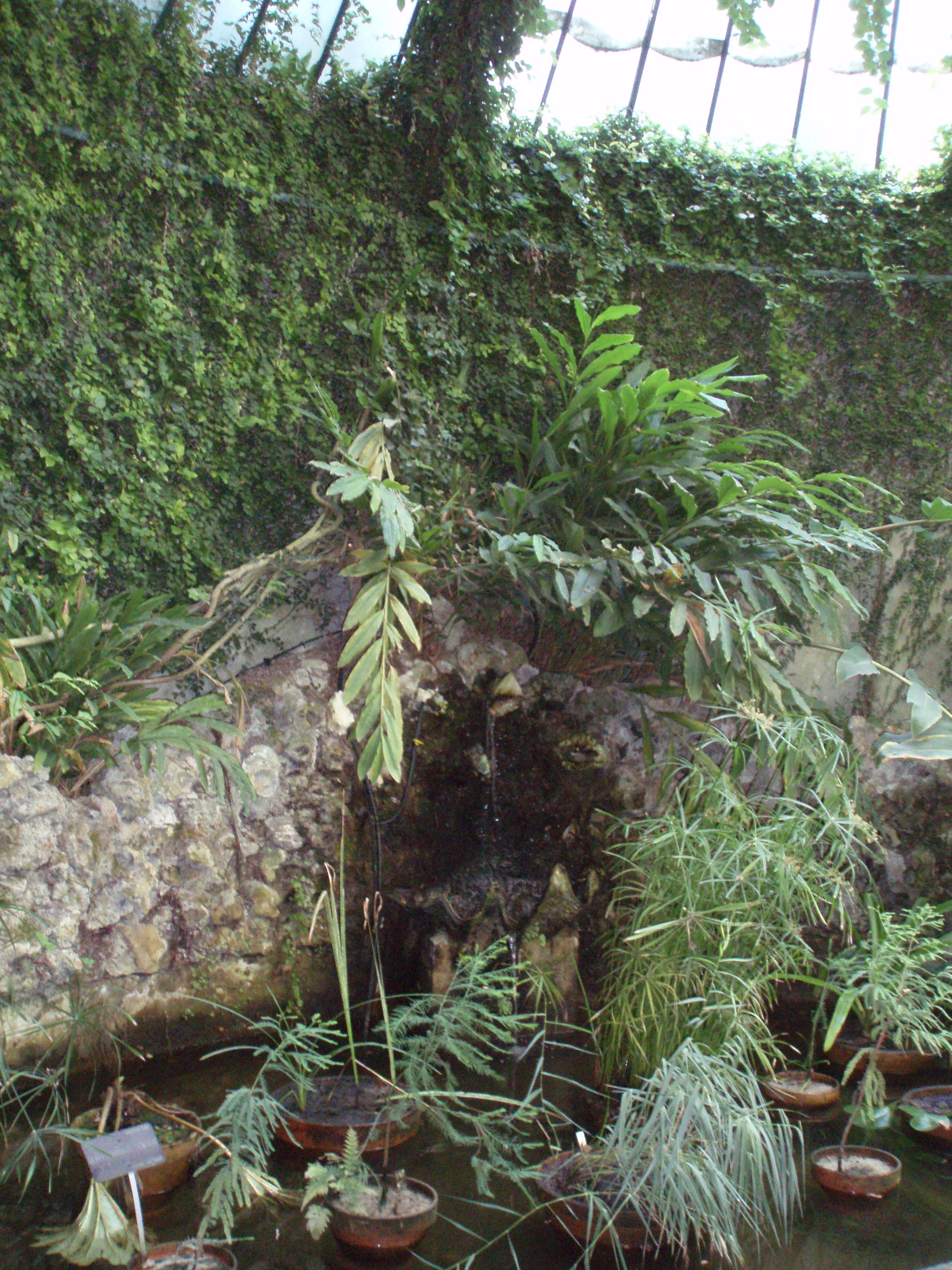
Real Jardín Botánico
6

Real Jardín Botánico

5 min

An 18th-century garden of Enlightenment science where naturalists catalogued the flora of Spain's empire, and where writers still find contemplation among 30,000 plants. Founded in 1755, relocated to its current Paseo del Prado location in 1781.
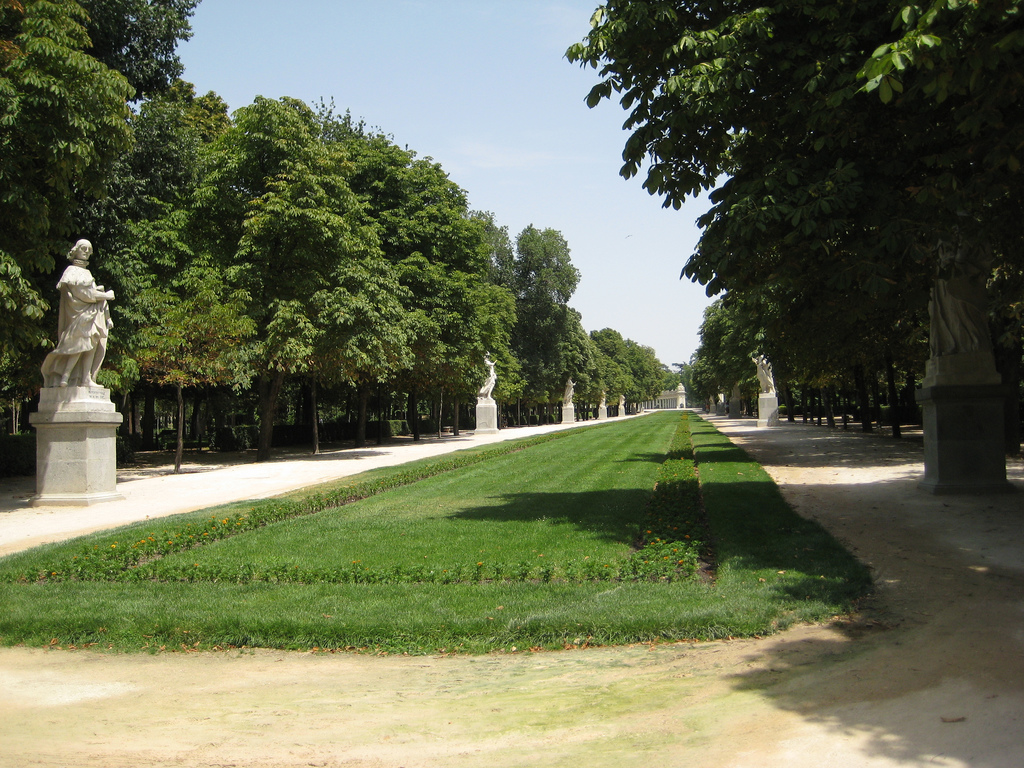
Parque del Buen Retiro — Paseo de las Estatuas
7

Parque del Buen Retiro — Paseo de las Estatuas

5 min

Madrid's great park where visitors walk among bronze and stone statues of Spanish literary and royal figures along the Statue Walkway. A contemplative final promenade in the company of giants, where the city's literary tradition comes full circle.

A Taste of the Tour

This is the real story from one stop on this walk — every stop has one.

Plaza Santa Ana — Teatro Español

Welcome to Plaza Santa Ana, where Madrid's literary drama unfolds. You're standing in the beating heart of Spain's Golden Age—a neighbourhood so small that the greatest writers of the era practically lived in each other's pockets. Cervantes, Lope de Vega, Góngora, Quevedo—these names weren't distant legends; they were your neighbours, your rivals, your drinking buddies at the taverna down the street. This is where the real soap opera begins. Lope de Vega and Cervantes, the titans of Spanish literature, were neighbours and bitter competitors. They circled each other through these same plazas, wrote plays that outdid one another, and probably glared across crowded theatres with the intensity of sworn enemies. They lived, fought, drank, and eventually died within a few streets of each other—and somehow, their genius collision created the most brilliant literary moment Spain has ever known. Over the next few hours, we'll walk through their world: the theatres where their plays caused riots, the streets where they lived, and finally, a quiet park where their statues still stand sentinel. Let's begin. You're standing in one of Madrid's most literary squares, and the building looming in front of you holds the key to understanding everything you'll encounter in the next two hours. The Teatro Español opened on September 21, 1583, making it not just the oldest active theater in Spain, but a living witness to four centuries of Spanish drama. It began its life as the Corral del Príncipe—one of Madrid's first permanent public theaters—built behind a converted estate across from what was then the Convent of Santa Ana. To understand the revolution this theater represented, you need to know about the corrales system. These were literally courtyards—corrales means yards in Spanish—between tenement buildings where temporary stages were erected for performances. Over time, a few of them became permanent theaters with wooden stages and galleries where different social classes watched the same plays from separate areas: gentlemen in the best seats, women in enclosed galleries, servants and groundlings standing in the pit. The Corral del Príncipe became the most prestigious of all of them. Lope de Vega understood this space so intimately that he literally wrote his plays to fit this specific theater's dimensions and sightlines. A corrales performance was raucous, intimate, and immediate—the actor was practically on top of the audience, every emotion magnified, every mistake visible. When this plaza itself was created in the 1840s, after the demolition of the monastery, it became the perfect stage for a building that had already seen the premieres of nearly every major Spanish playwright. Lope de Vega walked through those doors constantly, premiering some of his 1,800 plays here. So did Tirso de Molina. So did Moratín. And crucially, so did Pedro Calderón de la Barca, whose plays about honor, duty, and the illusion of reality became the philosophical backbone of the Spanish Golden Age. The playwrights didn't just perform at Teatro Español—they lived within a five-minute walk of it, in the narrow streets you're about to explore. This theater was their workplace. The neighborhood was their home. They were competitors constantly trying to out-write each other, and they did it in full view of their audience, their patrons, and each other. Look across the plaza and you'll notice Cervecería Alemana, the beer hall on the corner. That place became famous in the 20th century for a very different kind of literary figure—Ernest Hemingway. He came here often, drinking vermouth and watching the square with the intensity of a novelist absorbing raw material. Hemingway wrote about bullfights, about war, about the Spanish landscape and Spanish courage, but he also just sat in this bar and observed. He absorbed the atmosphere—the way people moved, the way they spoke, the hierarchies of the café society. You can sit at the same tables, order the same beer, and imagine Hemingway's eyes cataloguing everything around him, storing it for the stories he would write. The Hemingway of the 1920s and 30s—young, hungry, brilliant—was doing what writers have done in this neighborhood for 400 years: soaking it in, transforming observation into art. The statue of Federico García Lorca gazes across the plaza with an almost haunted expression. He's the poet who would bridge the Golden Age with the modern world—brilliant, tragic, and killed during Spain's Civil War. In August 1936, just weeks after Franco's military uprising, Lorca was arrested. He was shot and buried in a mass grave outside Granada. He was 38 years old. His presence here in this plaza is deliberate: he connects the theater's baroque past to the darker, more uncertain twentieth century, and to a sudden, violent silence. Standing between the ancient theater and a 20th-century poet's memorial, you're positioned right at the crossroads of Literary Madrid, at the moment where tradition and modernity collided with tragic force. Notice how intimate this plaza feels despite the traffic rumbling around it. The buildings lean inward. The cafes spill onto the pavement. This closeness is intentional—in Madrid's literary neighborhood, everything happened within shouting distance of everything else. The rivalry was real. The passion was real. The scandal was real. And it all took place here, in streets so narrow that you can almost feel the ghosts of dramatic arguments and passionate reconciliations echoing between the walls. Theater was life. Life was theater. This is where we begin.

More Tours in Madrid

Nearby Cities

Back to Madrid Tours

Cookie Consent

We use cookies to analyse site traffic and improve your experience. You can choose to accept or reject analytics cookies. Learn more