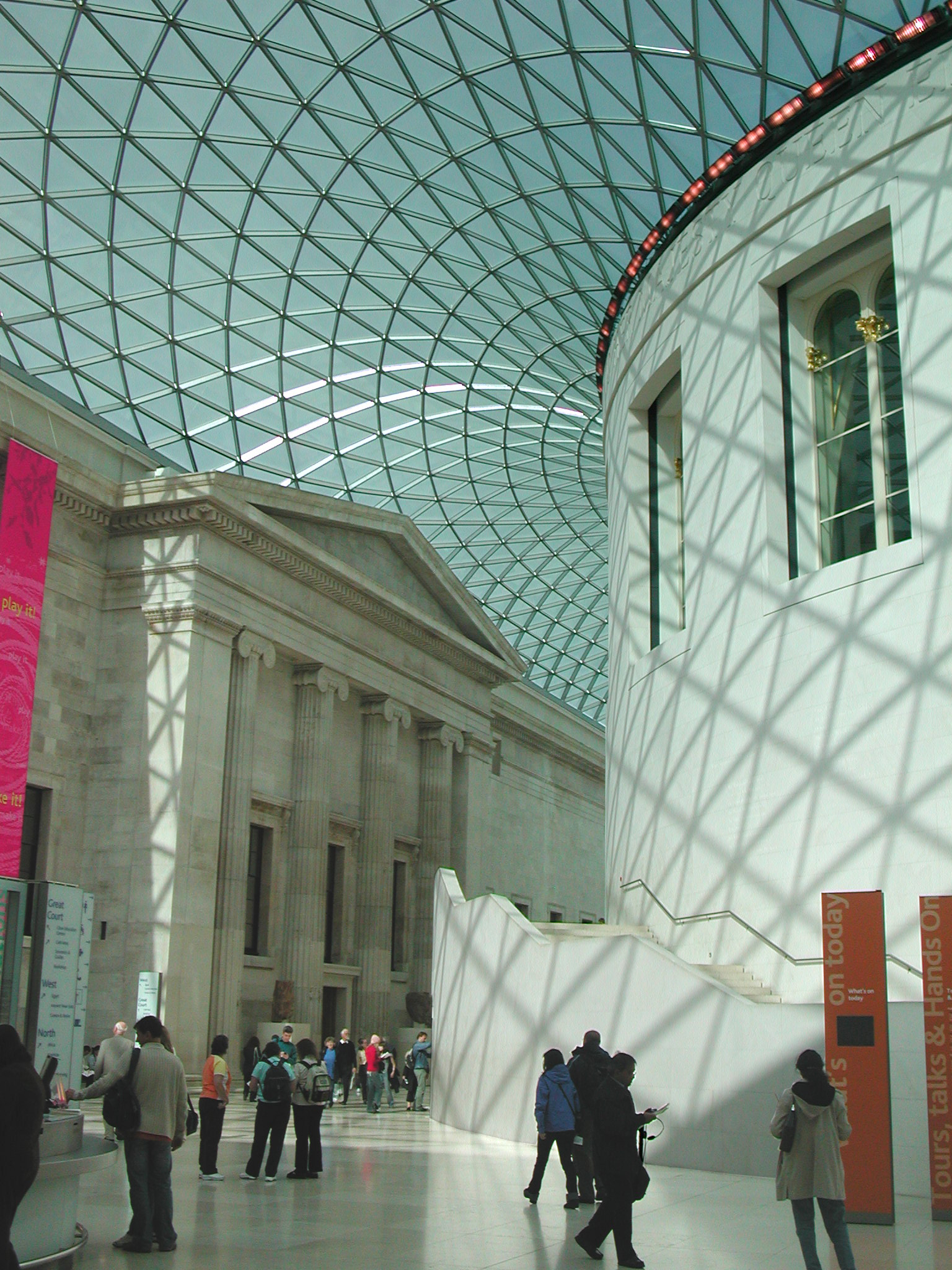
Bloomsbury's Intellectual Heart
London · United Kingdom

Bloomsbury's Intellectual Heart

London, United Kingdom
90
Duration (min)
2.0
Distance (km)
7
Stops
Easy
Difficulty

Description

Walk from the Victorian Gothic splendour of St Pancras into the quiet Georgian squares where Virginia Woolf, John Maynard Keynes, and the Bloomsbury Group reinvented modern culture. This tour traces the arc from spectacle to stillness — through literary gardens, intellectual gathering places, the British Museum, and London's most perfectly preserved Georgian square.

Highlights

Marvel at St Pancras Station's fairy-tale Gothic Revival facade, nearly demolished in the 1960s Walk through Gordon Square, where the Bloomsbury Group was born in 1904 Stand before the British Museum's neoclassical columns, gateway to universal knowledge Discover Bedford Square, London's most perfectly preserved Georgian square from the 1770s Trace the footsteps of Virginia Woolf across the squares where she lived and wrote
Tour Stops

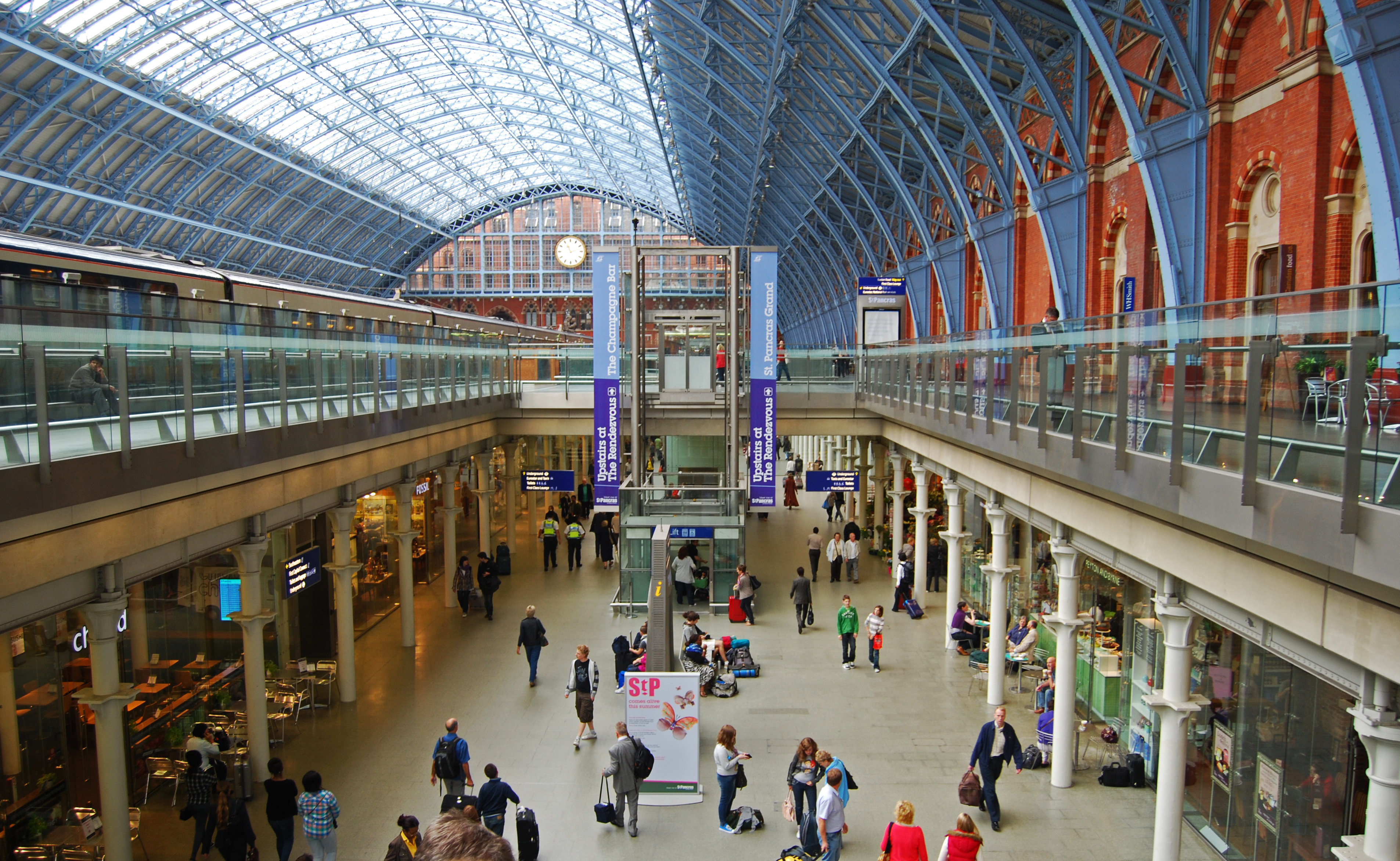
St Pancras Station & Hotel
1

St Pancras Station & Hotel

15 min

George Gilbert Scott's 1868 Victorian Gothic Revival masterpiece in red brick and terracotta, featuring the dramatic Barlow train shed behind it — a striking architectural gateway to Bloomsbury's quieter Georgian character.
King's Cross Station
2

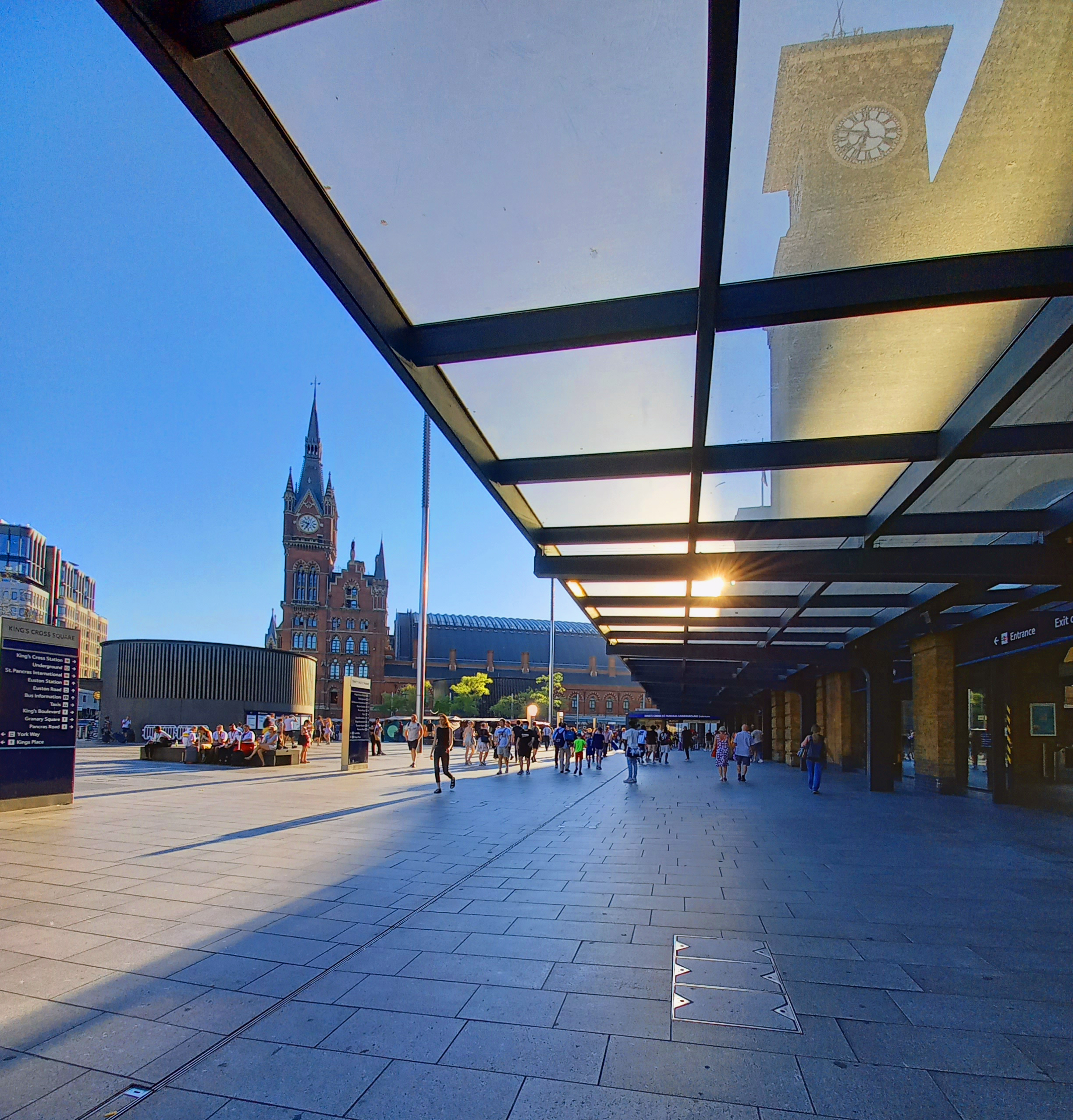
King's Cross Station

10 min

Lewis Cubitt's 1852 Victorian railway station represents industrial function over decoration, contrasting sharply with St Pancras's theatrical Gothic across the street. Recently renovated with a modern semi-circular departure hall, it marks the gateway between London's commercial bustle and the intellectual haven of Bloomsbury ahead.
Tavistock Square
3

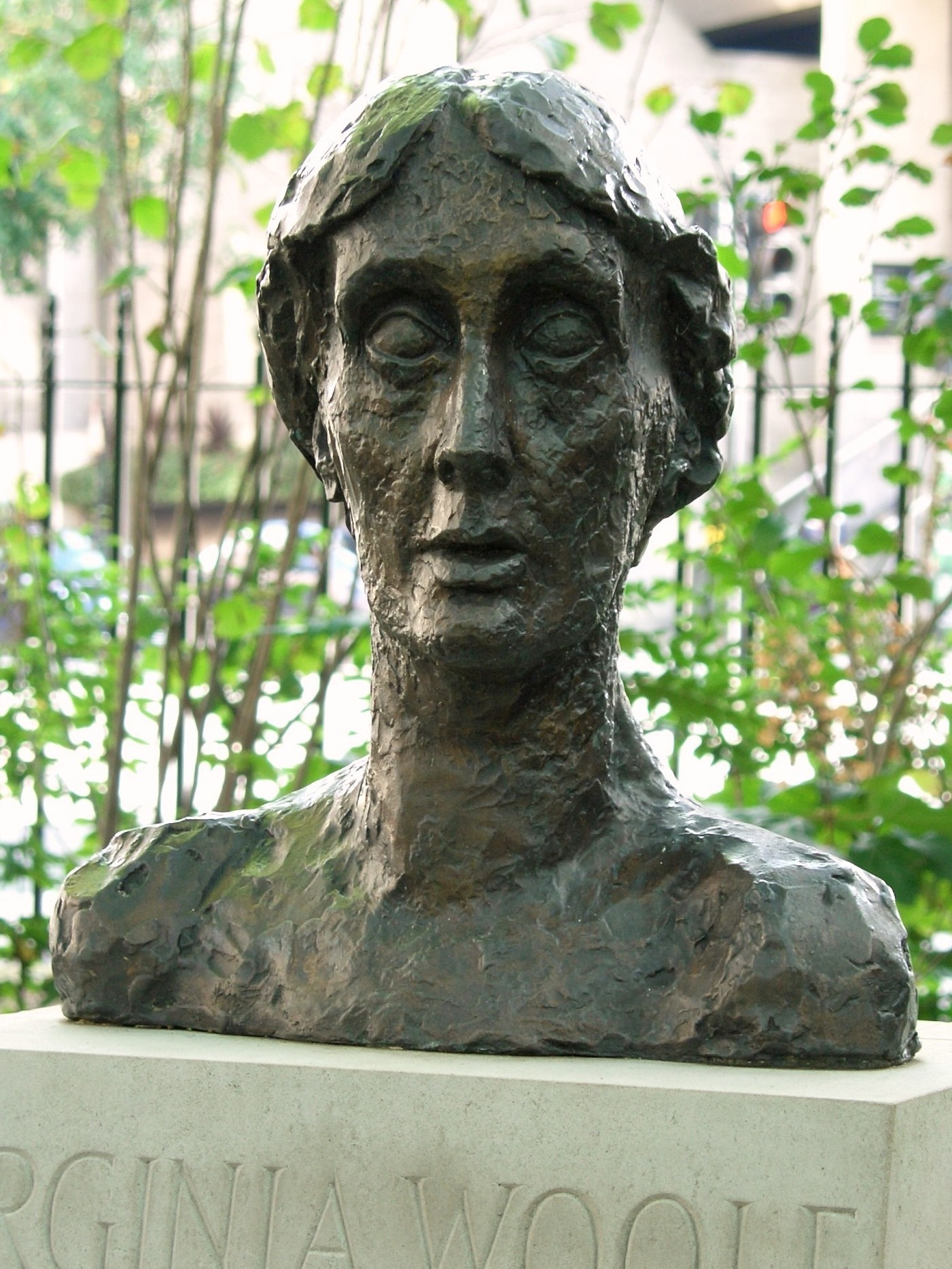
Tavistock Square

5 min

Tavistock Square is a tranquil Georgian square where Virginia Woolf lived and worked, and where the Bloomsbury Group gathered as intellectual ferment shaped modern literature and philosophy. The square holds multiple layers of history—artistic creation, spiritual peace, and tragic violence—making it a microcosm of the neighborhood's contradictions.
Gordon Square
4

Gordon Square

5 min

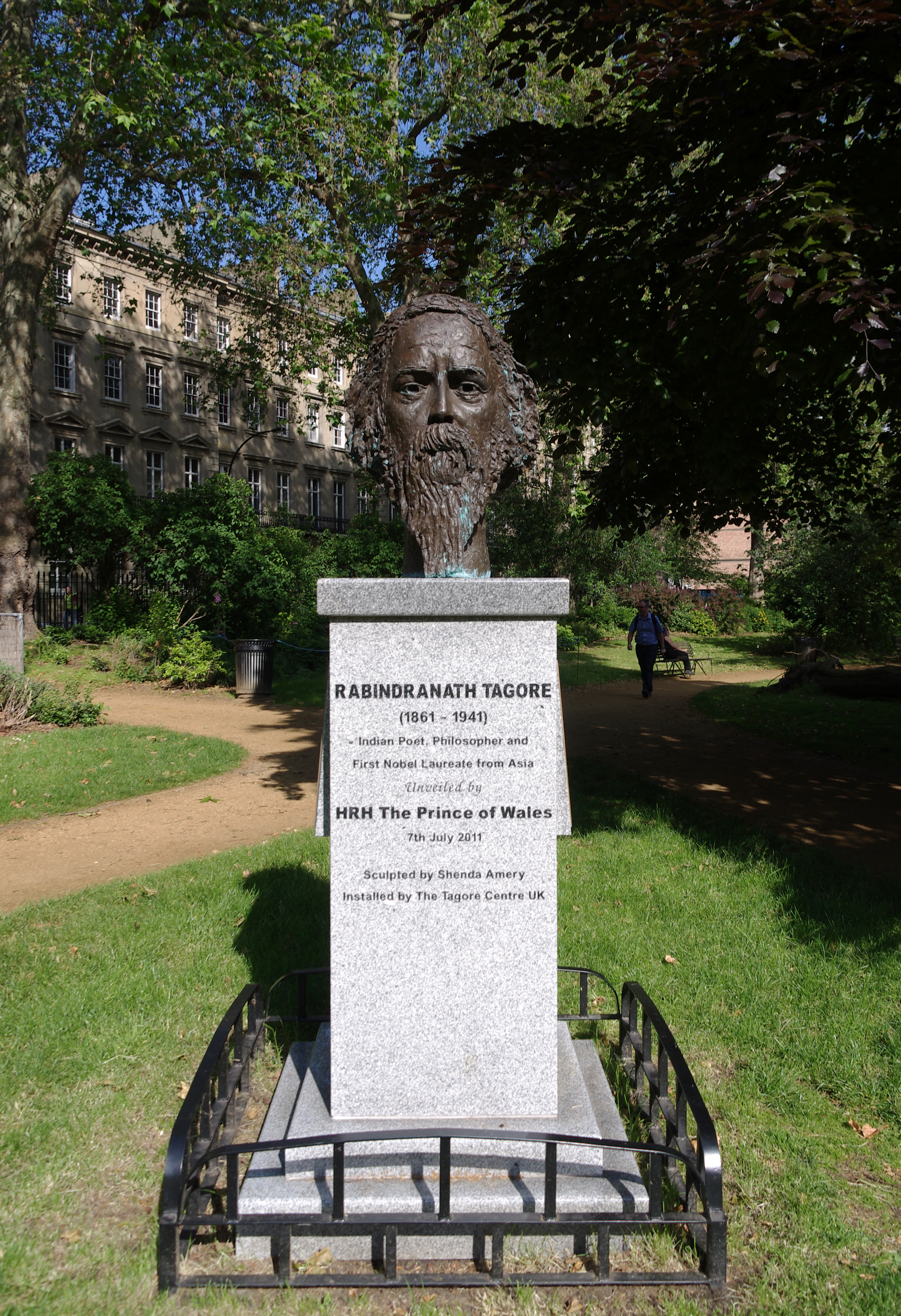
Gordon Square was the intellectual epicenter of the Bloomsbury Group, where Virginia and Vanessa Stephen established their household in 1904 and created a legendary salon that became the catalyst for 20th-century artistic and literary revolution.
Russell Square
5

Russell Square

10 min

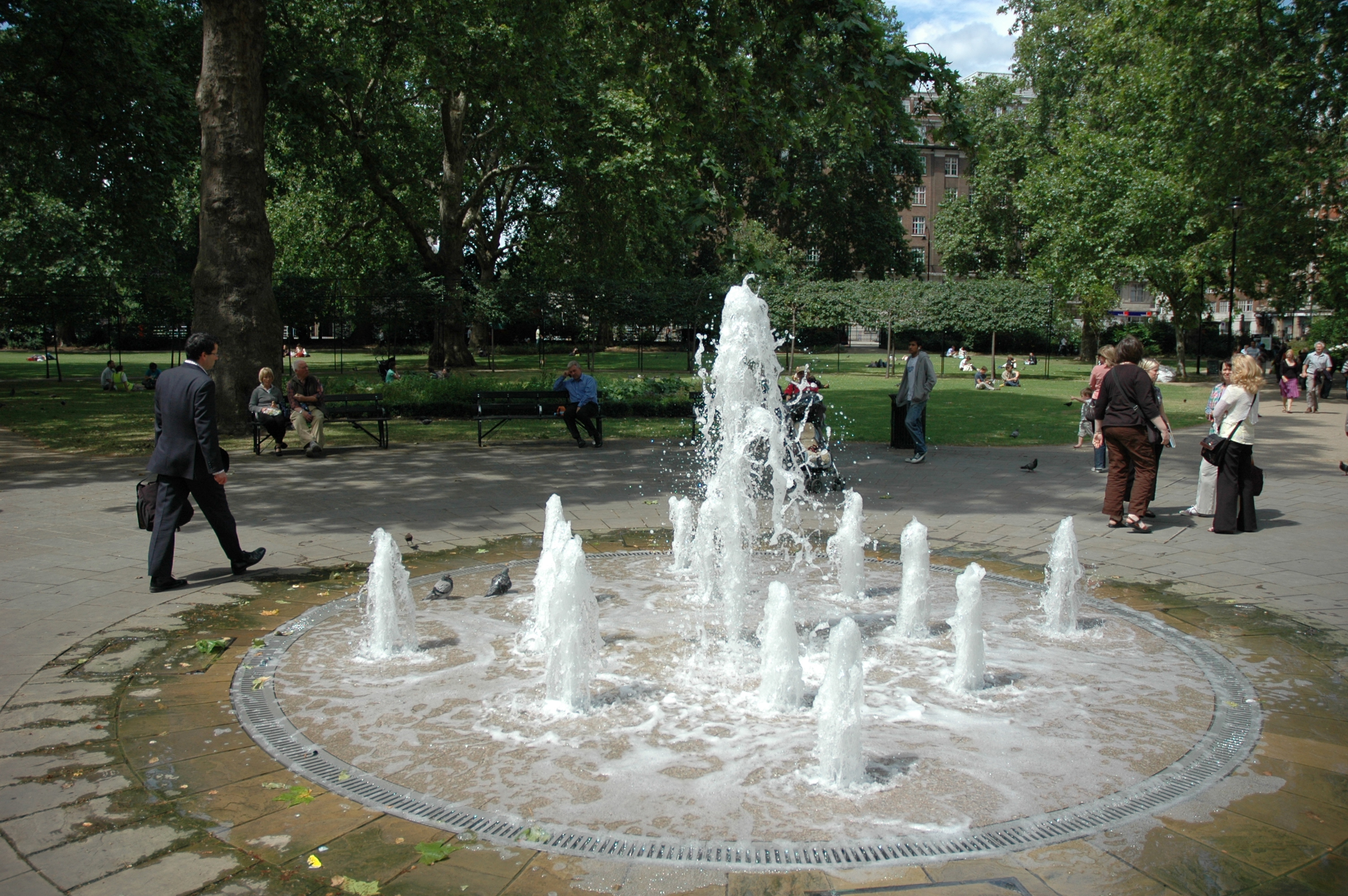
The grandest of Bloomsbury's squares, bordered by literary institutions and the architecturally exuberant Russell Hotel. A quintessential Georgian retreat that anchored the intellectual life of 20th-century London's most famous artistic circle.
British Museum
6

British Museum

12 min

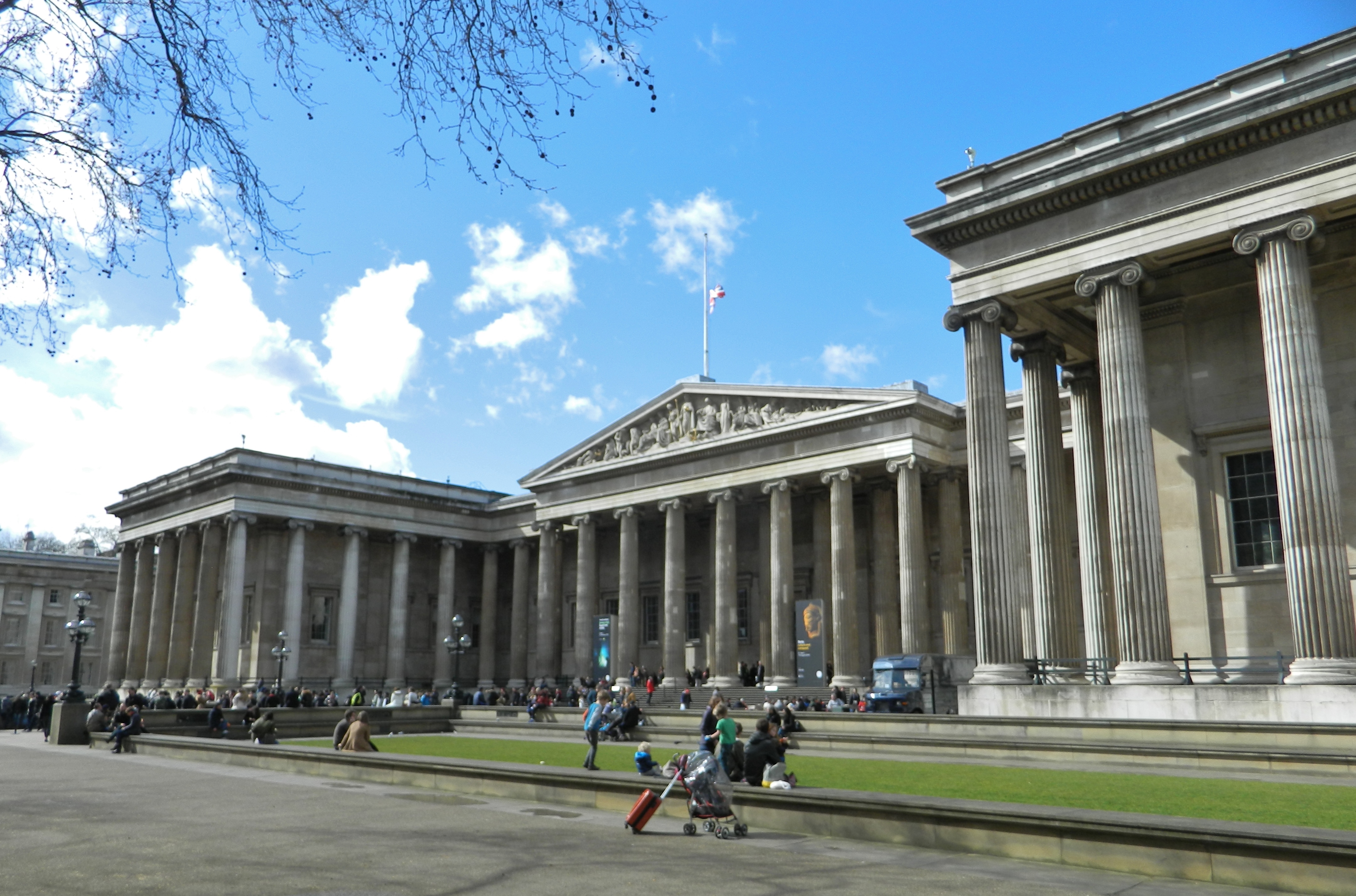
The British Museum, with Robert Smirke's 1823 neoclassical facade and iconic columns, stands as Bloomsbury's intellectual anchor — a monument to the Enlightenment ideal of universal knowledge. Inside, the legendary Reading Room hosted Karl Marx and shaped modern thought.
Bedford Square
7

Bedford Square

10 min

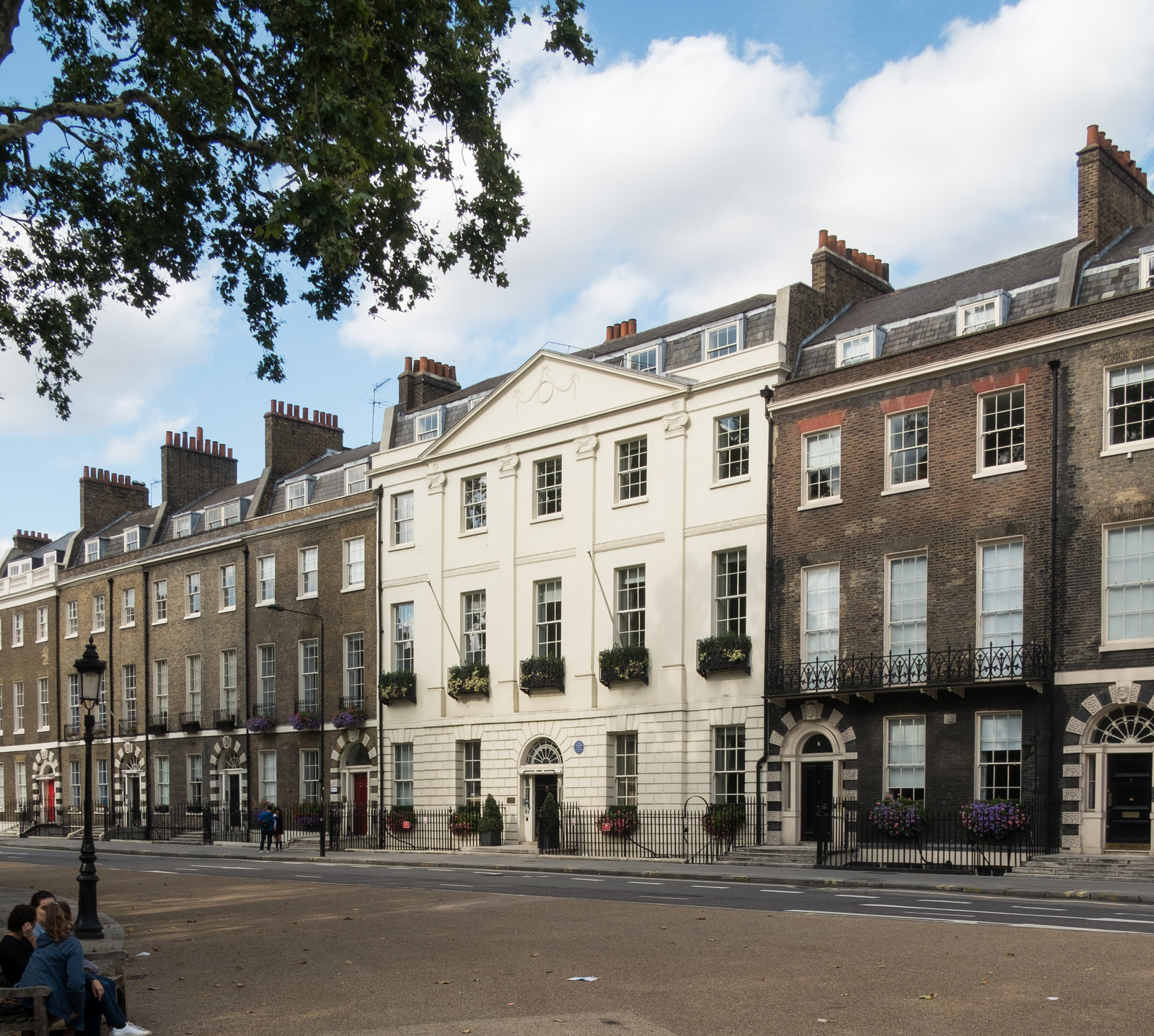
London's best-preserved Georgian square, built 1775-1783 with its original unified architecture intact. It represents the pinnacle of Georgian domestic design and offers the perfect architectural conclusion to Bloomsbury's intellectual legacy.

A Taste of the Tour

This is the real story from one stop on this walk — every stop has one.

St Pancras Station & Hotel

We begin where the Victorians announced themselves most loudly—at St Pancras Station, all soaring iron and Gothic swagger—then slip westward through the surprising intimacy of Georgian London. What you'll discover over the next hour and a half isn't a march through monuments, but a conversation between eras. The grand Victorian facades and industrial romance of King's Cross give way to something quieter, more essential: those elegant squares where some of the 20th century's most restless minds found shelter. Here, Virginia Woolf argued for new forms of consciousness, Keynes rewrote economics over tea, and a loose congregation of painters, writers, and philosophers called themselves the Bloomsbury Group—though they'd have found the label both precious and reductive. The architecture itself becomes a character: rational, proportionate Georgian townhouses that seem to ask their inhabitants to think deeply. Our walk ends where it ought to, in the serene geometry of Bedford Square, where the buildings themselves embody a certain kind of perfection. This is a tour about how ideas need places to live. Stand back and look at what's in front of you. This building is absurdly, unapologetically beautiful — all soaring spires and arched windows, red brick glowing in the London light, gargoyles and turrets scattered across the roofline like a fairy tale made architecture. This is George Gilbert Scott's St Pancras Hotel, completed in 1868, and it's one of those monuments that makes you understand why the Victorians believed in their own moment so completely. They weren't building merely for function; they were building theology, ambition, and sheer confidence into stone. Scott had already designed the Foreign Office and the Albert Memorial — he was the Victorian architect, the one who could make a station hotel look like a Gothic cathedral. And he did. The red brick and terracotta detailing, the ornamental chimney stacks, the iron roof trusses visible from certain angles — this is what Victorian maximalism looks like when money meets obsession. The hotel originally had 250 rooms. It was meant to rival any palace in Europe. Step closer and you'll notice the precision of the brickwork, the way each arch frames a window, the absolute confidence in the design. Nothing here whispers. Everything announces itself. What's remarkable is that this building almost vanished. In the 1960s, it was seriously threatened with demolition. The railways wanted to modernize, to simplify, to strip away the ornament and make everything efficient. There was a genuine proposal to tear down Scott's masterpiece and replace it with something functional and, inevitably, forgettable. The building stood vacant for years, deteriorating, waiting to be rescued or erased. London came dangerously close to losing this entirely. It survived, was meticulously restored, and today it stands as a monument to Victorian confidence — and also to the moment someone decided that beauty was worth preserving, even at considerable cost. Behind the hotel, if you know where to look, you'll see another triumph of Victorian engineering: the Barlow train shed. William Henry Barlow designed it, and what he created was a single-span arch of wrought iron and glass that still astonishes engineers today. It covers the entire railway yard without a supporting pillar — just one graceful sweep of metal that distributes weight with mathematical precision. It was the engineering marvel of its age, and it's still there, mostly hidden from casual view, one of those secrets that makes London endlessly generous to those who pay attention. The shed and the hotel represent two faces of Victorian ambition: the ornamental and the engineered, both executed at the height of technical mastery. The two structures together — Scott's ornamental hotel and Barlow's engineering shed — capture something essential about the Victorian moment. They represent two forms of confidence: the decorative and the functional, both executed with absolute skill. Scott piles on the ornament; Barlow strips everything down to essential elegance. Every surface of the hotel is busy with Gothic detail, with color, with human craftsmanship made visible. The train shed, by contrast, achieves its drama through pure structure — the minimum necessary to achieve the maximum span. Together they define an era that believed it could do anything, and had the resources to prove it. This is where our tour begins, and it's a deliberate choice. You're standing at the threshold between two worlds. Behind you — King's Cross and St Pancras represent Victorian spectacle, the railway age in all its Gothic excess and industrial poetry. This is the world of expansion and transportation, of commerce dressed up as romance. Ahead of you — and you'll move into it very shortly — lies a different sensibility. Georgian squares with ordered proportions, refined domestic spaces, architectural restraint. The Bloomsbury Group didn't live in Gothic excess; they lived in rooms where the walls didn't distract, where the architecture got out of the way and let conversation happen. So stand here for a moment and absorb the contrast. Look up at the spires, follow the lines of the red brick, notice the specific madness of Victorian ornamentation — every surface decorated, no space left plain. This is maximalism made stone. This is the backdrop we're about to leave behind. Ahead, the architecture becomes subtler, more economical, more refined. It becomes, in its way, more beautiful — because it's designed not to impress but to shelter those ideas, those conversations, those moments of intellectual revolution that changed the twentieth century.

More Tours in London

Nearby Cities

Back to London Tours

Cookie Consent

We use cookies to analyse site traffic and improve your experience. You can choose to accept or reject analytics cookies. Learn more