London · United Kingdom
Kensington Museums & Victorian Ambition
London, United Kingdom
Stand before the Victoria & Albert Museum, the world's greatest decorative arts collection, born from Great Exhibition profits Marvel at the Natural History Museum's Romanesque cathedral of science, where terracotta animals crawl up the facade Discover why Queen Victoria wept and couldn't speak at the Royal Albert Hall's opening ceremony Read Victorian grief in stone and gold at the Albert Memorial, with its 169 sculpted figures End at Kensington Palace, where an eighteen-year-old Victoria learned she was queen
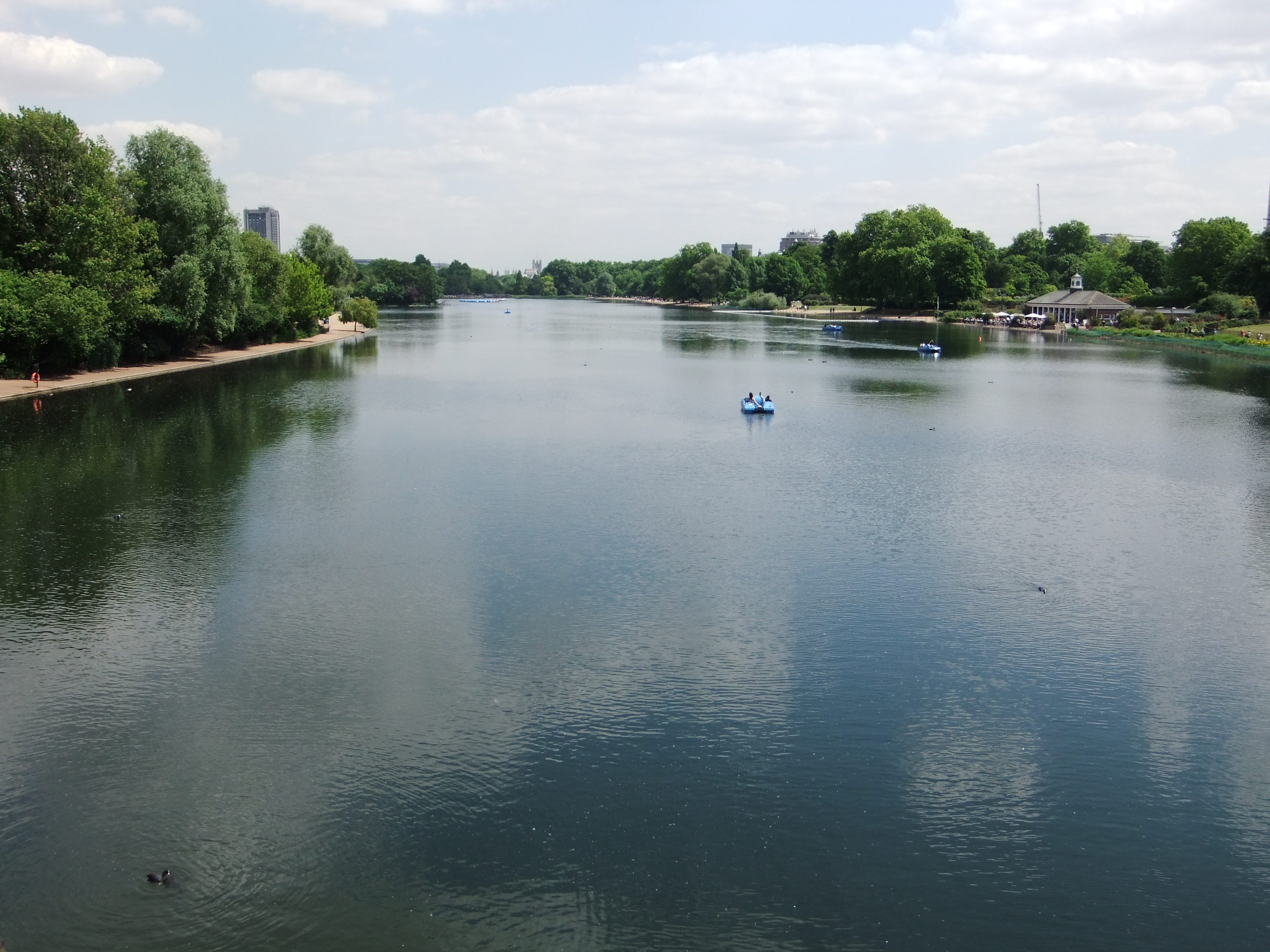
An artificial lake at the heart of Hyde Park, created in 1730 by damming the River Westbourne. The Serpentine became a defining symbol of Victorian leisure culture and democratic public access to recreation.
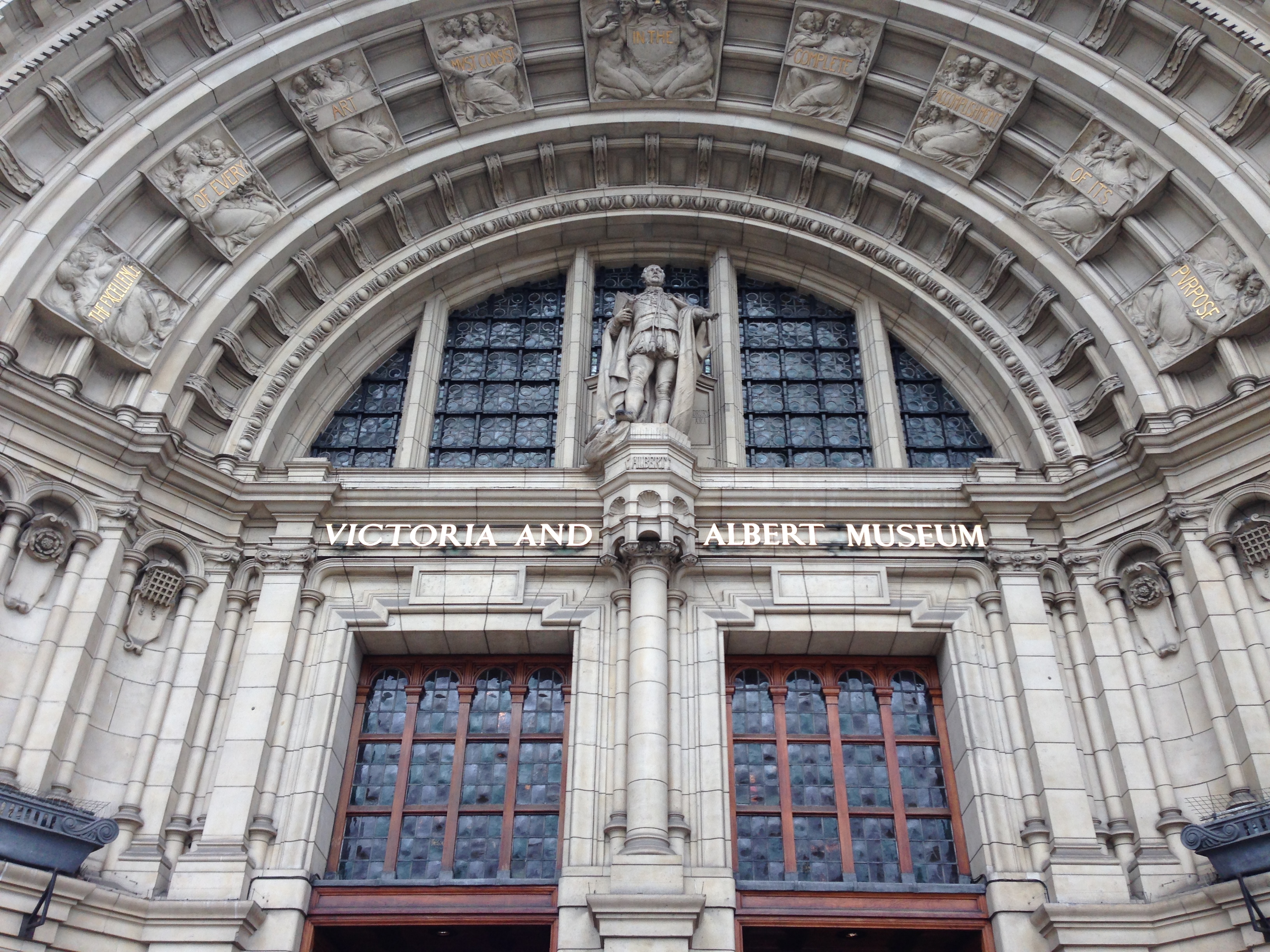
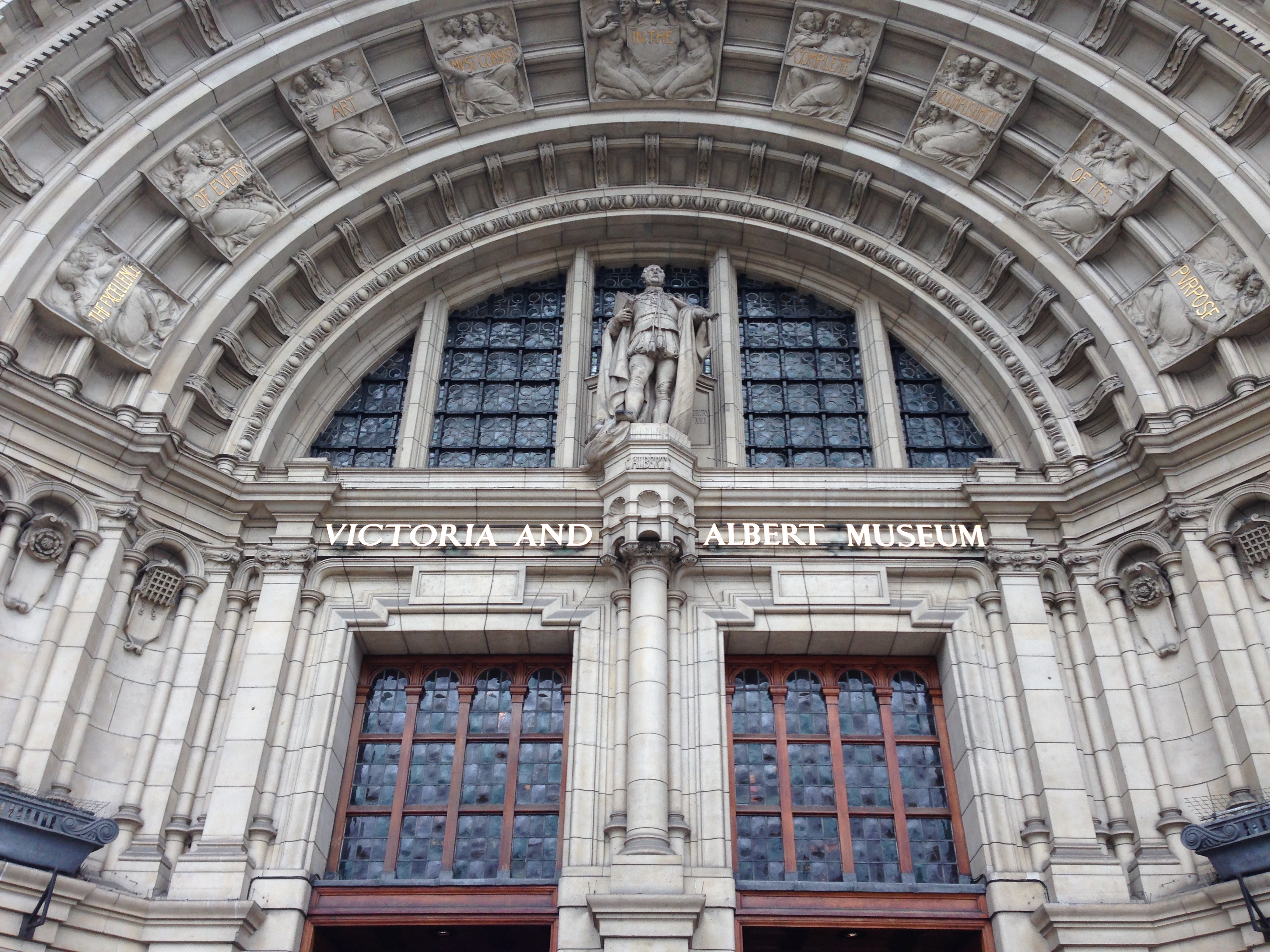
The V&A is the world's leading decorative arts museum, born from Great Exhibition profits in 1852 as Prince Albert's personal vision of making beauty and craftsmanship accessible to all social classes.
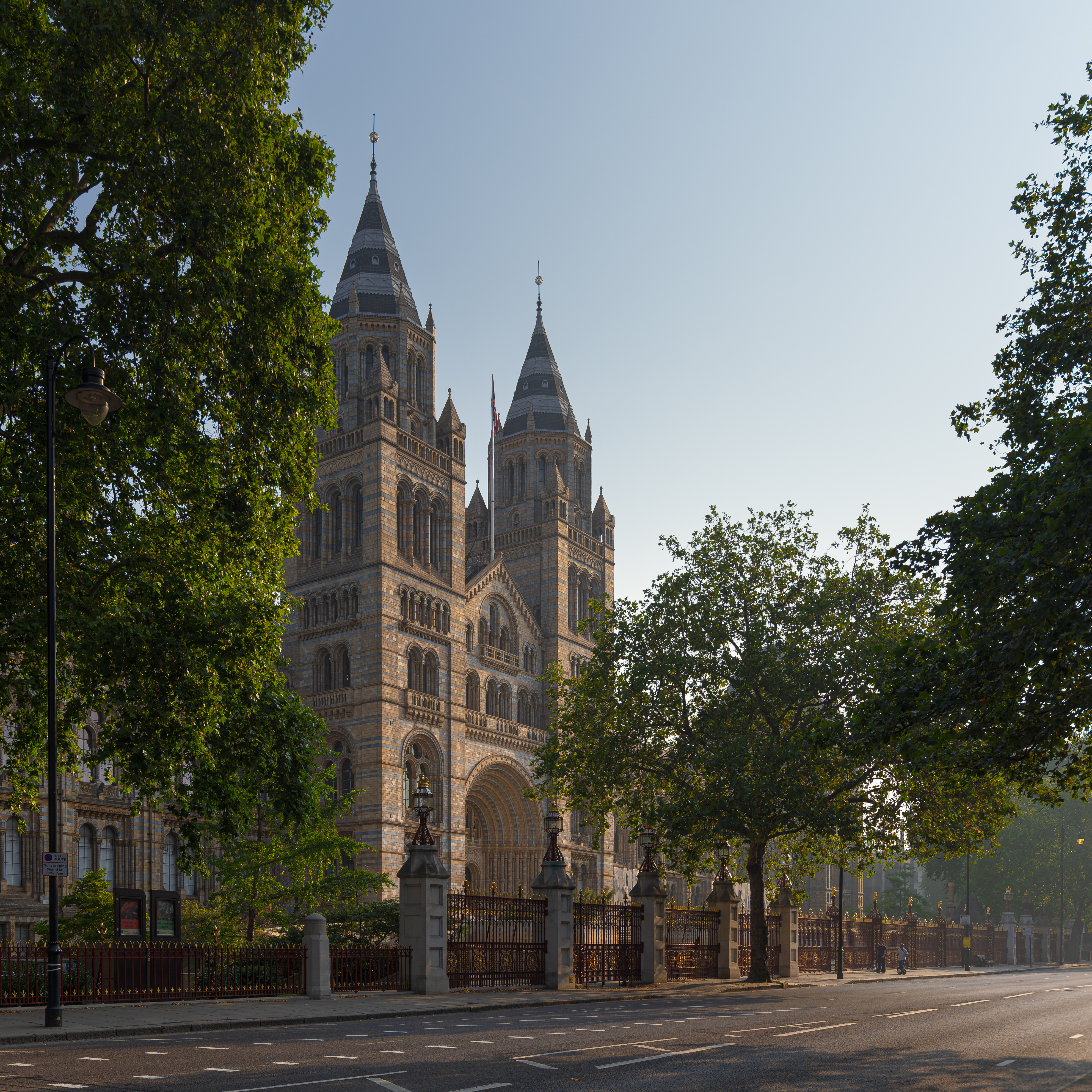
Alfred Waterhouse's 1881 Romanesque masterpiece was built to house the natural world, with terracotta animals crawling up its ornate façade. The museum embodies the Victorian belief that science and wonder should be free to everyone.
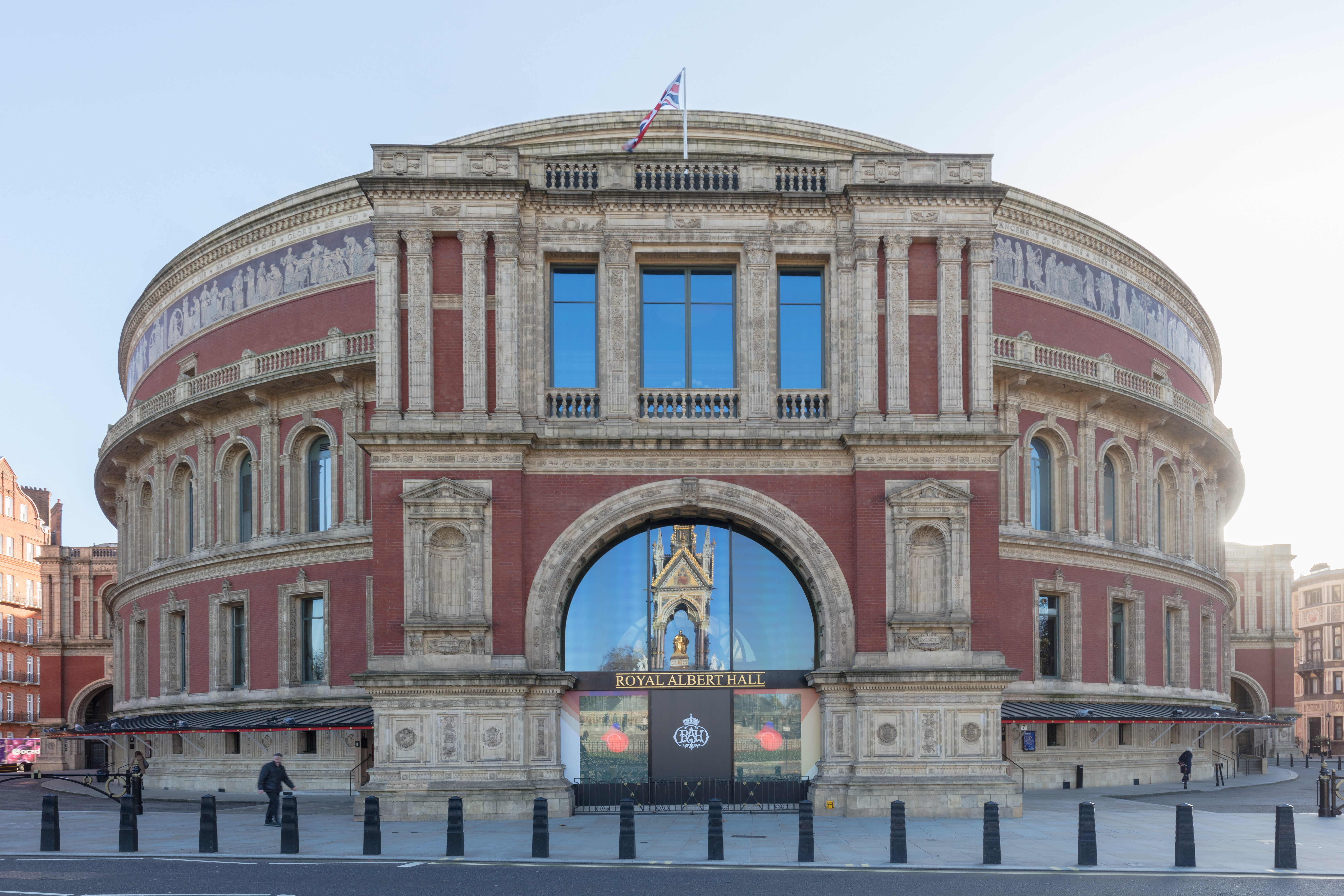
This Victorian civic monument, completed in 1871, was built as a living memorial to Prince Albert's vision of making culture and knowledge accessible to all. Though Albert died a decade before its opening, the Hall became the crown jewel of his educational ambitions, hosting everything from the Proms to boxing matches in its remarkable iron oval.
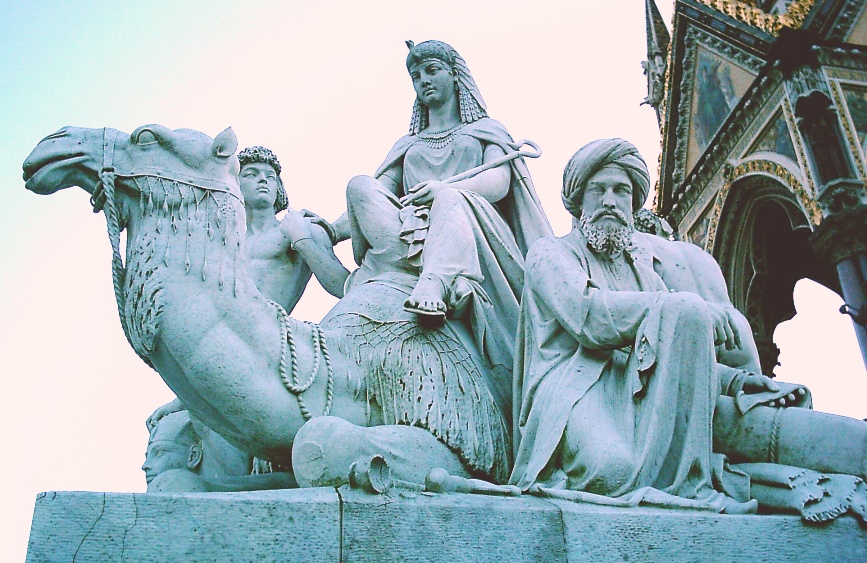
George Gilbert Scott's ornate Gothic Revival monument, unveiled in 1872, commemorates Prince Albert with towering spires, marble detail, and 169 figures celebrating the arts and sciences. It's a masterpiece of Victorian memorial culture and a lasting tribute to Albert's vision of education and beauty as public goods.
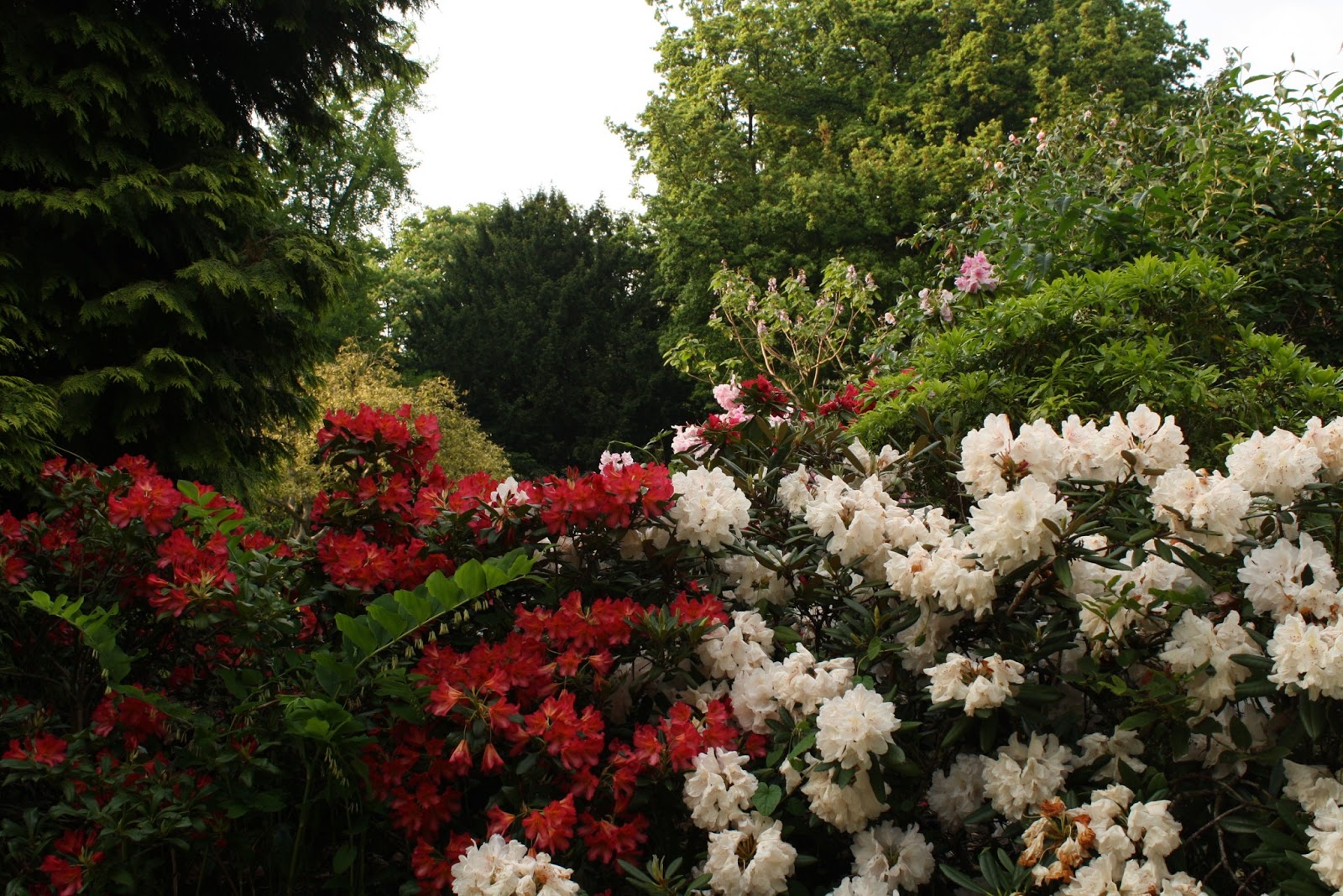
The formal gardens that connect the Albert Memorial to Kensington Palace, once private and exclusive, now open to all. Designed as a carefully composed landscape, they offer a moment of contemplation between the intensity of the museums and the final stop at the Palace itself.
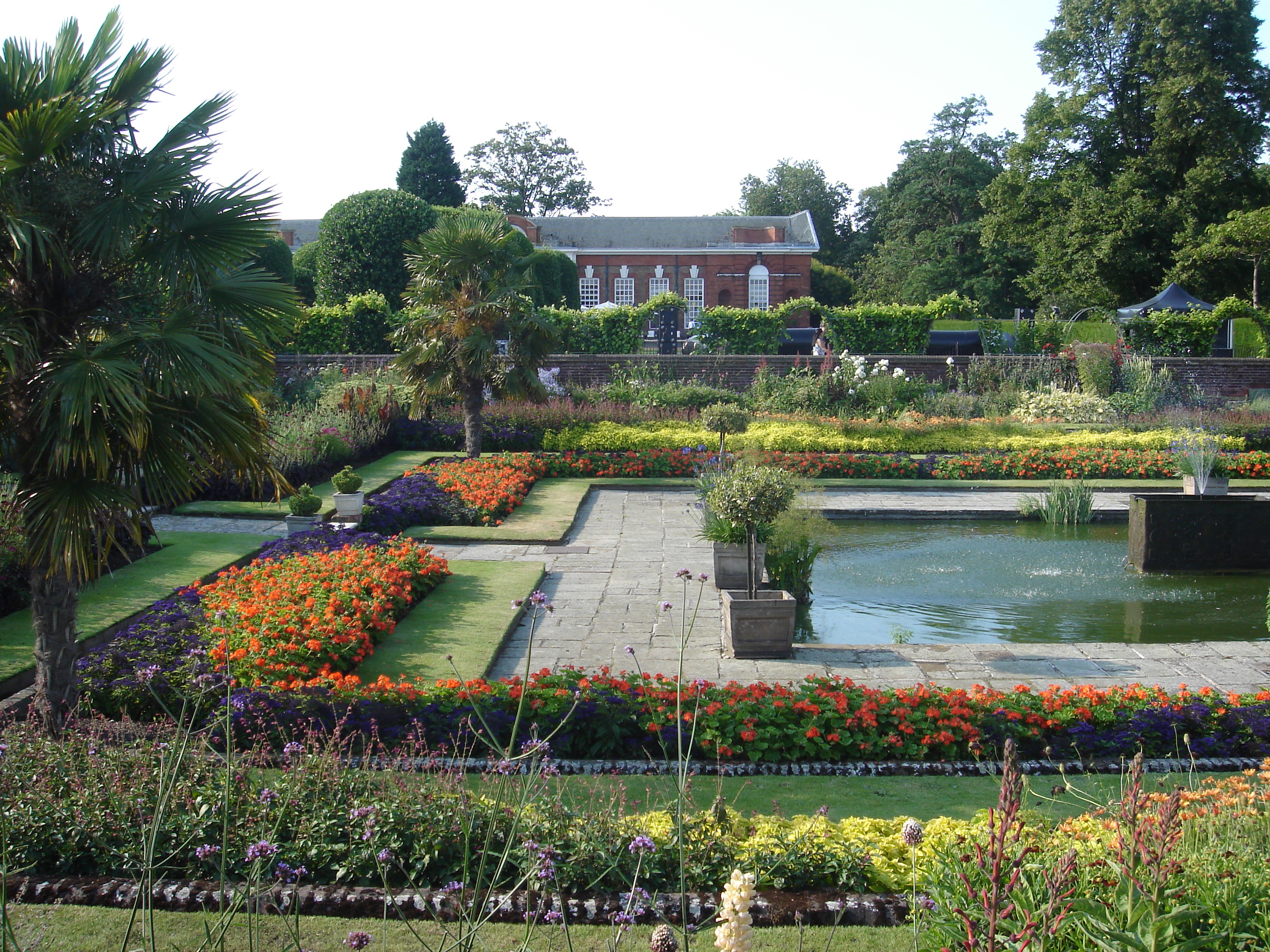
The royal residence where William III's search for an asthma cure in 1689 began a dynasty's home, and where Victoria was born and learned she was queen. Every generation since has remodelled this intimate palace—it remains the most human of royal residences, where private life and public vision have always intertwined.
This is the real story from one stop on this walk — every stop has one.
Walk from the Victorian Gothic splendour of St Pancras into the quiet Georgian squares where Virginia Woolf, John…
Walk through London's wealthiest neighbourhood and discover how the Georgian aristocracy designed a machine for…
Duck behind London's facades into a network of hidden arcades, secret courtyards, and forgotten gardens. From the…
We use cookies to analyse site traffic and improve your experience. You can choose to accept or reject analytics cookies. Learn more