Hidden Passages & Secret Gardens
London · United Kingdom

Hidden Passages & Secret Gardens

London, United Kingdom
110
Duration (min)
4.5
Distance (km)
9
Stops
Easy
Difficulty

Description

Duck behind London's facades into a network of hidden arcades, secret courtyards, and forgotten gardens. From the aristocratic shopping passages of St James's to a bohemian courtyard exploding with colour, from a park honouring everyday heroes to a ruined church reclaimed by ivy — this tour reveals the city most visitors walk right past.

Highlights

Explore Burlington Arcade and Piccadilly Arcade, London's most elegant hidden shopping passages Discover Neal's Yard, a tiny courtyard of explosive colour hidden behind Covent Garden Read the ceramic plaques at Postman's Park honouring ordinary people who died saving others Walk through Leadenhall Market's Victorian ironwork cathedral, used as Diagon Alley in Harry Potter End at St Dunstan in the East, where ivy climbs through the Gothic windows of a bombed-out church
Tour Stops

St James's Passages
1

St James's Passages

15 min

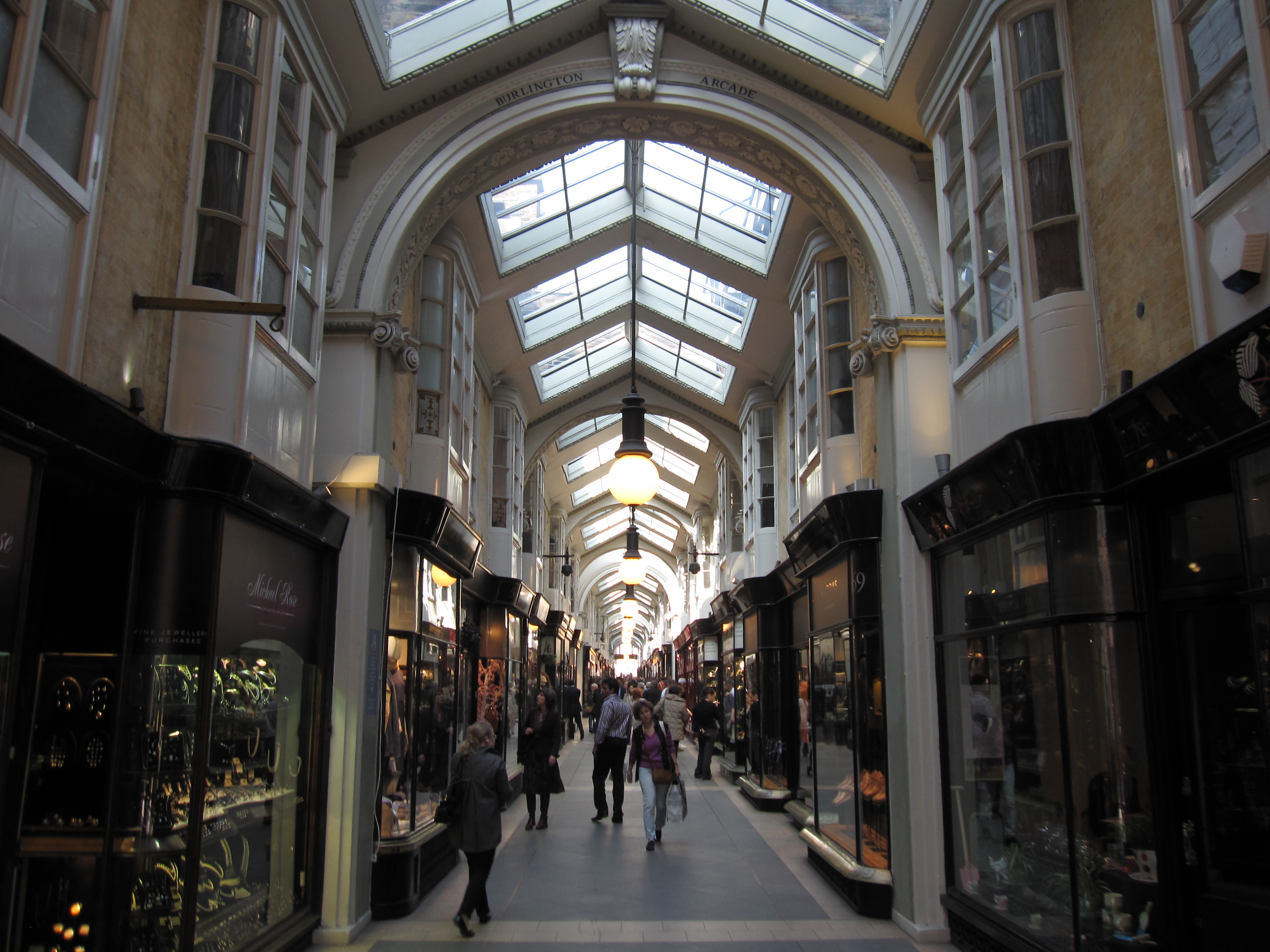
A network of historic passages connecting the grand facades of St James's and Mayfair, built for aristocratic shoppers to browse bespoke tailors, jewelers, and perfumeries without facing the London weather.
Goodwin's Court
2

Goodwin's Court

5 min

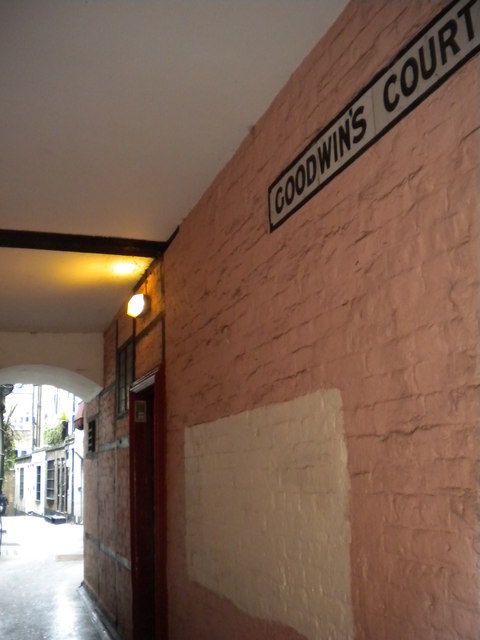
A hidden Victorian alleyway lined with gas lamp brackets and bow-fronted Georgian shopfronts, preserved as an intimate time capsule off St Martin's Lane in Covent Garden.
Seven Dials
3

Seven Dials

5 min

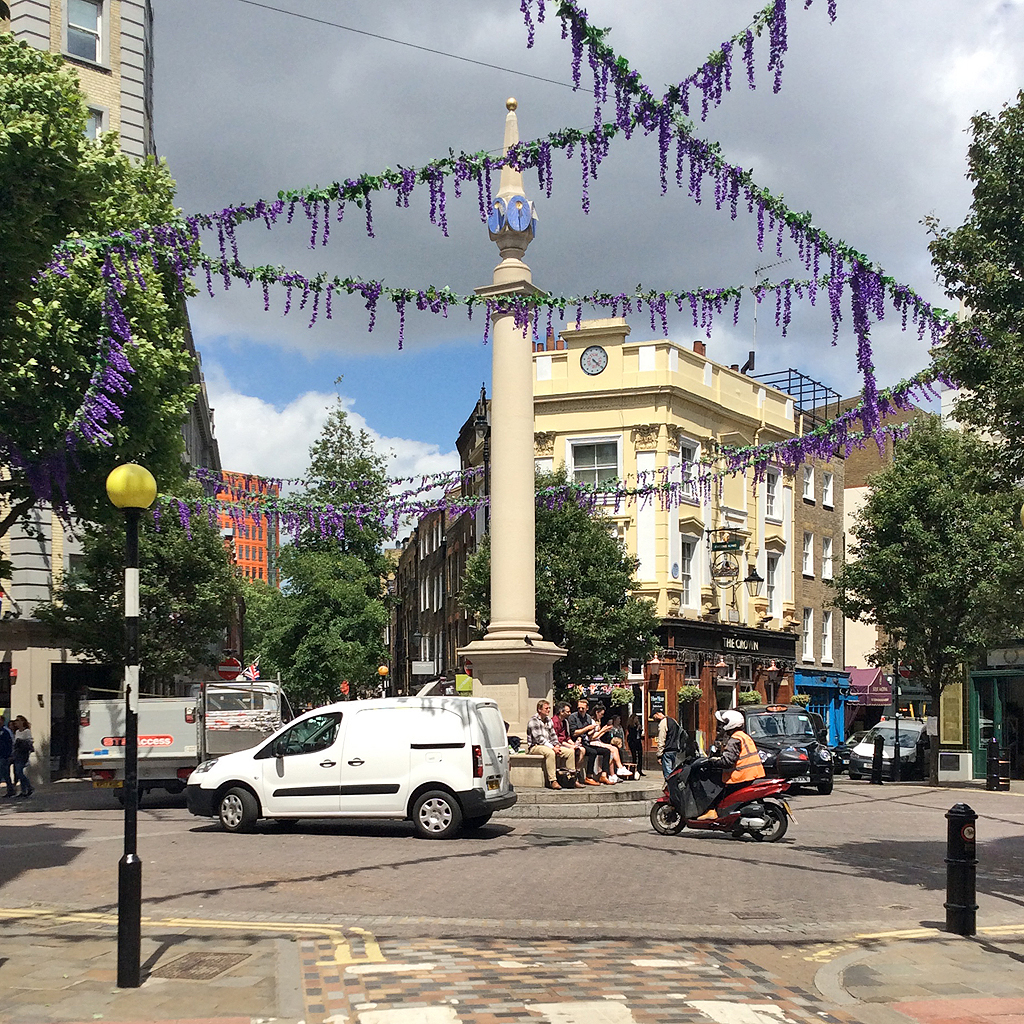
A historic intersection where seven streets meet in an unusual urban plan from the 1690s, anchored by a Victorian sundial column that marks the heart of bohemian Covent Garden. This architectural curiosity reveals how London's most interesting spaces often hide in plain sight at the convergence of its bustling streets.
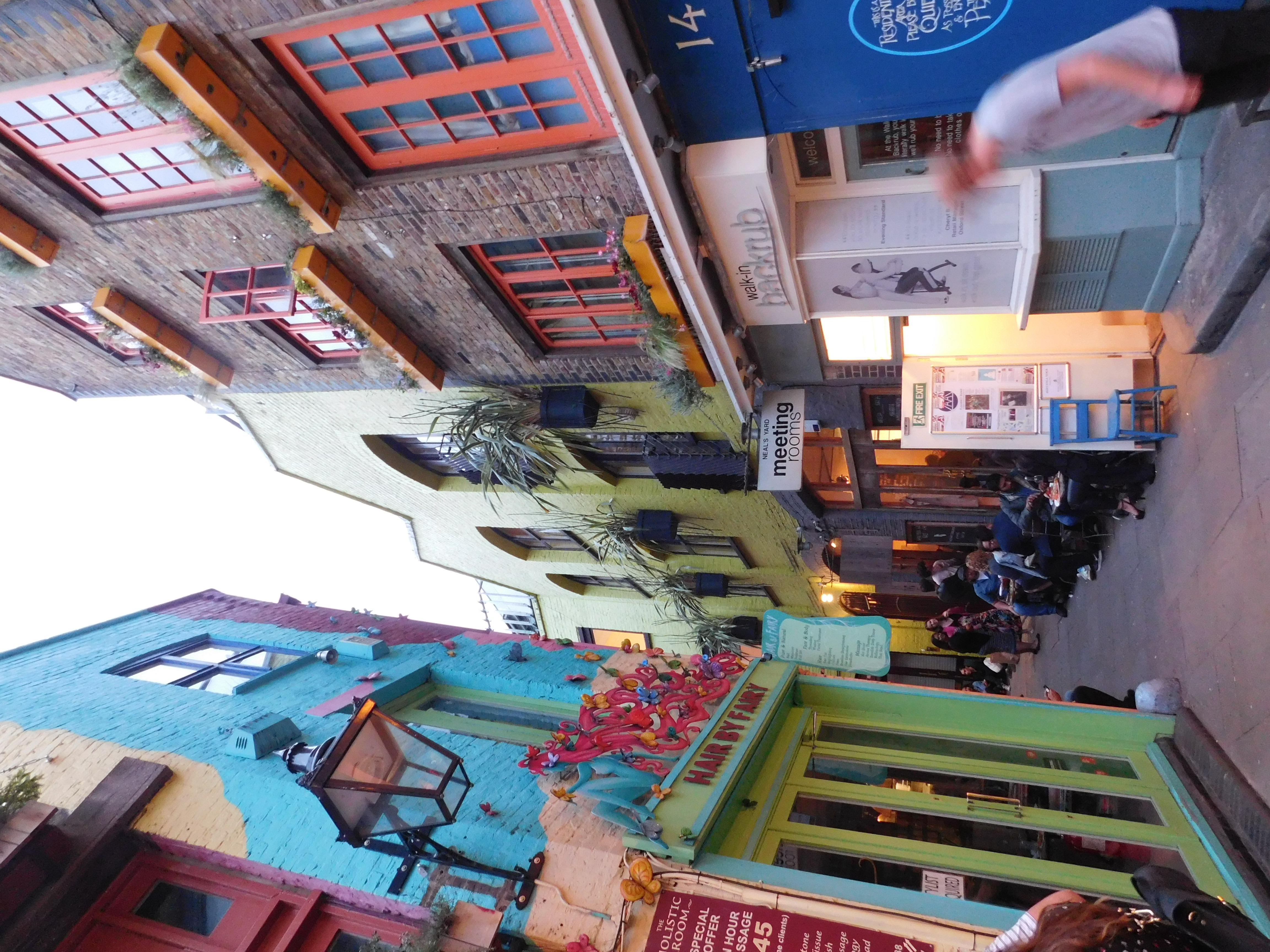
Neal's Yard
4

Neal's Yard

10 min

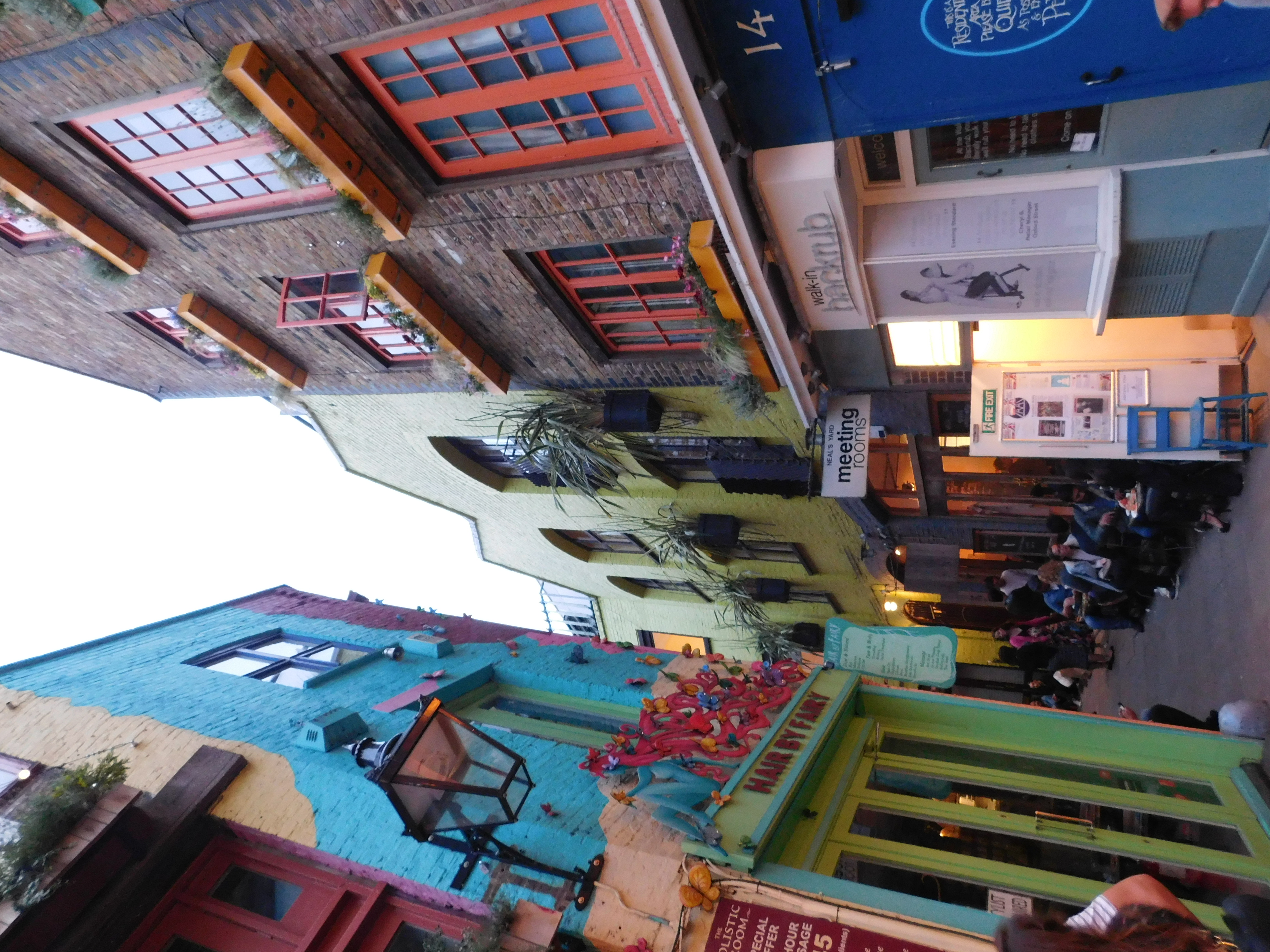
A hidden bohemian courtyard in Covent Garden exploding with colour and independent character, reached through an unremarkable passage. This intimate urban garden of painted facades represents contemporary alternative London in vivid contrast to the muted elegance we've just left behind.
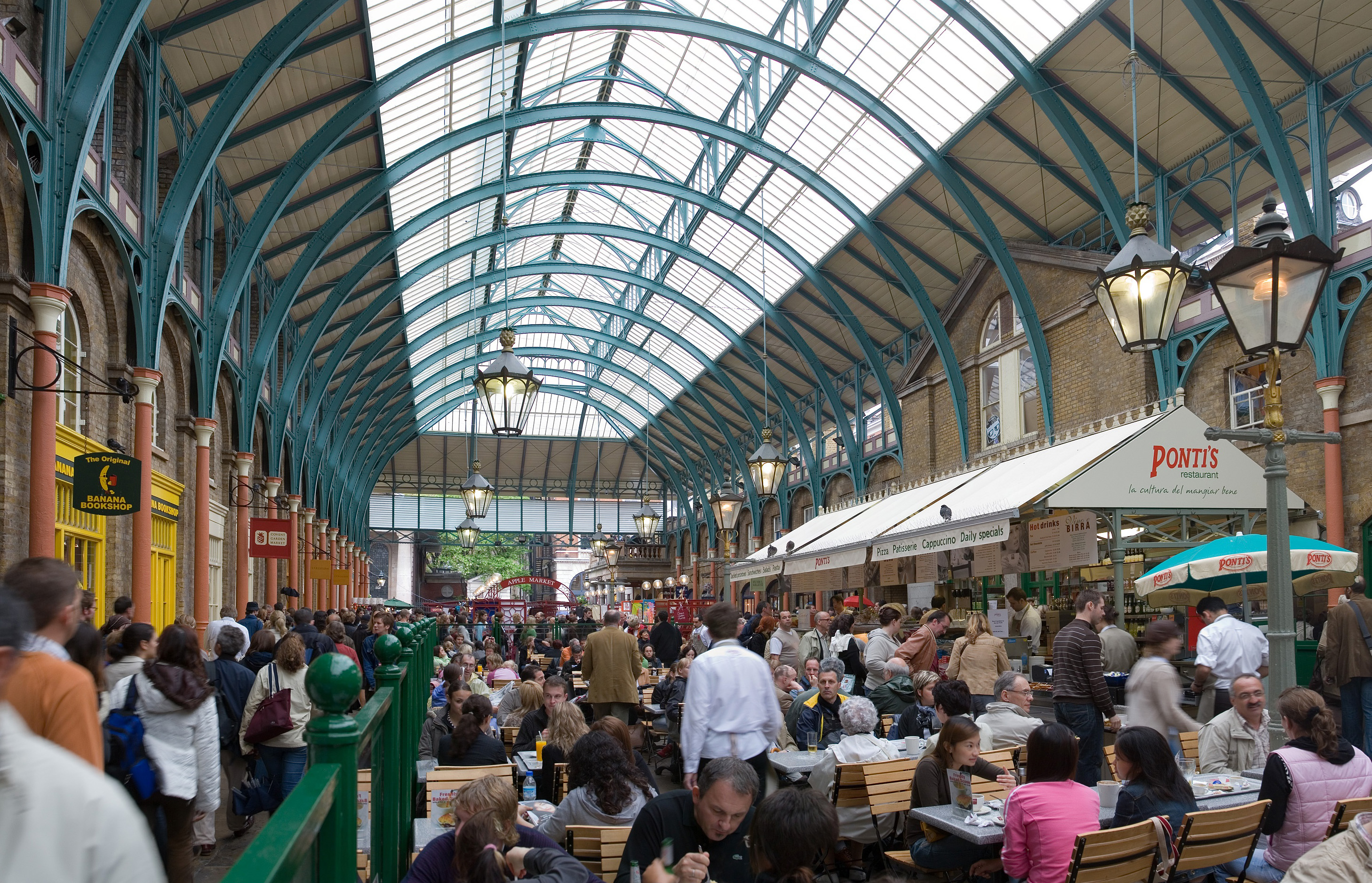
Covent Garden Passages
5

Covent Garden Passages

10 min

The network of covered passages, arcades, and colonnades around Covent Garden Market preserves Victorian-era streetscape and semi-public spaces where street performers, flower stalls, and independent shops still thrive.
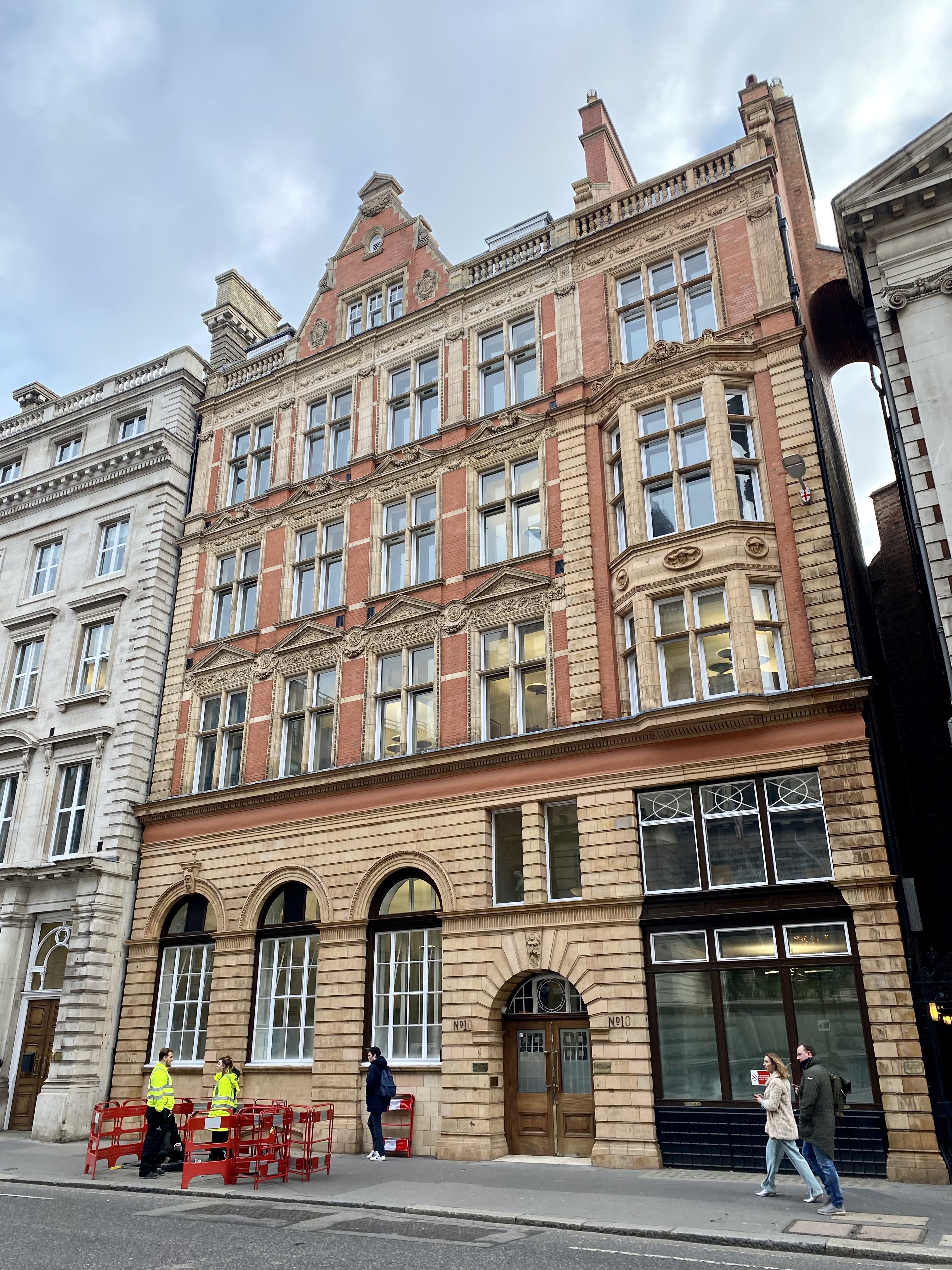
Wine Office Court
6

Wine Office Court

5 min

Wine Office Court is a historic narrow alley off Fleet Street that has sheltered one of London's most famous literary pubs, Ye Olde Cheshire Cheese, since its rebuilding after the Great Fire of 1666. The court preserves the cramped, atmospheric character of old London while serving as a gathering place for writers and thinkers across centuries.
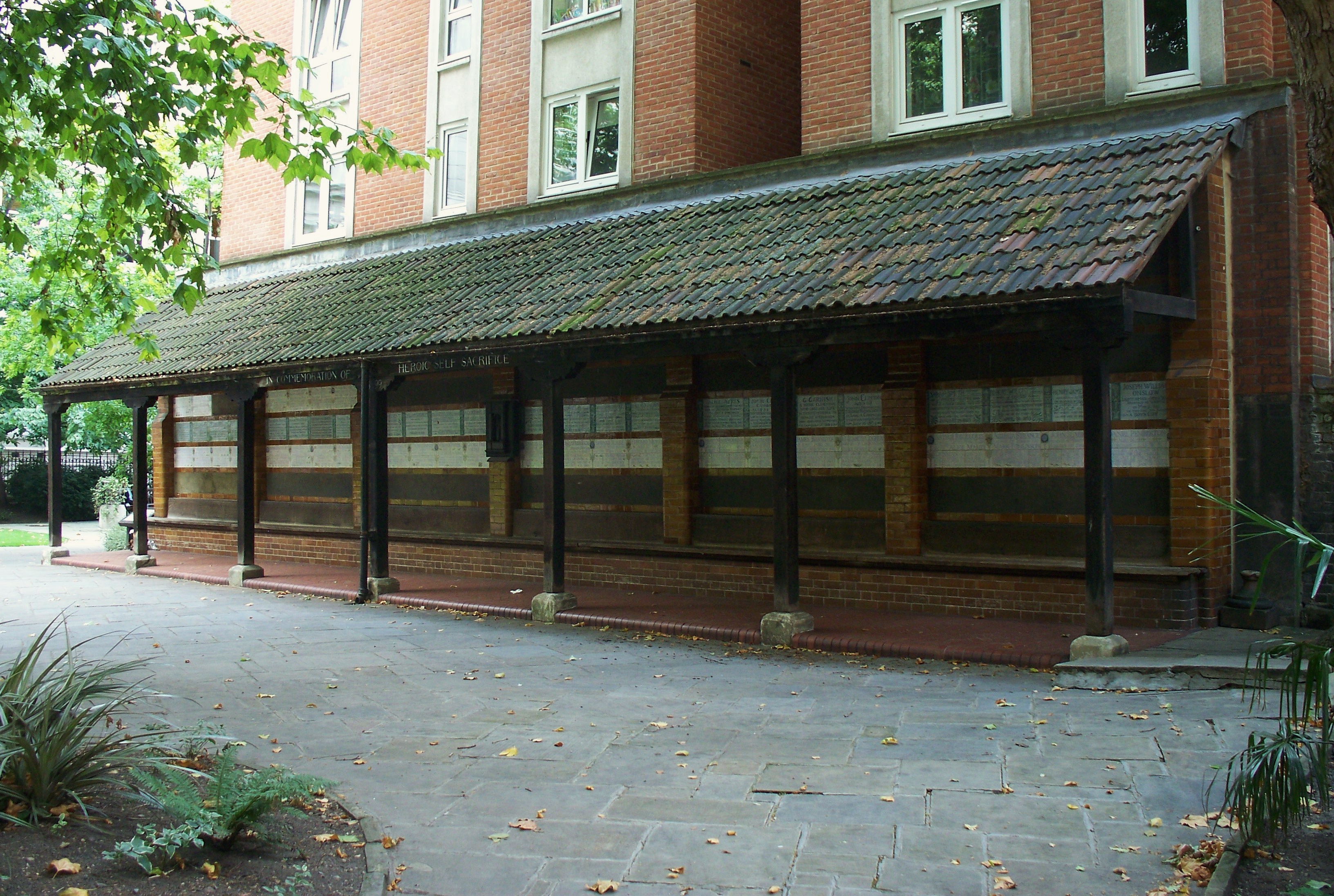
Postman's Park
7

Postman's Park

10 min

A small, tucked-away park near St Paul's Cathedral that holds the Watts Memorial — a unique wall of ceramic plaques commemorating ordinary people who died saving others. Almost nobody knows it exists, yet it's one of London's most moving hidden spaces.
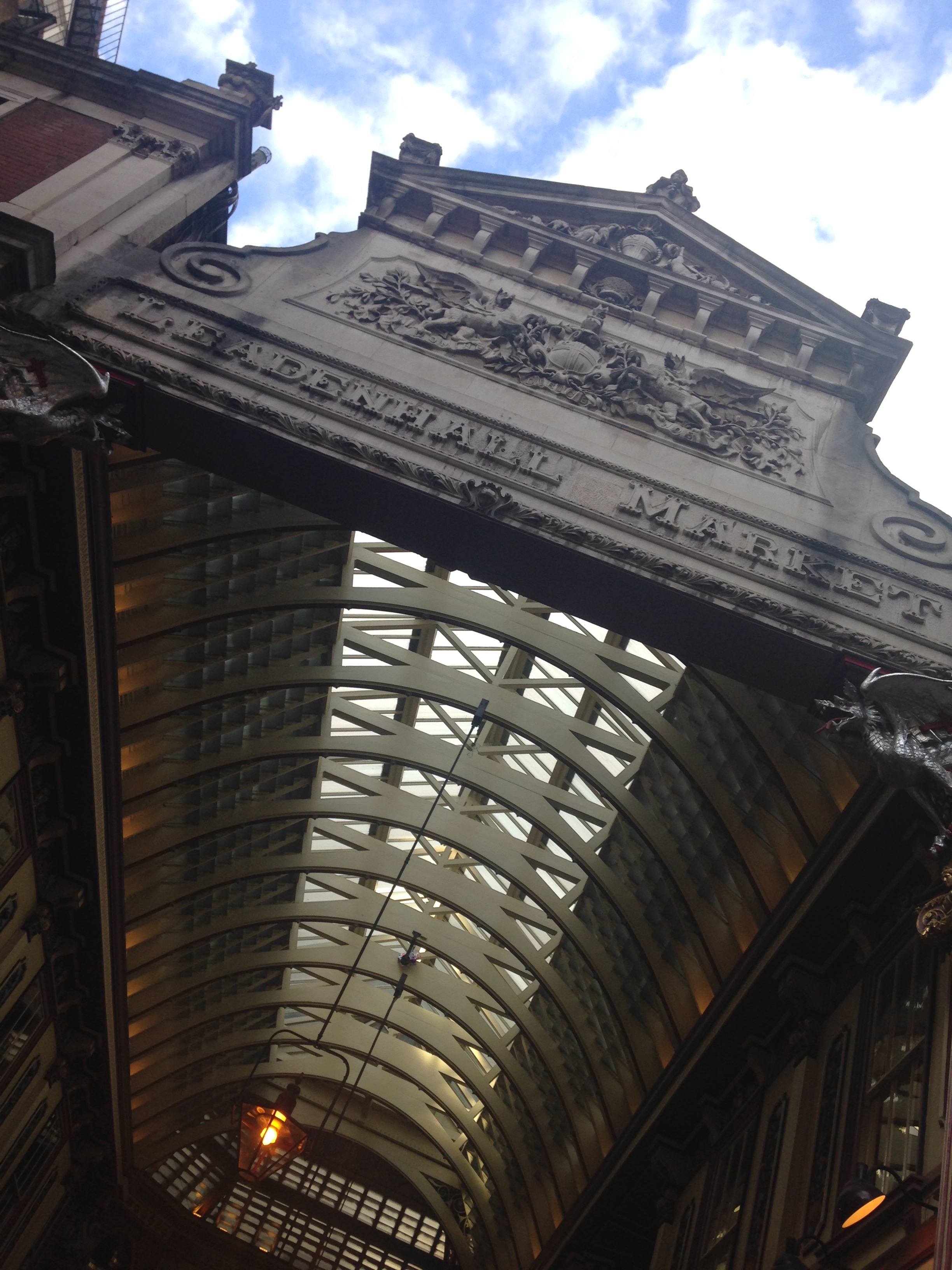
Leadenhall Market
8

Leadenhall Market

10 min

A historic covered market dating from the 13th century, Leadenhall Market is wrapped in Victorian ironwork and glass, hidden within the City's modern financial district. This atmospheric market hall was famously used as Diagon Alley in the Harry Potter films.
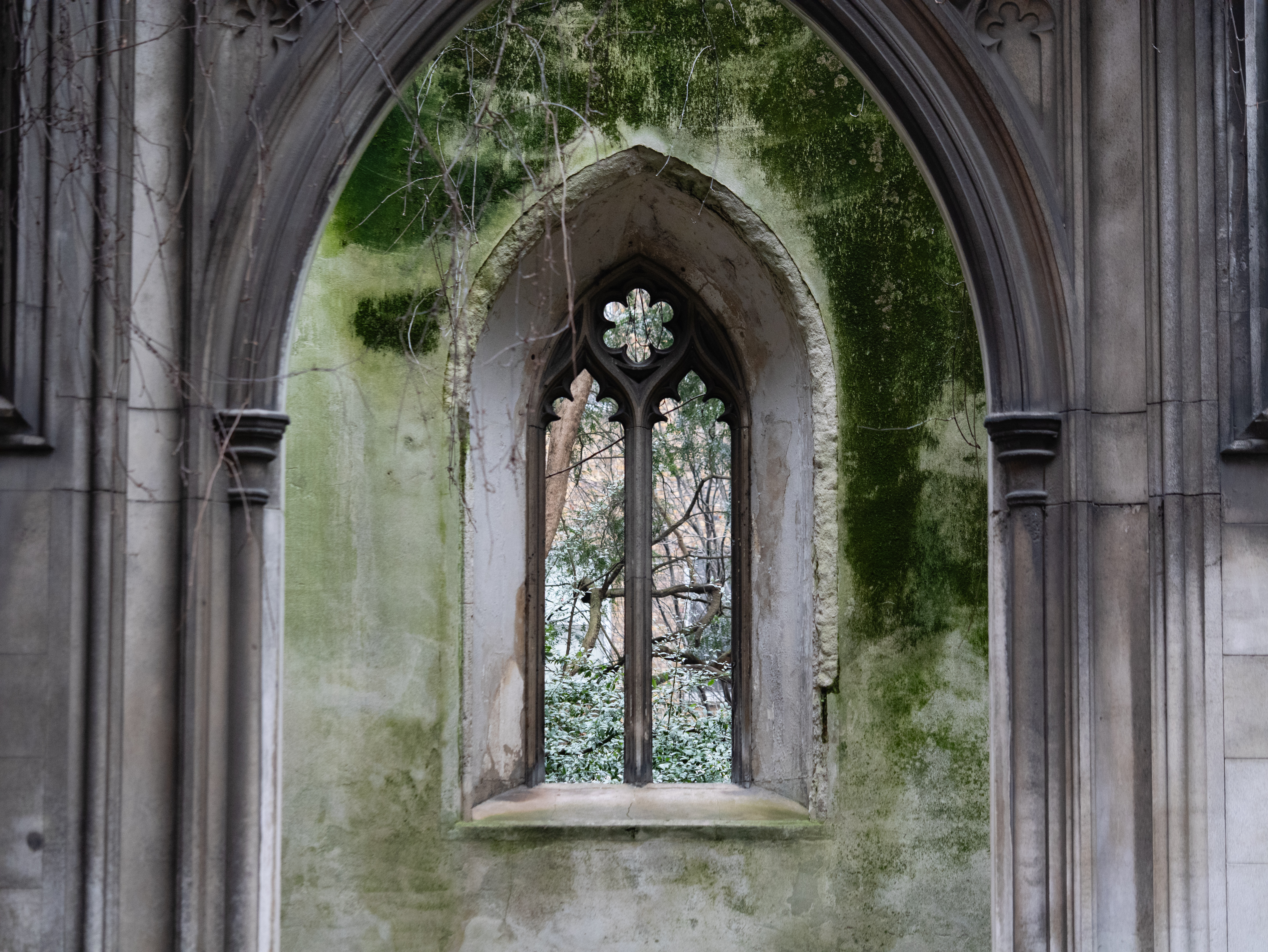
St Dunstan in the East
9

St Dunstan in the East

15 min

A ruined medieval church reclaimed by ivy and nature, hidden within the urban City of London landscape. Bombed in the Blitz and left to transform into an enchanting public garden where Gothic architecture meets wild growth.

A Taste of the Tour

This is the real story from one stop on this walk — every stop has one.

St James's Passages

London's grand facades are magnificent, but they're not where the real secrets live. Behind the orderly shop windows and beneath the rumble of traffic, an entire hidden city unfolds—a network of passages, courtyards, and gardens that London's elite have known about for centuries. These aren't the tourist attractions you'll find in guidebooks. They're the shortcuts taken by locals, the quiet refuges where artists gather, the forgotten corners where history refuses to be paved over. Today, you're getting the insider's map. We'll slip through aristocratic arcades designed for discretion, discover hidden courtyards bursting with unexpected colour, wander literary alleyways where writers once plotted revolutions in coffee houses, and witness nature reclaiming what humans once tried to perfect. This isn't a walk through London—it's a walk behind it, into the layered, complicated beauty that whispers beneath the city's polished surface. Welcome to the first secret of London: the passages of St James's. I want you to notice something before we step into the first one. Look around at the street. See the grand Georgian and Victorian facades? The shops with discreet brass nameplates? The sort of place where no one raises their voice and the pavements are curiously quiet? That's not an accident. When the wealthy of London wanted to shop, they didn't just amble down Oxford Street like ordinary people. They had passages built — covered walkways connecting one elegant shop to another, so a lady or gentleman could browse silk stockings or commission a tailored suit without being rained upon, without jostling with the common crowds. These weren't grand arcades like Burlington Arcade or Piccadilly Arcade, though those are nearby and equally magical. But they were the hidden infrastructure of aristocratic elegance. Walk with me into one of these passageways now. Notice the contrast the moment you step through the threshold. The noise of the street seems to vanish. The light changes — softer, more diffuse. The air feels different too, a bit cooler, a bit older. Above, you can see the original plasterwork, the Victorian ironwork, the careful architecture of a space designed not to impress the masses, but to serve those who already knew they didn't need to impress anyone. What's remarkable about these passages is that they're not famous tourist destinations. They're not on the usual maps. Walk down Piccadilly or through St James's Street, and you'd never guess they were there. That's entirely the point. These were built as shortcuts for the initiated. They connected the residences of the wealthy to their favorite shops, their clubs, their tailor's fitting rooms. They were designed for people who knew London so well, they didn't need grand markers or obvious entrances. Think about this: London was built on layers. And we're standing in one of those layers right now. Above us, modern London goes about its business. Below, in some cases, medieval cellars echo with centuries of history. And here, in these passages, the Edwardian and Georgian worlds still operate exactly as they always have. The jewelry shops, the tailors, the perfumeries — many of them have been here for generations. Some of the craftsmen inside learned their trade from masters who learned it from masters. This is also where our tour's big theme starts to reveal itself: the idea that London's most interesting spaces are hidden. Not lost, not forgotten, but deliberately concealed behind proper facades and elegant doorways. A city this old, this layered, this full of money and history and ambition — of course it has passages. Of course the wealthy would insist on them. Because to truly belong to old London, you didn't just need to know the right people. You needed to know the right ways in. As we move forward on this tour, you'll notice this pattern everywhere. You'll find courtyards that seem impossible — how did they build these gardens here, in the middle of the city? You'll discover alleys that lead to entirely different eras of London. And yes, you'll find more passages. After we leave here and move through Goodwin's Court, you'll see a different kind of hiddenness — more intimate, more bohemian, but equally secret. Then when we get to Leadenhall Market later, you'll understand another layer entirely: a covered space built not for aristocrats, but for ordinary Londoners wanting to shop without the rain. But this, here, in St James's Passages — this is where elegance chose to hide. This is London's first secret, and it's still keeping its composure while the city roars on just beyond its threshold.

More Tours in London

Nearby Cities

Back to London Tours

Cookie Consent

We use cookies to analyse site traffic and improve your experience. You can choose to accept or reject analytics cookies. Learn more