Georgian Grandeur & Mayfair Elegance
London · United Kingdom

Georgian Grandeur & Mayfair Elegance

London, United Kingdom
105
Duration (min)
2.9
Distance (km)
8
Stops
Easy
Difficulty

Description

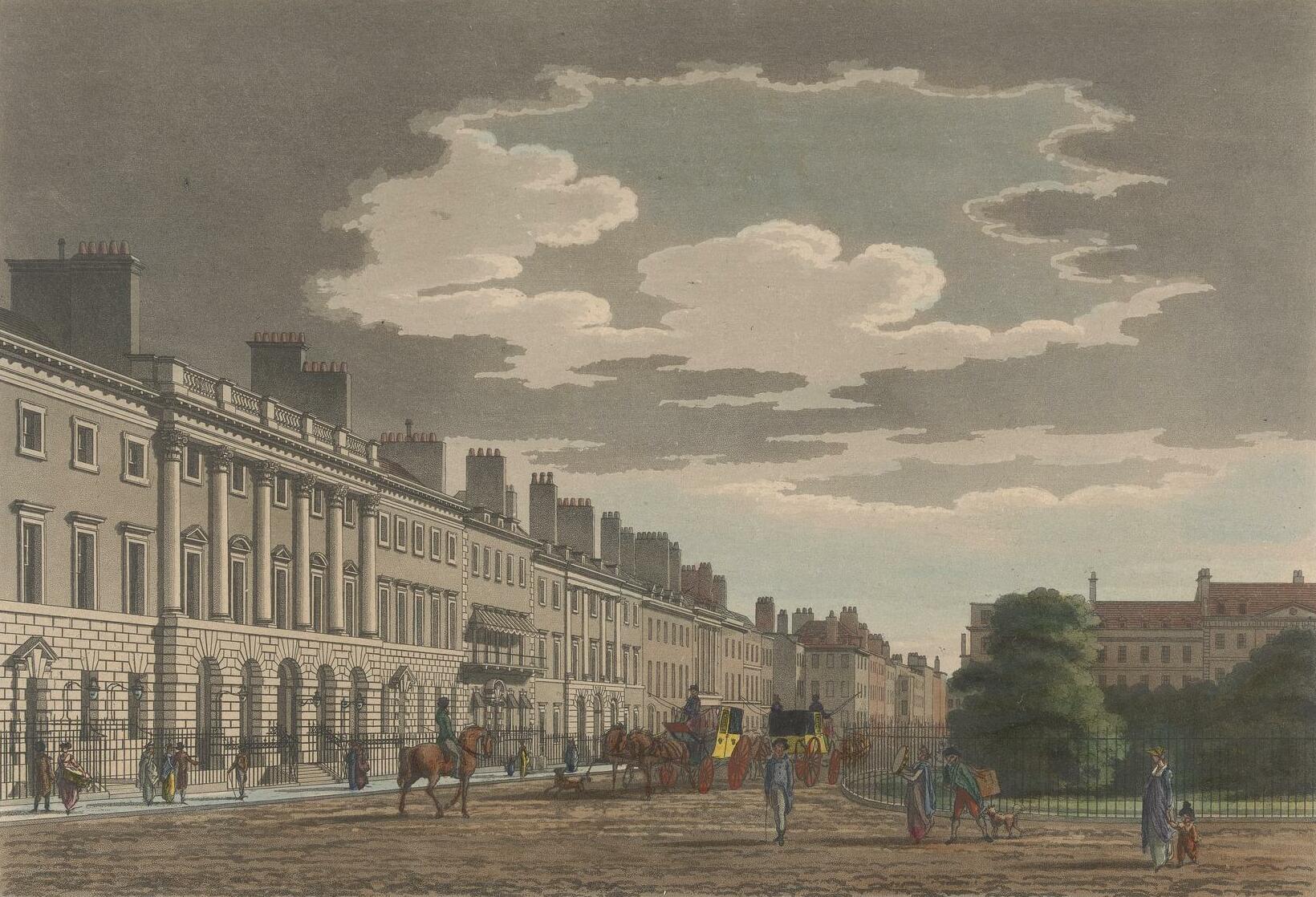
Walk through London's wealthiest neighbourhood and discover how the Georgian aristocracy designed a machine for elegant living. From the gilded gates of Buckingham Palace through the hidden arcades of St James's, past the Royal Academy and into Mayfair's intimate squares, secret markets, and discreet hotels — where true power has always whispered rather than shouted.

Highlights

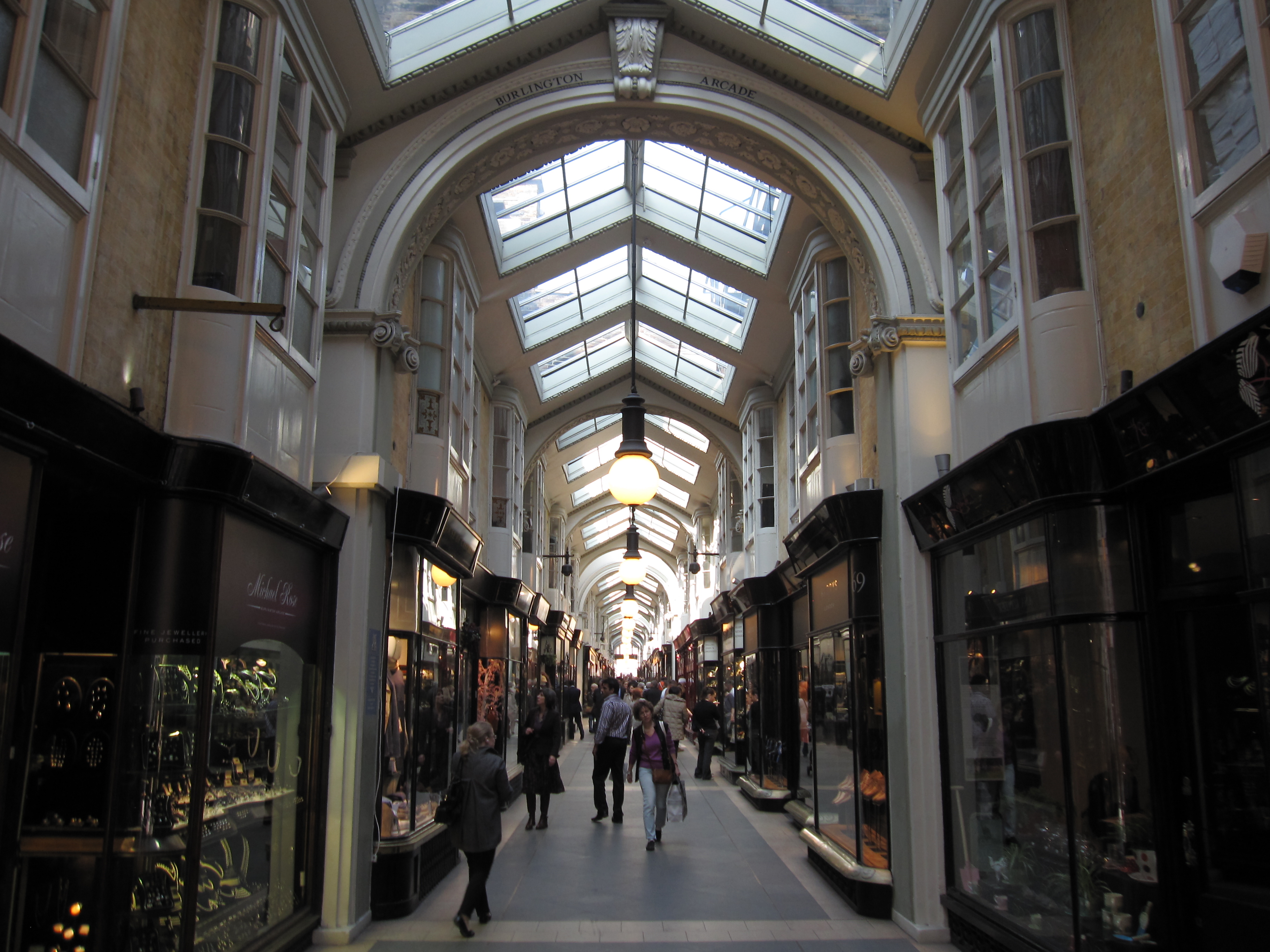
Stand before Buckingham Palace and learn why its famous façade is Edwardian theatre masking Georgian bones Walk through Burlington Arcade, where Beadles still enforce the 1819 ban on running, singing, and opening umbrellas Discover Shepherd Market, the hidden village inside London's most exclusive postcode Stand beneath Berkeley Square's 230-year-old plane trees, the oldest in London End at Claridge's, where Suite 212 was once declared Yugoslav sovereign territory for a royal birth
Tour Stops

Buckingham Palace
1

Buckingham Palace

10 min

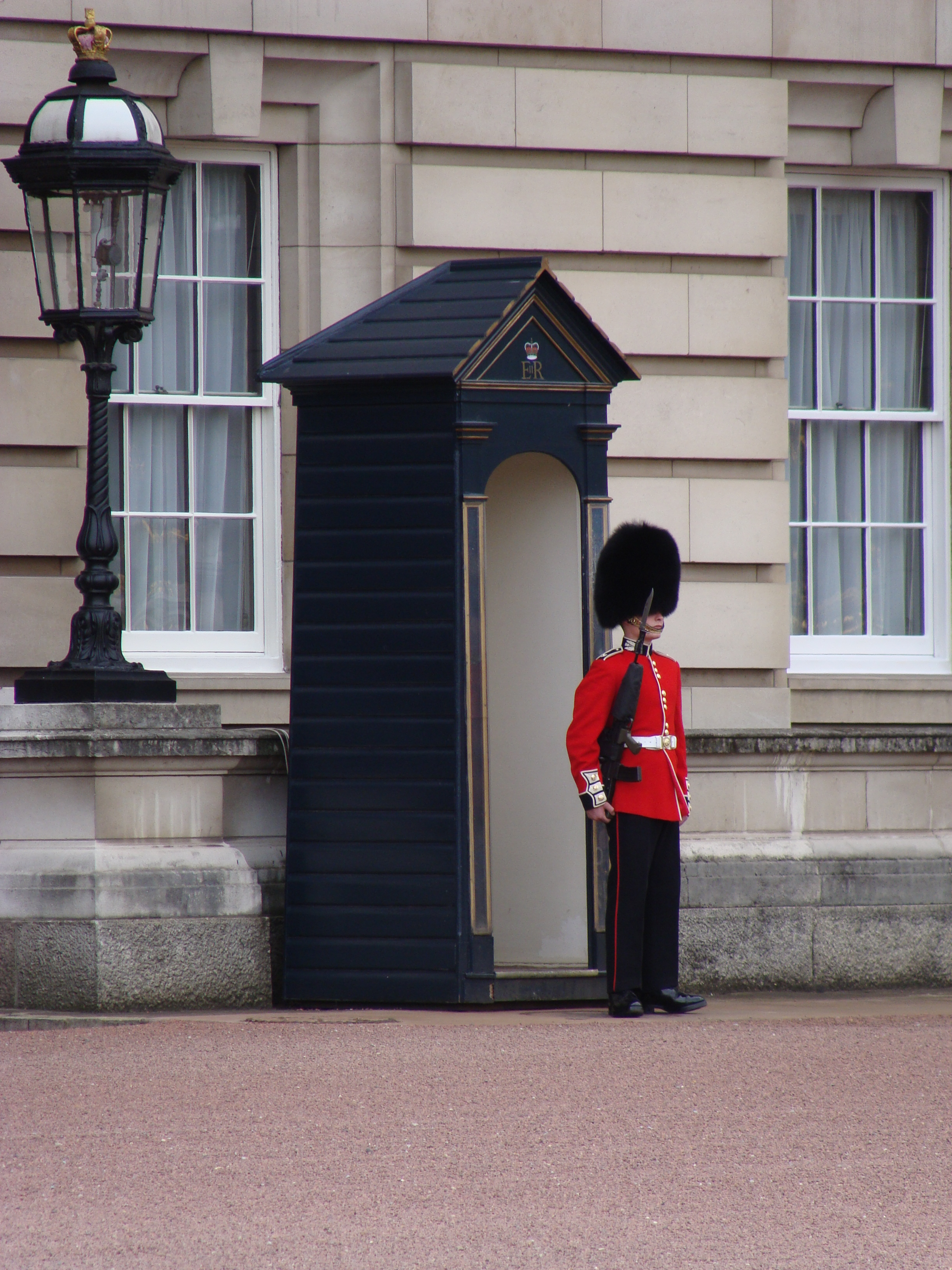
Buckingham Palace is the official London residence of the monarch, symbolizing the apex of royal and aristocratic power—though the famous Portland stone façade (1913) is Edwardian, masking the Georgian mansion that inspired it.
St James's Park
2

St James's Park

15 min

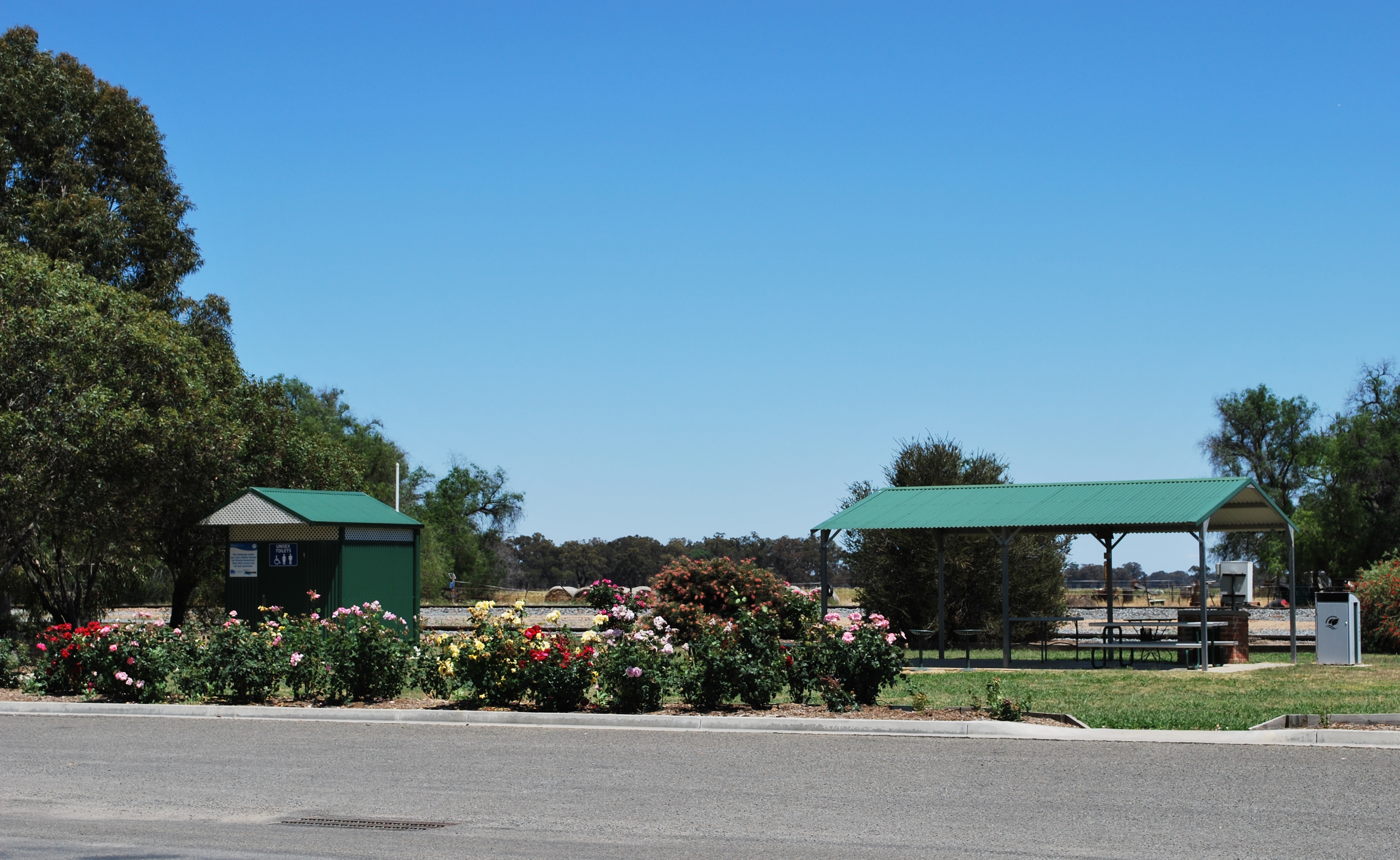
A 23-acre royal park opened to the public by Charles II in 1660, St James's Park is London's most fashionable green space, where aristocratic life once unfolded beneath noble trees and beside a glittering lake stocked with royal pelicans.
St James's Passages
3

St James's Passages

15 min

A network of historic passages and arcades between Jermyn Street and Piccadilly that reveal the hidden infrastructure of Georgian aristocratic life, where the wealthy moved between clubs, tailors, and shops without touching the street.
Royal Academy of Arts
4

Royal Academy of Arts

10 min

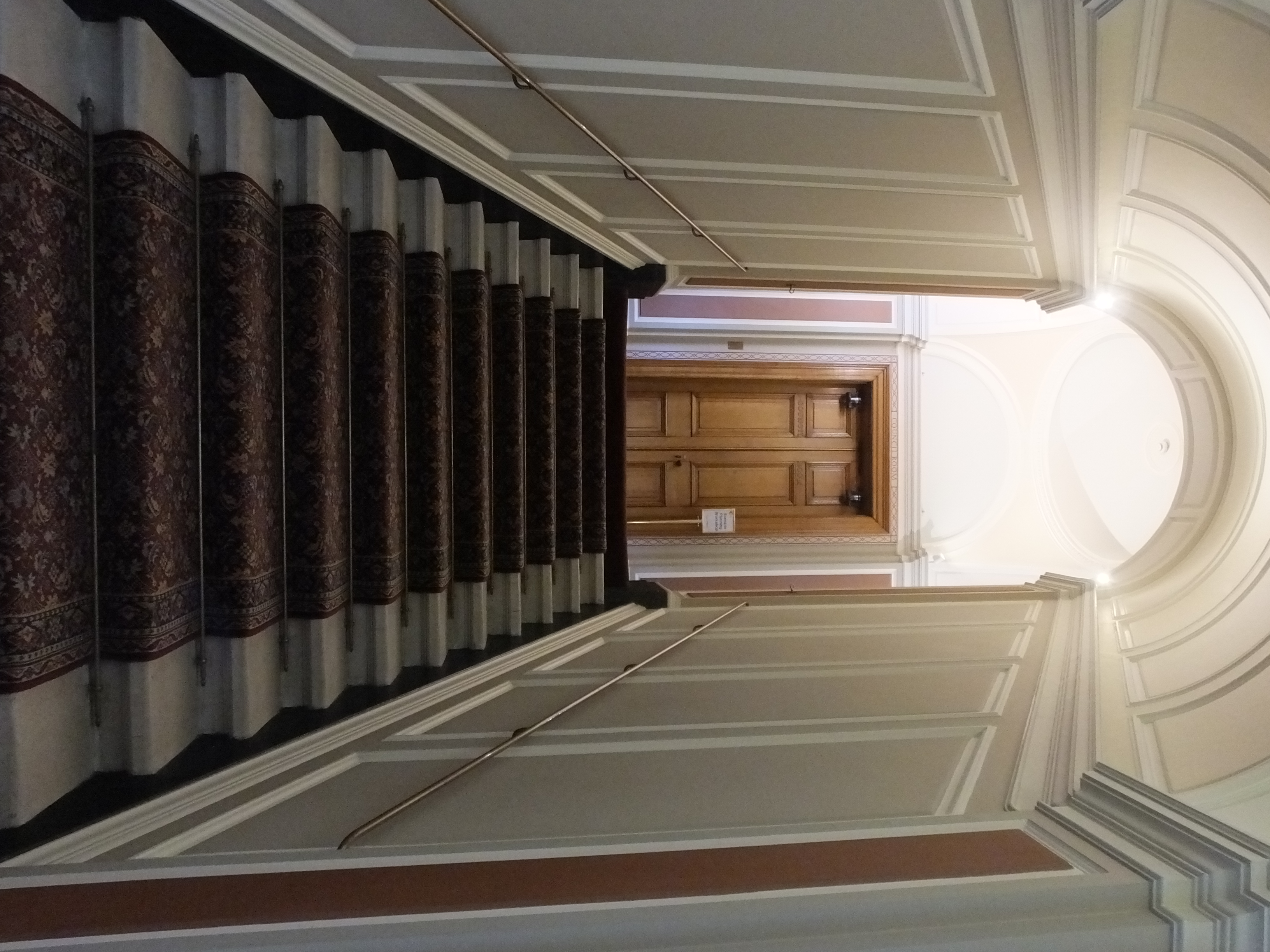
Burlington House, the last surviving aristocratic mansion on Piccadilly, has been home to the Royal Academy of Arts since 1868 and remains a beacon of Georgian architecture and public cultural mission in the heart of Mayfair.
Shepherd Market
5

Shepherd Market

10 min

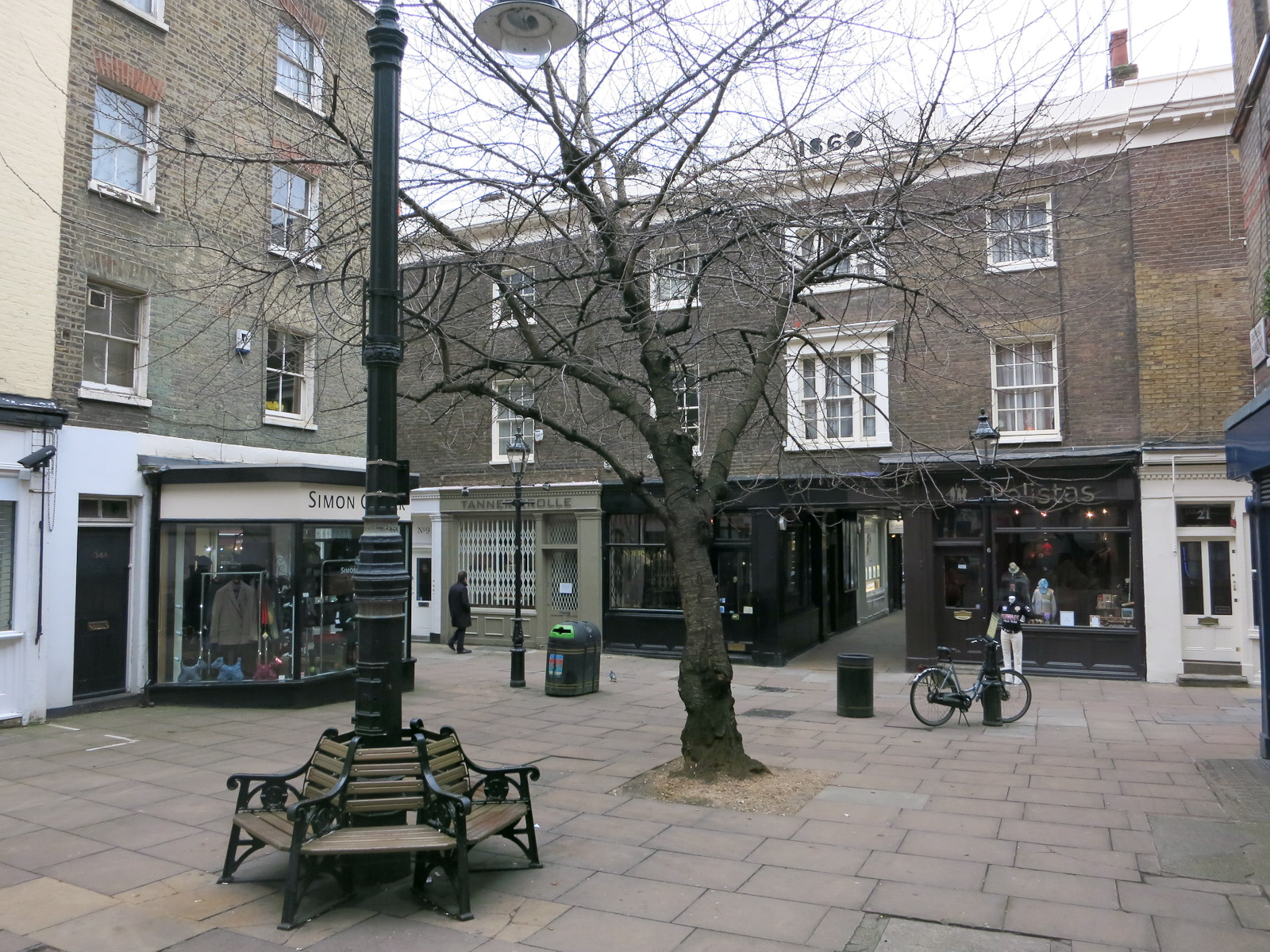
A hidden network of streets and courtyards on the site of the old May Fair, Shepherd Market is where Mayfair's residents actually live and shop — the most intimate and human-scaled corner of London's wealthiest neighbourhood.
Clarges Street
6

Clarges Street

5 min

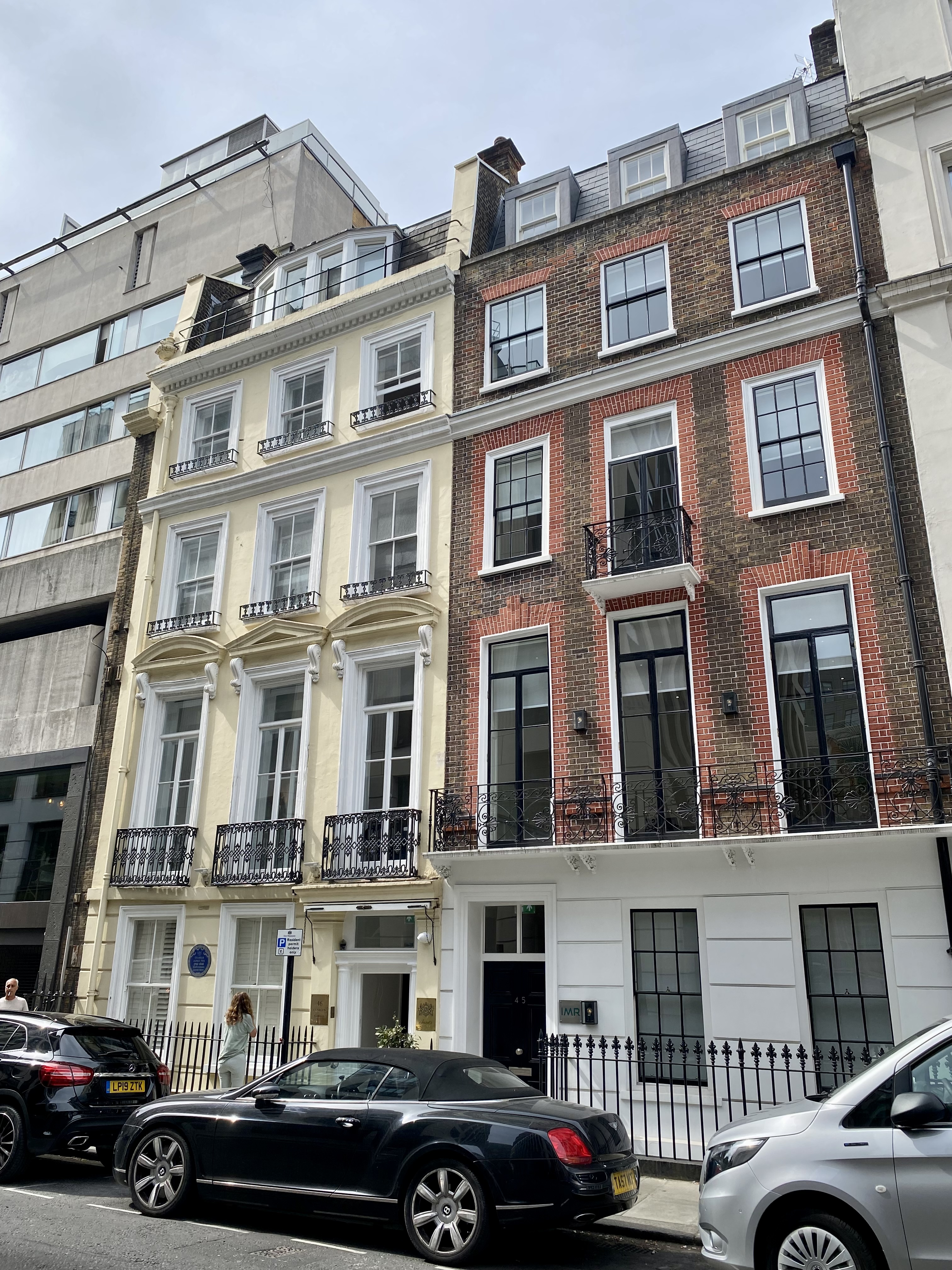
A quiet Georgian street embodying aristocratic proportion and restraint, named after Sir Thomas Clarges. Lined with elegant townhouses that show the essential characteristics of Mayfair residential architecture: sash windows, iron railings, and carefully calculated façades designed to convey status through subtlety rather than spectacle.
Berkeley Square
7

Berkeley Square

10 min

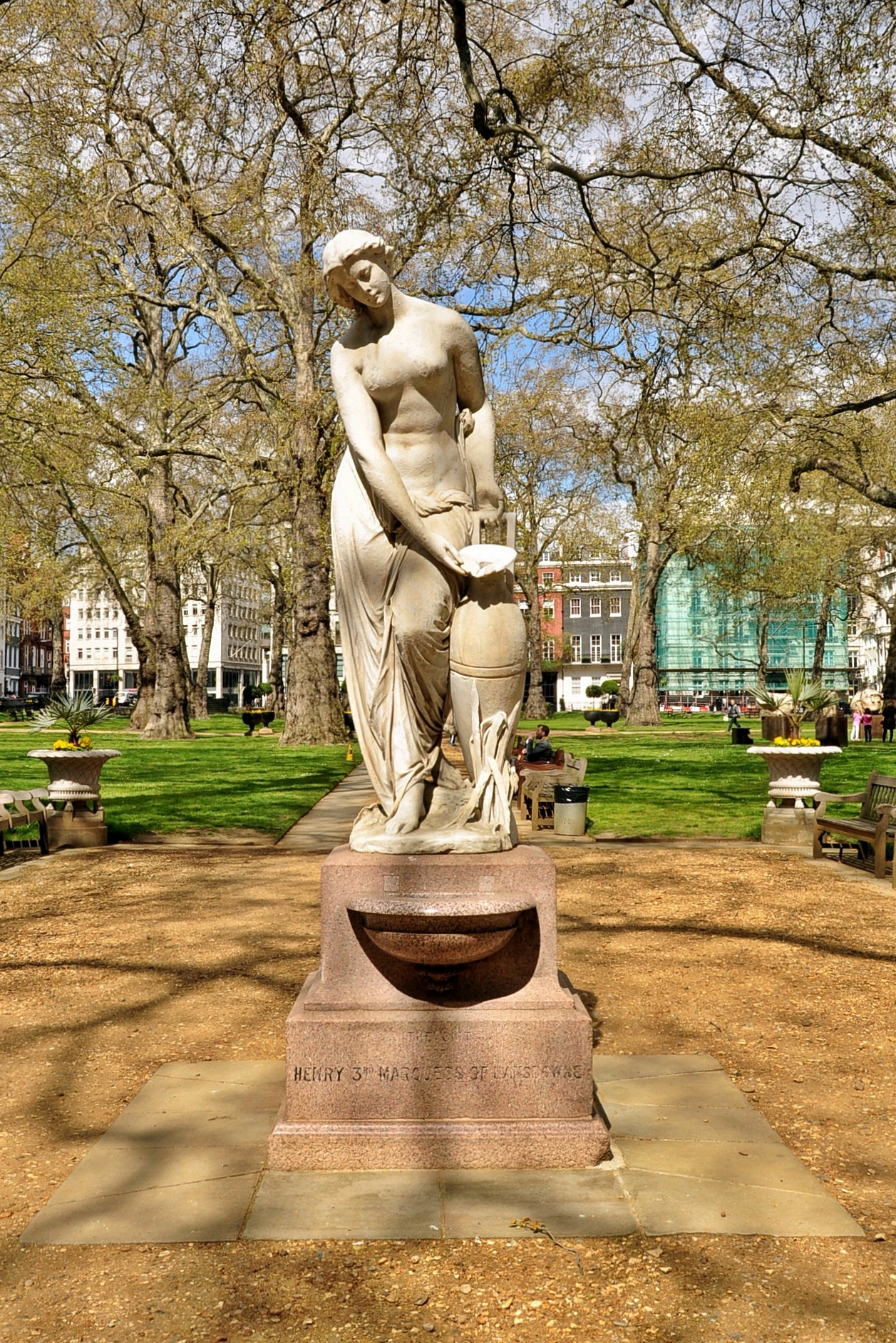
Berkeley Square, laid out in the 1730s and home to the oldest London plane trees (planted 1789), is the jewel of Georgian Mayfair. The square's finest townhouse, No. 44, features William Kent's architectural masterpiece—a staircase considered one of England's greatest eighteenth-century achievements.
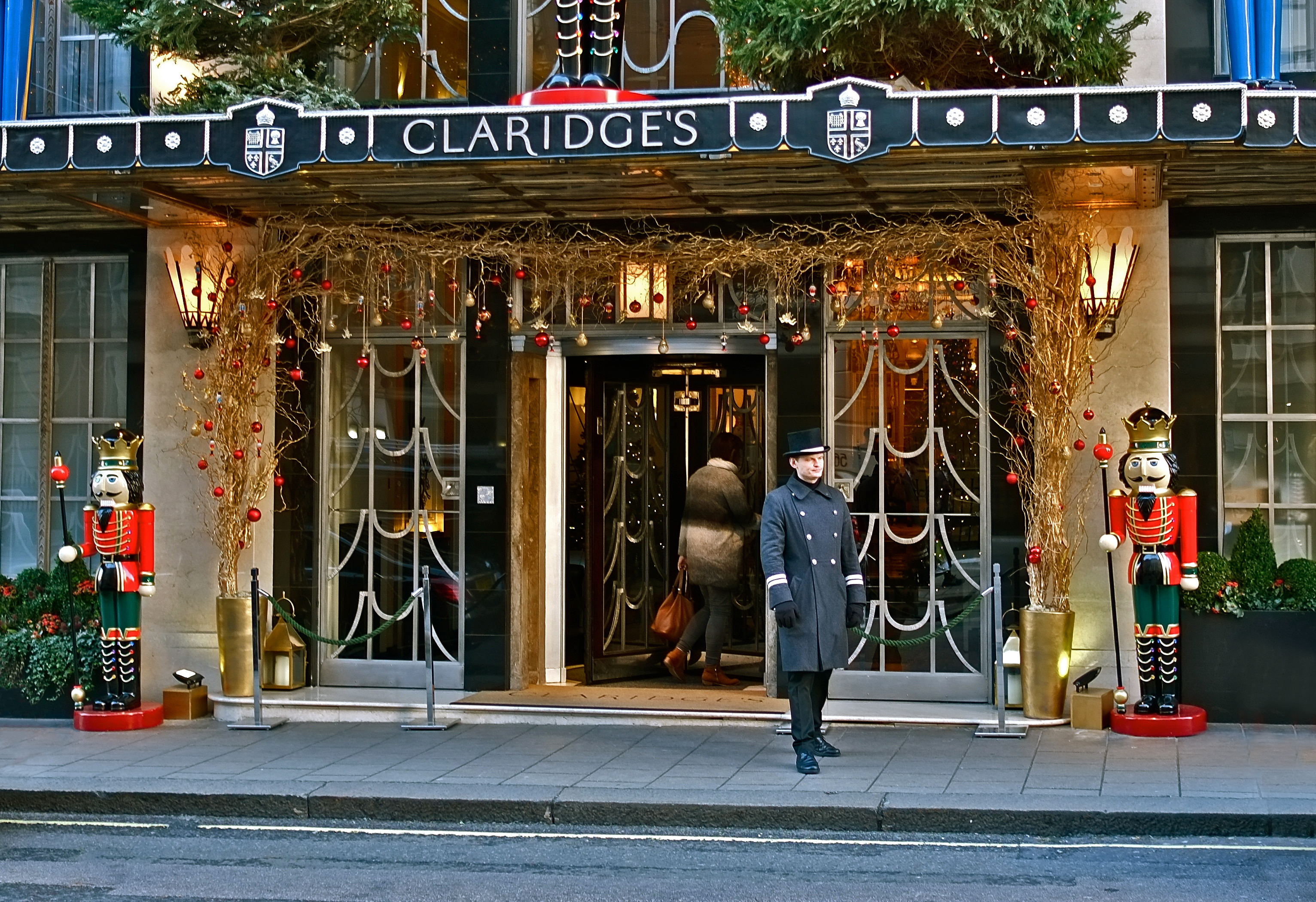
Claridge's Hotel
8

Claridge's Hotel

5 min

Claridge's Hotel is a luxury hotel in Mayfair that embodies refined British hospitality since 1856, with its current Art Deco facade (1890s-1930s) representing the height of elegant discretion.

A Taste of the Tour

This is the real story from one stop on this walk — every stop has one.

Buckingham Palace

We begin where London's power announces itself most boldly—Buckingham Palace, the gilded facade of monarchy and the public face of aristocratic authority. But step away from the gates, and you'll discover something far more revealing. The real Mayfair lies in the squares and passages that spread behind this monumental grandeur: in the proportioned elegance of Georgian townhouses, in quiet mews where horses once stood, in the refined passages that connect one refined world to another. What you're about to experience is the architecture of actual aristocratic life—not the spectacle for the crowds, but the world as the truly powerful knew it. Over the next ninety minutes, we'll move through eight carefully chosen stops, watching how power expressed itself when it didn't need to shout. By the end, you'll understand why in Mayfair, the most elite address isn't always the loudest one. You'll see why true power whispers. You're standing at the gates of what is arguably the most recognizable royal residence in the world, yet there's a delicious irony in beginning our tour here: Buckingham Palace is barely Georgian at all. The building in front of you—all dignified Portland stone and those 370 identical windows—was a cosmetic reinvention by Aston Webb in 1913, a stately Edwardian facelift of a much earlier house. Before 1913, this was Nash's Buckingham House, built in the 1820s and part of a much looser, more playful Georgian landscape. Before 1837, it wasn't even the main royal residence. When Queen Victoria arrived and claimed it as her primary London home, she was actually moving into what had been a second-tier royal property. The monarchy learned something crucial about power in the 19th century: it needed a house grand enough to impress the public, but also central enough to dominate Westminster's geography. Look at the position of the palace and you begin to understand the strategy. It anchors the western edge of St James's Park—notice how that green space fans out from the palace like a royal drawing room extended outdoors. The park itself was enclosed as hunting ground for Henry VIII in the 1530s, but by the Georgian period it had become a public promenade where even ordinary Londoners could walk (though not everywhere—certain paths were reserved). When the palace became official royal residence, the park's symbolic value inverted: what had been the monarch's private hunting ground became a gift to the city. Public access, royal supervision. The Changing of the Guard, which you might witness if you've timed this right, is a brilliant piece of public theatre—and the 18th century aristocracy understood theatre. The red-coated soldiers, the pageantry, the clockwork precision: all of it is performance. It broadcasts royal power to the watching crowds. Yet here's what's interesting about Georgian and Edwardian urban design: the real power was never in these public displays. The real power was in knowing which door to walk through, which garden to access, which exclusive square belonged to you. The palace guards everyone can see; the actual aristocratic London happens behind closed doors. Walk around the railings and notice the architecture more closely. Those windows are Edwardian regularity—a kind of imperial confidence that assumes symmetry equals dignity. They're beautiful, certainly, but they're almost stubborn in their refusal to acknowledge what came before. The original Nash building underneath was more playful, more genuinely Georgian in its proportions. But Victorian and Edwardian tastes demanded grandeur without ambiguity, confidence without frivolity. The palace's placement matters strategically too. Standing here, Westminster's power structure unfolds in visible lines: parliament and governance to the east, the sovereign's residence here to the west. The Thames runs south as London's commercial spine. Mayfair, where we'll spend most of our walk, sits just north—that's where the aristocracy who attended court actually lived. Not in gilded palaces; in elegant Georgian terraces and squares with perfectly proportioned townhouses. The palace was the public statement; Mayfair was the private reality. As we move through this tour, you'll notice a pattern: we're beginning with the most visible expression of wealth and moving toward the invisible one. The palace announces itself to the world with pomp and ceremony. By the time we reach Berkeley Square and St James's Market and the hidden arcades behind Oxford Street, you'll be standing in spaces where the real 18th-century aristocracy circulated—refined, controlled, and almost deliberately private. The palace is what the monarchy needed to show. Mayfair is what the aristocracy actually wanted. For now, take in the vista: the ordered façade, the guards, the crowds of tourists and photographers. This is monarchy as public institution. In a few minutes, we'll cross into St James's Park and then head toward the quieter, more sophisticated power structures of Georgian Mayfair. But stand here first and acknowledge what this building represented: the moment when royal residence became national symbol, when private grandeur learned to perform for public crowds.

More Tours in London

Nearby Cities

Back to London Tours

Cookie Consent

We use cookies to analyse site traffic and improve your experience. You can choose to accept or reject analytics cookies. Learn more