This is the real story from one stop on this walk — every stop has one.
Cristóbal Balenciaga Museoa
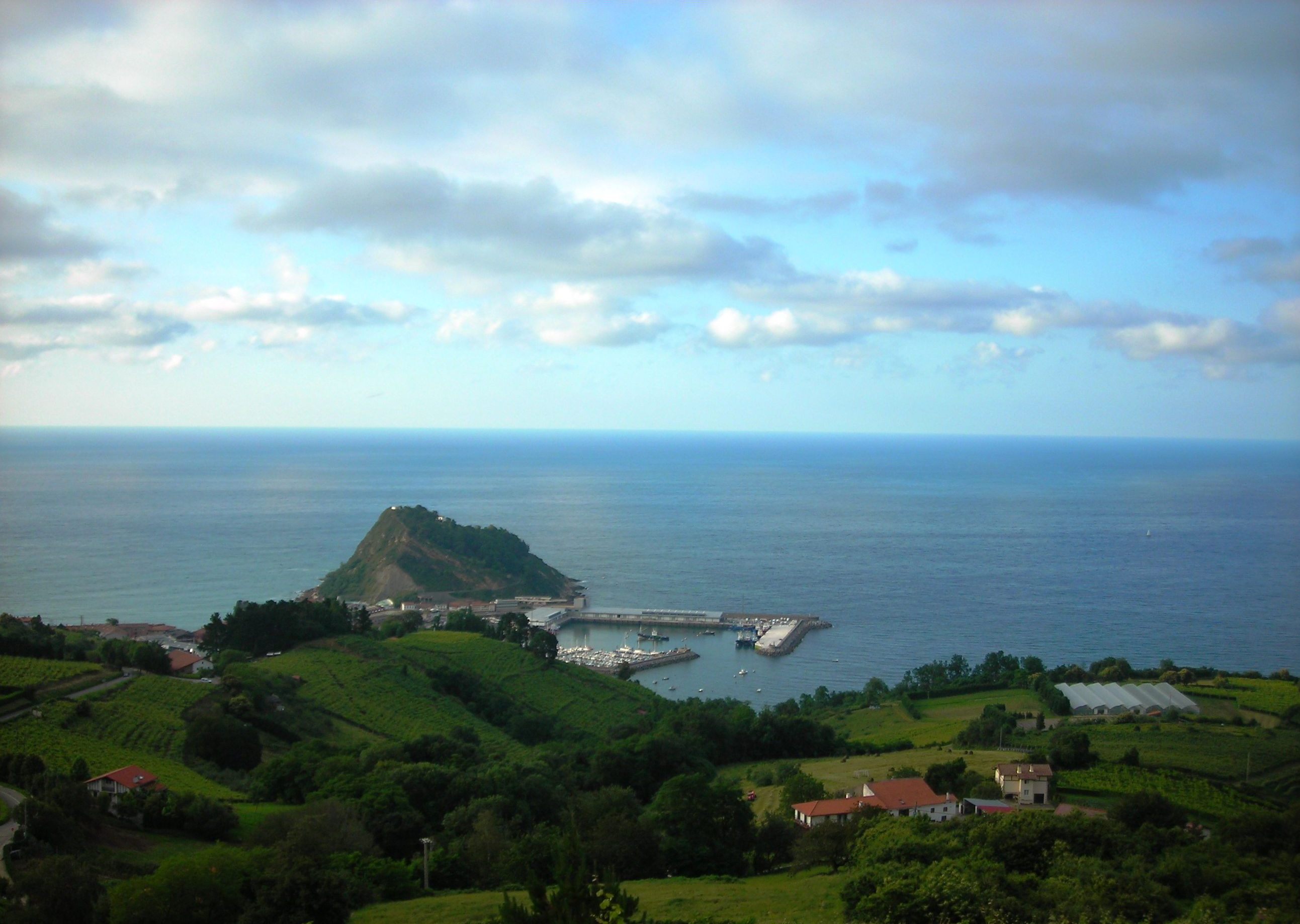
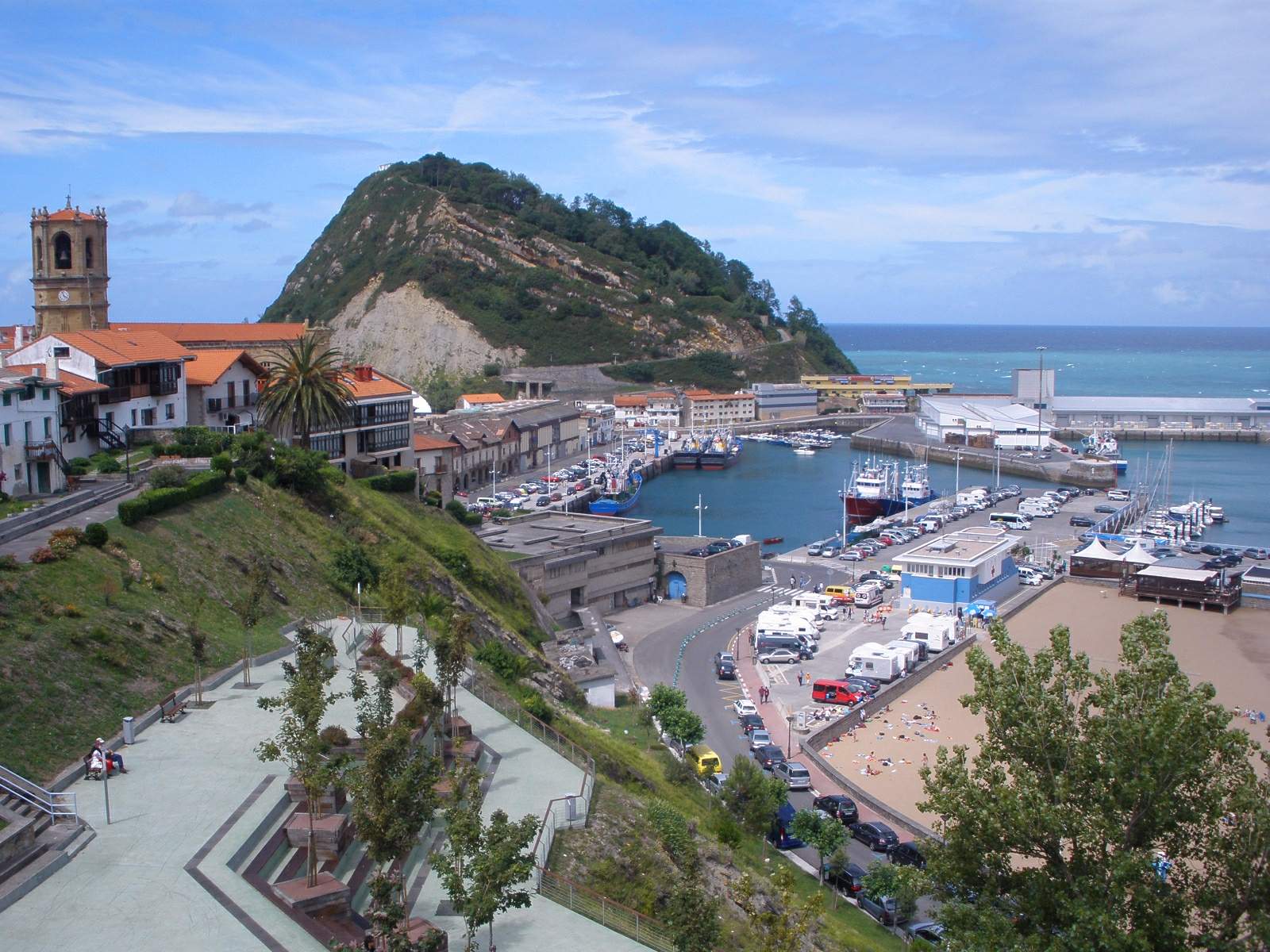
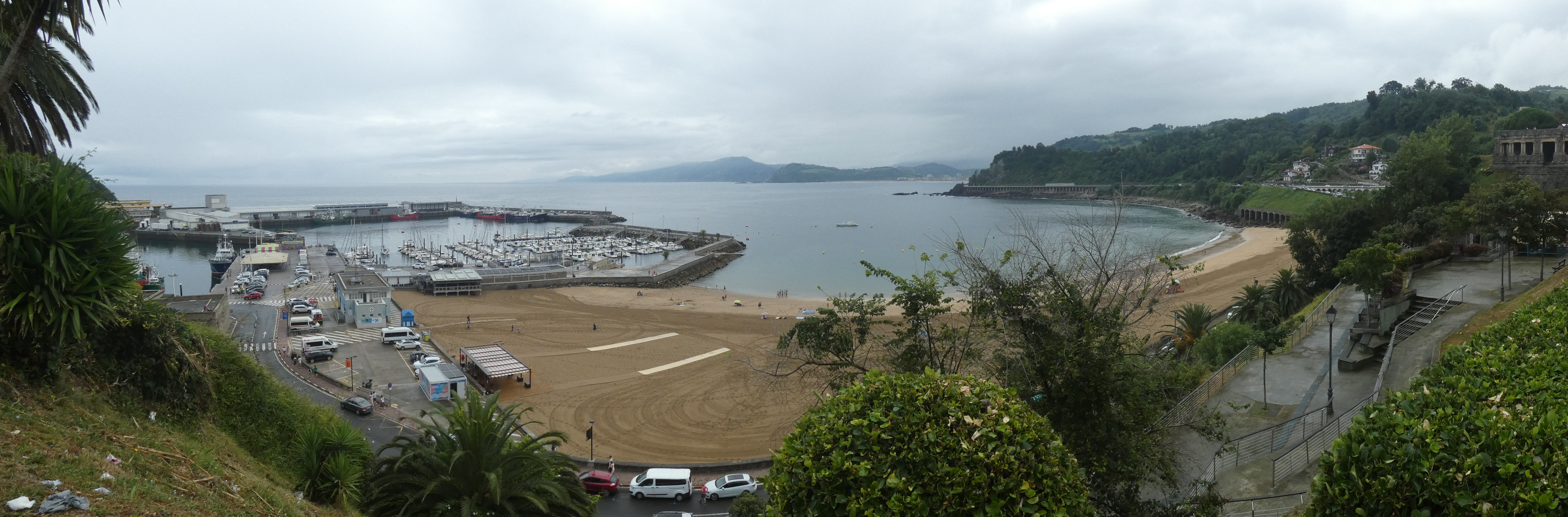
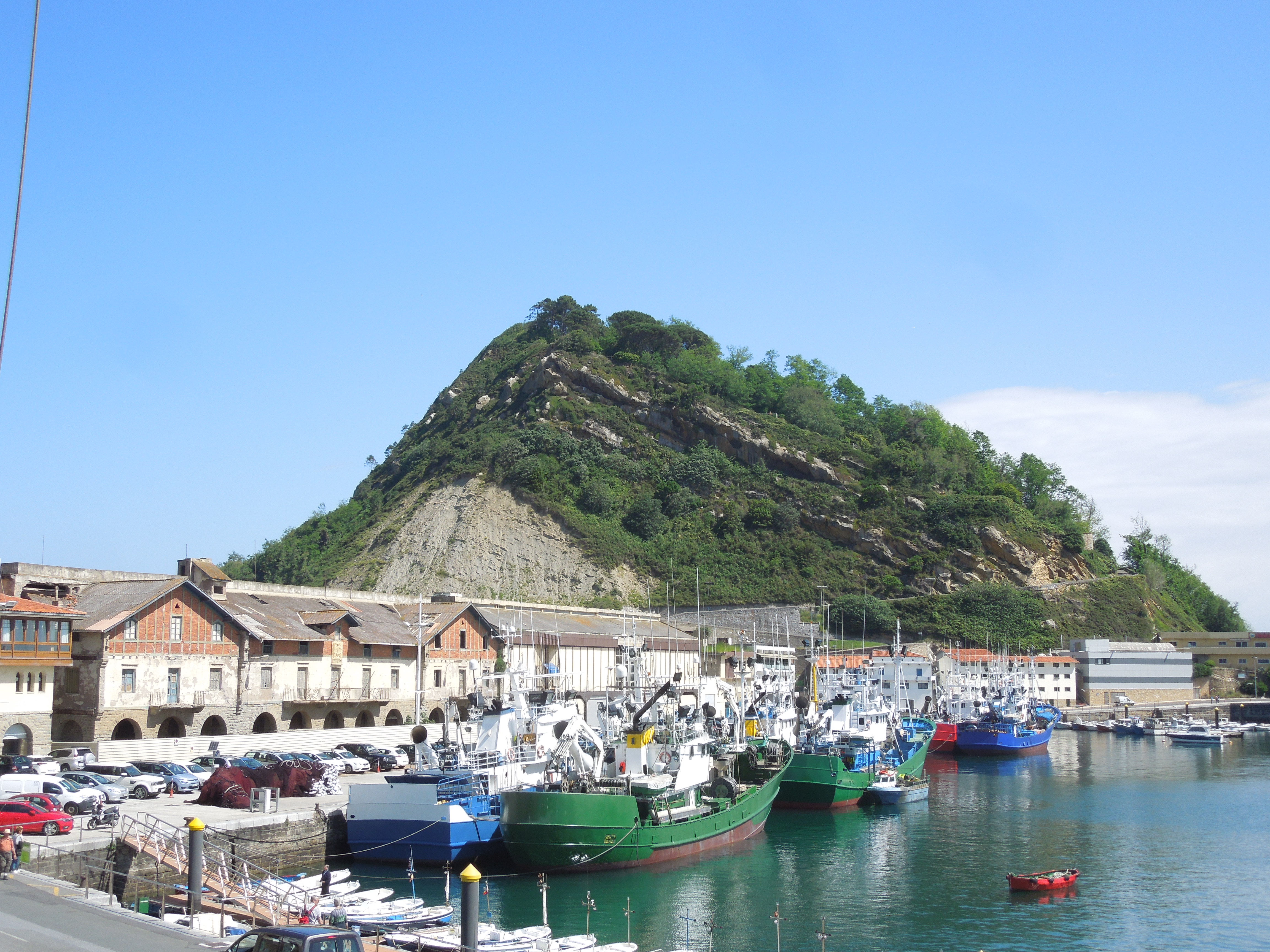
Welcome to Getaria. Take a good look around, because you have almost seen the whole village already. This is a place you can cross on foot in about five minutes, a huddle of stone houses balanced on a mouse-shaped rock, wedged between steep green vineyards and the open Atlantic. Fishing boats below, txakoli vines above, and salt in the air between them.
And yet, for somewhere so small, Getaria has an outrageous habit of showing up everywhere else in the world. The same sea that filled its nets and its dinner tables also carried its people, its ideas, and its name to the far corners of the map. The man who first took a ship right around the world came from these lanes. So did a boy who would dress the world's most famous women. Not bad for a village you could miss if you blinked on the coast road.
We begin here at the top of town, at its most celebrated house, and then we will wander down toward the water. Keep that idea in your pocket as we walk: tiny place, enormous reach. Let's go.
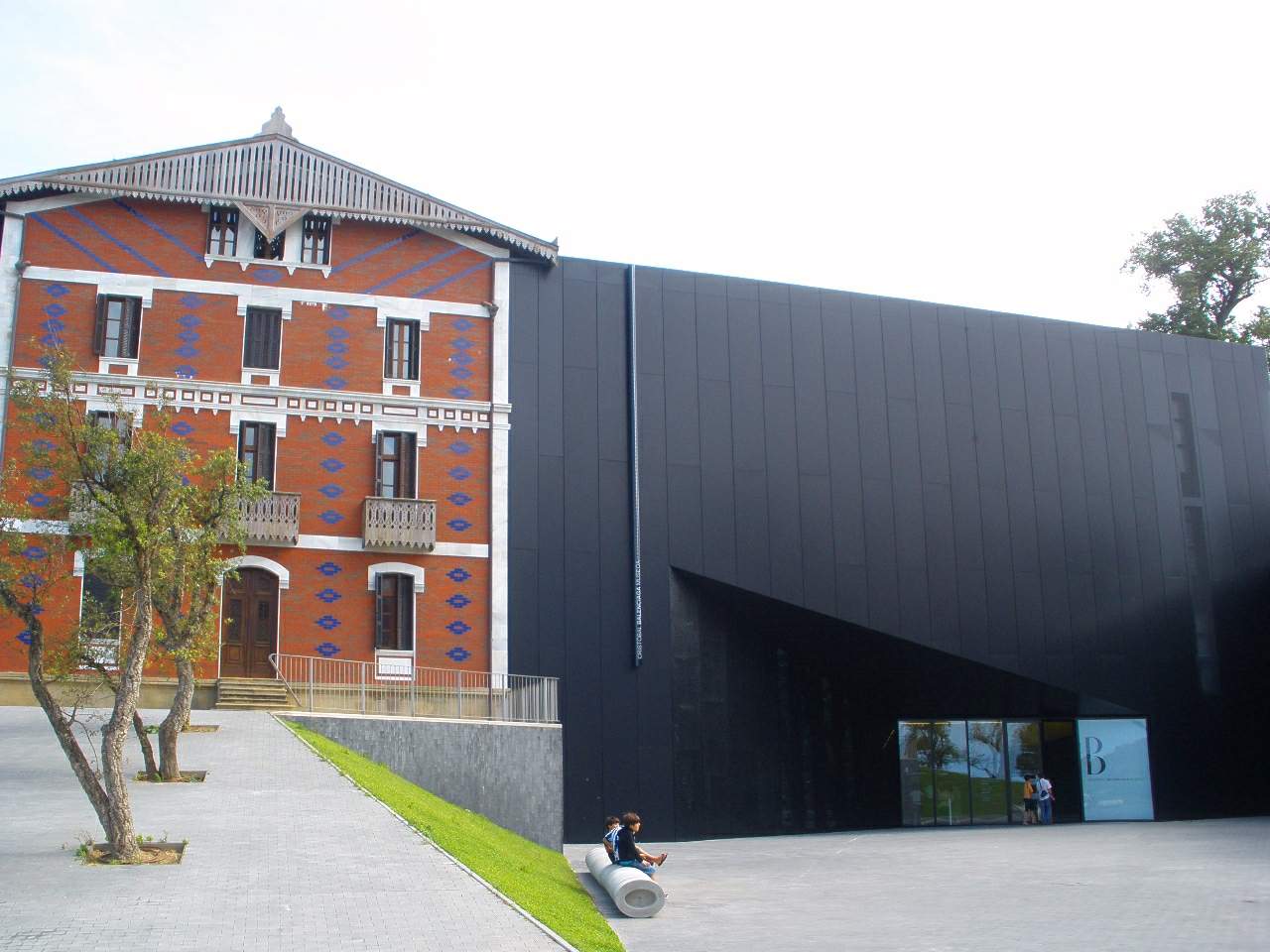
Stand here for a moment and take in the two buildings you're looking at, because they're really telling you the whole story of this village in a single glance. There's the old stone palace, the Aldamar, all dignified and rooted, and then there's that startling wing of dark, tinted glass grafted onto its side — sleek, modern, a little audacious. Old and new, small and vast, local and global, all fused together. That's Getaria in a nutshell, and it's the perfect place to begin.
Because here's the thing about this village that you'll feel more and more as we walk today: there are only somewhere around 2,500 people living here. And yet this speck of a fishing town has kept reaching out and touching the entire planet. The sea that fed the people here also carried them — and their names, and their genius — to the far corners of the world. Behind these walls lived one of the clearest examples of that. A boy from this village grew up to conquer the world of high fashion.
His name was Cristóbal Balenciaga, born right here in Getaria on the 21st of January, 1895. And I want you to hold onto how ordinary his beginnings were. His father was a mariner — a man of the sea, like nearly everyone here. His mother was a seamstress. When money was tight, young Cristóbal did what a devoted son does: he sat beside his mother and learned to sew, stitching to help her keep the household going. That's it. That's the origin of one of the greatest couturiers who ever lived. Not a fashion academy, not a wealthy family — a mother's needle and thread in a small Basque port.
Now, look again at that stone palace, the Aldamar. This is not a random building chosen to hold his museum. This is where his life pivoted. The palace belonged to the Marquesa de Casa Torres, an aristocrat who summered here. And the story goes that the young Balenciaga so admired the elegant clothes she wore that she noticed the boy's talent — and became his very first client and patron. Imagine the nerve and the eye it took: a village teenager studying the cut of a marquesa's gown and understanding, instinctively, how it was made and how it could be made better. She opened doors for him. He would later say she taught him what true elegance looked like. So the building his museum now occupies is, quite literally, the place where the master found his first believer.
From there the rise was extraordinary. He opened his own house in Spain under the name Eisa, dressing Spanish high society. But it was Paris that made him immortal. He moved there in 1937, and the fashion world simply reorganized itself around what he could do. He wasn't a decorator of women — he was an architect of cloth. He understood construction, volume, the way fabric falls and holds air around the body. In 1957 he introduced the sack dress, a silhouette that ignored the waist entirely and let the garment float free of the figure. It scandalized some people and liberated others, and it changed the shape of the twentieth century wardrobe.
And here's the line that says it all. Christian Dior — Dior himself, the biggest name in Paris — called Balenciaga 'the master of us all.' Not a rival. Not merely a colleague. The master of us all. Coco Chanel is said to have remarked that he was the only one among them who was a true couturier in the fullest sense — the only one who could design, cut, assemble, and sew a garment entirely with his own hands, from first sketch to final stitch. Everyone else was, in a way, an editor. He was the whole craftsman. And where did those hands first learn their trade? At his mother's side, in this village.
What's inside those glass walls now is worth knowing even if you don't step in. This is the world's first museum dedicated entirely to a single fashion designer — it opened on the 7th of June, 2011 — and it holds more than 5,500 garments and pieces. Gowns worn by royalty and film stars, the actual dresses that walked those Paris salons, preserved in a place their maker would still recognize by the smell of the sea. There's something quietly moving about that. The clothes that clothed the world's most glamorous women came home to a fishing port.
And he came home too, in the end. Balenciaga died in 1972, and he's buried right here in Getaria, in the seaside cemetery, within sight and sound of the same waves his father sailed. The man who conquered Paris chose to rest in the village that made him. We won't walk to the cemetery today, but keep it in mind — it's part of the pattern you'll see again and again on this tour: Getaria's children go out and astonish the world, and they carry Getaria with them the whole way.
So before we move on, let the scale of it land. This is a village so small you could shout across it. It has no grand boulevards, no cathedral square, no fashion district. And yet from behind these two mismatched walls, a mariner's son reshaped how women dressed on every continent. That's the David-and-Goliath energy that runs through everything here — world-capital ambition in a place of 2,500 souls. You'll feel it again when we reach a certain monument down by the water, where another local boy did something even the greatest empires hadn't managed. But that's a story for later.
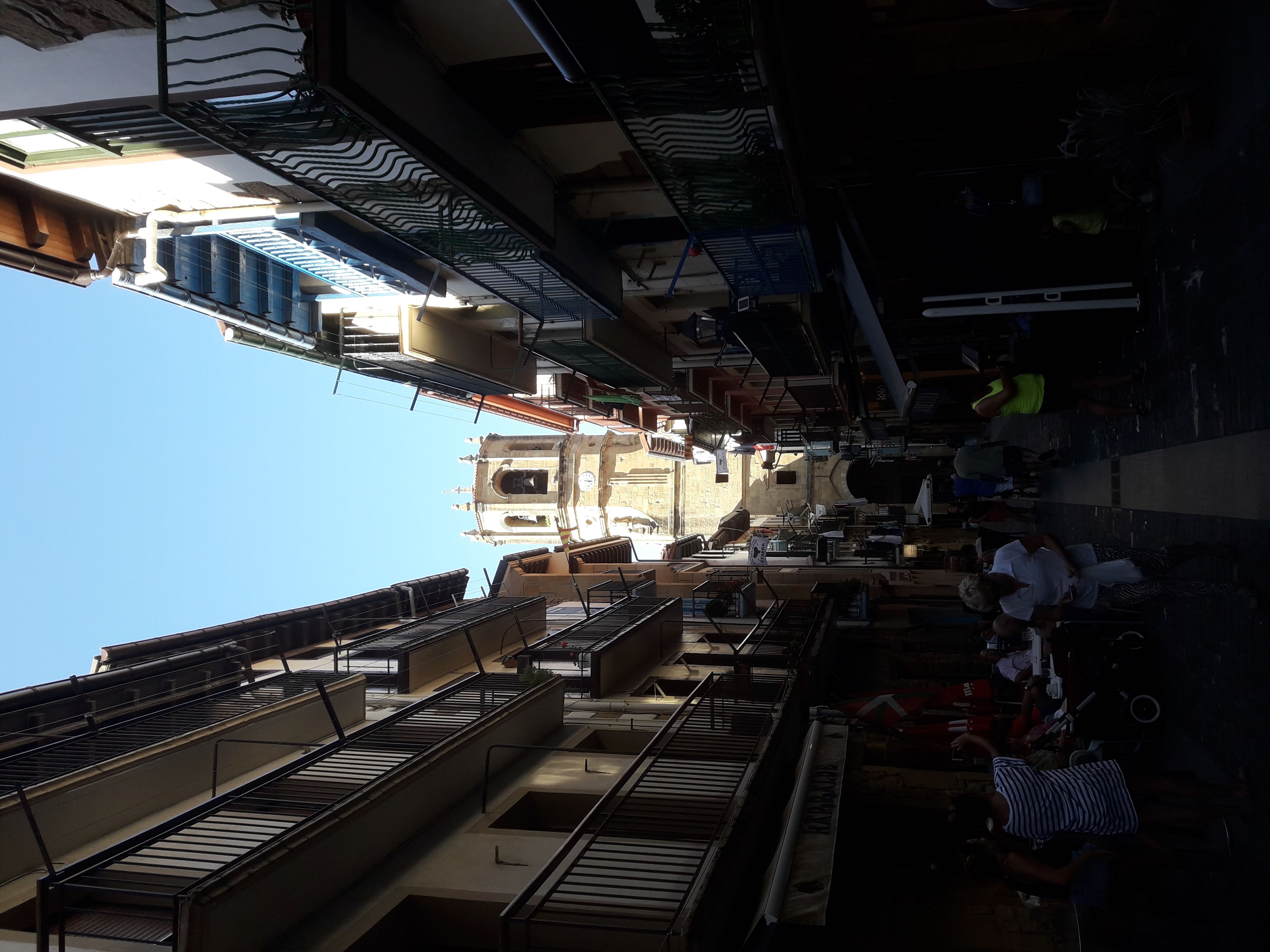
For now, notice one last detail as we leave. The way that dark glass wing leans against the old palace without swallowing it — that's a deliberate act of respect, the modern museum bowing to the house where it all began. Getaria doesn't tear down its past to make room for its glories. It builds them side by side, and lets you see both at once. Follow me now, and we'll head down toward the heart of the old town — the single main street that fed and housed the sailors, the spine that everything here, including young Cristóbal, grew up along.