London · United Kingdom
Notting Hill & Portobello
London, United Kingdom
Walk through Notting Hill's iconic pastel-painted Victorian townhouses and learn why each owner chooses their own colour Discover the Tabernacle arts centre and All Saints Road, where the Notting Hill Carnival was born from community resilience Browse Portobello Road Market, London's most famous antiques and vintage market since the 1860s Visit the Electric Cinema, one of Britain's oldest working cinemas since 1910 End at the hidden Kyoto Garden in Holland Park, a Japanese oasis donated by the city of Kyoto
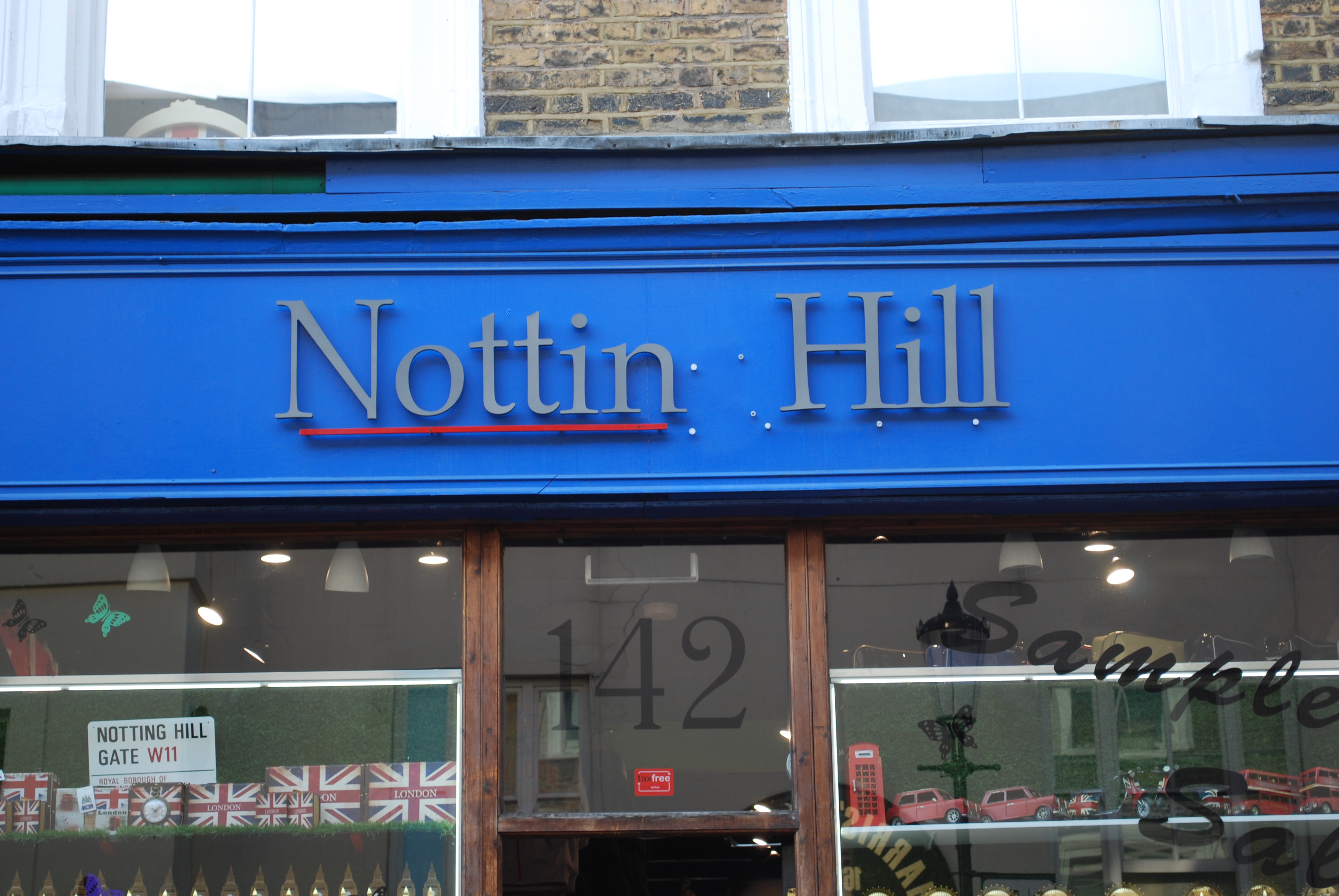
Westbourne Grove is the contemporary face of Notting Hill, lined with boutique shops, brunch spots, and designer fashion that reflect the neighbourhood's transformation into one of London's most desirable postcodes.
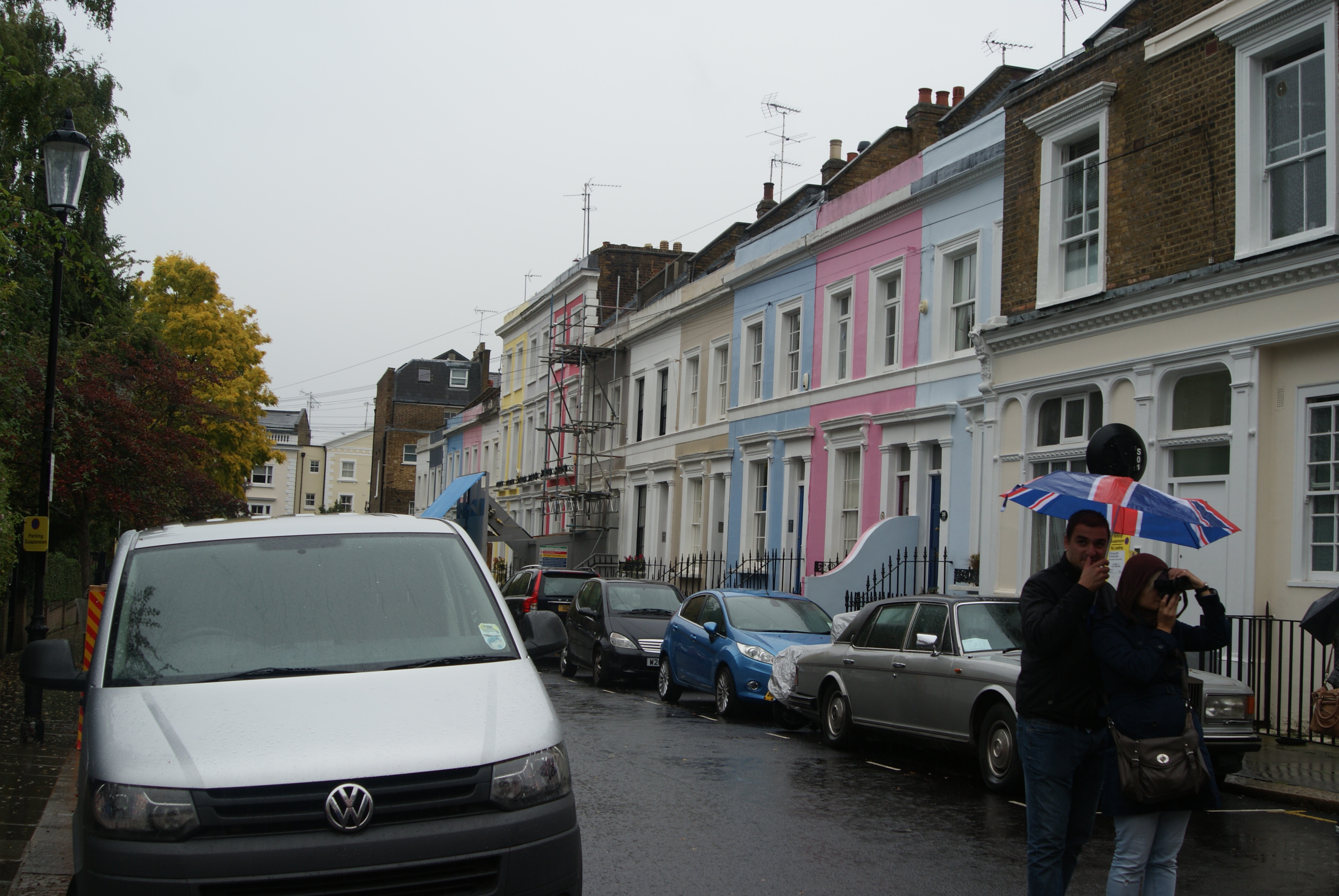
Victorian townhouses built in the 1840s-60s, the iconic pastel-painted terraces of Notting Hill have become the neighbourhood's most recognizable visual symbol, each house painted in an individual colour palette chosen by its owner.
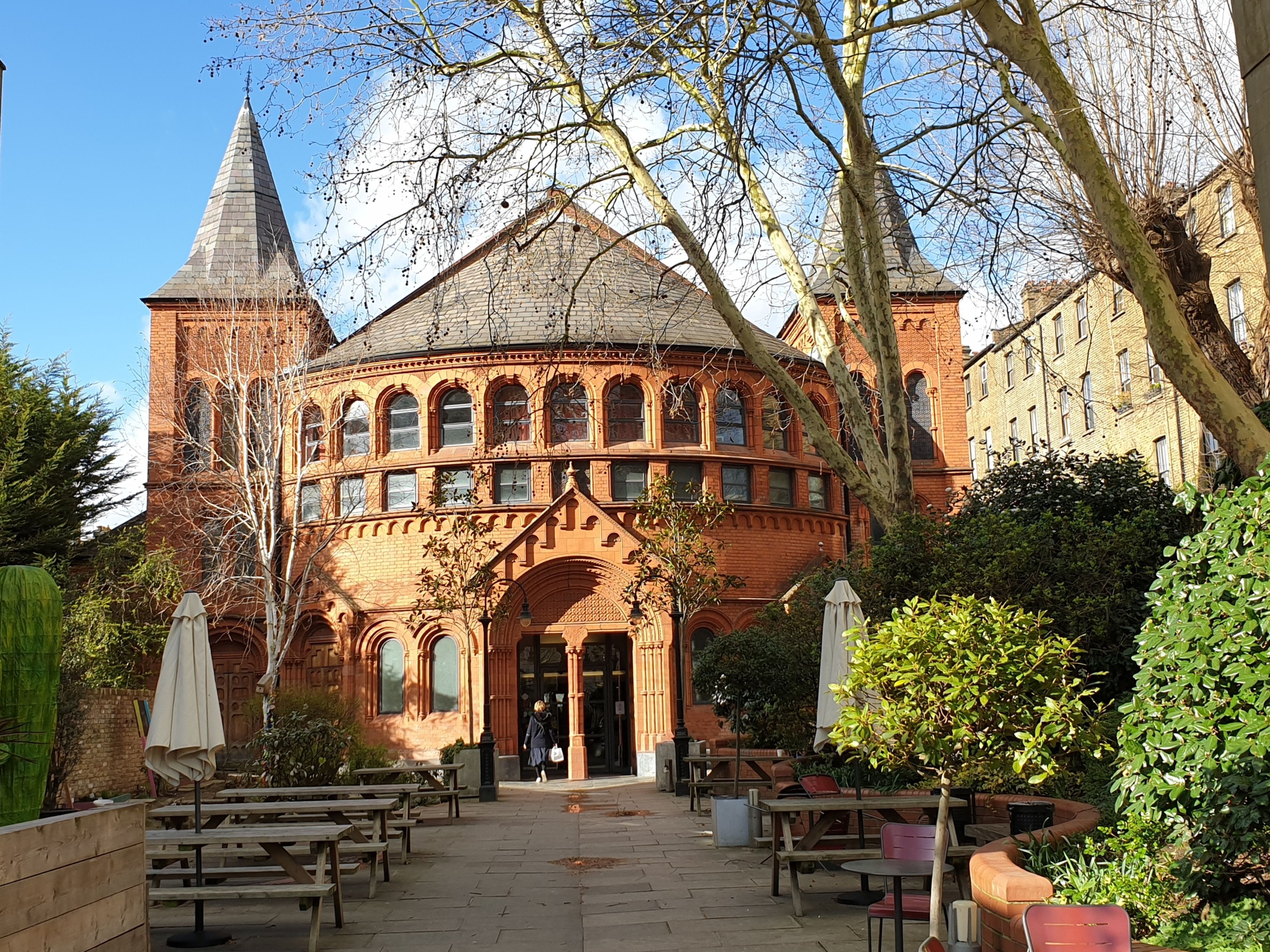
A Grade II-listed former church built in 1887, The Tabernacle became a community arts centre in the 1970s and served as the cultural heart of Notting Hill, hosting everything from punk gigs to Carnival planning meetings.
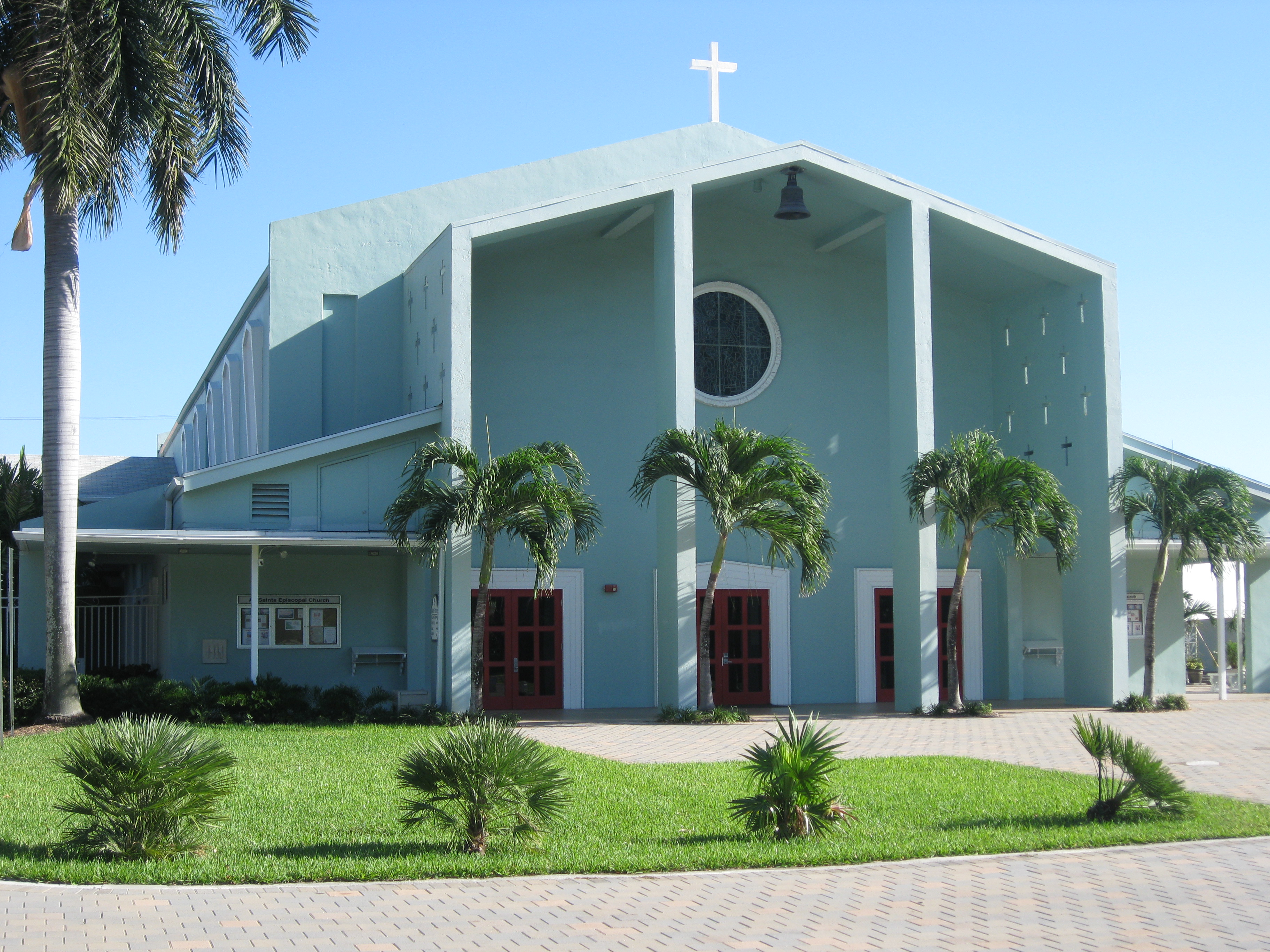
Once called 'the frontline' during the 1970s racial tensions, All Saints Road is where Notting Hill's multicultural identity was forged through struggle and community resilience. Today it's a quietly dignified street of independent shops and Caribbean-influenced businesses that honour this hard-won heritage.
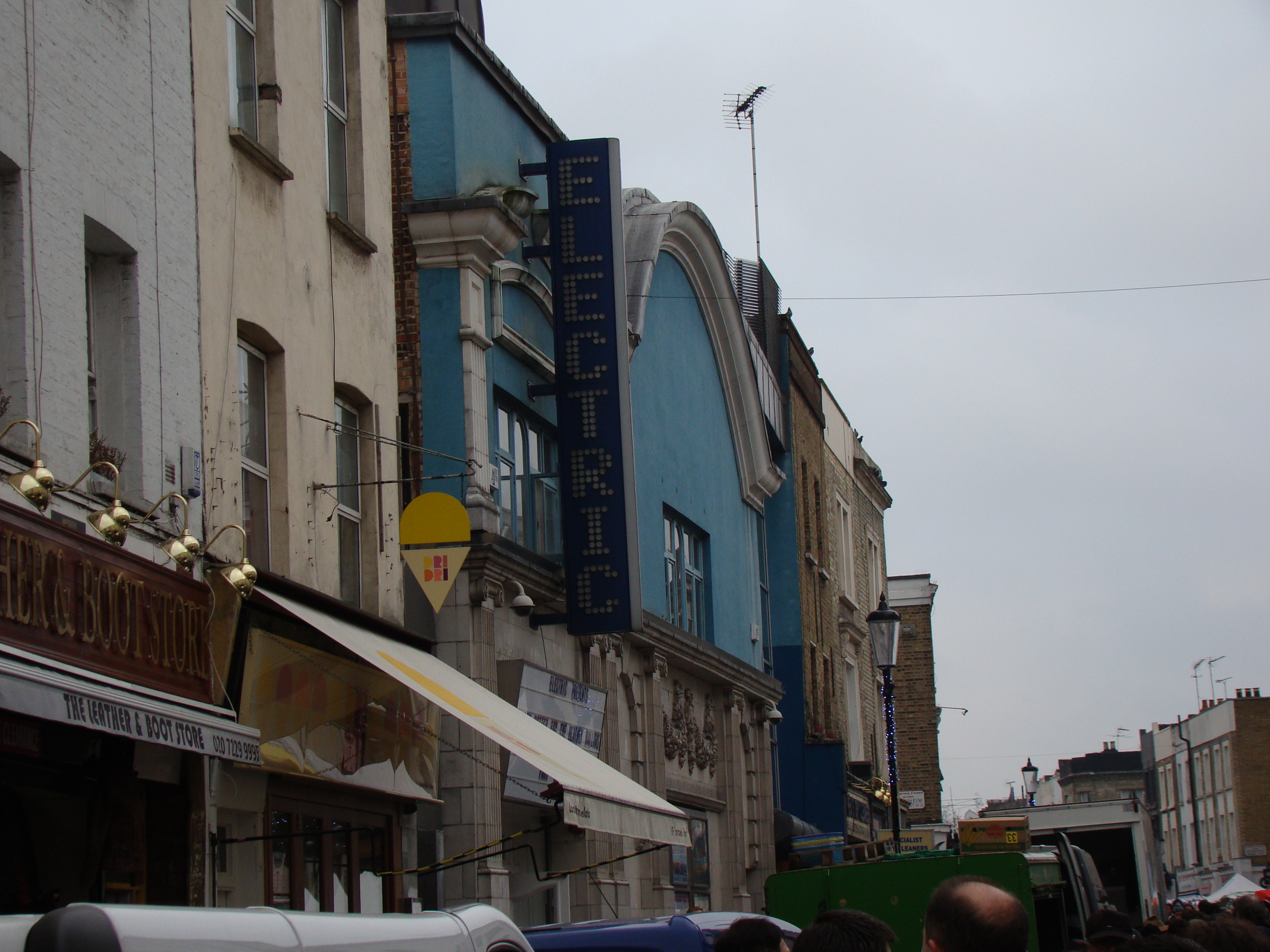
One of Britain's oldest purpose-built cinemas, opened in 1911 at 191 Portobello Road. Its luxurious current incarnation reflects gentrification, but the building's century-long survival through wars, economic hardship, and near-demolition tells a deeper story of cultural resilience.
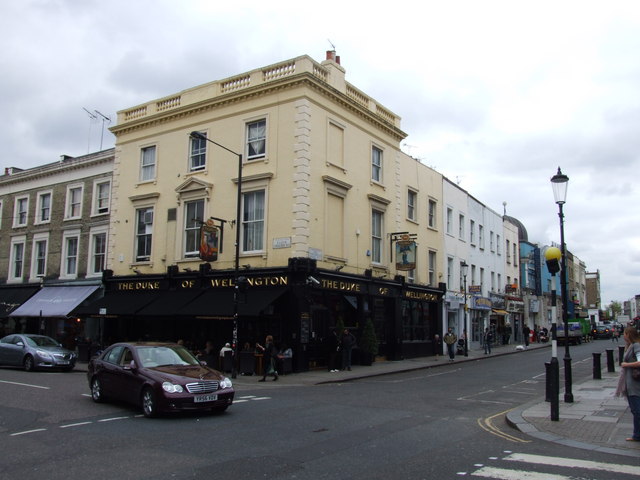
A graceful arc of identical Victorian terraced houses painted in soft pastels, forming one of London's most photographed and architecturally elegant streets. The crescent is where Notting Hill's signature aesthetic—colourful façades, period proportions, and leafy London plane trees—reaches its architectural peak.
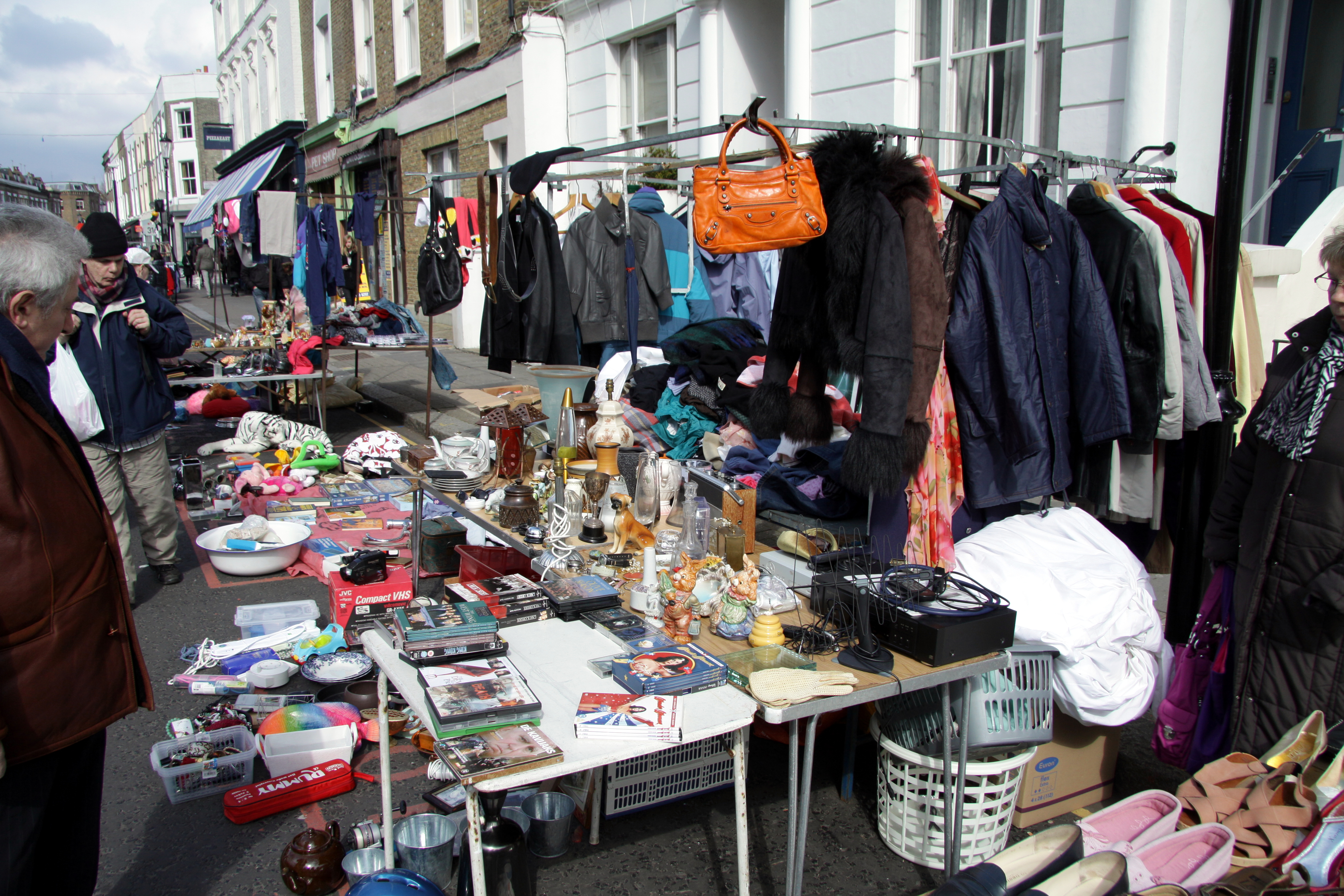
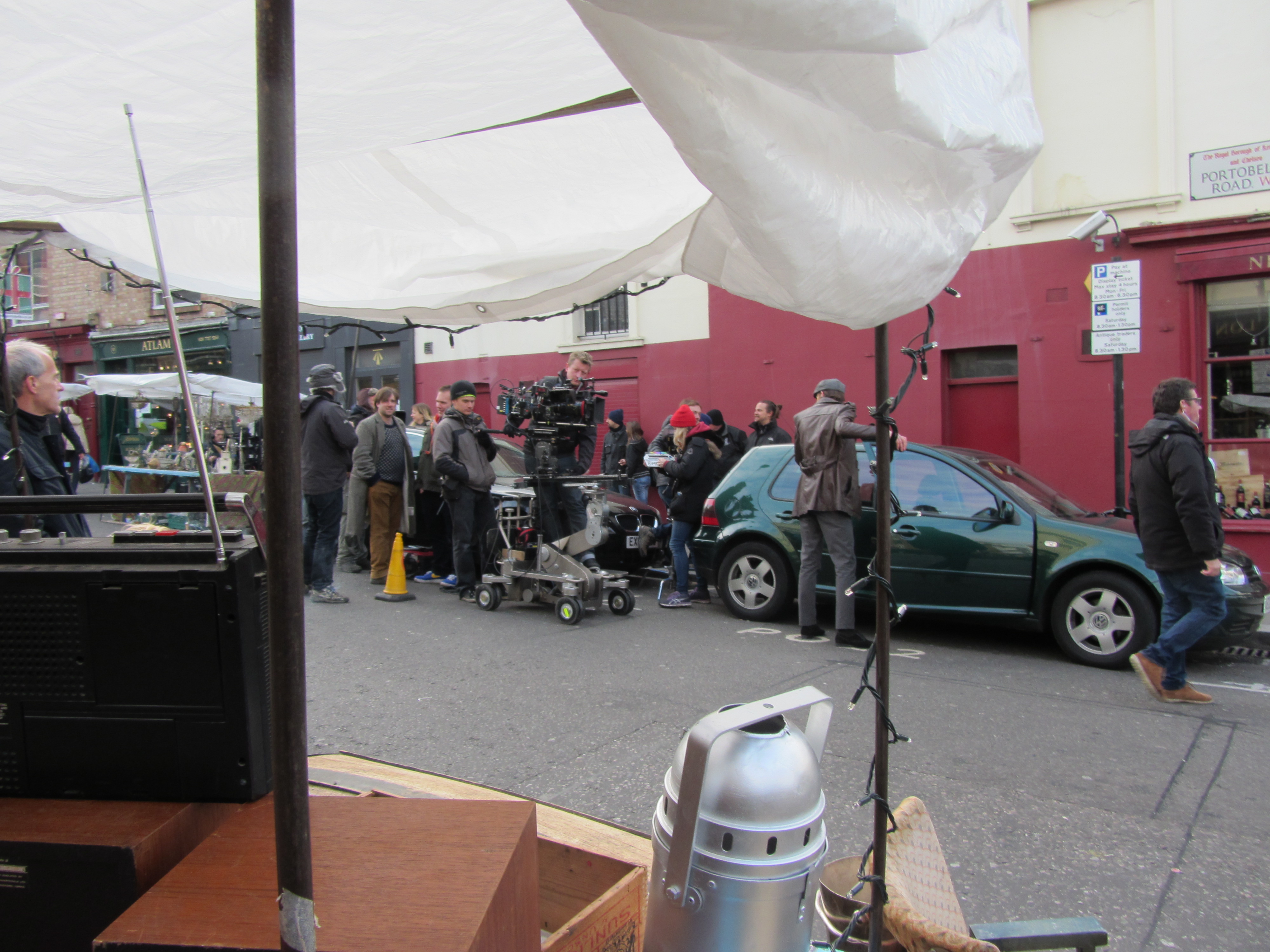
Portobello Road Market has been the beating heart of Notting Hill since the 1860s, evolving from a fruit and vegetable market into a legendary Saturday destination for antiques, vintage fashion, and food. Today, this nearly two-mile stretch remains the one institution that has survived every wave of gentrification and defined the neighbourhood's bohemian soul.
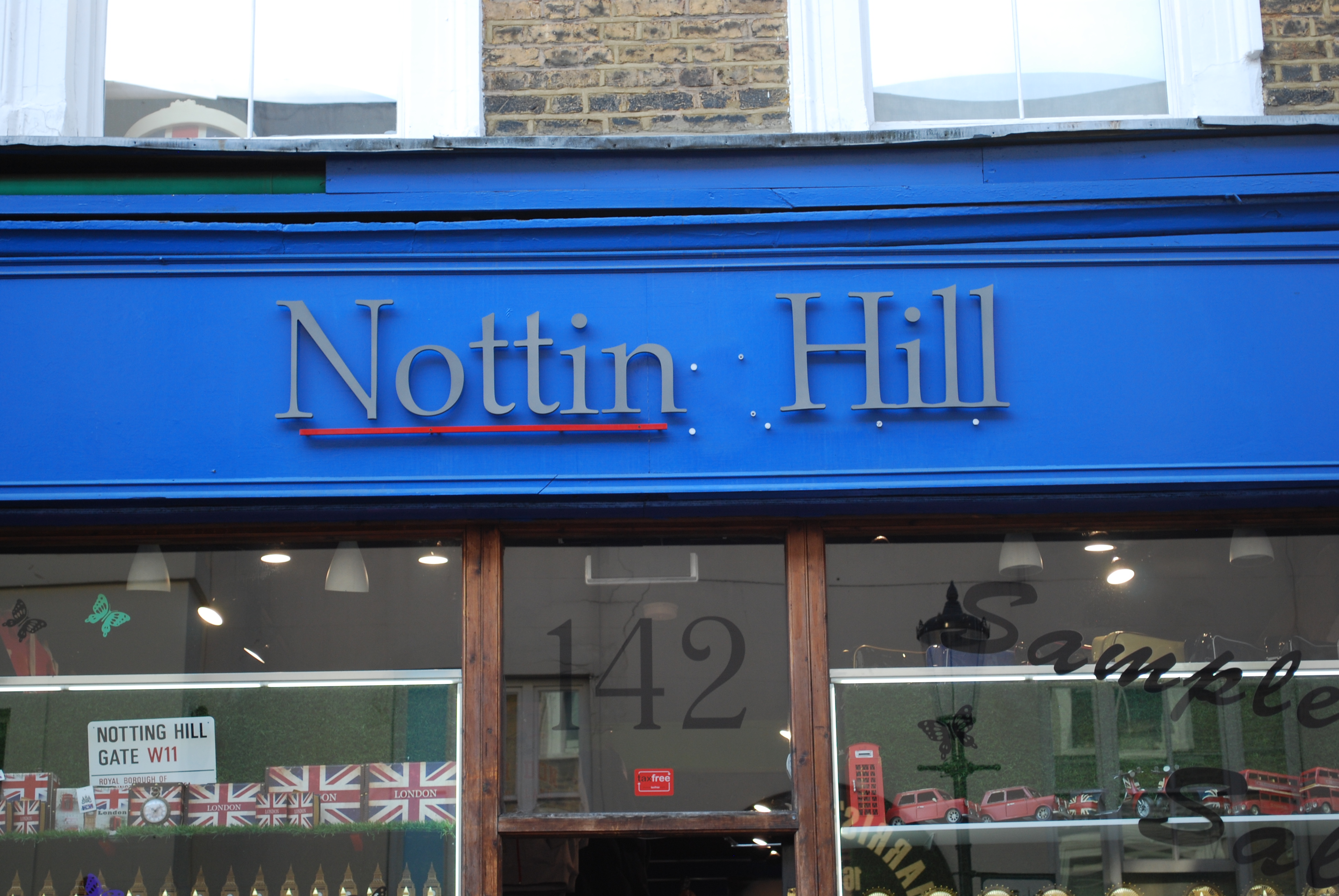
A quieter residential street lined with Victorian townhouses in pastel and jewel tones, showing how locals actually live among Notting Hill's most iconic architecture. Here, the coloured façades feel more personal and less performative than elsewhere in the neighbourhood.
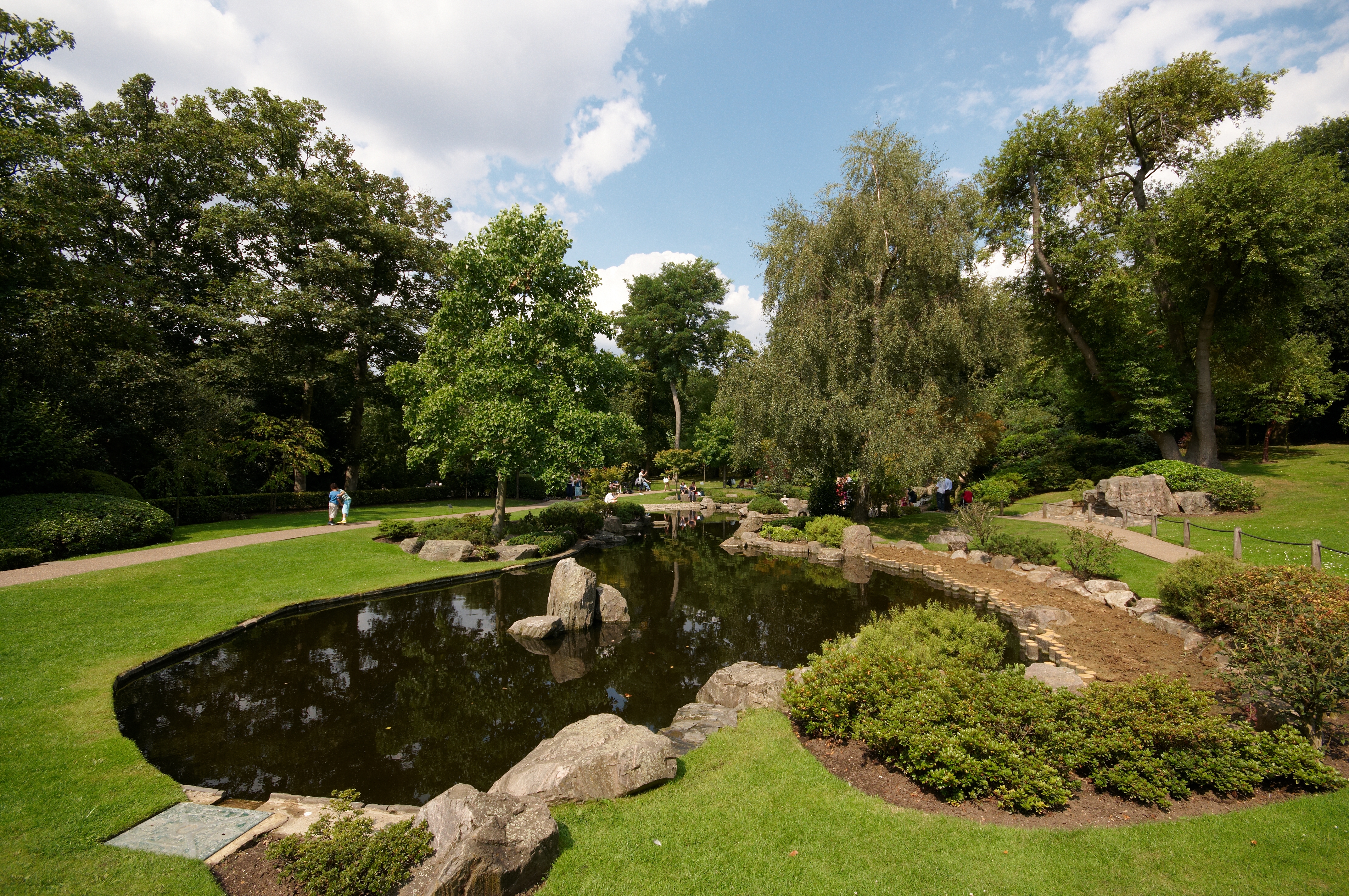
Holland Park is one of London's most romantic green spaces, home to the Kyoto Garden—a peaceful Japanese garden donated by the city of Kyoto in 1991 featuring koi carp, tiered waterfalls, and Japanese maples. This serene hidden gem is the perfect conclusion to our walk, revealing that Notting Hill always holds another surprise beneath the surface.
This is the real story from one stop on this walk — every stop has one.
Walk from the Victorian Gothic splendour of St Pancras into the quiet Georgian squares where Virginia Woolf, John…
Walk through London's wealthiest neighbourhood and discover how the Georgian aristocracy designed a machine for…
Duck behind London's facades into a network of hidden arcades, secret courtyards, and forgotten gardens. From the…
We use cookies to analyse site traffic and improve your experience. You can choose to accept or reject analytics cookies. Learn more