Paris · France
Paris Commune & Social Movements
Paris, France
May 1968 barricade sites on Boulevard Saint-Michel Hôtel de Ville—where the Commune proclaimed the first workers' government Place de la Bastille and Place de la République as living protest spaces Belleville—Paris's most resistant working-class neighbourhood Mur des Fédérés—annual pilgrimage site where 147 Communards were executed
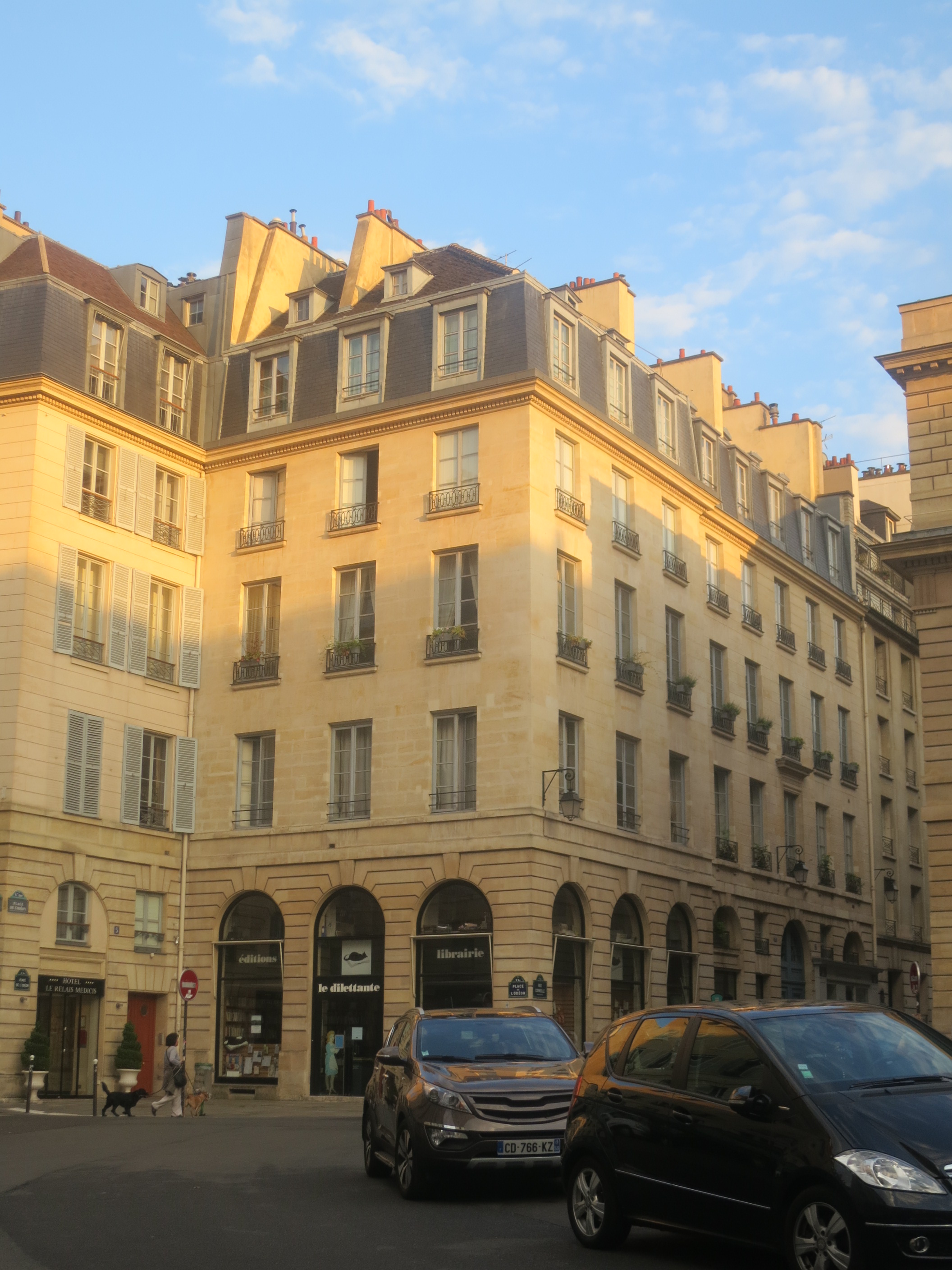
Occupied during May 1968 by students and workers who transformed this temple of bourgeois culture into a revolutionary assembly hall, hosting all-night debates that embodied the radical imagination of the uprising.
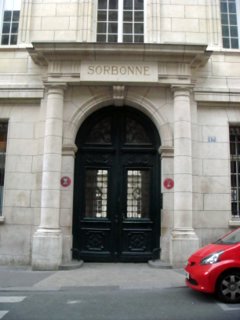
The medieval heart of Parisian intellectual life and site of the May 1968 student uprising that shook France. This is where police entered university grounds for the first time in centuries, triggering a student occupation that would spark the largest strike wave in French history.
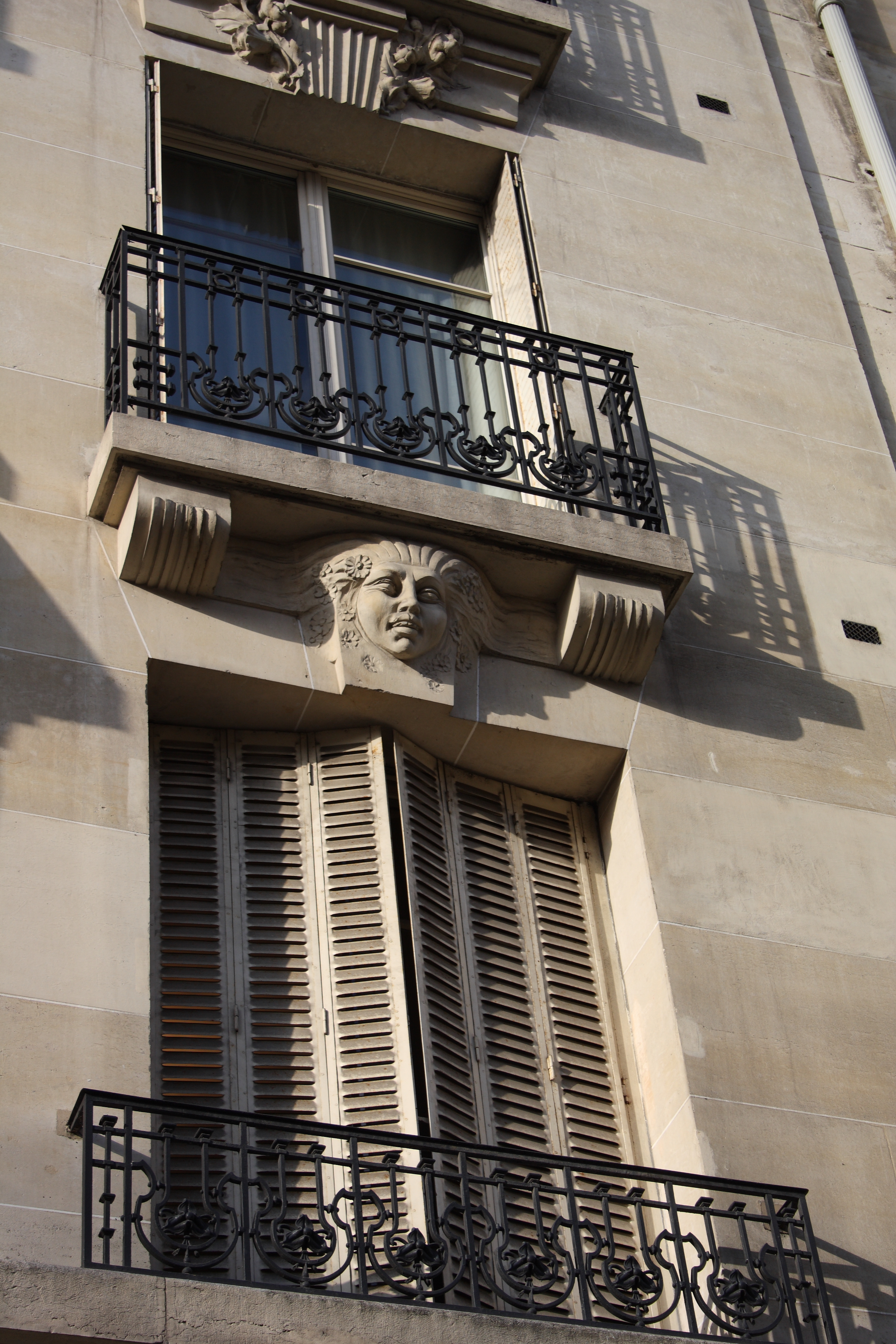
On the night of May 10, 1968, Boulevard Saint-Michel became the frontline of a student-worker uprising. Here, young revolutionaries built barricades against police, reviving a tactic born during the 1830 and 1848 revolutions—proving that Haussmann's nineteenth-century boulevards, designed to crush uprisings, could still be contested.
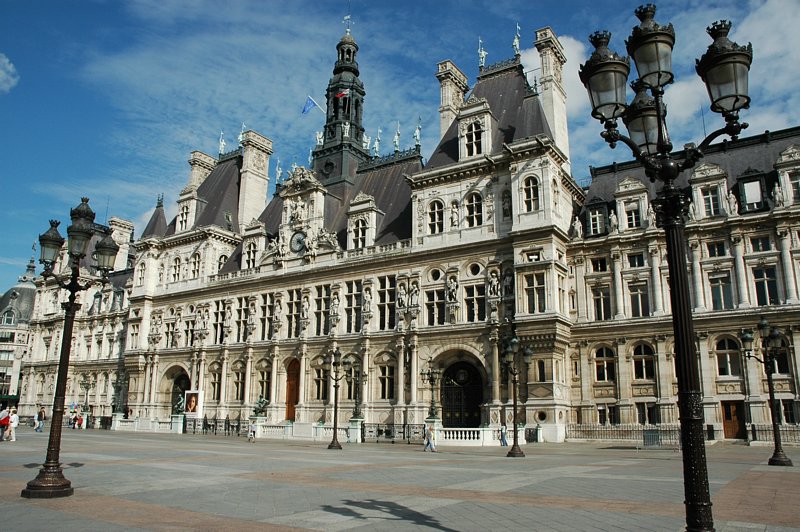
The Hôtel de Ville served as the seat of the Paris Commune's revolutionary government in 1871, the first workers' government in history. From its balconies, elected officials proclaimed sweeping social reforms—free education, women's rights, separation of church and state, and workers' self-management—before the building burned during the Commune's suppression in May.
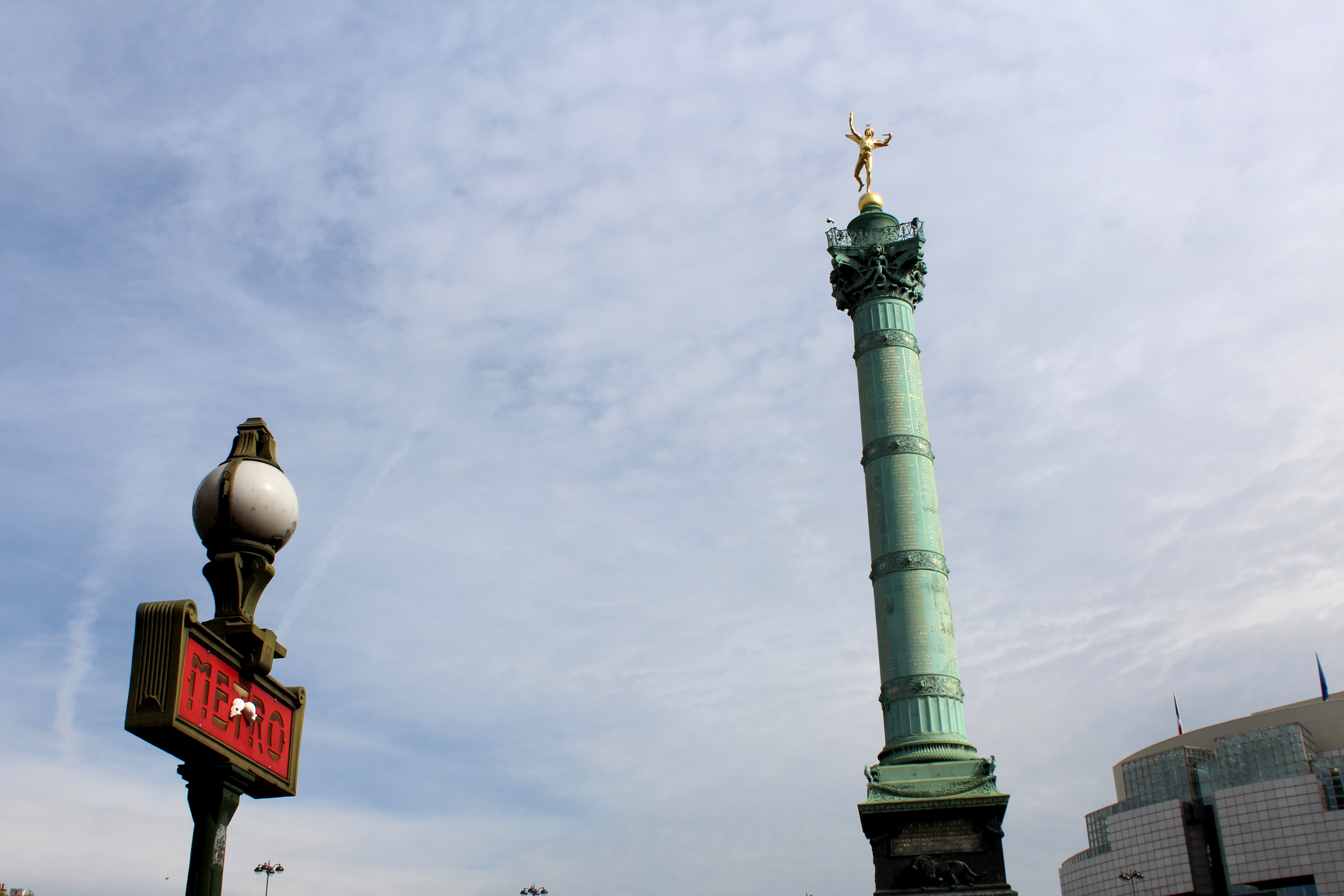
The site where revolutionaries stormed a 14th-century fortress-prison on July 14, 1789, igniting the French Revolution. Now marked by the Column of July, this square remains a gathering place for political assembly and protest across centuries of French social movements.
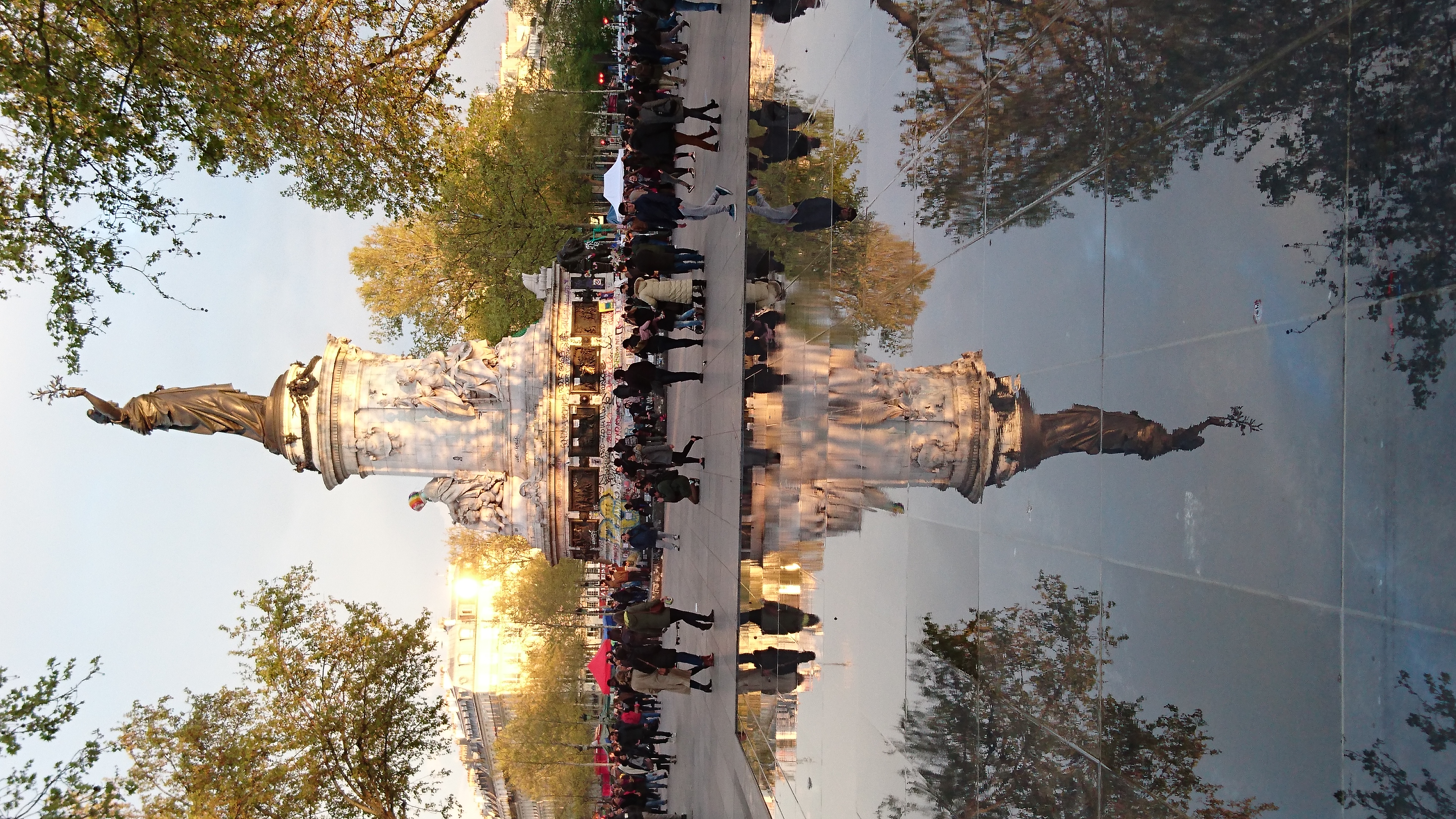
A grand civic square anchored by the allegorical Marianne statue (1883), reimagined as public space in 2013, and repeatedly activated as Paris's democratic agora by mass movements from Charlie Hebdo memorials to Nuit Debout to Yellow Vests.
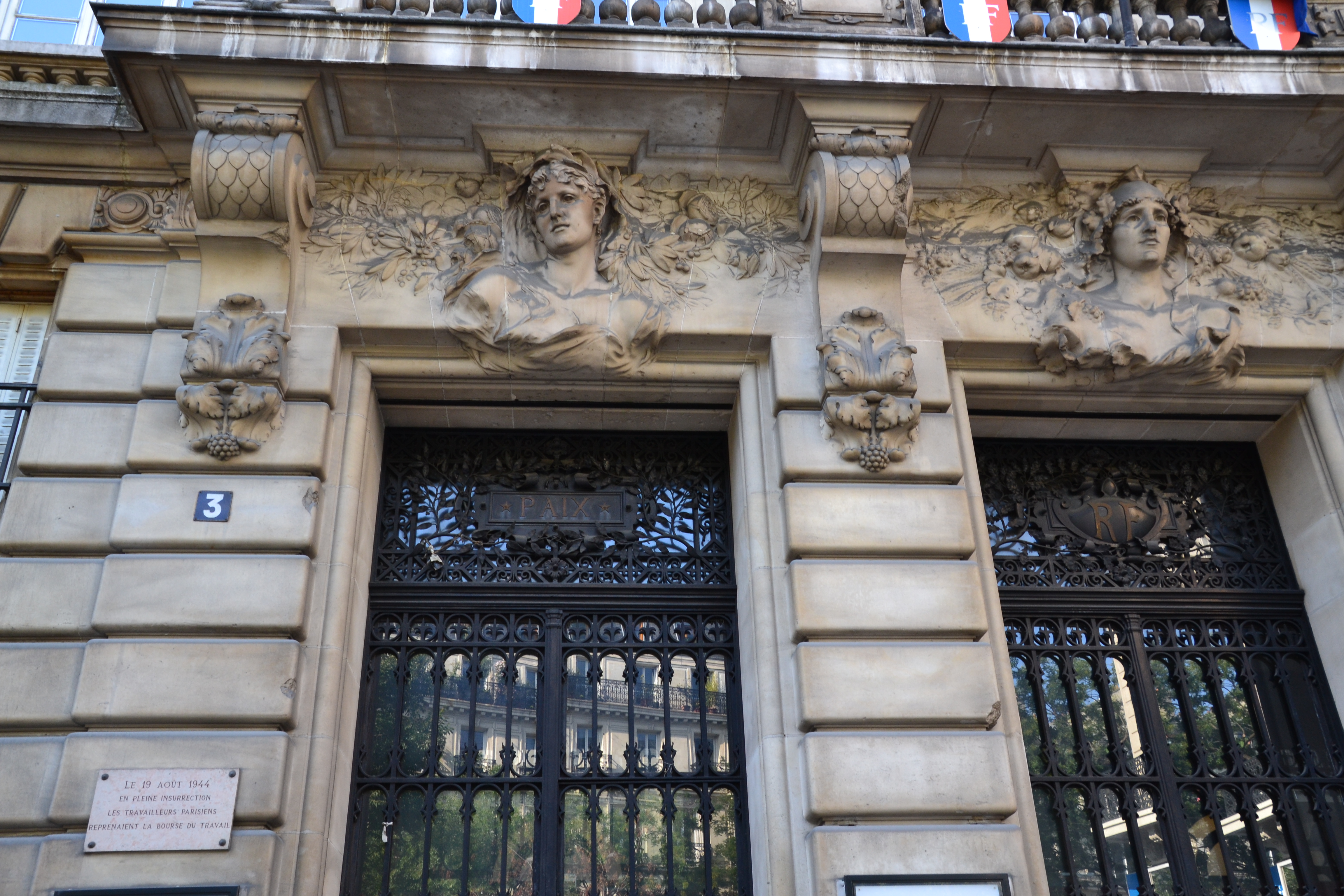
The Bourse du Travail, inaugurated in 1892 on rue du Château-d'Eau, served as the physical heart of Paris's labour movement—a place where workers found jobs, organised strikes, and built the solidarity that would define their struggles through the 20th century.
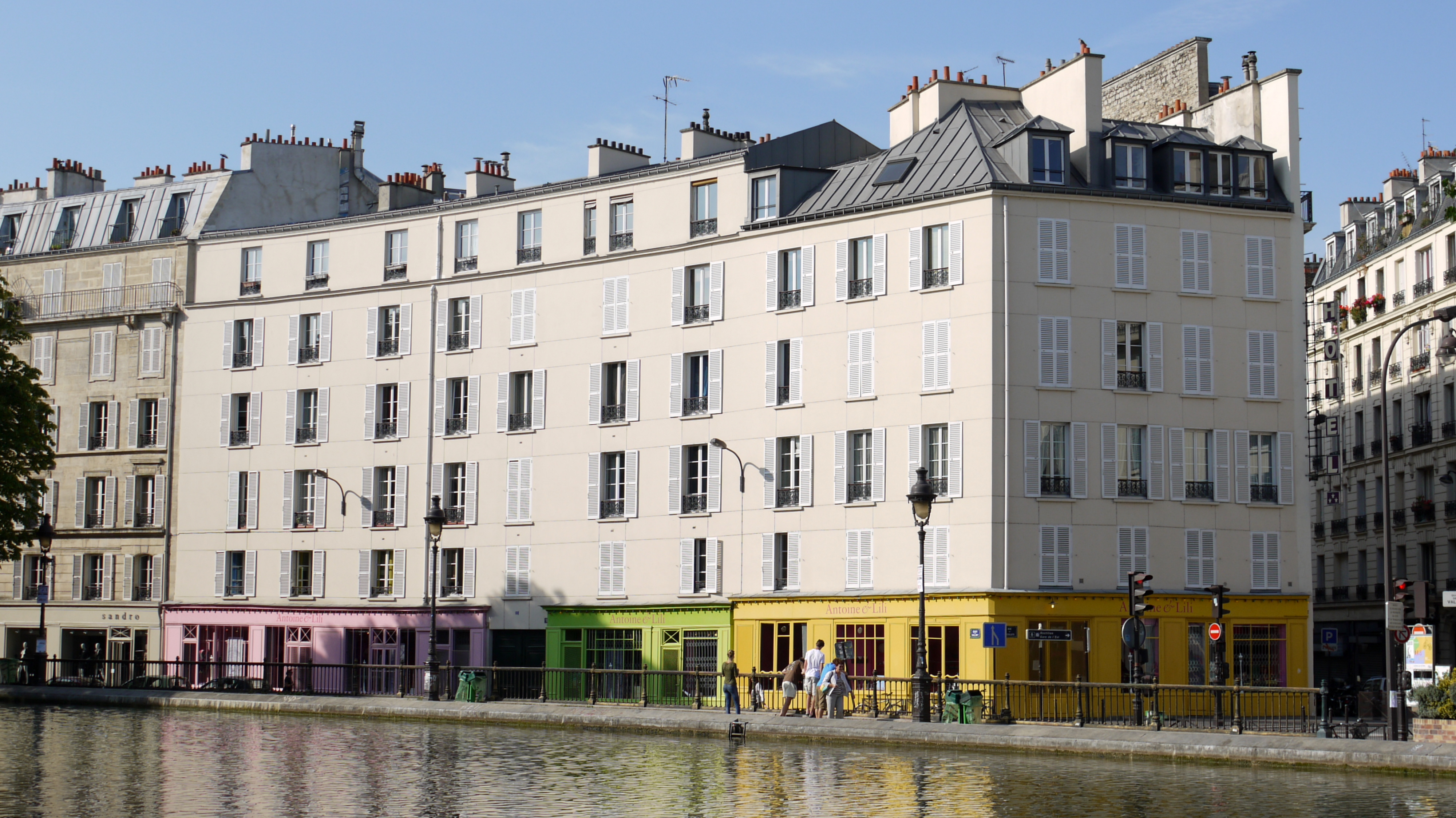
A working-class waterway that shaped Paris's industrial geography, the Canal Saint-Martin embodies the city's ongoing class struggle—from Napoleon's industrial vision and 1960s motorway resistance to today's gentrification displacing workshops for boutiques.
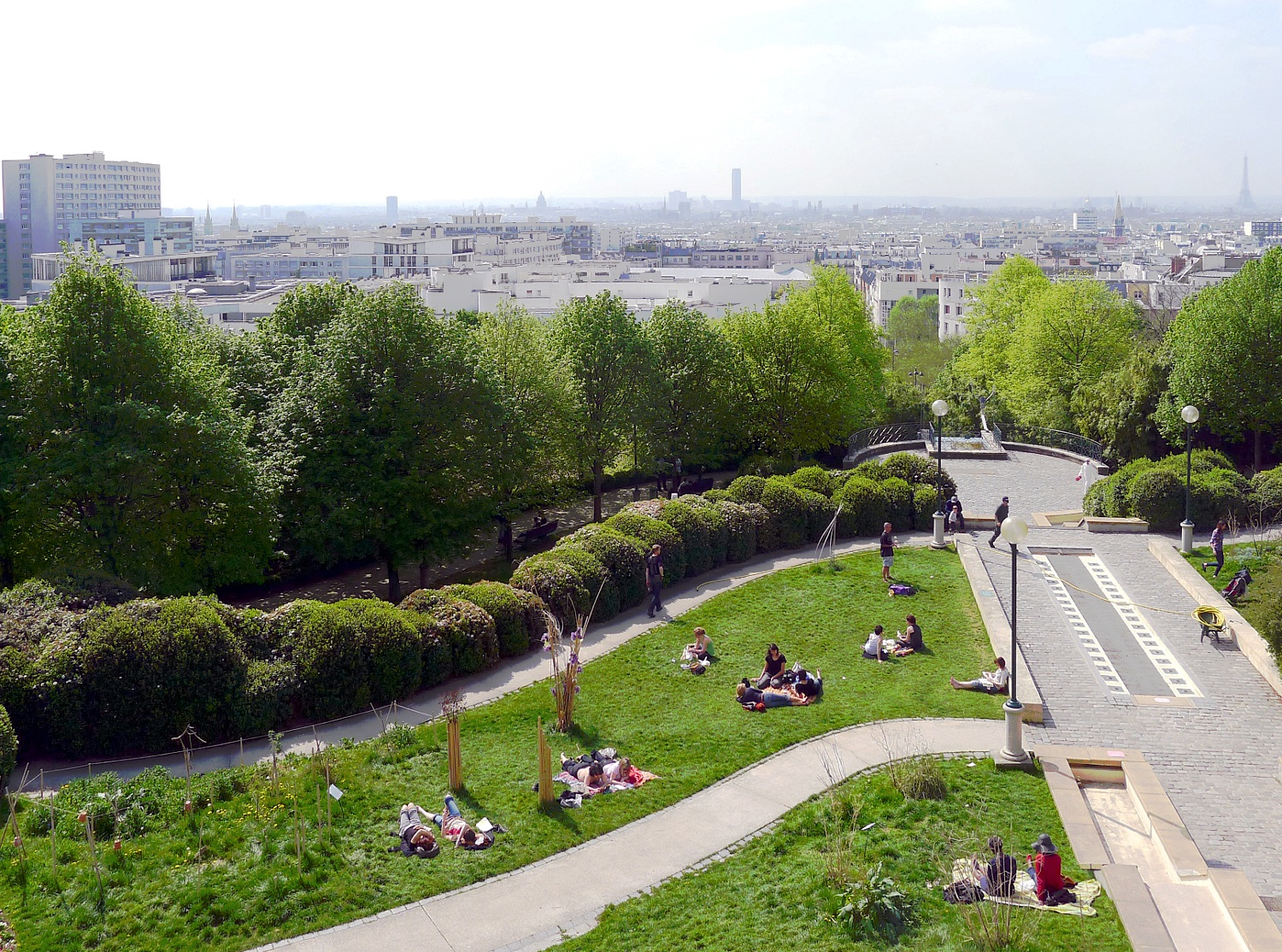
Historic working-class neighborhood where the 1871 Commune's last barricades fell, and where street art, immigrant communities, and grassroots resistance continue to define the character against ongoing gentrification.
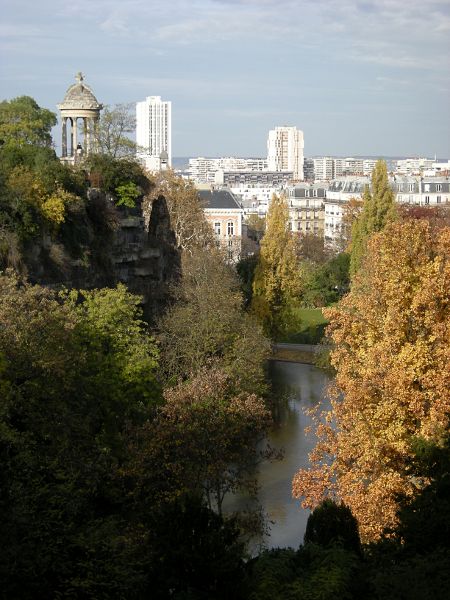
Haussmann's green lung for northeast Paris, built 1867 on a former quarry and garbage dump. A masterpiece of urban engineering, the park became central to working-class recreation and political assembly—a space where Haussmann's vision of social control met workers' own resistance and organizing.
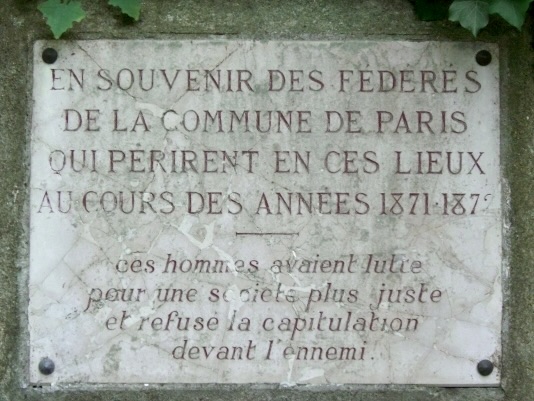
The Mur des Fédérés marks the spot where 147 Communards were executed by firing squad in May 1871, becoming the most sacred site for French socialist and working-class memory. Every May Day, thousands gather here to honor the martyrs and renew the revolutionary tradition that shaped global socialism.
This is the real story from one stop on this walk — every stop has one.
Explore a century of decorative architecture, from the glass-roofed shopping passages of the 1800s through Belle…
Explore Paris through its food—from fromageries and morning markets to a three-course bistro lunch and wine education.…
Trace the dramatic arc of the French Revolution through the streets where it unfolded—from the execution ground at Place…
We use cookies to analyse site traffic and improve your experience. You can choose to accept or reject analytics cookies. Learn more