Tapas & Tradition — Madrid's Food Trail
Madrid · Spain

Tapas & Tradition — Madrid's Food Trail

Madrid, Spain
75
Duration (min)
2.9
Distance (km)
8
Stops
Easy
Difficulty

Description

A walk through Madrid's culinary soul — from a gourmet iron-and-glass market to centuries-old taverns, tracing how madrileños eat, drink, and gather around food.

Highlights

Mercado de San Miguel: 30+ gourmet vendors under one iron roof Cava Baja: Madrid's most famous tapas street Taberna de Antonio Sánchez: 250 years of oxtail stew and tradition Lavapiés: where Spanish cuisine meets the world
Tour Stops

Mercado de San Miguel
0

Mercado de San Miguel

5 min

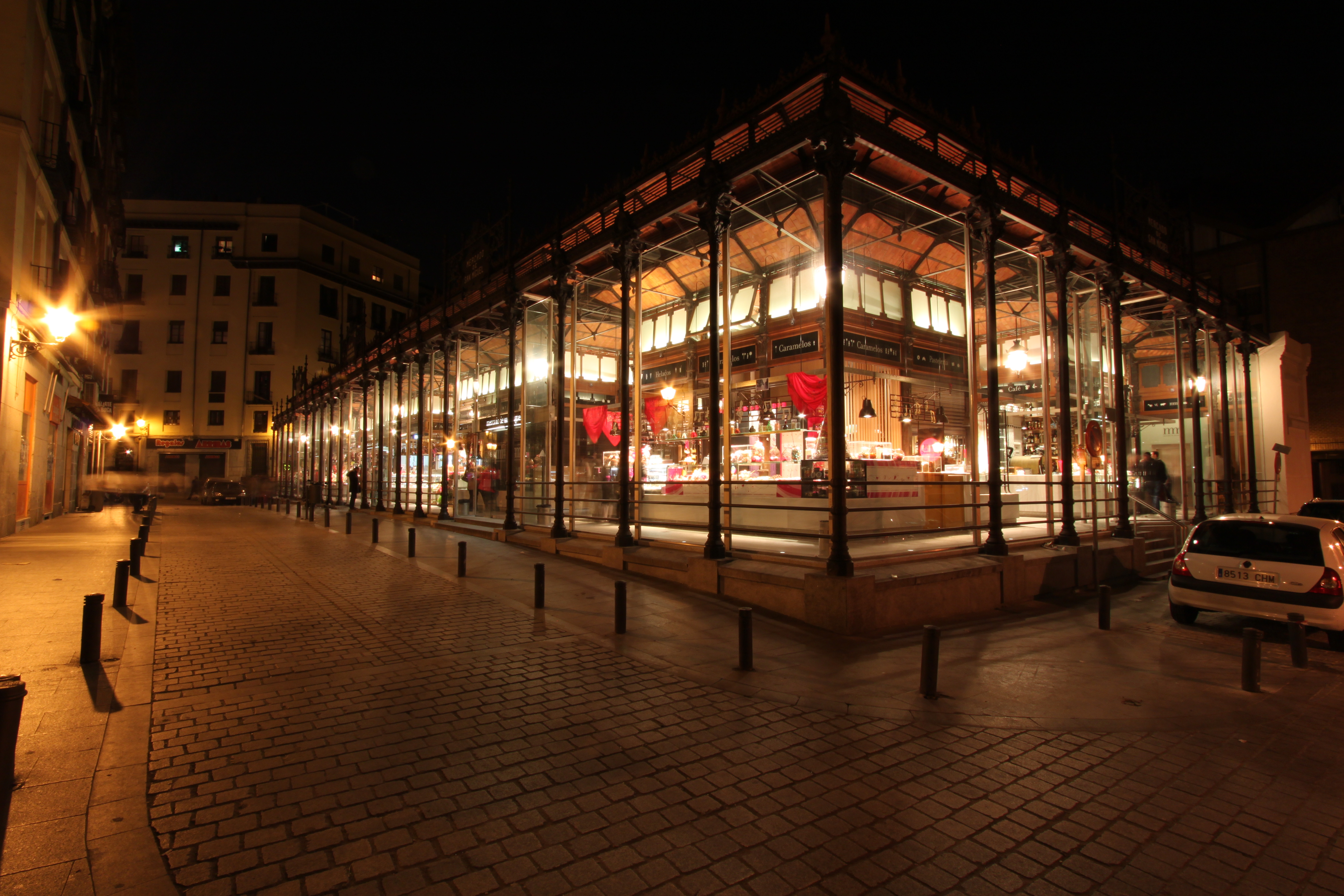
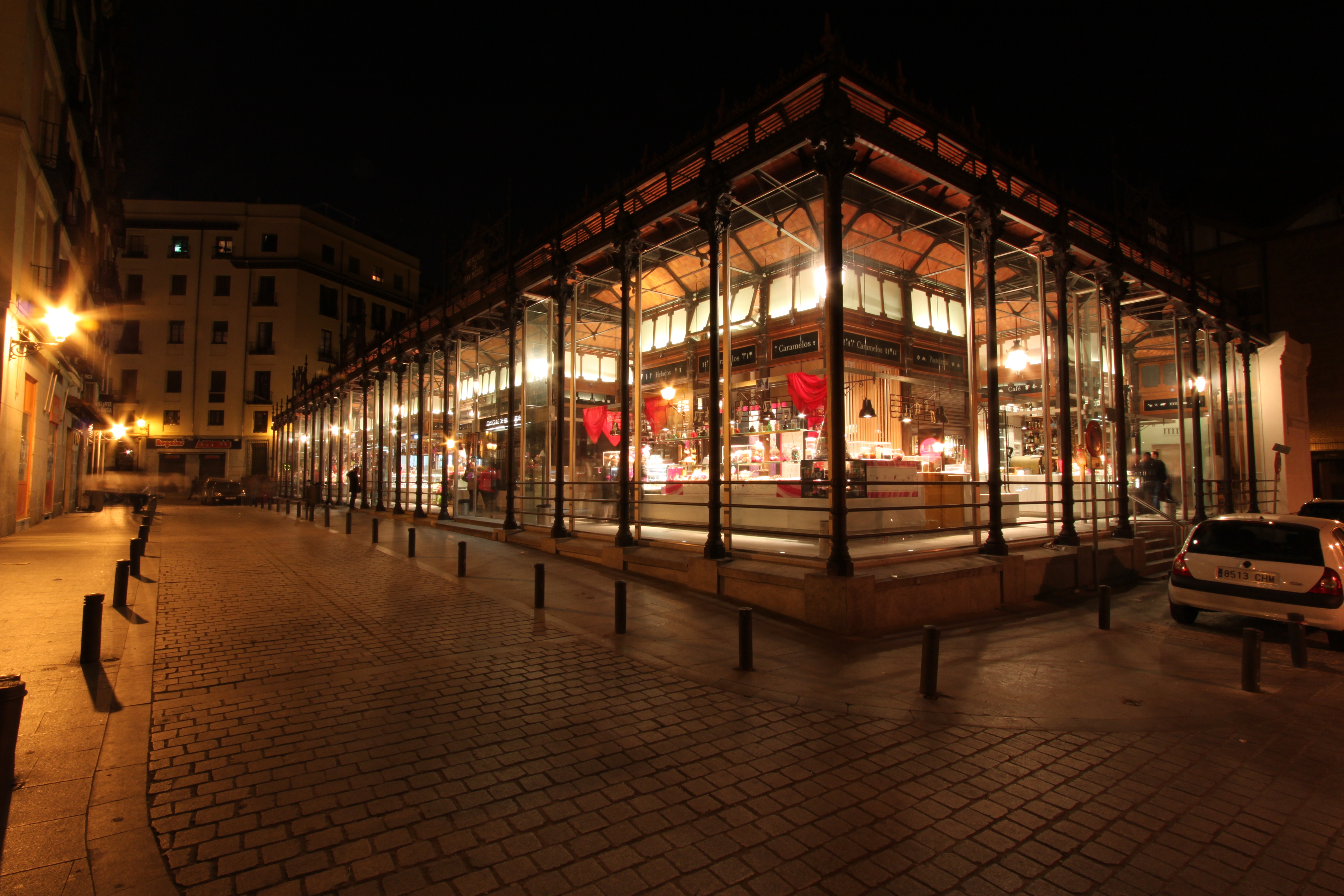
A 1916 iron-structure market reborn as Madrid's gourmet temple, housing 30+ vendors under one roof offering the full spectrum of Spanish cuisine from Galician octopus to cured jamón ibérico.
Convento del Corpus Christi (Las Carboneras)
1

Convento del Corpus Christi (Las Carboneras)

4 min

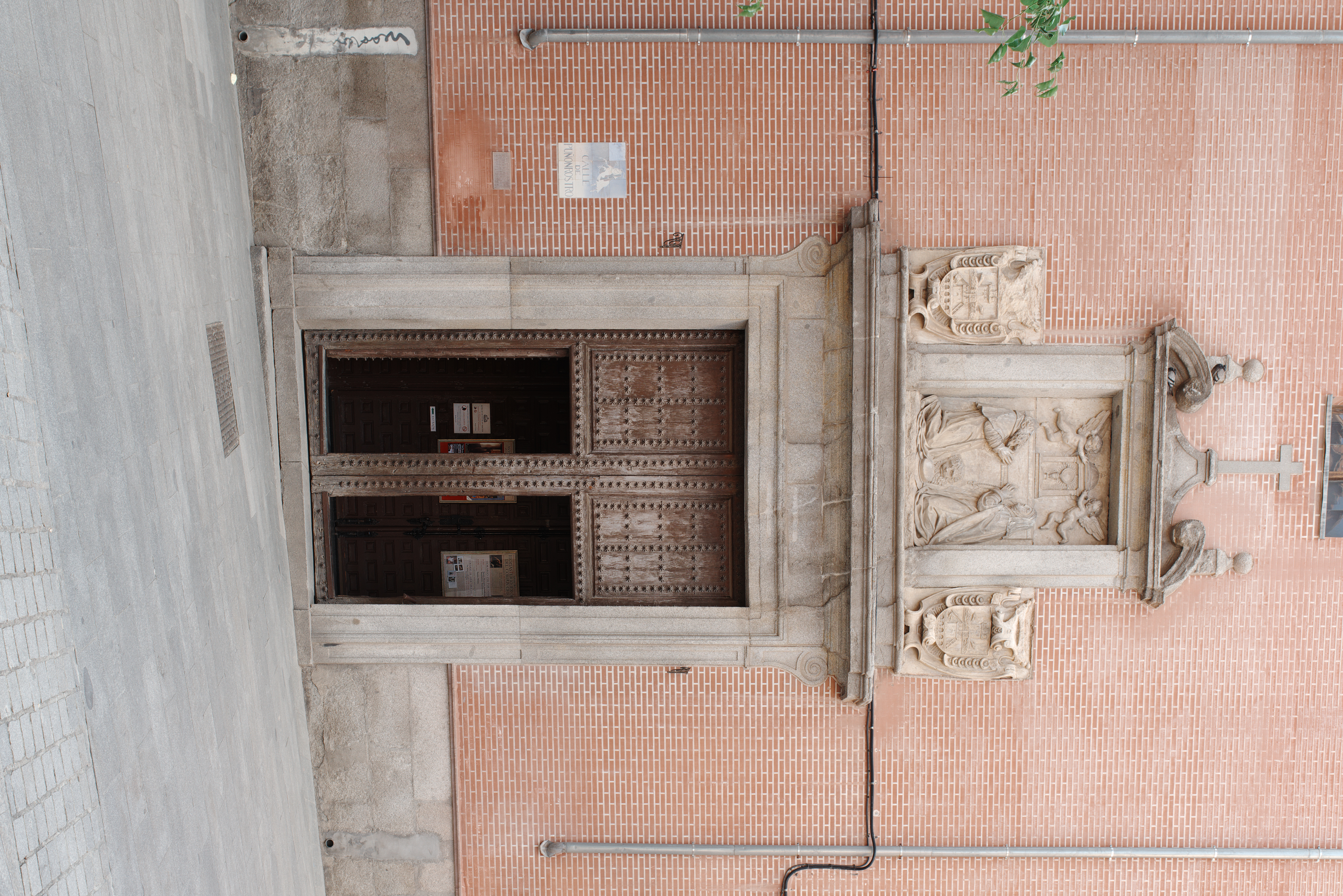
Cloistered nuns selling homemade cookies through a medieval rotating wooden hatch — a centuries-old tradition surviving steps from Plaza Mayor.
Cava Baja — The Tapas Street
2

Cava Baja — The Tapas Street

6 min

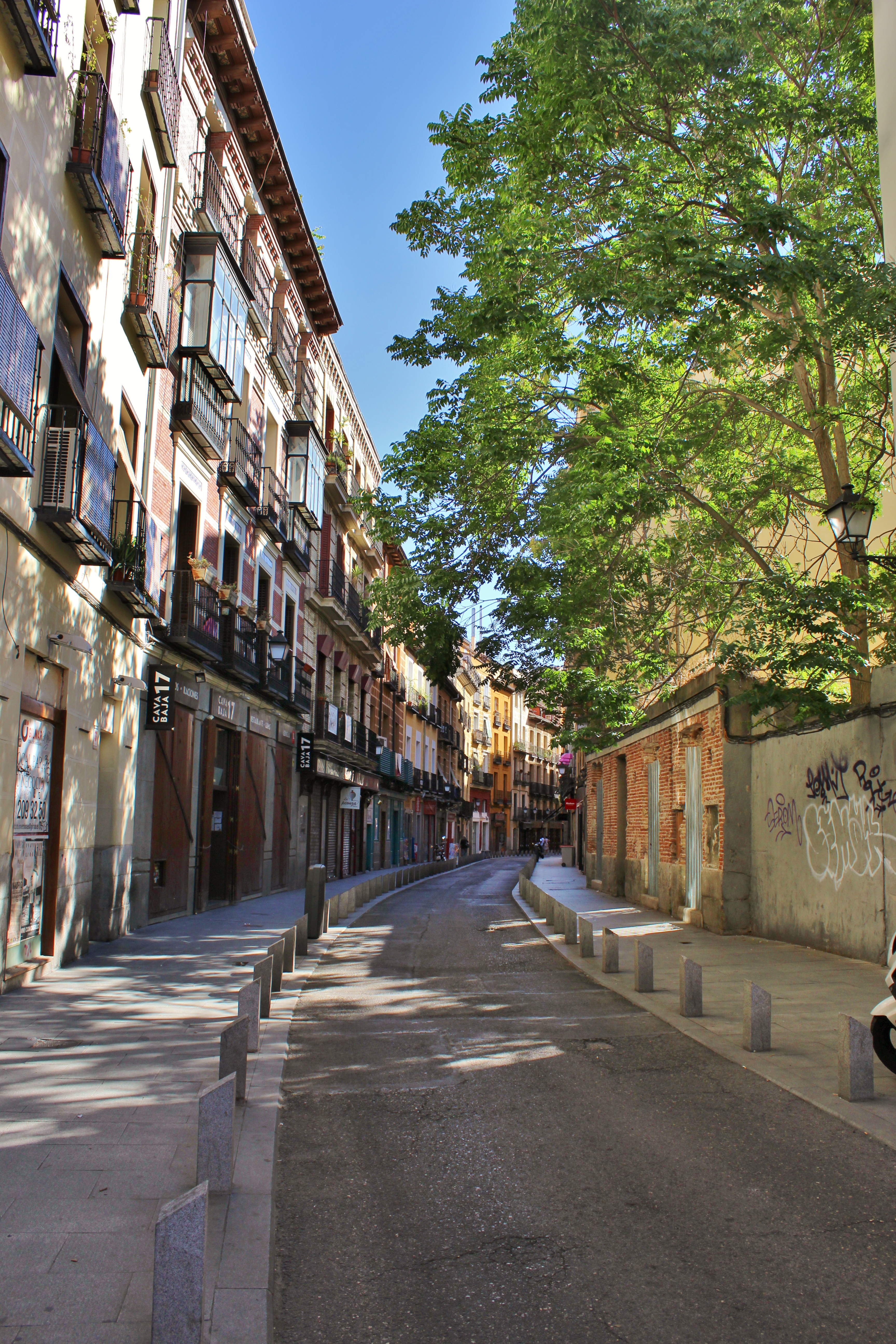
Madrid's most famous tapas street, lined with mesones and tabernas — each doorway a different world, from century-old tiled bars to modern gastro-taverns.
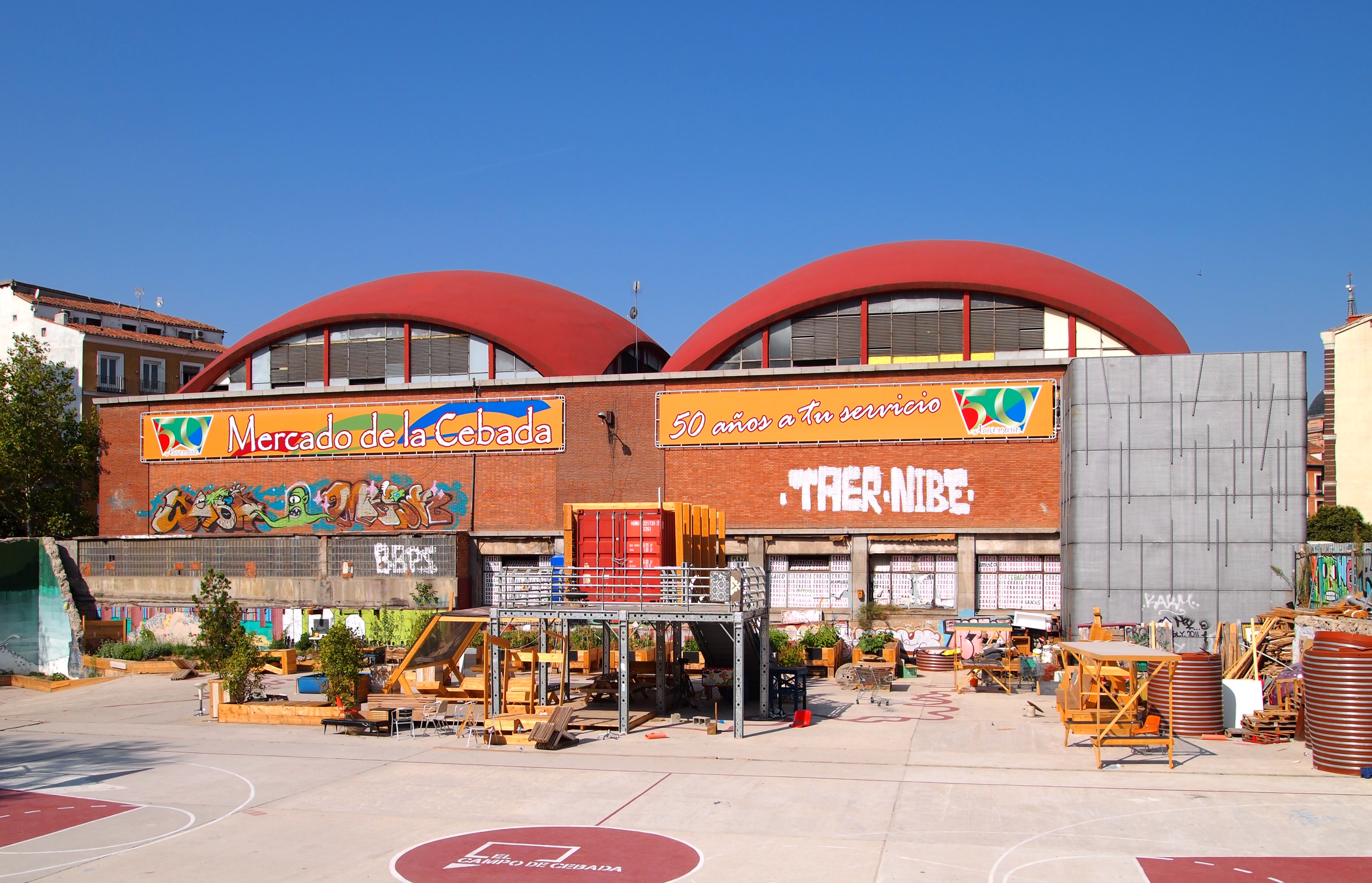
Mercado de la Cebada
3

Mercado de la Cebada

4 min

A traditional neighbourhood market where locals buy their daily produce — and on Saturday afternoons, fishmongers transform into impromptu seafood bars beneath a Boa Mistura street art mural.

Taberna de Antonio Sánchez

5 min

Madrid's oldest tavern, opened around 1765 and virtually unchanged — a dark wood sanctuary where bullfighting memorabilia lines the walls and oxtail stew has been served the same way for 250 years.
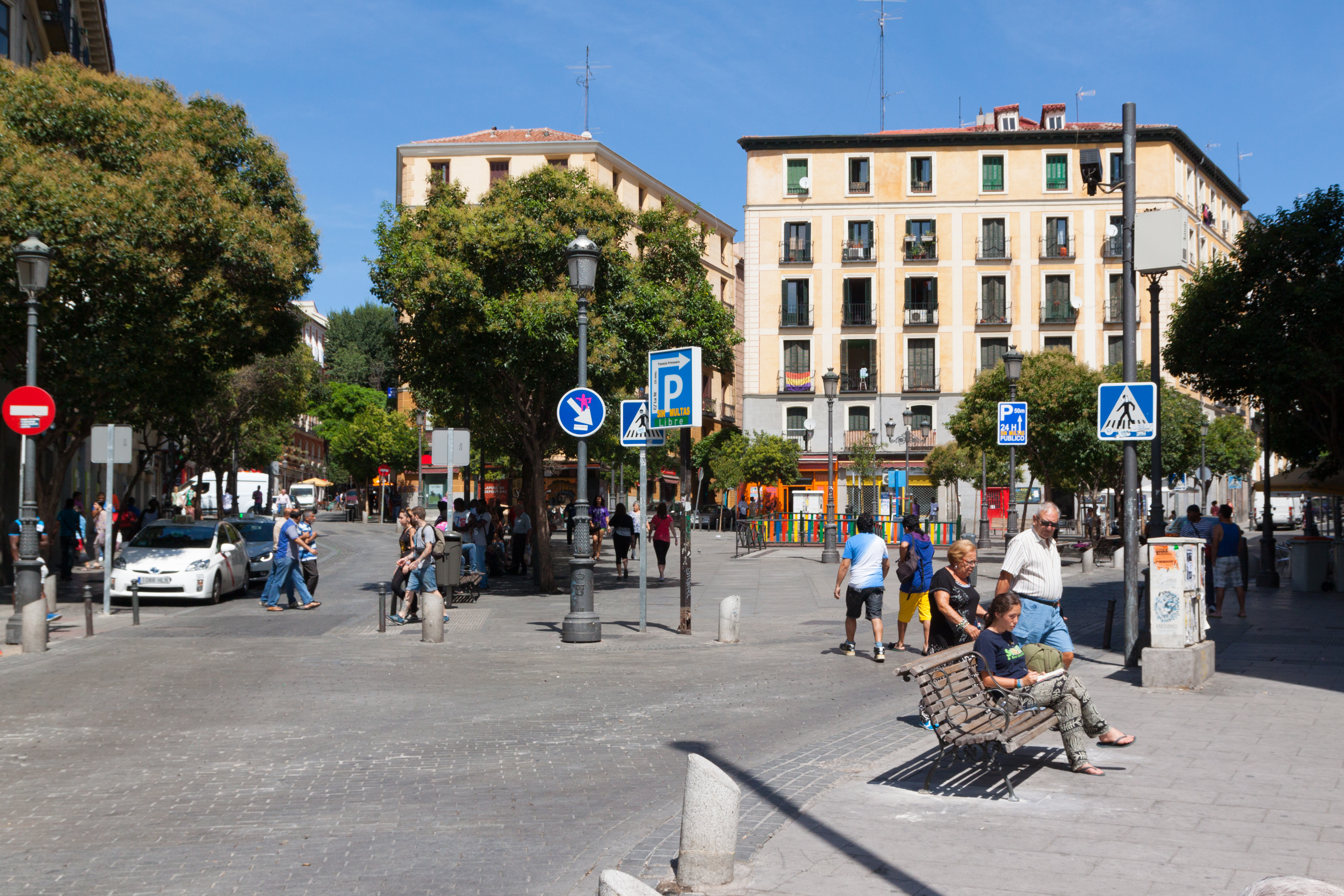
Plaza de Lavapiés
5

Plaza de Lavapiés

4 min

The heart of Madrid's most multicultural neighbourhood, where traditional Spanish cuisine meets flavours from North Africa, South Asia, and Latin America in a living, breathing fusion that reflects the city's evolving identity.
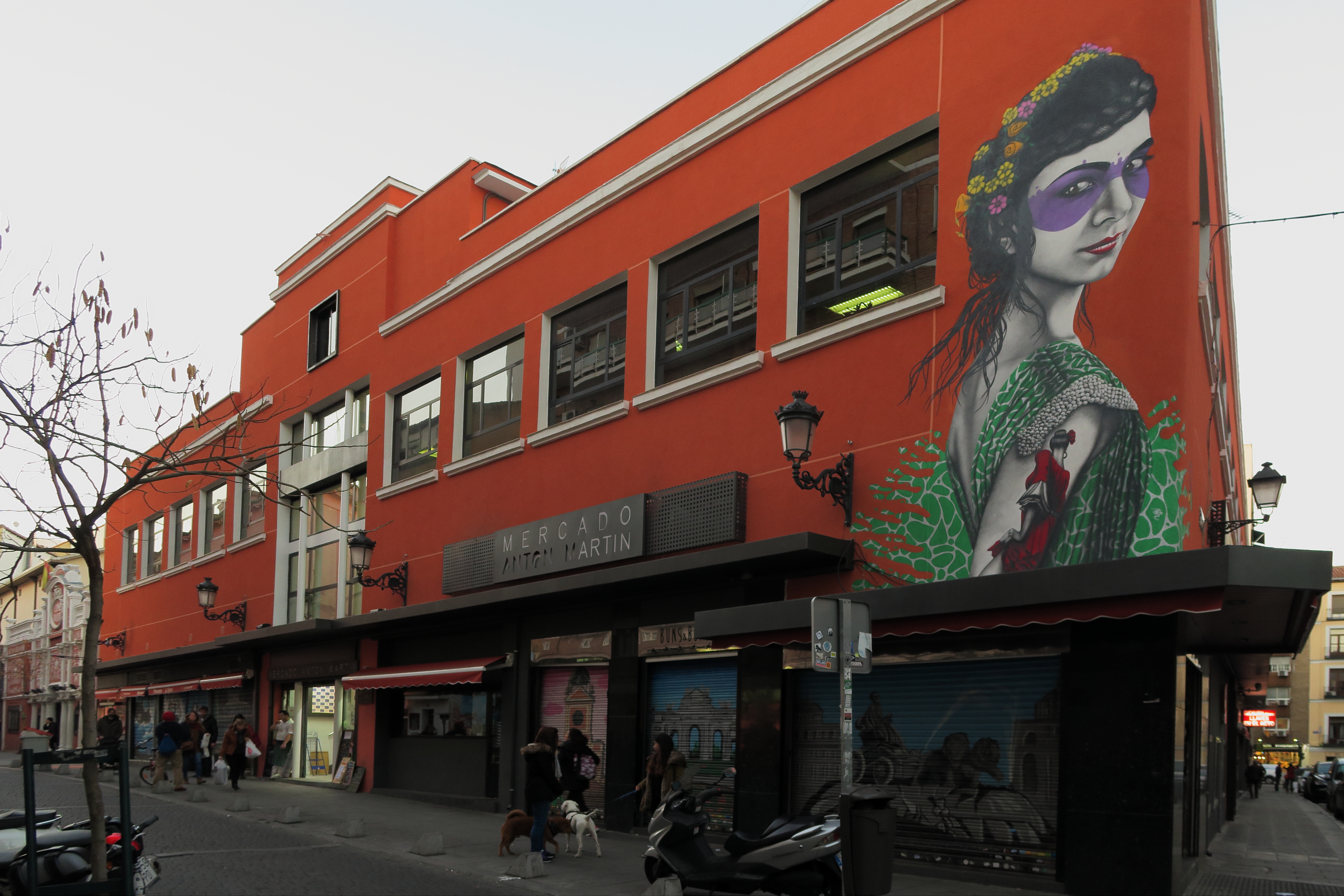
Mercado de Antón Martín
6

Mercado de Antón Martín

4 min

A neighbourhood market with organic food stalls, artisan wine bars, and cooking demonstrations — the quieter, more curated alternative to San Miguel where locals shop and young Madrid discovers quality over spectacle.
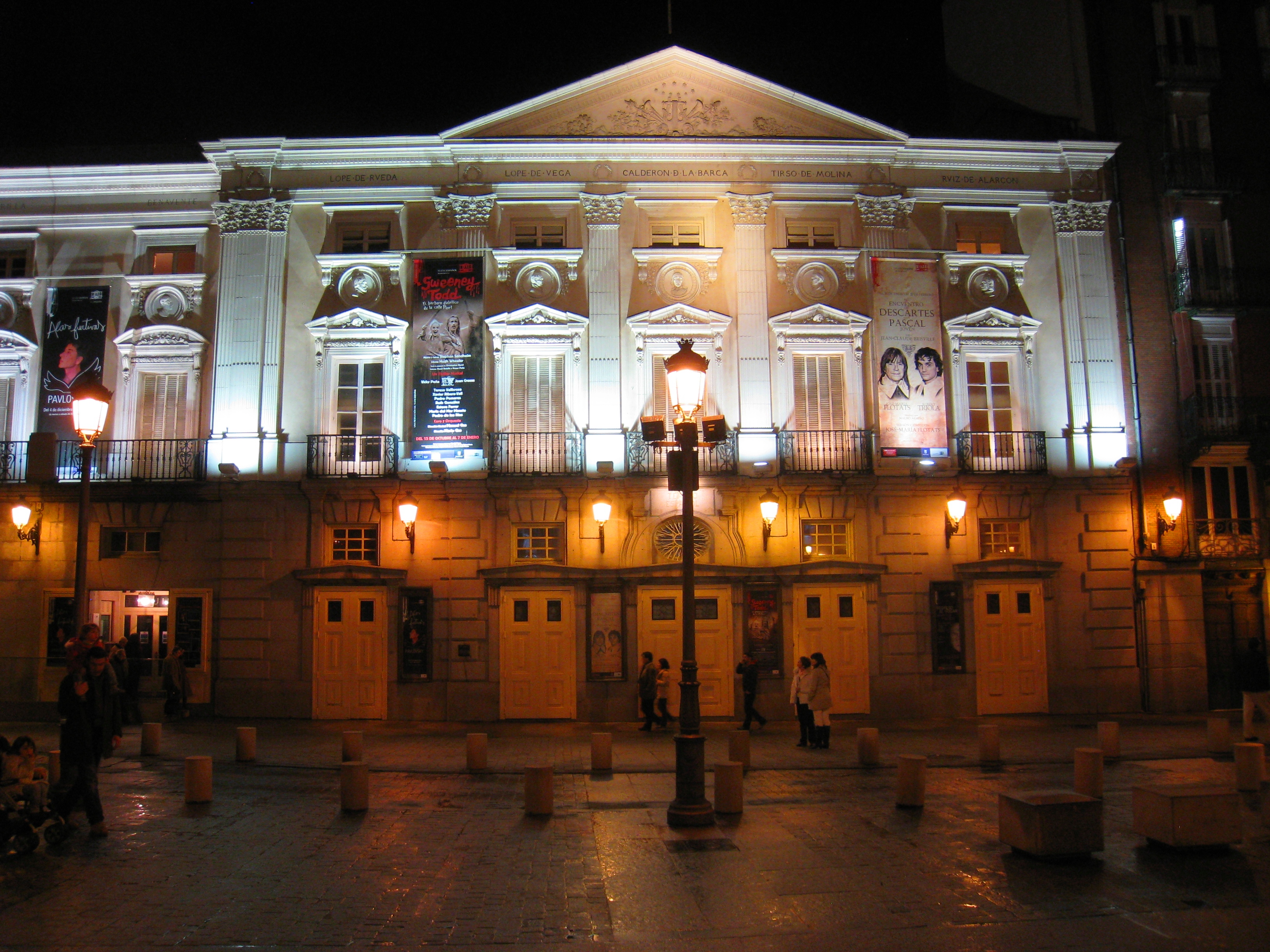
Plaza Santa Ana — Terrazas
7

Plaza Santa Ana — Terrazas

5 min

The tour ends at Madrid's most iconic terrace square, where the vermouth hour, the tapas crawl, and the sobremesa tradition converge — where Madrid's food culture becomes a complete ritual.

A Taste of the Tour

This is the real story from one stop on this walk — every stop has one.

Mercado de San Miguel

Welcome to Mercado de San Miguel, where Madrid's food obsession begins. Forget everything you think you know about eating — this city doesn't do cuisine, it does ritual. Vermouth at noon, croquetas at dusk, and hours stretching into evening conversations over plates of jamón and olives. We're not here for recipes. We're here for the art of living through food. Over the next few hours, we're walking through the heart of how Madrid actually eats. From this gourmet iron-and-glass cathedral of market culture to hidden taverns that have served the same dishes for generations, from tapas streets packed with locals to multicultural kitchens that show you how this city has evolved. Each stop tells you something about Madrid — not the postcard version, but the real one. The one where food isn't fuel, it's a conversation starter, a time marker, a reason to stay at a table longer than you planned. So grab a glass, stay close, and let's eat our way through the rituals that make Madrid, Madrid. Welcome to Mercado de San Miguel. Look up at the soaring glass ceiling and cast-iron beams above your head — you're standing inside a market that's been feeding Madrileños since 1916. This isn't some newly invented tourist trap, though it certainly feels like a stage now. Back when it opened, this was simply where you came to buy your daily ingredients. The vendors were fishmongers, cheesemakers, ham cutters, and produce sellers. Then, around the 2000s, the market was reimagined. The stalls transformed. The old grocery stand became a tapas bar. The cured-meat vendor became a small stage for Spanish food theatre. And suddenly, you had a place where you could taste the entire nation in one afternoon. Stand near the entrance and notice the rhythm. You're looking at a cross-section of Spain itself. Over to your right, there's a vendor shaving jamón ibérico with surgical precision — the Rolls-Royce of cured hams, from black pigs fed on acorns in Extremadura. The meat is so prized it's aged for years, sometimes decades, and what you're watching isn't just food preparation. It's a ritual. The ham has a nutty sweetness, a depth of flavor you won't find in supermarket cuts. Next to that, someone's pouring vermouth from a height into a small glass, creating foam — that's the ritual of the vermut hour, the Sunday noon tradition we'll keep seeing throughout this tour. It's part of the Spanish rhythm, as essential to Sunday as church bells. Walk deeper, and you'll see Galician octopus grilled over charcoal, seafood from the Atlantic coast prepared by vendors who'll tell you exactly where each scallop came from. There are croquetas — béchamel and jamón wrapped in breadcrumb and fried golden. There are conservas, which are tinned seafood delicacies that look simple but taste like concentrated ocean. Cheeses from every region of Spain, from soft Idiazabal to hard aged Manchego. Olives in brine. Chorizo. Morcilla — blood sausage, an acquired taste but a real one. And churros, of course — the sweet fried dough that gets dunked in chocolate. The market gets ten million visitors a year, which tells you something about its draw. But here's what's surprising: locals will sometimes sneak in during off-hours to grab a quick tapa and a caña, a small draft beer. It's become a tourist destination, yes, but it hasn't entirely lost its neighbourhood DNA. The energy here is about abundance and celebration. In a country where food isn't just fuel but a social language, this market is a dictionary of everything Spanish cuisine wants you to know. What makes Mercado de San Miguel work as an opening to our tour is that it gives you permission. It says: in Madrid, we take food seriously. We spend time on it. We linger. We taste. We share. We go from one small plate to another, getting to know people and stories with each bite. The Spanish call this ir de tapas — going on a tapas crawl — and the market is where tourists first feel the pull of it. You'll see people who came in for five minutes an hour ago, still standing at a bar, working through their third or fourth tapa. But I'll be honest: this is the gourmet version. It's polished. It's designed for visitors. It's spectacular. Later in our tour, we'll find the places where locals actually do this ritual, the hidden tapas bars in narrow alleys where the bartender knows your name and your usual order. We'll get to the everyday Madrid — the Mercado de la Cebada, where people come to buy their dinner ingredients, not their Instagram moment. We'll find Antón Martín, which is what San Miguel aspires to be but without the shine. We'll see how the ritual plays out when it's not performing for cameras. For now, though, let yourself be seduced by the spectacle. This is the best of Spanish food under one roof. Buy something — a tapa, a glass of wine, a bite of jamón. Stand at one of the high tables scattered throughout. Watch the light stream through the glass ceiling. Feel the press of other people around you, all of them hungry, all of them understanding that this right here — this moment, this taste, this ritual — is what Madrid is made of. Because it is. Food and community and time. That's the story.

More Tours in Madrid

Nearby Cities

Back to Madrid Tours

Cookie Consent

We use cookies to analyse site traffic and improve your experience. You can choose to accept or reject analytics cookies. Learn more