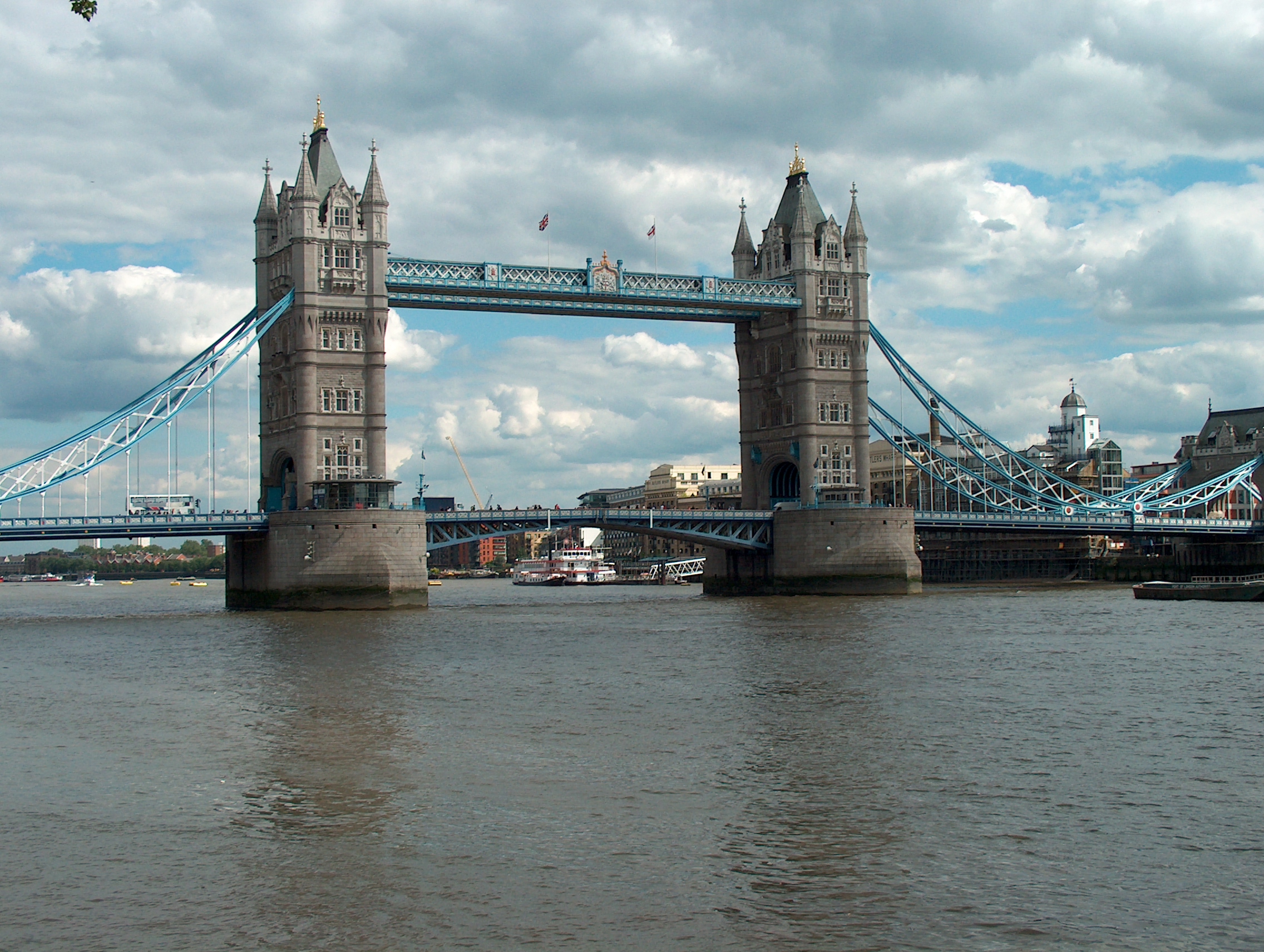
Tower & Bridge
London · United Kingdom

Tower & Bridge

London, United Kingdom
120
Duration (min)
3.0
Distance (km)
9
Stops
Easy
Difficulty

Description

From Victorian docks to a Norman fortress, this tour circles the Tower of London and its iconic bridge — unpacking nearly 1,000 years of royal power, imprisonment, engineering ambition, and survival. Cross Tower Bridge, board a WWII warship, confront Traitors' Gate, and discover London's oldest church.

Highlights

Cross Tower Bridge and discover the Victorian engineering marvel hidden behind its Gothic facade Stand before Traitors' Gate, where Anne Boleyn and Thomas More entered the Tower by barge Explore the Tower of London's 1,000-year story of fortress, palace, prison, and Crown Jewels Visit All Hallows by the Tower, London's oldest church with Saxon foundations from 675 AD End at the Monument marking the Great Fire that stopped just short of the Tower
Tour Stops

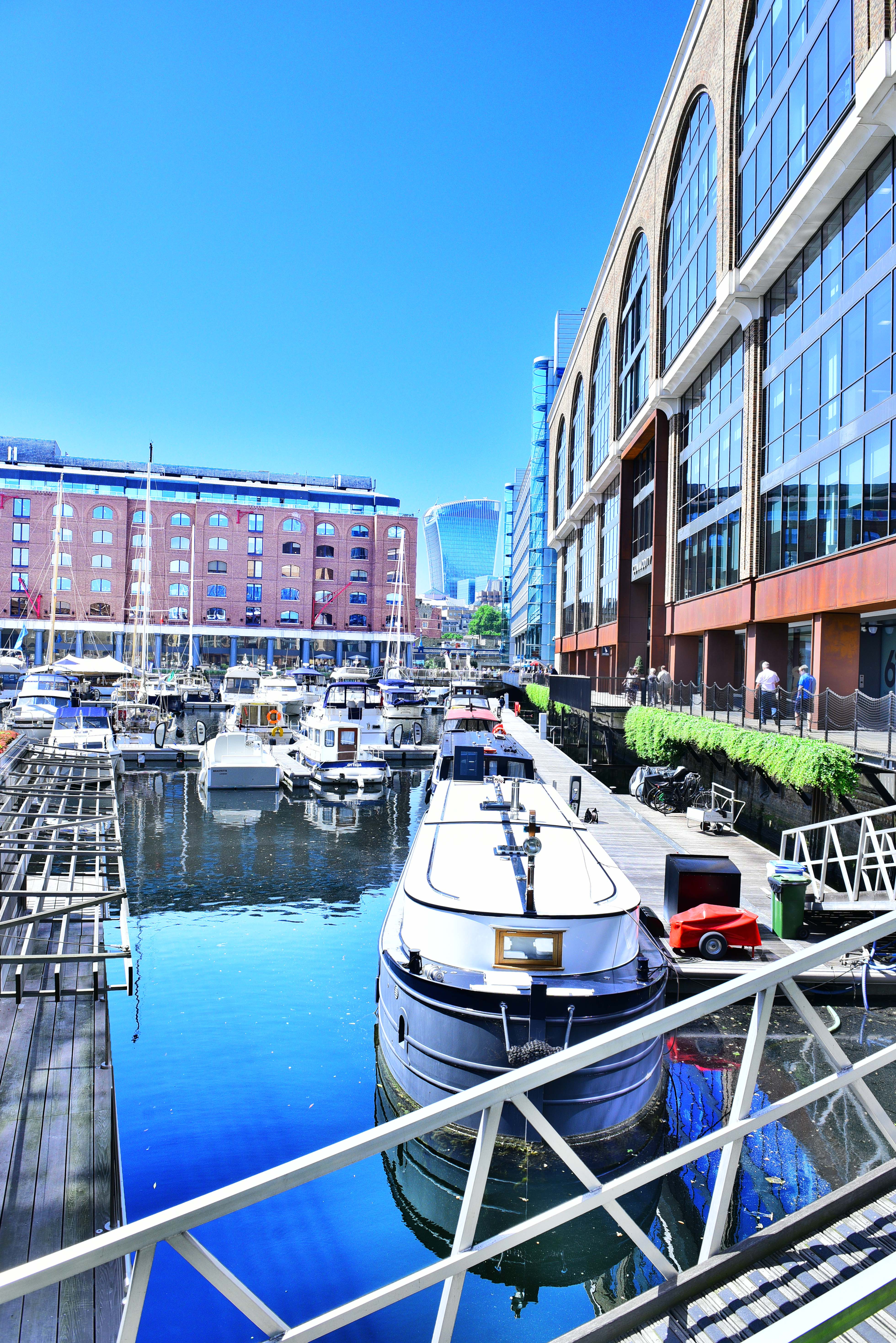
St Katharine Docks
1

St Katharine Docks

10 min

A Victorian-era marina and warehouse complex built in 1828 on the site of a demolished medieval hospital and 1,250 houses, designed by engineer Thomas Telford to maximize wharf space adjacent to the Tower of London. Today it epitomizes London's reinvention from industrial working port to leisure destination, having been extensively regenerated since the 1980s.
Tower Bridge
2

Tower Bridge

15 min

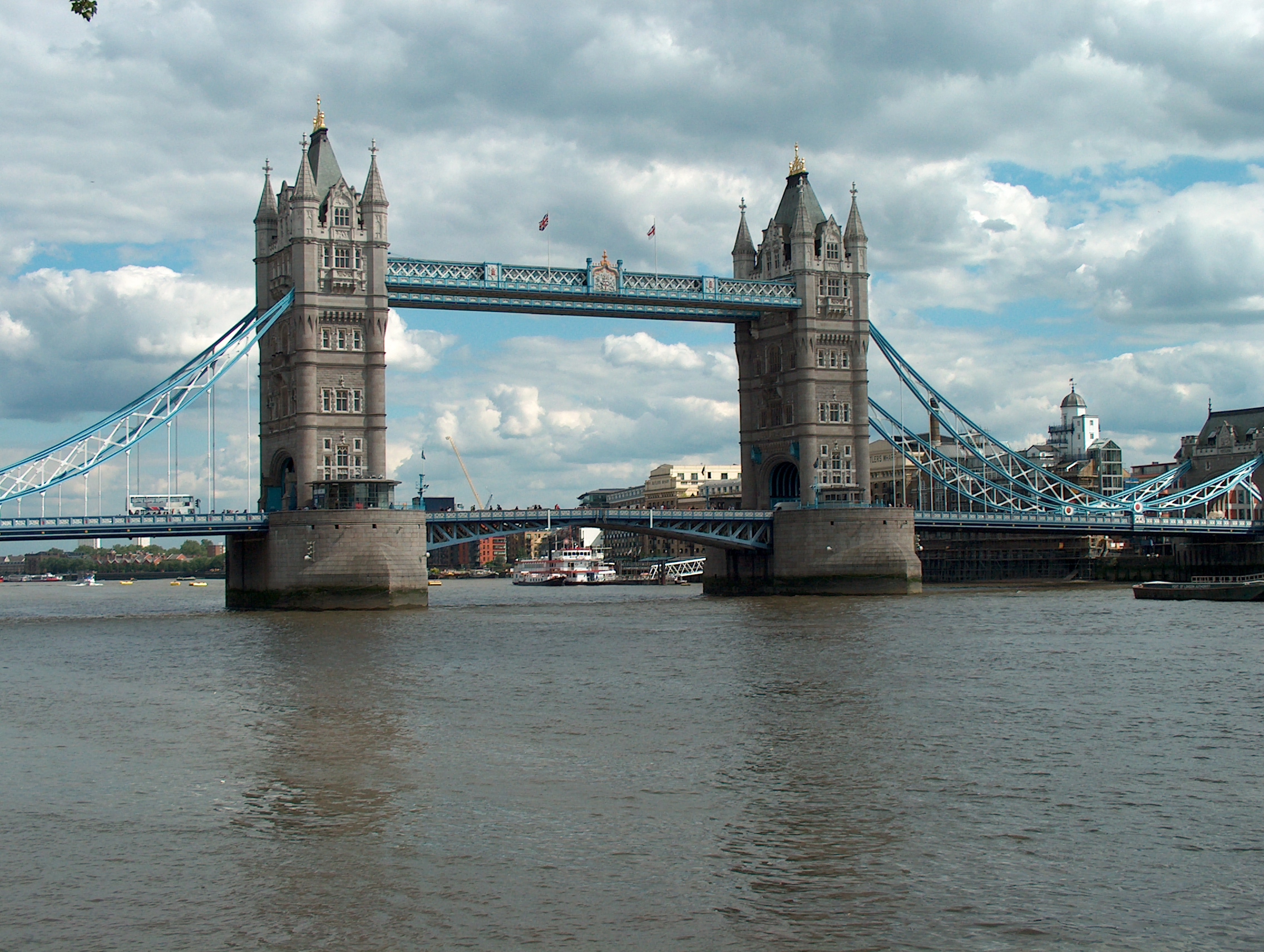
Tower Bridge is a Victorian bascule bridge completed in 1894, featuring Gothic Revival architecture that deliberately echoes the medieval fortress beside it. Behind its ornamental stone cladding lies a hidden marvel of engineering: a working steel structure that still raises its arms for tall ships passing beneath.
The Scoop & Potters Fields
3

The Scoop & Potters Fields

10 min

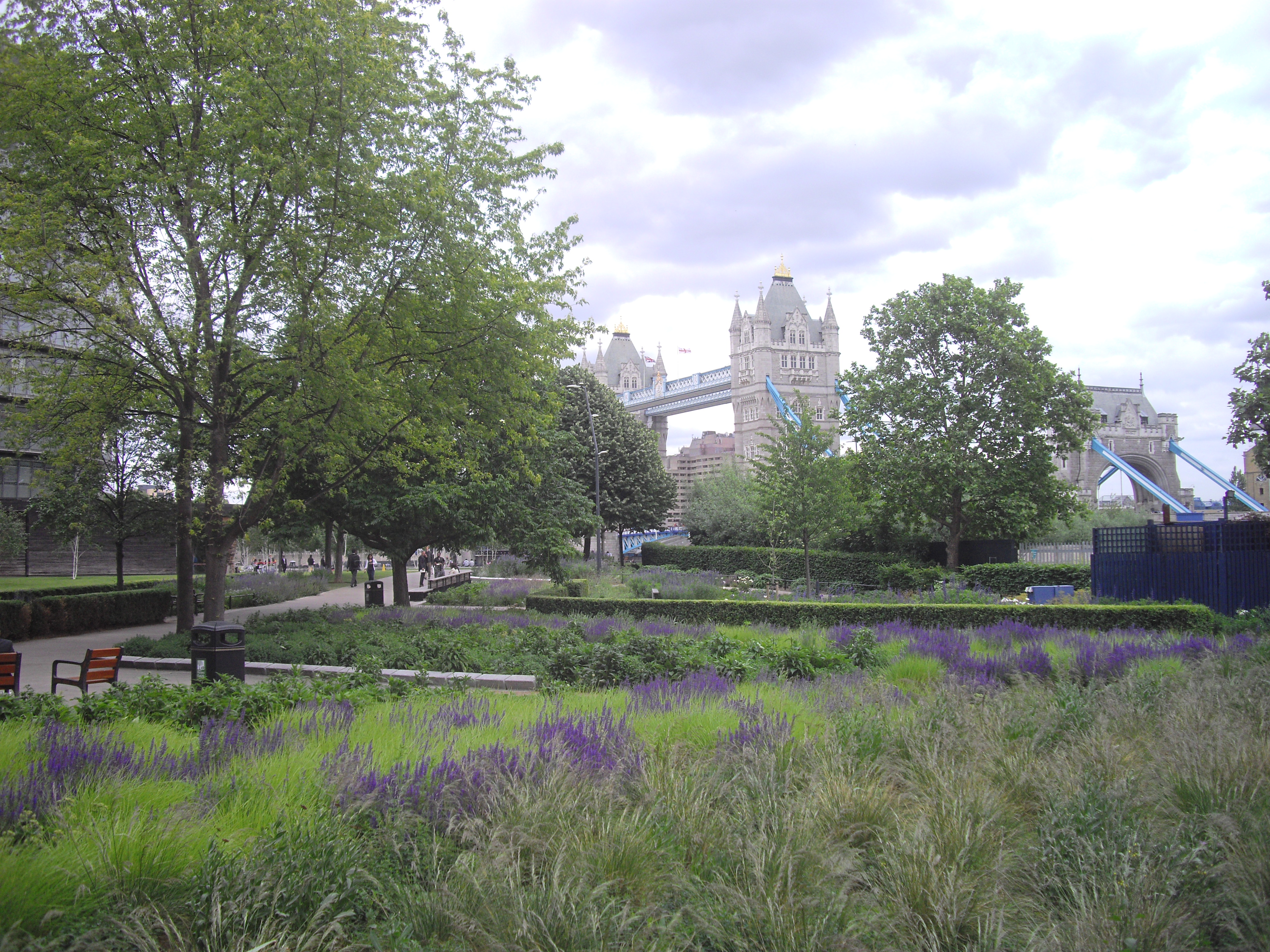
A riverside amphitheatre and park offering one of London's finest views of Tower Bridge and the historic fortress across the water. This modern cultural space sits where London's docklands once ruled the world, now reimagined as a gathering place for theatre, music, and riverside life.
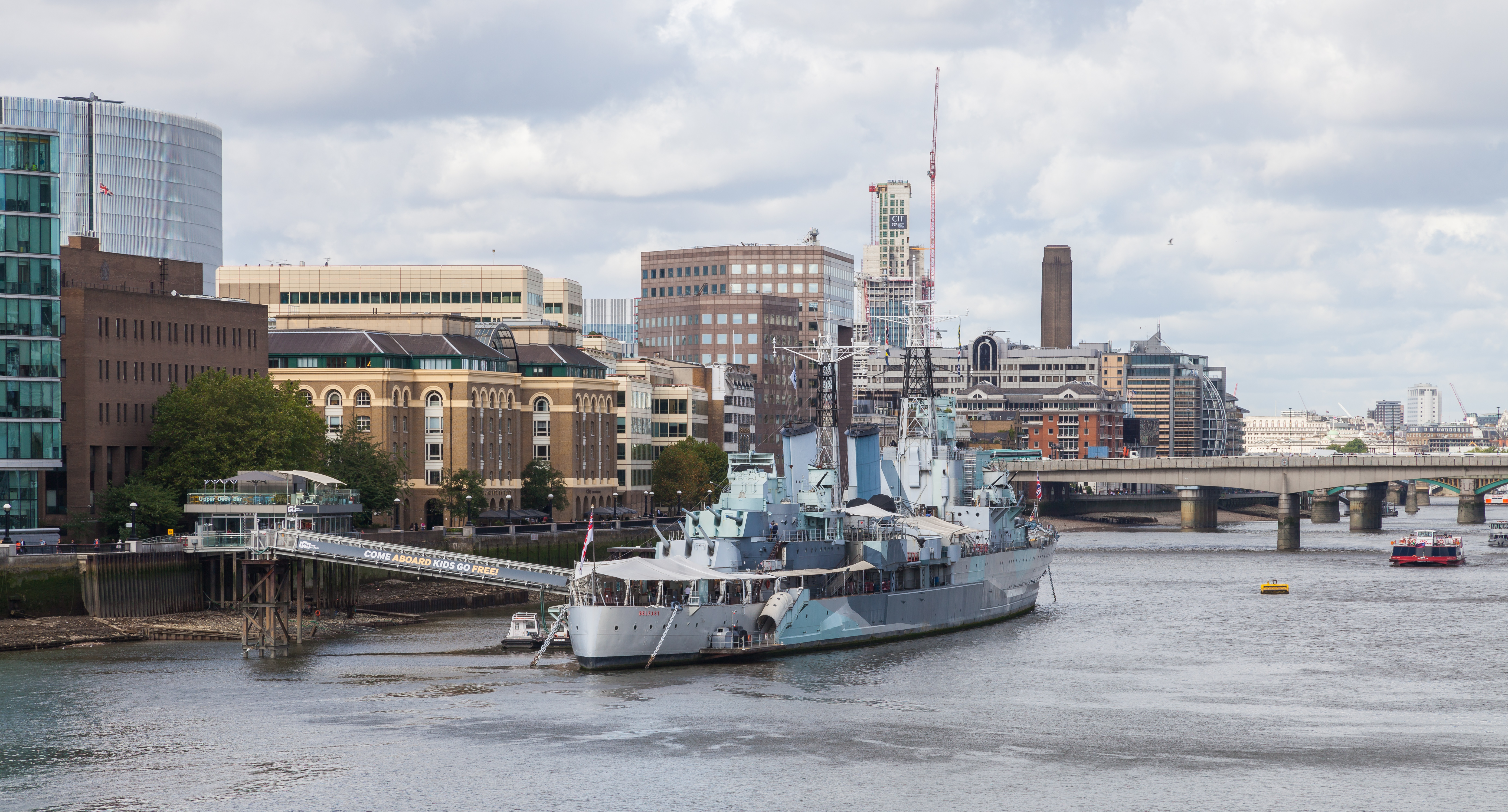
HMS Belfast
4

HMS Belfast

15 min

HMS Belfast is a 12,000-ton Town-class light cruiser launched in 1938, now permanently moored on the Thames as a museum operated by the Imperial War Museum, with combat service spanning D-Day and the Korean War.
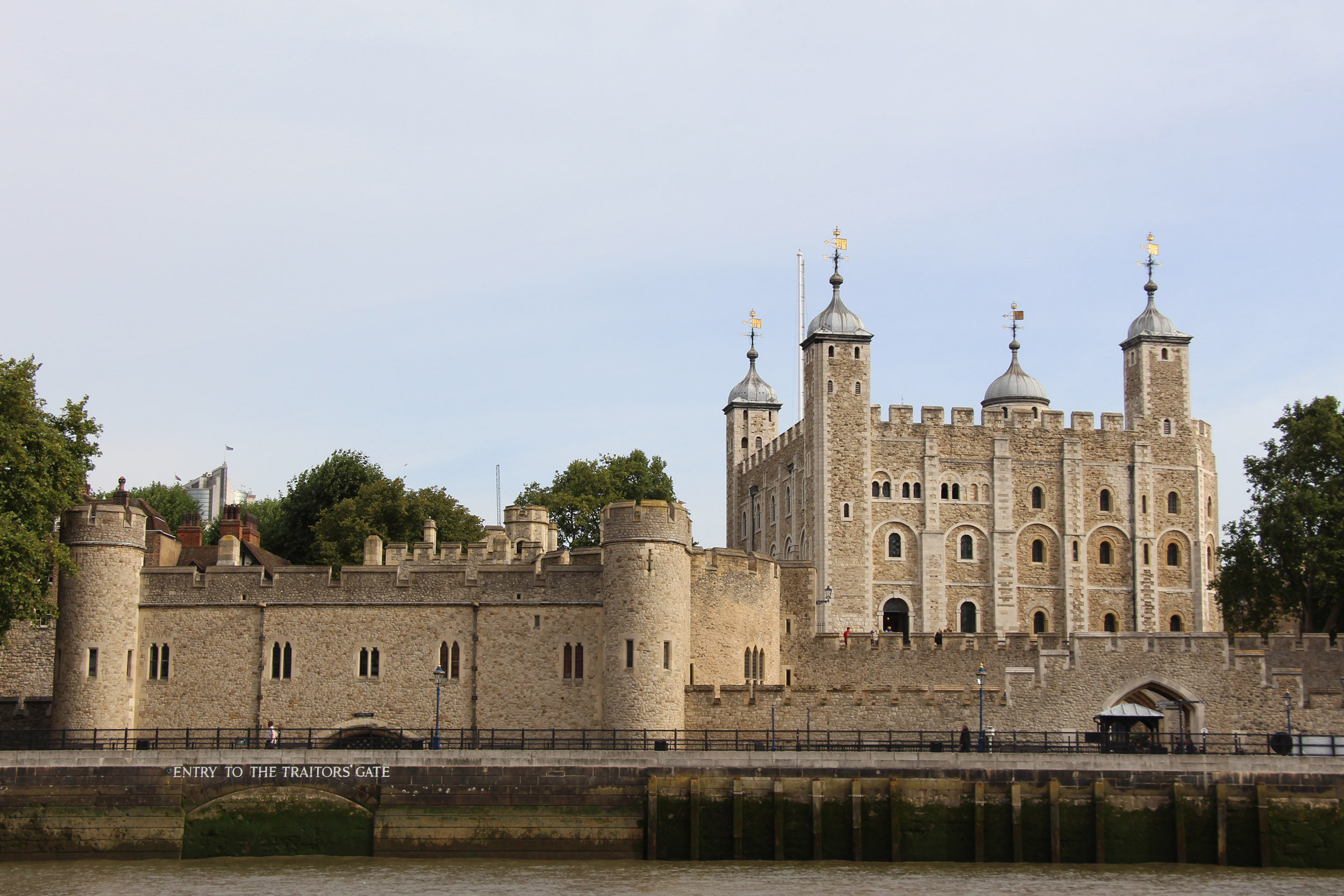
St Thomas Tower
5

St Thomas Tower

5 min

St Thomas Tower, built by King Edward I in the 1270s, houses Traitors' Gate—the water entrance where prisoners including Anne Boleyn, Thomas More, and the young Princess Elizabeth arrived at the Tower by barge. Originally called Water Gate, it only gained its ominous name centuries later when the fortress became London's most notorious prison.
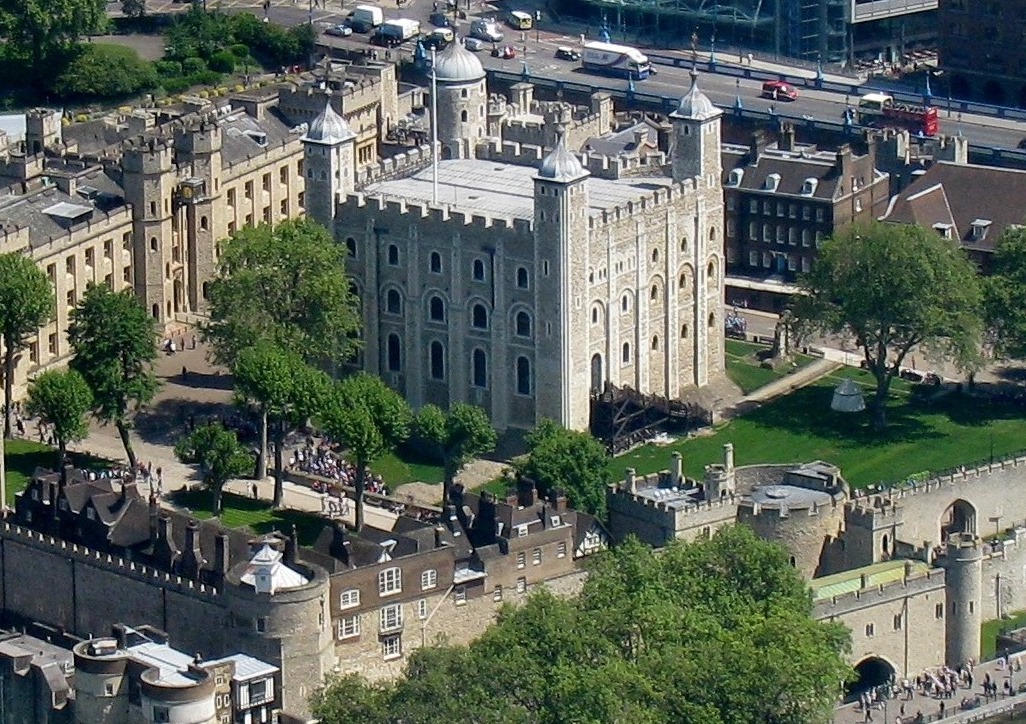
Tower of London
6

Tower of London

25 min

Founded in 1066 by William the Conqueror, the Tower of London stands as a Norman fortress and the most powerful royal palace of medieval England, serving as an execution site, crown jewels repository, and symbol of concentrated power spanning nearly 1,000 years.
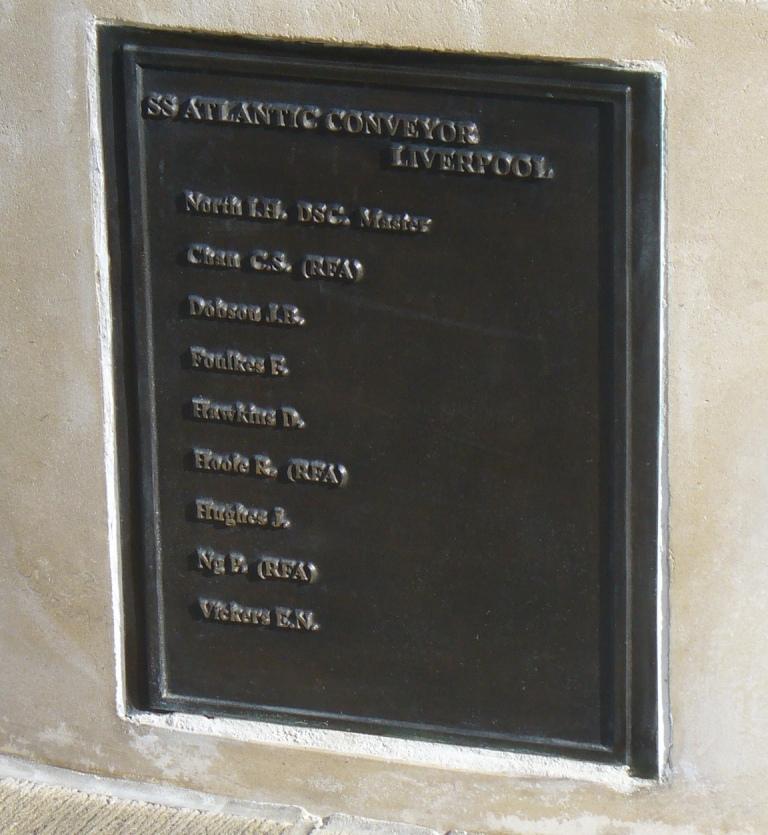
Trinity Square Gardens
7

Trinity Square Gardens

10 min

Over 100 Tower prisoners were publicly executed at this peaceful garden site between the 14th and 18th centuries. Today Trinity Square Gardens memorializes these deaths alongside the names of nearly 60,000 merchant seafarers lost in both World Wars.
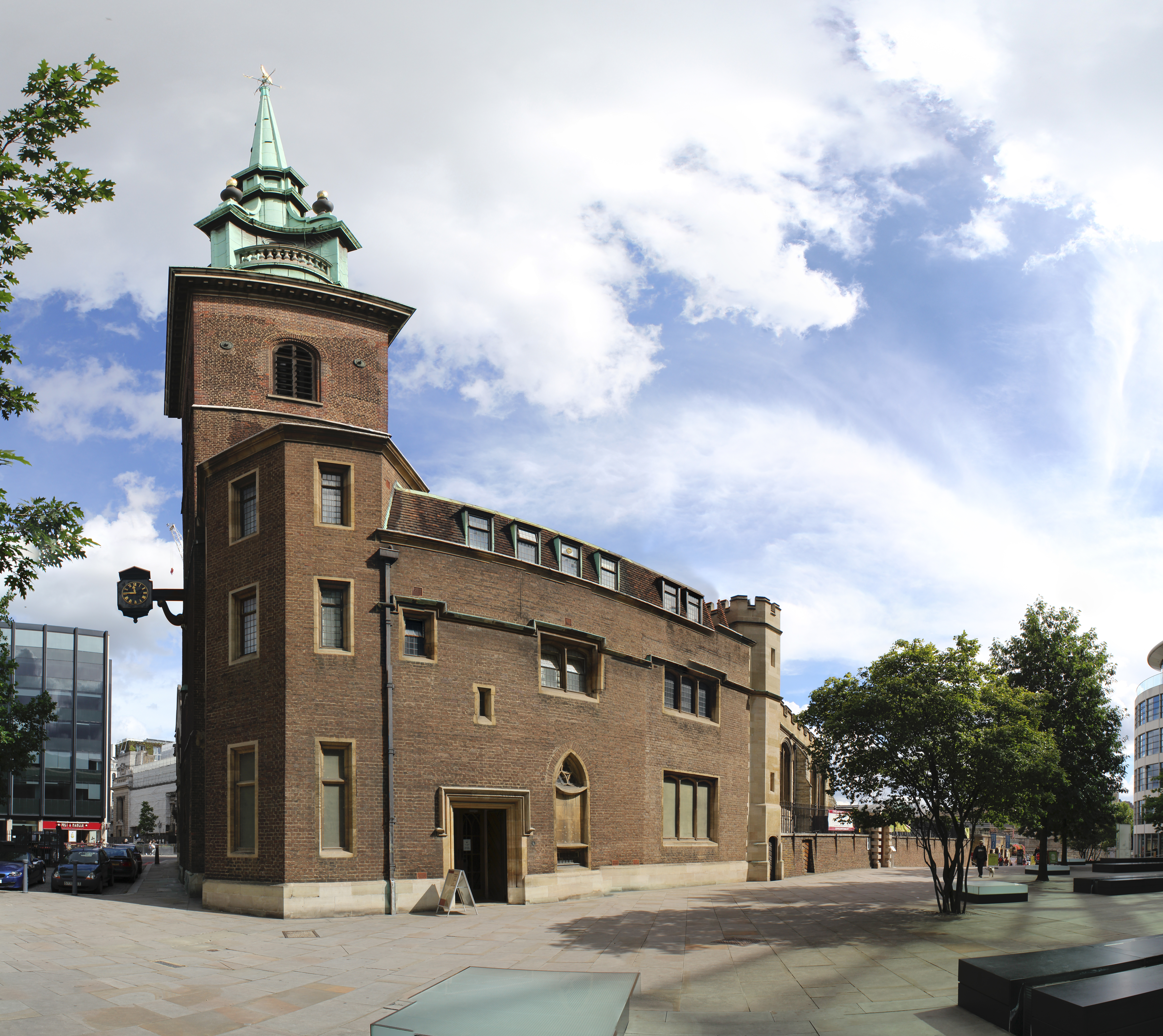
All Hallows by the Tower
8

All Hallows by the Tower

10 min

London's oldest church with Saxon foundations dating to 675 AD — over 400 years older than the Tower itself. This survivor of the Great Fire and the Blitz keeps a remarkable Saxon arch in its undercroft.
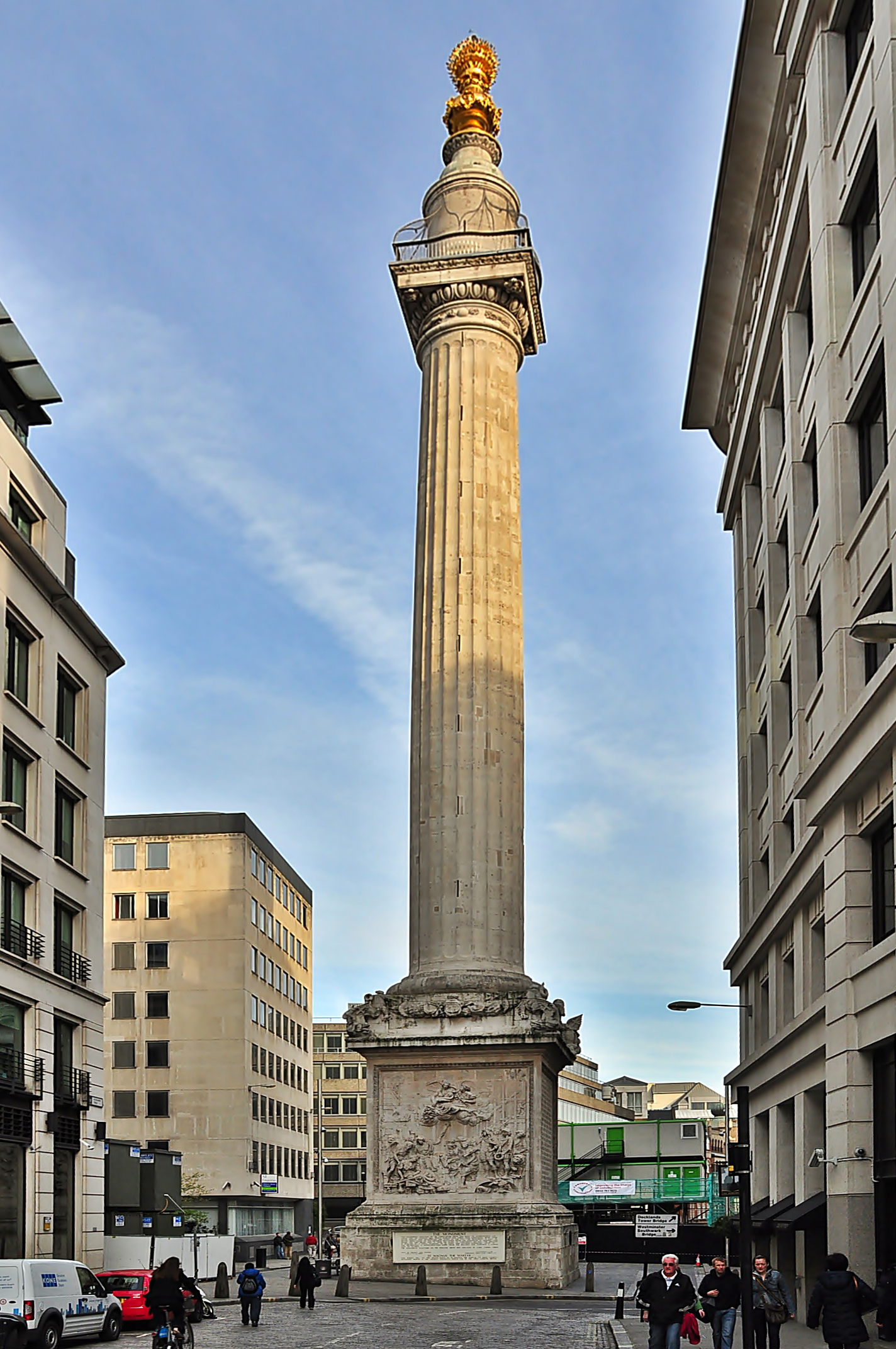
The Monument
9

The Monument

10 min

Christopher Wren's towering memorial to the Great Fire of 1666, which devastated the City of London but spared the Tower. This iconic column marks the endpoint of our tour and the moment when London chose to rebuild itself.

A Taste of the Tour

This is the real story from one stop on this walk — every stop has one.

St Katharine Docks

We begin where London's ambition was written in water and commerce. St Katharine Docks hums with a different energy now—boutiques and restaurants where cargo ships once crowded the wharves—but the bones of Victorian prosperity remain etched into these cobblestones. For centuries, this wasn't a destination; it was a throughway. Fortunes flowed through here, taken in by merchants who understood that whoever controls the docks controls the city's heartbeat. Today, we're going to trace that power as it moved inland and upward. We'll cross an engineering marvel that the Victorians threw across the Thames as if defying the river itself. We'll stand in the shadow of something far older and far darker—a fortress that has held England's most dangerous prisoners, its most defiant rebels, its most tragic ghosts. Before this walk ends, we'll understand how a city rebuilt itself from ash, and how a monument to catastrophe became one of London's most overlooked triumphs. The Tower is waiting. But first, let's walk. Look around you. This peaceful marina with its cafes, galleries, and moored yachts seems impossibly tranquil for central London — almost like it doesn't belong. And in a way, it doesn't. St Katharine Docks is a space haunted by its own erasure, and it's the perfect place to begin thinking about how power, progress, and place reshape this corner of the city over and over again. Less than two centuries ago, this spot thrummed with life. St Katharine by the Tower, a hospital founded in 1148 by Queen Matilda, stood here for nearly 700 years. It was a place of shelter — for travelers, the sick, the elderly — run by resident brothers and sisters. Medieval queens took it under their special protection, making it what was called a Royal Peculiar, answerable only to the Crown. That medieval world was dense, interconnected, intimate. Then came Victorian progress, ruthless and efficient. In 1825, Parliament passed the St. Katharine's Dock Act. In May 1827, demolition began. Everything was cleared: the hospital, the houses stacked tightly around it, the maze of streets that had grown up over centuries. By October 1828 — just sixteen months later — the new docks opened to shipping. The human cost was staggering. Around 11,300 people, mostly port workers, lost their homes. The poorest of them received no compensation whatsoever. Only the property owners who held legal title were paid. The medieval hospital, which had offered sanctuary and care for 680 years, simply vanished. What rose in its place was a marvel of engineering designed by Thomas Telford, one of the greatest engineers of the age. His brief was simple: create as much quayside as possible. He designed the docks as two linked basins — East and West — connected by gates to the Thames. The geometry is clever: water channels cut deep, allowing ships to tie up tight against the warehouses. No wasted space. Efficiency itself made concrete and stone. For more than 150 years, this was a working port. Wool, spices, tea, coffee — London's trade flowed through here. The warehouses filled with goods bound for empire and beyond. Men hauled cargo, cranes creaked, ships came and went with the tides. But look at it now. That transformation has happened again. The working port became obsolete as container ships grew too large for these tight basins. The warehouses — beautiful Victorian brick with iron balconies — fell silent. In the 1980s, the docks were reimagined once more, this time as a place for leisure and living: restaurants, luxury flats, galleries, and boats that exist purely for pleasure, not commerce. So St Katharine's shows you something essential about this stretch of the Thames. It's a palimpsest. Medieval monastery becomes industrial port becomes pleasure marina. Each version erases and rewrites the last. Each transformation is brilliant engineering. Each one displaces thousands. That's the pattern you'll see again and again as you walk toward the Tower. Notice how the current renovation still has traces of Telford's genius. The warehouse geometry is unchanged. The way water moves through the basins. Even through reinvention, the Victorian skeleton remains. And notice too that we still call them St Katharine's, even though St Katharine herself, and her hospital, and the 11,300 people who lived here, are completely gone. The name is a ghost. From here, you're just a few steps from Tower Bridge — that other great Victorian transformation. And beyond it lies the Tower itself, where you'll stand at the centre of power for nearly 1,000 years. But first, look at how Telford solved the problem of space. Look at the quiet water. Listen to the absence of the port that was once here. That's where your story of fortification, violence, engineering, and reinvention begins.

More Tours in London

Nearby Cities

Back to London Tours

Cookie Consent

We use cookies to analyse site traffic and improve your experience. You can choose to accept or reject analytics cookies. Learn more