Paris · France
WWII Occupation & Liberation
Paris, France
The Vel' d'Hiv memorial—site of France's largest roundup of Jewish families Resistance museum documenting the 1,038 Compagnons de la Libération De Gaulle's liberation walk down the Champs-Élysées Mémorial de la Déportation—architecture designed to make you feel confinement Mémorial de la Shoah—76,000 names on the Wall of Names
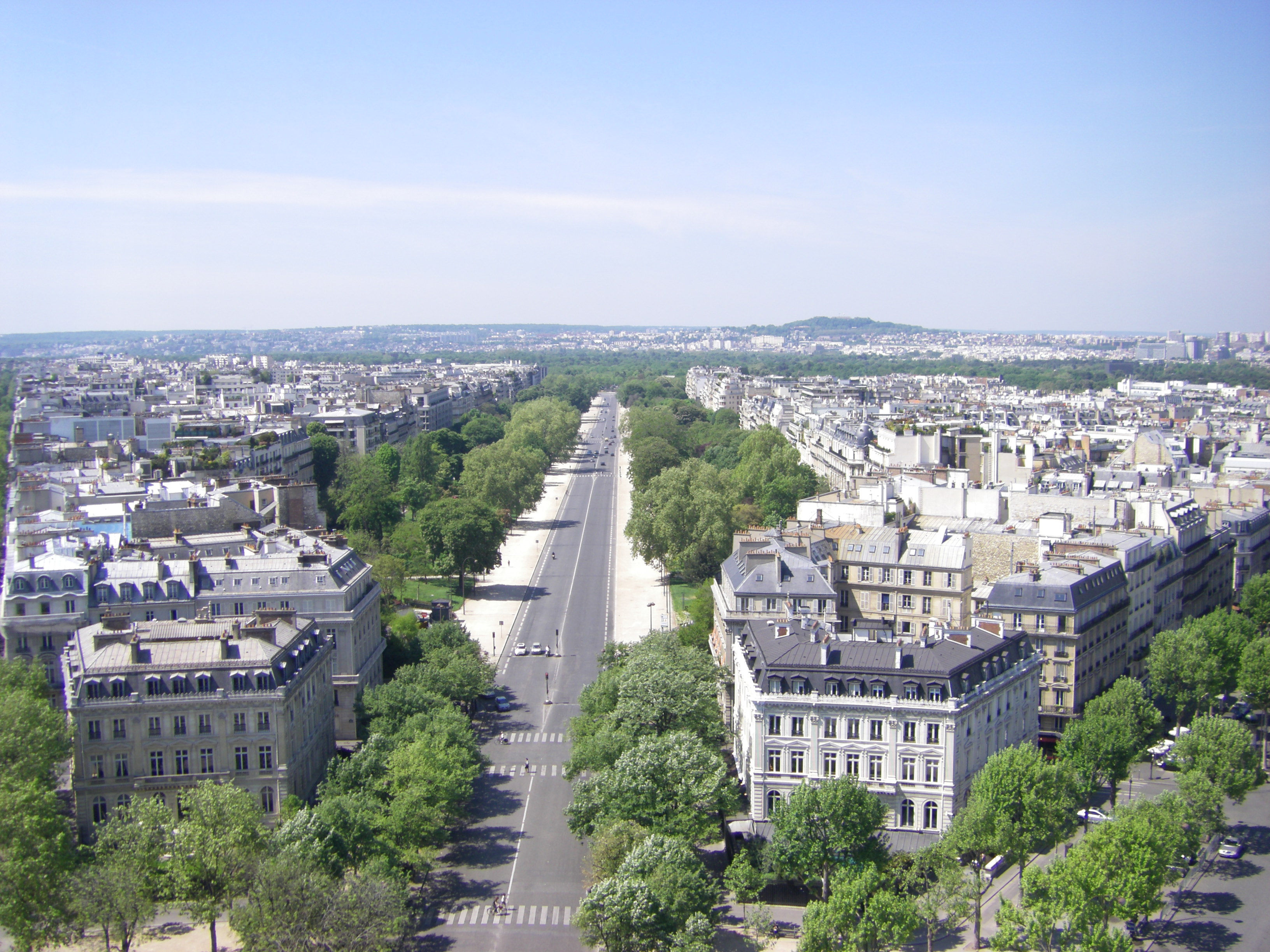
Nazi secret police headquarters and interrogation center on Paris's most elegant residential avenue. Neighbors heard screams from the sixth floor; today the building shows no mark of what happened here.
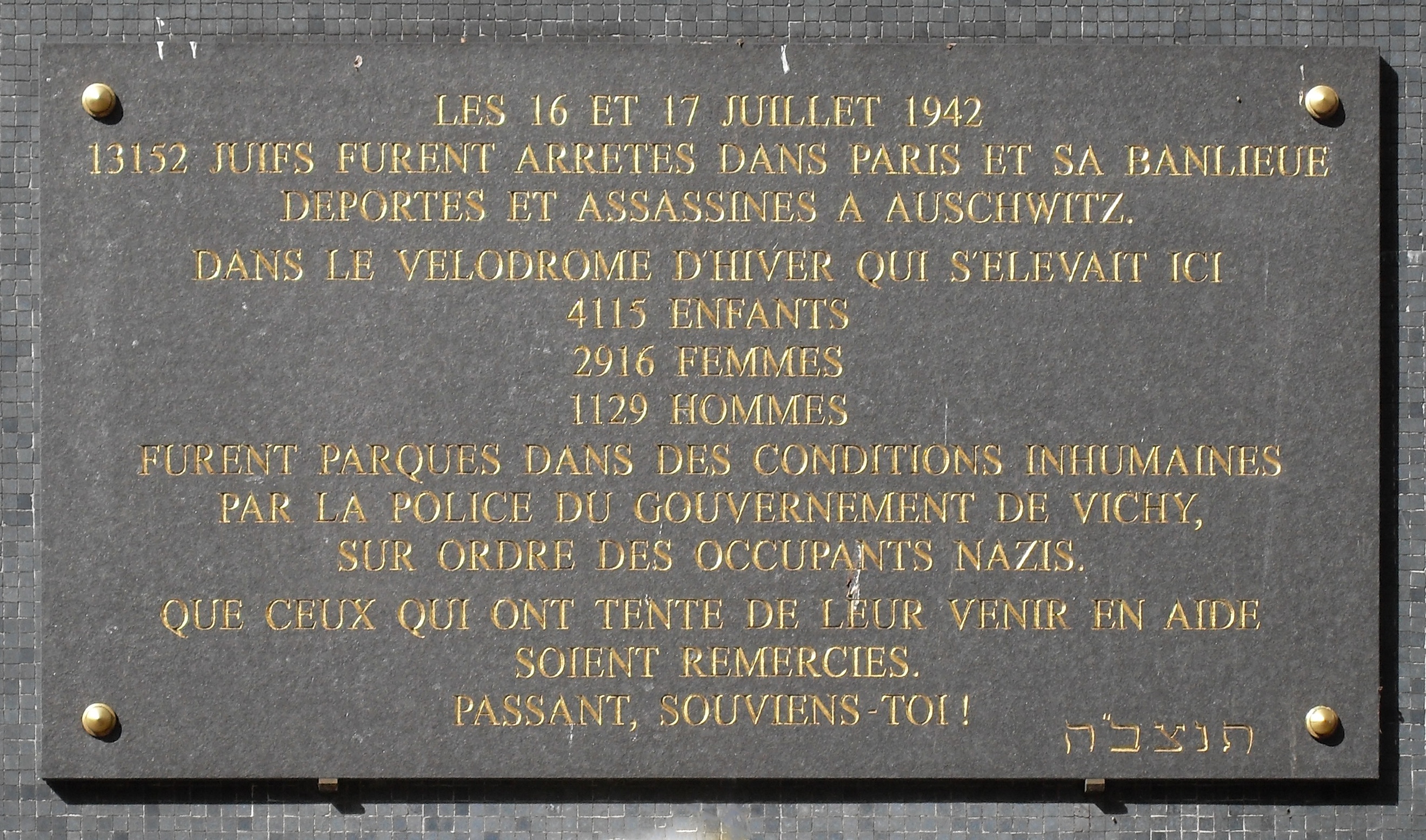
On July 16-17, 1942, French police carried out the largest single roundup of Jews in Western Europe, arresting 13,152 people—including 4,115 children. This site, where the Vélodrome d'Hiver once stood, now confronts that history directly through memorial sculpture and historical acknowledgment.
A museum dedicated to the Free French movement and armed resistance, housed in the Hôtel de Brienne on the Île-Saint-Louis. The collection documents the Order of Liberation established by Charles de Gaulle in 1940, honoring the resistance networks, clandestine operations, and figures who fought Nazi occupation from within and beyond France.
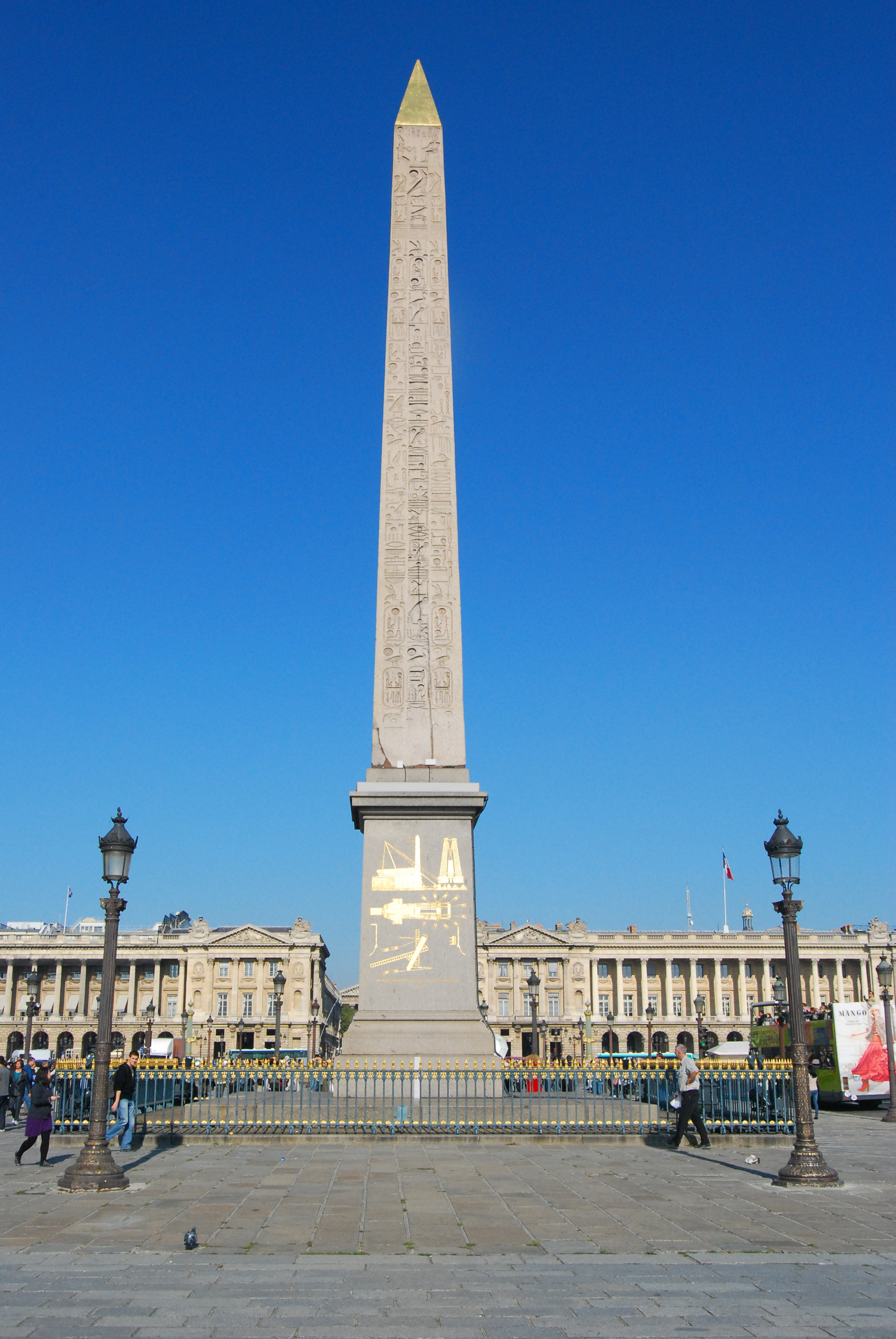
On August 26, 1944, General de Gaulle walked the full length of the Champs-Élysées to the Place de la Concorde before two million Parisians, reclaiming France's most symbolic avenue from four years of German occupation.
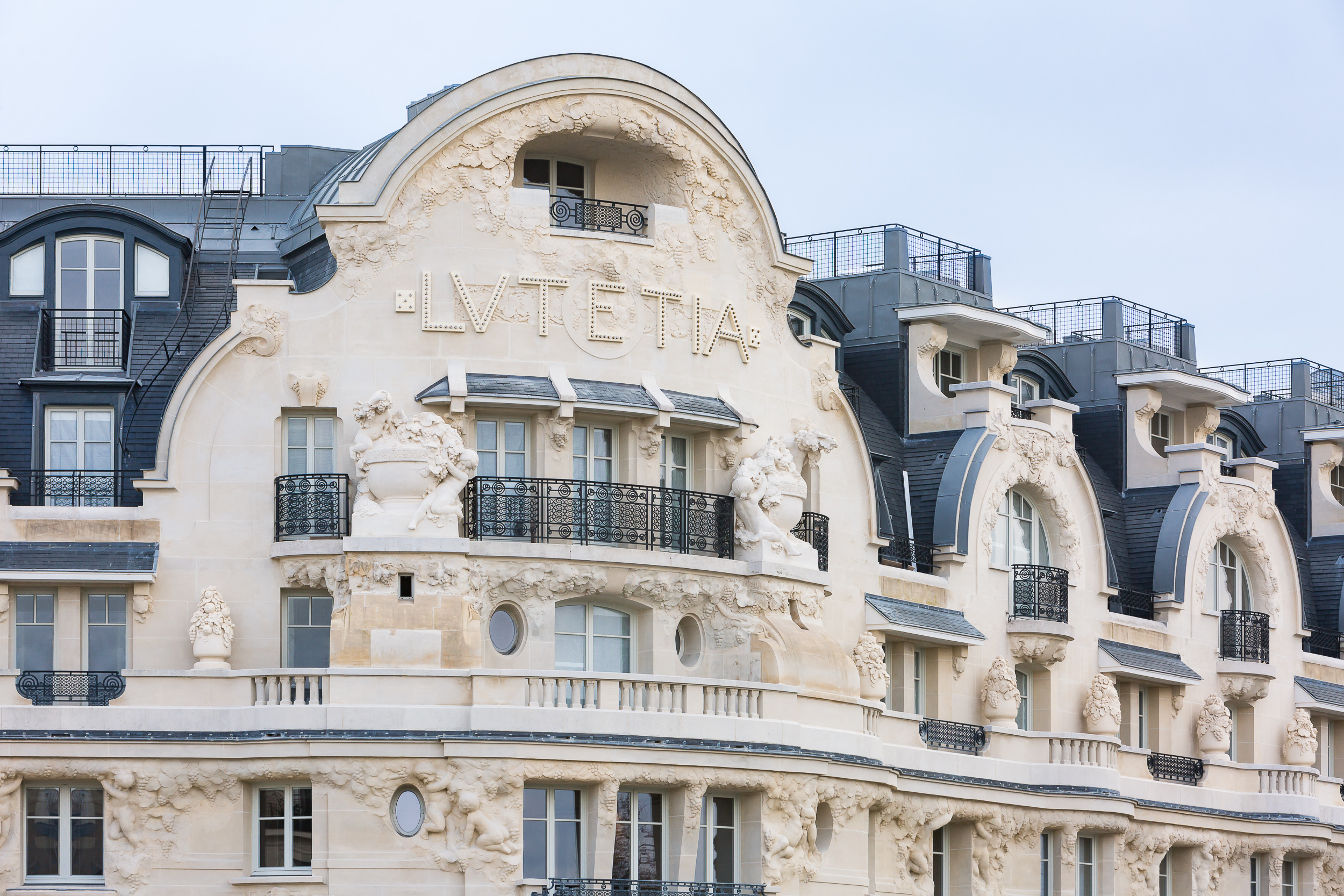
Once Abwehr headquarters during the occupation, this Art Deco masterpiece became a repatriation center where 20,000 concentration camp survivors were received in 1945—a building that witnessed both the machinery of occupation and the impossible joy of liberation.
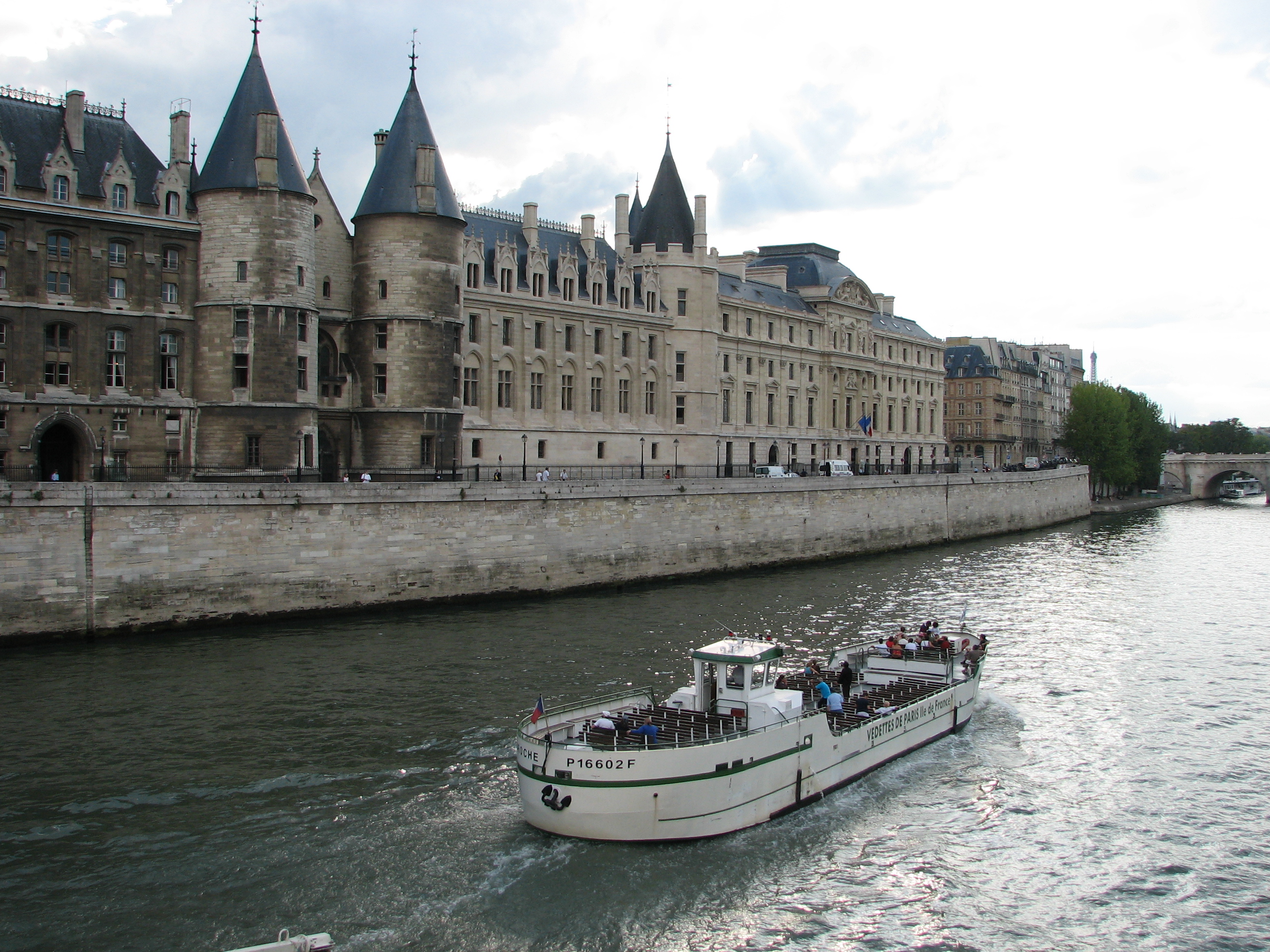
The Conciergerie is a medieval palace that served as a prison during the French Revolution and again during the Nazi Occupation, its Gothic architecture now a stark reminder of how institutional power uses the same spaces across centuries to contain and control.
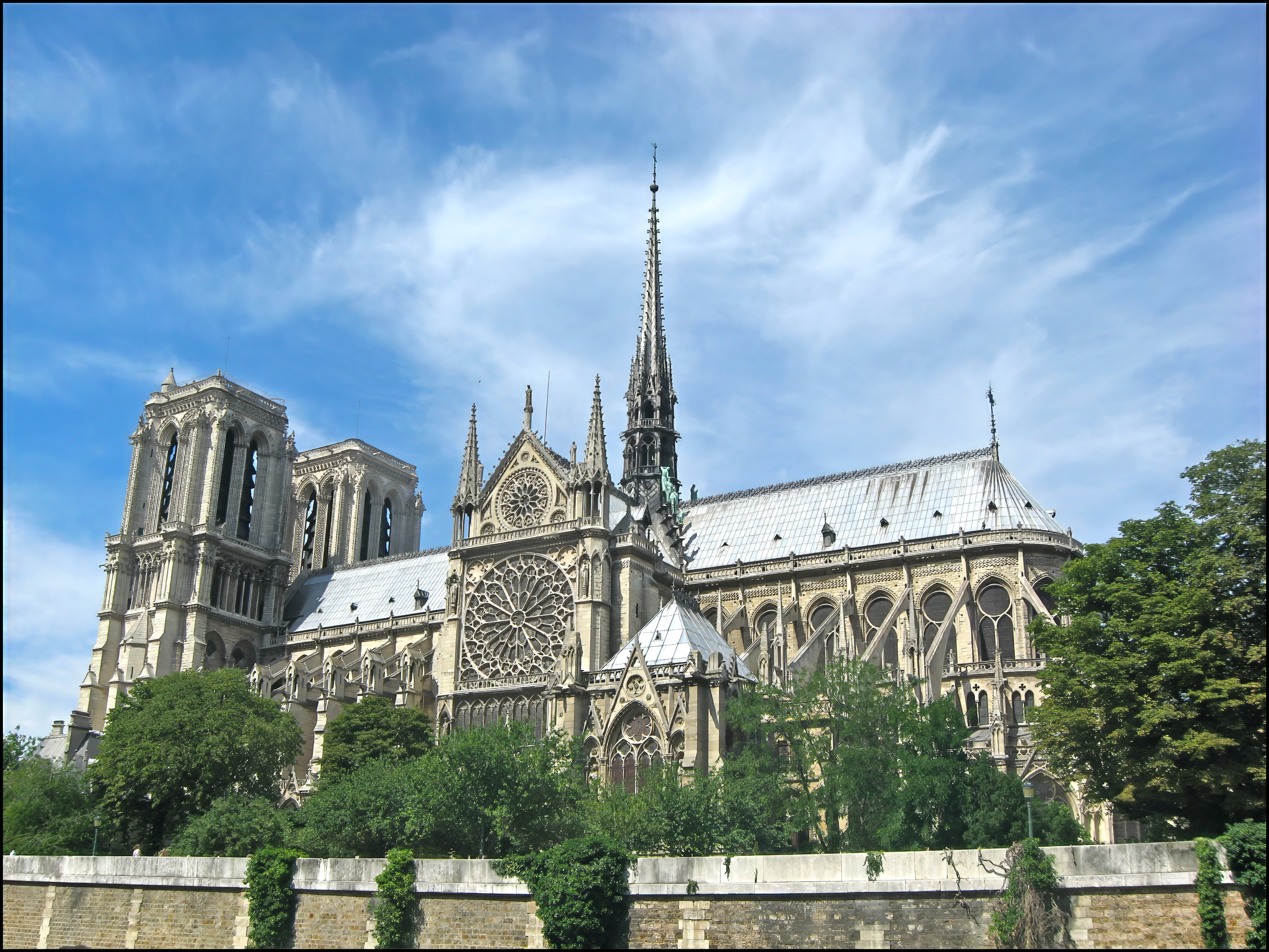
De Gaulle attended a Te Deum service at Notre-Dame on August 26, 1944, reasserting French religious and political authority despite sniper fire from German holdouts still active in the city.
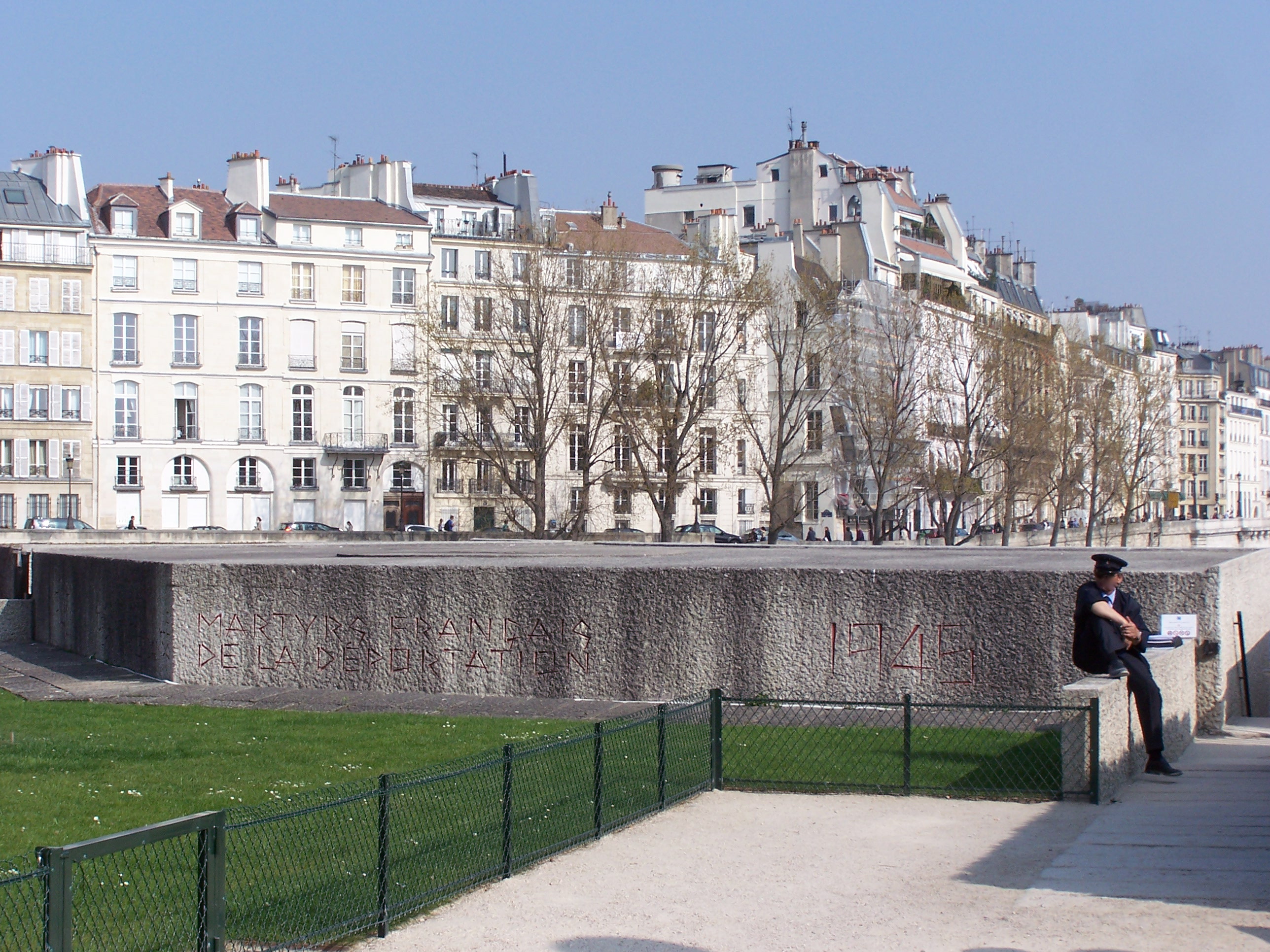
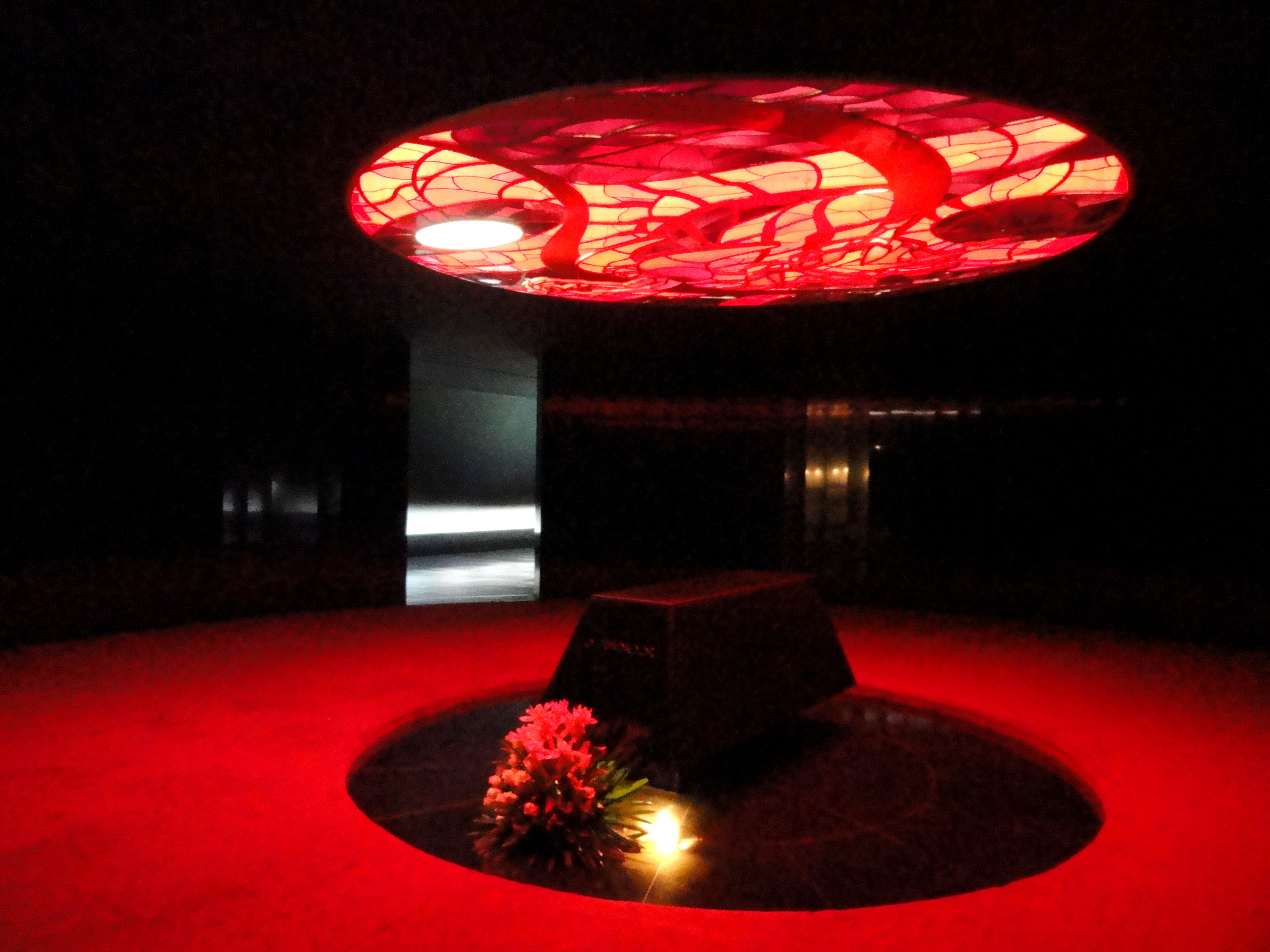
An underground memorial built in 1962 by architect Georges-Henri Pingusson, designed to commemorate the 200,000 people deported from France to Nazi concentration camps. The stark crypt features 200,000 illuminated quartz crystals, each representing a deportee, and urns containing ashes from the camps.
The Mémorial de la Shoah documents the Holocaust in France through the Wall of Names listing 76,000 deported Jews, archival records, testimony, and educational programmes, evolving from private documentation to a national institution of remembrance and responsibility.
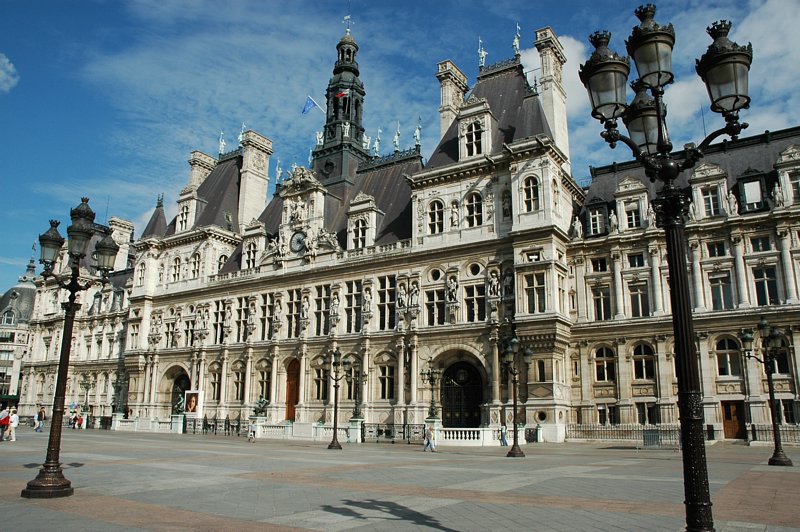
The Hôtel de Ville served as the symbolic seat of liberation on August 25, 1944, where General de Gaulle reasserted republican authority and the French government reclaimed its capital from Nazi occupation. Bullet holes still visible in the building's façade mark the final days of street fighting by the FFI (French Forces of the Interior).
This is the real story from one stop on this walk — every stop has one.
Explore a century of decorative architecture, from the glass-roofed shopping passages of the 1800s through Belle…
Explore Paris through its food—from fromageries and morning markets to a three-course bistro lunch and wine education.…
Trace the dramatic arc of the French Revolution through the streets where it unfolded—from the execution ground at Place…
We use cookies to analyse site traffic and improve your experience. You can choose to accept or reject analytics cookies. Learn more