The Royal Bay: La Concha & the Belle Époque
San Sebastián · Spain

The Royal Bay: La Concha & the Belle Époque

San Sebastián, Spain
115
Duration (min)
3.2
Distance (km)
9
Stops
Easy
Difficulty

Description

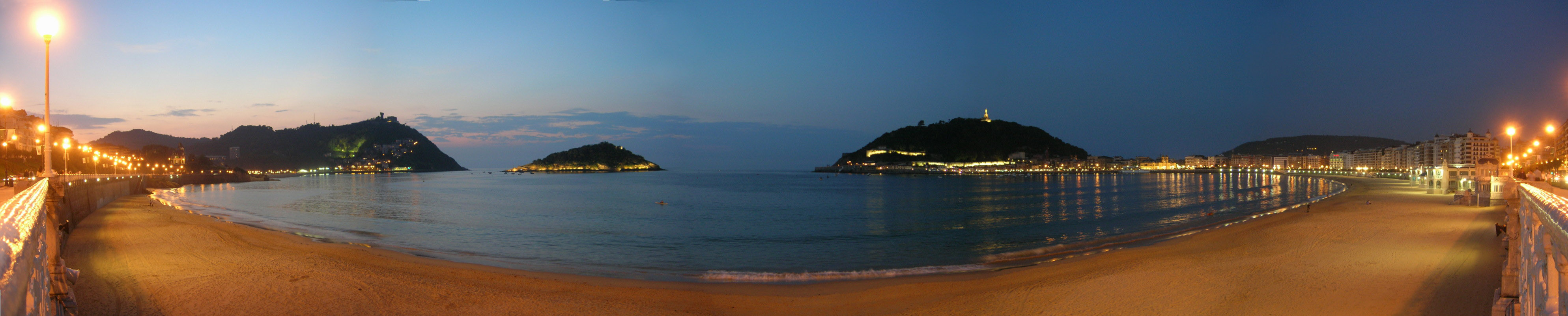
Walk the full golden crescent of La Concha, from the casino that became a city hall to the iron combs Chillida bolted into the rocks where the bay meets the open sea. This is the story of how a demolished fortress town made itself the summer capital of European royalty — a queen's doctor's orders, one miraculous July in 1912, Mata Hari at the grand hotel — told with the shadows the postcards leave out.

Highlights

The Grand Casino of 1887 — now a city hall whose councillors debate in the ballroom The 'Golden July' of 1912: theatre, grand hotel, royal bathhouse and funicular, all opened in one month The white Concha railing whose shell lampposts became the Film Festival's golden prize Miramar Palace — forty summers when Spain was governed from a beach town Chillida's Peine del Viento, the city's healing full stop where the bay meets the Atlantic
Tour Stops

Ayuntamiento & Alderdi Eder
1

Ayuntamiento & Alderdi Eder

7 min

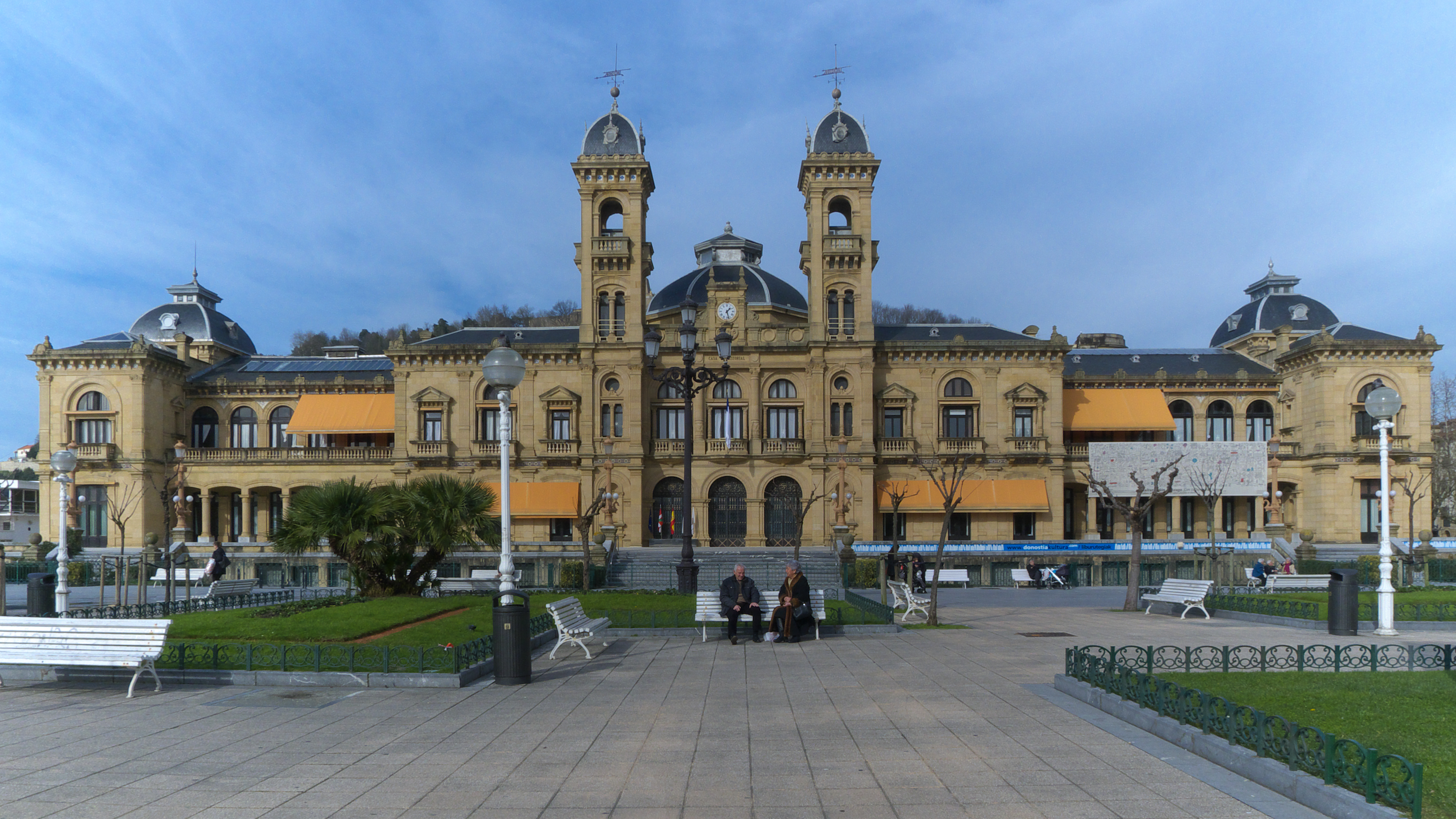
San Sebastián's grand city hall began life in 1887 as the Gran Casino, built to bankroll the resort until the 1924 gambling ban shut it down; since the 1940s the councillors have governed from what was once its ballroom, in the seaside gardens of Alderdi Eder.
Teatro Victoria Eugenia
2

Teatro Victoria Eugenia

6 min

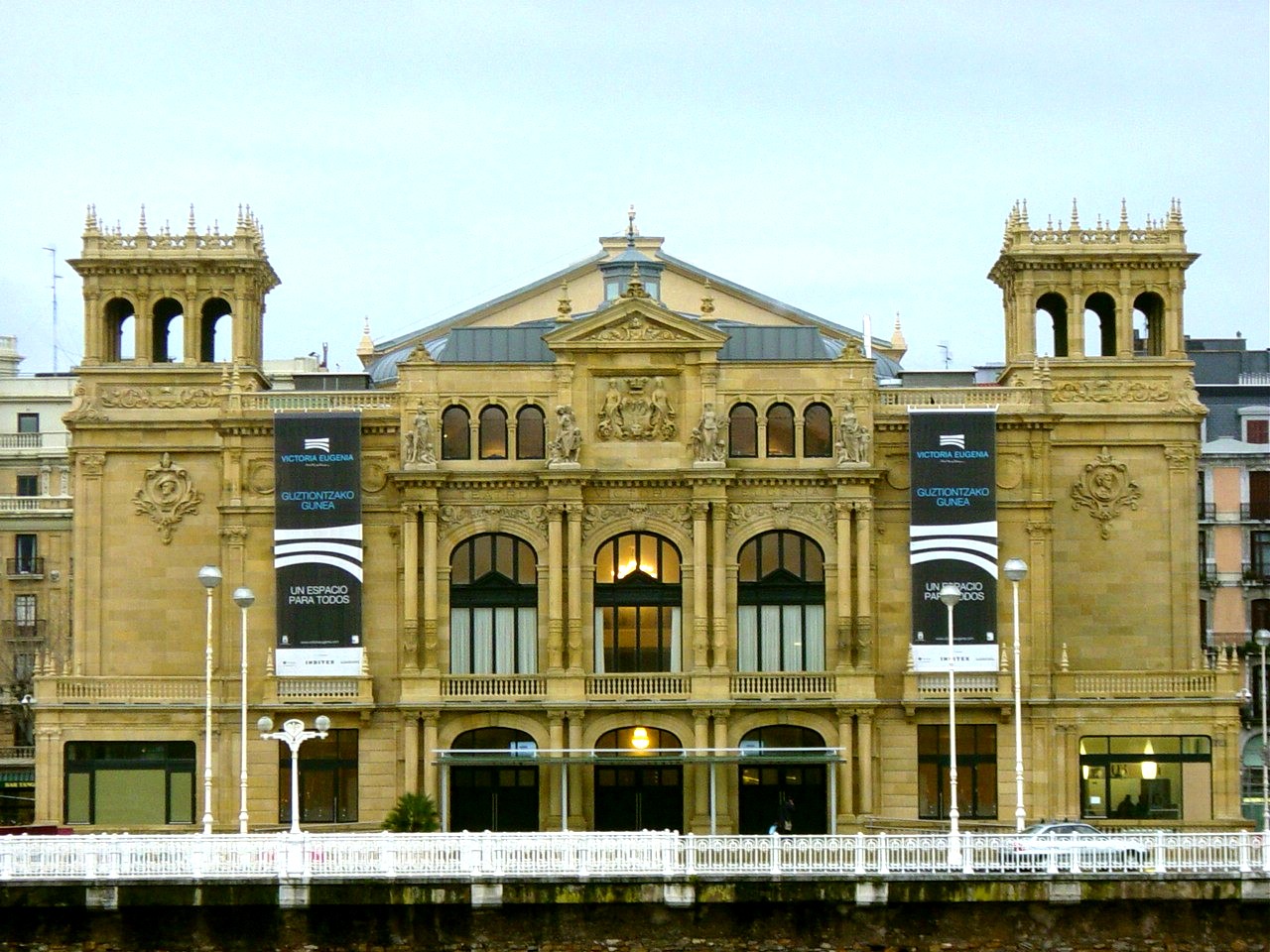
The neo-Plateresque theatre that opened in the miraculous 'Golden July' of 1912 and today serves as the red-carpet home of the San Sebastián International Film Festival, the oldest of its kind in Spain.
Hotel María Cristina
3

Hotel María Cristina

6 min

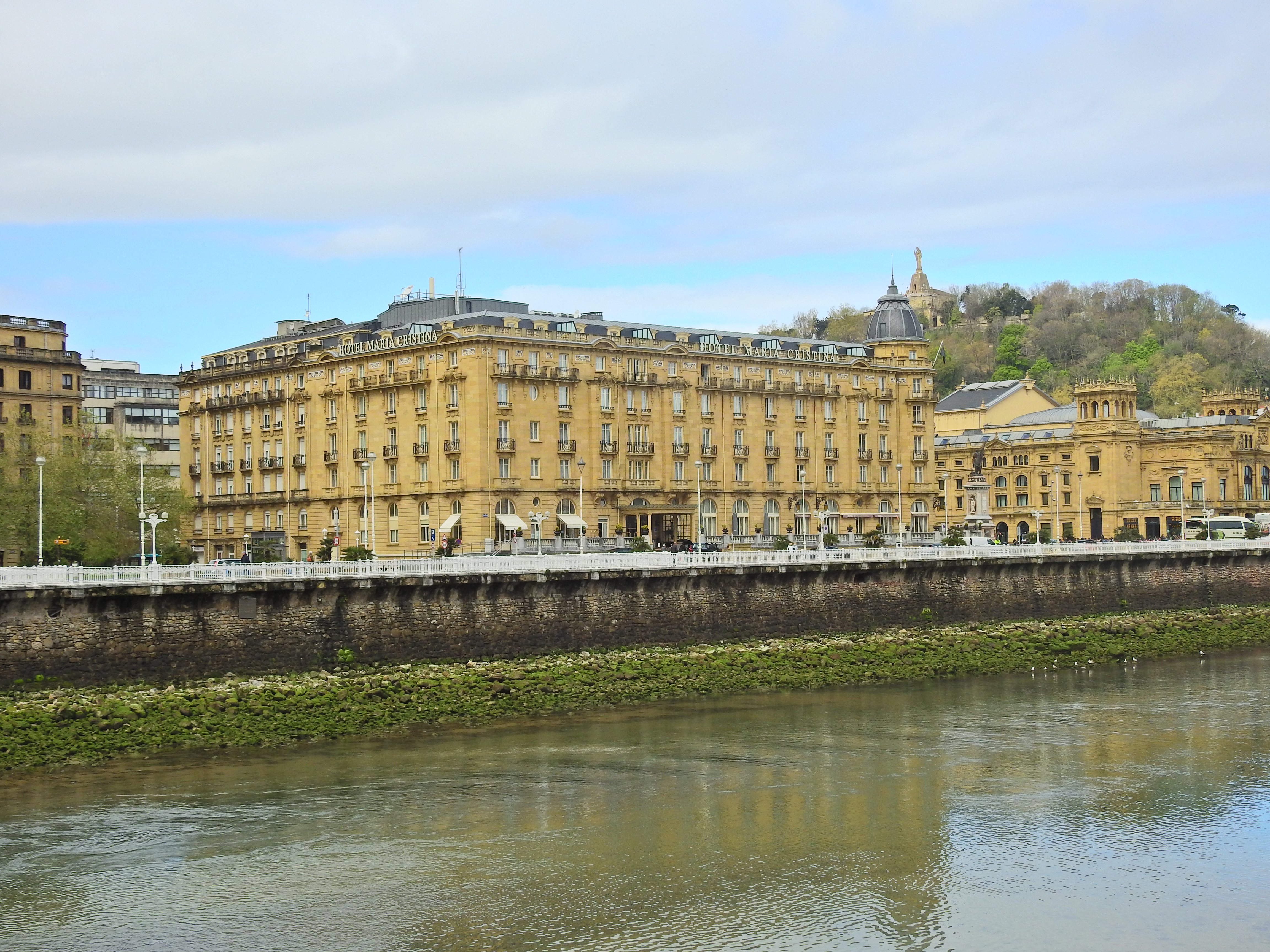
The grand riverside hotel designed by Charles Mèwes, architect of the Ritz Paris, opened in the miraculous 'Golden July' of 1912 and named for the Queen Regent, who was its very first guest. A neutral haven in WWI where Mata Hari intrigued and, since 1953, every film star at the festival has slept.
Catedral del Buen Pastor
4

Catedral del Buen Pastor

6 min

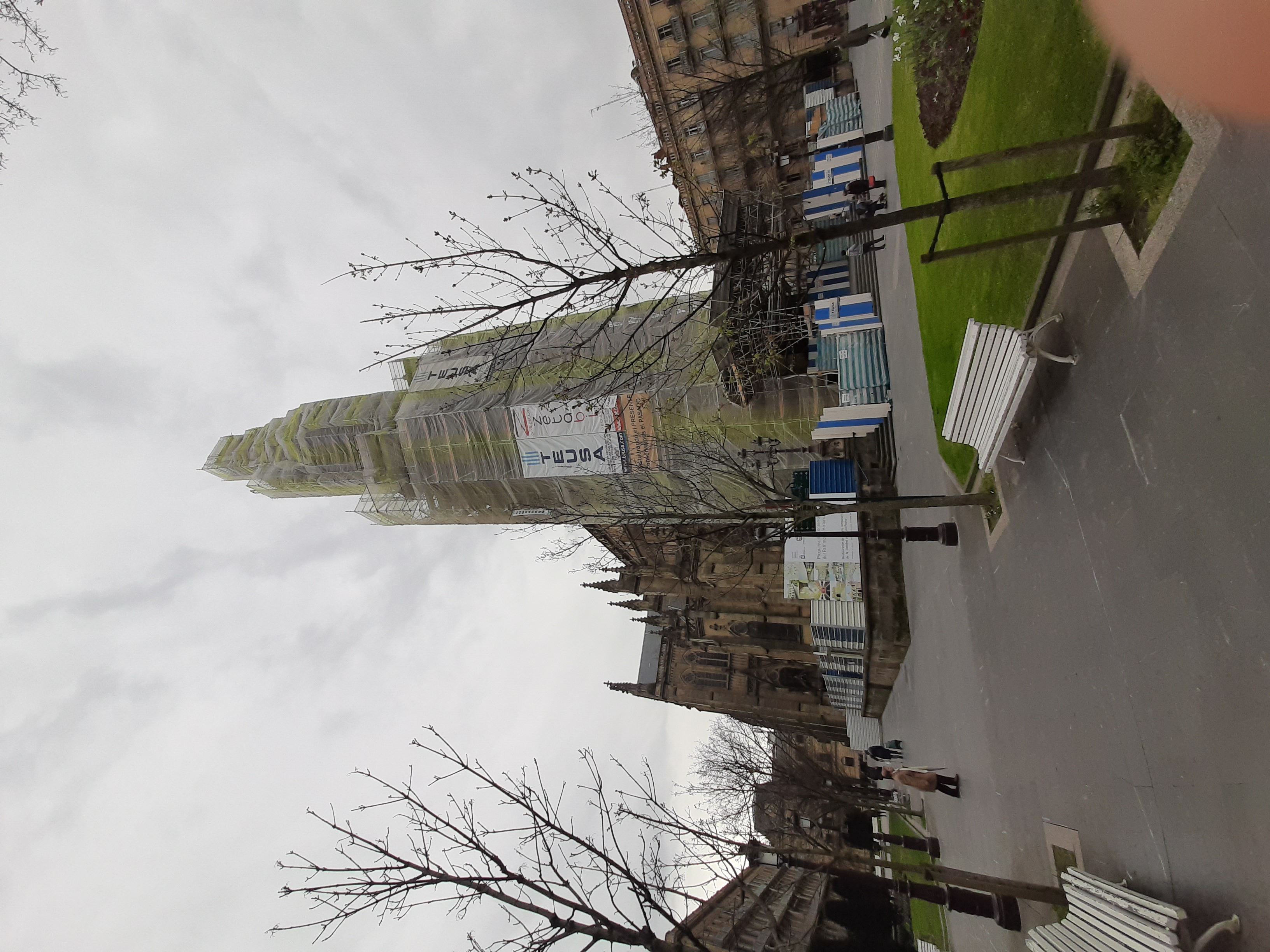
Completed in 1897 by architect Manuel de Echave, the neo-Gothic Cathedral of the Good Shepherd rises on a 75-metre spire of Monte Igueldo sandstone, anchoring Cortázar's Ensanche grid. It is San Sebastián's tallest building and the ceremonial heart of the new town — though it only became a cathedral in 1953.
La Perla & the Concha Railing
5

La Perla & the Concha Railing

7 min

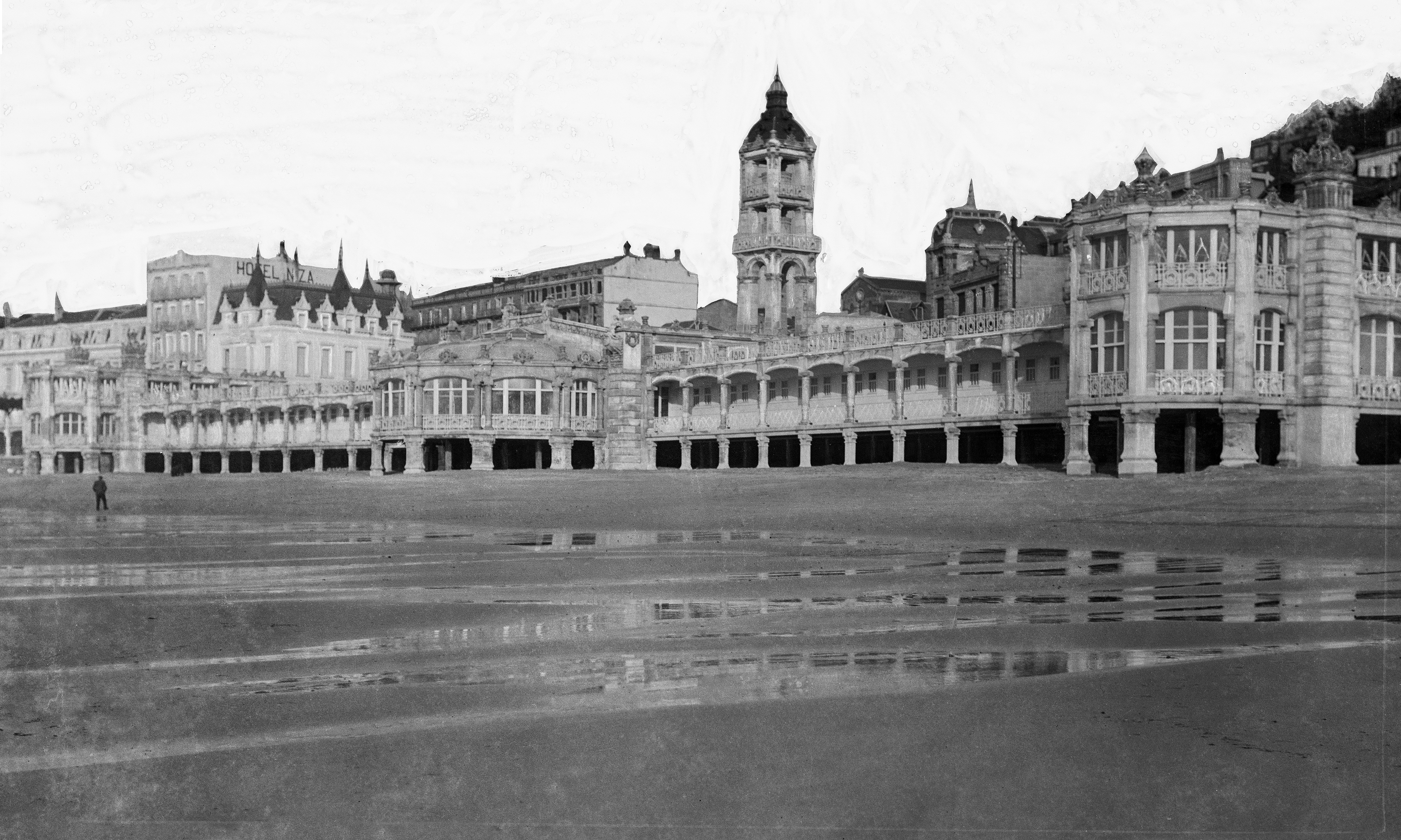
La Perla, the 1912 royal bathing house now a thalassotherapy spa, and Juan Rafael Alday's 1916 white balustrade, whose shell-shaped lampposts gave the San Sebastián Film Festival its 'Concha' award. This is where the whole story began, in 1845, with a queen ordered by her doctor to bathe in the bay.
Miramar Palace & Gardens
6

Miramar Palace & Gardens

8 min

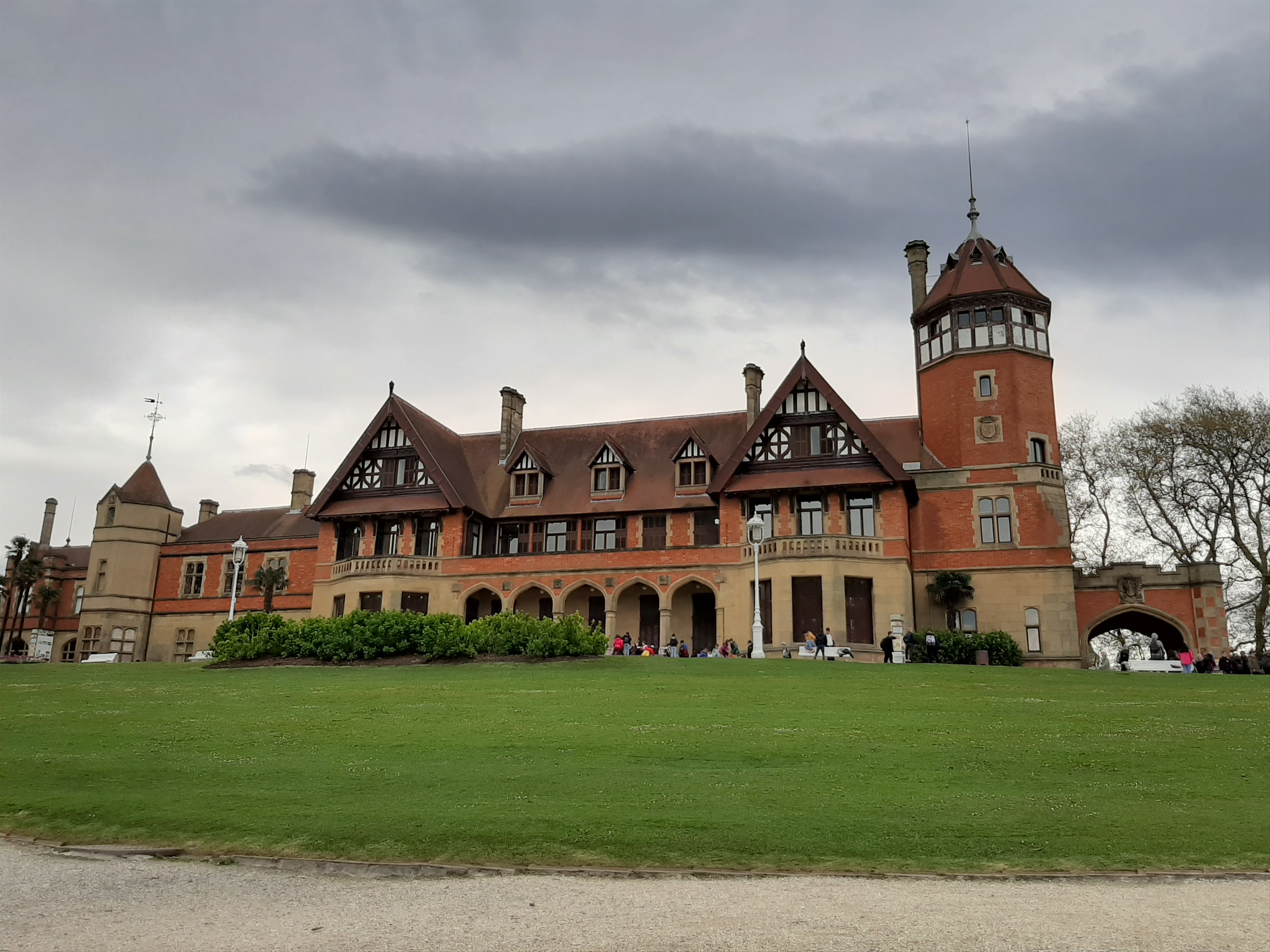
Queen María Cristina's English-cottage palace, designed by Selden Wornum and opened in 1893, crowns the headland that splits La Concha bay; its public gardens offer the tour's finest view, and below them the tide-dependent Pico del Loro passage appears only at low water.
Ondarreta Beach
7

Ondarreta Beach

6 min

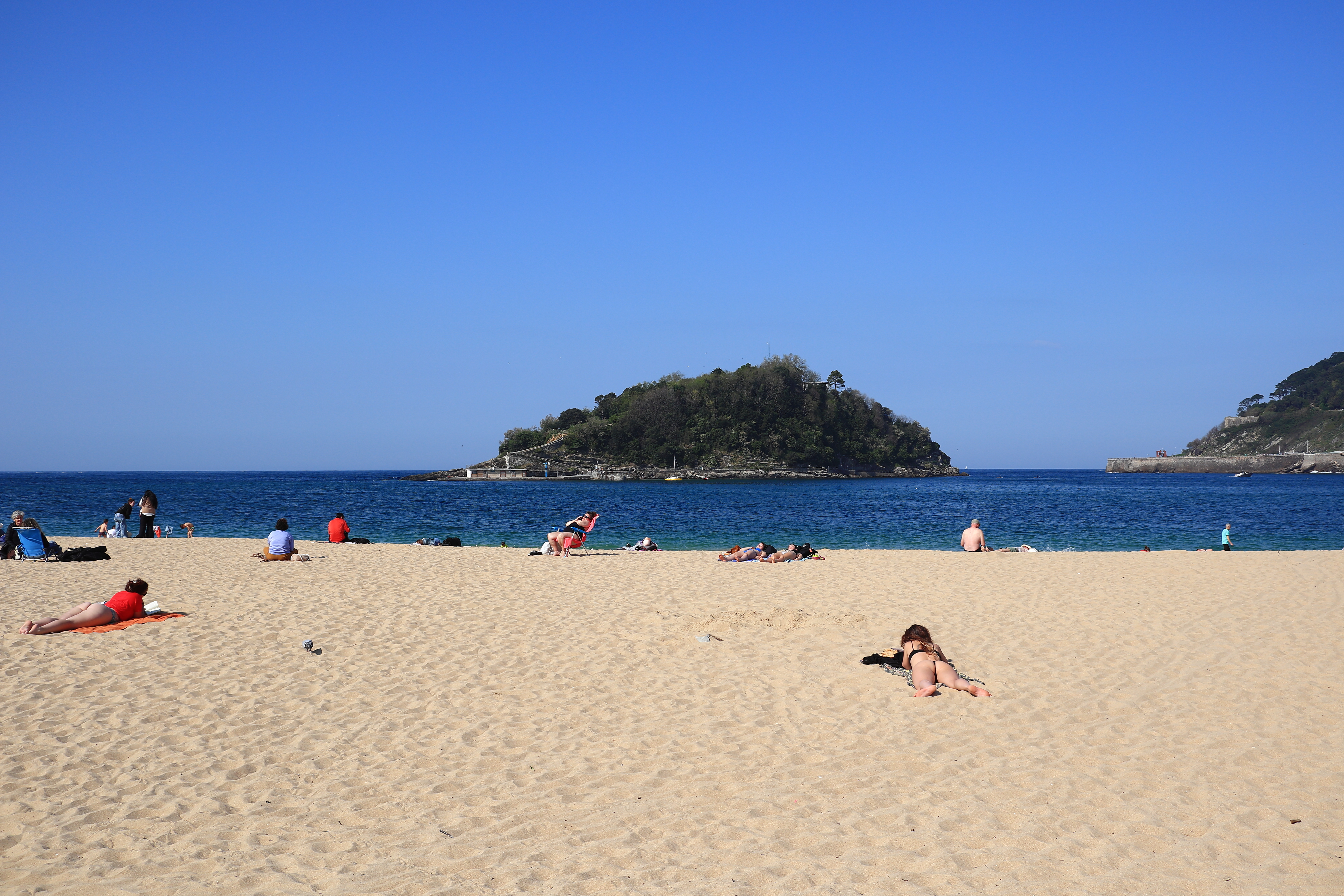
Ondarreta is San Sebastian's westernmost beach, a family favourite with striped cabanas beneath the wooded slope of Miramar. On this same sand once stood the city's prison, where Republican detainees were held after the city fell in 1936; it was demolished in 1948.
Igeldo Funicular Base
8

Igeldo Funicular Base

5 min

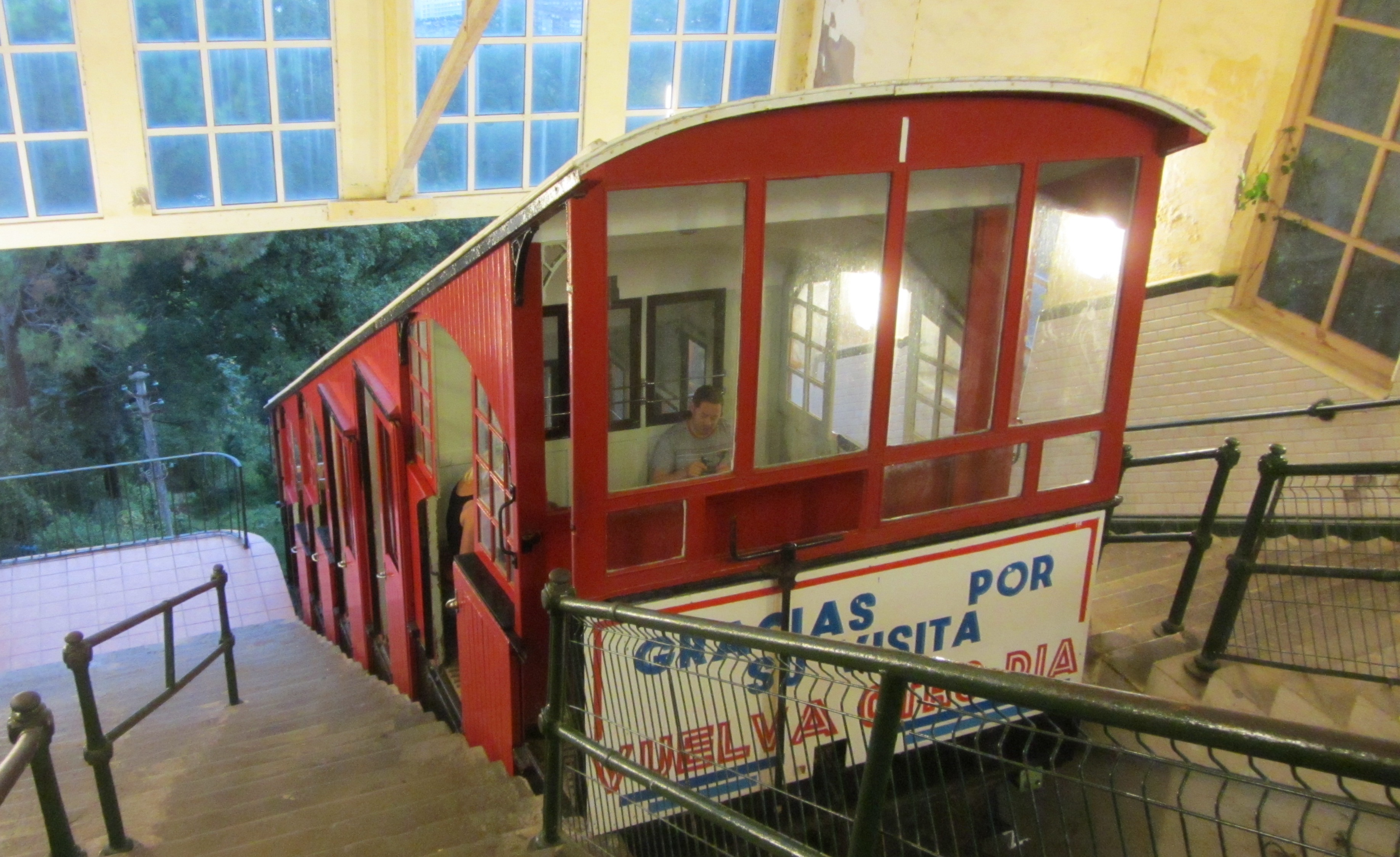
The base station of the Monte Igeldo funicular, opened on 25 August 1912 and still climbing with its original varnished wooden carriages. It is the third-oldest funicular in Spain and the fourth of San Sebastian's great 'Golden July' arrivals of that miraculous summer.
Peine del Viento
9

Peine del Viento

8 min

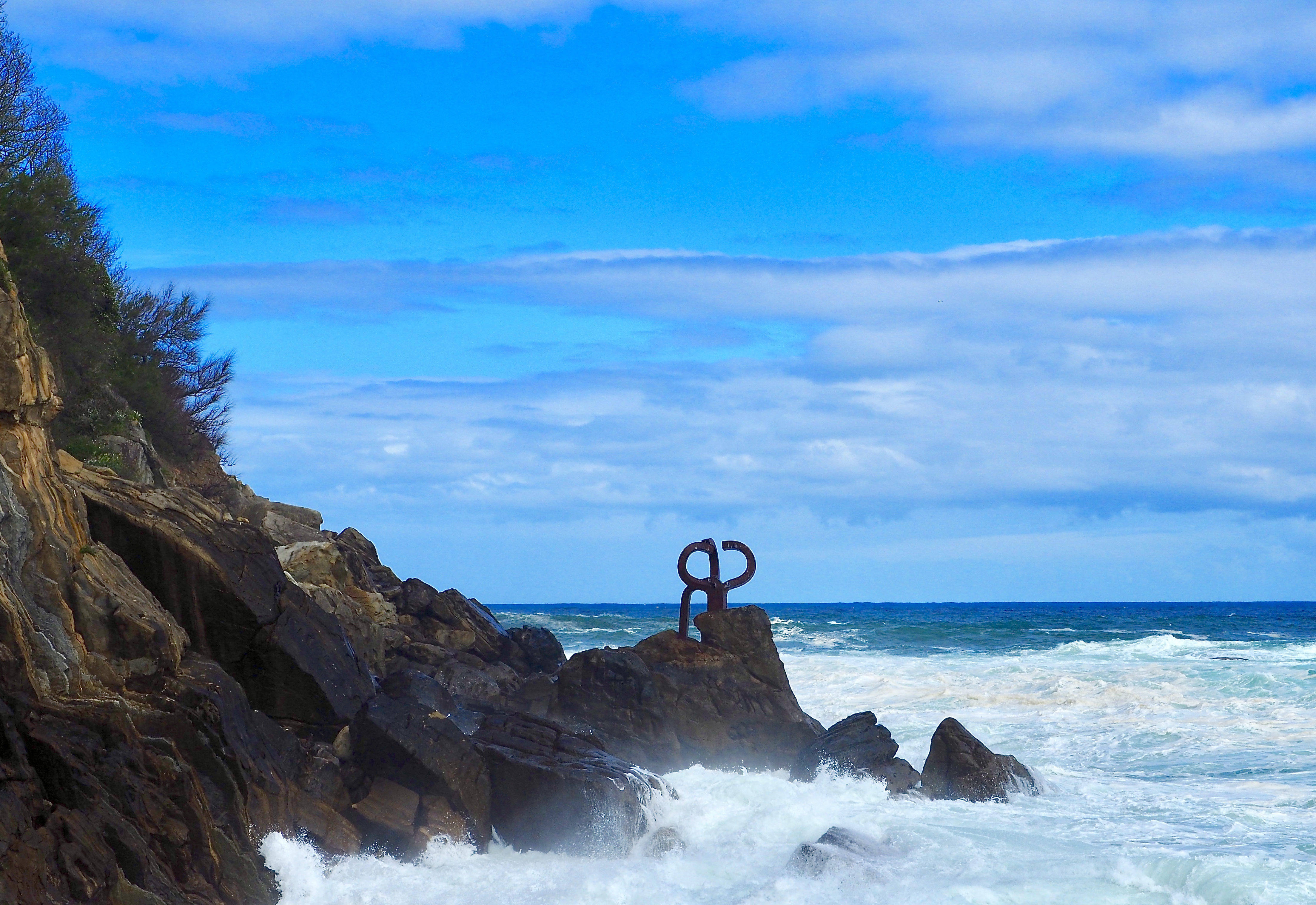
Eduardo Chillida's Peine del Viento (Comb of the Wind), installed in 1977 with architect Luis Peña Ganchegui, is a set of three ten-ton iron sculptures bolted into the rocks at the bay's western tip where La Concha meets the open Atlantic. Created at the end of the Franco dictatorship, it has become the emblem of San Sebastian's post-Franco cultural rebirth.

A Taste of the Tour

This is the real story from one stop on this walk — every stop has one.

Ayuntamiento & Alderdi Eder

Welcome to San Sebastián, or Donostia, as it's called in Basque, and welcome to a walk along one of the most beautiful bays in Europe. This was once a cramped fortress town, hemmed in behind military walls, forever getting itself burned down in one war or another. And then, over the course of a few remarkable decades, it reinvented itself completely, becoming the summer capital of European royalty, a place of casinos and grand hotels and queens taking the sea air. Over the next couple of hours we'll trace that transformation, one elegant building at a time, along the curve of a single bay. Let's begin right here, in front of this stately building with its pale stone and its dome, standing in a garden with the sea just beyond. This is the Ayuntamiento, the city hall of San Sebastián. Look at it for a moment, though, because it doesn't quite look like a place where municipal paperwork gets stamped, does it? It looks like somewhere you'd arrive in an evening gown. And that's precisely what it was built for. When the architects Adolfo Morales de los Ríos and Luis Aladrén designed this building in the early 1880s, finishing it in 1887, they were not building a town hall at all. They were building the Gran Casino, the Grand Casino, the glittering engine of the whole resort. Here's the clever, slightly cynical bit that sets the tone for everything you'll see today: the casino was built to bankroll the reinvention of the city. The idea was that the gaming tables would pour money into San Sebastián's coffers, and that money would pay for the promenades, the gardens, the drainage, the elegance, all the machinery of turning a fortress into a fashionable playground by the sea. Glamour, quite literally, was funded by roulette. And for a while it worked beautifully. Through the belle époque, this was one of the great gambling salons of Europe. During the First World War, while much of the continent tore itself apart, neutral Spain became a sort of gilded refuge, and this casino filled with a remarkable cast: aristocrats, arms dealers, exiled revolutionaries, spies. The dancer and courtesan Mata Hari is said to have passed through this world of San Sebastián summers. Fortunes were won and lost a few metres from where you're standing, under chandeliers, to the sound of an orchestra. Then, in 1924, the party ended abruptly. The dictatorship of Primo de Rivera banned gambling across Spain, and just like that, the beating financial heart of the resort simply stopped. The tables went silent. The building sat, magnificent and purposeless, for two decades. And here is the detail I love most, the little irony at the centre of this stop: in the 1940s the city council decided to move in. The town's politicians took over the old temple of chance, and they installed their plenary chamber, their debating hall, in what had been the casino's grand ballroom. So to this day, the councillors of San Sebastián argue about budgets and rubbish collection and parking permits inside a room built for waltzes and high-stakes baccarat. When they vote, they vote in a ballroom. It's a very San Sebastián kind of joke, the memory of glamour hiding just under the surface of ordinary civic life. Now turn your attention to the greenery around you. These gardens are called Alderdi Eder, which in Basque means, roughly, the beautiful place or beautiful spot, and it's hard to argue with the name. Notice the trees, in particular the tamarisks, sometimes called tamarind trees, with their feathery, wispy foliage. They're one of the few things that thrive right up against the salt air, which is exactly why they were planted here, at the edge of the sea. In summer this whole garden becomes the front row for one of the city's great spectacles. During Semana Grande, the Big Week festival in August, the fireworks competition is launched from right around here over the bay, and thousands of people gather in these gardens with their faces tilted up to the sky, the explosions reflected in the water below. Standing here on a quiet day, it's worth picturing it. And notice, too, which way the building faces, and which way the whole city seems to lean: westward, along the bay. That direction is our story. Everything about San Sebastián's reinvention unfolds as a walk along this curving shore, from here all the way to the far headland where the bay finally runs out against the open Atlantic. That's where we'll end, some nine stops from now, at a place where an artist bolted iron combs into the rocks. But for now, just feel the pull of the promenade heading west. One more thread to hold onto before we move. None of this, not the casino, not the grand hotels, not the royal summers, would have happened without a single, almost accidental event: back in 1845, a Spanish queen came here to bathe in the sea on her doctor's orders, to treat a skin ailment. That royal dip is where the whole second life of this city begins, and we'll stand at the very spot where it happened a little later on this walk. Keep it in mind. A doctor's prescription, a demolished wall, and a casino built to pay for elegance: that's the recipe that turned a fortress into all of this. So let's start walking west, following the councillors' old casino out into the city it paid for. Just a short stroll ahead stands our next building, a jewel box of a theatre that opened in a single miraculous summer, and it's where we're headed next.

More Tours in San Sebastián

Nearby Cities

Back to San Sebastián Tours

Cookie Consent

We use cookies to analyse site traffic and improve your experience. You can choose to accept or reject analytics cookies. Learn more