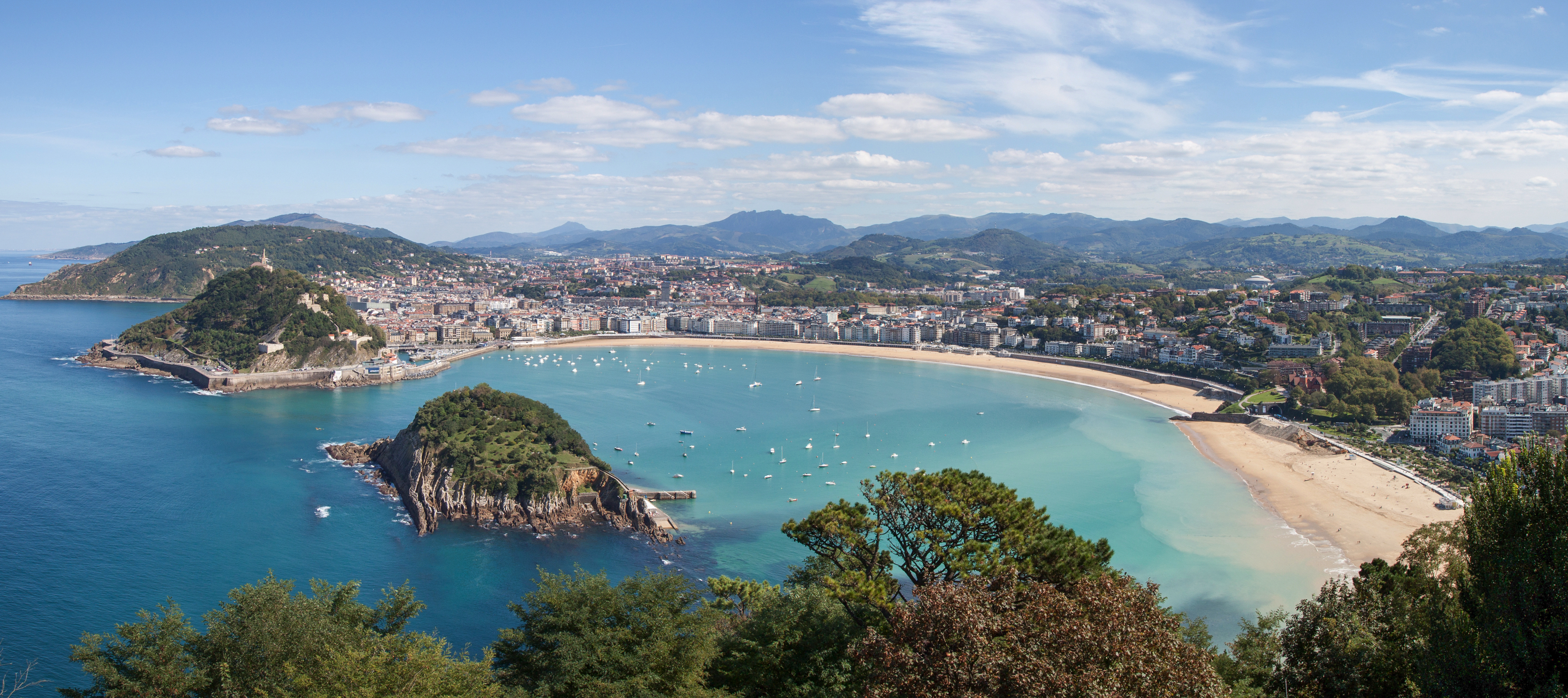
San Sebastián · Spain
Fire and Fortress: The Old Town & Monte Urgull
San Sebastián, Spain
Walk the Parte Vieja and climb Monte Urgull to understand the day that defines San Sebastián: 31 August 1813, when a besieging army burned the town to thirty houses. From the rebuilt grid and the one street that survived — named for the date of its own destruction — up past a forgotten English cemetery to the fortress where the French surrendered with honours, and back down to the port and the market built on the very breach in the wall.
Calle 31 de Agosto — the only street to survive the fire of 1813, named for the date of the destruction Plaza de la Constitución, where the balconies still wear their bullfight box numbers The hidden English Cemetery and the 12th-century Castillo de la Mota on Monte Urgull Oteiza's Construcción Vacía arguing with Chillida's combs across the whole bay La Bretxa — the market that feeds the city, standing on the breach where the besiegers broke in
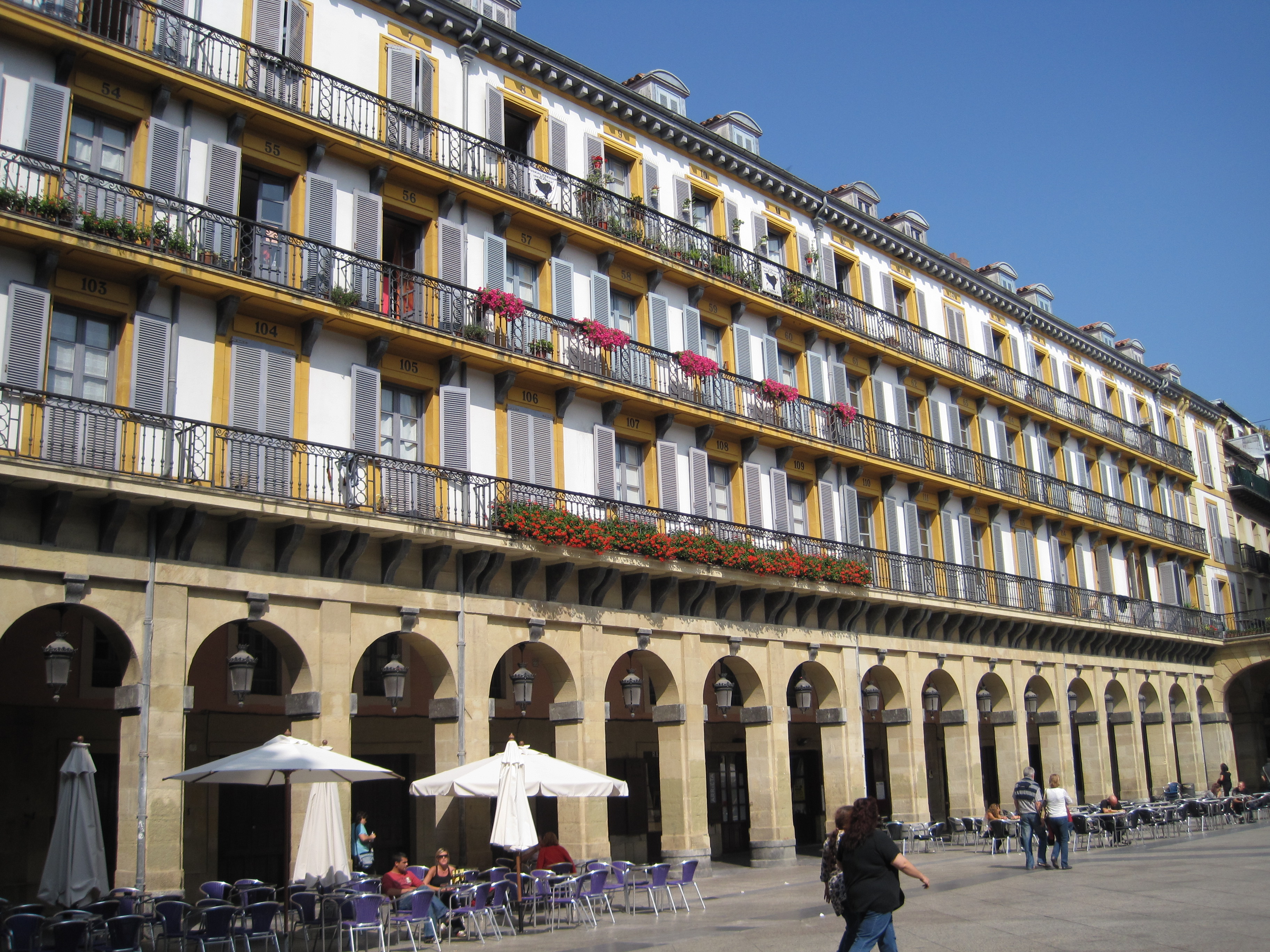
The arcaded main square of the rebuilt Old Town, completed in 1817 with numbered balconies once rented as boxes for the bullfights held below. Each January it becomes ground zero for the Tamborrada, when the city flag is raised here and thousands of drummers march for twenty-four hours.
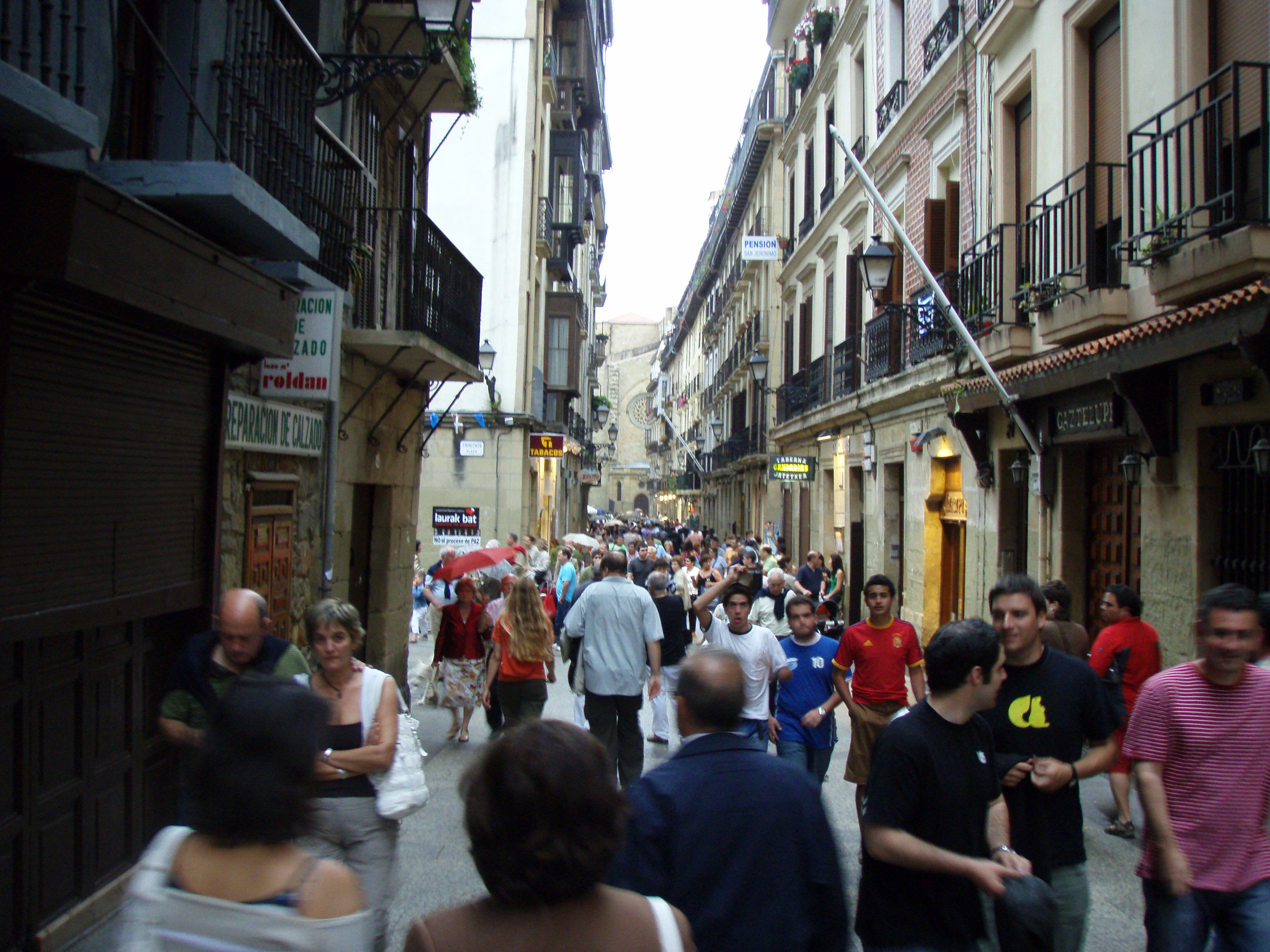
The only street to survive the fire of 31 August 1813, when San Sebastian burned during the siege — named not for a victory but for the date of its own destruction, and today the heart of the city's pintxo and txoko culture.
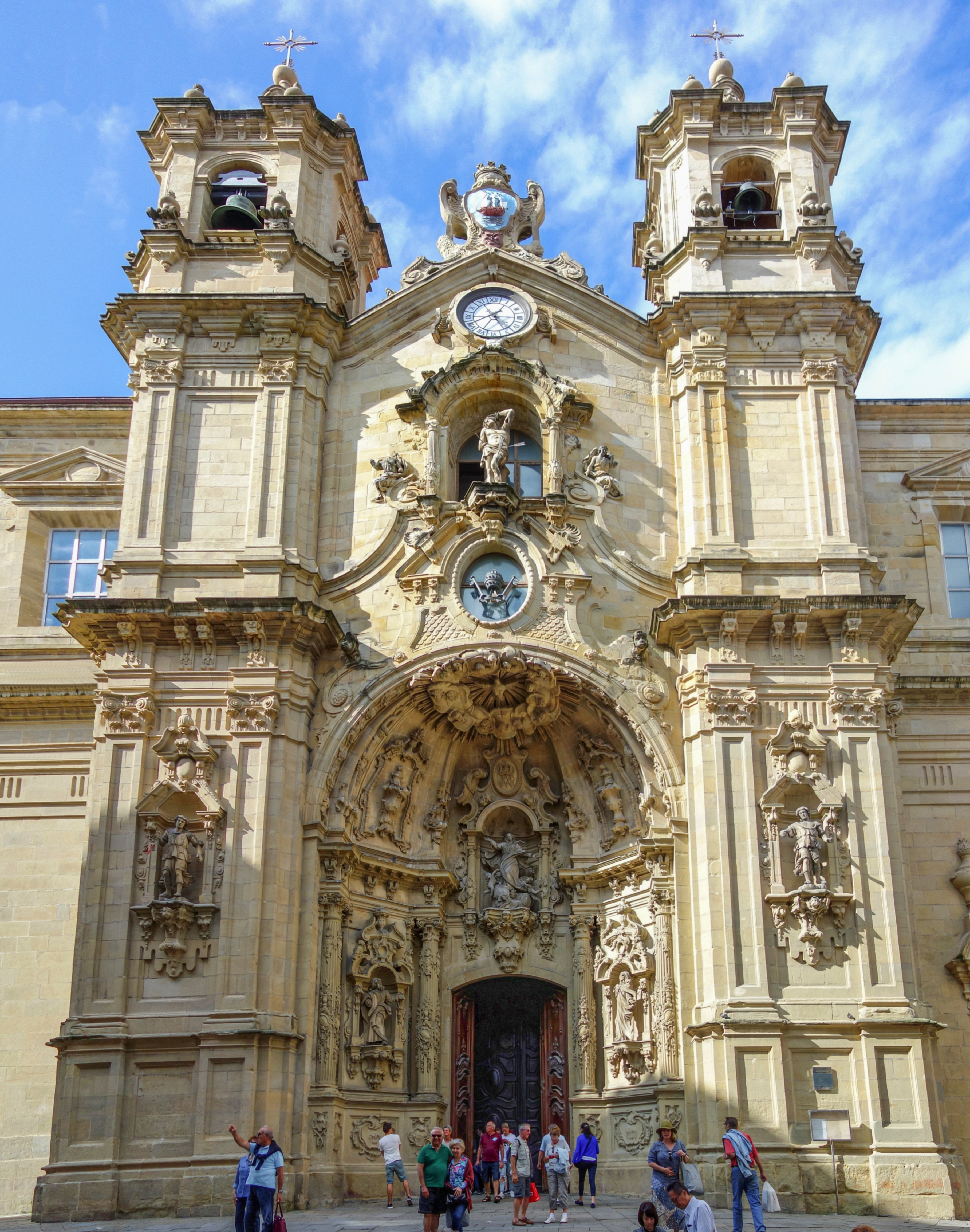
The Baroque basilica that closes the old town's main axis beneath Monte Urgull, built between 1743 and 1764 with fortunes made in Caracas cacao. Its alabaster interior glows around the city's patron Virgin, and from its door the street runs dead straight across the city to the spire of the new town.
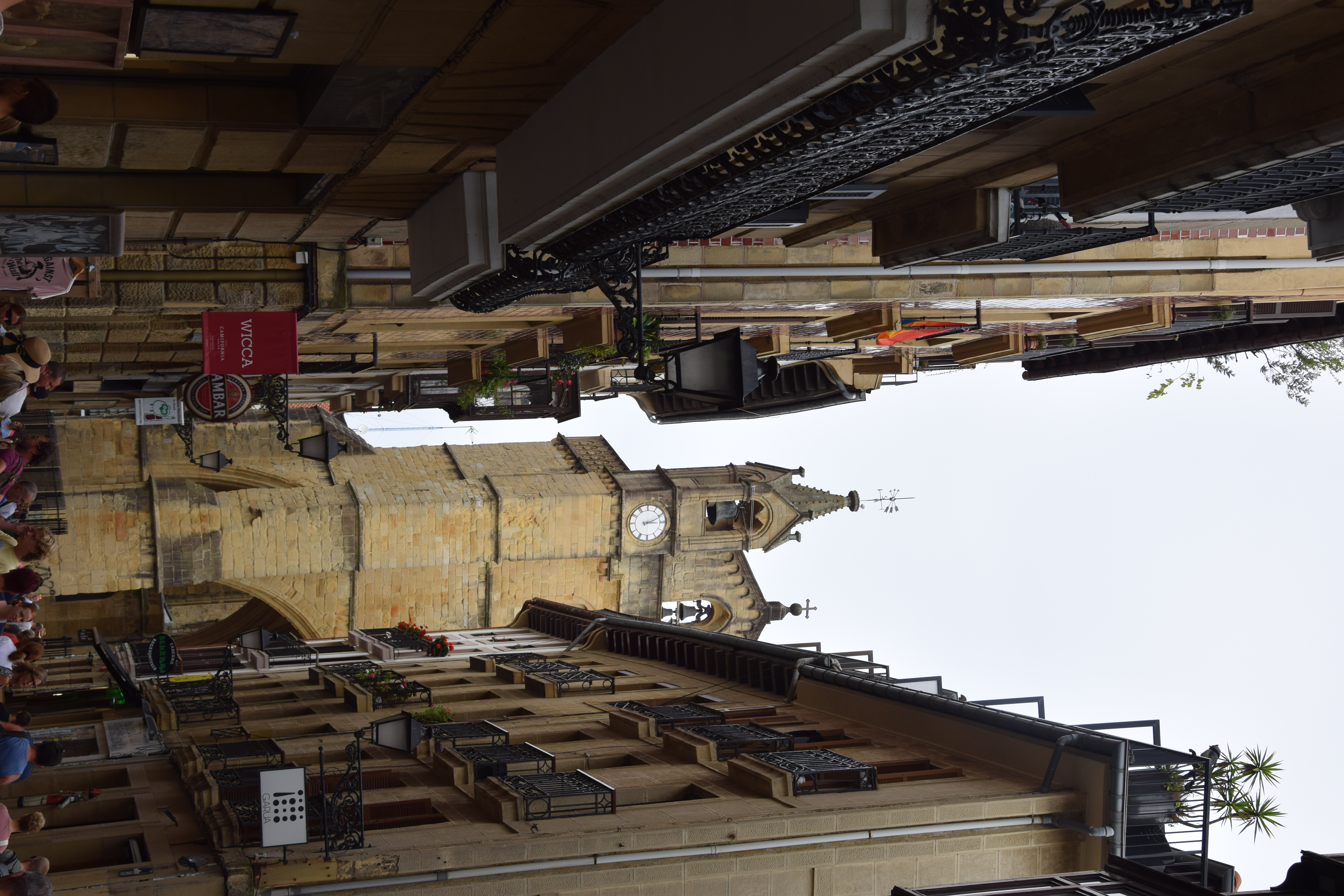
The city's oldest standing building, a plain and massive Gothic church begun around 1507, one of the few structures to survive the fire of 1813 scorched but standing.
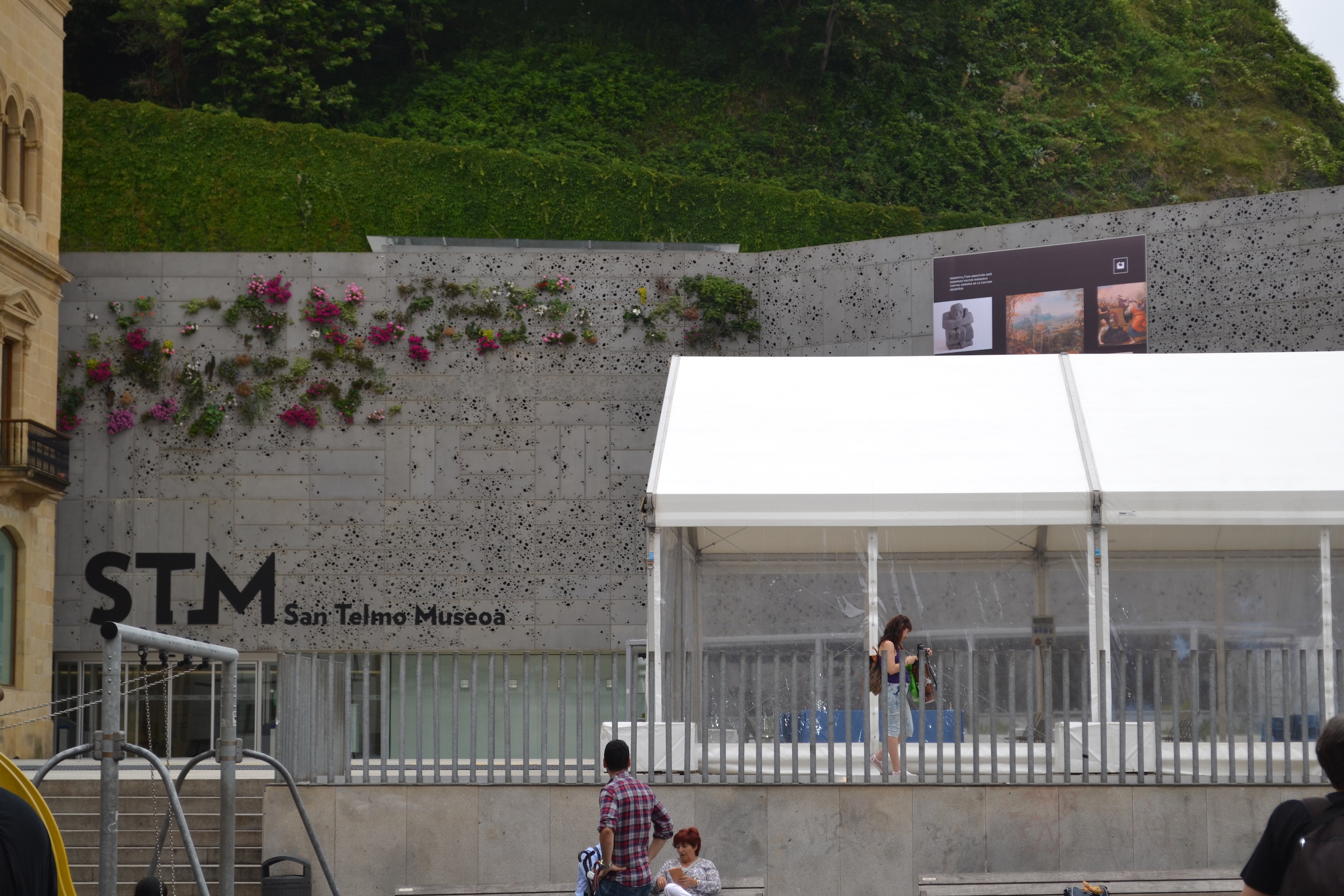
A 16th-century Dominican convent turned museum of Basque society in 1902, fronted since 2011 by a striking moss-and-steel extension bolted into the rock at the foot of Monte Urgull. It is the city's memory-keeper, and the gateway where the climb up the hill begins.
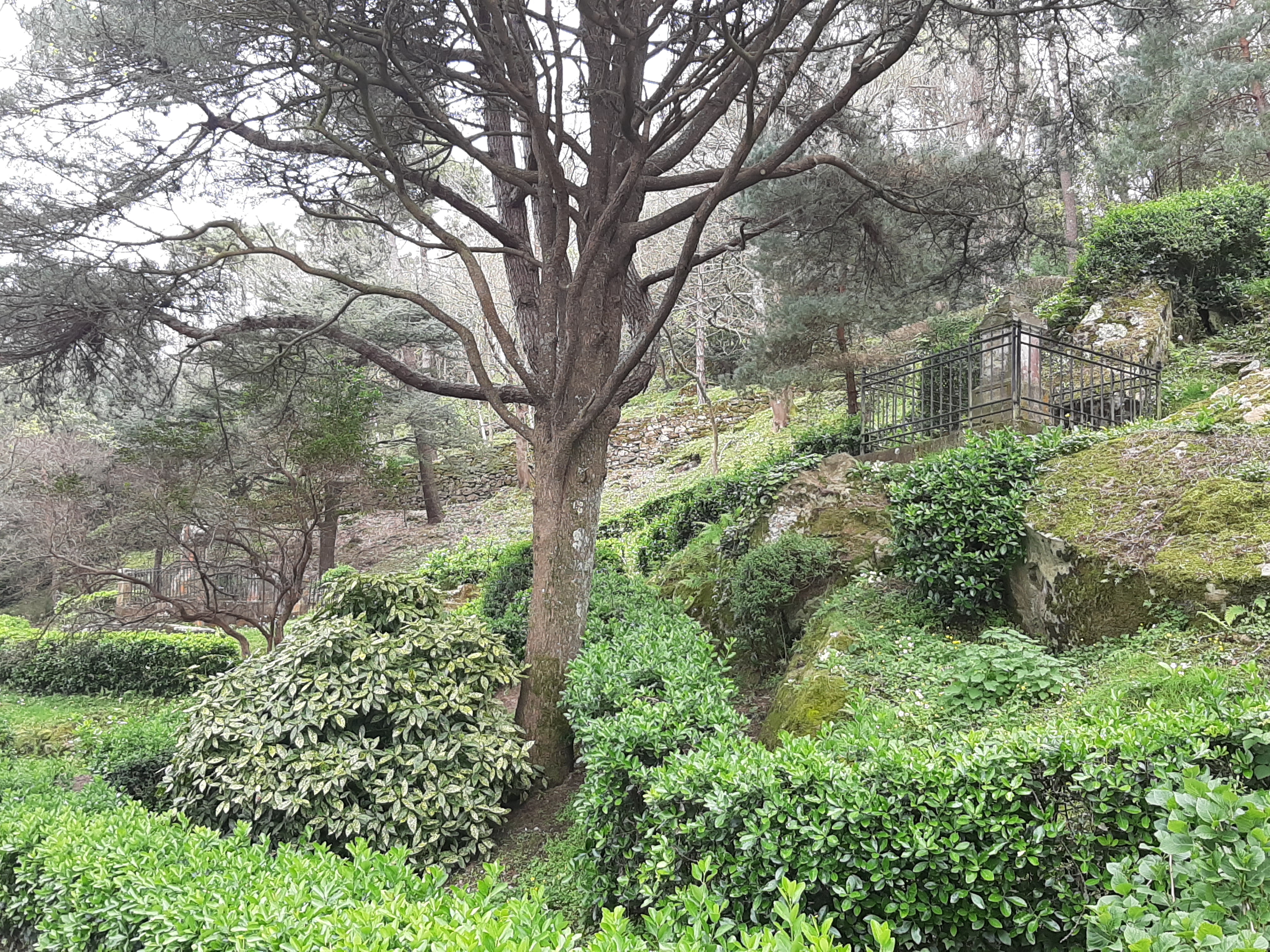
A moss-covered hillside graveyard on Monte Urgull for the British volunteers of the First Carlist War, Protestants barred from Catholic ground and buried on the slope they died defending; it was restored in 1924 and almost nobody comes.
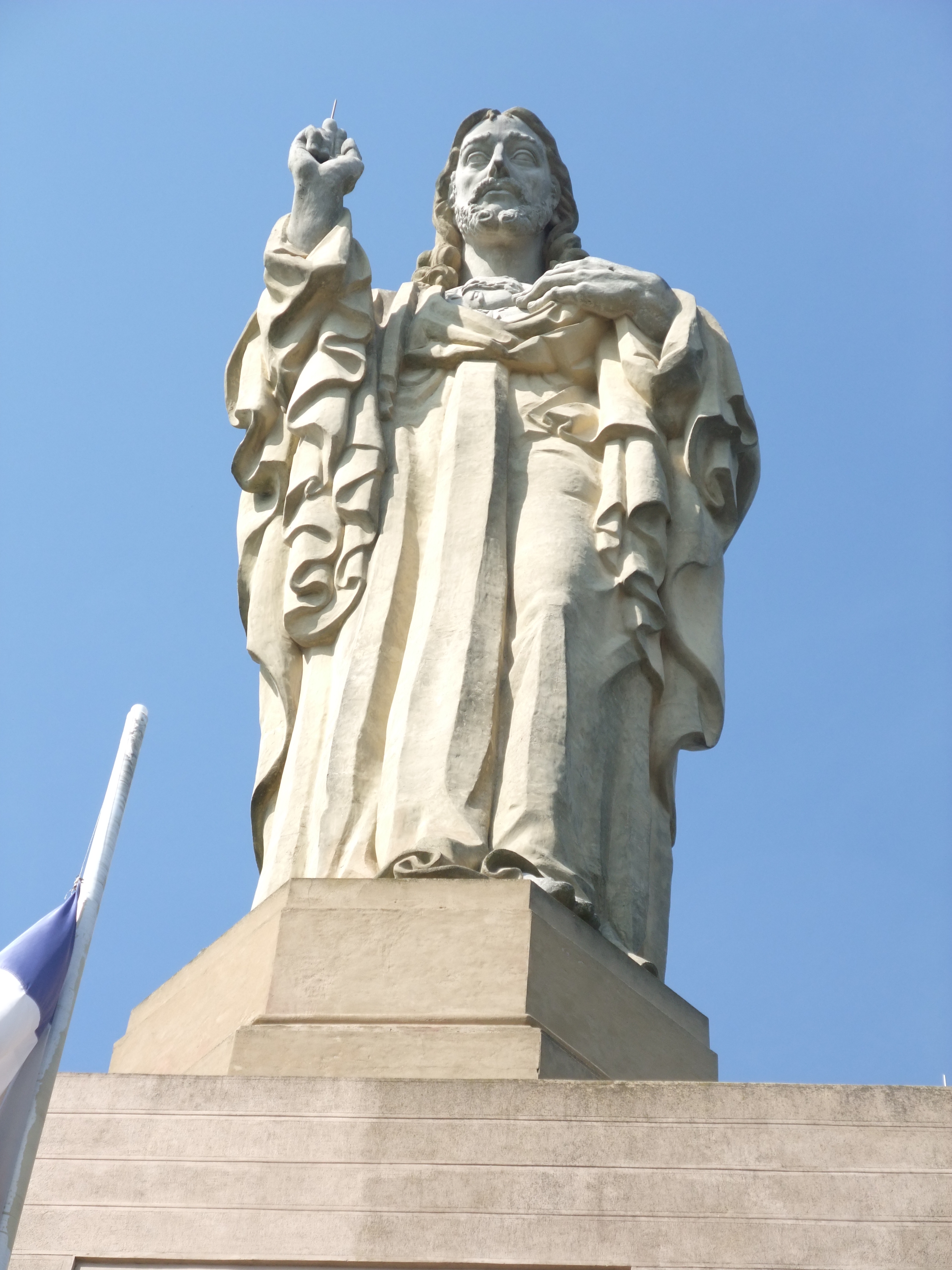
The 12th-century fortress crowning Monte Urgull at 123 metres, whose sheltered harbour is the reason San Sebastián exists, where the French garrison surrendered with full honours in September 1813 while the town below burned. It is now topped by a 1950 Sacred Heart statue and houses the Casa de la Historia.
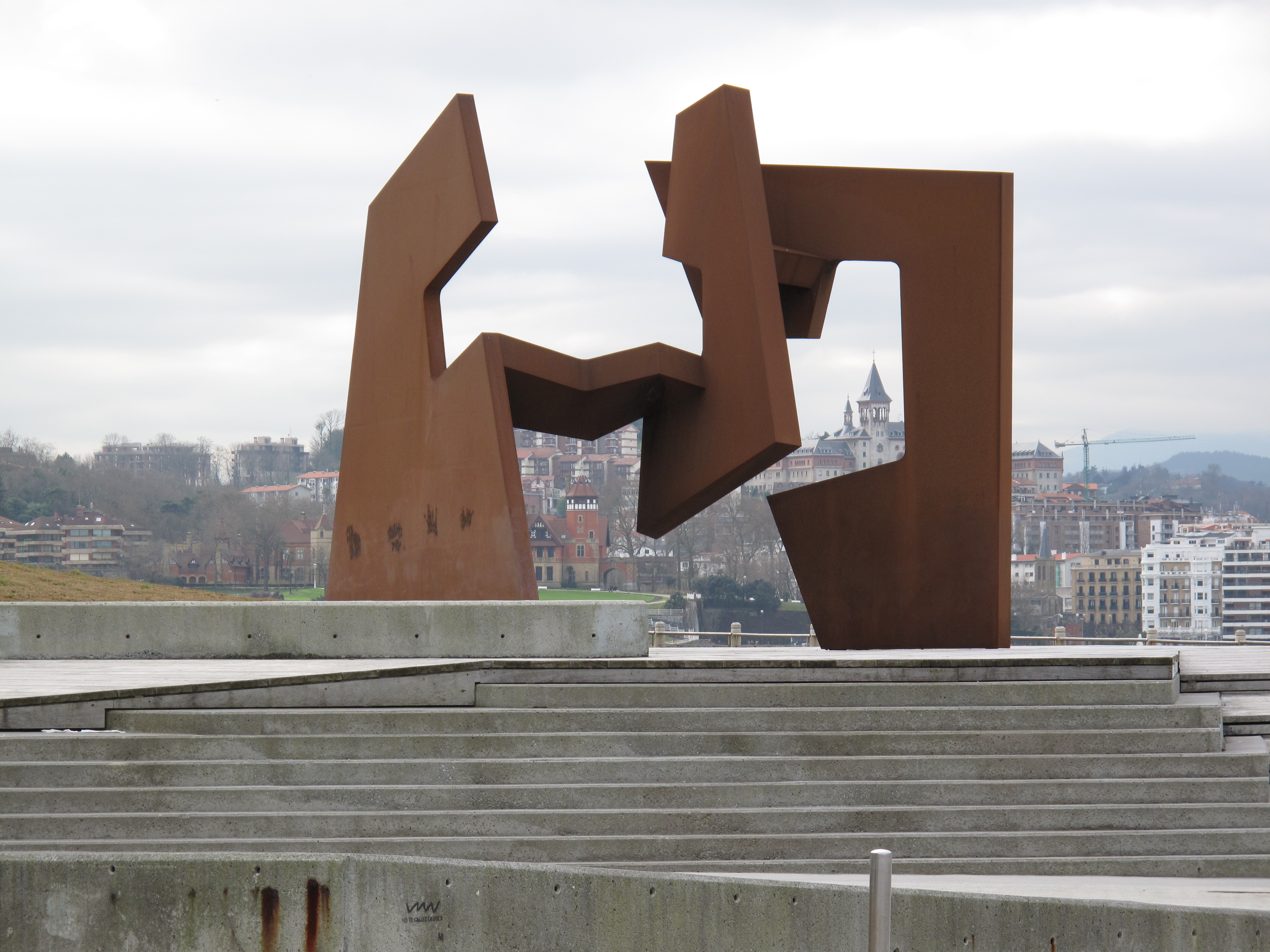
On the wave-battered Paseo Nuevo at the sea-foot of Monte Urgull stands Oteiza's Construcción Vacía, a rusted sculpture of pure emptiness that stares across the whole bay at Chillida's Peine del Viento — one half of a sculptural argument between two friend-rivals.
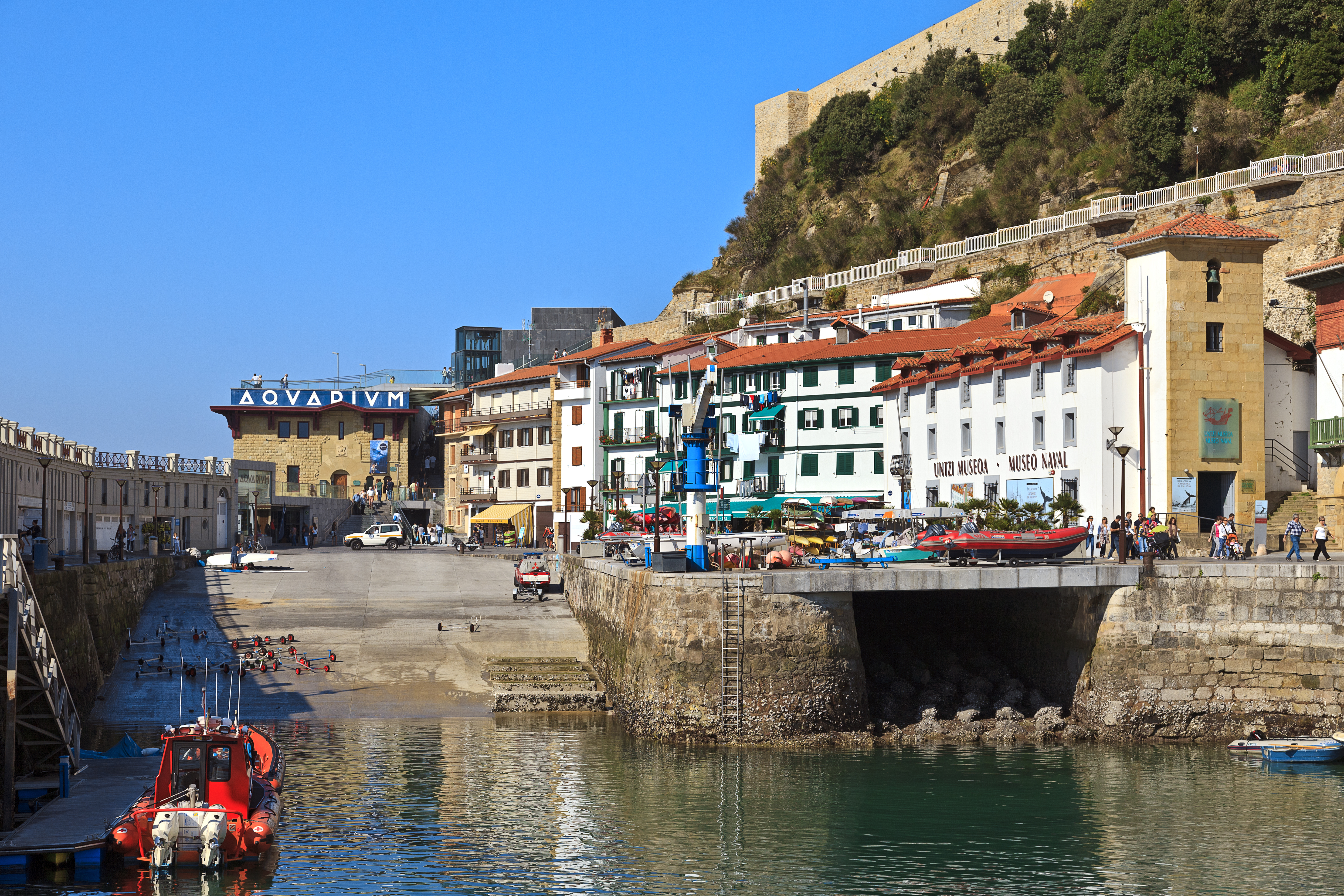
The tiny fishing harbour wedged under Monte Urgull — Kaia — was San Sebastián's economic engine for eight centuries, from whale oil and Castilian wool to Caracas cacao and today's day boats and aquarium. Painted fishermen's houses, grilled-sardine smoke and boats to Santa Clara island crowd a working quay that paid for the city above.
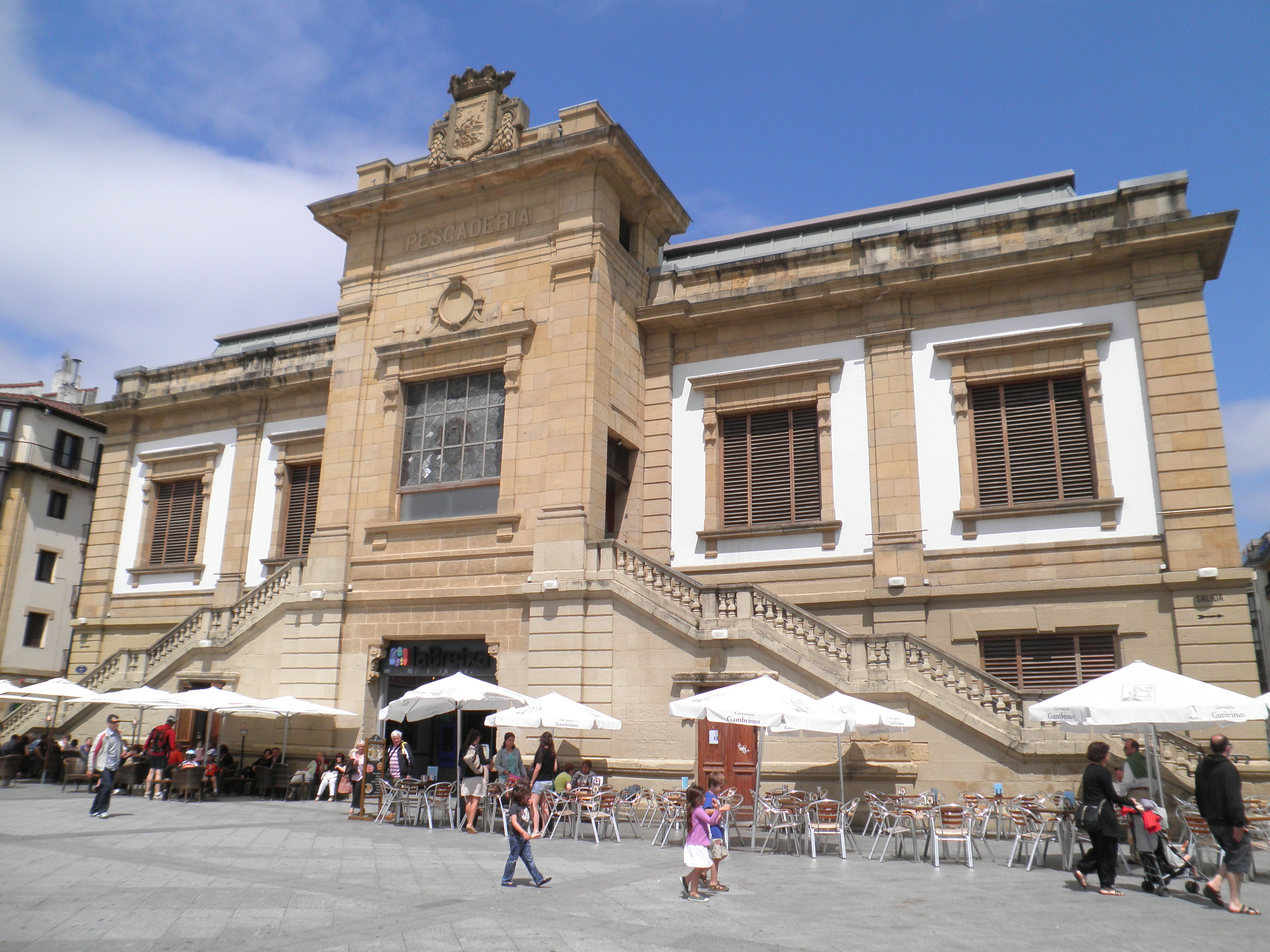
La Bretxa is San Sebastián's oldest food market, standing on the square named for the breach in the city wall where Allied troops stormed through on 31 August 1813. What was the exact point of the city's destruction has fed it daily since 1870.
This is the real story from one stop on this walk — every stop has one.
Cross the Urumea into the San Sebastián locals actually live in. On the east bank the story is reinvention: a demolished…
Walk the full golden crescent of La Concha, from the casino that became a city hall to the iron combs Chillida bolted…
We use cookies to analyse site traffic and improve your experience. You can choose to accept or reject analytics cookies. Learn more