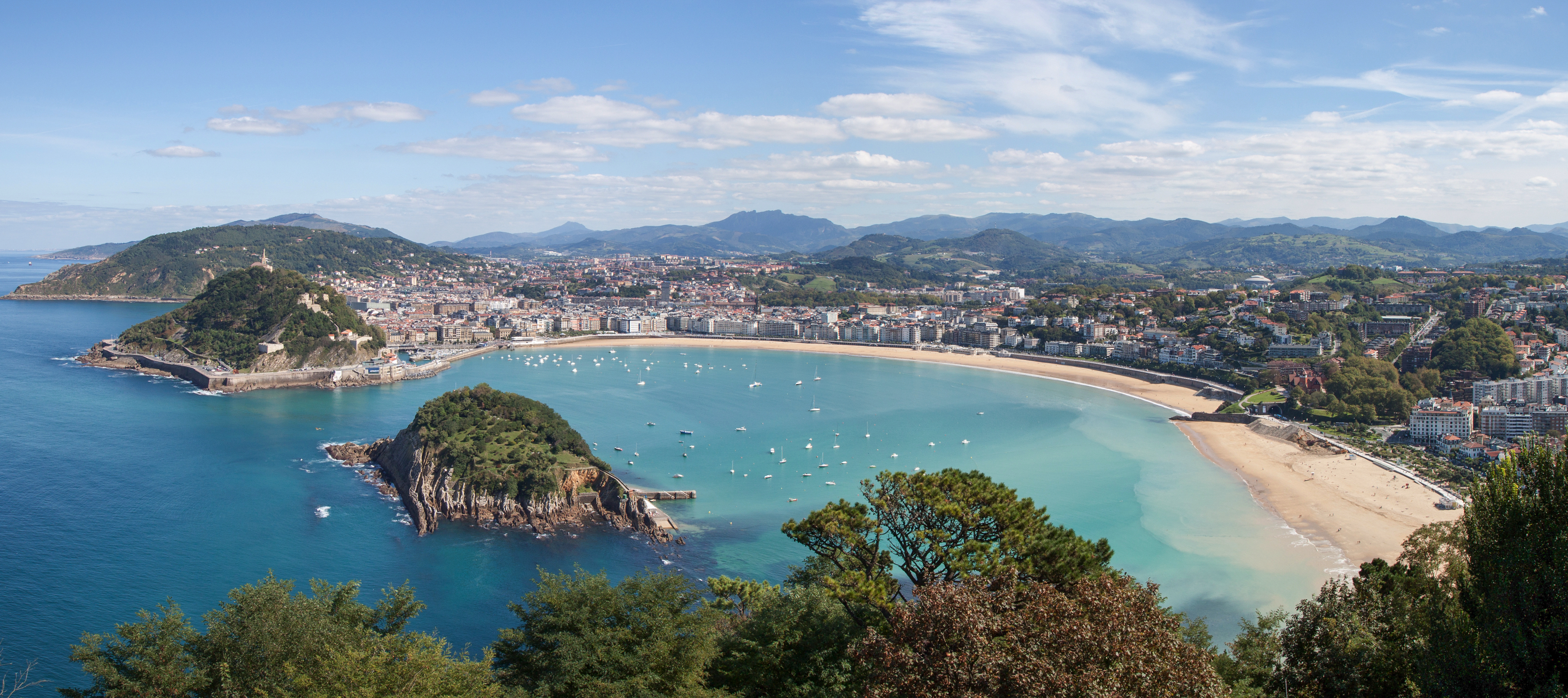
Saint-Sébastien · Spain
Feu et forteresse : la vieille ville et le mont Urgull
Saint-Sébastien, Spain
Calle 31 de Agosto — la seule rue à avoir survécu à l'incendie de 1813, nommée d'après la date de la destruction Plaza de la Constitución, où les balcons portent encore leurs numéros de loges pour les corridas Le cimetière anglais caché et le Castillo de la Mota du XIIe siècle sur le mont Urgull La Construcción Vacía d'Oteiza qui dialogue avec les Peine del Viento de Chillida à travers toute la baie La Bretxa — le marché qui nourrit la ville, situé sur la brèche par laquelle les assiégeants ont pénétré
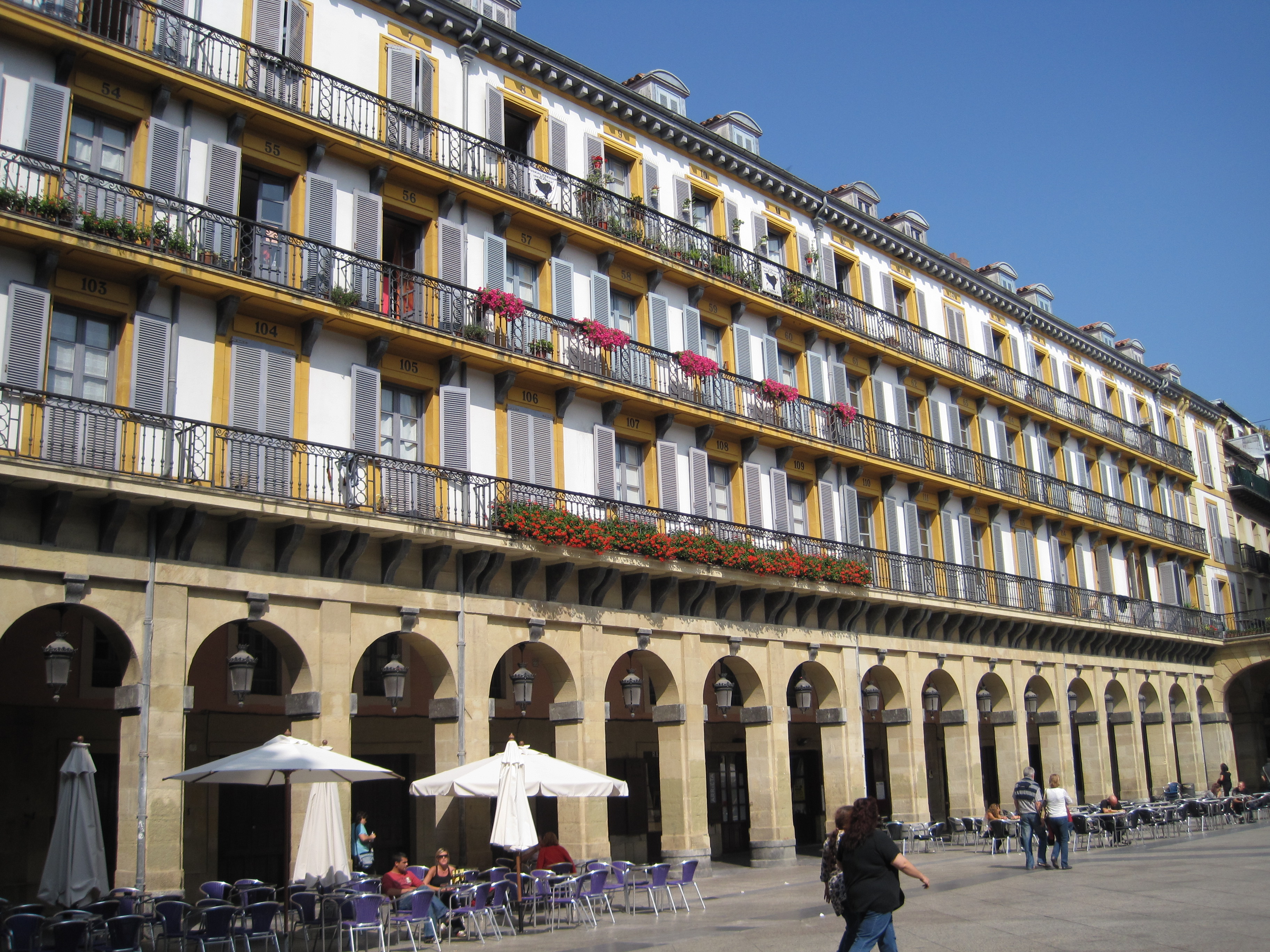
La place principale à arcades de la vieille ville reconstruite, achevée en 1817 avec des balcons numérotés autrefois loués comme loges pour les corridas qui se déroulaient en contrebas. Chaque mois de janvier, elle devient l'épicentre de la Tamborrada, lorsque le drapeau de la ville y est hissé et que des milliers de batteurs défilent pendant vingt-quatre heures.
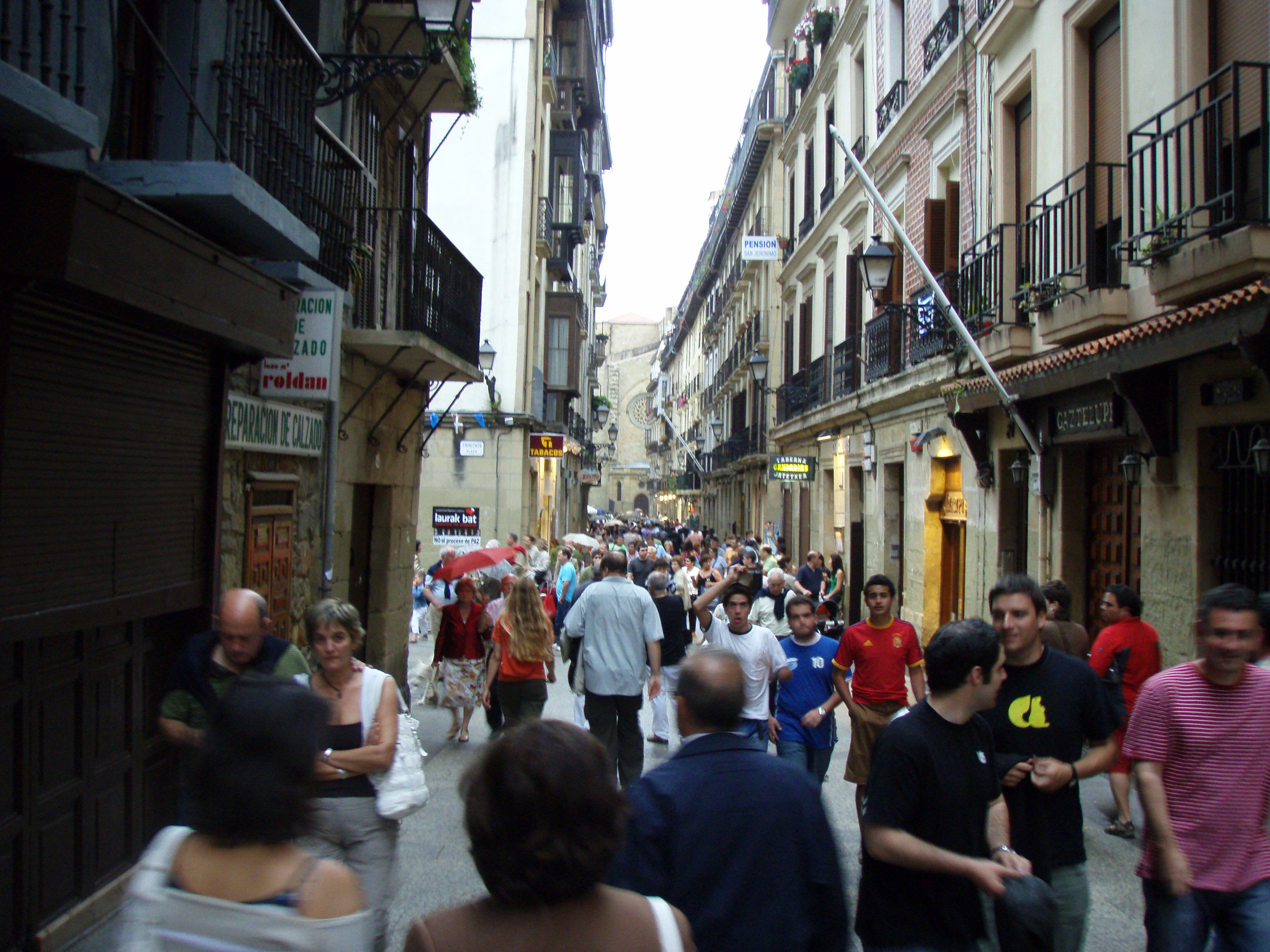
La seule rue à avoir survécu à l'incendie du 31 août 1813, lorsque San Sebastián a brûlé pendant le siège — nommée non pas pour une victoire, mais pour la date de sa propre destruction, elle est aujourd'hui le cœur de la culture des pintxos et des txokos de la ville.
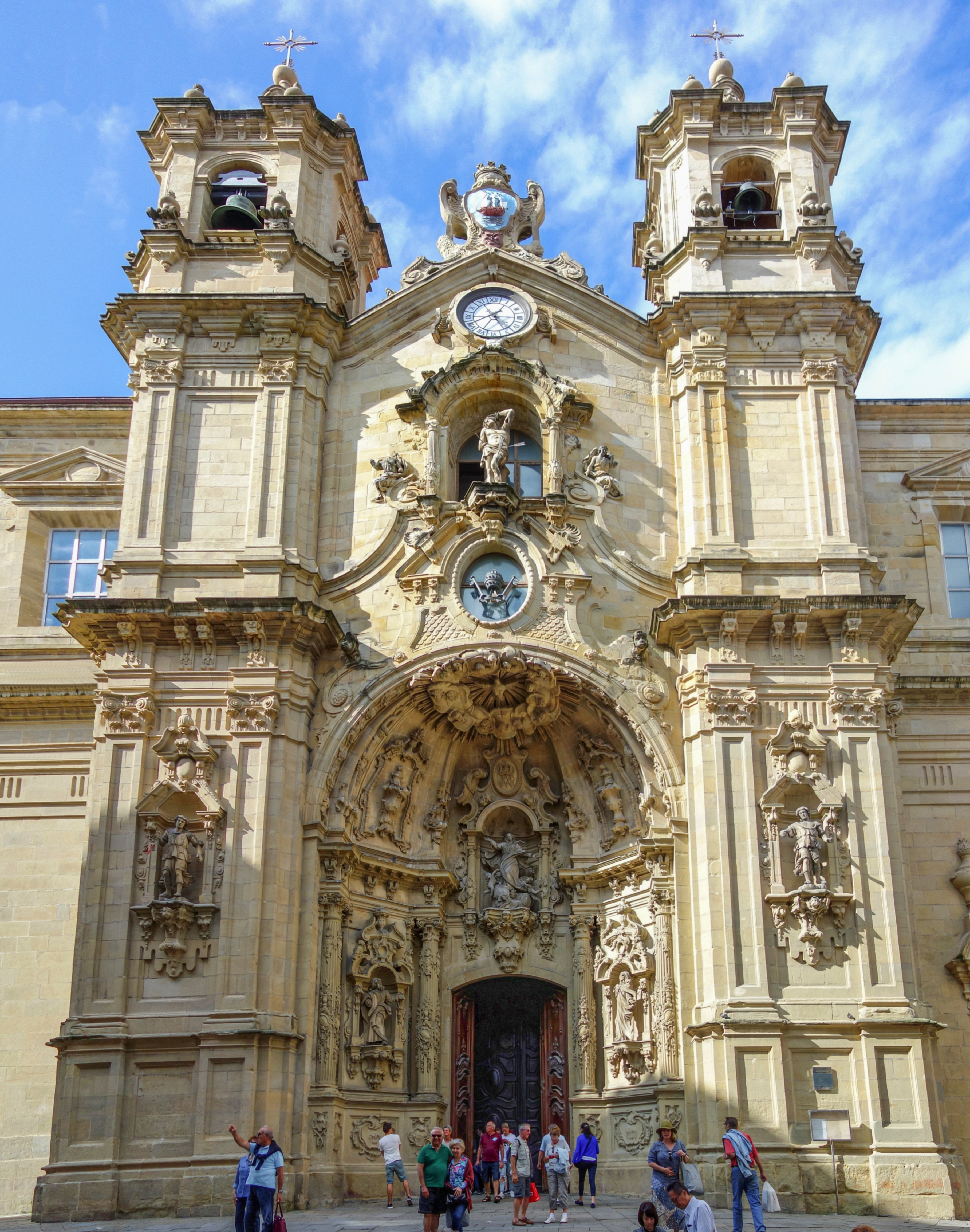
La basilique baroque qui termine l'axe principal de la vieille ville sous le mont Urgull, construite entre 1743 et 1764 avec des fortunes faites dans le cacao de Caracas. Son intérieur en albâtre brille autour de la Vierge patronne de la ville, et depuis sa porte, la rue s'étend en ligne droite à travers la ville jusqu'à la flèche de la ville nouvelle.
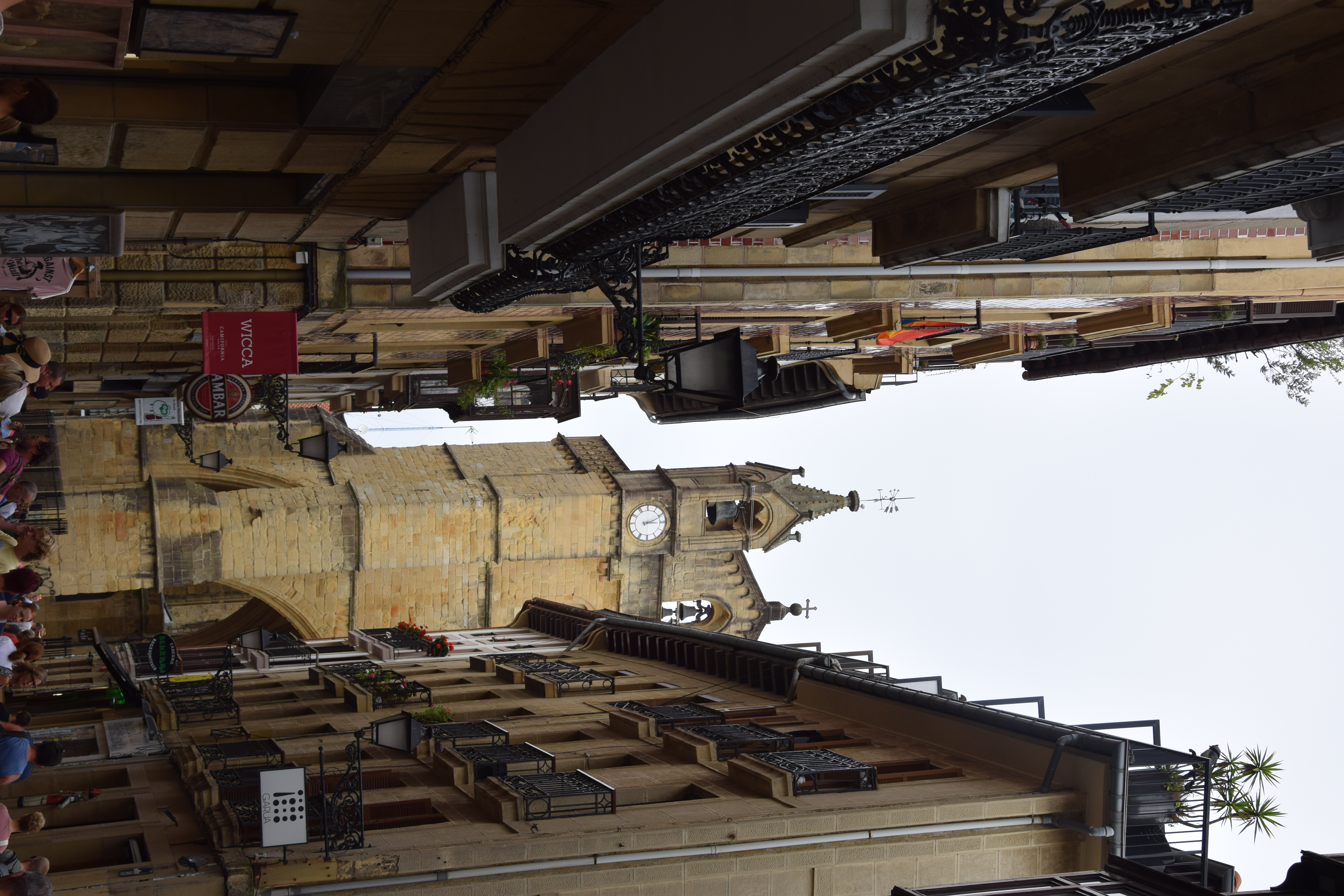
Le plus ancien bâtiment encore debout de la ville, une église gothique massive et dépouillée commencée vers 1507, l'une des rares structures à avoir survécu à l'incendie de 1813, brûlée mais debout.
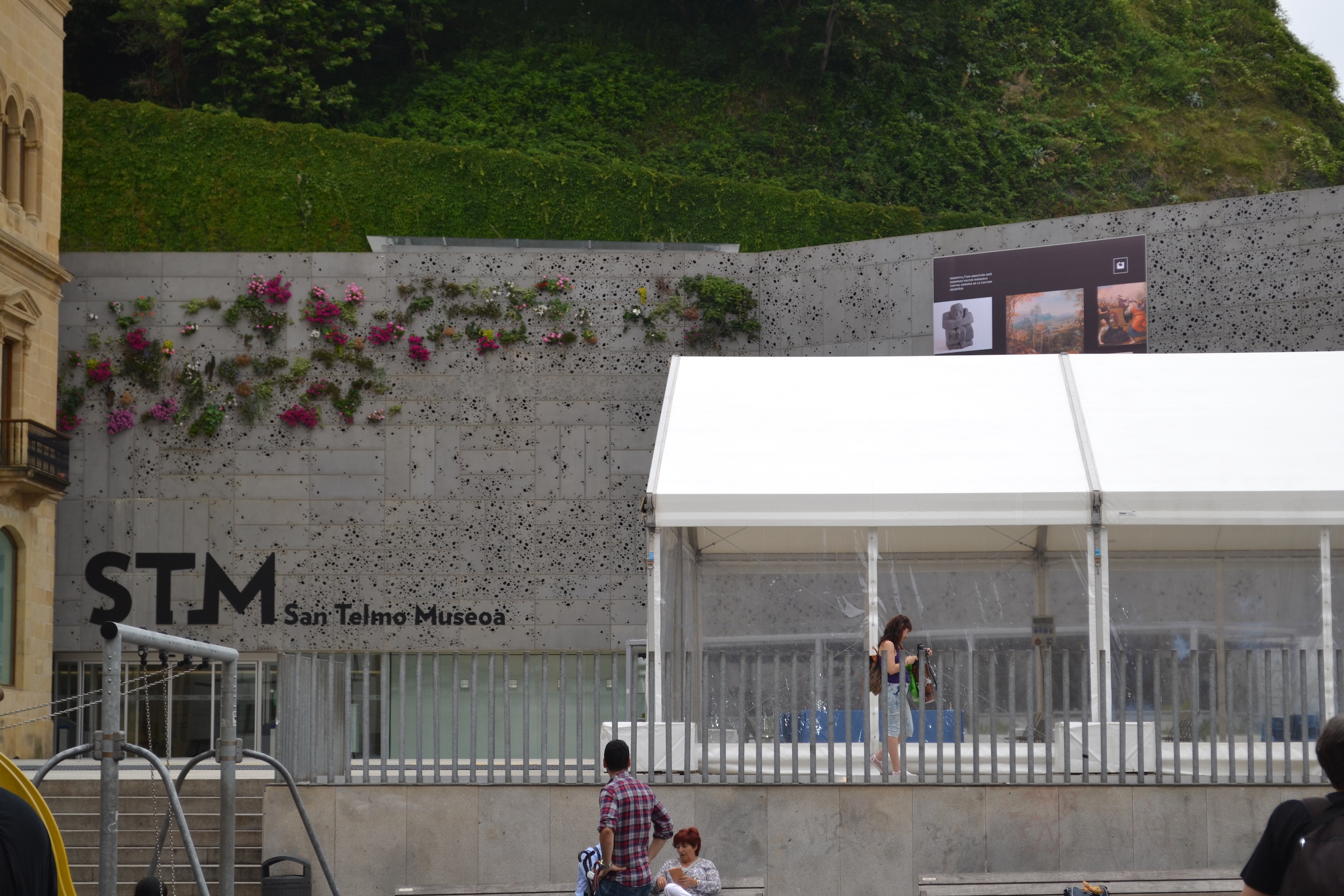
Un couvent dominicain du XVIe siècle transformé en musée de la société basque en 1902, précédé depuis 2011 par une extension en mousse et acier fixée dans la roche au pied du mont Urgull. C'est le gardien de la mémoire de la ville, et la porte d'entrée où commence l'ascension de la colline.
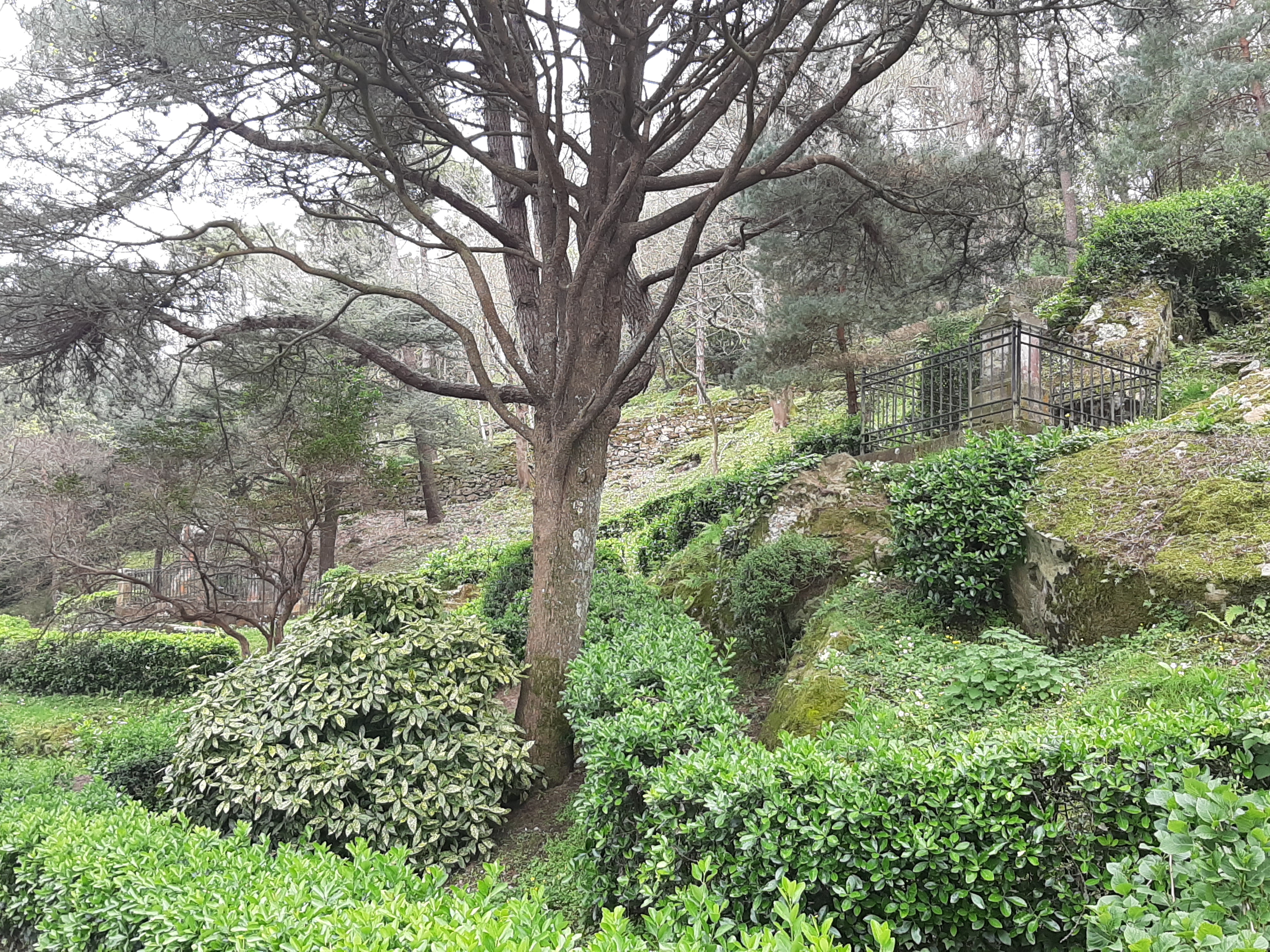
Un cimetière à flanc de colline recouvert de mousse sur le mont Urgull pour les volontaires britanniques de la première guerre carliste, des protestants interdits de terre catholique et enterrés sur la pente qu'ils sont morts à défendre ; il a été restauré en 1924 et presque personne n'y vient.
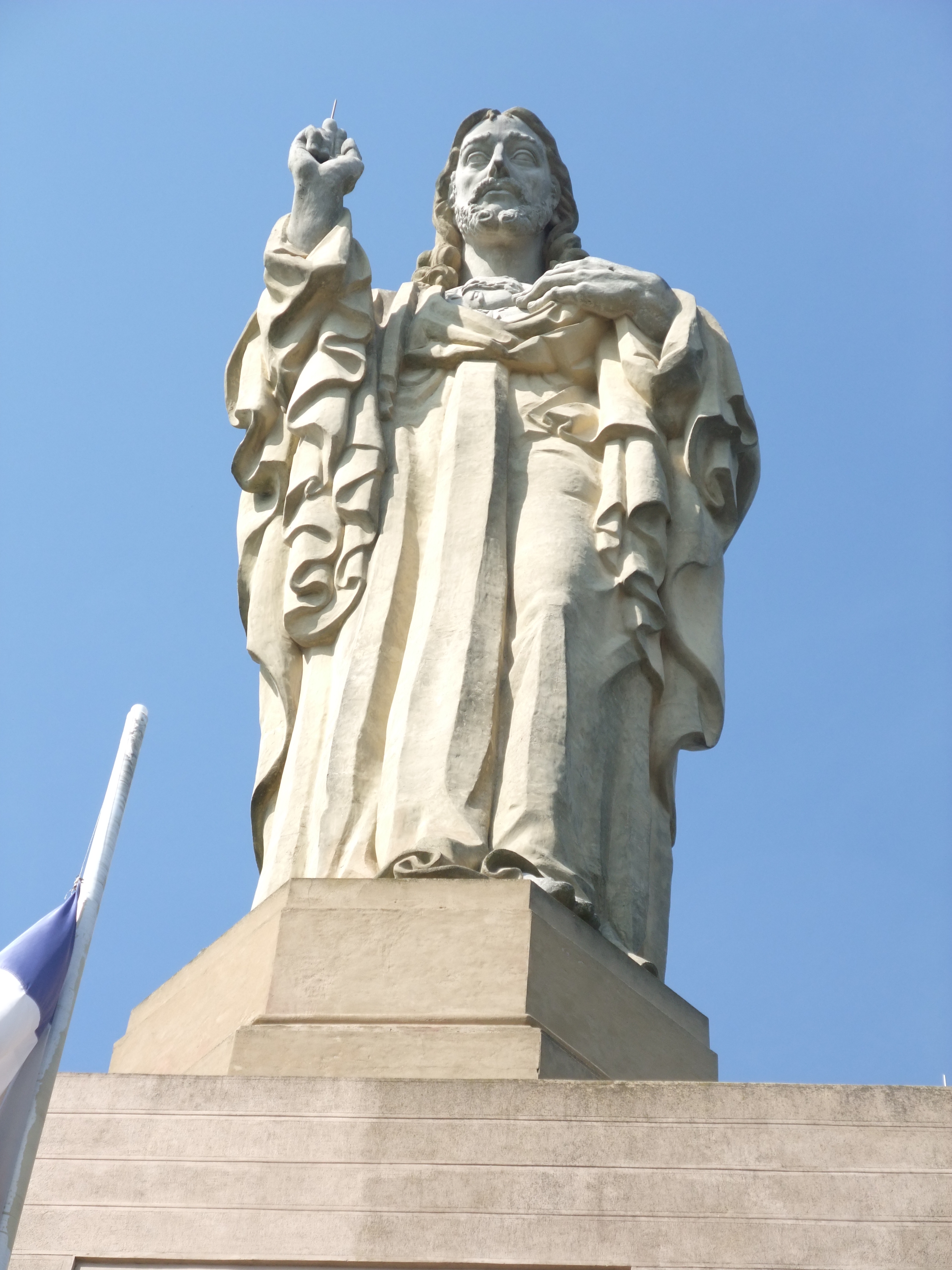
La forteresse du XIIe siècle couronnant le mont Urgull à 123 mètres, dont le port abrité est la raison d'être de San Sebastián, où la garnison française s'est rendue avec les honneurs en septembre 1813 alors que la ville en bas brûlait. Elle est aujourd'hui surmontée d'une statue du Sacré-Cœur de 1950 et abrite la Casa de la Historia.
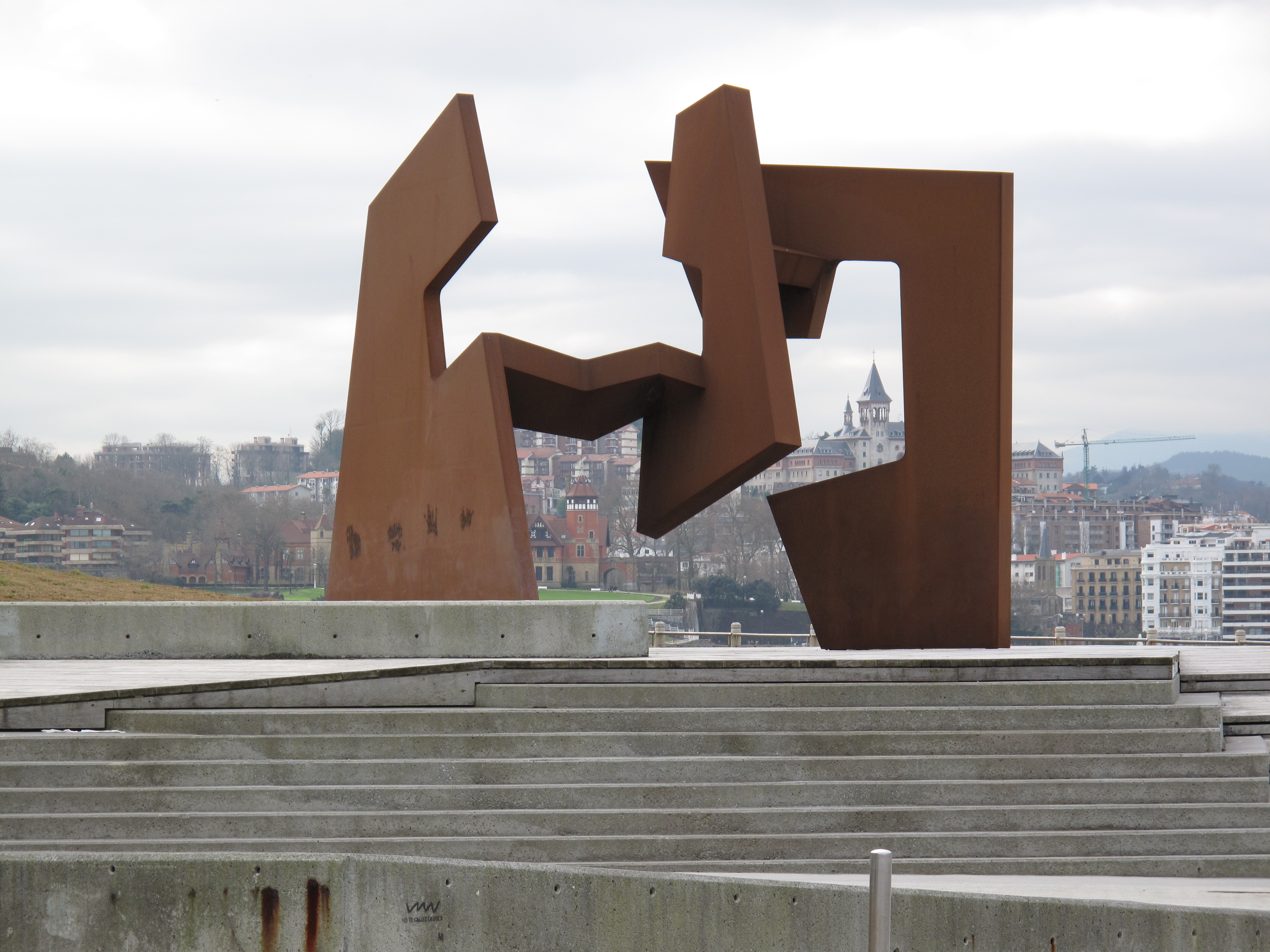
Sur le Paseo Nuevo battu par les vagues au pied du mont Urgull se trouve la Construcción Vacía d'Oteiza, une sculpture rouillée de pur vide qui contemple toute la baie en direction des Peine del Viento de Chillida — une moitié d'un argument sculptural entre deux amis-rivaux.
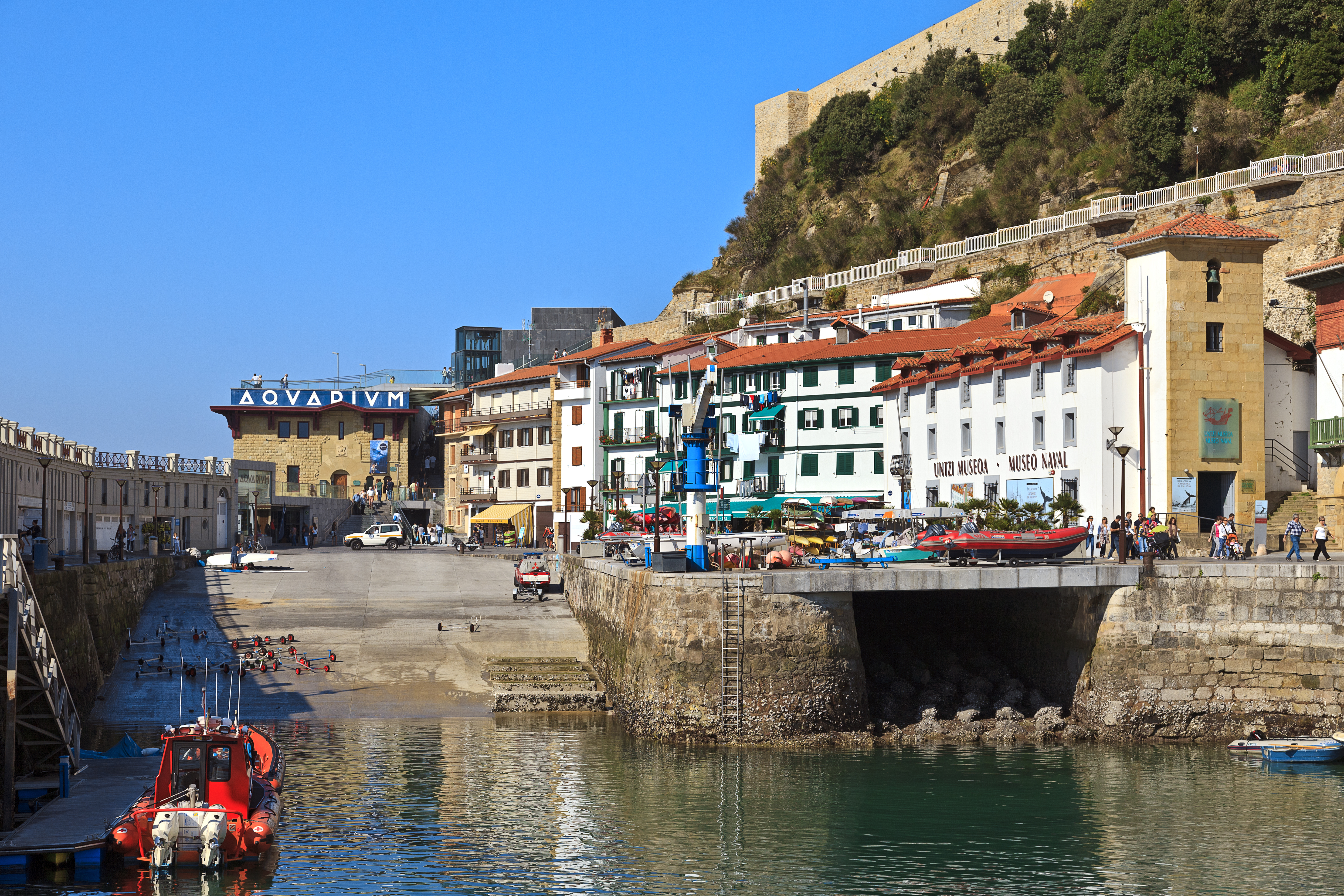
Le minuscule port de pêche niché sous le mont Urgull — Kaia — a été le moteur économique de San Sebastián pendant huit siècles, de l'huile de baleine et la laine castillane au cacao de Caracas et aux bateaux d'aujourd'hui. Des maisons de pêcheurs peintes, la fumée de sardines grillées et des bateaux pour l'île Santa Clara se pressent sur un quai de travail qui a payé pour la ville au-dessus.
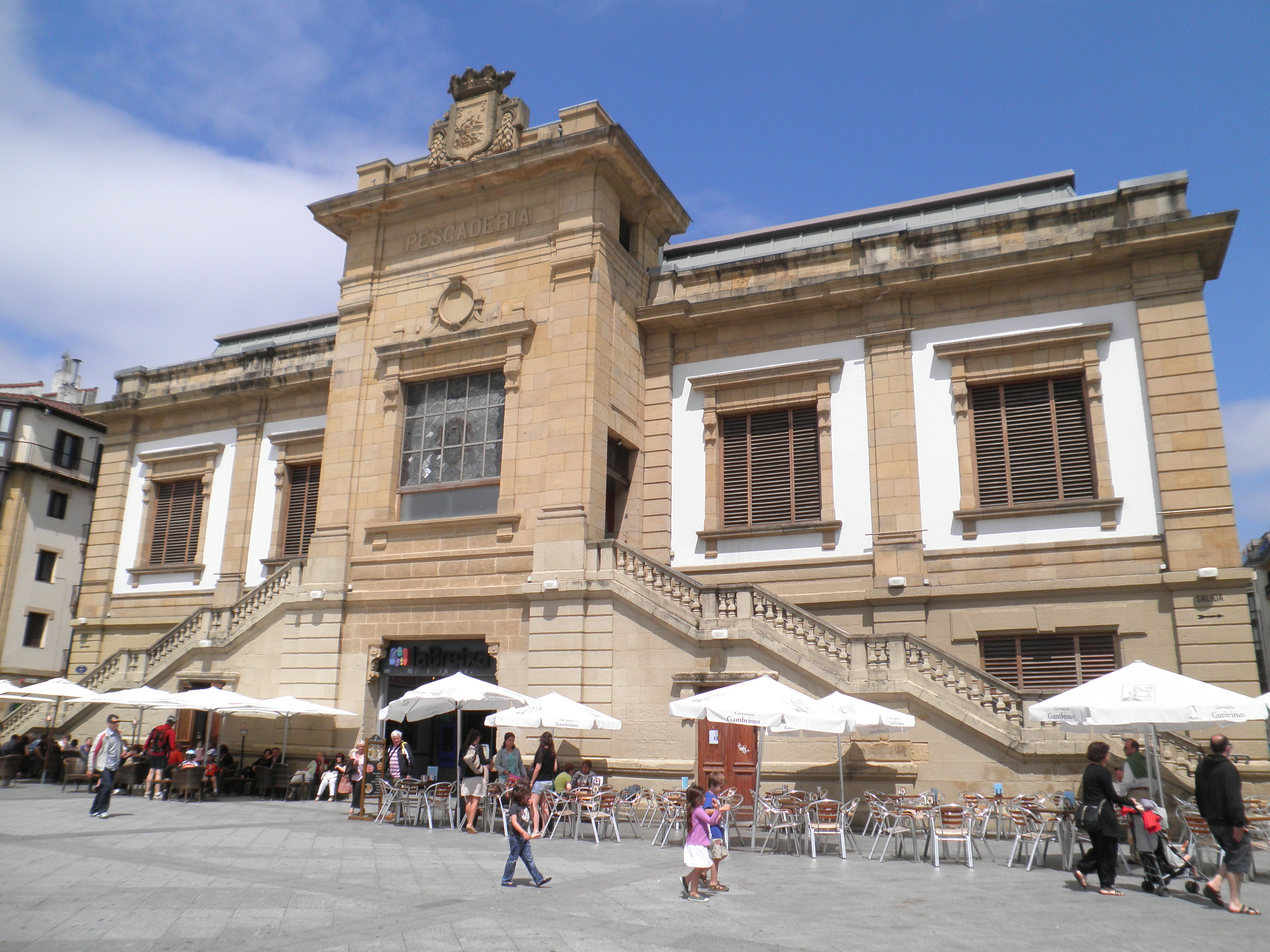
La Bretxa est le plus ancien marché alimentaire de San Sebastián, situé sur la place nommée d'après la brèche dans le mur de la ville où les troupes alliées ont pris d'assaut le 31 août 1813. Ce qui était le point exact de la destruction de la ville la nourrit quotidiennement depuis 1870.
Voici la véritable histoire de l'une des étapes de cette balade — chaque étape a la sienne.
Traversez l'Urumea pour découvrir le Saint-Sébastien où vivent réellement les locaux. Sur la rive est, l'histoire est…
Parcourez tout le croissant doré de La Concha, depuis le casino devenu hôtel de ville jusqu'aux peignes de fer que…
Nous utilisons des cookies pour analyser le trafic du site et améliorer votre expérience. Vous pouvez accepter ou refuser les cookies d'analyse. En savoir plus