Saint-Sébastien · Spain
De l'autre côté du fleuve : Gros, surf et la nouvelle Donostia
Saint-Sébastien, Spain
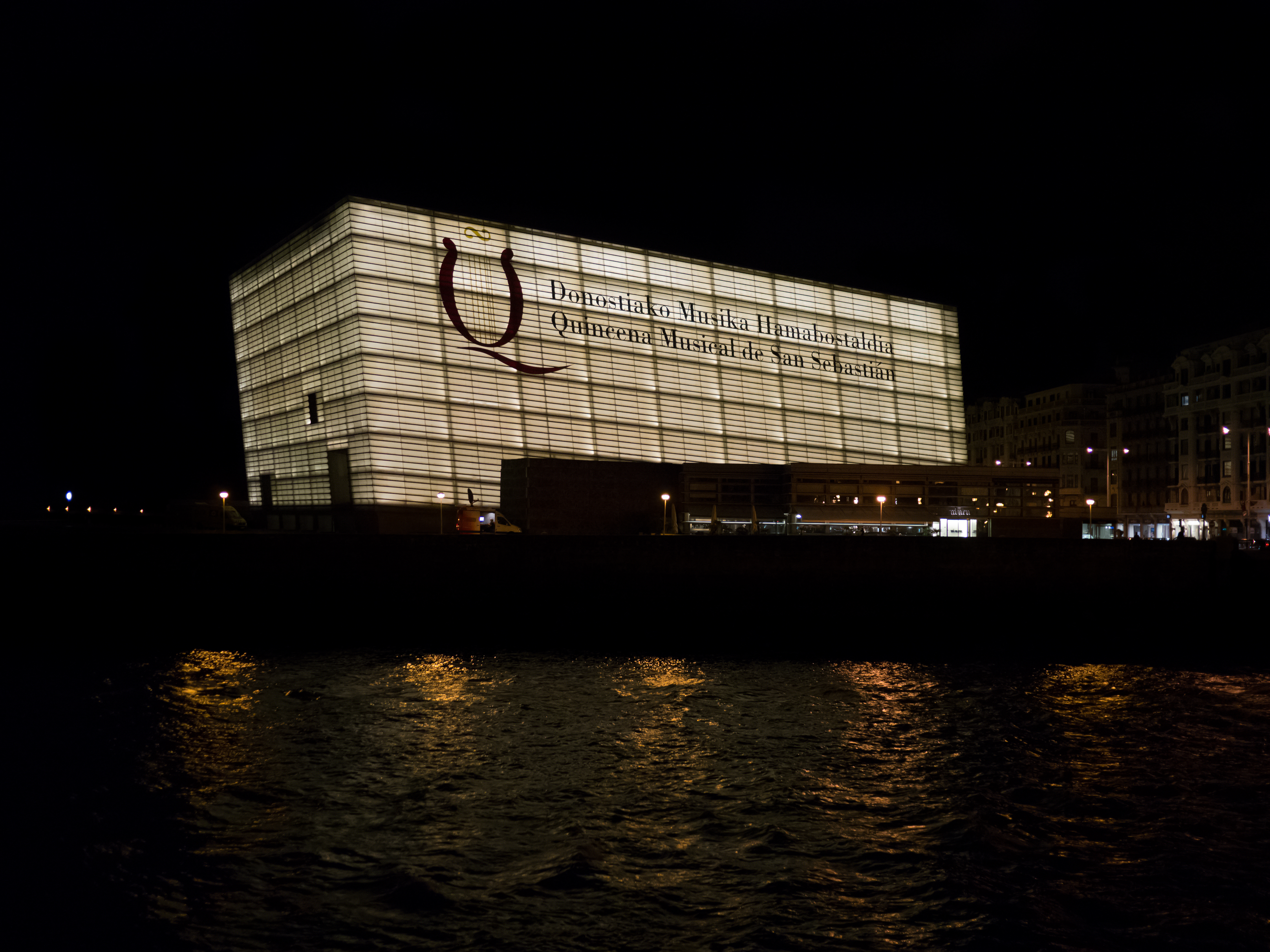
Les cubes du Kursaal de Moneo — « deux rochers échoués » bâtis sur les décombres d'un casino démoli Zurriola, la plage que la ville a construite dans les années 1990 et que les surfeurs ont érigée en capitale La Colombe de la Paix en acier et le rituel quotidien du coucher du soleil à Sagüés Les jeudis « pintxo-pote » de la calle Zabaleta — là où Gros se retrouve pour manger Tabakalera, l'ancienne manufacture de tabac transformée en moteur culturel, et les paons de Cristina Enea
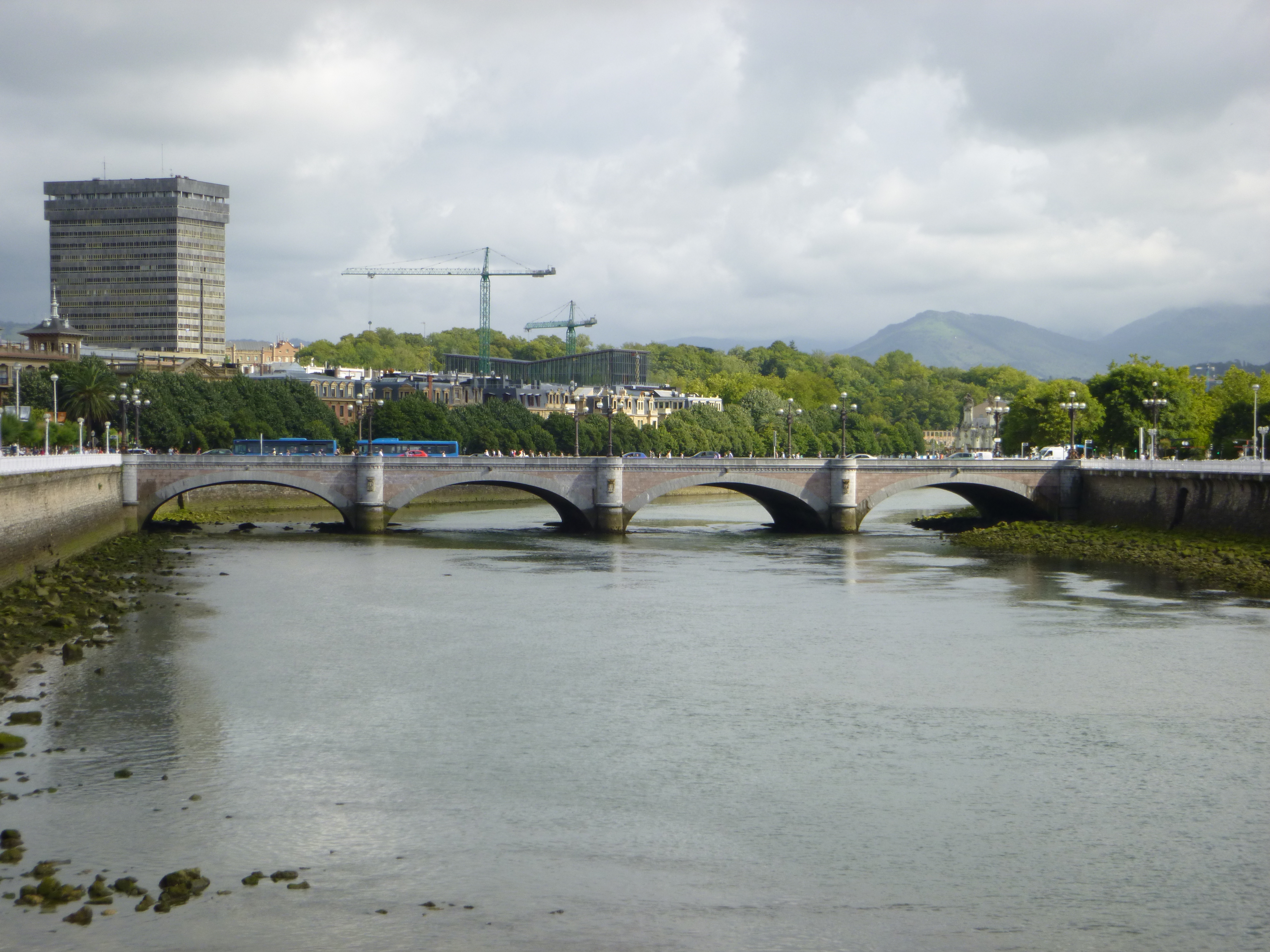
Le plus vieux pont encore existant de la ville, construit en bois au Moyen Âge, reconstruit en pierre selon les plans néoclassiques d'Antonio Cortázar et inauguré en 1872. Il marque la frontière historique entre la vieille ville fortifiée et la rive est ouvrière, de l'autre côté de l'Urumea.
Les deux cubes de verre translucide inclinés de Rafael Moneo — surnommés « deux rochers échoués » — bâtis sur les décombres du grand casino qui donnait autrefois son nom au site. Ouvert en 1999 et récompensé par le prix Mies van der Rohe en 2001, le Kursaal est aujourd'hui le cœur battant du Festival du film de Saint-Sébastien et la figure de proue de la réinvention culturelle de la ville.
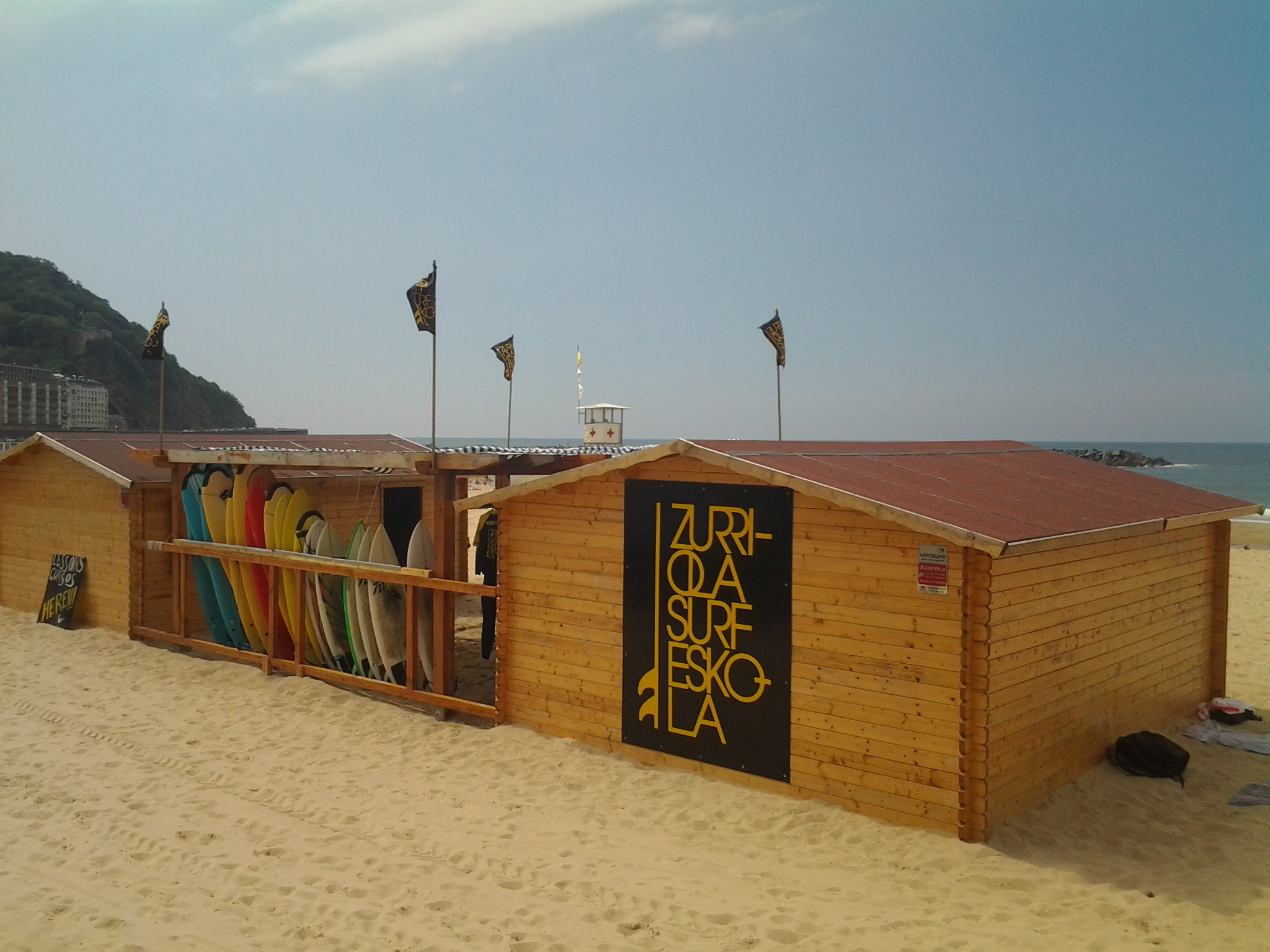
Zurriola est la plage que Saint-Sébastien a réaménagée dans les années 1990, en ajoutant une digue et du sable importé pour transformer un rivage dangereux en 800 mètres de plage de surf ouverte, orientée à l'est. Les surfeurs l'ont réclamée comme leur capitale, et c'est aujourd'hui le cœur battant du jeune Gros.
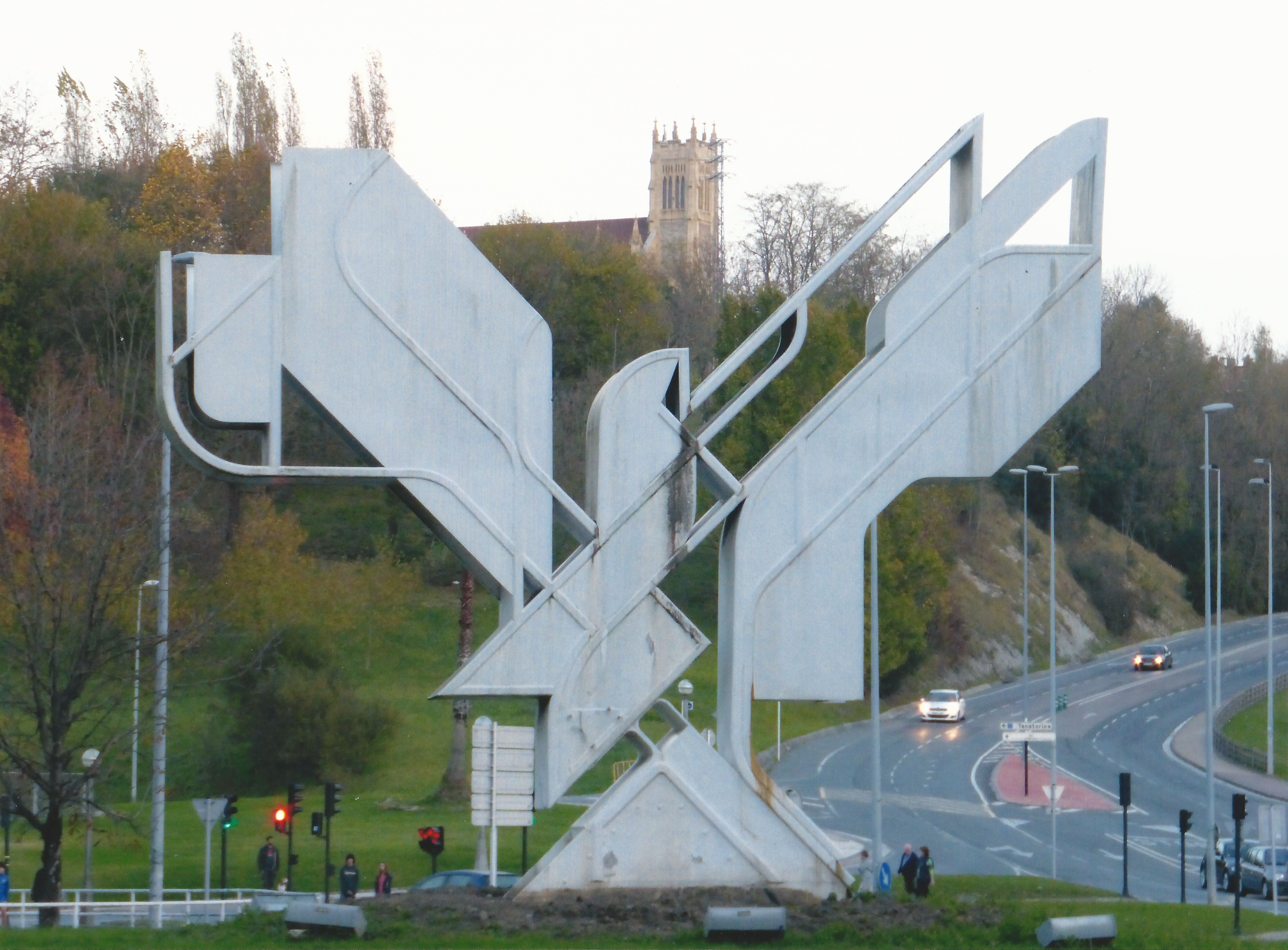
Le point de vue pour le coucher du soleil à Zurriola, là où la promenade s'arrête au pied du mont Ulia, surveillée par la Colombe de la Paix en acier de Nestor Basterretxea (Bakearen Usoa, 1988), un lieu investi chaque soir par la moitié de Gros pour le rituel du coucher de soleil sur la baie.
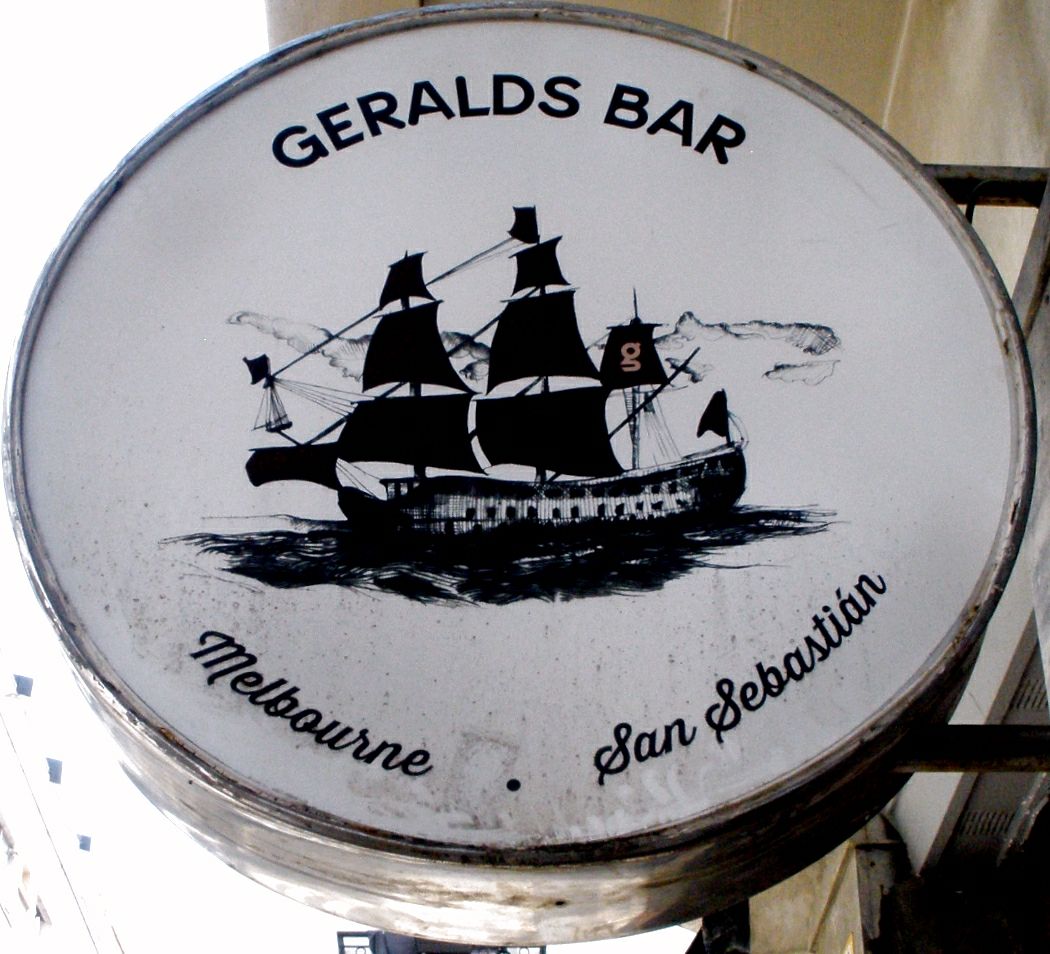
Le réseau de pintxos des locaux dans la calle Zabaleta et Peña y Goñi, où le comptoir primé du Bar Bergara, Bodega Donostiarra et Hidalgo 56 servent une cuisine 10 à 20 % moins chère qu'à la vieille ville, sans les files d'attente touristiques. Les jeudis soirs, tout le quartier se retrouve pour le « pintxo-pote », un pintxo et une boisson pour environ deux euros.
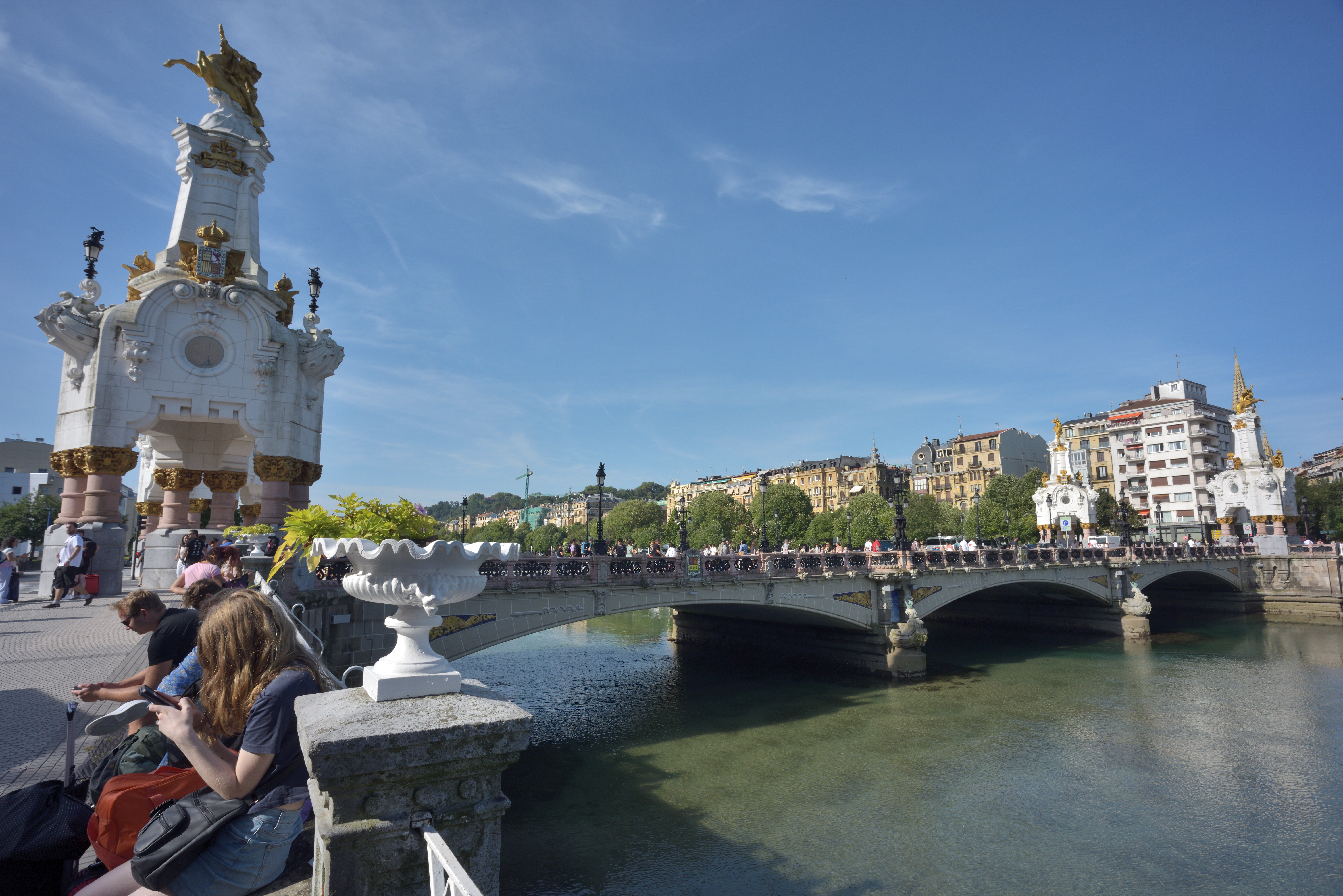
La porte d'entrée Belle Époque où le train de Paris rencontrait la station balnéaire : la gare Estación del Norte de 1864 et le pont María Cristina de 1905, dont les quatre obélisques sont copiés pierre par pierre sur le pont Alexandre III de Paris. C'était le fleuve en tant que tapis rouge, là où la royauté et les stars de cinéma descendaient du train et traversaient vers l'ouest pour rejoindre le glamour.
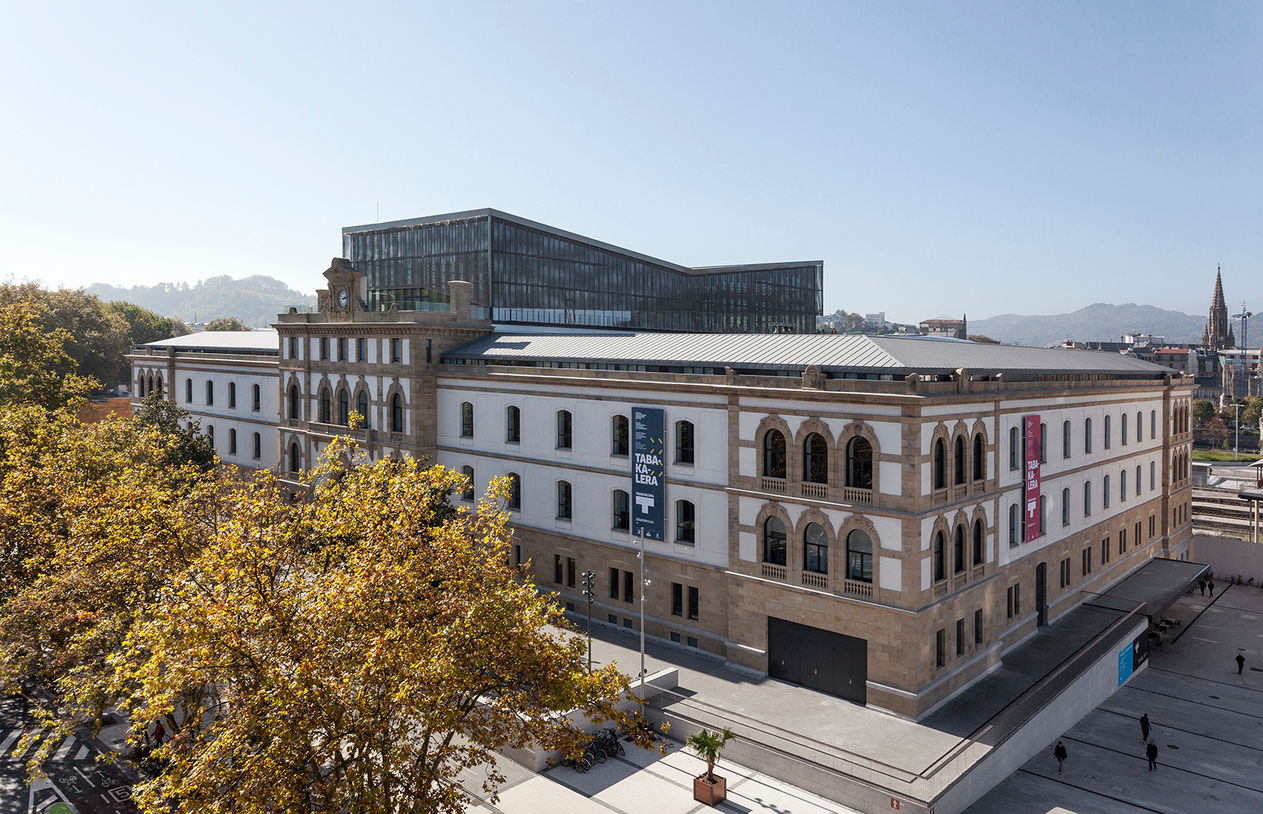
Une manufacture de tabac monumentale de 1913 où des milliers de femmes ont roulé des cigares pendant quatre-vingt-dix ans, renaissant en 2015 sous le nom de Tabakalera, le Centre international de culture contemporaine de la ville. Sa façade en brique austère et ses vastes espaces intérieurs abritent aujourd'hui des galeries gratuites, les bureaux du Festival du film, et un toit-terrasse offrant l'une des meilleures vues de la ville.
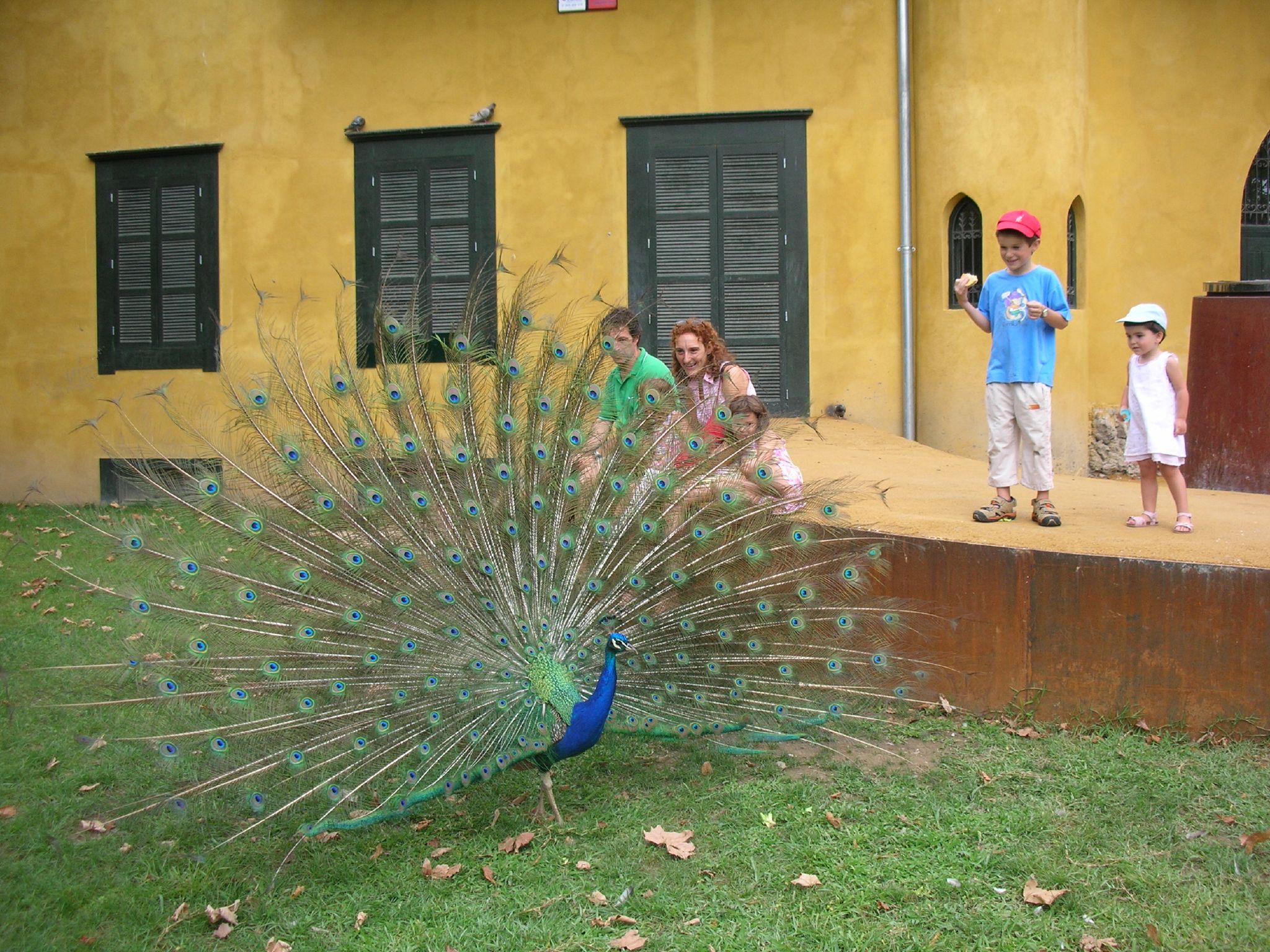
Cristina Enea est le plus grand et le plus sauvage des parcs de Saint-Sébastien, créé à partir du domaine privé que le duc de Mandas a légué à la ville ; ses pelouses abritent des paons et ses terres contiennent des séquoias géants et des cèdres, le palais de l'ancien duc servant désormais de centre de ressources environnementales.
Voici la véritable histoire de l'une des étapes de cette balade — chaque étape a la sienne.
Promenez-vous dans la Parte Vieja et gravissez le mont Urgull pour comprendre la journée qui définit San Sebastián :…
Parcourez tout le croissant doré de La Concha, depuis le casino devenu hôtel de ville jusqu'aux peignes de fer que…
Nous utilisons des cookies pour analyser le trafic du site et améliorer votre expérience. Vous pouvez accepter ou refuser les cookies d'analyse. En savoir plus