Paris · France
Left Bank Writers, Cafés & Existentialism
Paris, France
Existentialist cafés of Saint-Germain-des-Prés Shakespeare and Company's legendary bookshop Hemingway's impoverished Left Bank apartment Medieval Latin Quarter streets and the Sorbonne Rue Mouffetard's authentic market culture
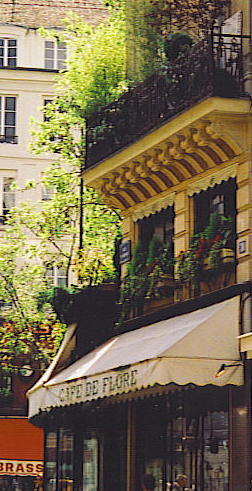
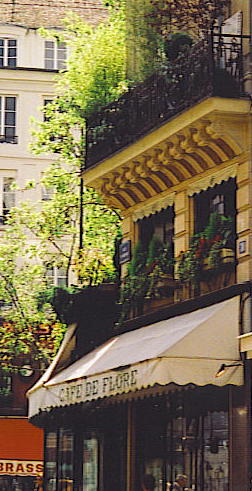
The legendary café in Saint-Germain-des-Prés where Sartre and de Beauvoir debated existentialism over coffee, now an iconic but pricey destination that still captures the intellectual energy of 20th-century bohemia.
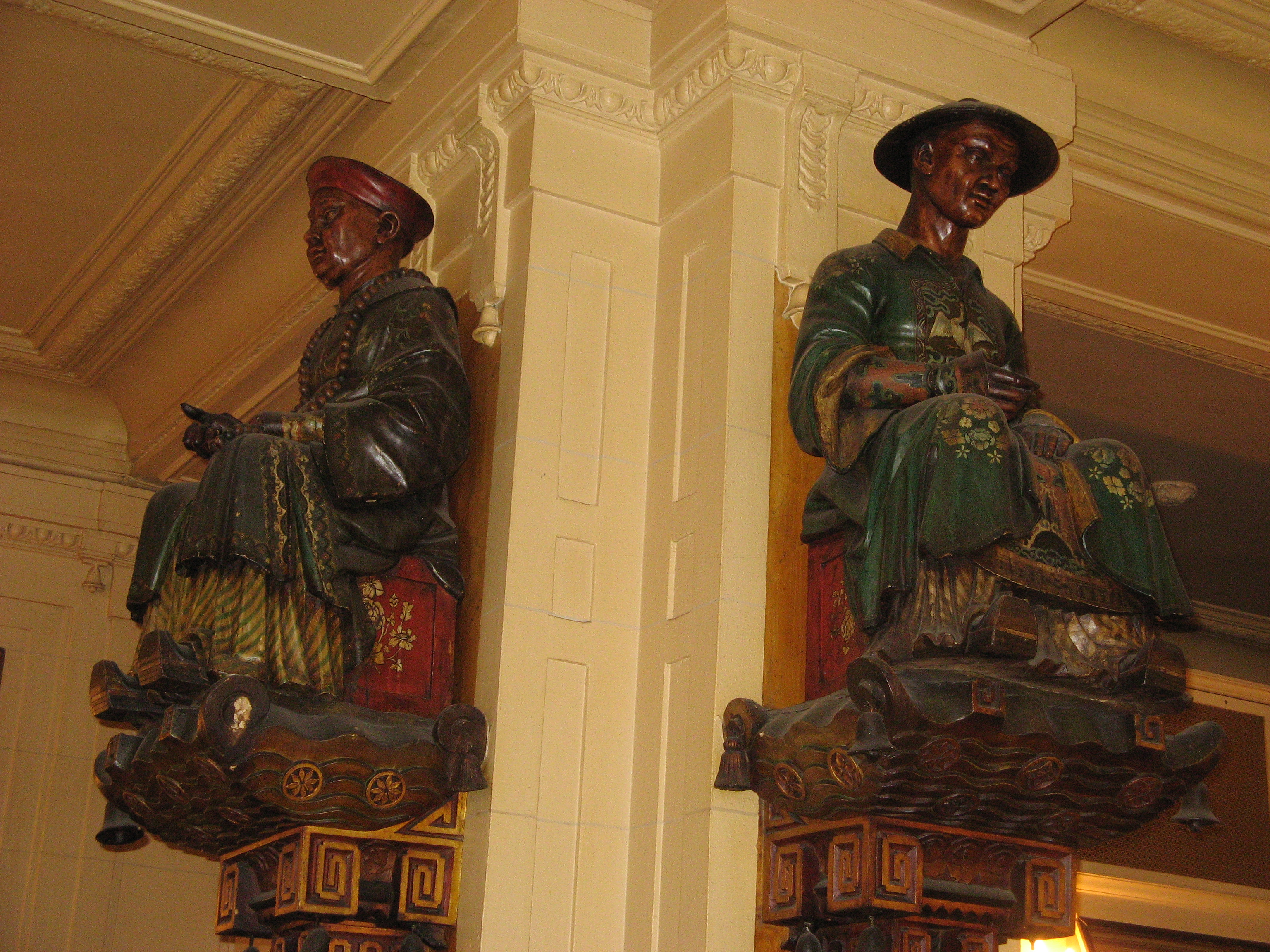
A sister café to the Flore across the square, Les Deux Magots embodied the intellectual fervor of post-war Paris where existentialists, artists, and writers gathered around small marble tables to argue philosophy and shape the century's ideas.
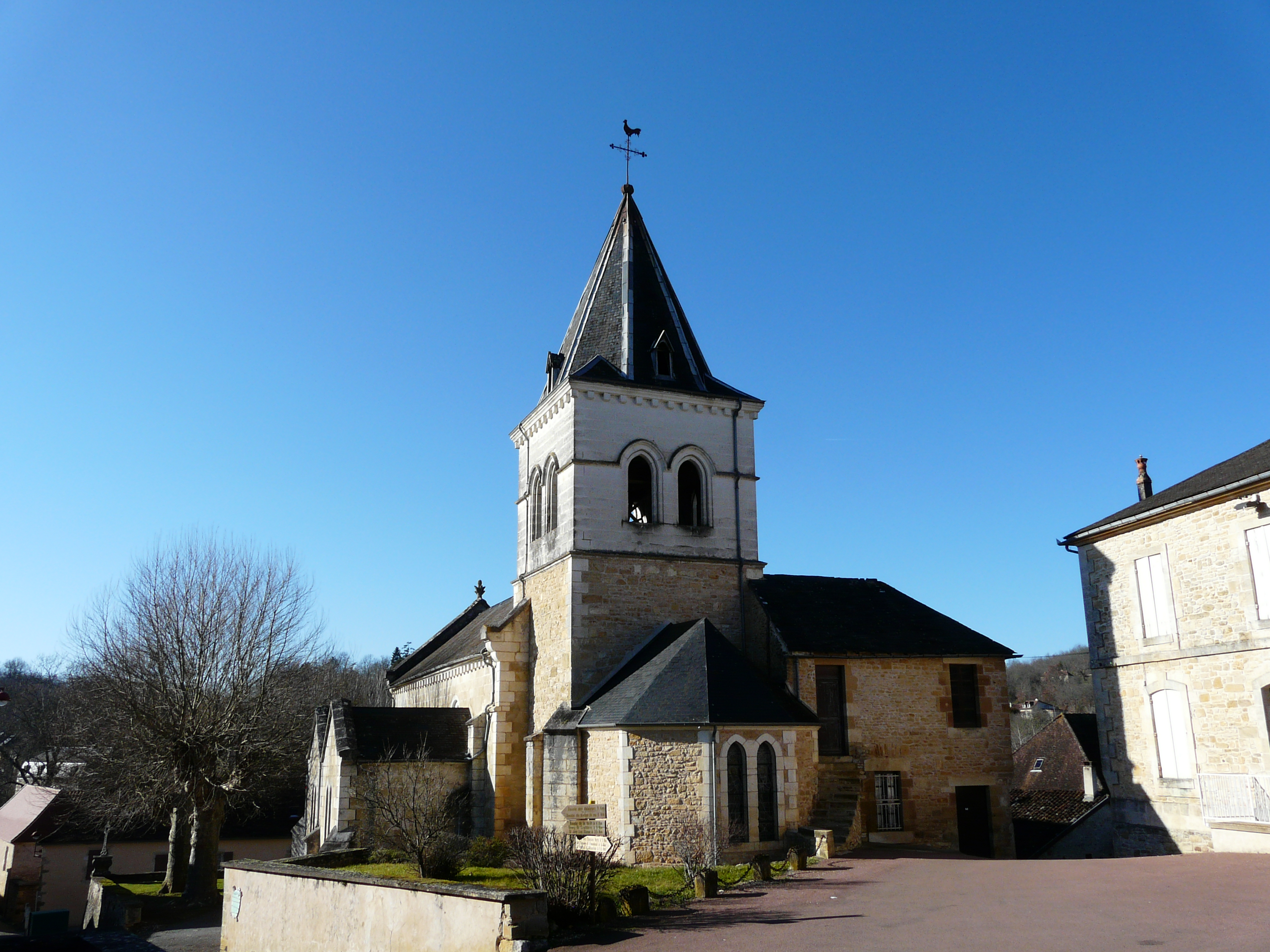
Paris's oldest surviving church, founded in 558 and rebuilt in the 12th century, offers spiritual silence and medieval continuity amidst the intellectual energy of the surrounding Left Bank cafés.
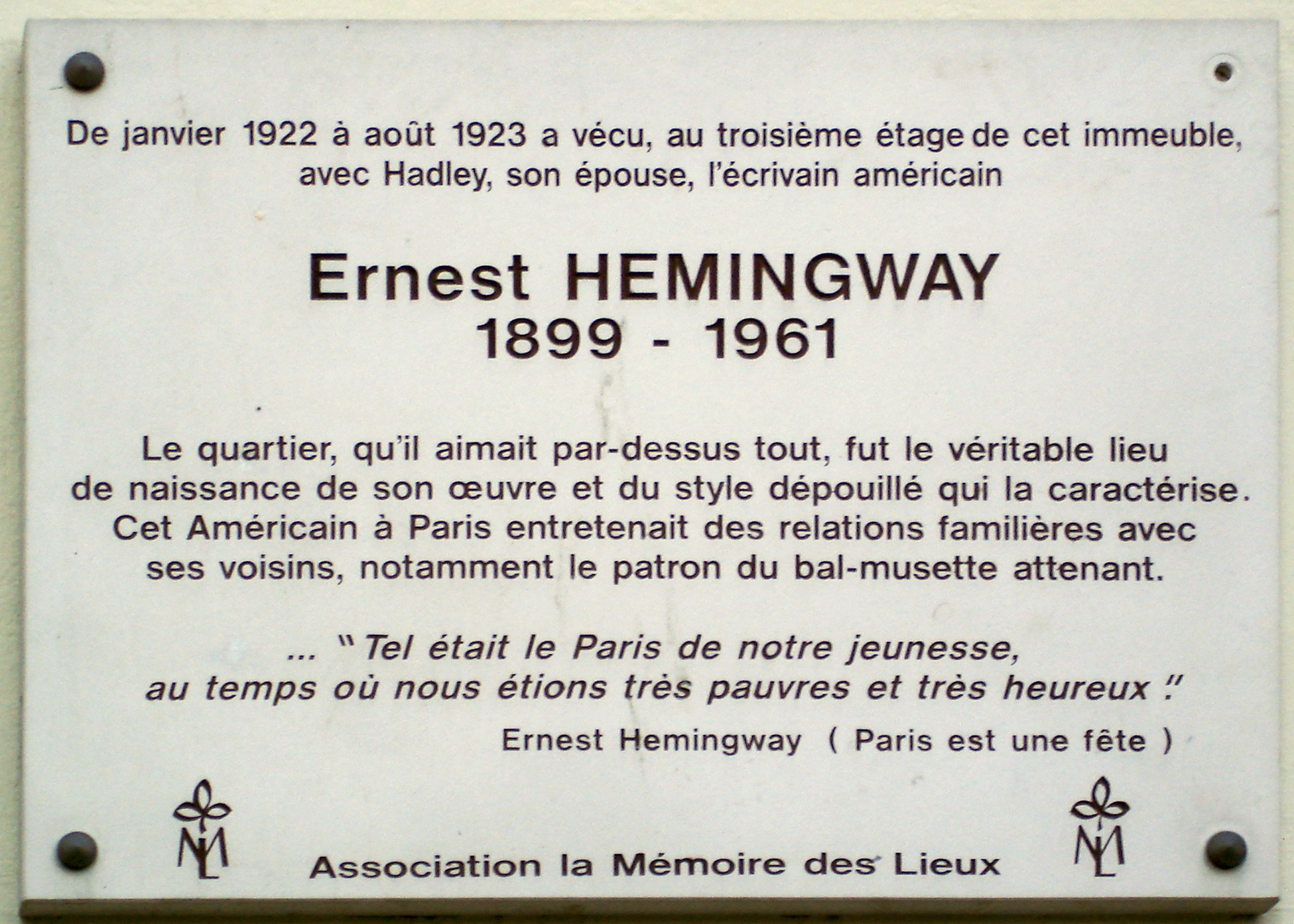
The streets and neighborhoods where Hemingway lived during his Paris years, walking the physical terrain where the young writer learned his craft while living as a struggling expatriate on the Left Bank.
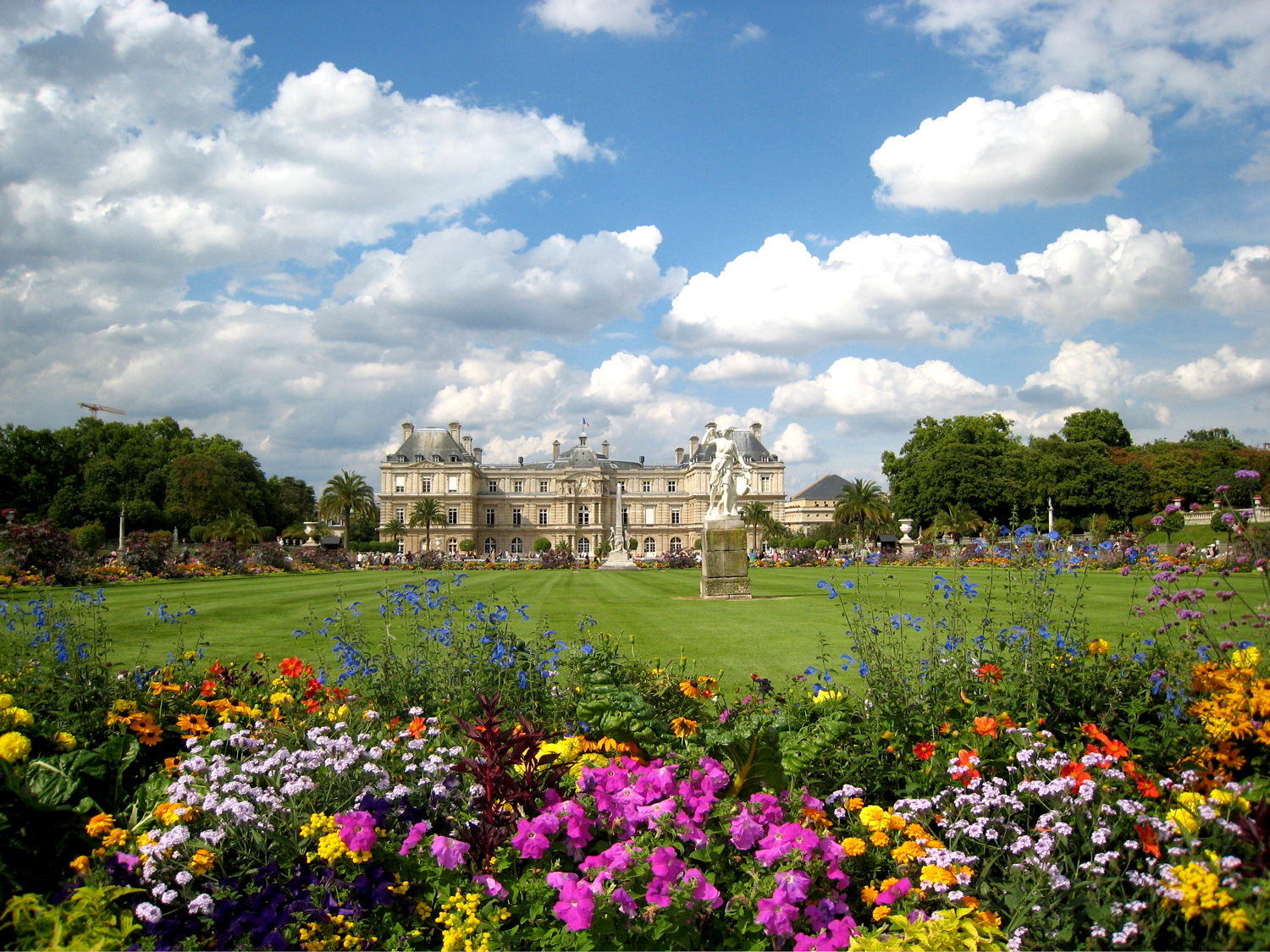
Paris's most beloved public garden, created in 1612 and redesigned to offer open spaces where writers, artists, and thinkers gathered to contemplate, sketch, and argue over ideas.
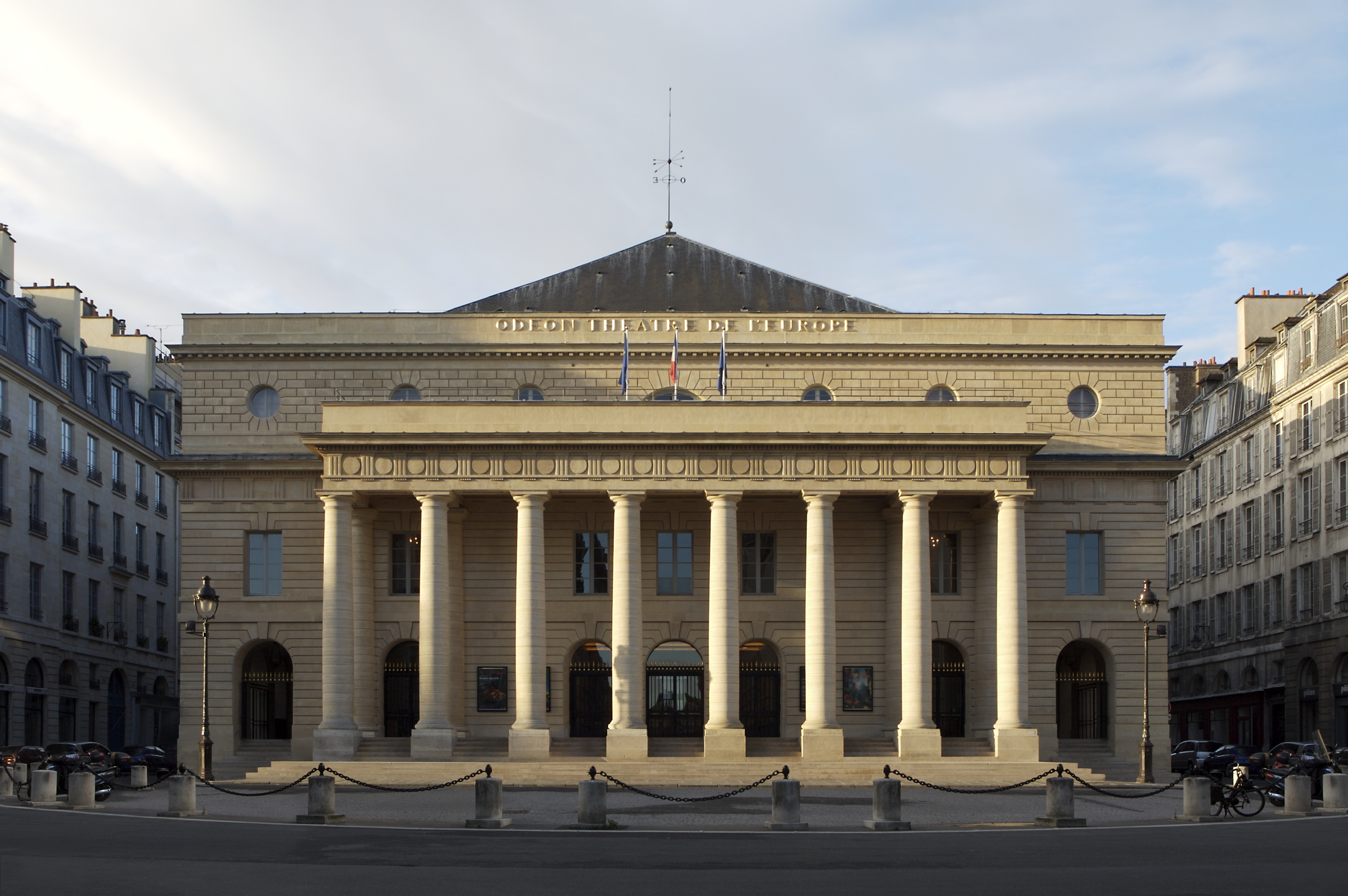
Built in 1782 as the Théâtre de l'Odéon, this grand neoclassical building stands as both a cultural institution and a symbol of artistic resistance—notably occupied by students and artists during the May 1968 uprising. It represents the moment when intellectual ferment and political action merged on the Left Bank.
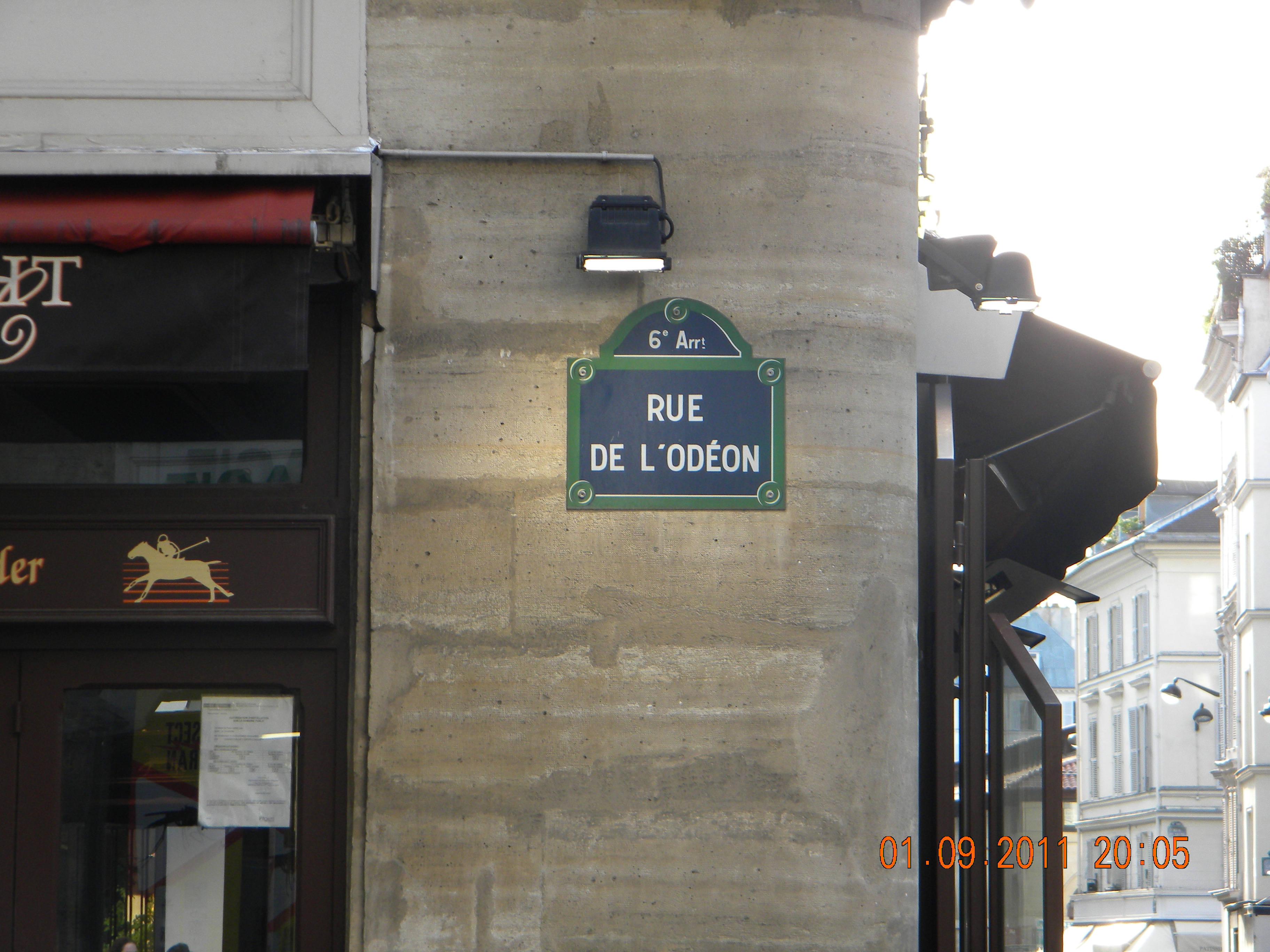
A historic literary street that served as the intellectual heart of the Lost Generation community, lined with independent bookstores, publishing houses, and cafés where writers gathered to debate, collaborate, and argue about literature and politics.
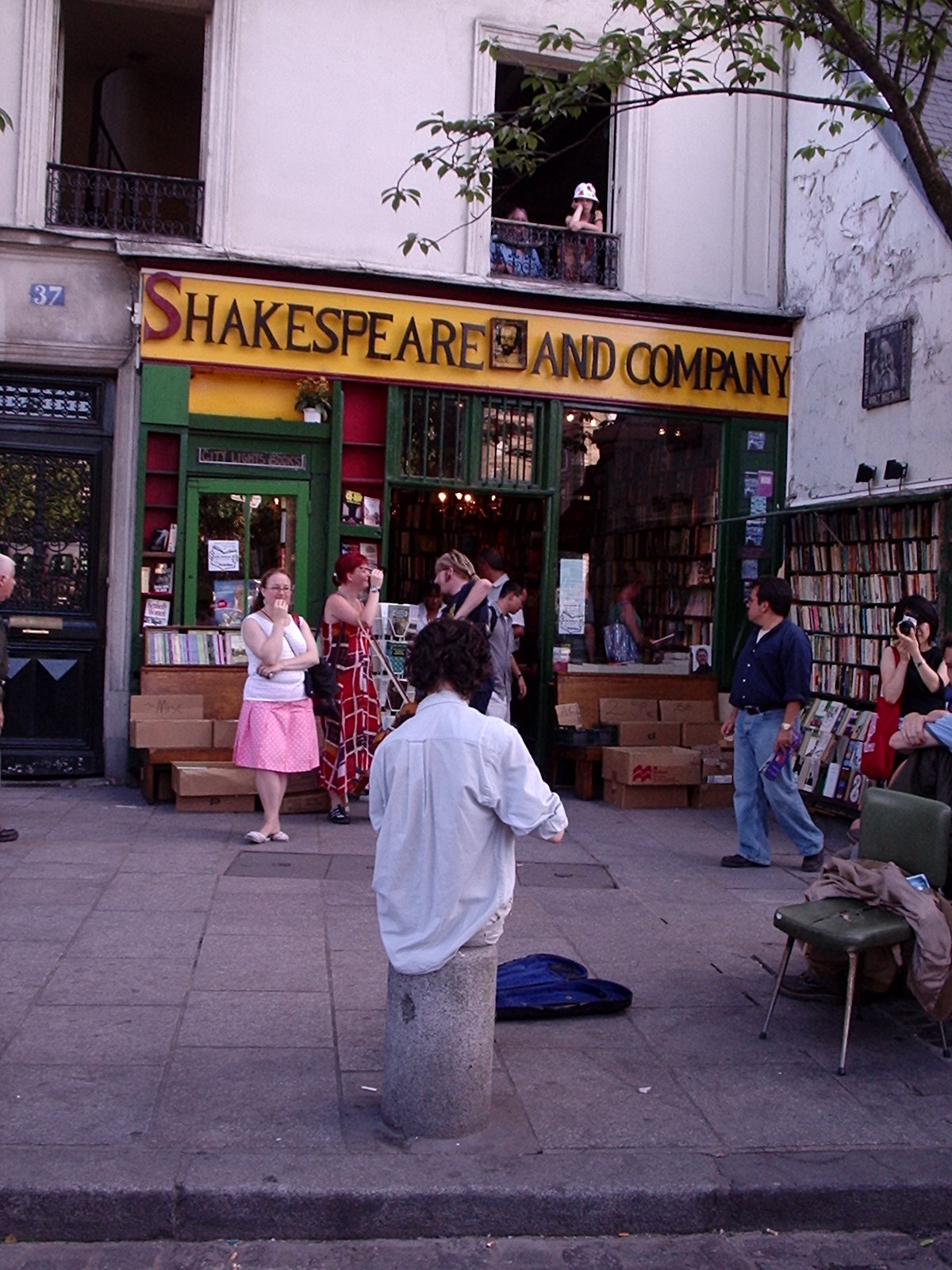
Shakespeare and Company is the legendary Left Bank bookstore founded in 1919 by American expatriate Sylvia Beach, where James Joyce, Ernest Hemingway, and a generation of Lost Generation writers gathered to exchange ideas, find refuge, and shape modern literature.
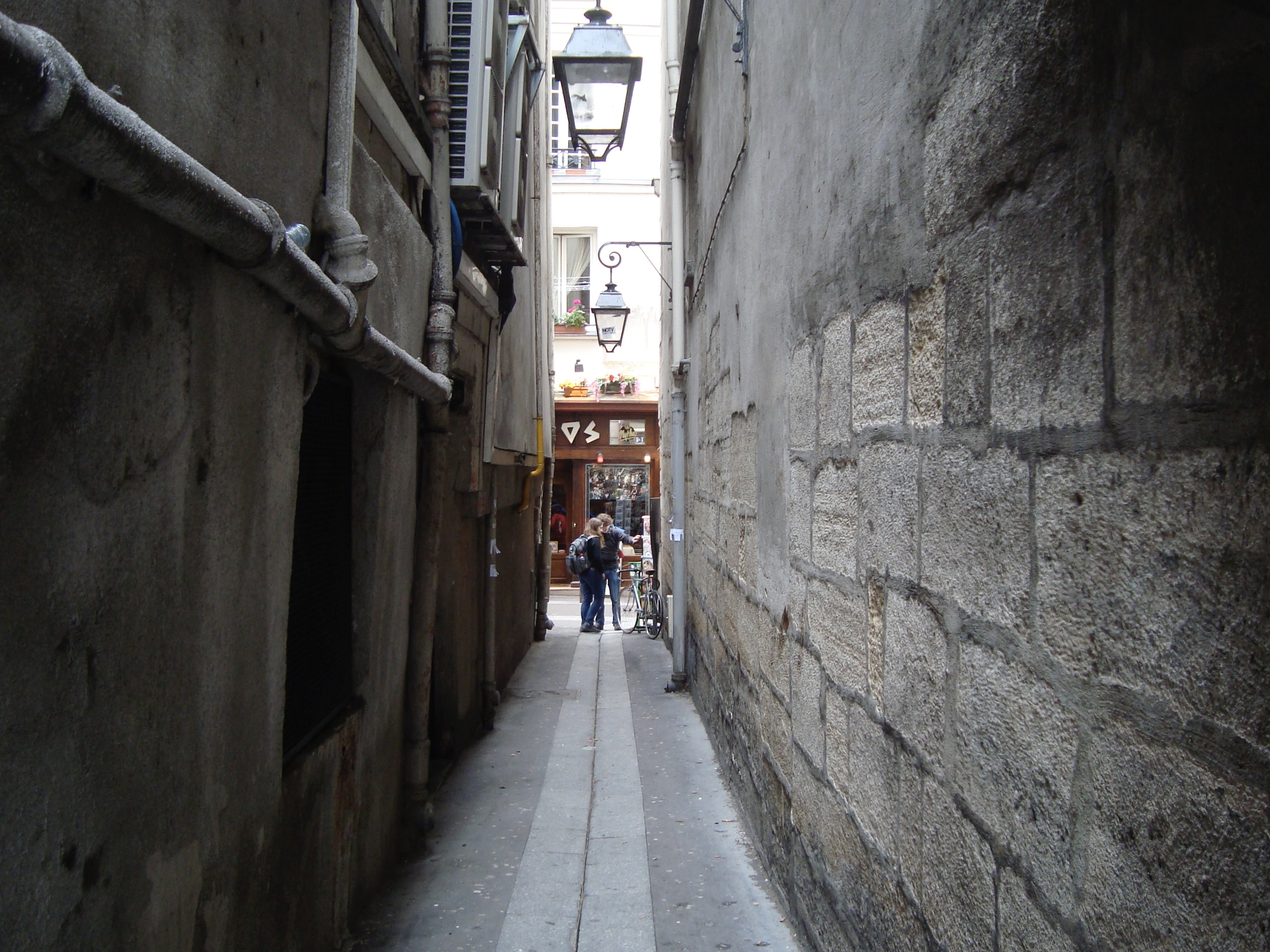
The narrow, winding streets surrounding the Sorbonne preserve the medieval character of Europe's first great university quarter, built around the University of Paris in the 13th century. This warren of lanes and historic buildings shaped five centuries of intellectual life and attracted generations of writers seeking the atmosphere of scholarly tradition and bohemian freedom.
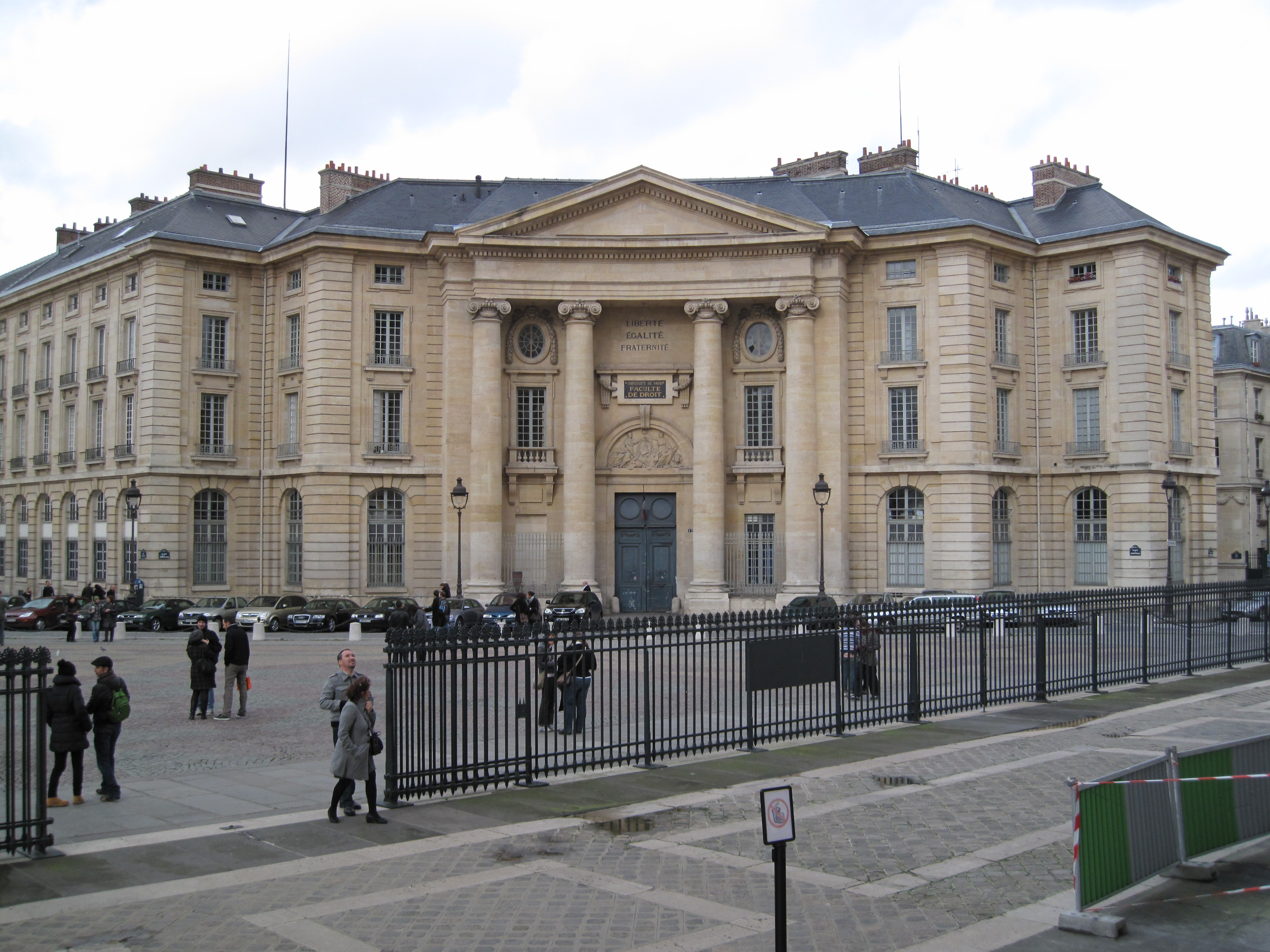
The Sorbonne, founded in the 13th century, stands as one of Europe's first great universities and the intellectual engine of medieval Paris. It shaped the city into a center of learning that would eventually nurture the writers, philosophers, and bohemians of the modern Left Bank.
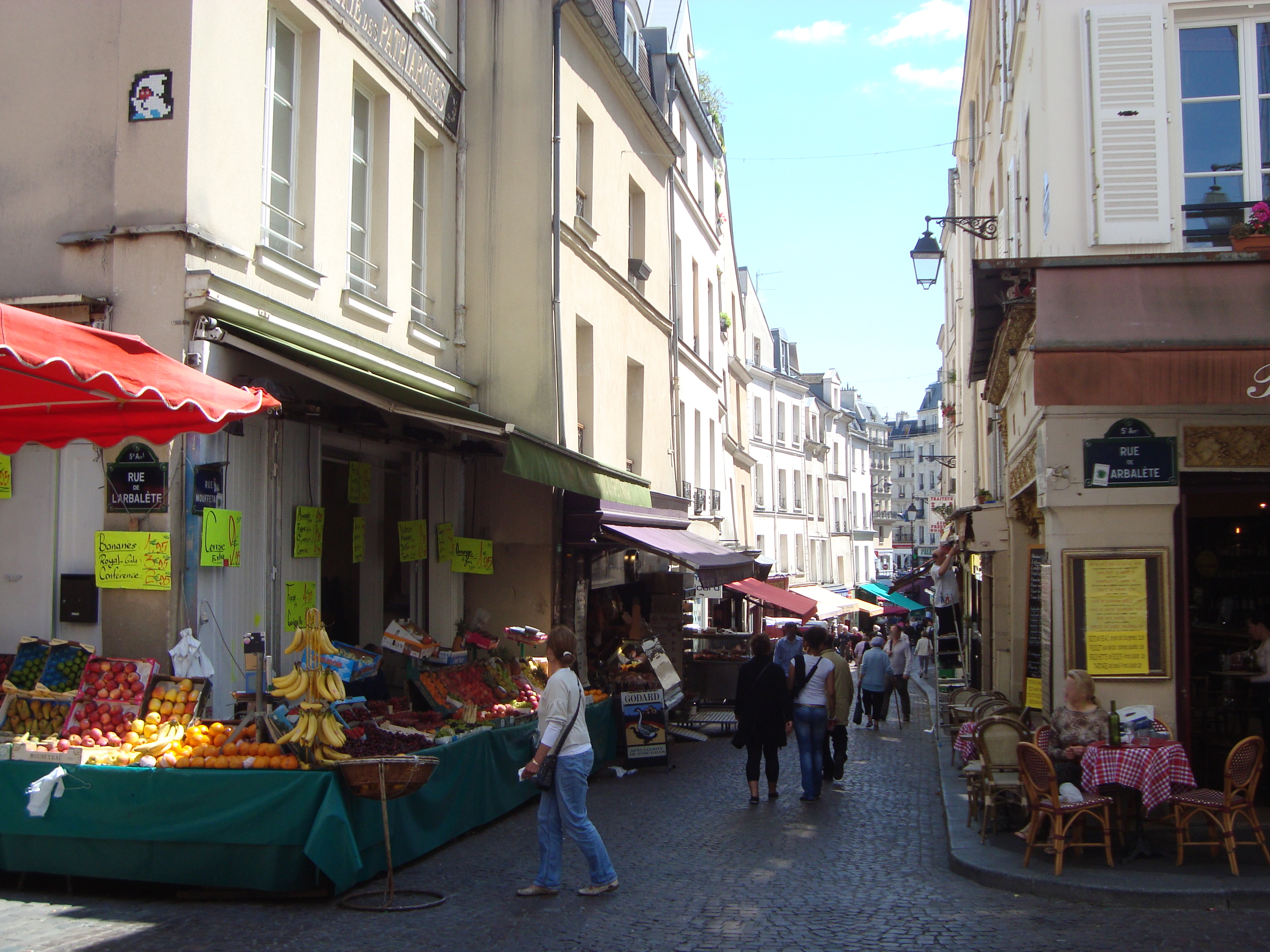
A 2,000-year-old market street in the 5th arrondissement where Hemingway found his Paris, and where the working-class reality of Left Bank life continues through street vendors, cheap cafés, and the vernacular commerce that sustained writers during the bohemian era.
This is the real story from one stop on this walk — every stop has one.
Explore a century of decorative architecture, from the glass-roofed shopping passages of the 1800s through Belle…
Explore Paris through its food—from fromageries and morning markets to a three-course bistro lunch and wine education.…
Trace the dramatic arc of the French Revolution through the streets where it unfolded—from the execution ground at Place…
We use cookies to analyse site traffic and improve your experience. You can choose to accept or reject analytics cookies. Learn more