London · United Kingdom
Shoreditch & Street Art Revolution
London, United Kingdom
Start at Columbia Road Flower Market, an explosion of colour and East End voices Walk Shoreditch's open-air street art galleries on Whitby Street and Rivington Street Step inside Dennis Severs' House, a Georgian home preserved as a living time capsule Stand before Christ Church Spitalfields, Hawksmoor's imposing baroque masterpiece End on Brick Lane, where four centuries of immigration are visible on a single street
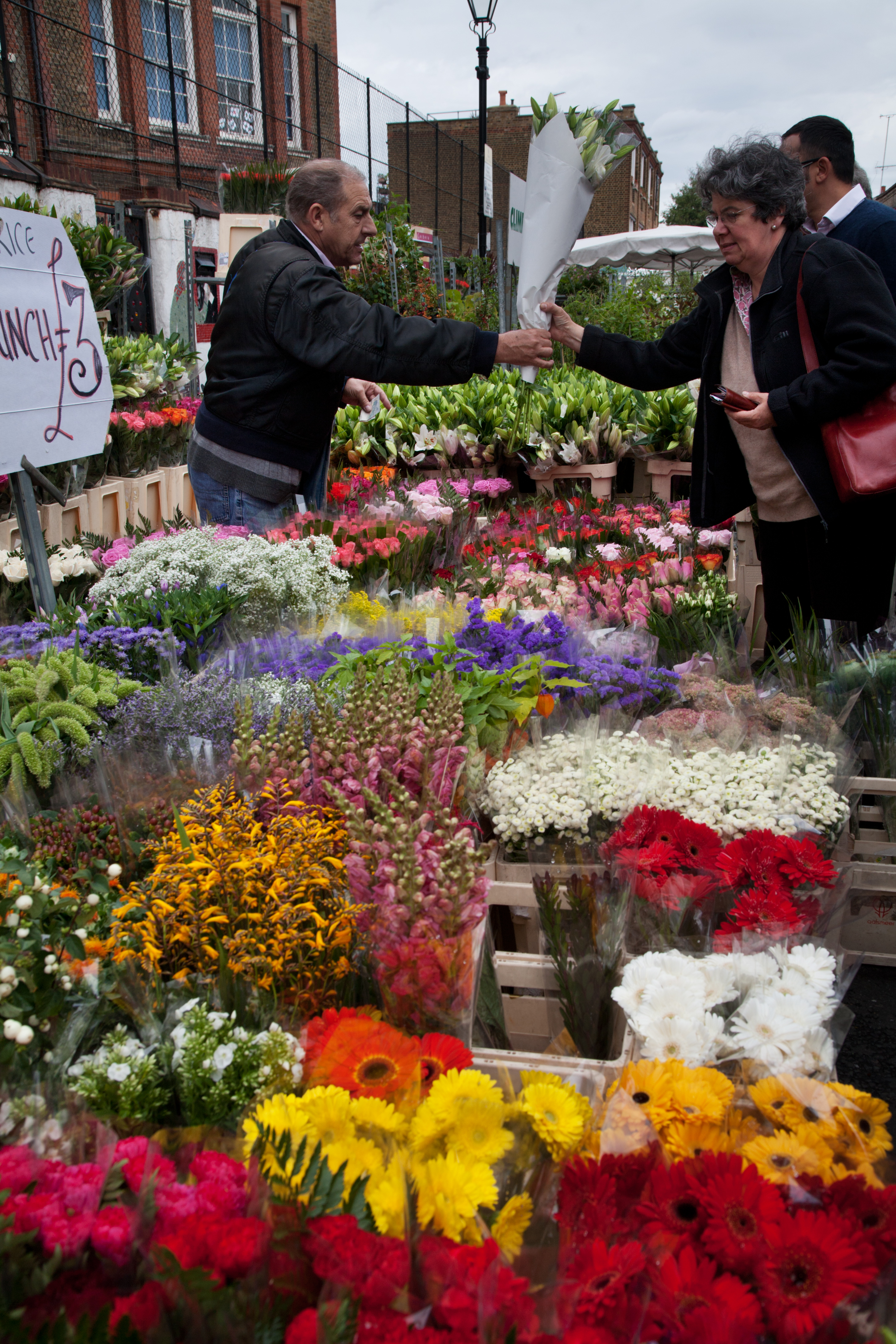
A Victorian-era flower market in Bethnal Green, founded as a philanthropic covered market in 1869 and now operating as a vibrant Sunday street market that has survived gentrification. The street is lined with independent shops and represents the creative, independent East End spirit at its heart.
A legal street art hub where contemporary artists create major murals and constantly rotating works. This is where Shoreditch's transformation from garment district to creative epicentre becomes visibly obvious.
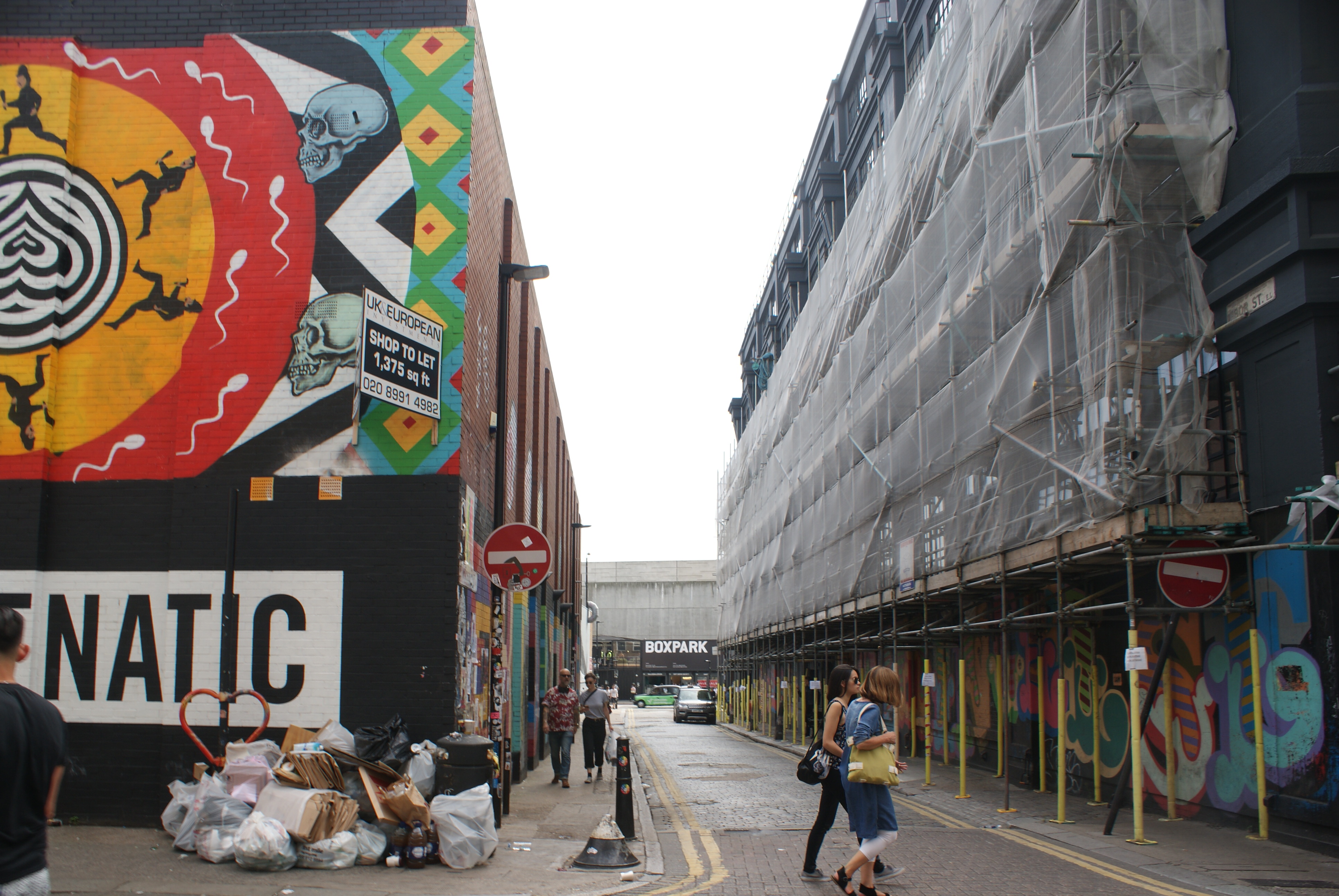
A contemporary market of stacked shipping containers, Boxpark represents Shoreditch's latest reinvention as a creative and retail hub. It's a polarizing symbol of how derelict industrial spaces have transformed into London's most coveted postcode.
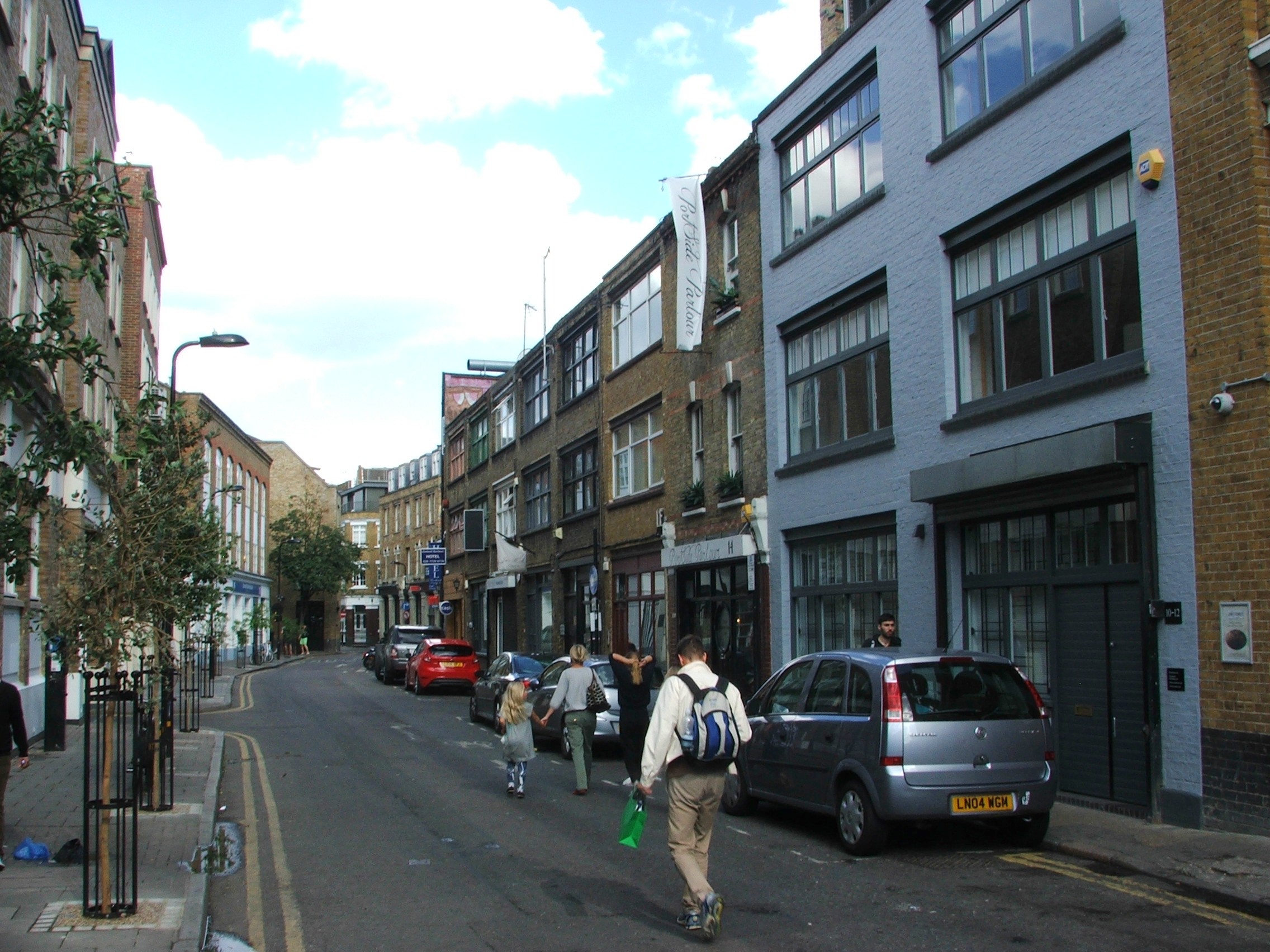
This street is where Banksy's early London works appeared, marking the shift from underground vandalism to recognized street art. Today it remains a constantly evolving graffiti canvas where legal and semi-legal pieces compete for wall space.
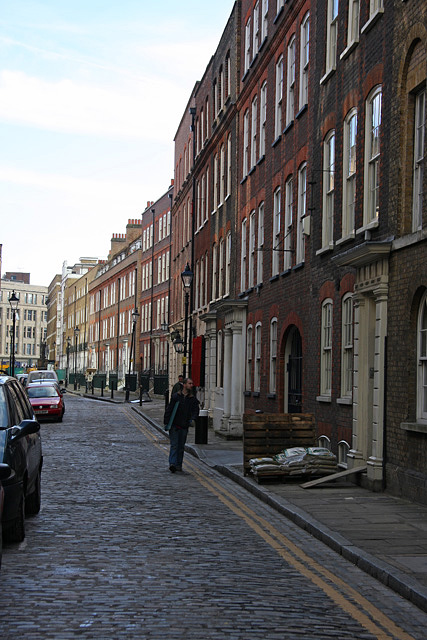
A Georgian townhouse preserved as an immersive living museum that recreates 18th-century Huguenot silk-weaver life, offering an intimate glimpse into the domestic history that preceded the street art revolution outside.
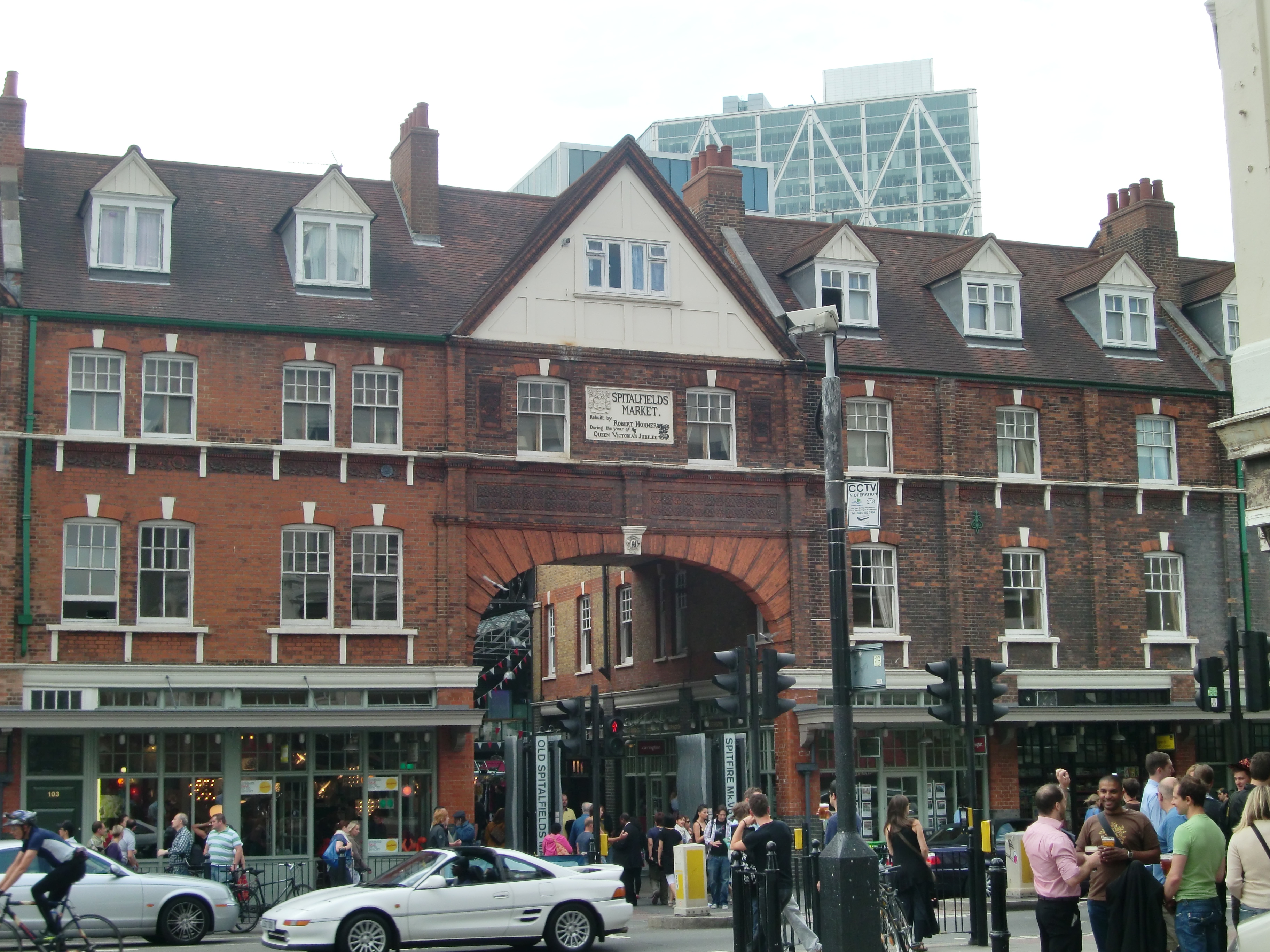
Old Spitalfields Market has traded continuously since 1638, evolving from a wholesale fruit and vegetable market to a vibrant hub of artisan food, vintage fashion, and independent design housed in a stunning Victorian iron and glass structure.
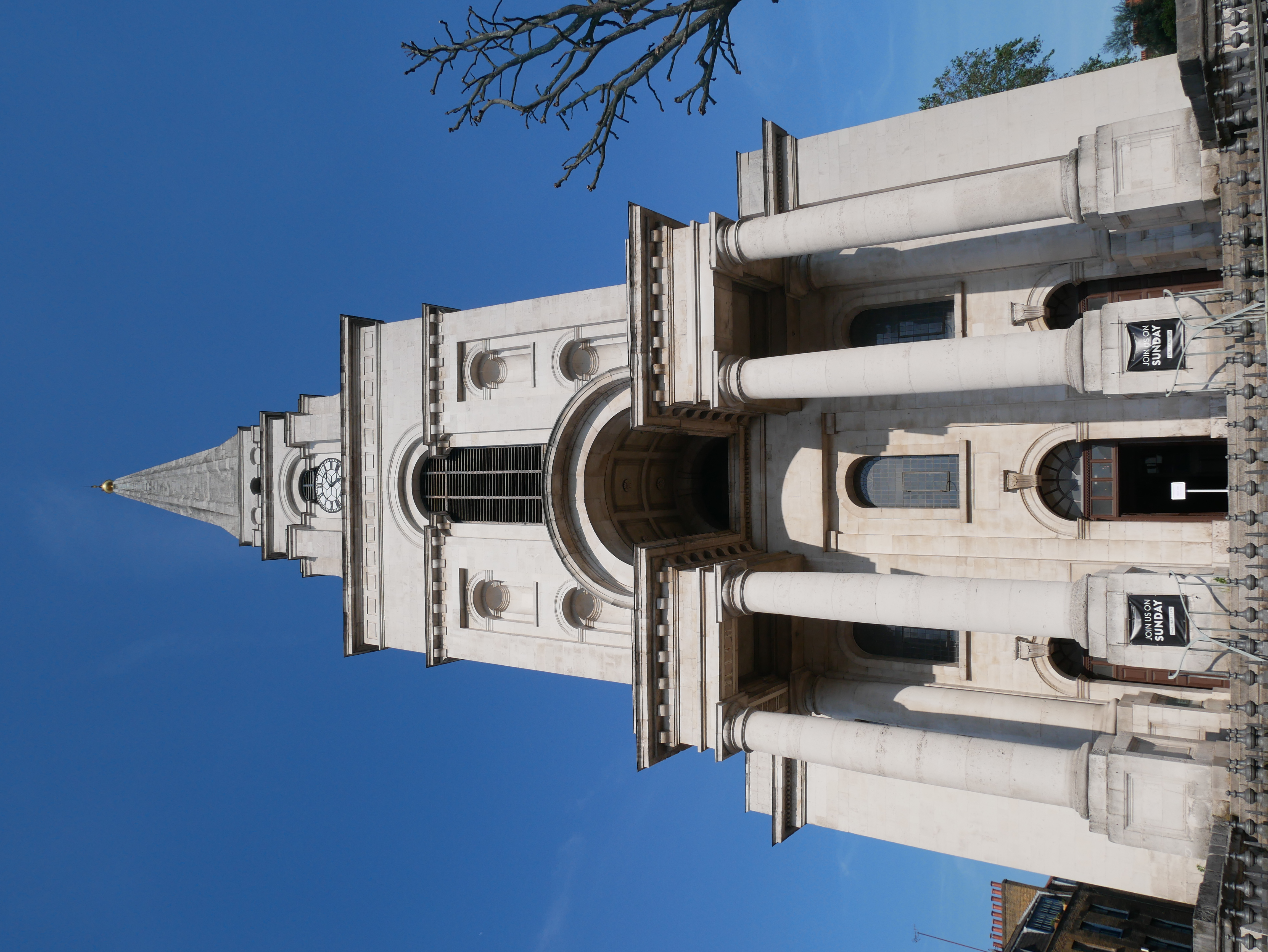
Nicholas Hawksmoor's baroque masterpiece, completed in 1729, stands as a statement of Anglican authority in an area dominated by Huguenot Dissenters. After nearly becoming derelict by the 1960s, a meticulous restoration (2000-2004) has returned Hawksmoor's original vision—a structure of "terror and magnificence"—to its full splendour.
An ornamental gateway erected in 1997 to mark the entrance to London's Bangladeshi cultural quarter. Designed by Meena Thakor and emblazoned with the red and green of the Bangladesh flag, the arch stands as both a proud statement of cultural identity and a symbol of how immigrant communities transform neighbourhoods — and how quickly they can be transformed out of them.
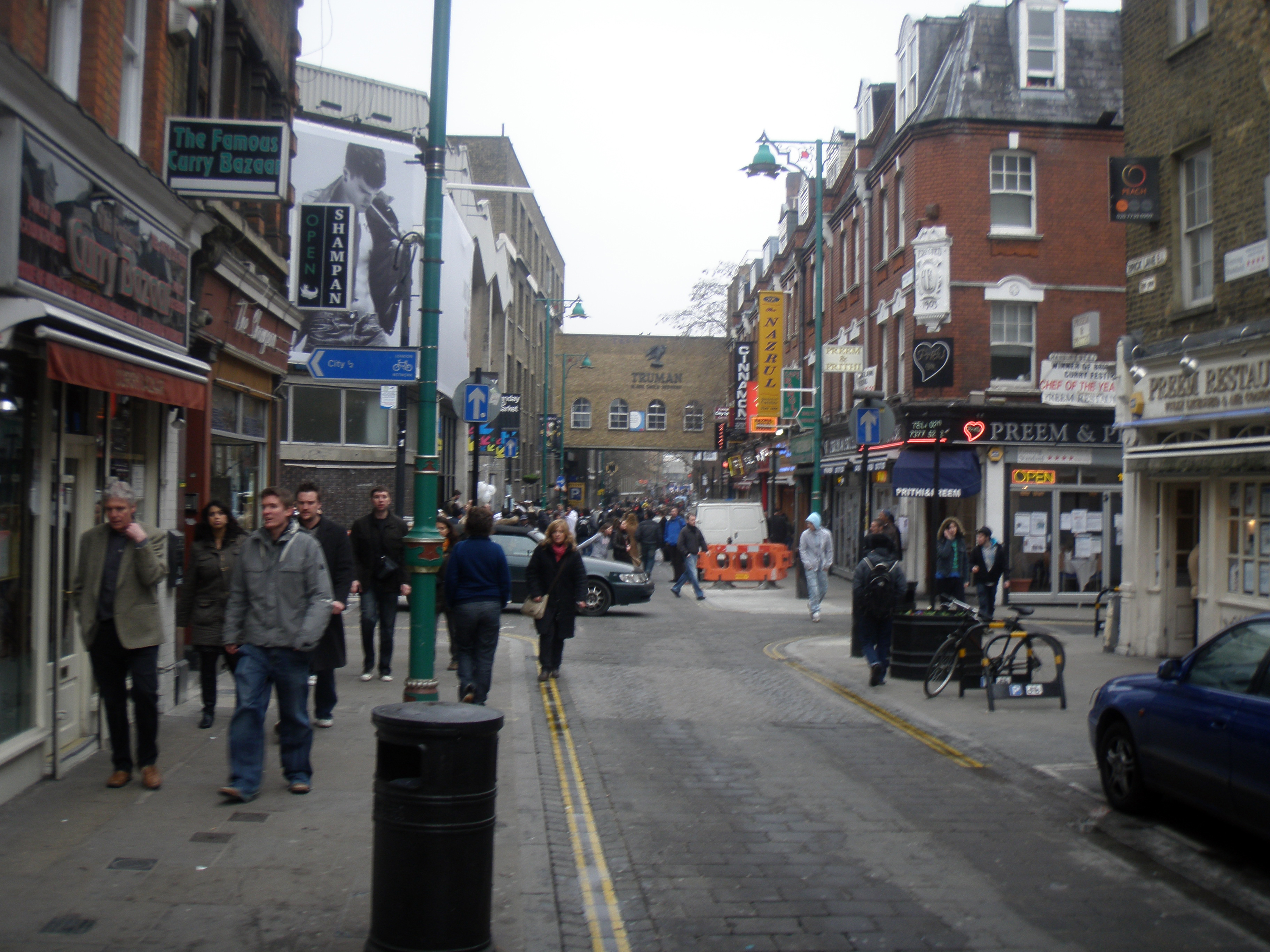
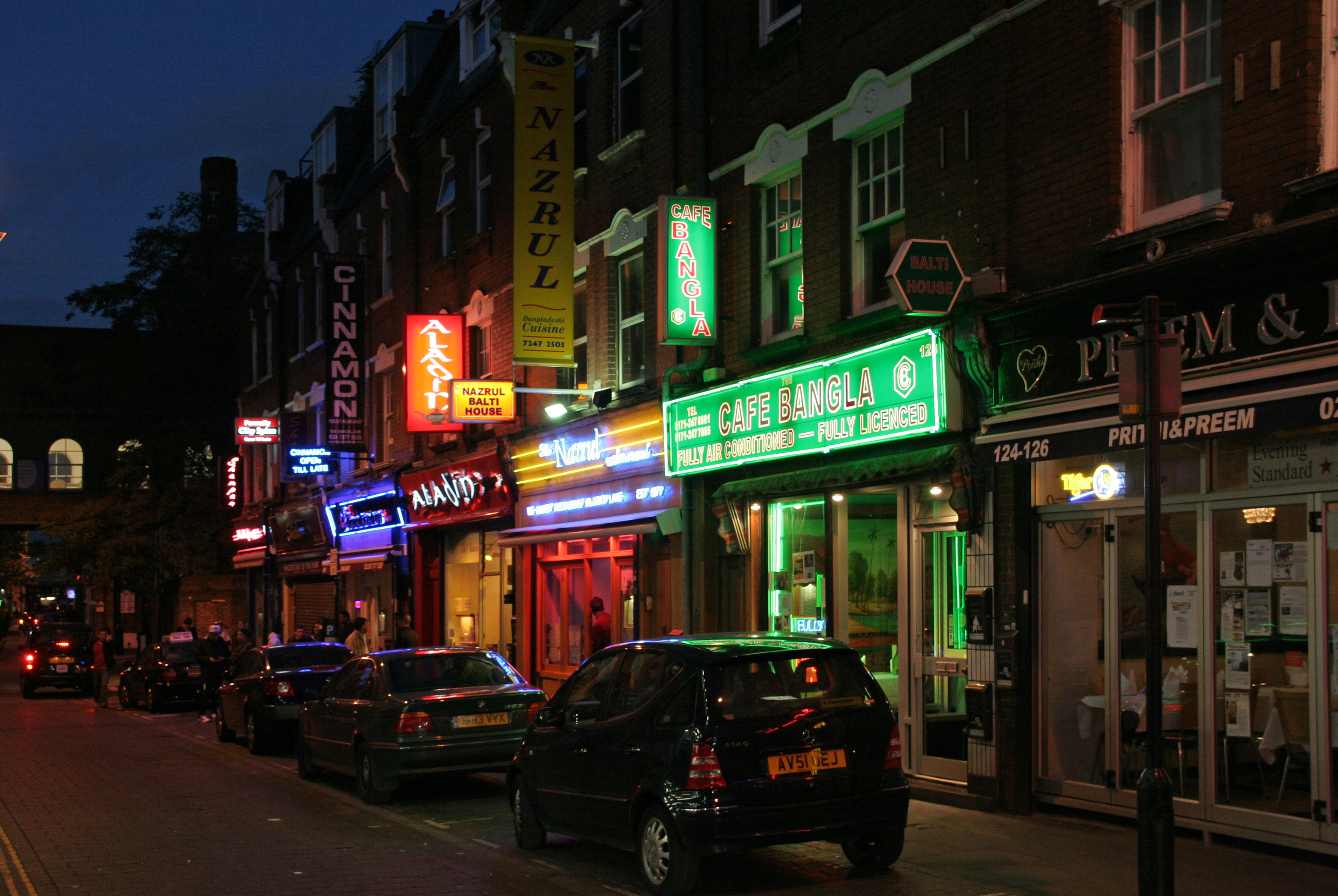
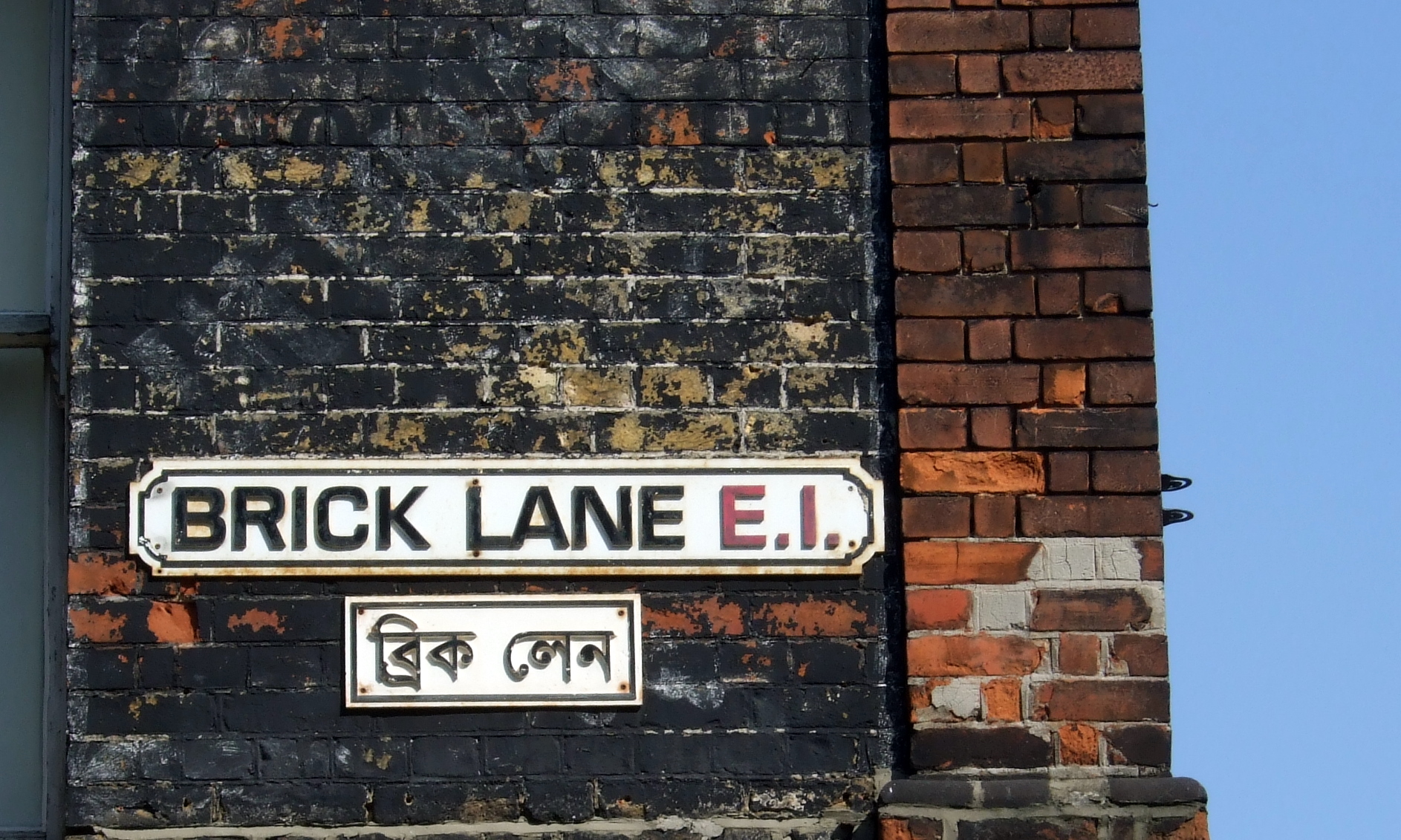
Brick Lane is the East End's most layered street, where Huguenot chapels, Jewish synagogues, Bangladeshi curry houses, and contemporary street art converge as a living record of London's immigrant waves. Every building here tells the story of reinvention—the very thesis of this tour.
This is the real story from one stop on this walk — every stop has one.
Walk from the Victorian Gothic splendour of St Pancras into the quiet Georgian squares where Virginia Woolf, John…
Walk through London's wealthiest neighbourhood and discover how the Georgian aristocracy designed a machine for…
Duck behind London's facades into a network of hidden arcades, secret courtyards, and forgotten gardens. From the…
We use cookies to analyse site traffic and improve your experience. You can choose to accept or reject analytics cookies. Learn more